Contenido relacionado
Huffington Post: Muere Kate Millett, activista y referente feminista
TeleSUR: Muere la autora feminista Kate Millett a los 82 años

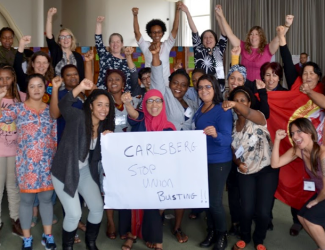
Defensoras de derechos humanos de todo el planeta defienden sus tierras, medios de subsistencia y sus comunidades ante las industrias extractivas y el poder corporativo. Ellas hacen frente a fuertes intereses económicos y políticos que promueven el robo de tierras, el desplazamiento de comunidades, la pérdida de los medios de subsistencia y la degradación del medioambiente.
El extractivismo es un modelo económico y político de desarrollo que mercantiliza la naturaleza y prioriza la ganancia por sobre los derechos humanos y el medioambiente. Arraigado en la historia colonial, refuerza las desigualdades sociales y económicas tanto a nivel local como global. Muchas veces, las mujeres negras, rurales e indígenas son las más afectadas por el extractivismo, y además son notablemente excluidas de la toma de decisiones. Desafiando estas fuerzas patriarcales y neocoloniales, las mujeres se alzan en defensa de los derechos, las tierras, las personas y la naturaleza.
Las defensoras que enfrentan a las industrias extractivas, experimentan una diversidad de riesgos, amenazas y violaciones, incluidas la criminalización, la estigmatización, la violencia y laintimidación. Sus historias dan cuenta de marcados aspectos de violencia sexual y de género. Entre los perpetradores se incluyen autoridades estatales y locales, las corporaciones, la policía, el ejército, las fuerzas paramilitares y de seguridad privada, y en algunos casos, sus propias comunidades.
AWID y la Coalición Internacional de Mujeres Defensoras de Derechos Humanos (WHRDIC por su sigla en inglés) tienen el placer de anunciar «Defensoras de derechos humanos confrontado al extractivismo y al poder corporativo»; un proyecto interregional de investigación que documenta las experiencias vividas por las defensoras de Asia, África y América Latina.
Alentamos a activistas, integrantes de movimientos sociales, la sociedad civil organizada, donantes y responsables de políticas públicas, a leer y utilizar estas producciones para el trabajo de incidencia, con fines educativos y como fuente de inspiración:
«Defensoras de derechos humanos confrontando a las industrias extractivas: un panorama de los riesgos críticos y las obligaciones en materia de derechos humanos» es un informe sobre políticas desde la perspectiva de género (en inglés, pronto disponible en español). Analiza las formas de violaciones y los tipos de perpetradores, hace referencia a las obligaciones relevantes en derechos humanos e incluye recomendaciones de políticas para los estados, corporaciones, la sociedad civil y donantes.
«Tejiendo la Resistencia a través de la Acción: Las Estrategias de las Defensoras de Derechos Humanos contra a las Industrias Extractivas» es una guía práctica que expone formas creativas y deliberadas de acción, tácticas exitosas e inspiradoras historias de resistencias.
El video «Defendiendo a las Personas y al Planeta: Mujeres Confrontando a las Industrias Extractivas» está protagonizado por defensoras de derechos humanos de África, Asia y América Latina, que comparten sus luchas por la tierra y la vida, y hablan de los riesgos y desafíos que enfrentan en su activismo.
«Desafiar al poder corporativo: Las luchas por los derechos de las mujeres, la justicia económica y de género» es un informe de investigación que explica los impactos del poder corporativo y ofrece ideas sobre estrategias de resistencia.
AWID reconoce con gratitud las invaluables contribuciones de cada Defensora de Derechos Humanos que ha sido parte de este proyecto. Esta guía ha sido posible gracias su generosidad y apertura al compartir sobre sus experiencias y lecciones. Su coraje, creatividad y resiliencia son una inspiración para todxs nosotrxs. ¡Muchas gracias!
Contenido relacionado
Huffington Post: Muere Kate Millett, activista y referente feminista
TeleSUR: Muere la autora feminista Kate Millett a los 82 años
La economía solidaria (que incluye la economía cooperativa y la llamada economía del don) es un marco alternativo que adquiere formas diferentes según el contexto y está siempre abierto a los cambios.
Este marco de referencia se asienta sobre los siguientes principios:
En una economía solidaria, quienes producen participan en procesos económicos que guardan íntima relación con sus realidades, con la preservación del medio ambiente y la cooperación mutua.
Según la geógrafa feminista Yvonne Underhill-Sem, la economía del don es un sistema económico en el que los bienes y servicios circulan entre las personas sin que haya acuerdos explícitos acerca de su valor o de una reciprocidad esperada en el futuro.
Lo que hay detrás del otorgamiento de dones es una relación humana, una generación de buena voluntad y el acto de prestar atención a nutrir a toda la sociedad y no solo a lo que concierne a unx mismx y su familia: se trata del colectivo.
En el Pacífico, por ejemplo, esto se manifiesta en la recolección, preparación y procesamiento de recursos terrestres y marinos para tejer alfombras, abanicos, guirnaldas y objetos ceremoniales, así como en la cría de ganado y el almacenamiento de las cosechas estacionales.
Las mujeres tienen diversos incentivos para involucrarse en actividades económicas y que van desde satisfacer sus aspiraciones profesionales y ganar dinero para gozar de una vida confortable en el largo plazo hasta llegar a fin de mes, pagar deudas y huir del desgaste de una vida rutinaria.
Para acomodarse a los diferentes ambientes en los que operan las mujeres, el concepto de economía solidaria está en permanente desarrollo, discusión y debate.

L'EXCLUSION, LA STIGMATISATION ET LES ABUS INSTITUTIONNELS
auxquels les personnes trans et les travestis continuent de faire face au quotidien


لمشاركة تجاربكم/ن المعاشة بما يتعلق بتمويل منظمتكم/ن
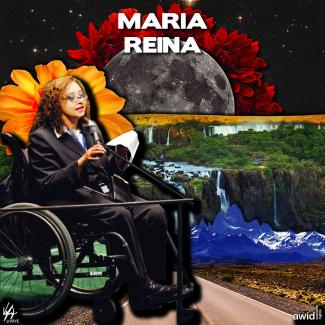
Elle a représenté l'International Disability and Development Consortium (consortium international sur le développement et le handicap) lors de la négociation de la Convention des Nations Unies relative aux droits des personnes handicapées (2001-2006). Son travail a été consacré à la réalisation de l'objectif de la Convention, à savoir la réalisation des droits humains universels par, pour et avec les personnes handicapées pour un monde inclusif, accessible et durable.
Selon ses propres mots, son leadership consistait à « … servir la communauté des personnes handicapées, en commençant par de petites tâches que d'autres pourraient ne pas vouloir faire».
Elle est décédée le 27 octobre 2017 dans sa ville natale de Rosario, en Argentine.
Pour en savoir plus sur María Verónica Reina, retrouvez son témoignage.
La crise économique mondiale actuelle fournit la preuve évidente que les politiques économiques des trois dernières décennies n’ont pas fonctionné.
La dévastation que la crise a opéré sur les ménages les plus vulnérables dans les pays du Nord et du Sud nous rappelle que la formulation de politiques économiques et la réalisation des droits humains (économiques, sociaux, politiques, civils et culturels) ont été trop longtemps séparées l’une de l'autre. La politique économique et les droits humains ne doivent pas être des forces opposées, elles peuvent coexister en symbiose.
Les politiques macroéconomiques influencent le fonctionnement de l'économie dans son ensemble, elles façonnent la disponibilité et la distribution des ressources. Dans ce contexte, les politiques budgétaires et monétaires sont fondamentales.
La politique budgétaire se réfère à la fois aux recettes et aux dépenses publiques, et aux relations entre elles qui sont formulées dans le budget de l’État.
La politique monétaire regroupe les politiques sur les intérêts et les taux de change et la masse monétaire, ainsi que la réglementation du secteur financier.
Les politiques macroéconomiques sont mises en œuvre à l’aide d'instruments tels la fiscalité, les dépenses du gouvernement, et le contrôle entre la masse monétaire et le crédit.
Ces politiques affectent les taux d’intérêt et les taux de change qui ont une influence directe sur, entre autres choses, le niveau de l'emploi, l'accès à un crédit abordable et le marché du logement.
L'application d'un cadre de droits humains aux politiques macroéconomiques permet aux États de mieux se conformer à leur obligation de respecter, de protéger et de réaliser les droits économiques et sociaux. Les droits humains sont inscrits aux conventions internationales selon des normes universelles. Ces normes juridiques sont énoncées dans les traités des Nations Unies tels la Déclaration universelle des droits de l'homme (DUDH), le Pacte international relatif aux droits civils et politiques (PIDCP) et le Pacte international relatif aux droits économiques, sociaux et culturels (PIDESC).
L’Article 1 de la DUDH stipule que « Tous les êtres humains naissent libres et égaux en dignité et en droits ».
Bien que la DUDH ait été rédigée il y a près de six décennies, sa pertinence est toujours de mise. La plupart des principes énoncés répondent aux problèmes auxquels les gens continuent d’être confrontés à l'échelle mondiale. Les questions concernant les châtiments inhumains (art. 5), la discrimination (art. 7), la propriété (art. 17), un salaire égal pour un travail égal (art. 23/2), et l'accès à l'éducation (art. 26/1) sont des questions pertinentes tant pour les pays au Sud et au Nord de l'équateur.
En particulier, les États ont l'obligation, en vertu du droit international, de respecter, de protéger et de réaliser les droits humains, y compris les droits économiques et sociaux des personnes relevant de leur compétence. Cet aspect est particulièrement pertinent aujourd'hui, compte tenu de la crise financière. Aux États-Unis, la réglementation est faussée en faveur de certains intérêts. Dans le contexte du changement social et économique actuel, l'incapacité des gouvernements à étendre leur rôle de surveillance est un échec cuisant face à l’obligation de protéger les droits humains.
Les États devraient respecter les principes clés des droits humains pour réaliser les droits économiques et sociaux. Certains de ces principes ont des implications potentiellement importantes pour la gouvernance des institutions financières et des marchés. Ces possibilités ont été sous explorées jusqu’à présent.
Les droits économiques et sociaux ont un ancrage institutionnel et juridique concret. Les traités internationaux, les déclarations mondiales, les conventions, et, dans un certain nombre de cas, les constitutions nationales ont intégré certains aspects des cadres de droits économiques et sociaux, ce qui a permis l’élaboration d’infrastructures institutionnelles au niveau du droit national et international.
Certaines personnes avancent que l’idée d’une justice mondiale n’est peut-être pas un exercice utile en raison des complexités institutionnelles en jeu. Toutefois, les institutions mondiales ont sans aucun doute des incidences sur la justice sociale, à la fois positives et négatives.
Il est utile de déterminer ce que ces éléments des cadres alternatifs impliquent pour la gouvernance économique, en particulier ceux qui sont soutenus par les institutions existantes. Le cadre des droits économiques et sociaux est un bon exemple concret : ce cadre évolue constamment et les discussions et les délibérations en cours sont nécessaires afin d'aborder les sections sous développées et les lacunes potentielles.

Cette section est fondée sur le blog du CWGL intitulé Applying a Human Rights Framework to Macroeconomic Policies (L'application d'un cadre de droits humains aux politiques macroéconomiques, 2012).
The fight for a world full of workplaces that are free from of all forms of discrimination, stigma and exclusion is a worthy one. A world in which sex work is decriminalized and recognized as work is part of this.
A world where all workers have safe working conditions, dignified wages, and can enjoy the same rights like health care, pension pay, sick days, holidays, job security and more, no matter their gender, race, ethnicity, age or ability. Labor rights are feminist issues, and feminist unions play a key role in advancing the legal, labor and economic rights of all workers, especially migrant workers, domestic workers, informal workers and sex workers. These are folks who have most recently been disproportionately affected by the pandemic, its burdens of care, lockdowns, curfews and increased policing. Let us introduce you to the stories of feminists and union organizers that are fighting for better working conditions and better worlds for all.

الاستطلاع متاح باللغات العربية، الإنجليزية، الفرنسية، البرتغالية، الروسية والاسبانية!
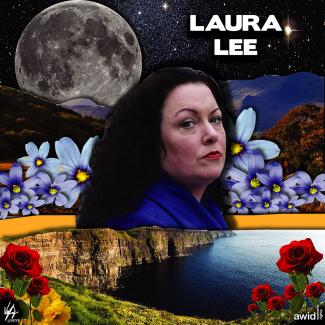
Laura was a leading activist and lawyer who campaigned fearlessly for the decriminalisation of sex work in Ireland.
She is remembered as “a freedom fighter for sex workers, a feminist, a mother to a daughter and a needed friend to many.”
Laura advocated for individuals in the sex industry to be recognised as workers deserving of rights. She advanced demands for decriminalisation, including initiating a judicial review at Belfast’s high court in respect of the provisions criminalising the purchase of sex. Laura stated that her intention was to bring the case to the European Court of Human Rights.
Les acteurs anti-droits ont eu un impact substantiel sur le cadre relatif aux droits humains et sur l’interprétation progressiste des normes relatives à ces droits, en particulier dans le champ du genre et de la sexualité.
Pour mesurer l’impact de l’action des conservateurs dans les espaces politiques internationaux, il suffit de constater l’immobilisme et les régressions qui caractérisent la situation actuelle.
Nous sommes témoins de l’affaiblissement des accords et des engagements existants ; de négociations dans l’impasse ; du travail de sape continu mené à l’encontre des agences des Nations Unies, des organes de surveillance des traités et des Procédures spéciales ; et enfin de l’intégration d’un langage rétrograde dans les documents internationaux relatifs aux droits humains.
La CSW, qui se réunit chaque année en mars, est depuis longtemps l’un des espaces les plus contestés du système des Nations Unies. En mars 2015, les conservateurs ont donné le ton avant même que les événements ou les négociations ne commencent. Le document final élaboré par la Commission s’est avéré être une Déclaration très peu ambitieuse qui avait été négociée avant même que les activistes des droits des femmes n’aient pu intervenir.
Pendant la CSW 2016, le nouveau Caucus des jeunes a été infiltré par un grand nombre d’activistes anti-avortement et anti-droits sexuels et reproductifs qui ont réussi à réduire les organisations de jeunes progressistes au silence. Une fois de plus, les intenses négociations ont abouti à un texte terne dans lequel les éléments relatifs à « la famille » sont formulés dans un langage rétrograde.
Alors qu’il est devenu particulièrement important et urgent de faire progresser les droits humains des femmes, la CSW est devenue un espace affaibli et dépolitisé. Il est de plus en plus difficile d’envisager d’y faire progresser ces droits dans la mesure où les activistes progressistes utilisent toute leur énergie pour essayer de faire barrage au recul voulu par les conservateurs.
En tant qu’organe intergouvernemental responsable de la promotion et de la protection des droits humains dans le monde entier, le CDH est une porte d’entrée essentielle pour les conservateurs. Ces dernières années, cette institution a été le théâtre d’un certain nombre de démarches anti-droits.
En concertation avec d’autres acteurs anti-droits, certains États et blocs d’États conservateurs ont adopté une stratégie qui vise à faire retirer tout langage progressiste des résolutions et à introduire des amendements hostiles. Ils s’attaquent le plus souvent aux résolutions qui traitent de droits relatifs au genre et à la sexualité.
Par exemple, lors de la session du CDH qui s’est tenue en juin 2016, les États membres de l’Organisation de coopération islamique (OCI) et leurs alliés se sont opposés à l’adoption d’une résolution sur la discrimination à l’égard des femmes. Au cours de négociations tendues, de multiples dispositions ont été supprimées, y compris celles relative au droit des femmes et des filles de contrôler leur sexualité et leur santé ainsi qu’à leurs droits sexuels et reproductifs. Ont également été supprimées toutes les dispositions portant sur la nécessité d’abroger les lois qui perpétuent l’oppression patriarcale des femmes et des filles dans les familles et celles qui criminalisent l’adultère ou pardonnent le viol conjugal.
Le CDH a également été le théâtre d’initiatives pernicieuses des conservateurs visant à coopter les normes relatives aux droits humains et à introduire un langage conservateur en matière de « droits humains » – comme celui utilisé dans les résolutions en faveur des « valeurs traditionnelles » soutenues par la Russie et ses alliés et, plus récemment, dans le cadre de la campagne pour la « protection de la famille ».
En 2015, un certain nombre d’organisations religieuses conservatrices ont ouvert un nouveau front de lutte en commençant à s’attaquer à la Commission des droits de l’homme, organe de contrôle de l’application du Pacte international relatif aux droits civils et politiques (PIDCP) et instrument essentiel pour les droits humains.
Des groupes anti-droits se sont mobilisés dans l’espoir de faire inclure leur rhétorique anti-avortement dans le traité.
Lorsque la Commission a annoncé qu’elle rédigeait une nouvelle interprétation autorisée du droit à la vie, plus de 30 acteurs non étatiques conservateurs ont envoyé des observations écrites, avançant leurs arguments fallacieux sur le « droit à la vie » – à savoir que la vie commence dès la conception et que l’avortement est une violation de ce droit. Ils ont demandé à ce que ces idées soient incorporées dans l’interprétation de l’article 6 par la Commission.
L’action concertée de ces groupes conservateurs auprès de la Commission des droits de l’homme représente une évolution notable dans la mesure où elle concrétise la volonté des acteurs anti-droits de saper et d’invalider le travail essentiel qu’accomplissent les organes de surveillance de l’application des traités, dont celui de la Commission des droits de l’homme elle-même.

En 2015, les acteurs anti-droits ont mené des actions de plaidoyer dans le cadre de l’élaboration des nouveaux objectifs de développement durable (ODD), insistant une nouvelle fois sur les droits relatifs au genre et à la sexualité. Leurs efforts pour faire adopter un langage rétrograde dans le Programme de développement durable à l’horizon 2030 ont été moins fructueux.
Néanmoins, après avoir réussi à empêcher l’inclusion d’un langage progressiste dans le texte final, les conservateurs ont ensuite adopté une autre stratégie. Pour minimiser la responsabilité des États et saper l’universalité des droits, plusieurs États ont émis de multiples réserves sur les ODD.
Au nom du Groupe des États africains membres de l’ONU, le Sénégal a affirmé que les États africains ne « mettraient en œuvre que les ODD alignés sur les valeurs culturelles et religieuses de ses pays membres ».
Le Saint-Siège a également émis un certain nombre de réserves, affirmant qu’il était « certain que l’engagement selon lequel ‘personne ne serait laissé de côté’ serait compris comme une reconnaissance du droit à la vie de la personne, de la conception jusqu’à la mort naturelle ».
L’Arabie saoudite est allée plus loin encore, déclarant que le pays ne suivrait pas les règles internationales relatives aux ODD qui feraient référence à l’orientation sexuelle ou à l’identité de genre, les qualifiant de « contraires à la loi islamique ».
Les acteurs anti-droits ont un pouvoir d’influence de plus en plus marqué au sein de l’Assemblée générale des Nations Unies. En 2016, lors de la 71e session, l’AG a été le théâtre de la féroce opposition des acteurs anti-droits à un nouveau mandat créé en juin 2016 en vertu de la Résolution du Conseil des droits de l’homme sur l’orientation sexuelle et l’identité de genre : le mandat d’Expert indépendant pour la protection contre la violence et la discrimination basées sur l’orientation sexuelle et l’identité de genre[Béné1] (OSIG). Quatre actions ont été mises en œuvre dans les espaces de l’AG pour tenter de réduire la portée de ce mandat.
Le Groupe des États africains a notamment coordonné la présentation d’une résolution hostile auprès de la Troisième Commission[Béné2] , visant essentiellement à faire indéfiniment ajourner ce nouveau mandat. Bien que cette tentative n’ait pas abouti, il s’agit d’une tactique nouvelle et préoccupante visant à bloquer rétroactivement la création d’un mandat présenté par le Conseil des droits de l’homme.
Les acteurs anti-droits œuvrent maintenant à porter directement atteinte à l’autorité du CDH auprès de l’Assemblée générale. Les acteurs anti-droits ont également tenté de nuire à ce mandat en menant une actions auprès de la Cinquième Commission (chargée des questions administratives et budgétaires). Cette initiative inédite a conduit un certain nombre d’États à tenter (encore une fois sans succès) de bloquer le financement des experts des droits humains de l’ONU, dont celui de l’Expert indépendant pour la protection contre la violence et la discrimination basées sur l’orientation sexuelle et l’identité de genre.
Bien que ces multiples tentatives n’aient pas réussi à empêcher la création et le maintien de ce nouveau mandat, le soutien important que ces acteurs ont reçu, les stratégies innovantes qui ont été mise en œuvre et les puissantes alliances régionales qui se sont forgées tout au long des négociations nous donnent une idée des difficultés auxquelles nous allons devoir faire face.
Télécharger le chapitre complet (en anglais)
El salario mínimo de Georgia se encuentra en un porcentaje inferior al de todos los países del mundo. Esta realidad afecta mayoritariamente a las mujeres.
El país no solo tiene una brecha salarial de género significativa, sino que las mujeres también trabajan más horas y más horas no reguladas antes de irse a casa para ocuparse de las tareas domésticas y de sus familias. No hay licencia por maternidad, no hay aumentos de salario por horas extras, no hay seguro de desempleo, y no hay licencias por enfermedad u otra protección social. Presionados por organizaciones occidentales, los partidos políticos oligárquicos georgianos han estado implementando reformas que están destruyendo el estado de bienestar, aumentando las medidas de austeridad y empeorando la explotación de lxs trabajadorxs, todo para los beneficios de grandes corporaciones que aplauden al país por su "facilidad para hacer negocios". Los medios de comunicación, cooptados por intereses privados y corporativos, están sesgados sobre estos temas o los silencian. La organización sindical sigue siendo una de las pocas opciones para luchar por los derechos humanos básicos y para hacer que el Estado y las empresas rindan cuentas ante las violaciones y persecuciones diarias y generalizadas contra lxs trabajadorxs, especialmente contra las mujeres.
Fuentes: Minimum-Wage y entrevista con Sopo Japaridze en Democracia Abierta

1 |
Предоставить членам AWID, партнерам и донорам обновленный, мощный, основанный на фактических данных и ориентированный на конкретные действия анализ ресурсных реалий феминистских движений, а также текущего состояния экосистемы финансирования феминистских инициатив. |
2 |
Выявить и продемонстрировать возможности для увеличения и улучшения финансирования феминистских организаций, выявить ошибочные решения и препятствовать тенденциям, приводящим к нехватке финансирования и/или противоречащим гендерной справедливости и межсекторальным феминистским повесткам. |
3 |
Сформулировать феминистское видение, предложения и программы по обеспечению ресурсами. |
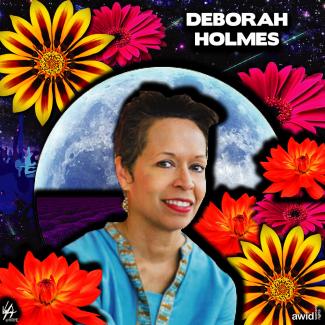
Al momento de su muerte, luego de una corta pero denodada batalla contra el cáncer, Deborah era la Jefa de Comunicaciones y Participación en la Women’s Funding Network (WFN, Red de financiamiento para mujeres).
Deborah también trabajó para el Fondo Global de Mujeres entre 2008 y 2017. Era sumamente querida y respetada por el consejo asesor, el personal y lxs colaboradorxs de la organización.
Kavita Ramdas, anterior directora ejecutiva del Fondo, acertadamente señaló que Deborah era un «pequeño paquete que explotaba de calidez, generosidad, inteligencia, estilo y un apasionado compromiso por unir la belleza con la justicia. Ella entendía el poder de las historias. El poder de la voz de las mujeres. El poder de la experiencia vivida. El poder de levantarse de las cenizas y decirle a otrxs que era posible. Y todavía nos levantamos».
Musimbi Kanyoro, actual directora ejecutiva del Fondo Global de Mujeres, añadió: «Hemos perdido a una hermana y su vida ilumina valores que nos unen y nos inspiran. Al reunirnos para llorar el fallecimiento de Deborah, recordemos y celebremos su notable, audaz y apasionada vida».

This economical model exploits nature and as it intensifies, so does the inequality between global North with their large corporations, and the global South, where resources are extracted.
Find more on our report on EXTRACTIVE INDUSTRIES
There are sustainable alternatives for the environment and women's rights.