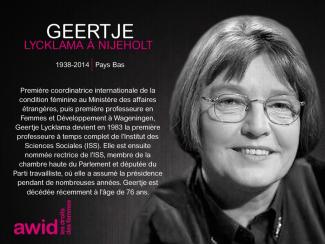
Geertje Lycklama à Nijeholt

En septembre 2016, 1800 féministes et défenseur-e-s des droits des femmes venu-e-s des quatre coins de nos mouvements se réunissaient sur les côtes de Bahia à l’occasion du 13ème Forum international de l’AWID.
Cette section met l’accent sur les victoires, les enseignements et les ressources qui ont couronné nos conversations. Nous vous invitons à l’explorer, la partager et laisser vos impressions.
L’un des principaux éléments à retenir de ce Forum a été la nécessité d’élargir et d’approfondir notre travail de collaboration entre mouvements pour faire face à une montée des fascismes et des fondamentalismes, une exacerbation de la cupidité des entreprises et un changement climatique en progression.
Nos Initiatives Jeunes-pousses ont aidé 20 idées émérgées au Forum à évoluer en actions concrètes
La vidéo « Protéger les personnes et la planète » et le guide « Arrimer la résistance à l'action » mettent en lumière le courage des défenseur-e-s des droits humains et présentent des stratégies concrètes pour résister au pouvoir des entreprises
Avec nos animations L'état de nos mouvements féministes et La justice climatique et environnementale, les mouvements ont maintenant des outils créatifs pour appuyer leur travail de plaidoyer.
La compilation des expressions artistiques des mouvements continue d’inspirer une organisation plus forte et plus créative dans le monde entier.
Les mouvements peuvent aussi bénéficier d’une nouvelle méthodologie pour envisager nos horizons féministes. (à venir bientôt !)
A travers son prochain plan stratégique et le processus de son Forum, l’AWID s’engage à poursuivre et approfondir les rapports, les apprentissages et les processus amorcés lors du Forum 2016, tout en s’inspirant de l’actualité.
Les Forums de l’AWID ont vu le jour en 1983, à Washington DC. Depuis, ils revêtent de nombreux aspects et incarnent, selon les personnes, tantôt un processus itératif visant à affiner nos analyses, notre vision et nos actions, un évènement clé galvanisant les féminismes des participant-e-s et leurs organisations ou un espace politique offrant refuge et solidarité aux défenseur-se-s des droits humains.
Pour toutes questions liées à l’Appel aux propositions d'activités, merci de nous contacter via notre formulaire de contact en choisissant « Proposition d'activité » comme sujet de votre message.
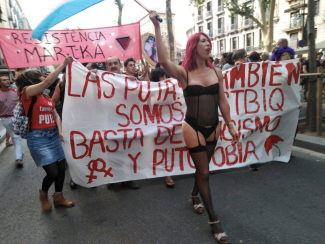
Anti-rights actors adopt a double strategy. As well as launching outright attacks on the multilateral system, anti-rights actors also undermine human rights from within. Anti-rights actors engage with the aim of co-opting processes, entrenching regressive norms, and undermining accountability.

Anti-rights actors’ engagement in international human rights spaces has a principal purpose: to undermine the system and its ability to respect, protect and fulfill human rights for all people, and to hold member states accountable for violations. Some anti-rights tactics operate from outside the UN and include delegitimization and political pressure to defund the UN, or to withdraw from international human rights agreements. In recent years, anti-rights actors have also gained increasing influence inside the UN. Their inside tactics include training of delegates, distortion of human rights frameworks, watering down human rights agreements, infiltrating NGO committees, applying for ECOSOC status under neutral names, infiltrating youth spaces, and lobbying to place anti-rights actors in key positions.
The AWID Community is an online social networking platform specifically for AWID. It is a feminist space for connection, resistance and celebration. A space for critical feminist conversations, collective power and solidarity. It is also a space for post-event dialogues, navigating difficult political learnings and community care.
Join AWID membership to be part of the AWID Community today.
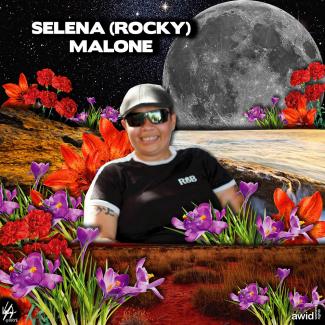
Engagée auprès de jeunes lesbiennes, gays, bisexuels, transgenres, intersexuels, queers, et transgenres (appelés Brotherboys-BB et Sistergirls-SS dans la communauté aborigène en Australie), Rocky faisait preuve de vision et d'un leadership inspirants.
Rocky avait commencé sa carrière auprès de la police du Queensland en tant qu'agent de liaison. Faire une différence était très important pour elle. Elle a mené un travail de soutien impressionnant auprès de jeunes de cette communauté en tant que responsable du service jeunesse « Open Doors » (portes ouvertes). Rocky a œuvré dans des situations complexes liées spécifiquement aux questions de genre et d'identité sexuelle.Elle avait un don naturel dans ce domaine: c’était une leader communautaire solide, une femme sereine, une amie fidèle, une personne aimante et attentionnée ainsi qu’une actrice du changement. Rocky était membre fondatrice d’IndigiLez Leadership and Support Group.
En 2016, à la Cour suprême de Brisbane, l'ancien juge de la Haute Cour, Michael Kirby, a cité le nom de Rocky lorsqu'il a loué le travail du service juridique de la communauté LGBTI au fil des années. Rocky s'est engagée très fermement en faveur des droits humains de la communauté « LGBTIQBBSG », elle a repoussé les limites et induits des changements de manière respectueuse et aimante.
Cette information ne sera disponible qu’à l’ouverture de l’inscription.
Te presentamos a Sabrina Sanchez, increíble mujer trans, migrante, trabajadora sexual, organizadora, transfeminista y una de las fundadoras del sindicato OTRAS.
Originaria de la Ciudad de México, emigró a España hace 17 años después de graduarse en comunicaciones y comenzó a trabajar como trabajadora sexual.
No pasó mucho tiempo antes de que se involucrara con el activismo trans y el activismo de trabajadoras sexuales en Barcelona. Después de unirse al colectivo Asociación de Profesionales del Sexo (Aprosex), comenzó a trabajar en su secretaría y fundó el sindicato español de trabajadoras sexuales OTRAS.
Actualmente vive en Ámsterdam, donde trabaja como coordinadora de la Alianza Europea de Trabajadoras Sexuales.
Dato divertido: ¡también es mecánica de automóviles y corredora!
En este Foro, vamos a celebrar y multiplicar las propuestas poderosas que nos rodean, en sus distintos estadios de evolución.
Una experiencia mágica de narración feminista conducida por la feminista panafricana Coumba Toure, quien actuará en la antigua tradición de lxs griots de África Occidental.
Y nos reunimos nuevamente
Juntamos nuestras historias, nuestra fuerza
nuestras canciones
nuestras lágrimas
nuestra ira
nuestros sueños
nuestro éxito
nuestros fracasos
Y lo colocamos todo junto
en un gran cuenco para compartir
durante una luna de pensamientos
Y nos mantenemos en contacto
nos sacudimos las mentes unas a otras
nos acariciamos las almas
mientras nuestras manos siguen atadas
y nuestros besos y abrazos están prohibidos
Sin embargo, nos hacemos más fuertes cada hora
entretejiendo juntas nuestras voces
cruzando las barreras del sonido
mientras hablamos en lenguas
Nuestras voces son cada vez más altas
Sabemos lo que nos diferencia de otras personas
y entre nosotras, de modo que
estamos bordando nuestras bellezas en un mosaico de pensamientos
desde nuestros aprendizajes más profundos, desde nuestros poderes
A veces nos rodea el terror
la confusión, la deshonestidad
pero nos lavamos en el océano de amor
Somos tejedoras de sueños
para vestir nuestro nuevo mundo
hilo por hilo
tan pequeñas como somos
como pequeñas hormigas construyendo nuestro movimiento
comopequeñas gotas construyendo nuestros ríos
Damos pasos hacia adelante y pasos hacia atrás
bailando nuestro camino de vuelta a la cordura
Sostenemos el ritmo de nuestros corazones: sigan
latiendo, por favor, no se detengan
Y aquí estamos, transmisoras de generosidad olvidada
gota tras gota creciendo como el océano
creciendo como el río que fluye de nuestras almas
mostrando nuestra fuerza para ser el agua
que limpiará este mundo
y nos estamos reuniendo nuevamente ¿pueden sentirnos?
Mentiría si dijera que para mí
está bien no verlas, extraño a mi gente
Extraño su contacto y
sus voces sin filtro y sin registro
Extraño nuestros susurros y nuestros alaridos
nuestros gritos de la revolución abortada
Solo queremos parir nuevos mundos
Entonces luchemos para borrar las fronteras entre nosotras
Por favor, no se detengan
« Poursuivons notre dynamique de solidarité, d’espoir et d’imagination radicale. »
- Beijing+30 et la CSW : adopter une lecture féministe des multiples défis de notre époque
Zita was a women’s rights activist who defended the rights of rural women in Greater Kivu.
She was the first Executive Director of UWAKI - a well known women’s organisation. Through her work with Women's Network for Rights and Peace (RFDP), and the Women's Caucus of South Kivu for Peace, she committed her life to helping to restore peace in the Eastern DRC. She spoke out strongly against the use of sexual violence as a weapon of war.
In 2006, she put herself forward as a candidate in the first democratic elections in the DRC. Although she did not win, she continued to advocate for women’s rights and the South Kivu community remembers her fondly.

Anglais, français, espagnol et chinois mandarin.

Lisez nos recherches sur le financement, sur les défenseuses des droits humains, sur la création de mouvements, sur les fondamentalismes, la justice économique et beaucoup plus

 |
Jurema Araújo is a teacher-poet from Rio de Janeiro. She contributed to the magazine Urbana, edited by the poets Brasil Barreto and Samaral (RIP) and to the book Amor e outras revoluções (Love and Other Revolutions) with several other writers. In collaboration with Angélica Ferrarez and Fabiana Pereira, she co-edited O livro negro dos sentidos (The Black Book of Senses), a creative anthology on black women’s sexuality in Brazil. Jurema is 54-years-old; she has a daughter, three dogs, a cat, and many friends. |
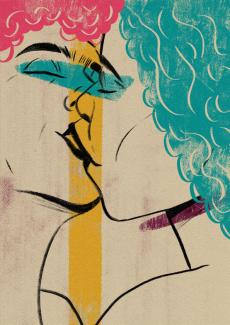
Suck it with me?Mango is my favorite fruit. |
Chupa Comigo?A fruta que eu mais gosto é manga! |
I’ll admit it: when Angélica and Fabi invited me to curate a collection of erotic texts by black women, I didn’t know what curatorship was. I understood the erotic well, but curatorship... I smiled, feeling shy and flattered. I think I thanked them – at least I hope I did – and thought to myself: what the fuck is it?! This fancy word I’ll have to learn the meaning of while doing it, what is it?
Now at this point, I know what it is to be a curator: it is making love with someone else’s texts, with someone else’s art, with the intention of putting a book together. And that is exactly what I did. I undressed each text of every author of this book with a literary lasciviousness. And I got involved in the words and senses of others. I was penetrated by poems I didn’t write; tales I didn’t even dare to imagine turned me upside down, messing with my feelings, with my libido. And it was a wonderful and unusual orgasm: ethereal, corporeal, sublime, at once intellectual and sensitive.
These texts pulsated like a clit hardened by desire, drenched, dripping joy in every reading. Words that swallowed me with their naughty significance, making me dive deeper into this wet universe.
These black women went to the bottom of their arousals and turned their deepest erotic fantasies into art. These works are impregnated with each writer’s own way of experiencing sexuality: freely, blackly, for ourselves, in our own way, empowered.
I chose to spread the texts throughout different parts of the book, each one organized according to the most delicate, explosive, evident, or implicit content they presented.
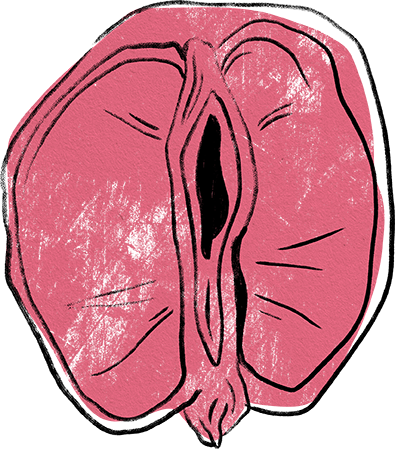
To open the door to this “invulved blackessence,” we have our Preliminaries section, with texts that introduce readers to this world of delights. It is a more general, delicate caress to acknowledge the subjects addressed by the texts in the rest of the book.
Then comes the heat of Touch, addressing what the skin can feel. That energy which burns or freezes our bodies, makes our hormones explode and starts to awaken the other senses. And although there are many of us who are voyeurs, the contact of skin with a wet and warm mouth is exciting, like wandering through the softness of whomever is with you. We are seduced by the firm or gentle touch that gives us goosebumps and that lovely discomfort that runs from the neck down to the back and only stops the next day. And the warmth of the lips, the mouth, the wet tongue on the skin – oh, the tongue in the ear, hmmm – or skin on skin, clothes moving over the body, almost like an extension of the other’s hand. If there is no urgency, that wildest arousal of the pressure of a tight grab, a bit of pain – or a lot, who knows?
The Sound – or melody? – section shows us that attraction also happens through hearing: the voice, the whispers, the music that enables the connection between the bodies and can become the theme of desire. For some of us, someone with a beautiful voice would only need their vocal cords, because that harsh or heavy or melodious sound would be auditory sex. Their loud swearing or sweet words whispered in the ear would be enough to give us hair-raising shivers from neck to coccyx.

In Flavor, we know the tongue does a good job tasting the most hidden places and wandering through the body to delight itself. Sometimes this organ is used, boldly, to taste the other’s nectar. The idea of someone sharing their strawberry or a delicious, juicy mango through bites and licks – or licks and bites – melts us. But nothing is more delicious than tasting the caves and hills of the person you are with. Stick your tongue deep inside to taste a piece of fruit... or spend hours tasting the head of a cock in your mouth, or suck on a delicious breast to taste the nipples. This is all about memorizing someone by their Flavor.
There are texts in which the nose is what triggers desire. The Smell, my dear readers, can awaken us to the delights of desire. Sometimes we meet a person who smells so good, we want to swallow them right through our nose. When you run through the other person’s body with your nose, starting with the neck – wow, that delightfully uncomfortable shiver that runs down the spine and undresses the soul! The shameless nose then moves to the back of the neck and captures the scent of the other in such a way that in the absence of that person, smelling their same scent evokes, or conversely, invades in us olfactory memories that bring the arousing smell of that person back.
We then get to Look – for me, the betrayer of senses – in which we perceive desire from a point of “view.” It is through sight that the texts present desire and arousal, through which the other senses are brought about. Sometimes a smile is all it takes to drive us crazy. The exchange of glances? That look that says “I want you now.” That look of possession that comes to an end when you stop fucking, or not. That one is very particular; it draws the other who won’t be able to look away for long. Or the sidelong glance – when one looks away when the other turns their head, like a cat-and-mouse game? Once we are caught red-handed, there’s nothing else to do besides breaking into a wide smile.
Finally, the explosion. Wandering through All senses, the texts mix feelings that seem like an alert, so there is the greatest pleasure, that orgasm.
Of course, there is nothing explicitly separating these poems and tales. Some are subtle. Arousal engages all our senses and, most importantly, our heads. That’s where it happens, and it connects our whole body. I organized the poems according to how they came to me in each reading. Feel free to disagree! But to me, there is a sense through which desire goes and then explodes. Realizing which one it is, is delightful.
Being able to turn arousal into art means freeing ourselves from all the prejudice, prisons, and stigma this white-centric society has trapped us in.
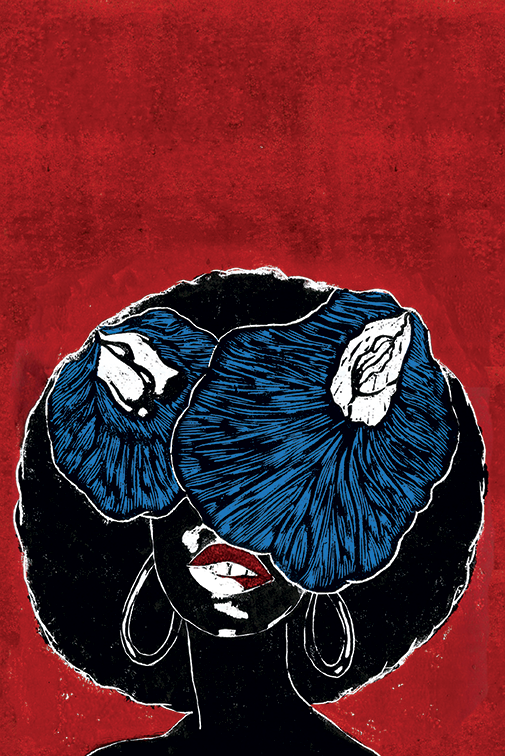
Every time a black writer transforms the erotic into art, she breaks these harmful racist chains that cripple her body, repress her sexuality, and turn us into the object of another’s greed. Writing erotic poetry is taking back the power over her own body and roaming fearlessly through the delights of desire for herself, for others, for life.
The literary erotic is who we are when turned into art. Here we show the best of us, our views of love drenched by pleasure, seasoned by the erogenous, spread through our bodies, and translated by our artistic consciousness. We are multiple and we share this multiplicity of sensations in words dripping with arousal. Yes, even our words drip with our sexual desire, drenching our verses, turning our sexual urges into paragraphs. To come, for us, is a breakthrough.
It is necessary to make our minds, bodies, and sexuality black, to reestablish our pleasure, and take back our orgasms. Only then will we be free. This whole process is a breakthrough, and it happens painfully. But there is happiness in finding ourselves to be very different from where we had been placed.
I feel like I am yours, I am ours. Taste, delight yourselves, feast on these beautiful words with us.
This text is adapted from the introductions to “O Livro Negro Dos Sentidos” [The Black Book of Senses], an erotic collection of poems by 23 black female writers.
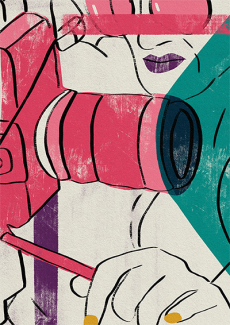
This journal edition in partnership with Kohl: a Journal for Body and Gender Research, will explore feminist solutions, proposals and realities for transforming our current world, our bodies and our sexualities.

نصدر النسخة هذه من المجلة بالشراكة مع «كحل: مجلة لأبحاث الجسد والجندر»، وسنستكشف عبرها الحلول والاقتراحات وأنواع الواقع النسوية لتغيير عالمنا الحالي وكذلك أجسادنا وجنسانياتنا.
✉️ Sur invitation uniquement
📅 Mardi 11 mars 2025
🕒 14.00h-16.00h EST
🏢 Chef's Kitchen Loft with Terrace, 216 East 45th St 13th Floor New York
Organisé par : Consortium de l’Observatoire sur l'universalité des droits (OURs)