Jacky Sutton

En septembre 2016, 1800 féministes et défenseur-e-s des droits des femmes venu-e-s des quatre coins de nos mouvements se réunissaient sur les côtes de Bahia à l’occasion du 13ème Forum international de l’AWID.
Cette section met l’accent sur les victoires, les enseignements et les ressources qui ont couronné nos conversations. Nous vous invitons à l’explorer, la partager et laisser vos impressions.
L’un des principaux éléments à retenir de ce Forum a été la nécessité d’élargir et d’approfondir notre travail de collaboration entre mouvements pour faire face à une montée des fascismes et des fondamentalismes, une exacerbation de la cupidité des entreprises et un changement climatique en progression.
Nos Initiatives Jeunes-pousses ont aidé 20 idées émérgées au Forum à évoluer en actions concrètes
La vidéo « Protéger les personnes et la planète » et le guide « Arrimer la résistance à l'action » mettent en lumière le courage des défenseur-e-s des droits humains et présentent des stratégies concrètes pour résister au pouvoir des entreprises
Avec nos animations L'état de nos mouvements féministes et La justice climatique et environnementale, les mouvements ont maintenant des outils créatifs pour appuyer leur travail de plaidoyer.
La compilation des expressions artistiques des mouvements continue d’inspirer une organisation plus forte et plus créative dans le monde entier.
Les mouvements peuvent aussi bénéficier d’une nouvelle méthodologie pour envisager nos horizons féministes. (à venir bientôt !)
A travers son prochain plan stratégique et le processus de son Forum, l’AWID s’engage à poursuivre et approfondir les rapports, les apprentissages et les processus amorcés lors du Forum 2016, tout en s’inspirant de l’actualité.
Les Forums de l’AWID ont vu le jour en 1983, à Washington DC. Depuis, ils revêtent de nombreux aspects et incarnent, selon les personnes, tantôt un processus itératif visant à affiner nos analyses, notre vision et nos actions, un évènement clé galvanisant les féminismes des participant-e-s et leurs organisations ou un espace politique offrant refuge et solidarité aux défenseur-se-s des droits humains.
Notre force collective, notre sagesse et notre engagement sont illimités... mais pas nos comptes en banque.
Cette synthèse s’appuie sur les réponses de 1 174 organisations féministes, de défense des droits des femmes, LBTQI+ et alliées (désignées ci-après comme « organisations féministes et de défense des droits des femmes ») issues de 128 pays, ayant participé à l’enquête Où est l’argent pour l’organisation des mouvements féministes ?
Par le biais de l'organisation syndicale, Sopo, Sabrina et Linda se battent non seulement pour les droits des femmes, des travailleur·euses essentiel·les, des travailleur·euses migrant·e·s et des travailleur·euses du sexe, mais pour les droits de tous·tes les travailleur·euses .
La lutte pour mettre fin à l'exploitation des travailleur·euses est une lutte féministe. C’est pourquoi il n’y a pas d’économies féministes sans syndicats féministes.
par Nandini Tanya Lallmon
Olajumoke « Jay » Abdullahi et Kym Oliver sont des féministes révolutionnaires à plus d'un titre. (...)
illustration : « Éclose » de Titash Sen >
Sin palabras |
 |
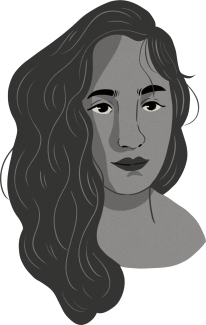 |
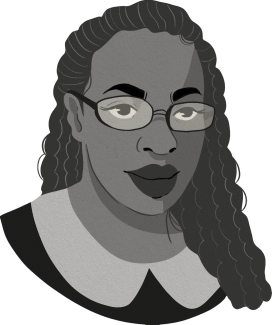
| Chinelo Onwualu | Ghiwa Sayegh |
«Cuando estamos desesperadxs por el cambio, como sucede tanto en la enfermedad como en la insurrección, nuestro lenguaje se vacía de complejidad, se queda con sus componentes más esenciales… Sin embargo, a medida que la enfermedad y la revolución persisten, el lenguaje que se hizo en ellas y sobre ellas se profundiza, admite más matices, inmerso en la aguda experiencia humana de encontrar los propios límites en el lugar del fin del mundo».
Cuando comenzamos a delinear este número con Nana Darkoa, antes de Crear | Résister | Transform: un festival para movimientos feministas! de AWID, partimos de una pregunta que es más bien una observación sobre el estado del mundo, un deseo de cambiar el terreno: ¿por qué nuestras sexualidades y placeres siguen siendo domesticados y criminalizados incluso cuando nos dicen, una y otra vez, que no tienen valor ni contribuyen al progreso? Llegamos a la conclusión de que cuando se corporizan, hay algo en nuestras sexualidades que opera contra un orden del mundo que sigue manifestándose en los controles fronterizos, los apartheids en relación a las vacunas, el colonialismo de asentamiento, la limpieza étnica, y el capitalismo descontrolado. ¿Podemos hablar, entonces, del potencial disruptivo de nuestras sexualidades? ¿Podemos seguir haciendo eso cuando, para poder obtener recursos, nuestros movimientos deben ser cooptados e institucionalizados?
Cuando el trabajo de nuestros cuerpos se convierte en ganancias en las manos de los sistemas que buscamos desmantelar, no sorprende que nuestras sexualidades y placeres queden relegados una vez más a las márgenes, especialmente cuando no son lo suficientemente rentables. En muchos momentos durante la producción de este número, nos preguntamos qué sucedería si nos negáramos a dar cabida a los servicios esenciales del capitalismo. Pero ¿podemos atrevernos a hacer esa pregunta cuando estamos agotadxs por el mundo? Quizás nuestras sexualidades son desestimadas con tanta facilidad porque no son vistas como formas de cuidado. Quizás lo que necesitemos sea reimaginar el placer como una forma radical de cuidado, una que también es anticapitalista y anti-institucional.
Estamos entrando en nuestro segundo año completo de pandemia global y nuestro abordaje de la corporalidad transnacional ha tenido que concentrarse en un único descubrimiento político: que cuidar es una forma de habitar la corporalidad. Y como ahora tanto de nuestro trabajo se hace sin tomar en cuenta los límites entre y dentro de nosotrxs, todxs somos Corporalidades Transnacionales, y eso a todxs nos sale mal. Estamos fallando en cuanto a cuidarnos y, lo que es más grave, en cuidar a lxs otrxs.
Ese fracaso no es producto de nuestras acciones.
Muchxs de nuestras madres y padres pensaban que el trabajo era transaccional, algo que debía darse a cambio de una compensación y una garantía de cuidado. Y si bien ese intercambio no siempre se cumplió, nuestrxs madres y padres no esperaban que su trabajo les diera satisfacción. Para eso tenían su ocio, sus pasatiempos, y sus comunidades. Hoy, nosotrxs, sus hijxs, que hemos sido condicionadxs para pensar en nuestro trabajo como entrelazado con nuestra pasión, no tenemos esas expectativas. Pensamos el trabajo y el ocio como una sola y misma cosa. Para demasiadas personas, el trabajo ha llegado a encarnar todo lo que somos.
Sin embargo, el capitalismo heteropatriarcal no nos valora, ni hablar de que valore nuestro trabajo o nuestras sexualidades. Este es un sistema que solo te exigirá más y más hasta que mueras. Y cuando mueras, te reemplazará por otra persona. Que se espere que estemos en línea todo el día significa que simplemente no podemos tomar distancia del trabajo, ni siquiera cuando queremos hacerlo. Esta comercialización del trabajo, divorciándolo de la persona, ha permeado cada aspecto de nuestras vidas y está siendo perpetuado incluso en los círculos más feministas, más radicales y más revolucionarios.
Las expectativas capitalistas siempre han sido particularmente dañinas para los cuerpos que no se ajustan a su ideal. Y quienes buscan consolidar sus poderes han utilizado la pandemia como una oportunidad para concentrar sus ataques en las mujeres, las minorías sexuales y cualquier otrx a quien subestimen.
Este número especial existe debido a eso y ciertamente a pesar de eso.
Casi todxs lxs colaboradorxs e integrantes del equipo se estaban presionando para ir más allá de su capacidad. Cada una de las colaboraciones fue producida desde un lugar de pasión, pero también de un increíble agotamiento. De una forma muy real, este número encarna el trabajo transnacional y, en el mundo digital en el cual vivimos, todo trabajo se ha convertido en trabajo transnacional. A medida que nos enfrentamos a nuevas fronteras que no han roto un viejo orden sino que lo reifican, experimentamos de primera mano, junto a nuestrxs colaboradorxs, cómo el capitalismo vacía nuestros límites, cómo se hace difícil construir argumentos coherentes, especialmente cuando tenemos una fecha límite para hacerlo. Nos quedamos colectivamente sin palabras, porque nos quedamos sin mundos.
Es precisamente porque nos sentimos perdidxs y solxs en el mundo del capitalismo heteropatriarcal que tenemos que reevaluar y repensar nuestros sistemas de cuidado. En muchos sentidos, hicimos de este número una misión de encontrar placer en el cuidado. Porque se ha vuelto más difícil construir argumentos coherentes, los medios visuales y creativos han pasado al primer plano. Muchas personas que solían escribir se han volcado a estos medios como una vía para producir conocimiento y atravesar la niebla mental que nos ha envuelto a todxs. Trajimos otras voces a este número, además de muchxs a quienes ya escucharon en el Festival, como una manera de abrir nuevas conversaciones y ampliar nuestros horizontes.
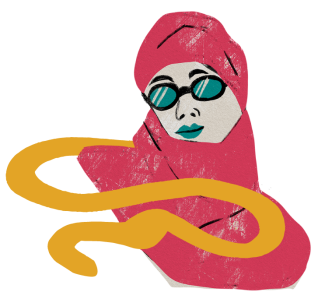
Dado que nos roban nuestras palabras, es nuestro deber político seguir encontrando maneras de mantenernos y cuidarnos a nosotrxs mismxs y a lxs otrxs. Muchas de nuestras realidades actuales están tratando de borrarnos y desplazarnos, mientras que siguen explotando nuestro trabajo. Nuestra corporización, por lo tanto, se convierte en una forma de resistencia; es el comienzo de que encontremos nuestro camino hacia afuera y hacia nosotrxs mismxs.
Là où les organisations de terrain pilotent et les multinationales sont tenues responsables.
📅 Mardi 11 novembre 2025
📍 En ligne et à l'Universidade Federal do Pará, Belém
Even in times of climate crisis, governments continue to encourage large-scale agriculture industries to expand. These activities poison the land, threaten biodiversity, and destroy local food production and livelihoods. Meanwhile, while women produce the majority of our food in the world, they own almost none of the land.
What if we perceived land and Nature not as private property to exploit, but as a whole to live in, learn from, and harmoniously coexist with? What if we repaired our relationships with the land and embraced more sustainable alternatives that nurture both the planet and its communities?
Nous Sommes la Solution (We Are the Solution, NSS) is one of many women-led movements striving to do this. This is their story.
by Alejandra Laprea
I live in a country of the impossible, where there are no bombs yet we are living in a war. (...)
artwork: “Entretejidas” [Interwoven women] by Surmercé >
Por Michel’le Donnelly
El Festival Feminista Crear | Resister | Transform de septiembre fue una bocanada de aire fresco en estos tiempos tan inciertos, turbulentos y dolorosos.
El espacio que creó este festival era muy necesario. Necesario para el alma de quienes buscamos consuelo en estas horas sombrías. Necesario para esas ansias de comunidad en un mundo que se siente cada vez más aislado y, sobre todo, necesario para quienes luchamos contra los mismos sistemas que nos han puesto a muchxs de nosotrxs de rodillas, en especial durante los últimos dos años.
«Las crisis no son un fenómeno nuevo para los movimientos feministas y sociales; tenemos una dilatada historia de supervivencia ante la opresión y de construcción de nuestras comunidades y de nuestras propias realidades».
Defender visiones alternativas y realidades alternativas a la que estamos viviendo ahora es la piedra basal de la agenda feminista. Hay muchísimas personas maravillosas que están abocadas a explorar distintas formas de existencia para nosotrxs en el mundo. Son alternativas centradas en las personas. Son equitativas y justas. Son mundos colmados de amor, ternura y cuidados. Las visiones descritas son prácticamente demasiado bellas para imaginar, pero debemos forzarnos a imaginar porque es la única forma de seguir.
Durante los últimos 10 años, he tenido la increíble fortuna de trabajar con un colectivo feminista que no solo está imaginando una realidad alternativa, sino que está viviendo en ella activamente. Nos inspira la labor de tantos otros movimientos feministas de todo el globo que no han permitido que el patriarcado blanco supremacista y capitalista los disuadan de su visión. Este colectivo me mantuvo en pie cuando todo lo que deseaba era desmoronarme. Muy similar a la historia que relató María Bonita el cuarto día del festival; la liberación que he encontrado en los movimientos feministas es demasiado potente como para que solo yo la experimente. Es algo para compartir, algo que tenemos que gritarlo a los cuatro vientos para invitar a otras personas a sumarse.
El cuarto día del festival nos trajo una conversación cautivante entre Felogene Anumo, la Dra. Dilar Dirik, Nana Akosua Hanson y Vandana Shiva, quienes alentaron a quienes asistimos al festival a creer no solo que un futuro alternativo es posible, sino que se hace imperiosamente necesario. Los feminismos venimos hablando de mundos alternativos desde hace muchos años, y escuchar hablar sobre ellos en el panel no solo nos abrió los ojos, sino que además nos reconfortó. Cuando digo que nos reconfortó quiero decir que me hizo sentir seguridad al saber que ciertamente existen sólidas redes feministas globales que trabajan en las fronteras nacionales e internacionales para descolonizar los marcos establecidos de nuestras realidades actuales.
Durante la sesión, la Dra. Dirik destacó el hecho de que la convicción, el sacrificio y la paciencia son lo más necesario para abolir los sistemas opresivos en los que vivimos hoy. La colaboración, el compañerismo, la creatividad, la solidaridad y la autonomía. Estos son los pilares fundamentales para erigir una sociedad global feminista a los que todos los movimientos feministas del mundo deberíamos aferrarnos.
En todo el globo se pueden encontrar varios ejemplos prácticos de estas realidades, incluido el Movimiento Soulaliyate para los Derechos de las Mujeres al Uso de la Tierra. En referencia a las mujeres tribales de Marruecos que viven en tierras colectivas, el Movimiento de Mujeres Soulalyate es la primera movilización nacional de base por los derechos a la tierra de ese país. Si bien, en un principio, el movimiento era bastante pequeño, este creció hasta convertirse en una agenda de orden nacional que desafió la naturaleza de género de las leyes que rigen el uso de la tierra en Marruecos. En 2019, el grupo contribuyó a modificar el marco legislativo nacional sobre la gestión de los bienes comunitarios a través de la adopción de tres conjuntos de leyes que garantizan la igualdad entre mujeres y hombres.
Otro ejemplo práctico es el de Casa Trans Zuleymi de Perú. La casa, que funciona desde 2016, es un refugio para mujeres, niñas y adolescentes migrantes trans a quienes el Estado ha dejado atrás. Ha brindado albergue seguro a 76 mujeres migrantes trans de Venezuela, junto a 232 de zonas selváticas, comunidades indígenas y la costa norte de Perú.
Saber de estos movimientos feministas que están haciendo su parte para convertir en realidad los futuros alternativos es sumamente inspirador y necesario, en especial cuando me cuesta tanto lidiar con la sucesión interminable de malas noticias que parecen fluir sin interrupción.
«El patriarcado capitalista es como un cáncer. No se sabe cuándo para de crecer». Dra. Vandana Shiva
Desde siempre, AWID ha sido un movimiento inspirado en las realidades feministas que podemos vivir. Con sus festivales, así como con la revista y la caja de herramientas sobre las realidades feministas, nos ha mostrado otro modo de hacer las cosas. Podemos imaginar un mundo donde el cuidado sea prioridad, donde las economías feministas y la justicia de género sean la norma. La creación de futuros alternativos es nuestra forma de devolver el golpe, es nuestra forma de resistir a la violencia que se perpetra contra nuestros cuerpos todos los días.
El Festival Crear | Resister | Transform me permitió sentirme muy conectada con una comunidad global, a muchxs de lxs cuales nunca voy a conocer. Saber que todxs estamos reclamando y trabajando en pos de otro mundo encendió una llama en mi alma y no veo la hora de conocer qué nos traerá el próximo festival.
Si te lo perdiste, cerciórate de ver la sesión «Otro mundo está en camino: alternativas, feminismos y otro mundo» celebrada el cuarto día del festival. Y recuerda, como expresó la Dra. Shiva de modo tan elocuente: «La energía de las mujeres mantendrá la vida en la tierra. No nos vencerán».
*Website in French
por Sophia Armen
Guste o no, lxs férrexs ungerhouis han sido parte esencial de nuestras historias de resistencia y están aquí para quedarse. (...)

Nous sommes ensemble depuis plus de 20 ans, et je chéris toujours autant votre amour et votre soutien. Il est intéressant de remarquer que vous parvenez à la même étape que l’AWID en tentant toutes, de manière synchrone, de définir comment mobiliser et soutenir la communauté. Aux mères du mouvement : votre leadership et votre orientation sont sans égal. Je pense particulièrement à Prudence Mabele, Kate Thompson, Darien Taylor, Patricia Perez, Martha Tholanah, Deloris Dockery, Iris De La Cruise, Doris Peltier, Cecilia Chung, et bien d’autres encore. Bien que vous ne soyez pas parfaites (comme aucune de nous ne l’est), vous faites toujours passer la communauté en premier et défendez l’inclusion de TOUTES les femmes vivant avec le VIH dans les sphères féministes.
J’aime la manière dont vous m’avez tenue lorsque personne d’autre ne pouvait le faire, et plus important encore, la manière dont nous nous tenons mutuellement. Vous comprenez la stigmatisation, la discrimination, la violence et la douleur, mais également la joie, l’amour et le pardon. En tant que féministes vivant avec le VIH, nous sommes glorieuses et puissantes dans notre intersectionnalité. Nous comprenons que le féminisme inclut et est mené par les communautés - nos sœurs noires, racisées et autochtones, les communautés de personnes trans et de genres divers, queer et lesbiennes, de travailleureuses du sexe, de celles qui ont été incarcérées et celles qui consomment des drogues - comme défini dans le principe GIPA (une participation accrue des personnes vivant avec le VIH). Votre féminisme englobe tout. Nous parlons des questions difficiles et des communautés criminalisées, parce qu’en tant que personnes vivant avec le VIH, nous sommes nous-mêmes criminalisées.
Je manquerais à mes devoirs si je n’envoyais pas plein d’amour aux jeunes femmes vivant avec le VIH, le pouls de notre mouvement. Je parle de vous, Kia Lebejia, Keren Dunaway, Liz Onyango, Faith Ona, Sara Thapa Maga, Doreen Moraa, Yana Panfilova et les millions d’autres activistes incroyables vivant avec le VIH. Vous êtes ce pouvoir qui continuera à nous propulser vers l’avant et permettra que les mouvements féministes traditionnels reconnaissent toute notre importance. Merci de faire progresser notre mouvement, de TOUJOURS inclure les personnes trans et de genres divers, de parler des liens entre changements climatiques et santé des droits sexuels reproductifs.
Je vous aime, vous aime, vous aime, vous aime tellement. Pour le meilleur et pour le pire, continuons à avancer ensemble, parce que c’est notre communauté - c’est ma communauté.
Avec tout mon amour,
Jessica Whitbread
A hands-on deckgame for collectives to explore feminist economic alternatives and systems of care as crisis response. This deckgame is for all movements navigating global climate crises through play and strategy based on real-life scenarios. A creative avenue to strategize in meetings, workshops, and community gatherings!