AWID es un organización feminista internacional de membresía, que brinda apoyo a los movimientos que trabajan para lograr la justicia de género y los derechos de las mujeres en todo el mundo.
Esta sección de análisis especial ofrece un análisis feminista crítico y acceso a los recursos clave relacionados con la «protección de la familia» en los espacios internacionales de derechos humanos.
Durante los últimos años, venimos observando una nueva y preocupante tendencia en el ámbito internacional de derechos humanos, donde se están empleando discursos sobre la «protección de la familia» para defender violaciones cometidas contra miembros de la familia, de modo de reforzar y justificar la impunidad y para coartar la igualdad de derechos en el seno de la familia y la vida familiar.
La campaña para «proteger a la familia» es impulsada por proyectos conservadores que tienen como fin imponer interpretaciones «tradicionales» y patriarcales de familia; quitando los derechos de las manos de sus miembros para ponerlos en las de la institución «familia».
Los proyectos de «protección de la familia» tienen su origen en los siguientes fenómenos:
el auge del tradicionalismo,
el auge del conservadurismo cultural, social y religioso, y
posturas hostiles a los derechos humanos de las mujeres, los derechos sexuales, los derechos de las niñas y los niños y los derechos de las personas con identidades de género y orientaciones sexuales no normativas.
Desde 2014 un grupo de estados opera como bloque en espacios de derechos humanos, bajo el nombre «Group of Friends of the Family» [Grupo de amigos de la familia], y a partir de entonces se han aprobado resoluciones sobre la «Protección de la familia» todos los años.
Esta agenda se ha extendido más allá del Consejo de Derechos Humanos (HRC, por sus siglas en inglés). Hemos visto cómo el lenguaje regresivo sobre «la familia» se ha introducido en la Comisión de la Condición Jurídica y Social de las Mujeres (CSW, por sus siglas en inglés), y hemos asistido a intentos por incluir este lenguaje en las negociaciones sobre los Objetivos de Desarrollo Sostenible.
Nuestro enfoque
AWID trabaja con asociadxs y aliadxs para resistir conjuntamente las agendas regresivas de «Protección de la familia» y otras, y para defender la universalidad de los derechos humanos.
En respuesta a la creciente influencia de actores regresivos en los espacios de derechos humanos, AWID se ha unido con aliadxs para formar el Observatorio de la Universalidad de los Derechos (OURs, por sus siglas en inglés). OURs es un proyecto colaborativo que monitorea, analiza y comparte información sobre iniciativas anti-derechos tales como la «Protección de la familia».
Derechos en Riesgo, el primer informe de OURs, traza un mapa de los actores que conforman el cabildeo global anti-derechos e identifica sus discursos y estrategias principales, señalando los efectos que estos discursos y estrategias están teniendo sobre nuestros derechos humanos.
El informe expone a la «Protección de la familia» como una agenda que ha promovido la colaboración entre una amplia gama de actores regresivos en las Naciones Unidas. La describe como un marco estratégico que aloja «múltiples posiciones patriarcales y anti-derechos, cuyo marco, a su vez, apunta a justificar e institucionalizar estas posiciones».
2025 a été l’année où nombre des tempêtes que nous redoutions depuis longtemps se sont abattues simultanément : avalanche de coupes budgétaires, intensification de la militarisation et de l’autoritarisme, montée de la violence aux frontières et aggravation des crises climatiques.
Nous nous sommes alors demandé de quoi les mouvements féministes auraient besoin, non seulement pour survivre, mais aussi pour renforcer notre pouvoir collectif et façonner notre avenir. Cette question a guidé notre travail autour de trois piliers : infrastructures, leadership et durabilité.
Ce travail consiste aussi à réinventer ce que signifie, pour nous à l’AWID, être une organisation mondiale, cultiver la solidarité et le sentiment d’appartenance au-delà des frontières, soutenir les mouvements et mobiliser l’action. Plus que jamais, l’heure est au courage, à l’expérimentation et à l’imagination collective.
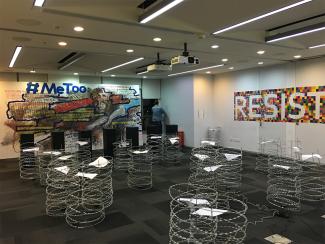
Le mouvement #MeToo en Chine s'est enflammé en janvier 2018, impulsé par l'élan du mouvement #MeToo dans le monde entier. Le mouvement était une réponse aux problèmes culturels et systémiques liés au genre et au pouvoir en Chine. Les fondations du mouvement ont été construites pendant des décennies, avec de nombreuses années de débat et de plaidoyer pour l'égalité des genres qui ont finalement jailli en une formidable force à travers la société. #MeToo a été mené principalement par des jeunes, parmi lesquels d'innombrables femmes anonymes et leurs allié·e·s, à la recherche d’opportunités qui leur permettraient de réaliser le "rêve chinois" ultime : transformer la Chine en un pays où règne l'égalité des genres.
L'environnement du mouvement #MeToo est extrêmement hostile en Chine: l'état de droit, l'équité et la transparence de l'action gouvernementale, ainsi que la liberté d'expression ne peuvent être considérés comme acquis par le mouvement en Chine, mais ce sont ces mêmes objectifs pour lesquels i.e.lles se battent. Depuis le début, il s'agit d'une lutte intense, chaque victime ou activiste qui dénonce courre d’énormes risques. Qu'il s'agisse d'être réduit·e au silence, humilié·e, ou de subir des représailles, ou encore de voir sa sécurité mise en péril, chaque succès du mouvement #MeToo a été remporté par celleux qui ont eu le courage d'assumer les coûts de la prise de parole et de défier la censure.
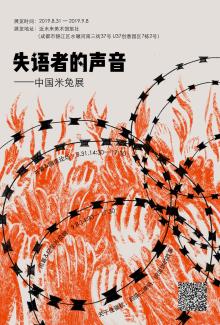
L'exposition #MeToo en Chine a été organisée pour la première fois en 2019 et a effectué une tournée dans 5 villes. L'objectif de l'exposition est de mettre davantage en avant les expériences personnelles des victimes et des activistes et, en prenant part à ces histoires, d'inspirer notre public à se joindre à la lutte. L'exposition est elle-même devenue une partie de la lutte #MeToo; elle a fait face à d’innombrables défis lors de sa tournée à travers la Chine et a même risqué la fermeture à plus d'une occasion.
Snippet - WITM Survey will remain open - PT
A pesquisa está disponível até 31 de julho de 2024
Te presentamos el Sindicato Red de Solidaridad, un sindicato de servicios y salud liderado en su mayoría por mujeres. Surgiendo como respuesta a la creciente precariedad, salarios insuficientes y entornos laborales hostiles que enfrentan diariamente lxs trabajadorxs en Georgia, el Sindicato Red de Solidaridad lucha por lugares y condiciones de trabajo dignos.
¿Su objetivo? Crear un movimiento obrero democrático nacional. Para hacerlo, se ha asociado con otros sindicatos locales y regionales y ha creado lentamente una red de sindicatos, empoderando por el camino a cada vez más trabajadoras para que se conviertan en líderes sindicales.
Su enfoque político es holístico. Para el Sindicato Red de Solidaridad, los temas de derechos laborales están directamente conectados con agendas y reformas políticas y económicas nacionales más amplias. Por eso están presionando por la justicia fiscal, los derechos de las mujeres y personas LGBTQIA+, y luchando contra el desmantelamiento del estado de bienestar georgiano.
Solidarity Network también forma parte de Huelga Social Transnacional (Transnational Social Strike, TSS), una plataforma política e infraestructura inspirada en la organización de migrantes, mujeres y trabajadores esenciales que trabaja para construir conexiones entre los movimientos laborales a través de las fronteras y fomentar la solidaridad global.
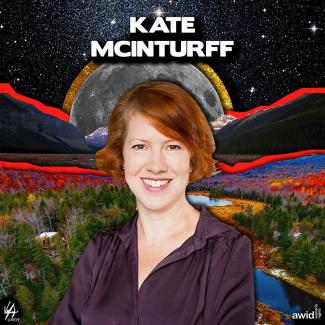
From Peacebuild to the Canadian Feminist Alliance for International Action, Amnesty International, and the Canadian Centre for Policy Alternatives (CCPA), Kate had a lifelong passion for women’s rights and gender equality and dedicated her career to fighting inequality and making the world a more compassionate place.
Kate was a member of the Coordinating Committee of Social Watch and a contributor to the Canadian National Social Watch reports. As a Senior Researcher at the CCPA, Kate received national acclaim for researching, writing, and producing the annual “The Best and Worst Places to be a Woman in Canada” report.
Kate died peacefully surrounded by her family, following a three-year battle with colon cancer. She is described by loved ones as a “Funny, Fearless, Unapologetically Feminist.”
Inna est une activiste et sociologue féministe queer comptant de nombreuses années d'engagement profond dans les luttes féministes et LGBTQI+, l'éducation politique et l'organisation par et pour les femmes migrantes, ainsi que la libération de la Palestine et la solidarité avec cette dernière. Inna a rejoint l'AWID en 2016 et occupé différents postes, dont celui de directrice des programmes plus récemment. Basée à Berlin, en Allemagne, elle a grandi à Haïfa, en Palestine/Israël, et est née à Saint-Pétersbourg en Russie. Elle porte ces territoires politiques et cette résistance au passé et au présent colonial dans son féminisme et sa solidarité transnationale.
Inna est l'auteure de « Women's Economic Empowerment: Feminism, Neoliberalism, and the State » (« L'autonomisation Économique des Femmes : Féminisme, Néolibéralisme et l’État », Palgrave Macmillan, 2022), un ouvrage basé sur une thèse qui lui a valu un doctorat de l'Université Humboldt de Berlin. En tant qu'universitaire, elle a enseigné des cours sur la mondialisation, la production de connaissances, l'identité et l'appartenance. Inna est titulaire d'un master en études culturelles de l'Université hébraïque de Jérusalem. Elle a été membre du conseil d'administration de +972 Advancement of Citizen Journalism, et l’est actuellement pour Jewish Voice for a Just Peace in the Middle East (en Allemagne). Auparavant, Inna a travaillé avec la Coalition des Femmes pour la Paix et est une passionnée de la mobilisation des ressources pour l'activisme populaire.
Position
Codirectrice Exécutive
Add to stories
Off
Tenderness is the Sharpest Resistance
A Film Series on Asian/Pacific Feminist Realities
Curated by Jess X. Snow With assistance from Kamee Abrahamian and Zoraida Ingles
Across Asia and the Pacific, and all of it’s vast diaspora, fierce women and trans folks have been fighting for a future where they can all be free. As rising sea levels threaten the Pacific islands, and the coasts of continental Asia, the fight to protect other Earth and the Ocean intensifies all over the globe. Our planet stores a geologic memory of everything that it has experienced. The rise of colonization, industrialization, and environmental destruction is connected to the rise of the binary patriarchal nation state. The power within the Earth, to reincarnate, heal, and bloom in the face of violence, must then be connected to the woman, to motherhood, to indigeneity and all forces that are expansive, sacred and queer. It is no coincidence that Feminist Realities unite the fight to protect the rights of women, trans and LGBTQ+ people with the fight to protect the Earth. From mother-daughter protectors of Mauna Kea in the Kingdom of Hawaii, to the complex mother-child relationships of Vietnamese refugees, to queer sexual awakenings in conservative India, the reclaimation of home in Inner Mongolia, to the struggle toward LGBTQ liberation in the Phillipines -- this collection of films is a cosmology of the ways current-day Asian Pacific women and queer and trans folks champion the journey to our collective liberation across oceans and borders.
All of these films have a strong sense of place: indigenous activists protect their sacred lands, youth peel back colonial narratives of their homeland to uncover hidden truths, complex motherhood and relations of care are explored, and characters turn to their own bodies and sexuality as sanctuary when the family and city that surrounds them threaten their safety.
AFTEREARTH
By Jess X. Snow
“A haunting film with stunning shots invoking feminist environmental resistance and how deeply rooted this is in connection to cultural history and land…”
- Jessica Horn, PanAfrican feminst strategist, writer and co-creator of the temple of her skin
In the experimental documentary, Afterearth, four women fight to preserve the volcano, ocean, land and air for future generations. Through music, poetry, and heartfelt testimonial that honors locations touched by the Pacific Ocean–Hawaiʻi, the Philippines, China, and North America, Afterearth is a poetic meditation on four women’s intergenerational and feminist relationship to the lands and plants they come from.
STANDING ABOVE THE CLOUDS
By Jalena Keane Lee
In Standing Above the Clouds, Native Hawaiian mother-daughter activists stand together to protect their sacred mountain, Mauna Kea from being used as a site to build one of the world’s largest telescopes. As protectors of Mauna Kea, this film highlights the interconnected relationship between Aloha ʻĀina (love of the land) and love for one’s elders and the future generations to come.
NƯỚC (WATER/HOMELAND)
By Quyên Nguyen-Le
In the experimental narrative short, Nước (Water/Homeland) a Vietnamese-American genderqueer teen challenges dominant narratives of the Vietnam War in Los Angeles, California. Through striking dream sequences and breaks from reality, this film follows their journey to piece together and understand their mother's experience as a Vietnam War refugee.
KAMA’ĀINA
By Kimi Lee
In Kama’āina, a queer sixteen-year-old girl must navigate life on the streets in Oahu, until she eventually finds refuge by way of guidance from an auntie at Pu’uhonua o Wai’anae–Hawaiʻi’s largest organized homeless encampment.
DEVI
By Karishma Dev Dube
In Devi (goddess in Hindi) a young closeted lesbian, Tara risks both family and tradition to embrace her attraction to her family’s maid. Set in New Delhi, Devi is a coming of age story, as it is a commentary on the social and class lines that divide women in contemporary India today.
HEADING SOUTH
By Yuan Yuan
In Heading South, Chasuna, an 8 year old girl, raised by her mother in the Inner Mongolian Plateau, visits her abusive father in the big city. While at her father’s house, she is introduced to a new addition to the family, and must come to terms with the fact that her true home is inseparable from her mother and land.
Outrun
By Johnny Symons & S. Leo Chiang
In the feature film, Outrun, we follow the journey of the first transgender woman in the Philippine Congress. Facing oppression in a predominantly Catholic nation, her triumphant journey becomes an outcry for the rights of LGBTQ+ people globally.
Spanning documentary, narrative, and experimental forms, these films illustrate that community care, self-love, and deep transformative listening between our loved ones is a portal to the Feminist Realities we are bringing into existence today. From all across the Asia Pacific and it’s diaspora, these stories teach us that in the face of violence, tenderness is the sharpest force of resistance.
Jess X. Snow is a film director, artist, pushcart-nominated poet, children’s book author and community arts educator who creates queer asian immigrant stories that transcend borders, binaries and time.
Follow us on Social Media to receive news about upcoming events and screenings:
ان جمعية حقوق المرأة في التنمية ممتنة للعديد من الأشخاص الذين/ اللواتي ساعدت أفكارهم/ن، تحليلاتهم/ن ومساهماتهم/ن على تصميم استطلاع "أين المال" على مدار السنوات.
نقدر بشكل عميق الحركات النسوية، الحلفاء/ الحليفات والصناديق النسوية بمانقدر بشكل عميق الحركات النسوية، الحلفاء/ الحليفات والصناديق النسوية وهنا بعض منها وليس جميعها: Black Feminist Fund, Pacific Feminist Fund, ASTREA, FRIDA Young Feminist Fund, Purposeful, Kosovo Women's Network, Human Rights Funders Network, CEECCNA Feminist Fund e PROSPERA, على بحثكم/ن الرائع عن وضع التمويل، تحليلكم/ن الدقيق والمناصرة المستمرة لتمويل وقوة أكبر وأفضل للحركات النسوية وتنظيمات العدالة الجندرية في جميع السياقات.
انضموا/من للمجتمع العالمي من النسويات/ين اللواتي/ اللذين يرفعن/وا صوتهم/ن ويتحدثن/وا عن التمويل، ويطالبن/وا بتمويل وبقوة أكبر وأفضل للنسويات/ين في كل مكان
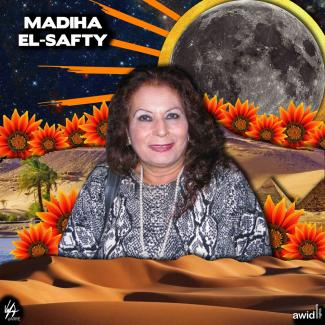
Madiha fue una destacada profesora de Sociología con activa participación en la sociedad civil como defensora de los derechos de las mujeres en la región árabe.
Presidió la Alianza para las Mujeres Árabes y dentro del Consejo Nacional de Mujeres fue miembro del Comité de la Sociedad Civil y del Comité para el Desarrollo de la Gobernación de Minia. Fue autora de numerosas publicaciones en las que analizó y arrojó luz sobre las desigualdades de género y la discriminación contra las mujeres.
Es recordada con cariño por colegas, estudiantes y amigxs.
Devenir membre
Devenir membre
En rejoignant l’AWID, vous intégrez l’organisation féministe mondiale, un pouvoir collectif qui se fonde sur la solidarité et puise ses racines dans le travail entre les mouvements.
Sara AbuGhazal is a Palestinian feminist living in Beirut. She is a co-founder of Sawt al-Niswa, a collective that produces knowledge in Beirut. She is the co-director of The Knowledge Workshop, a feminist organization based in Beirut that works on feminist oral history and archiving. Sara is currently the Regional Coordinator of the Regional Coalition for Women Human Rights Defenders in the Middle East and North Africa.
Sara strives to help create spaces of feminist transformation and solidarity. Her work is mostly centered on building sustainable movements in the MENA region. She is invested in knowledge production, feminist transformation, and Palestine. She publishes regularly in sawtalniswa.org and her fiction also appears in Romman e-magazine.
Add to stories
Off
Actores anti-derechos
Capítulo 4
Una red compleja de actores anti-derechos, en constante evolución, está ejerciendo cada vez más influencia en los espacios internacionales y en las políticas nacionales. Respaldados a menudo por financiaciones poco transparentes, estos actores construyen alianzas tácticas sobre distintos temas y cruzando diferentes regiones y credos para aumentar su impacto.
Estamos viendo actores fascistas y fundamentalistas que, si bien tienen un discurso nacionalista, son completamente transnacionales en lo que respecta a sus basamentos ideológicos, sus alianzas políticas y sus redes de financiamiento. En algunos casos, estos grupos están respaldados por flujos financieros poco transparentes vinculados con grandes empresas o con partidos políticos de extrema derecha. Sin embargo, también crean alianzas estratégicas, que incluyen, en algunos casos, segmentos de los movimientos feministas y por los derechos de las mujeres, y se distancian de los elementos más evidentemente extremistas para parecer más legítimos. Los actores anti-derechos también se expanden y replican su estilo de organización antiderechos (ya sea a través de campañas y grupos de presión, o de litigios estratégicos) en todo el planeta.
Índice de contenidos
CitizenGo
Alliance Defending Freedom (ADF)
Financiación de actores antiderechos
Los vínculos entre feministas trans-excluyentes y fundamentalistas cristianxs
Ejercicio: Esquematicemos el panorama
Historia de movimiento de resistencia: Catolicadas, una poderosa herramienta de comunicación para promover la igualdad de género y los derechos sexuales y reproductivos
Я являюсь индивидуальной(-ым) активисткой(-том), не сотрудничающей(-им) в данный момент ни с какой группой, организацией и/или движением – могу ли я принять участие в опросе?
Нет, мы очень ценим вашу работу, но в данный момент мы не собираем информацию об отдельных активистках(-тах).
Snippet FEA Sopo Japaridze Quote (EN)
"We know everything is against us and there is very little chance to change that. But we believe in intervention and I do think we have a chance and should use it. That’s why we're doing everything we're doing. We're willing to push for things that are unheard of."
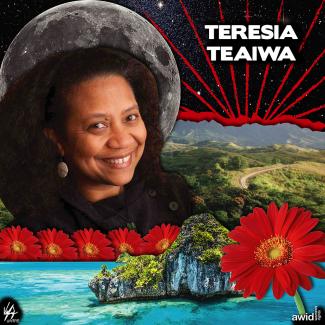
Considérée par le Guardian comme l'une des icônes nationales de Kiribati, Teresia était une avocate téméraire.
Elle travaillait en étroite collaboration avec des groupes féministes aux îles Fidji. Ses travaux de recherche ont servi à aborder les problèmes du féminisme et de l'égalité de genre dans le Pacifique. Elle était également corédactrice de l’International Feminist Journal of Politics. En Océanie, son influence a traversé les frontières académiques, ainsi que les mouvements pour la justice sociale.
Reason to join 6
Engage with the AWID International Forum - a major global feminist gathering - and have access to special AWID member discounts and enty points for virtual dialogue. Co-created by feminist movements, the Forum is a unique space for deep discussion and imagination where we challenge and strengthen our organizing, where we connect our struggles and feminist realities together.