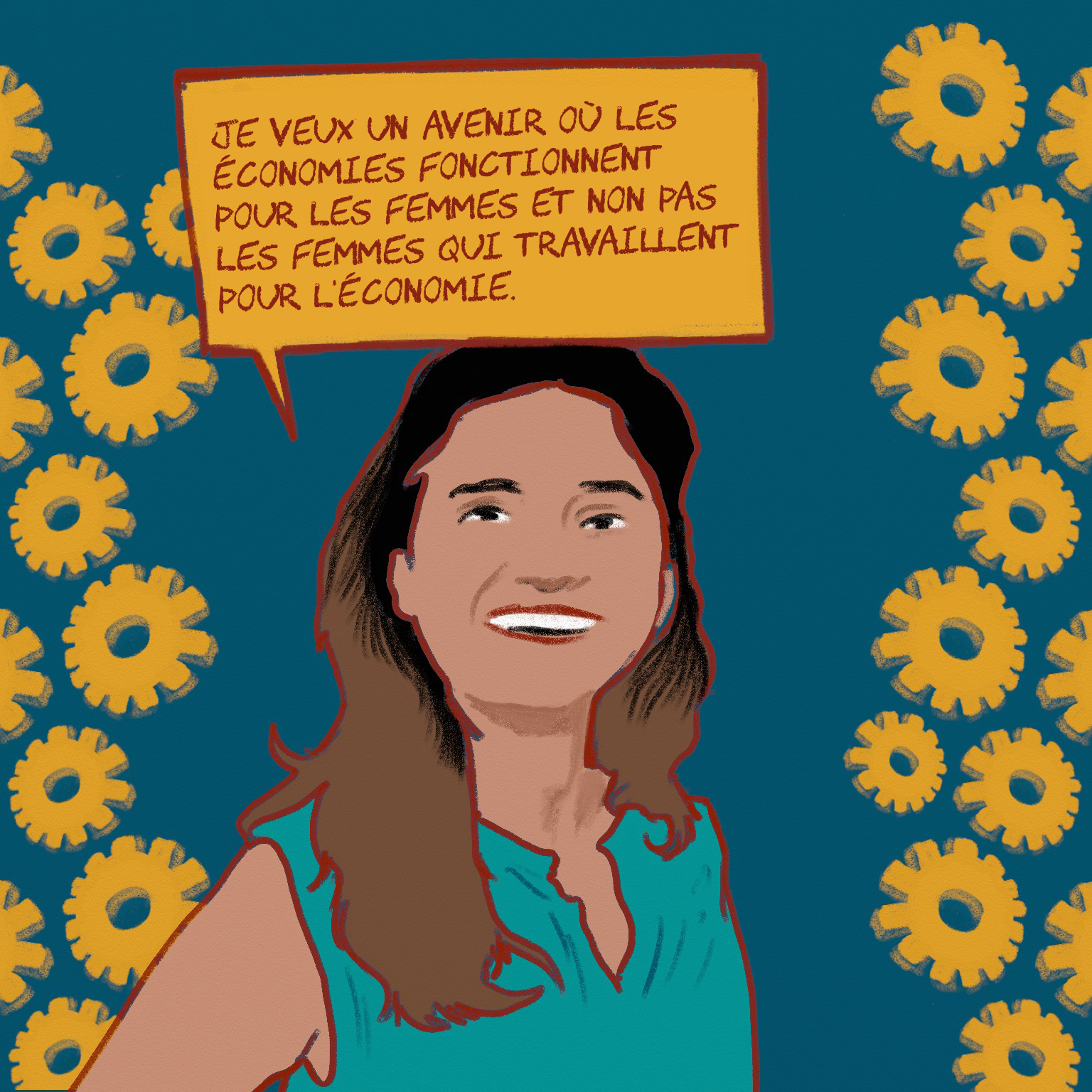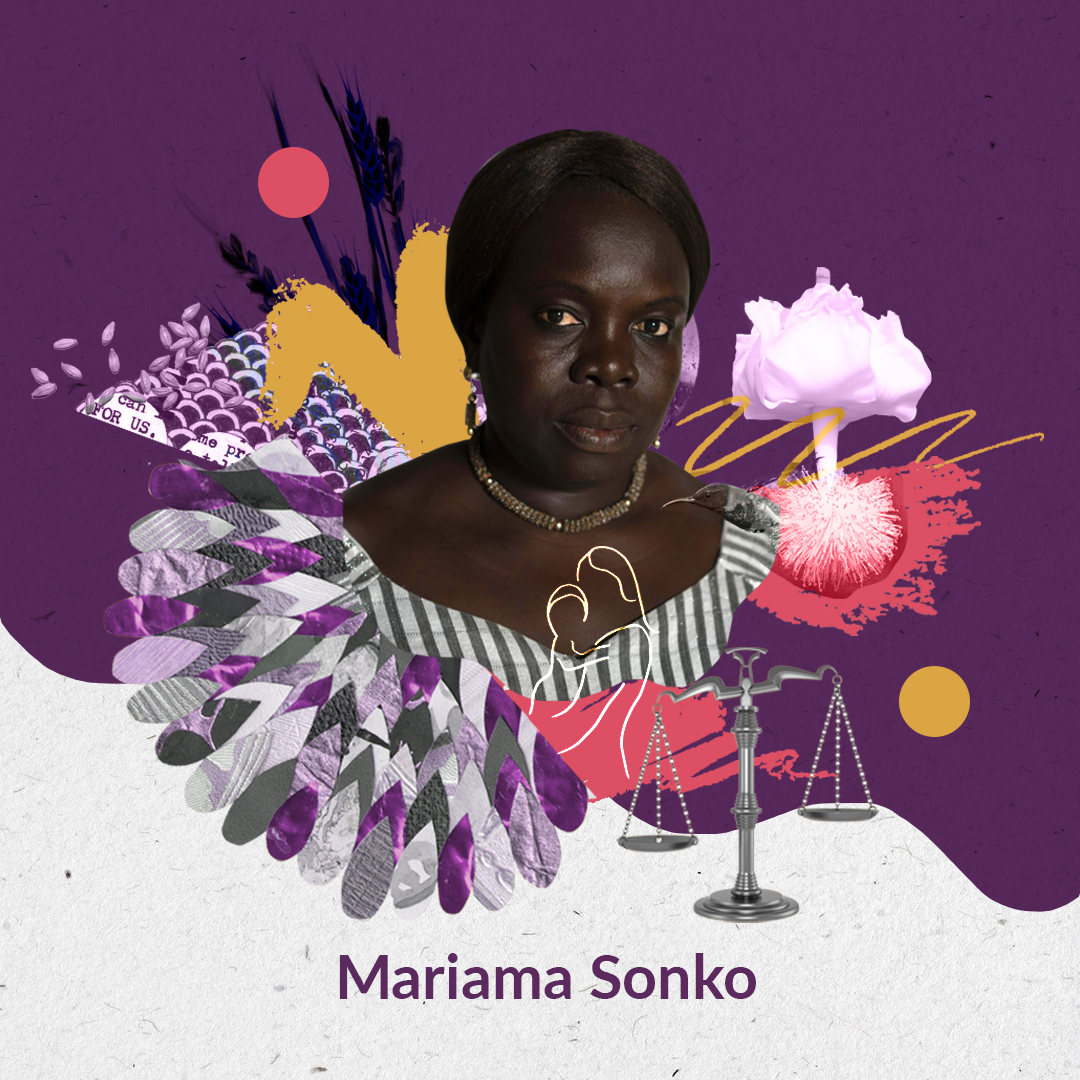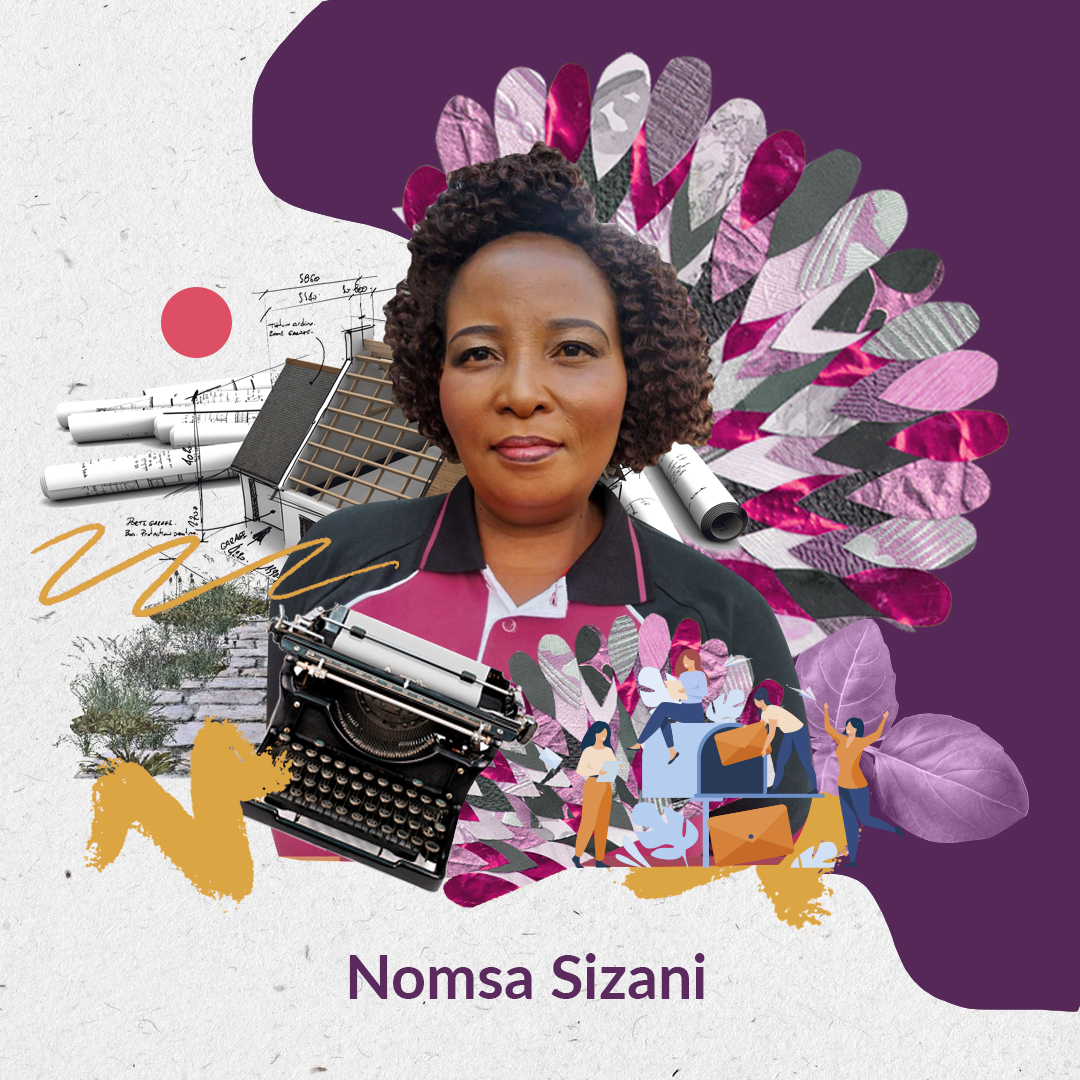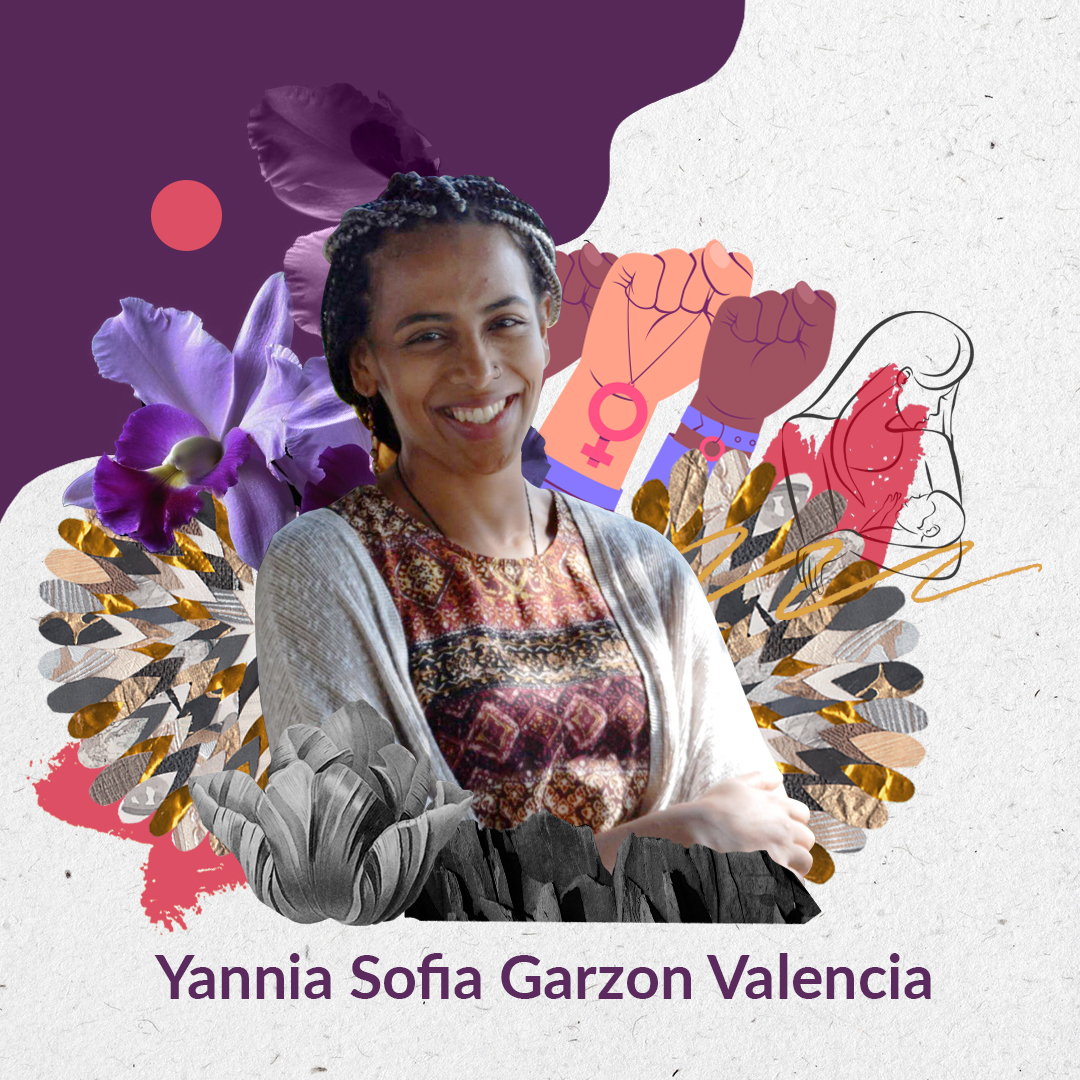


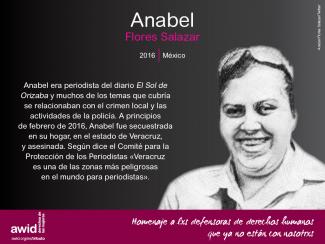
Anabel Flores Salazar
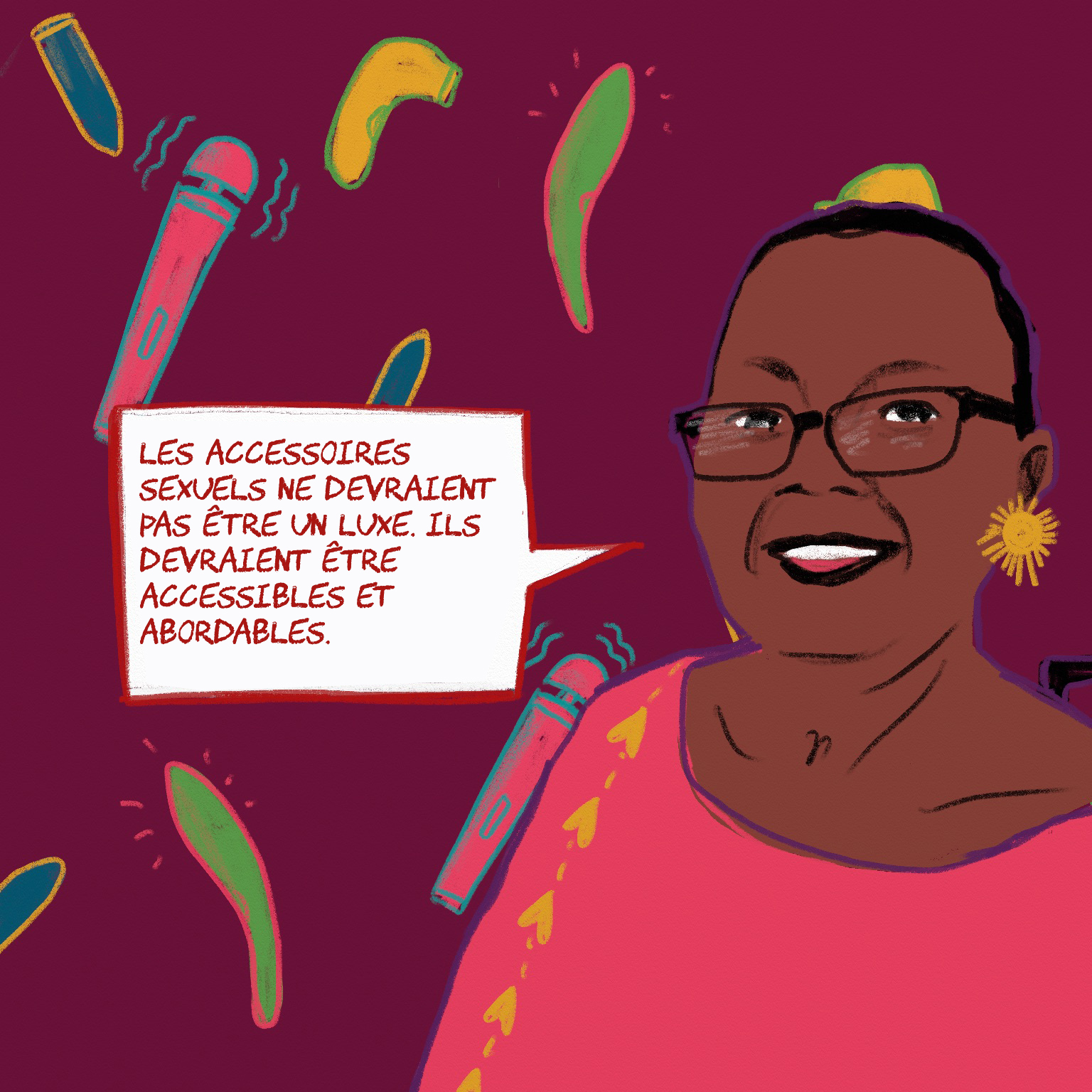
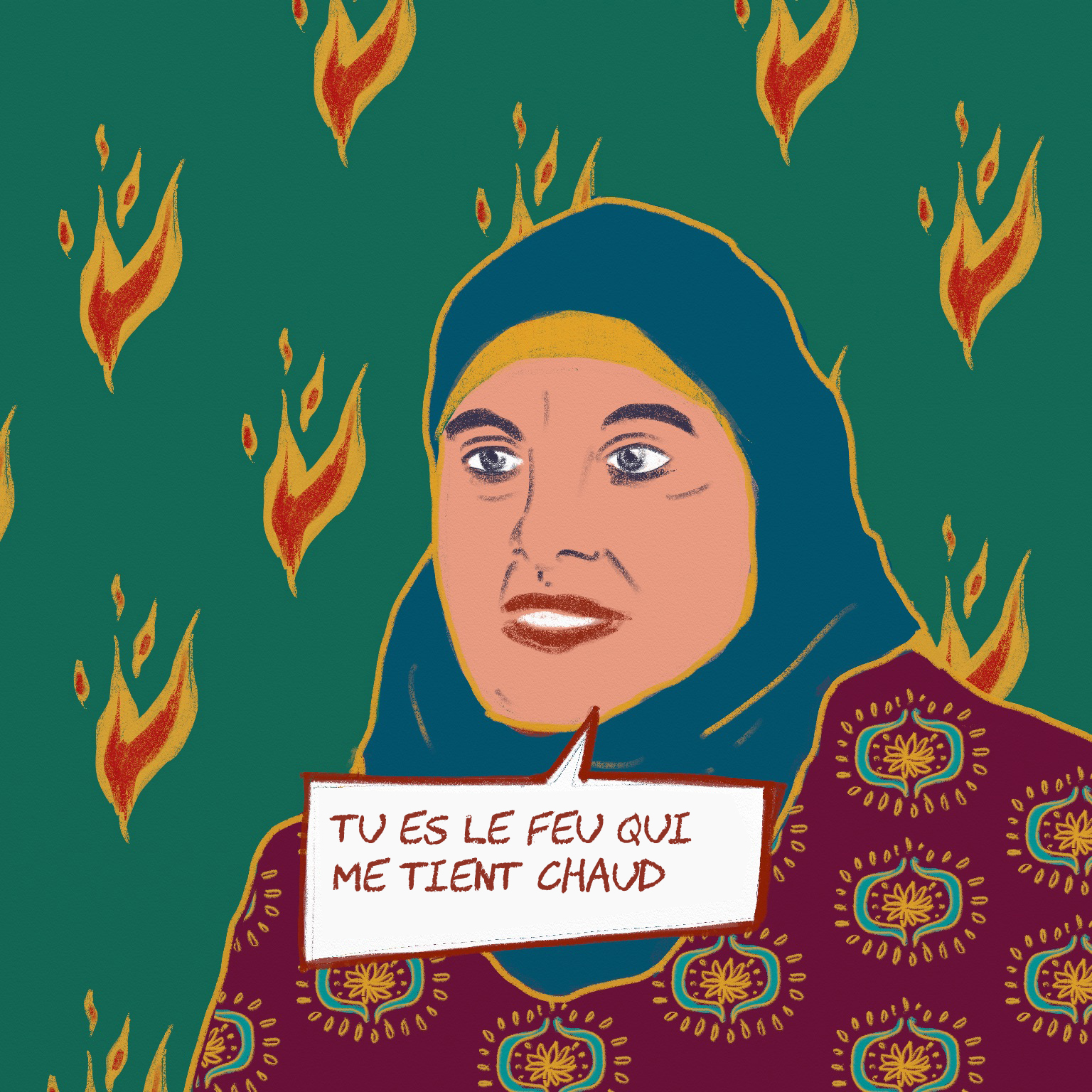
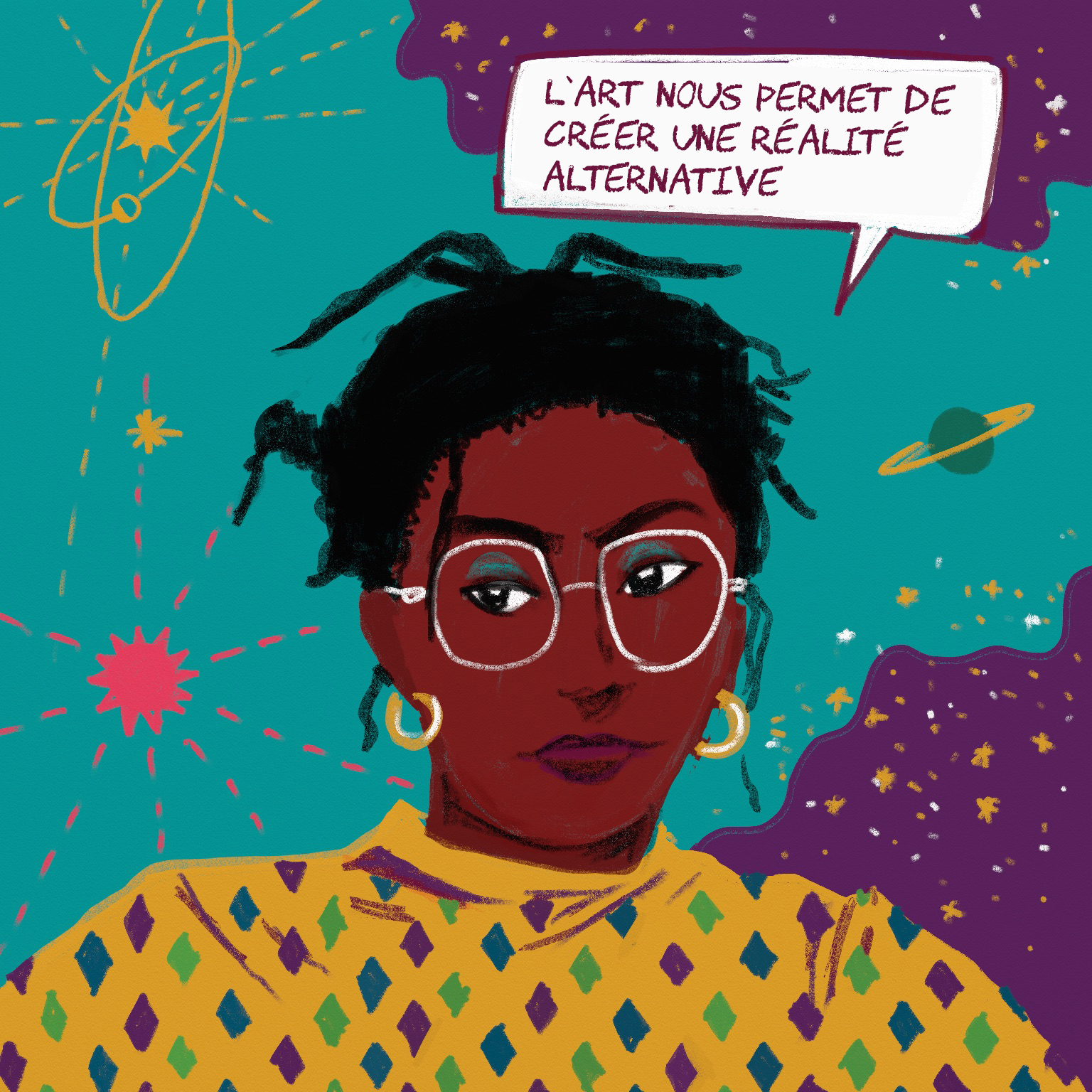
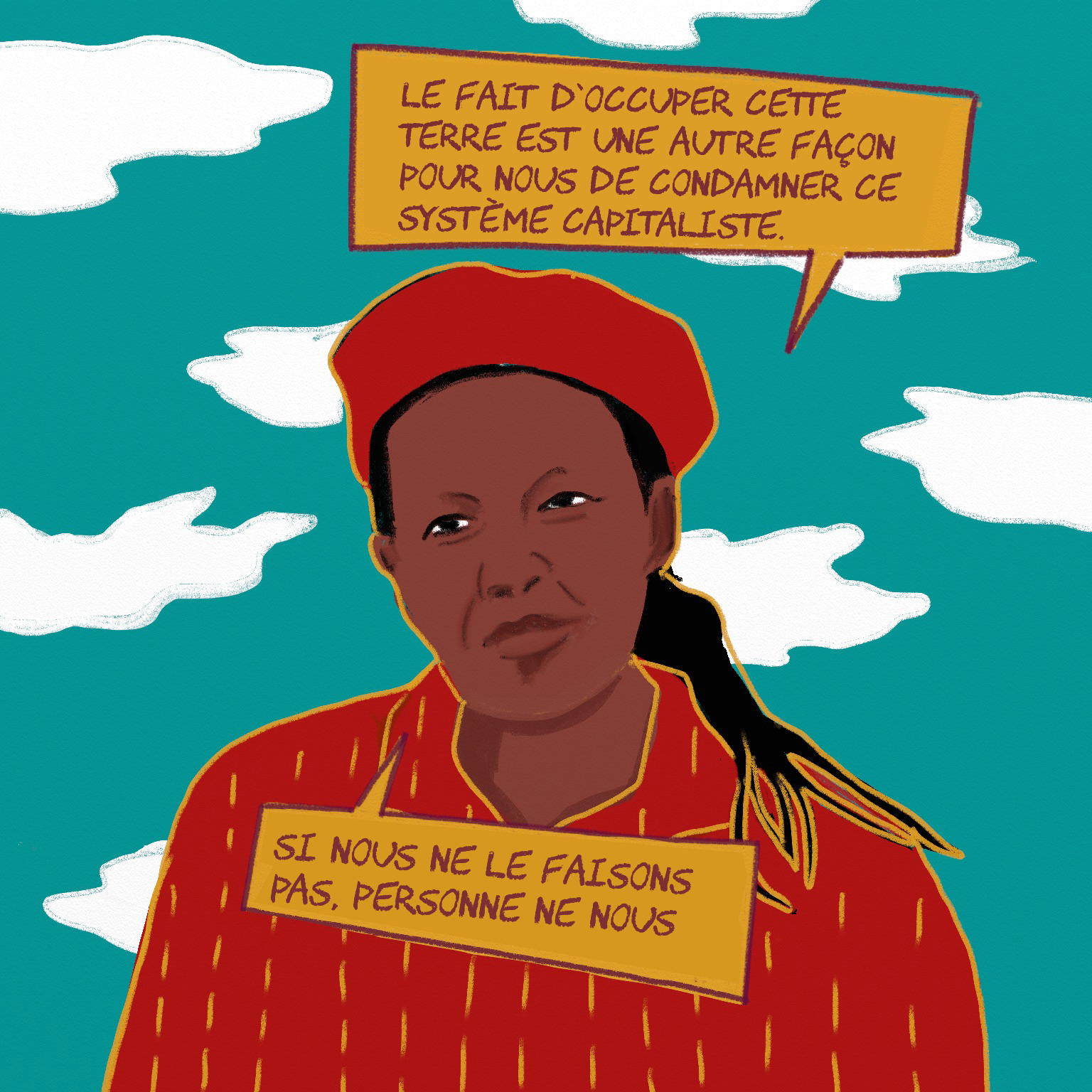
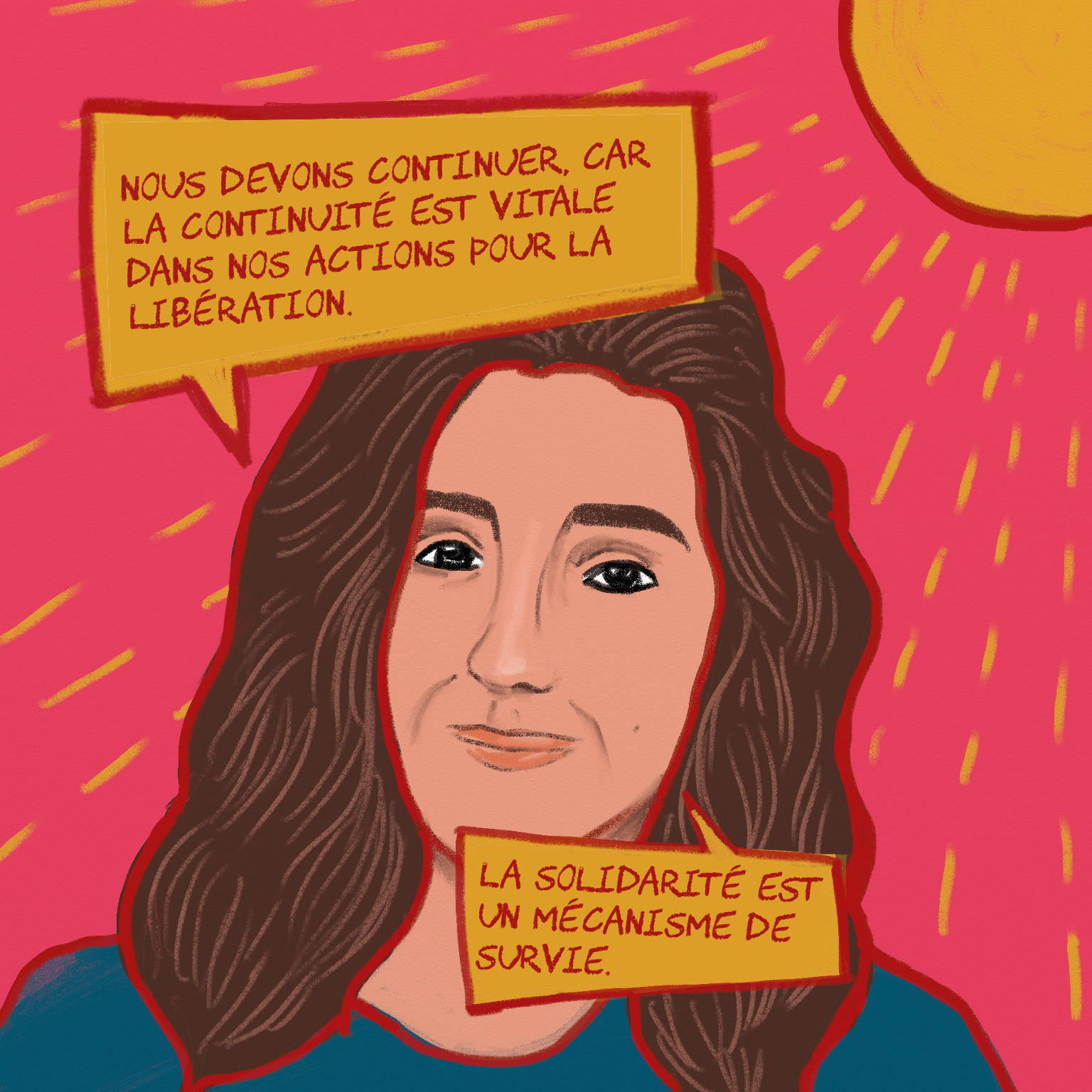
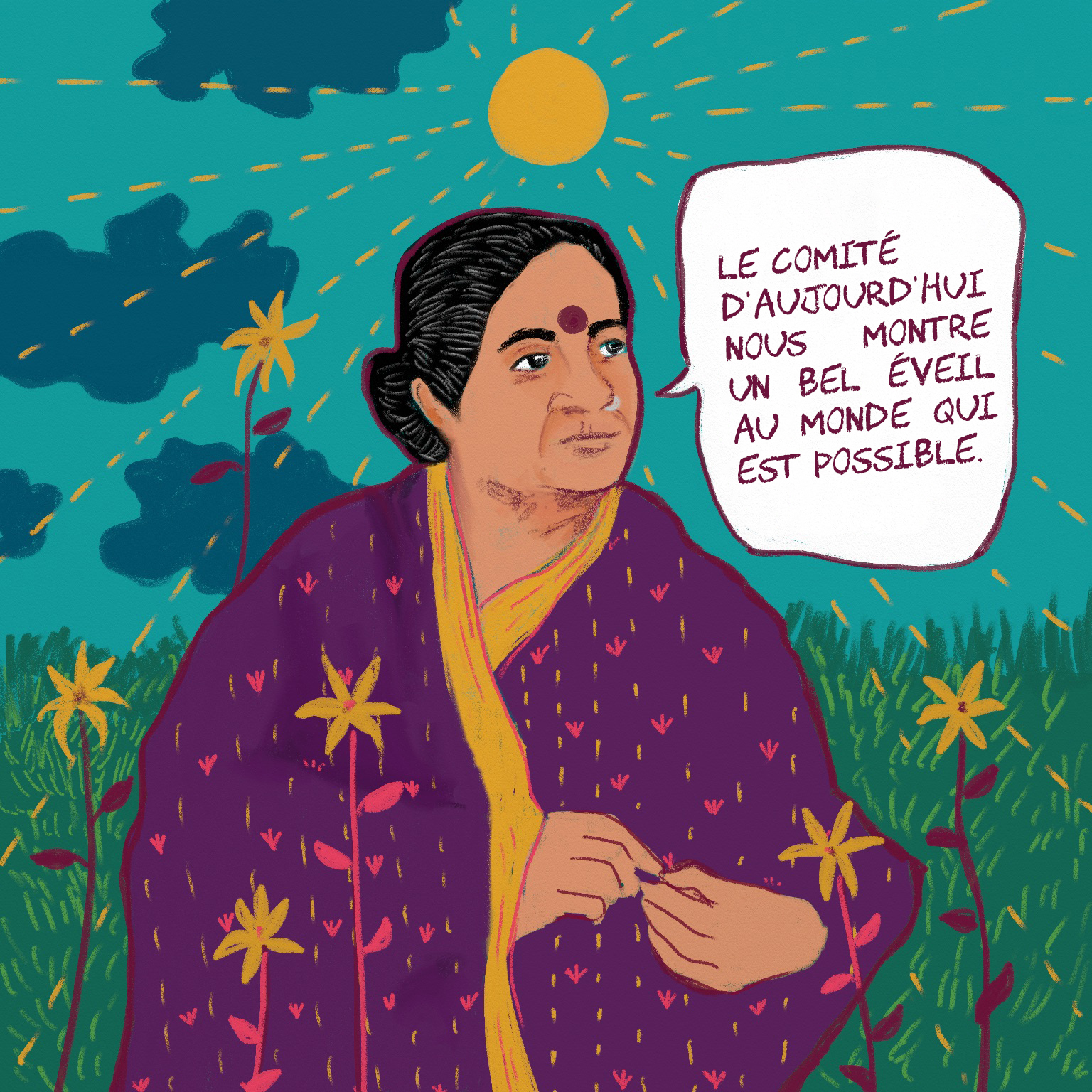
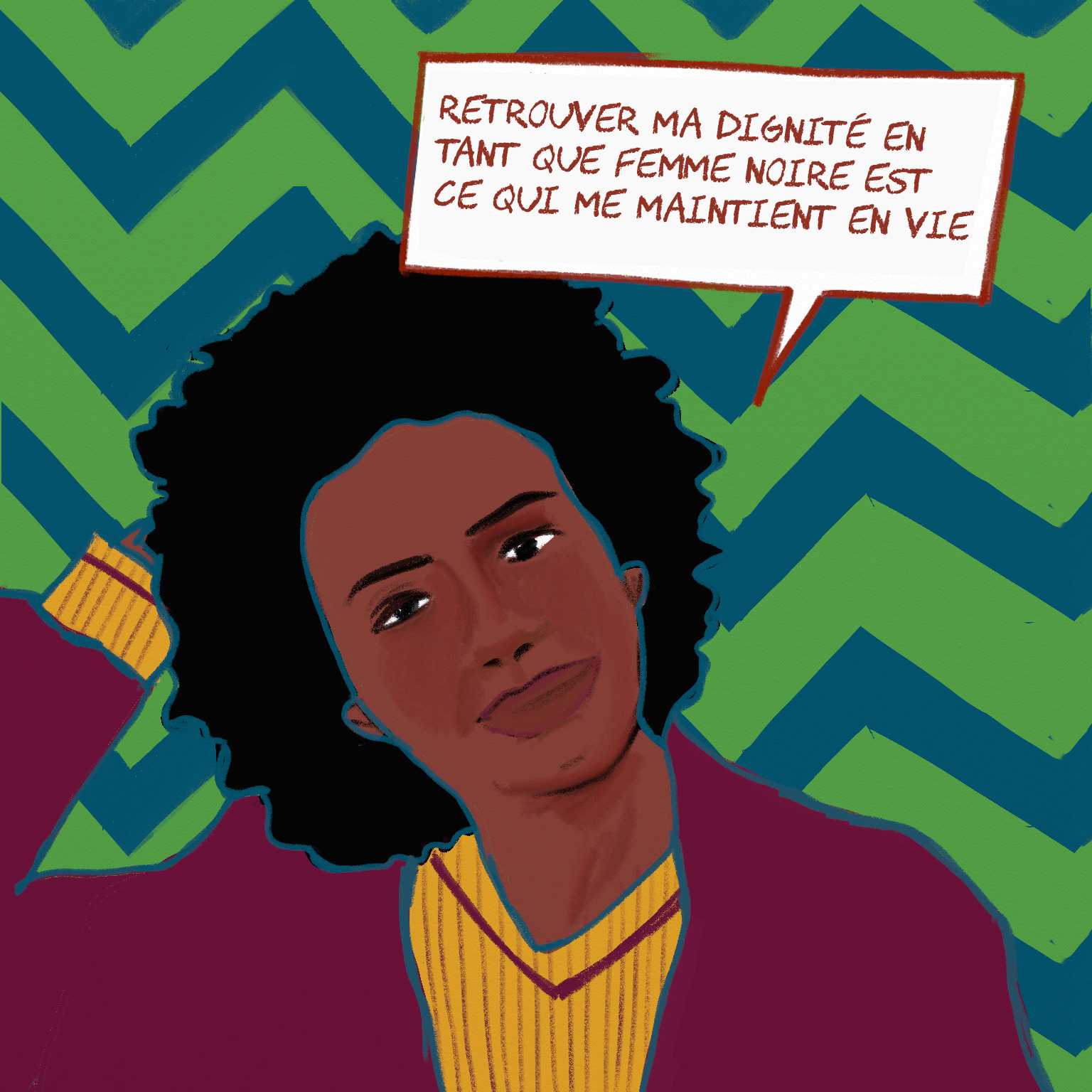
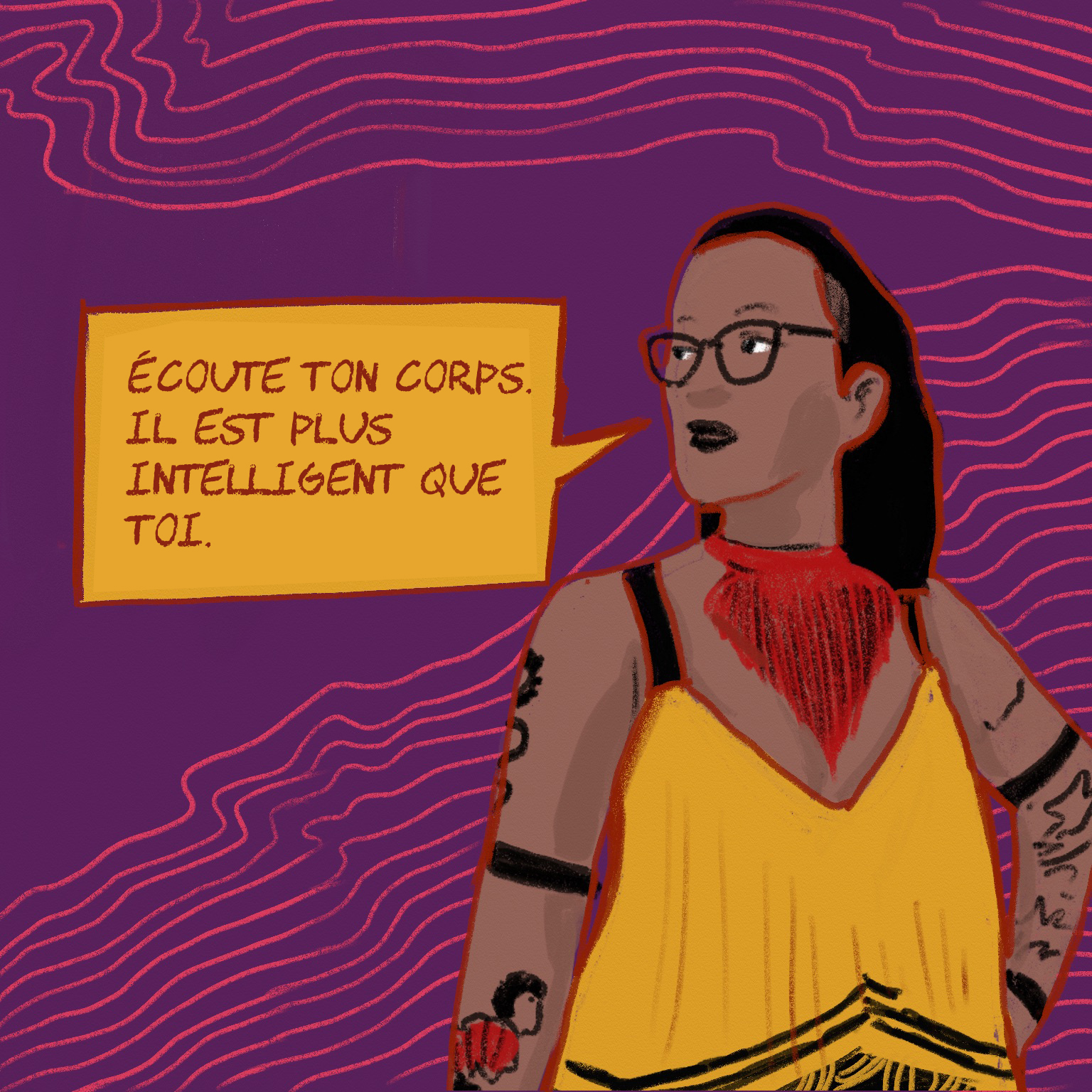
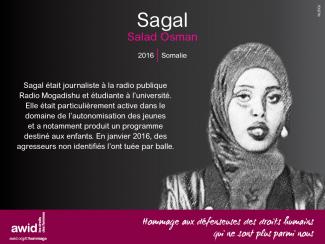
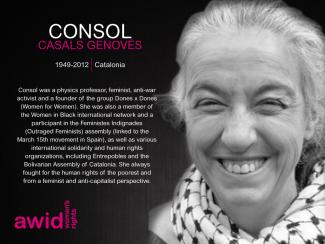
El Tributo de AWID es una exhibición de arte que honra a feministas, a activistas por los derechos de las mujeres y de la justicia social de todo el mundo que ya no están con nosotrxs.
El Tributo de este año cuenta y comparte las historias y narraciones de quienes crearon conjuntamente realidades feministas, ofrecieron visiones de alternativas a los sistemas y actores que nos oprimen, y propusieron nuevas formas de organizarnos, de movilizarnos, de luchar, de trabajar, de vivir y de aprender.
Se agregan a la galería 49 retratos nuevos de feministas y defensorxs de derechos humanos. Aunque muchxs feministas y defensorxs han fallecido debido a edad avanzada o enfermedad, muchísimxs han sido asesinadxs debido a su trabajo y por ser quienes eran.
Esta violencia creciente (de parte de Estados, empresas transnacionales, crimen organizado, sicarios no identificados, etc.) no se dirige solo a activistas individuales sino a nuestro trabajo común y a las realidades feministas.
Visita nuestra exhibición en línea
Lors retratos de 2020 fueron diseñados por la ilustradora y animadora galardonada, Louisa Bertman.
En AWID nos gustaría agradecer a las familias y organizaciones que nos compartieron sus historias personales, y así haber contribuido a este memorial. Nos unimos a ellxs para continuar el extraordinario trabajo de estxs activistas y defensorxs, y en el esfuerzo para asegurarnos de que se logre justicia en los casos que permanecen en la impunidad
"Ellos trataron de enterrarnos pero no sabían que éramos semillas."‐ Proverbio Mexicano
Primero tomó forma como una exposición física de retratos y biografías de feministas y activistas que habían fallecido, en el 12º Foro Internacional de AWID, en Turquía. Ahora vive como una galería en línea, que actualizamos cada año.
Desde 2012 hemos presentado más de 467 feministas y defensorxs.
Yes please. The world has changed since 2021 and we invite you to submit an activity that reflects your current realities and priorities.
The Forum was a key space for the Indigenous Women’s Movement (IWM) in its relationship to feminism. At AWID Forums, they developed engagement strategies that would then apply at other spaces like the United Nations. In that process, both indigenous women and feminists movements were transformed: new voices and issues emerged and feminists started to change their discourses and practices around land rights and spirituality, they understood collective rights better, and included the IWM in their events and agendas. Mónica Alemán and María Manuela Sequeira, from the IWM, shared this story of change.
El trabajo de AWID es posible gracias al apoyo financiero de una amplia gama de donantes, incluyendo agencias multilaterales y bilaterales, fundaciones privadas y fondos de mujeres.

يعتبر المنتدى الدولي الخامس عشر لجمعية حقوق المرأة في التنمية حدثًا مجتمعيًا عالميًا ومساحة للتحول الشخصي الجذري. يجمع المنتدى، وهو اجتماع فريد من نوعه، الحركات النسوية وحقوق المرأة والعدالة الجندرية ومجتمع الميم عين والحركات الحليفة، بكل تنوعنا وإنسانيتنا، للتواصل والشفاء والازدهار. المنتدى هو المكان الذي تحتل فيه نسويات ونسويو الجنوب العالمي والمجتمعات المهمشة تاريخياً مركز الصدارة، حيث يضعون الاستراتيجيات مع بعضهم/ن البعض، مع الحركات الحليفة الأخرى، ومع المموّلين وصانعي السياسات بهدف تحويل السلطة، إقامة تحالفات استراتيجية، والدخول في عالم أفضل ومختلف.
عندما يجتمع الناس على نطاق عالمي، كأفراد وحركات، فإننا نولد قوة جارفة. انضموا إلينا في بانكوك، تايلاند في عام 2024. تعالوا وارقصوا وغنوا واحلموا وانهضوا معنا.
متى: 2-5 ديسمبر 2024
أين: بانكوك، تايلاند؛ وعلى الانترنت
من: ما يقرب الـ 2500 ناشط/ة نسوية من جميع أنحاء العالم يشاركون شخصيًا، و3000 يشاركون افتراضيًا
Chaque année, à l’AWID, nous visons à renouveler et enrichir les points de vue et expériences que reflète notre Conseil d’administration (CA) en accueillant d’autres membres.
Nous sommes actuellement à la recherche de personnes pour servir des mandats de trois ans au CA de l’AWID, à partir du début de l’année 2024. Il s’agit d’une occasion de contribuer à la gouvernance de notre organisation, et d’intégrer un groupe extraordinaire de féministes du monde entier.
Merci de nous aider à identifier avant le 10 août 2023 des candidatures de féministes à la fois réfléchi·es et engagé·es .
Merci de transférer également cette invitation aux candidat·es dans vos réseaux
Nous recherchons avant tout des candidat·es engagé·es en faveur de la mission de l’AWID, qui peuvent faire le lien entre les luttes locales et mondiales. Ces personnes seront également en mesure de nous aider à tirer, de manière intentionnelle, le meilleur parti du positionnement et des atouts de l’AWID dans un contexte en constante évolution. Les candidat·es doivent être disposé·es à assumer les fonctions et endosser les responsabilités juridiques du CA de l’AWID, dans l’intérêt supérieur de l’organisation.
Il s’agit d’une fonction bénévole, qui nécessite une implication et un engagement tout au long de l’année. Il est attendu des membres du CA une participation à 10 à 15 journées de réunion par an minimum, en personne ou en ligne, et qu’elles et ils contribuent de leur temps et leur expertise, selon les besoins du CA.
Nous souhaitons que le CA reflète la diversité des mouvements féministes du monde entier, tant en matière d’identités que de géographies, de contextes et d’affiliations. Nous recherchons, en outre, des membres du CA ayant de l’expérience dans l’un des domaines de travail de l’AWID.
Nous invitons vivement tous les candidats à postuler. Nous étudierons toutes les candidatures reçues, mais compte tenu de la composition du CA actuel, nous accorderons la priorité à :
des candidatures démontrant une solide expérience dans les domaines suivants :
des candidatures des régions suivantes :
Le Conseil d’administration joue un rôle déterminant au niveau de la définition de l’orientation stratégique de l’AWID et du soutien à l’organisation dans l’accomplissement de sa mission, en cohérence avec le monde dans lequel nous vivons et les besoins de nos mouvements.
Les membres du CA contribuent au fonctionnement de l’organisation de diverses manières : en apportant une expérience d’autres espaces, des perspectives de divers mouvements féministes et un savoir-faire conséquent dans des domaines pertinents alignés sur la stratégie de l’AWID.
Les candidates élues et candidats élus rejoindront le CA de l’AWID en 2024 et nous accompagneront tout au long du tant attendu Forum international de l’AWID et de la mise en œuvre de notre plan stratégique.
(Vous pouvez déposer votre candidature ou celle d’une autre personne, avec son consentement.)
Merci de partager également cette invitation à candidatures au sein de vos réseaux !
D’avance, merci de votre aide à trouver les membres [MB2] extraordinaires de notre prochain Conseil d’administration, qui soutiendront l’AWID lors des étapes à venir !
Margarita Salas, AWID
Nazik Abylgaziva, Labrys
Amaranta Gómez Regalado, Secretariado Internacional de Pueblos Indígenas frente al VIH/sida, la Sexualidad y los Derechos Humanos
Cindy Weisner, Grassroots Global Justice Alliance
Lucineia Freitas, Movimento Sem Terra
Nombre d’hommes qui partagent notre engagement vis-à-vis du féminisme et des droits humains des femmes sont membres de l’AWID.
El Foro Internacional de AWID es un verdadero espacio de encuentro mundial que brinda, a quienes participan, la oportunidad de tejer redes, alianzas, de celebrar y aprender en una atmósfera estimulante, emotiva y segura.
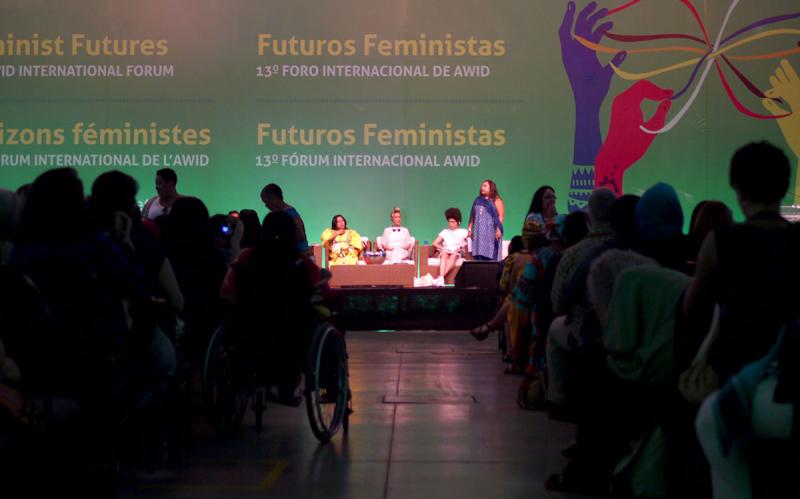
Como proceso, el Foro abarca mucho más que el momento en que nos reunimos. Durante todo el año estamos trabajando con organizaciones y grupos, profundizando nuestras relaciones con ellas, vinculándonos con movimientos locales para entender mejor sus problemas y crear soluciones juntxs.
Como evento, el Foro tiene lugar cada tres o cuatro años en una región diferente del mundo y cristaliza todas las alianzas que hemos venido construyendo como parte de nuestro trabajo.
El Foro de AWID disuelve nuestros límites internos y externos, alberga discusiones en profundidad, colabora con el crecimiento personal y profesional, y fortalece a los movimientos por los derechos de las mujeres y la justicia de género.
El Foro responde a la urgencia de promover una participación y acción más sólidas y coordinadas por parte de lxs feministas, defensorxs de los derechos de las mujeres y de la justicia social, sus organizaciones y movimientos. También creemos que el Foro es más que un evento, ya que puede facilitar procesos que influyen en las ideas y las agendas de los movimientos feministas y de otros actores con quienes nos vinculamos.
El Foro pasó de ser una conferencia nacional con 800 participantes a un encuentro que reúne alrededor de 2000 feministas, líderes comunitarixs, activistas por la justicia social y agencias de financiamiento de todo el mundo.
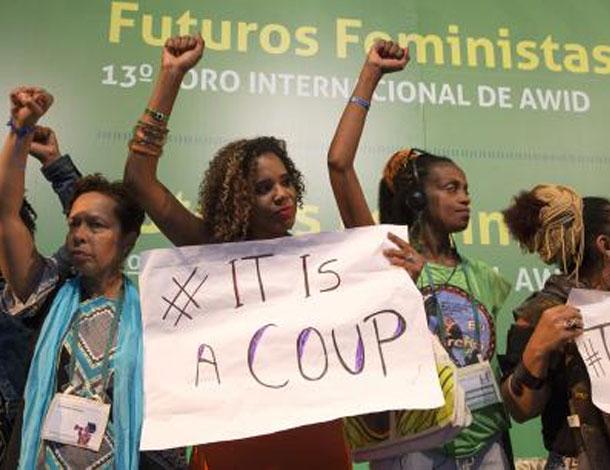
Dado el complejo mundo que enfrentamos hoy, el Foro de AWID 2016 no se centró en un ‘tema’ en particular, sino en la creación de formas más efectivas de trabajar juntxs.
Pese a las dificultades del contexto en el que se celebró este Foro (la epidemia del virus del Zika, una huelga de lxs trabajadorxs del servicio exterior brasileño, el juicio político a la presidenta Dilma Rousseff y la crisis que le siguió), se logró congregar a más de 1800 participantes de 120 países y territorios de todas las regiones del mundo.
Para el 96% de lxs participantes que respondieron a la encuesta de evaluación posterior al Foro, el evento fue una importante fuente de inspiración y energía.
El 98% de lxs participantes lo consideraron un importante espacio de convocatoria para los movimientos feministas, y manifestaron su esperanza de que AWID continúe organizado estos foros.
El 59% de quienes respondieron a la encuesta de evaluación del Foro declaró estar muy satisfechx con el Foro y el 34% algo satisfechx.
Se realizaron más de 150 sesiones en distintos formatos sobre diversos temas, desde la integridad y la libertad corporal, pasando por la violencia de género en el ámbito laboral, hasta estrategias de construcción de poder colectivo.
El primer Foro de Feminismos Negros, se celebró justo antes del Foro de AWID, y reunió a 250 feministas negrxs de todo el mundo, para crear colectivamente un espacio de poder desde donde construir y fortalecer las conexiones intergeneracionales y transnacionales.
Descargar el informe de evaluación del foro
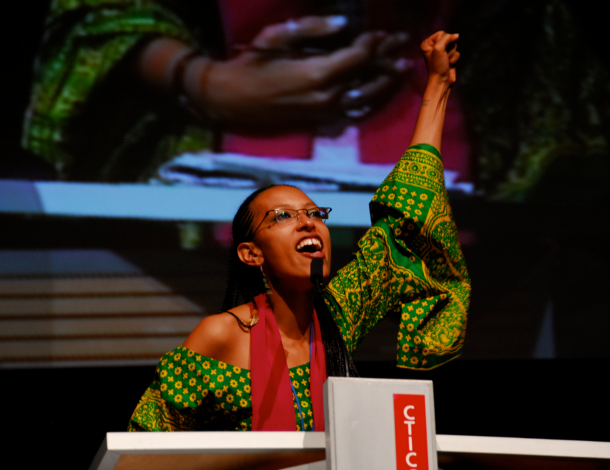
El 12° Foro de AWID se llevó a cabo en el año 2012 en Estambul, Turquía, bajo el título “Transformando el Poder Económico para Avanzar los Derechos de las Mujeres y la Justicia”. El Foro 2012 fue el más grande y diverso que hemos organizado hasta la fecha, con la participación de 2239 activistas por los derechos de las mujeres, de 141 países. El 65% provenía del sur global y casi el 15% eran mujeres jóvenes menores de 30 años, mientras que el 75% de las personas asistían a un Foro de AWID por primera vez.
El programa del Foro se enfocó en la transformación del poder económico para promover los derechos de las mujeres y la justicia. Se ofrecieron más de 170 sesiones de lo más diversas, incluyendo las sesiones de la caja de herramientas económicas feministas para forjar habilidades, sesiones interactivas que representaron los 10 temas del Foro, discusiones en profundidad y las mesas redondas de solidaridad.
Aprovechando el impulso del Foro, hemos transformado la página web en un centro de recursos y aprendizaje que se basa en el contenido generado por las participantes mediante recursos multimedia sobre todos los componentes del Foro.
Visita el archivo web del Foro 2012
Related Content
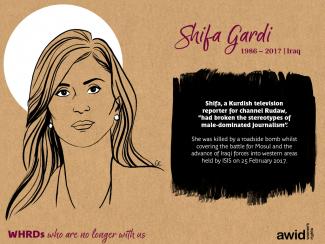
Al Jazeera: Shifa Gardi: Tributes paid to reporter killed in Mosul
BBC News: Mosul Battle: Kurdish reporter Shifa Gardi killed in Iraq

Partout sur la planète, les défenseur·e·s féministes, des droits des femmes et de la justice de genre remettent en question les programmes des acteurs fascistes et fondamentalistes. Ces forces opprimantes prennent pour cibles les femmes, les personnes non conformes dans leur identité de genre, leur expression et/ou orientation sexuelle, ainsi que d’autres communautés opprimées.
Les idéologies discriminatoires sapent et s’emparent de nos systèmes et normes en termes de droits humains de manière à ce que seuls certains groupes aient l’exclusivité des droits. Face à cela, l’initiative Promotion des droits universels et de la justice (Advancing Universal Rights and Justice, AURJ) s’attache à promouvoir l’universalité des droits - le principe fondamental selon lequel les droits humains sont le bien de chaque être humain, quelle que soit son identité, et ce sans exception.
Nous créons un espace pour permettre aux mouvements et à nos allié·e·s féministes, en faveur des droits humains et de la justice de genre de se reconnaître, d’élaborer des stratégies et de recourir à des actions collectives afin de contrecarrer l’influence et l’impact des acteurs anti-droits. Nous cherchons également à faire avancer les cadres, les normes et les propositions féministes et relatifs aux droits des femmes, ainsi qu’à protéger et promouvoir l’universalité des droits.
Enrichir nos connaissances : Dans le cadre du rôle de premier plan que nous assurons sur la plateforme collaborative, l’Observatoire de l'universalité des droits (Observatory on the Universality of Rights, OURs), l’AWID soutient les mouvements féministes, en faveur des droits des femmes et de la justice de genre en diffusant et vulgarisant des connaissances et des messages clés concernant les acteurs anti-droits, leurs stratégies et leur impact au sein des organismes internationaux de protection des droits humains.
Promouvoir des programmes féministes : Nous faisons des alliances avec des partenaires au sein d’espaces internationaux dédiés aux droits humains, notamment le Conseil des droits de l’homme, la Commission de la population et du développement, la Commission de la condition de la femme et l’Assemblée générale de l’ONU.
Créer et élargir les alternatives : Nous impliquons nos membres afin de garantir que les engagements, les résolutions et les normes à l’échelle internationale sont reflétées et réintroduites dans l’organisation d’autres espaces à l’échelle locale, nationale et régionale.
Mobiliser des actions solidaires : Nous agissons aux côtés de défenseuses des droits humains (women human rights defenders, WHRD), y compris de défenseur·e·s trans et intersexes et de jeunes féministes, et oeuvrons à contester les fondamentalismes et les fascismes tout en attirant l’attention sur les situations à risque.