
Itziar Lozano

En septiembre de 2016, 1800 feministas y activistas por los derechos de las mujeres de todos los rincones de nuestros movimientos se congregaron en las costas de Bahia, en el 13º Foro Internacional de AWID.
En esta sección se destacan los logros, los aprendizajes y los recursos que surgieron de las ricas conversaciones mantenidas. Te invitamos a analizar, compartir y comentar.
Uno de los aportes más importantes del Foro fue la necesidad de ampliar y profundizar nuestro trabajo entre movimientos, frente a la confluencia de los fascismos en auge, fundamentalismos, codicia corporativa y cambio climático.
Nuestras Iniciativas Semilla han ayudado a 20 ideas que surgieron en el Foro para crecer en forma de acciones concretas
El vídeo «Defendiendo a las Personas y al Planeta» y la guía «Tejiendo la resistencia a través de la acción» estan protagonizados por defensoras de derechos humanos y presentan estrategias concretas para confrontar al poder corporativo
Con nuestras animaciones El estado de nuestros movimientos feministas y Justicia climática y ambiental, los movimientos ahora tienen herramientas creativas para apoyar su trabajo.
La compilación de las expresiones artísticas «Los Movimientos Importan», sigue inspirando una organización más fuerte y creativa en todo el mundo.
Los movimientos también pueden beneficiarse de nuevas metodologías para imaginar nuestros futuros feministas (¡pronto!)
AWID se ha comprometido, mediante su próximo plan estratégico y su proceso del Foro, a continuar y profundizar las relaciones, las lecciones y los procesos iniciados en el Foro 2016 y basándonos en el momento actual.
Los Foros de AWID comenzaron en 1983 en Washington DC. Desde entonces, el evento ha crecido hasta convertirse en muchas cosas para muchas personas: un proceso iterativo para darle forma a nuestros análisis, objetivos y acciones; un hito crucial que fortalece los feminismos de lxs participantes e infunde energías a sus procesos de organización; un hogar político donde lxs defensoras de derechos humanos encuentran un santuario y solidaridad.
六大主軸支持起論壇中女性主義理念實現的框架。每個主軸都以實現的女性主義理念、經驗和願景為中心,探討抵抗與主張、奮鬥與另類選擇之間持續不斷的關係。我們希望能共同探討出女性主義理念實現的構成要素,並找到讓女性主義理念實現在人生不同領域,欣欣向榮發展的推動力。
這些實現的理念可能以生活方式、夢想和構思中的想法充分表達,或是寶貴的經驗和重要的時刻。
這些主軸並不是孤立的主題,而是與論壇活動相互串連的載體。我們預期許多活動會處在這些主題的交匯處,不同的爭取方式、社群和運動之間的交匯處。這些說明只是初步的描述,會隨著女性主義理念實現之旅的開展而不斷地演變。
本議題主軸聚焦以下問題:個人、社群和運動如何滿足自身的基本需求,並用以人為本及自然為本的方式,確保我們所需繁盛發展的資源。「資源」指的是食物、水、清潔的空氣以及金錢、勞動力、資訊、知識和時間等等。
女性主義者對抗以剝削和榨取掛帥的主流經濟體制,對於組織我們的經濟與社會生活,女性主義提出了方案、累積經驗與付諸實踐,本主軸借重其經驗,表彰深具影響力與啟發性者。糧食和種子主權、女性主義的工作和勞動願景、公正和永續的貿易體系等等,只是將要探索的一部分問題而已。我們將勇敢面對在壓迫的經濟體制下為了生存而產生的矛盾。
女性主義針對經濟正義與創造財富進行了廣泛分析,本主軸以此為前提研究組織與運動獲得資金與資源的主題,探討如何將資源轉移到需要的地方,如何從稅捐正義和基本收入的模式轉移到不同的慈善模式以及運動該如何發揮創意並自主開源。
我們力求樹立新的願景,並擴展女性主義治理、當責和正義以實現的理念與經驗。面對全球危機以及法西斯主義和基本教義派崛起,這個主軸以女性主義的、激進又解放的模式、實務與理念為重心,從在地到全球,探討社會與政治生活的組織。
本議題主軸將探討女性主義治理的樣貌,從女性主義的地方自治經驗、在民族國家以外建立制度,再到我們對多邊主義的願景。我們將交流社群、組織和運動中正義和當責製程序的經驗,包括修復式、以社群為本、轉型正義模式,而這些模式拒絕國家暴力和監獄產業綜合體。
以旅行、移民和難民以及女性主義組織經驗為中心,我們追求一個沒有致命邊境政權的世界:一個可以自由移動,旅程令人雀躍的世界。
科技在我們生活中扮演的角色越來越吃重,線上與線下真實之間的分野越來越模糊。女性主義者廣泛應用科技與線上空間來營造社群、相互學習和動員行動。借助線上空間,我們可以拓寬實體世界的邊界。但另一方面,數位通訊主要歸企業所有,而其對用戶的責任卻很少。資料探勘、監視和安全漏洞已成為常態,網路暴力和騷擾也是。
本議題主軸探討了數位化現實下的女性主義機遇和挑戰。我們將探討主導數位環境私有平台的替代方案、探索網路空間時維持身心健康的策略,以及如何應用科技來克服取得服務的挑戰。關於愉悅、信任和人際關係,我們將探索科技可發揮的潛力。
女性主義理念實現也存在於自身:體現的經驗。父權、順性別異性戀與資本主義掛帥結構的核心依然為對勞動、移動、生殖以及性相的掌控。要顛覆這種壓迫,擁有多元性別、性相和能力的人相會,打造喜悅、關懷、愉悅及強烈欣賞自我與他人的空間以及次文化。
本議題主軸將探討不同社會與文化中。女性、跨性別者、非二元性別者、非常規性別者、陰陽人,對於授意權、能動性與慾望的多元想法、敘事、想像力及文化表現。
我們將分享贏得生育權和正義的戰略,並闡明能實現和尊重人身自主、完整和自由的社會實務。該議題主軸串連不同抗爭和運動,相互交流彼此關於身心健康和愉悅的經驗和觀點。
想像一顆女性主義的星球。水的聲音聽起來如何?空氣的味道聞起來如何?土壤的觸感摸起來如何?星球與包括人類在內的生命之間有什麼關係?實現的女性主義理念亦即環境和氣候正義的實現。女性主義、原住民、去殖民和生態抗爭通常源自轉型願景以及人與自然之間的關係。
本議題主軸以我們星球的福祉為中心,反映了人類與地球互動並重塑地球的方式。永續女性主義星球包含探索傳統知識和生物多樣性,並學習女性主義關於以下議題的實踐,包括去成長(degrowth)、公社共有實踐、平行經濟模式、農業生態、糧食和能源主權倡議等。
雖然我們認為所有的議題主軸息息相關,但此主軸確實是貫串所有主軸,因此無論您提交的活動與哪一類議題主軸串連,我們也邀請您在提案中加入組織面向。
當今的世界是如何組織女性運動的?這個問題將我們的注意力轉移到參與者、權力機制、資源、領導力,我們所處的經濟狀態,我們對正義和當責的認知,數位化時代,以及對自治、身心健康和集體關懷的經驗上。我們希望所有議題主軸都可以創造一個可以誠實反思的空間,思考運動中的權力分配、資源分配與協商。
該論壇不僅僅是一個四天的會議。它更為女權主義現實實踐的運動增強之旅提供了另一個驛站,該旅程早已開始也將在論壇結束後繼續。


Download your facilitation guide in English
This Guide is also available in Spanish and Russian
Oeuvrez pour le renforcement des mouvements pour les droits des femmes et contribuez aux transformations en faveur des droits humains.
Não, apreciamos o seu trabalho, mas, de momento, não solicitamos respostas de indivídues.
.
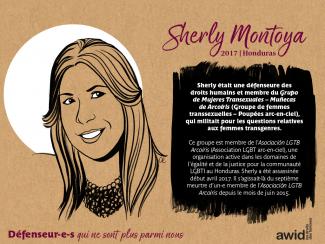
Striking against all odds: the story of Solidarity Network’s unprecedented win.
In January 2022, the Solidarity Network organized a strike with 400 workers. Their main demand? To increase wages. The strike was called following months of unsuccessful talks with the Georgian Ministry of Social Affairs as part of a labor dispute.
After weeks of protesting, negotiating, speaking to the media, withstanding backlash, and enduring the blistering cold of Georgian winter, the workers won unprecedented concessions from the government: wage increase, paid maternity leave, the covering of transportation costs, no lay-offs, compensation for strike days, and more.
The strike did not only result in material gains, it also left the workers feeling united and empowered to stand up for themselves and fight for dignified working conditions now and in the future. They became a source of inspiration for all workers across the country.
You can read more about their victory here.

by Gabrielle Tesfaye
When I created my short animation film, The Water Will Carry Us Home, my mind was plugged into a magical world of fearless resilience and ancestral mermaids who transformed their deepest scars into a new generation of life. Set during the time of the transatlantic slave trade, I was pulled to show this history of African enslavement in a different way than it has ever been told on screen. I wanted to give my ancestors the commemoration they never received. I was motivated to reclaim the history that continues to paint us as helpless victims. Essentially, I wanted to tell the truth. To reclaim and reimagine our history and perspective, means to simultaneously heal our generational traumas that exist today. It is this important work that so many women through the African continent and the African diaspora are doing today, igniting our collective Feminist Realities.
In the making of the film I researched religiously, and in what was written, I saw what was not. There were many times I felt I was hitting a wall trying to find something that was not there, and it was in those voided places that I realized the storytellers of today are filling the voids. I found the most useful stories in contemporary art, film, and African diaspora folklore.
“... a truly unique, raw and representation of feminist power in action.”
- Hers is Ours Collective, organizers of the Outsider Moving Art & Film Festival
The Water Will Carry Us Home carried itself around the world into the hearts of the Diaspora. It also led me here, as the curator of the African and Diaspora film screenings of AWID’s Co-Creating Feminist Realities initiative. Whilst curating this collection of films, I looked for stories that were completely unique, raw and representational of feminist power in action. Consisting of three shorts and one feature, they reveal stories through many communities in Africa and the diaspora, including Ethiopia, Uganda, The Democratic Republic of Congo, South Africa and Kenya. These films reposition African women as what they truly are- self governing and empowered through the unfiltered lens of their work.
“An incredibly beautiful, attentive, finely observed telling of the connection between Africa and its Diaspora formed form the trans Altantic slave trade. The visual universe it creates is just gorgeous… an echo of the fusion of spiritual traditions and non-linear time that speak to how we are still experiencing the moments of the past that formed 'new' worlds of diaspora blackness.”
- Jessica Horn, PanAfrican feminst strategist, writer and co-creator of the temple of her skin
Our short documentary film, Women Hold Up the Sky, created by the WoMin African Alliance, tells the story of women activists in Uganda and the Democractic Republic of Congo who are actively reclaiming their land rights, threatened by mining and other extractives in their homes. The film not only exposes the corruption of extractivism, but finally shares what we have been missing on screen - how grassroots African women are actively organizing, strategizing, and analyzing within their communities to create women-centred and community-driven alternatives. Margaret Mapondera of WoMin explains it beautifully, that they are the “custodians of lands, forests, waters, rivers and territories; the ways in which women hold and transmit the stories / herstories of our past and our futures; the powerful and transformative ways of being that women embody in their relationships to each other, to the environment and in themselves.”
“A refreshing and much-needed piece of cinema highlighting the many ways African women are coming together to create women-led and community-driven alternatives… The fight is on and
women hold the key.”
- Hers is Ours Collective, organizers of the Outsider Moving Art & Film Festival
Pumzi, created by critically acclaimed director Wanuri Kahiu, bridges Africa and science fiction around climate and environmentalism. Pumzi imagines a futuristic world where humankind has been forced to settle on another planet. While Pumzi seems afro-futuristic and new for Africa on the surface, Kahiu reveals the truth that science fiction and fantasy is something that has always existed in African storytelling, but never recognized. Kahiu creates a world where women are truth seekers and heroes who pioneer us into a new world, the opposite of images that position Africans as victims of war and destruction. Instead, Pumzi writes the narrative of African women being their own saviors and problem solvers, who stop at no cost to follow the cryptic visions they channel in their dreams.
“A pioneering African sci-fi film, situating women as scribes of the future and opening up our visions about other worlds, other universes we might occupy as Africans - always an important exercise as we imagine our way out of present crises.”
- Jessica Horn, PanAfrican feminst strategist, writer and co-creator of the temple of her skin
Our feature film of the program, Finding Sally is set in 1970’s Ethiopia during the time of The Red Terror war, documenting the striking history of director Tamara Mariam Dawit’s activist aunt, Sally Dawit. Throughout the film we learn of Sally’s incredible journey as a young and courageous woman activist navigating one of the most violent times of Ethiopian history. Sally’s story not only reveals the gravity of this time, but the reflection of her own personal evolution as a young woman. Dawit was intentional to tell the film through the lens of women, untouched by male voices. Due to so much Ethiopian history being told by men, the making of this powerful story preserved its reality of honoring the feminist perspective. Dawit explains, “Women in revolution and war are often only included as someone's spouse or someone who did cooking or typing work. I wanted to look at the activism around the revolution only through the memories and voices of women.” Finding Sally demonstrates the reclamation of history sought by current filmmakers today. It is an igniting of feminist power and our connected realities throughout time.
“The responsibility falls on us, to remember these women that came before us and their brilliant work so they are not forgotten like the thousands of women already forgotten while fighting the good fight. Sally is such a woman and may she never be forgotten.”
- Hers is Ours Collective, organizers of the Outsider Moving Art & Film Festival
Register here to watch this film from June 18-22
These films have became a part of my own psyche, empowering me to continue building powerful alternatives towards justice from within. They affirm that I am a woman among a world of women, holding up the skies and actively building indestructible Feminist Realities. These films are more than stories of African women - they are globally relatable, inspiring and set the example of Feminist Realities for all of us around the world.
Facebook: @AWIDWomensRights
Instagram: @awidwomensrights
Twitter ENG: @awid
Twitter ES: @awid_es
Twitter FR: @awid_fr
LinkedIn: Association for Women's Rights in Development (AWID)
Expand your boundaries. AWID members increasingly represent a diverse and vibrant cross-section of feminists working on land rights, workers’ rights, sexual rights and bodily autonomy, among other issues. By joining us as a member, you can connect your struggles across movements.
Related content
TeleSUR: Outrage Shakes Argentina After Murder of Anti-Femicide Activist
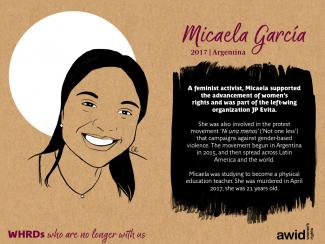
La Organización Sindical de Trabajadoras del Sexo (OTRAS) es el primer sindicato de trabajadoras del sexo de la historia de España. Nació de la necesidad de garantizar los derechos sociales, legales y políticos de las trabajadoras sexuales en un país donde los movimientos de extrema derecha están cada vez más fuertes.
Después de años de luchas contra el sistema legal español y los grupos abolicionistas del trabajo sexual que solicitaron su cierre, OTRAS finalmente obtuvo su estatus legal como sindicato en 2021.
¿Su objetivo? Despenalizar el trabajo sexual y garantizar condiciones y entornos de trabajo dignos para todxs lxs trabajadorxs sexuales.
El sindicato representa a más de 600 trabajadorxs sexualxs, muchxs de lxs cuales son inmigrantes, racializadxs y sexo/genero disidentes.