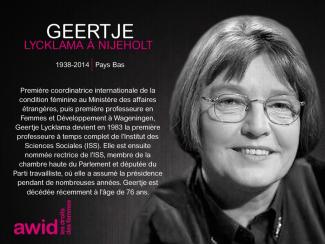
Geertje Lycklama à Nijeholt
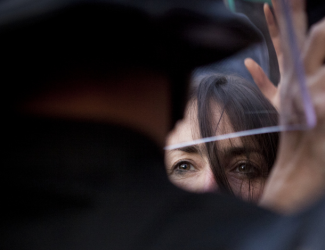
Lxs defensorxs se identifican a sí mismas como mujeres y personas lesbianas, bisexuales, transgénero, queer e intersex (LBTQI) y otrxs que defienden derechos y que debido a su trabajo en derechos humanos están bajo riesgos y amenazas específicos por su género y/o como consecuencia directa de su identidad de género u orientación sexual.
Lxs defensorxs son objeto de violencia y discriminación sistemáticas debido a sus identidades y su inclaudicable lucha por derechos, igualdad y justicia.
El Programa Defensorxs colabora con contrapartes internacionales y regionales así como con lxs afiliadxs de AWID para crear conciencia acerca de estos riesgos y amenazas, abogar por medidas de protección y de seguridad que sean feministas e integrales, y promover activamente una cultura del autocuidado y el bienestar colectivo en nuestros movimientos.
lxs defensorxs enfrentan los mismos tipos de riesgos que todxs lxs demás defensorxs de derechos humanos, de comunidades y del medio ambiente. Sin embargo, también están expuestas a violencia y a riesgos específicos por su género porque desafían las normas de género de sus comunidades y sociedades.
Nos proponemos contribuir a un mundo más seguro para lxs defensorxs, sus familias y comunidades. Creemos que actuar por los derechos y la justicia no debe poner en riesgo a lxs defensorxs, sino que debe ser valorado y celebrado.
Promoviendo la colaboración y coordinación entre organizaciones de derechos humanos y organizaciones de derechos de las mujeres en el plano internacional para fortalecer la capacidad de respuesta en relación a la seguridad y el bienestar de lxs defensorxs.
Apoyando a las redes regionales de defensorxs y de sus organizaciones, tales como la Iniciativa Mesoamericana de Mujeres Defensorxs de Derechos Humanos y la WHRD Middle East and North Africa Coalition [Coalición de Defensorxs de Derechos Humanos de Medio Oriente y África del Norte], promoviendo y fortaleciendo la acción colectiva para la protección, poniendo el énfasis en establecer redes de solidaridad y protección, promover el autocuidado y la incidencia y movilización por la seguridad de lxs defensorxs.
Aumentando la visibilidad y el reconocimiento de lxs defensorxs y sus luchas, así como de los riesgos que enfrentan, a través de la documentación de los ataques que sufren, e investigando, produciendo y difundiendo información sobre sus luchas, estrategias y desafíos.
Movilizando respuestas urgentes de solidaridad internacional para lxs defensorxs que están en riesgo a través de nuestras redes internacionales y regionales y de nuestrxs afiliadxs activxs.
The AWID Community is an online social networking platform specifically for AWID. It is a feminist space for connection, resistance and celebration. A space for critical feminist conversations, collective power and solidarity. It is also a space for post-event dialogues, navigating difficult political learnings and community care.
Join AWID membership to be part of the AWID Community today.
Queridos movimientos feministas:
Ustedes nos recibieron con los brazos abiertos cuando en el Foro de AWID 2016 en Bahía se anunció que íbamos a ser las nuevas codirectoras ejecutivas de AWID. Fue un momento que sentimos lleno de posibilidades: estábamos construyendo un oasis feminista que ayudaría a sostener las luchas colectivas que teníamos por delante. Salimos de Bahía con una sensación muy clara de la responsabilidad que nos cabía: hacer lo mejor que pudiéramos al servicio de ustedes, liderando a AWID de tal manera que les sirviera de apoyo y tuviera impacto para ustedes.
Ahora es el momento de abrir el camino a nuevos liderazgos
Tras cinco años de recorrido, dejamos nuestro rol como codirectoras ejecutivas de AWID. Esta decisión coincide con la finalización de nuestro ciclo estratégico actual. Pensamos que es el momento ideal para hacernos a un costado y apoyar una renovación en el liderazgo. Creemos que los liderazgos feministas transformadores son cíclicos.
Valoramos mucho la oportunidad que tuvimos de desempeñar un rol dentro de los 40 años que abarca la historia de AWID, sosteniendo y guiando a la organización en el contexto difícil de una pandemia global y la agudización de muchas crisis.
Sabemos que ustedes, movimientos feministas, nos van a acompañar en nuestros próximos recorridos, donde sea que transcurran. Una y otra vez nos han enseñado a ser fuertes y resilientes. Tal vez cumplamos roles diferentes, pero en forma colectiva seguiremos avanzando juntxs.
Tenemos recuerdos vívidos de aquellxs con quienes nos reunimos en Indonesia, Malasia, Nepal, Tailandia, Taiwán y otros lugares para crear juntxs el Foro AWID, de su generosidad y su entusiasmo. Sin duda alguna lo que más lamentamos de estos cinco años pasados es no haber podido ofrecerles un Foro presencial.
Una vez que tomamos la decisión difícil (aunque necesaria) de cancelar el Foro AWID nos concentramos en responder a las preguntas existenciales que tantas organizaciones también estaban enfrentando: ¿cómo podemos cambiar la forma en que trabajamos para seguir siendo relevantes teniendo en cuenta que todxs nosotrxs, cada quien a su manera, estamos afectadxs por el agotamiento, la enfermedad y la pena? ¿Cómo podemos construir relaciones significativas cuando nos vemos limitadxs a encontrarnos solo en forma virtual? Todavía no existen respuestas claras para estas preguntas pero ustedes, movimientos feministas, nos han mostrado el camino.
Con mucho orgullo vimos a feministas liderando las respuestas para mitigar los impactos de COVID-19 en nuestras comunidades. Lxs feministas somos quienes respondemos directamente a las crisis y vamos a continuar exigiendo que se reconozca nuestra labor y se le asignen los recursos que corresponde. Ustedes muchas veces respondieron con entusiasmo a nuestras convocatorias, haciéndose presentes de maneras increíbles en nuestra campaña por un Rescate Feminista y más tarde en el festival Crear Resister Transform. Siempre nos acompañaron en la incidencia colectiva, ya fuera en espacios de derechos humanos, con quienes diseñan políticas o con donantes.
Queremos destacar especialmente con amor y respeto a quienes forman y formaron el equipo de AWID (tanto el personal como lxs integrantes del Consejo Directivo) con quienes tuvimos el honor de trabajar durante estos años. Aprendimos algo de cada unx de ustedes y sentimos una profunda gratitud por todo lo que le han dado a AWID a lo largo de los años.
Entramos a este rol siendo la primera pareja de codirectoras ejecutivas de AWID. Aprendimos de las muchas tradiciones activistas y comunitarias de liderazgo colectivo y de las organizaciones feministas que ya habían implementado esta modalidad antes que nosotras. Sabemos que ninguna de nosotras dos podría haberlo hecho sin la otra. Pudimos aprovechar los puntos fuertes de cada una y apoyarnos mutuamente para cumplir con nuestra tarea lo mejor posible.
Llegamos juntas a este rol y nos vamos juntas, aun cuando nuestras fechas de partida sean diferentes. Estamos comprometidas a colaborar para que la transición sea fluida y para que durante este año los nuevos liderazgos puedan contar con un proceso deliberado de incorporación a sus roles.
Movimientos feministas: están en muy buenas manos con el equipo de AWID. Ellxs saben lo que tienen que hacer. Y a nosotras nos enorgullece dejar a la organización en una posición de fortaleza y resiliencia. Esperamos ver a muchxs de ustedes en el Foro AWID de 2024. Nos van a reconocer fácilmente: vamos a ser esas que están entre el público relajadas y pasándolo bien.
Vaya nuestro amor y nuestra valoración por todo lo que han hecho con y por nosotras. El impacto que ustedes han tenido en nuestras vidas va mucho más allá de los últimos cinco años y sin duda alguna continuará durante mucho tiempo en el futuro.
Cindy & Hakima
par Fatima B. Derby
En 2017, la campagne #ManifestezVotreSolidarité a mis en évidence la manière dont les jeunes féministes pouvaient construire un avenir féministe en étant là les unes pour les autres, en participant à des conversations transrégionales, en marchant en solidarité avec d'autres activistes et en collaborant entre les mouvements. (...)
< illustration : « Laisse-les pousser », par Gucora Andu
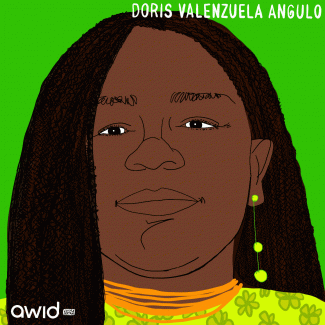
Doris Valenzuela Angulo was an Afro-descendant social activist, leader and human rights defender from Buenaventura, Colombia. She was part of Communities Building Peace in the Territories (CONPAZ), a national network of organizations in communities affected by armed conflict that advocate for non-violence and socio-environmental justice.
Doris defied constant paramilitary violence and pressures from mega projects to displace her community and state collusion. Faced with one of the most difficult contexts in her country, she played a leadership role in an unprecedented initiative of non-violent resistance called Puente Nayero Humanitarian Space, an urban place for community cohesion, safety, creativity and collective action.
This unique non-violent struggle of the families that belonged to Puente Nayero Humanitarian Space, attracted attention and support from both local and international agencies. By September 2014, the Inter-American Commission on Human Rights had granted precautionary protection measures to the community ordering the Colombian State to adopt necessary measures to preserve their lives and personal integrity. However, the threats and violence from the paramilitaries continued. Doris focused her energies on preventing forced recruitment of children and young people by the neo-paramilitaires, continuing on despite the murder of her son Cristian Dainer Aragón Valenzuela in July 2015. Doris also became a target, continuously receiving threats for her activism and the work she did.
The continued aggression and threats against her life forced Doris to leave Colombia. She was residing in Spain from February 2017 to February 2018, as part of the Amnesty International temporary protection program for human rights defenders at risk. In April 2018, Doris was murdered in Murcia, Spain by her ex-partner. She was only 39 years old.
"Doris, spending a whole year with you has taught us how a person can have the ability to transform and generate hope in the face of deeply negative and devastating events during your life...We continue with our commitment in the defense of all human rights. Your courage and your light will always guide us.” - Montserrat Román, Amnesty International Grupo La Palma
"..You knew it. You always knew. And in spite of everything you stood firm against so many injustices, so many miseries, so much persecution. You stood up, haughty and fierce, against those who wanted to make you again abandon your hopes, humble yourself and surrender. Standing up you cried out for your freedom and ours that was yours. Nothing and no one paralyzed your efforts to change the world and make it more generous and livable. You, live among us, more alive today than ever among us despite death. Always live by your gestures, your courage, your greatness when crying for a promised land that you came to invoke with each of your cries for all the deserts you inhabited. You. Always alive. Doris Valenzuela Angulo.
They are only words. I know. I know it too. But the words unite us, protect us, give us strength and encouragement to continue walking towards the light that you defended so much…”
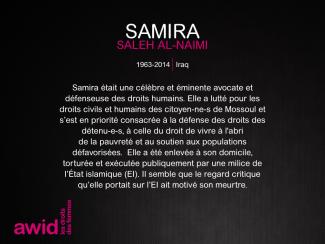
« Poursuivons notre dynamique de solidarité, d’espoir et d’imagination radicale. »
- Beijing+30 et la CSW : adopter une lecture féministe des multiples défis de notre époque
This story is about how an increasingly diverse group of feminists from the Pacific organized through the years to attend the AWID Forums and how that process changed them personally, as organizations, and as a movement through what they learned, discovered and experienced. It illustrates the importance of the Forums as a space through which a region that tends to be marginalized or ignored at the global level can build a strong presence in the feminist movement that is then replicated at other international women’s rights spaces.
Chers mouvements féministes,
C'est avec fierté que je vous présente, au nom du conseil d'administration de l'AWID, les prochaines codirectrices exécutives de l'AWID : Faye Macheke et Inna Michaeli!
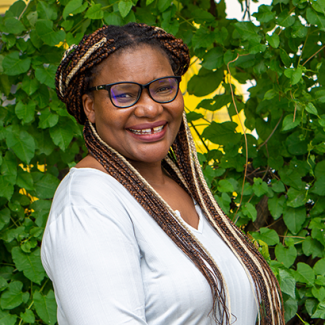 |
Faye Macheke est une féministe panafricaine passionnée, engagée dans les mouvements pour les droits des femmes, la justice raciale, les droits des migrant·e·s et des travailleur·euse·s, et la justice environnementale. Son activisme s'appuie sur l'héritage de la lutte contre l'apartheid en Afrique du Sud et sur les séquelles qu’elle a laissées au Zimbabwe. En 2019, Faye a rejoint l'AWID en tant que directrice des finances, des opérations et du développement. Elle y apporte une grande expérience du leadership féministe, de la stratégie et de tous les aspects du développement organisationnel. Faye est une membre engagée du conseil d'administration d'UAF-Africa et d'autres organisations de défense des droits des femmes. Elle est basée au Cap, en Afrique du Sud. |
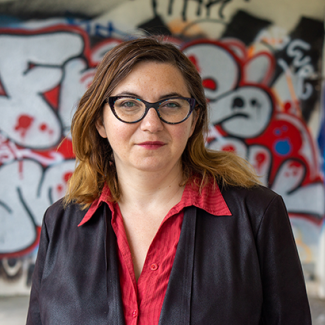 |
Inna Michaeli est une activiste et sociologue féministe lesbienne queer comptant de nombreuses années d'engagement profond dans les luttes féministes et LGBTQI+, l'éducation politique et l'organisation par et pour les femmes migrantes, ainsi que la libération de la Palestine et la solidarité avec cette dernière. Inna a rejoint l'AWID en 2016 et occupé différents postes, dont celui de directrice des programmes plus récemment. Elle bénéficie d'une grande expérience dans la recherche et le renforcement des connaissances, le plaidoyer politique et le développement organisationnel. Inna fait partie du conseil d'administration de Jewish Voice for Peace - Allemagne. Elle est basée à Berlin, en Allemagne. |
Cette décision est le résultat d'un processus rigoureux mené avec la pleine participation du conseil d’administration et du personnel de l'AWID. Le conseil d’administration a reconnu et honoré les compétences et les talents du personnel de l'AWID en ouvrant une recherche d'embauche interne. Deux candidates brillantes, qui incarnent l'intégrité, l'éthique du soin et les valeurs féministes intersectionnelles à la base du travail de l'AWID, ont ainsi postulé ensemble en tant qu'équipe. Faye et Inna ont présenté une vision courageuse et passionnante pour faire face aux défis de notre époque : construire une communauté féministe mondiale, combattre et perturber les systèmes d'oppression, et soutenir les mouvements féministes pour qu'ils prospèrent.
En cette année de célébration des 40 ans de l'AWID, nous sommes ravi·e·s qu'Inna et Faye prennent la direction conjointe de l'AWID de notre prochaine stratégie et d’une nouvelle phase : évoluer, repousser nos limites et soutenir les mouvements féministes dans le monde entier.
La désignation des codirectrices exécutives de l'AWID et le soutien qui leur est apporté pour diriger l'organisation est une responsabilité fiduciaire que nous prenons au sérieux en tant que conseil d’administration. La façon dont nous nous engageons dans ces processus reflète également la diversité et l'excellence des membres de l'AWID, qui élisent le conseil d'administration de l'AWID.
Alors que nous disons au revoir à Cindy et Hakima, nous, le conseil d’administration, accueillons à l'unanimité et avec enthousiasme Faye et Inna en tant que nos nouvelles codirectrices à compter du 5 septembre 2022. Ne manquez pas d'autres mises à jour sur la transition de notre direction dans les mois à venir.
Merci infiniment pour votre soutien indéfectible!
Dans la solidarité et l'amour féministes,
Margo Okazawa-Rey
Présidente du conseil d’administration de l’AWID
by Haddy Jatou Gassama
The Mandinka tribe of The Gambia has a custom of measuring the first wrapa used to carry a newborn baby on its mother's back. (...)
artwork: “Sacred Puta” by Pia Love >
Mena Mangal fue una destacada periodista de televisión, defensora de los derechos de las mujeres y asesora cultural de la Wolesi Jirga, la cámara baja del parlamento nacional de Afganistán.
Durante más de una década, trabajó para Ariana TV, el canal Lamar de lengua Pashto de Tolo TV, y para la emisora privada de televisión nacional afgana Shamshad TV. Como presentadora, Mena se enfocó en los derechos de las mujeres y en los programas de entrevistas culturales.
"La defensora de los derechos de la mujeres Wazhma Frogh dijo que Mangal "tenía una voz fuerte" y se pronunció activamente como defensora de su pueblo".
Fuera de la pantalla, también dirigió páginas populares de redes sociales que defendían los derechos de las niñas y mujeres afganas a la educación y el trabajo. En lo que concierne a su vida privada, Mena escribió extensamente acerca de cómo había sido forzada a contraer un matrimonio arreglado en 2017, y sobre el proceso que tuvo que atravesar para poder obtener finalmente el divorcio.
En un post de Facebook, Mena escribió que estaba recibiendo amenazas de muerte de fuentes desconocidas, pero que aun así continuaría llevando a cabo su trabajo.
El 11 de mayo de 2019, Mena fue atacada por hombres armados desconocidos y asesinada a tiros a plena luz del día en un espacio público del sudeste de Kabul.
"Estamos preocupadxs por la situación actual ya que está teniendo un impacto directo en las mujeres que trabajan fuera de sus casas... Las mujeres periodistas están cambiando de profesión debido a los crecientes riesgos que enfrentan". - Robina Hamdard, defensora de los derechos de las mujeres en Kabul.
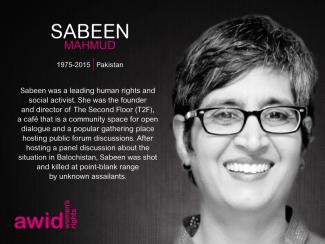
✉️ Sur invitation uniquement
📅 Mardi 11 mars 2025
🕒 14.00h-16.00h EST
🏢 Chef's Kitchen Loft with Terrace, 216 East 45th St 13th Floor New York
Organisé par : Consortium de l’Observatoire sur l'universalité des droits (OURs)
The AWID Forum is the world’s largest event that wholeheartedly centers feminist and gender justice movements in all their diversity. It is a transformative space created by and for the movements - where Global South feminists and historically marginalized communities take centerstage, strategize to shift power, and connect with allied movements, funders and policy-makers. And so it is with full and fiery hearts that we share…
The 15th AWID International Forum will take place from December 2-5, 2024 in Bangkok, Thailand!
We hope to gather 2,500 in-person and 3,000 online/hybrid participants. When thousands of feminists come together, we create a sweeping force of solidarity that has the power to change the world! We’re excited, and we know you’re excited too - so stay tuned for more
تحذير: عنف ضد المرأة و البنت (لانو في فرق بيناتهم) ، اعتداء.
لطالما كنت جزء منك. لما كنت صغيرة لم أكن أعرف أن كلمة - نسوية - مقصودة لنا نحن ، الي نطمح إلى التغلب على النظام الأبوي وتفكيكه ، الي نلتمس اللجوء في أحضان الشمول والنسوية التقاطعية ، الي يعاملو الناس على قدم المساواة بغض النظر عن جنسهم ، عرقهم، توجهاتهم الجنسية أو دينهم ، الي يحبو يكونوا أفضل ويستخدموا صلاحياتهم لرفع مستوى الآخرين.
كان عمري 14 سنة ،لما اعتدى مدرس اللغة الفرنسية في المدرسة الإعدادية على طالبة في صفي ، رجل يبلغ طوله ستة أقدام و عمره ثلاثين عامًا. ذهبت مع الطالبة ، التي كانت صديقة طفولتي ، والعديد من الفتيات في صفي إلى مدير المدرسة للإبلاغ عنه ، وشهد الفصل بأكمله المكون من 30 طالبًا عن الاعتداء. لكن كل محاولاتنا لمحاسبته باءت بالفشل ، وغطت الإدارة قصة الفتاة ولم يُطرد مدرس الفرنسية. أنا والفتيات في صفي شعرنا بغضب كبير، لذلك فعلنا ما كانت ستفعله كل ناشطة نسوية في مراهقته:رمينا بيض علي سيارته! وعلى الرغم من أن البيض بيتغسل بسهولة ، إلا أن الطلاء الذي استخدمناه في كتابة "خنزير" و "خماج" بقى. لن أنسى أبدًا كيف شعرنا بهداك الوقت. متحررات ، غاضبات ، سعيدات ، متماسكات ، وجبارات.منذ ذلك الحين، نفس الشعور يتكرر في كل بيئة نسوية كان لي الشرف ان احضر فيها. نشأت الناشطة النسوية في داخلي لتنضم إلى Women Deliver ، و AWID ، و Unootha ، ولتنسق ورش نسوية في الجامعة ، بل وتتعرض للاضطهاد بسبب انتمائي النسوي في سن التاسعة عشرة ، لكن هذه قصة أخرى لرسالة أخرى.
توفر لي المساحات النسوية الأمان والتمكين. تلك المساحات هن الأمهات اللواتي تمنينهم والرابط الذي كنا بحاجة إليه للتواصل مع بعضنا وتنظيم أنفسنا على الرغم من خلافاتنا ضد عدو مشترك، الباترياركية. من خلالك تعلمت أن أجمع نقاط قوتي ومهاراتي وأوجههم نحو النهوض بالآخرين وإبراز المهمشين وإعطاء صوت لمن لا صوت لهم.
أكثر ما أحبه فيك ، هو أنك تخطئين أحيانًا ، وتتجاهلين وتهمشين أيضًا ، ولديك تحيزات كما لدى كل حركة أخرى ، لكن ما يجعلك مختلفًتن هو أنكي تسعين دائمًا إلى أن تكوني أفضل. المساءلة ليست شيئًا يرعبكي وأنت حركة دائمة التغير تعكسين كيف يتغير العالم والعمل الخيري في جهود المساواة مع مرور الوقت.
أتمنى أن تنمي دائمًا ، أن تفعلي ما هو أفضل ، وأن تغضبي دائمًا ، وأن تزأري دائمًا ، وأن تحبي دائمًا ، أن تتحدثي بلغات مختلفة ، وأن تكوني دائمًا في السلطة.
كل حبي ونوري وغضبي لكي ،
لينة
Ya puedes mirar el programa «Feminist Embodiments of Hope and Power» [«Corporizaciones feministas de esperanza y poder»] del Club de Cine Feminista de AWID, una serie de películas sobre realidades feministas de la región del Sudoeste Asiático y África del Norte, curada por Esra Ozban.
« Je veux dire à tou·te·s les Tunisien·ne·s : Nous devons nous rassembler pour dire “non” à la censure et aux procès d’opinion. » - Lina Ben Mhenni (entretien de 2013)
« Un cyberactiviste doit aller sur le terrain, sentir ce que vivent les autres. On dit que la Révolution tunisienne est celle du Net, mais si elle n’était que ça, elle n’aurait jamais abouti ! » » Lina Ben Mhenni (article dans Ouest-France)
Elle a co-organisé en 2010 une manifestation en réaction à la suppression des médias et la censure sur Internet imposées par le gouvernement. Lina était très connue pour son blog « A Tunisian Girl » et son travail pendant la révolution tunisienne en 2011 était reconnu. Elle s’est servie de son blog pour transmettre des informations sur la révolte, partager des images documentant les manifestations, et a été parmi les rares voix qui s’élevèrent pour dénoncer les assassinats et la répression des manifestant·e·s à Sidi Bouzid. Lina était une des rares blogueuses à utiliser son vrai nom sur Internet, et non un pseudonyme pour protéger son identité.
« Notre liberté d’expression est vraiment en danger. Je crains que nous ne soyons en train de perdre les fruits magnifiques de notre révolution : la disparition de la peur et la liberté d’expression. Nous devons continuer de nous battre pour protéger et préserver ce droit. » - Lina Ben Mhenni (entretien de 2013)
Lina n’avait que 36 ans lorsqu’elle est décédée, le 27 janvier 2020, de complications d’une maladie auto-immune.
« La liberté, une meilleure éducation et la santé - c’est tout ce que nous voulions. Lorsque nous échouions, elle nous incitait à continuer. » Hala, l’institutrice de Lina.