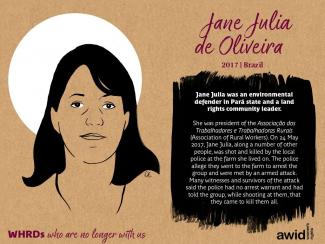
Jane Julia de Oliveira
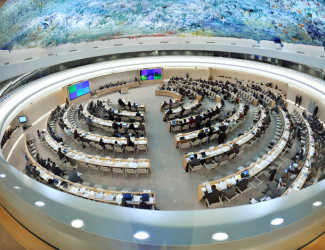
El Consejo de Derechos Humanos (CDH) es el cuerpo intergubernamental del sistema de las Naciones Unidas responsable de la promoción y protección de todos los derechos humanos en todo el mundo. El HRC se reúne en sesión ordinaria tres veces al año, en marzo, junio y septiembre. La La Oficina del Alto Comisionado para los Derechos Humanos (ACNUDH) es la secretaría del Consejo de Derechos Humanos.
Debate y aprueba resoluciones sobre cuestiones mundiales de derechos humanos y el estado de los derechos humanos en determinados países
Examina las denuncias de víctimas de violaciones a los derechos humanos o las de organizaciones activistas, quienes interponen estas denuncias representando a lxs víctimas.
Nombra a expertos independientes que ejecutarán los «Procedimientos Especiales» revisando y presentado informes sobre las violaciones a los derechos humanos desde una perspectiva temática o en relación a un país específico
Participa en discusiones con expertos y gobiernos respecto a cuestiones de derechos humanos.
A través del Examen Periódico Universal, cada cuatro años y medio, se evalúan los expedientes de derechos humanos de todos los Estados Miembro de las Naciones Unidas
Se está llevarando a cabo en Ginebra, Suiza del 30 de junio al 17 de julio de 2020.
AWID trabaja con socios feministas, progresistas y de derechos humanos para compartir conocimientos clave, convocar diálogos y eventos de la sociedad civil, e influir en las negociaciones y los resultados de la sesión.
Maria is a graphic designer and visual communicator. Maria has worked with NGOs and Human Rights like Profamilia and OXFAM. As a woman of the Global South, she feels especially called to use her skills to work with organizations that help protect the wellbeing, as well the rights of millions of girls and women in Latin America.

“ภารกิจในชีวิตของฉันไม่ใช่แค่การอยู่รอดเท่านั้น แต่ยังต้องเจริญเติบโตอีกด้วย และทำให้เต็มที่ด้วยแรงปรารถนา ด้วยความเห็นอกเห็นใจ ด้วยอารมณ์ขัน และมีสไตล์” - มายา แองเจลู (Maya Angelou)
เวทีการประชุมนานาชาติ AWID เป็นทั้งกิจกรรมชุมชนระดับโลกและพื้นที่ของการเปลี่ยนแปลงของปัจเจก บุคคลอย่างสิ้นเชิง เป็นการประชุมที่ไม่เหมือนใคร คือเป็นที่รวบรวมนักสตรีนิยม นักปกป้องสิทธิสตรี ความยุติธรรมทางเพศ LBTQI+ และพันธมิตรในขบวนการเคลื่อนไหวเพื่อมนุษยชาติอันหลากหลาย เพื่อเชื่อมต่อ เยียวยาและเติบโต เวทีนานาชาตินี้เป็นพื้นที่ที่นักสตรีนิยมจากทั่วทุกมุมโลก รวมถึงจากประเทศในกลุ่มโลกใต้ และชุมชนชายขอบที่ไม่ได้รับการเหลียวแลมาอย่างยาวนาน เป็นศูนย์กลางในการวาง ยุทธศาสตร์ร่วมกัน และเคลื่อนไหวเพื่อความยุติธรรมทางสังคม เพื่อเปลี่ยนอำนาจ สร้างพันธมิตร และ สร้างโลกที่แตกต่างและดีขึ้น
เมื่อผู้คนทั่วโลกมารวมตัวกันทั้งในฐานะปัจเจกบุคคลและองค์กรเคลื่อนไหว เราสามารถสร้างพลังอันยิ่งใหญ่ จึงขอเชิญท่านร่วมกิจกรรมกับเราที่กรุงเทพฯ ประเทศไทยในปี 2567 มาร้องเพลง เต้นรำ วาดฝัน และลุกขึ้นพร้อมกัน
วันที่: 2–5 ธันวาคม 2567
สถานที่: กรุงเทพฯ ประเทศไทย; และทางออนไลน์
ผู้เข้าร่วม: นักสตรีนิยมจากทั่วโลกเข้าร่วมด้วยตนเอง ณ สถานที่จัดงานประมาณ 2,500 คน และเข้าร่วม
ทางออนไลน์ 3,000 คน
If you wish to save your responses and come back to the survey later, you are able to do this whenever needed. KOBO will save your draft responses on the top left corner of the survey page and reload your record when you return to the survey. Just make sure to continue from the same computer and browser.
Ȃurea Mouzinho es una activista feminista por la justicia económica de Luanda, Angola, que tiene una carrera de diez años en investigación, otorgamiento de subvenciones, incidencia y construcción de movimientos por los derechos de las mujeres y la justicia económica en toda África y en el Sur global. Actualmente es Directora de Programa para África en Thousand Currents, y es parte del consejo editorial de Feminist Africa. También integra Ondjango Feminista, una colectiva feminista que cofundó en 2016. Recientemente ha sido madre de un niño de Géminis, y disfruta los días tranquilos con su joven familia y los largos paseos por la playa. Ocasionalmente publica tweets con el nombre de usuarie @kitondowe.
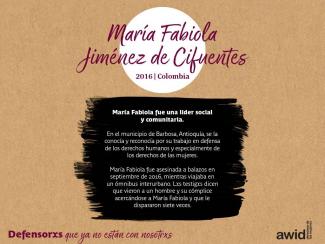
الموعد الأخير لتقديم المقترحات: 1 فبراير/ شباط 2024
انطلاقًا من روح موضوع المنتدى، ندعو إلى التقديم على مجموعة متنوعة من الموضوعات وأشكالها التي:
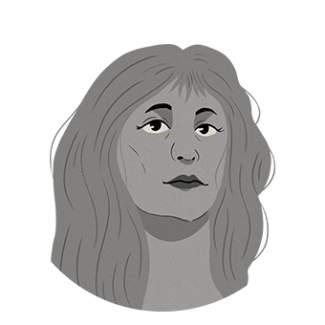
Louise Malherbe is a film programmer/curator and a film critic based in Berlin. She worked as a film programmer for the Metropolis Cinema Association in Beirut and is now coordinating the Reel Streams project aiming at supporting the dissemination of independent cinema in the Arab region. She is Head of Programming for Soura Film Festival, a queer film festival focusing on the S.W.A.N.A. region, writes film critics for Manifesto XXI, and recently started curating films and festivals for Cinema Akil.

Si por algún motivo deseas que retiremos y borremos tus respuestas, tienes todo el derecho a hacerlo. Puedes contactarnos a través del formulario disponible aquí indicando «Encuesta WITM (¿Dónde está el dinero?) » en el título del mensaje, y procederemos a retirar y borrar tu respuesta.
A nomad of cultures, born in Hong Kong, rooted in Turkish-Pakistani heritage, Fatima’s love for narratives - both in reading and co-creating them - fueled her passion for communications activism. Supported by her education in journalism, Fatima has worked for 7 years in digital and media communications fields with NGOs that provide education opportunities and legal aid to refugee and asylum seekers, as well as with the Muslim feminist movement which applies feminist and rights-based lenses in understanding and searching for equality and justice within Muslim legal tradition. She is a regular op-ed writer on feminist issues in the Global South.
Through storytelling in this hyper-digital age of social media, Fatima continues to collaborate with community organizers and grassroots activists to create audiovisual content with the aim to cultivate bridges of understanding towards collective liberation and decolonization. On days when she’s not working, she intently watches independent feminist films coming from Iran, Morocco and Pakistan and on other days, she performs spoken word poetry with her comrades in Kuala Lumpur.
.
A los seis años, me enteré de que mi abuelo tenía una sala de cine. Mi madre me contó que la había abierto a principios de la década de 1960, cuando ella también tenía unos seis años. Recordaba que la primera noche proyectaron La novicia rebelde / Sonrisas y lágrimas...

Oui, n’hésitez pas à le faire! Nous vous encourageons à communiquer le lien vers l’enquête à vos réseaux. Plus les points de vue exprimés et collectés seront divers, plus notre compréhension du paysage du financement de l’organisation des mouvements féministes sera exhaustive.
Nana es una organizadora feminista e investigadora en derechos reproductivos y políticas demográficas que reside en Egipto. Es miembro de RESURJ (organización feminista por la justicia sexual y reproductiva), del Órgano Asesor del Proyecto A del Líbano y de la Comisión de la Comunidad de Mama Cash. Nana tiene una maestría en Salud Pública del Instituto KIT y la Universidad Vrije de Ámsterdam. En su trabajo, da seguimiento y contextualiza las políticas demográficas nacionales, al tiempo que reúne información para abordar la eugenesia moderna, las ayudas internacionales de carácter regresivo y el autoritarismo. Anteriormente, formó parte de la Fundación de Ginebra para la Educación y la Investigación Médica, la Iniciativa Egipcia para los Derechos Personales y el Colectivo Feminista Ikhtyar de El Cairo.
.


Ester Lopes is a dancer and writer whose research focuses on the body, gender, race, and class relations. She is a Pilates instructor and art educator. Ester graduated in Contemporary Theater – Creative Processes (at FAINC) and in Dance and Body Consciousness (at USCS). Her musical specialization includes popular singing and percussion. She received training in Novos Brincantes with Flaira Ferro, Mateus Prado, and Antonio Meira at Brincante Institute in 2015 and 2016.


لمشاركة تجاربكم/ن المعاشة بما يتعلق بتمويل منظمتكم/ن