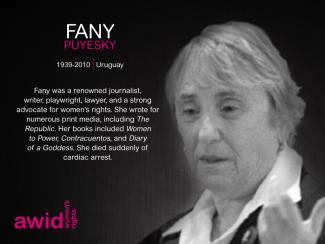
Fany Puyesky
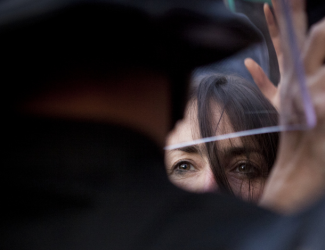
WHRDs are self-identified women and lesbian, bisexual, transgender, queer and intersex (LBTQI) people and others who defend rights and are subject to gender-specific risks and threats due to their human rights work and/or as a direct consequence of their gender identity or sexual orientation.
WHRDs are subject to systematic violence and discrimination due to their identities and unyielding struggles for rights, equality and justice.
The WHRD Program collaborates with international and regional partners as well as the AWID membership to raise awareness about these risks and threats, advocate for feminist and holistic measures of protection and safety, and actively promote a culture of self-care and collective well being in our movements.
WHRDs are exposed to the same types of risks that all other defenders who defend human rights, communities, and the environment face. However, they are also exposed to gender-based violence and gender-specific risks because they challenge existing gender norms within their communities and societies.
We work collaboratively with international and regional networks and our membership
We aim to contribute to a safer world for WHRDs, their families and communities. We believe that action for rights and justice should not put WHRDs at risk; it should be appreciated and celebrated.
Promoting collaboration and coordination among human rights and women’s rights organizations at the international level to strengthen responses concerning safety and wellbeing of WHRDs.
Supporting regional networks of WHRDs and their organizations, such as the Mesoamerican Initiative for WHRDs and the WHRD Middle East and North Africa Coalition, in promoting and strengthening collective action for protection - emphasizing the establishment of solidarity and protection networks, the promotion of self-care, and advocacy and mobilization for the safety of WHRDs;
Increasing the visibility and recognition of WHRDs and their struggles, as well as the risks that they encounter by documenting the attacks that they face, and researching, producing, and disseminating information on their struggles, strategies, and challenges:
Mobilizing urgent responses of international solidarity for WHRDs at risk through our international and regional networks, and our active membership.
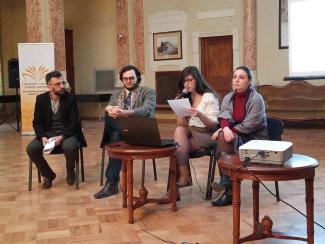
Estamos presenciando un nivel de participación sin precedentes de actores anti-derechos en los espacios internacionales de derechos humanos. Para reforzar su impacto y amplificar sus voces, estxs actores se dedican cada vez más a la construcción de alianzas tácticas que atraviesan sectores, fronteras regionales y nacionales y credos religiosos.
Esta «alianza non-santa» conformada por actores conservadores de tradición religiosa católica, evangélica, mormona, ortodoxa rusa y musulmana, ha encontrado una causa común en una serie de discursos compartidos y acciones de incidencia que intentan hacer retroceder los logros de lxs feministas y del movimiento de derechos sexuales a nivel internacional.
Actividades principales: La «Santa Sede», como gobierno de la iglesia católica romana, utiliza su condición singular de estado Observador Permanente en la ONU para ejercer presión a favor de nociones conservadoras, patriarcales y heteronormativas de la feminidad, las identidades de género o «la familia» y para difundir políticas contra el aborto y la anticoncepción.
Sede: Ciudad del Vaticano, Roma, Italia.
Afiliación religiosa: Católica
Actividades principales: Se describe a sí misma como la «voz colectiva del mundo musulmán» y actúa como un bloque de estados en los escenarios de la ONU. La OIC intenta crear lagunas en la protección de los derechos humanos a partir de referencias a la religión, la cultura o la soberanía nacional. También propaga el concepto de «familia tradicional», y contribuye a un régimen de derechos humanos paralelo pero restrictivo (ver como ejemplos la Declaración de los Derechos Humanos en el Islam o la Declaración de El Cairo de 1990).
Sede: Yeda, Arabia Saudita
Afiliación religiosa: Musulmana
Conexiones con otrxs actores anti-derechos: Representaciones de estados ultra conservadores (como Rusia) ante la ONU.
Actividades principales: Conferencias internacionales y regionales; investigación, producción y difusión de conocimiento; cabildeo en las Naciones Unidas «para defender la vida, la fe y la familia»
Sede: Rockford, Illinois, Estados Unidos
Afiliación religiosa: Predominantemente católica y cristiana evangélica
Conexiones con otrxs actores anti-derechos: Sutherland Institute, un grupo de expertxs conservador; Iglesia de los Santos de los Últimos Días; Departamento para la Familia y la Vida de la iglesia ortodoxa rusa; Sacerdotes por la Vida (anti-abortistas); Foundation for African Culture and Heritage [Fundación para la Cultura y el Patrimonio Africano]; Polish Federation of Pro-Life Movements [Federación Polaca de Movimientos Pro-vida]; European Federation of Catholic Family Associations [Federación Europea de Asociaciones de Familias Católicas]; Comité de las organizaciones no gubernamentales sobre la familia ante Naciones Unidas; Red Política por los Valores; Georgian Demographic Society [Sociedad Demográfica Georgiana]; parlamentarioxs de Polonia, Moldavia y otros países; FamilyPolicy [Instituto de Políticas de la Familia]; Russian Institute for Strategic Studies [Instituto Ruso de Estudios Estratégicos]; Hatze Oír y C-Fam; entre otrxs.
Actividades principales: Cabildeo en las Naciones Unidas, en particular ante la Comisión de la Condición Jurídica y Social de las Mujeres, para «defender la vida y la familia»; difusión de información en medios (boletín Friday Fax); construcción de movimientos; formación para activistas conservadorxs.
Sede: Nueva York y Washington D.C., Estados Unidos
Afiliación religiosa: Católica
Conexiones con otrxs actores anti-derechos: International Youth Coalition [Coalición Internacional de Jóvenes]; Alianza Mundial de la Juventud; Human Life Internacional [Vida Humana internacional]; Santa Sede; Sociedad Civil para la Familia (la coordina); Family Research Council (Estados Unidos) [Comité de investigación sobre la familia] y otras OSC cristianas/católicas anti-derechos; delegación de los Estados Unidos ante la CSW.

Actividades principales: Cabildeo en favor de políticas por «la familia», anti-LGBTQ y anti-ESI (educación sexual integral) en escenarios internacionales de derechos humanos; capacitación para sociedad civil y representantes de Estados (por ejemplo, una guía de recursos sobre lenguaje consensuado de las Naciones Unidas en torno a la familia); difusión de información; producción y análisis de conocimiento; campañas en línea.
Sede: Gilbert, Arizona, Estados Unidos.
Afiliación religiosa: Mormón
Conexiones con otrxs actores anti-derechos: líder del UN Family Rights Caucus [Grupo de incidencia por los derechos de la familia ante la ONU]; C - Fam; Jews Offering New Alternatives to Homosexuality [Judíos ofreciendo nuevas alternativas a la homosexualidad, JONAH]; National Association for Research and Therapy of Homosexuality [Asociación Nacional de Investigación y Terapia de la Homosexualidad, NARTH]; Congreso Mundial de las Familias; CitizenGo; Magdalen Institute [Instituto Magdalena]; Asociación La Familia Importa; Group of Friends of the Family [Grupo de Amigos de la Familia], que es un bloque de 25 Estados.
Actividades principales: Incidencia en espacios políticos internacionales, entre ellos Naciones Unidas, la Unión Europea y la Organización de Estados Americanos por «la familia», y contra los derechos sexuales y los derechos reproductivos; capacitación a sus jóvenes integrantes en el uso de la diplomacia y la negociación, relaciones internacionales, actividades de grupos de base y creación de mensajes; programa de pasantías para fomentar la participación de lxs jóvenes en su trabajo; Emerging Leaders Conference [Conferencia de Líderes Emergentes] que tiene lugar en forma regular; producción y difusión de conocimiento.
Sede: Nueva York (Estados Unidos) y oficinas regionales en Nairobi (Kenia), Quezon City (Filipinas), Bruselas (Bélgica), Ciudad de México (México) y Beirut (Líbano).
Afiliaciones religiosas: Principalmente católica pero tiene como objetivo lograr una membresía pluriconfesional.
Conexiones con otrxs actores anti-derechos: C-Fam; Vida Humana Internacional; Santa Sede; Campaign Life coalition [Coalición Campaña por la Vida].
(Доступно на английском языке)
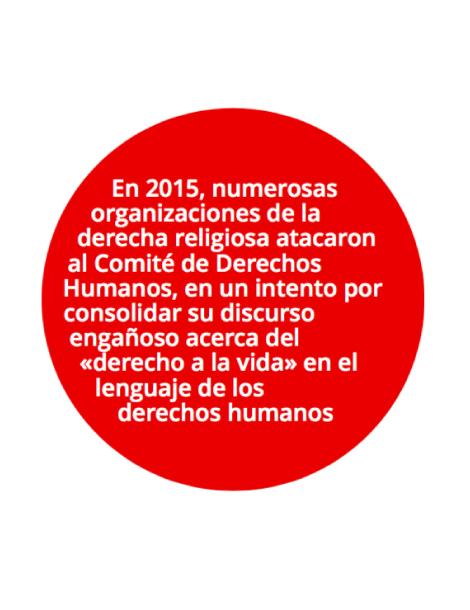
Lxs fundamentalistas religiosos están cada vez más presentes y coordinados en políticas locales, nacionales y regionales. Su incursión arremete contra la vida y la salud de niñas, adolescentes y mujeres, los derechos de la niñez, la libertad de religión y los derechos de las personas LGBTI entre otros.
Lxs fundamentalistas buscan posicionar sus intereses. En el informe Derechos en riesgo puedes comprobar cómo actúan y cómo identificarlos
Este informe es el primero de una serie sobre las tendencias en derechos humanos, producido por la iniciativa Observatorio sobre la Universalidad de los Derechos (OURs en inglés), un proyecto colaborativo que reúne a varias organizaciones y tiene como objetivo monitorear, analizar y compartir información sobre iniciativas anti-derechos.
Grupos, organizações e movimentos cujo foco específico ou principal seja os direitos das mulheres, de jovens, a justiça de género, os direitos das pessoas LBTQI+ e de aliados em todas as regiões e em todos os níveis, quer sejam novos ou já estabelecidos.

Faites partie d’une organisation et d’une communauté internationales, associatives et féministes. Nos membres sont établi·e·s dans toutes les régions du monde; iels apprennent les un·e·s des autres et se soutiennent mutuellement dans un réseau mondial fondé sur la solidarité.
Queremos que hagan de este Foro su realidad feminista: un lugar donde puedan habitar un mundo diferente, al que traigan sus victorias, las soluciones que han creado, lo que lxs hace más fuertes, les da esperanza y les permite seguir adelante. Será una reunión diferente de otras a las que hayan asistido antes.
Lxs invitamos a sumarse a nosotrxs para crear juntxs este mundo. Valdrá la pena hacerlo.
Cada Foro tiene un tema que refleja las necesidades de nuestra membresía y movimientos, y que responde a cómo analizamos el contexto del momento.
Hoy en día los fascismos, fundamentalismos, autoritarismos y el poder empresarial sin restricciones están cobrando cada vez más impulso en el mundo. Vemos cómo estas amenazas convergen con los estados para determinar normas, narrativas y políticas públicas, haciendo que se arraigue una cultura de miedo, odio e incitación a la violencia en el discurso público. Los estados en quienes centrábamos nuestra incidencia y nuestras demandas de derechos, muchas veces ya no se sienten responsables y a veces ni siquiera cuentan con el poder necesario para afirmar derechos.
El Foro AWID 2016 estuvo centrado en los Futuros Feministas y en las condiciones necesarias para hacerlos realidad. En ese momento nos resultó claro que para muchos movimientos por la justicia social pensar soluciones estructurales por fuera del sistema actual constituía un verdadero desafío. Una larga experiencia de desigualdad y opresión puede limitar las posibilidades de la imaginación. Pero lo que también escuchamos en aquel momento y continuamos viendo a nuestro alrededor es que los movimientos feministas ya están viviendo y promoviendo realidades y soluciones centradas en los derechos y la justicia a todos los niveles.
Percibimos la urgencia de movilizarnos desde la esperanza y no en búsqueda de un mínimo común denominador - desde una esperanza apoyada en la certeza de que en todo el mundo, aun con sus imperfecciones, hay experiencias y prácticas que personifican formas más justas de existir y que compartiéndolas, fortaleciéndolas y profundizándolas podemos lograr que alcancen una mayor influencia.
No son sueños imposibles sino realidades que ya estamos viviendo. Esta sensación de posibilidad es una chispa que nos lleva a revisar y volver a valorar las dimensiones transformadoras del trabajo que hacemos.
En AWID entendemos las realidades feministas como ejemplos vivientes de los mundos que sabemos que son posibles. Para nosotrxs, estas realidades feministas proclaman y personifican la esperanza y el poder. Las encontramos en todo lo que nos muestra que existen otras formas de vivir, de pensar y de hacer, desde las expresiones cotidianas que se evidencian en cómo nos relacionamos con otrxs hasta los sistemas alternativos de gobernanza y de justicia. Las realidades feministas son formas de resistencia a sistemas de poder como el patriarcado, el capitalismo y la supremacía blanca.
Son propuestas poderosas que nos orientan hacia la idea de lo que es posible y nos muestran cómo los procesos de organización feminista están abriendo caminos hacia la justicia en movimientos y comunidades de todo el mundo.
En una comunidad negra profundamente marginada de Jackson, Mississippi, Cooperation Jackson lleva adelante un experimento de solidaridad y economía cooperativa. Es un plan ambicioso para desarrollar la propiedad comunitaria por fuera de los modos de producción capitalistas
En África Occidental, mujeres campesinas se están resistiendo a la apropiación de tierras y se niegan a aceptar proyectos de industrialización agrícola, afirmando con orgullo que Nosotras Somos la Solución en una campaña que desarrolla soluciones agroecológicas desde las campesinas y sus conocimientos para alimentar a las comunidades y mitigar el cambio climático
En la India, 5000 mujeres se han unido para desarrollar sistemas de soberanía alimentaria desde las comunidades, basados en los conocimientos locales y que incluyen bancos de cereales y semillas
En México, hay mujeres que han creado un sistema económico sin dinero. En El Cambalache todo tiene el mismo valor: las personas intercambian lo que ya no necesitan por objetos que quieren pero también por conocimientos, habilidades y ayuda mutua. El Cambalache está pensado desde los valores antisistema y anticapitalistas de los movimientos sociales locales
En Rojava, el pueblo kurdo está construyendo una democracia sin estado y las mujeres kurdas ofrecen la Ginología como marco de referencia para cuestionar el patriarcado, el capitalismo y el estado, creando sistemas e instituciones para ponerlo en práctica
En el Reino Unido, las Tías de la Agonía Anarca ofrecen un espectáculo con consejos sobre sexo y citas desde una perspectiva feminista, antifascista y anarquista. Rowan y Marijam están recuperando espacios ganados por la derecha ofreciéndole a un público sobre todo masculino la posibilidad de hacer preguntas difíciles sin ser juzgadxs
El Proyecto Veredictos Africanos Feministas redacta y difunde fallos alternativos en casos africanos decisivos sobre una variedad de temas. Este proyecto nace de una práctica jurídica feminista y propositiva para generar veredictos alternativos y feministas como aporte a la jurisprudencia, la práctica jurídica y la toma de decisiones judiciales de la región.
La Cooperativa Usha, también en India, se creó cuando los bancos tradicionales se negaban a atender a las trabajadoras sexuales en Sonagachi. Ellas se organizaron para crear su propia institución financiera que sirviera a sus intereses. La Cooperativa Usha es un banco cooperativo con más de 20 000 trabajadoras sexuales como socias que en solo un año dio préstamos a 7231 trabajadoras sexuales por valor de USD 4.7 millones. Todas las socias son trabajadoras sexuales. Verdaderamente les pertenece a ellas que son quienes toman decisiones sobre la gestión y dirección de la cooperativa, en un ejemplo pionero de cómo personas y comunidades marginalizadas pueden construir poder econòmico en sus propios términos.
En Puerto Rico, un fideicomiso sobre terrenos comunitarios está transformando un asentamiento en un canal contaminado e inundable en una comunidad sostenible. Constituye un nuevo modelo para urbanizar asentamientos sin que se tornen imposible seguir viviendo allí para sus residentes originales.
En muchos países latinoamericanos hay activistas que ofrecen asesoramiento y acompañamiento entre pares para la realización de abortos con pastillas, reivindicando el derecho de las personas gestantes a decidir sobre sus cuerpos y también al conocimiento médico (por razones de seguridad no incluimos vínculos)
Más sobre estos ejes temáticos
Esperamos que el Foro 2020:
Acentúe el poder de las Realidades Feministas, nombrando, celebrando, difundiendo y entusiasmando con experiencias y propuestas que muestran lo que es posible que ocurra y nutren nuestra imaginación colectiva
Llene nuestros reservorios de esperanza y energía que son tan necesarios para el activismo y la resiliencia por los derechos y la justicia
Fortalezca los vínculos, la reciprocidad y la solidaridad entre los diversos movimientos feministas y con otros movimientos por los derechos y la justicia.
El Foro es más que una reunión de cuatro días. Es una estación en un recorrido más largo para fortalecer nuestros movimientos en torno a la noción de Realidades Feministas que ya ha comenzado y que continuará más allá de las fechas del Foro.
نعم! نلاحظ ونقدّر الأسباب المختلفة لعدم تلق الحركات النسوية التمويل الخارجي، حيث من الممكن أن تكون غير مؤهلة لتقديم الطلبات للتمويل و\ أو تلقّي المال من خارج البلاد، أو الاعتماد على المصادر التي يتم إنتاجها بشكل مستقل كاستراتيجية سياسية. نريد أن نسمع منكم/ن بعيدا عن تجربتكم/ن مع التمويل الخارجي.
We take a position in solidarity with each other and diverse struggles for justice and freedoms. We strive to mobilize and strengthen collective action and practice meaningful ways of working with each other.