Flickr/Leonardo Veras (CC BY 2.0)

Protection of the Family

The Issue

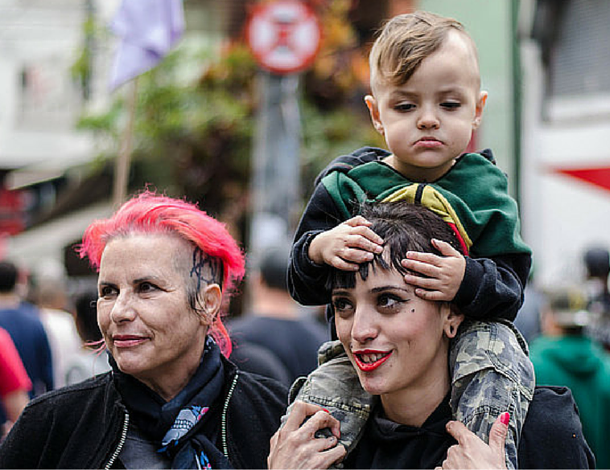
Over the past few years, a troubling new trend at the international human rights level is being observed, where discourses on ‘protecting the family’ are being employed to defend violations committed against family members, to bolster and justify impunity, and to restrict equal rights within and to family life.

The campaign to "Protect the Family" is driven by ultra-conservative efforts to impose "traditional" and patriarchal interpretations of the family, and to move rights out of the hands of family members and into the institution of ‘the family’.

“Protection of the Family” efforts stem from:

  • rising traditionalism,
  • rising cultural, social and religious conservatism and
  • sentiment hostile to women’s human rights, sexual rights, child rights and the rights of persons with non-normative gender identities and sexual orientations.

Since 2014, a group of states have been operating as a bloc in human rights spaces under the name “Group of Friends of the Family”, and resolutions on “Protection of the Family” have been successfully passed every year since 2014.

This agenda has spread beyond the Human Rights Council. We have seen regressive language on “the family” being introduced at the Commission on the Status of Women, and attempts made to introduce it in negotiations on the Sustainable Development Goals.


Our Approach

AWID works with partners and allies to jointly resist “Protection of the Family” and other regressive agendas, and to uphold the universality of human rights.

In response to the increased influence of regressive actors in human rights spaces, AWID joined allies to form the Observatory on the Universality of Rights (OURs).  OURs is a collaborative project that monitors, analyzes, and shares information on anti-rights initiatives like  “Protection of the Family”.

Rights at Risk, the first OURs report, charts a map of the actors making up the global anti-rights lobby, identifies their key discourses and strategies, and the effect they are having on our human rights.   

The report outlines “Protection of the Family” as an agenda that has fostered collaboration across a broad range of regressive actors at the UN.  It describes it as: “a strategic framework that houses “multiple patriarchal and anti-rights positions, where the framework, in turn, aims to justify and institutionalize these positions.”


Related Content

Astitva Trust defends the rights of sexual minorities groups

Astitva Trust defends the rights of sexual minorities groups

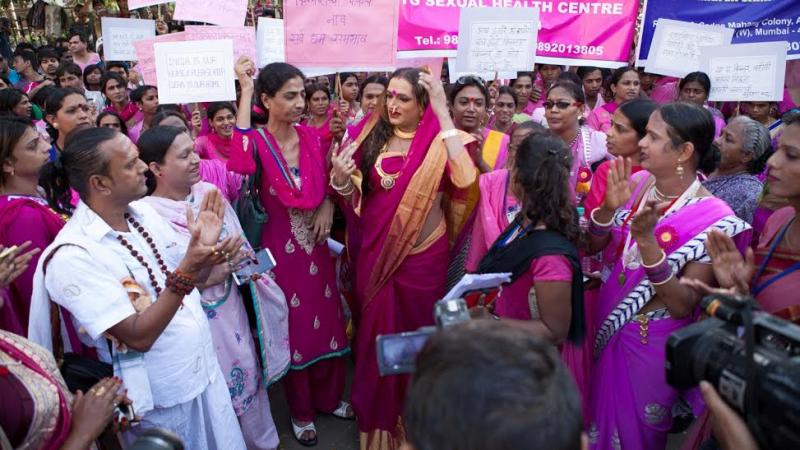
In April 2014, the Astitva Trust along with its President Laxmi Narayan Tripathi, a prominent transgender rights activist, petitioned in support of an Indian Supreme Court judgement that would recognize a third gender. It was a landmark ruling, the Court granting all constitutional rights to transgender persons. "It is the right of every human being to choose their gender,” the Court stated.


Yet even though legally transgenders are equal citizens, they still face extreme discrimination in mainstream society. The Astitva Trust, a community-based organisation of sexual minorities (mainly hijras[1]), aims to eradicate stigma and discrimination of LGBTQ* and especially the transgender community. The organisation works with sexual minority groups, campaigning for their rights, promoting their health and general well-being, helping to improve their living standards and quality of life.

Some of the objectives of the Trust include raising awareness and increasing knowledge of HIV and AIDS and other sexually transmitted infections among sexual minorities; promoting safer sex; and increasing access to community friendly sexual health services. Astitva has so far registered 4652 transgender persons and has networked with 56 transgender organisations in India, providing support in numerous areas.

The organisation is a co-founder and part of the governing board of the Integrated Network for Sexual Minorities, a founder and working group member of Maharashtra Transgender Welfare Board, and a member of both the Asia - Pacific Transgender Network and the Asia Pacific Network of Sex Workers.

In April 2015, Astitva (along with Member of Parliament Trichy Shiva) pushed for a historical unanimous passing of the Rights of Transgender Persons Bill in Rajya Sabha,[2] calling for equal rights of transgender people. Next step is to have it passed in Lok Sabha[3] so the Bill can become law.


Listen to Laxmi Narayan Tripathi TEDx Talk


[1] Hijra is a term used particularly in India to refer to a transgender individual
[2] Upper House of Parliament of India
[3] Lower House of Parliament of India
Region
Asia
South Asia
Source
AWID