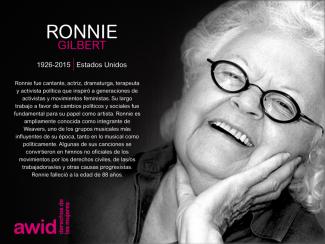
Ronnie Gilbert
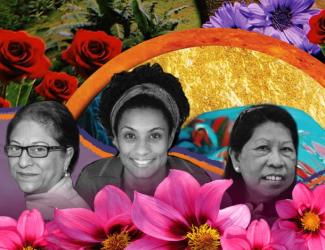
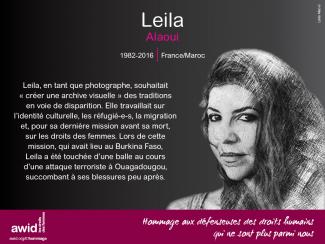
L’hommage se présente sous forme d’une exposition de portraits d’activistes du monde entier qui ne sont plus parmi nous qui ont lutté pour les droits des femmes et la justice sociale.
Cette année, tout en continuant à convoquer la mémoire de celleux qui ne sont plus parmi nous, nous souhaitons célébrer leur héritage et souligner les manières par lesquelles leur travail continue à avoir un impact sur nos réalités vécues aujourd’hui.
49 nouveaux portraits de féministes et de défenseur·e·s viennent compléter la gallerie. Bien que de nombreuses des personnes que nous honorons dans cet hommage sont décédé·e·s du fait de leur âge ou de la maladie, beaucoup trop d’entre iels ont été tué·e·s à cause de leur travail et de qui iels étaient.
Visiter notre exposition virtuelle
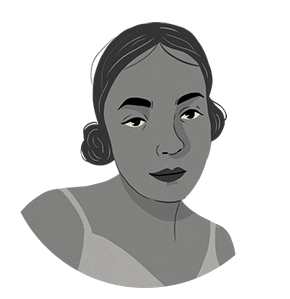
Les portraits de l'édition 2020 ont été illustrés par Louisa Bertman, artiste et animatrice qui a reçu plusieurs prix.
L’AWID tient à remercier nos membres, les familles, les organisations et les partenaires qui ont contribué à cette commémoration. Nous nous engageons auprès d’elleux à poursuivre le travail remarquable de ces féministes et défenseur·e·s et nous ne ménagerons aucun effort pour que justice soit faite dans les cas qui demeurent impunis.
« Ils ont essayé de nous enterrer. Ils ne savaient pas que nous étions des graines » - Proverbe mexicain
Le premier hommage aux défenseur-e-s des droits humains a pris la forme d’une exposition de portraits et de biographies de féministes et d’activistes disparu·e·s lors du 12e Forum international de l’AWID en Turquie. Il se présente maintenant comme une gallerie en ligne, mise à jour chaque année.
Depuis, 467 féministes et défenseur-e-s des droits humains ont été mis·es à l'honneur.
Mientras les líderes se reúnen en Brasil, es fundamental que los movimientos feministas, sobre todo los de la mayoría global, contemos con espacios autónomos para encontrarnos, elaborar estrategias y trastocar.
En estos nodos interpelamos el elitismo de las conversaciones sobre el clima, nos centramos en las vivencias y apuntamos a construir el poder colectivo más allá de las fronteras. Se ofrece un contrapeso crítico a las negociaciones internacionales jerárquicas y a menudo excluyentes. En los nodos buscamos promover las soluciones nacidas de la comunidad, amplificar las demandas feministas y garantizar que los principios feministas de los cuidados y la solidaridad sean los que den forma a la agenda por el clima. No se trata únicamente de tener presencia en la COP30, se trata también de reconfigurar las conversaciones sobre la justicia climática en términos feministas.
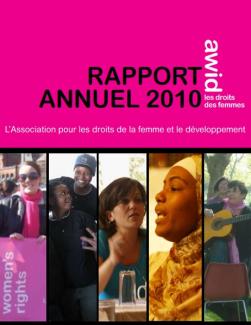
Notre rapport annuel 2010 souligne nos réalisations et l’impact de notre travail durant l'année.
Vous pouvez lire comment nous traduisons notre vision et mission en stratégies et en activités entreprises en collaboration avec les membres, partenaires et allié-e-s de l’AWID pour faire la promotion des droits des femmes et de l’égalité de genre à l’échelle mondiale.
Ce rapport comprend égalment des liens vers nos dernières publications.
Una herramienta para activistas feministas presentes en la COP30 que luchan por soluciones transformadoras, equitativas y comunitarias para responder a la crisis climática.
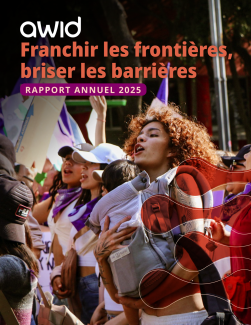
2025 a été l’année où nombre des tempêtes que nous redoutions depuis longtemps se sont abattues simultanément : avalanche de coupes budgétaires, intensification de la militarisation et de l’autoritarisme, montée de la violence aux frontières et aggravation des crises climatiques.
Nous nous sommes alors demandé de quoi les mouvements féministes auraient besoin, non seulement pour survivre, mais aussi pour renforcer notre pouvoir collectif et façonner notre avenir. Cette question a guidé notre travail autour de trois piliers : infrastructures, leadership et durabilité.
Ce travail consiste aussi à réinventer ce que signifie, pour nous à l’AWID, être une organisation mondiale, cultiver la solidarité et le sentiment d’appartenance au-delà des frontières, soutenir les mouvements et mobiliser l’action. Plus que jamais, l’heure est au courage, à l’expérimentation et à l’imagination collective.
We welcome applications across the full range of thematic areas and intersections important to feminist and gender justice movements.
Follow the campaign:
Join us!
Join our Membership| Join AWID Community
Stay updated
Questions?
Contact us: communications @ awid.org
Graphics based off illustrations by Vectorarte.
Inna est une activiste et sociologue féministe queer comptant de nombreuses années d'engagement profond dans les luttes féministes et LGBTQI+, l'éducation politique et l'organisation par et pour les femmes migrantes, ainsi que la libération de la Palestine et la solidarité avec cette dernière. Inna a rejoint l'AWID en 2016 et occupé différents postes, dont celui de directrice des programmes plus récemment. Basée à Berlin, en Allemagne, elle a grandi à Haïfa, en Palestine/Israël, et est née à Saint-Pétersbourg en Russie. Elle porte ces territoires politiques et cette résistance au passé et au présent colonial dans son féminisme et sa solidarité transnationale.
Inna est l'auteure de « Women's Economic Empowerment: Feminism, Neoliberalism, and the State » (« L'autonomisation Économique des Femmes : Féminisme, Néolibéralisme et l’État », Palgrave Macmillan, 2022), un ouvrage basé sur une thèse qui lui a valu un doctorat de l'Université Humboldt de Berlin. En tant qu'universitaire, elle a enseigné des cours sur la mondialisation, la production de connaissances, l'identité et l'appartenance. Inna est titulaire d'un master en études culturelles de l'Université hébraïque de Jérusalem. Elle a été membre du conseil d'administration de +972 Advancement of Citizen Journalism, et l’est actuellement pour Jewish Voice for a Just Peace in the Middle East (en Allemagne). Auparavant, Inna a travaillé avec la Coalition des Femmes pour la Paix et est une passionnée de la mobilisation des ressources pour l'activisme populaire.
กำหนดเส้นตายในการปิดรับรายละเอียดกิจกรรมใหม่ : 1 กุมภาพันธ์ 2567
ด้วยเจตนารมณ์ของประเด็นสาระหลักของเวทีนี้ เราจึงขอเชิญท่านร่วมเสนอหัวข้อและรูปแบบของกิจกรรม อันหลากหลายซึ่งจะ
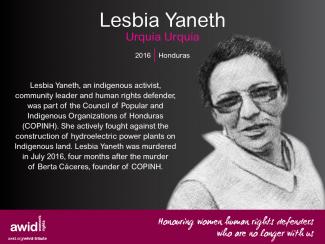
Zuhour Mahmoud est la stratège en communication de Kohl. Écrivaine, rédactrice et DJ à ses heures, elle est basée à Berlin. Son travail se concentre sur les approches critiques de la musique, de la technologie et de la politique et sur leurs cycles de vie au sein de la sphère numérique.
Este año, junto con activistas feministas de todo el mundo, estaremos en la CSW68 en Nueva York .Estaremos presentes para desafiar las narrativas capitalistas y neoliberales y las falsas soluciones en torno a la pobreza, el desarrollo y la financiación. A través de eventos presenciales, transmisiones en vivo en nuestras redes sociales, un stand de exhibición y más. Nos presentamos para convocar, amplificar y apoyar las voces y la participación de nuestra membresía y aliades.
Conoce más sobre nuestro programa para este año a continuación.
Sara AbuGhazal is a Palestinian feminist living in Beirut. She is a co-founder of Sawt al-Niswa, a collective that produces knowledge in Beirut. She is the co-director of The Knowledge Workshop, a feminist organization based in Beirut that works on feminist oral history and archiving. Sara is currently the Regional Coordinator of the Regional Coalition for Women Human Rights Defenders in the Middle East and North Africa.
Sara strives to help create spaces of feminist transformation and solidarity. Her work is mostly centered on building sustainable movements in the MENA region. She is invested in knowledge production, feminist transformation, and Palestine. She publishes regularly in sawtalniswa.org and her fiction also appears in Romman e-magazine.
When I was 6, I learned that my grandfather owned a movie theater. My mother recounted to me how it had opened in the early 1960s, when she was also about 6 years old. She remembered that they screened The Sound of Music on the first night...

Lisez nos recherches sur le financement, sur les défenseuses des droits humains, sur la création de mouvements, sur les fondamentalismes, la justice économique et beaucoup plus