Related content
The Guardian: Kate Millett Obituary
New York Times: Kate Millett, Ground-Breaking Feminist Writer, Is Dead at 82
The New Yorker: A Last Interview with Kate Millett

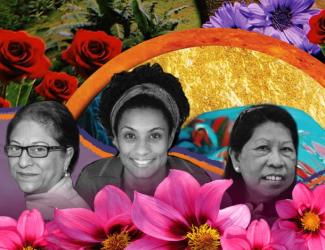
L’hommage se présente sous forme d’une exposition de portraits d’activistes du monde entier qui ne sont plus parmi nous qui ont lutté pour les droits des femmes et la justice sociale.
Cette année, tout en continuant à convoquer la mémoire de celleux qui ne sont plus parmi nous, nous souhaitons célébrer leur héritage et souligner les manières par lesquelles leur travail continue à avoir un impact sur nos réalités vécues aujourd’hui.
49 nouveaux portraits de féministes et de défenseur·e·s viennent compléter la gallerie. Bien que de nombreuses des personnes que nous honorons dans cet hommage sont décédé·e·s du fait de leur âge ou de la maladie, beaucoup trop d’entre iels ont été tué·e·s à cause de leur travail et de qui iels étaient.
Visiter notre exposition virtuelle
Les portraits de l'édition 2020 ont été illustrés par Louisa Bertman, artiste et animatrice qui a reçu plusieurs prix.
L’AWID tient à remercier nos membres, les familles, les organisations et les partenaires qui ont contribué à cette commémoration. Nous nous engageons auprès d’elleux à poursuivre le travail remarquable de ces féministes et défenseur·e·s et nous ne ménagerons aucun effort pour que justice soit faite dans les cas qui demeurent impunis.
« Ils ont essayé de nous enterrer. Ils ne savaient pas que nous étions des graines » - Proverbe mexicain
Le premier hommage aux défenseur-e-s des droits humains a pris la forme d’une exposition de portraits et de biographies de féministes et d’activistes disparu·e·s lors du 12e Forum international de l’AWID en Turquie. Il se présente maintenant comme une gallerie en ligne, mise à jour chaque année.
Depuis, 467 féministes et défenseur-e-s des droits humains ont été mis·es à l'honneur.
Основываясь на 20-летней истории привлечения более объемного и качественного финансирования для достижения социальных изменений под руководством феминисток(-ов), AWID приглашает вас принять участие в новом опросе:
(далее – «Где деньги?»)
Пожалуйста выберите язык, на котором вы хотите отвечать на вопросы в правом верхнем углу страницы
Related content
The Guardian: Kate Millett Obituary
New York Times: Kate Millett, Ground-Breaking Feminist Writer, Is Dead at 82
The New Yorker: A Last Interview with Kate Millett
This project is built in collaboration with:


We would also like to thank the following people for their valuable contribution:


Para reivindicar o seu poder como especialista sobre o estado dos recursos de movimentos feministas;
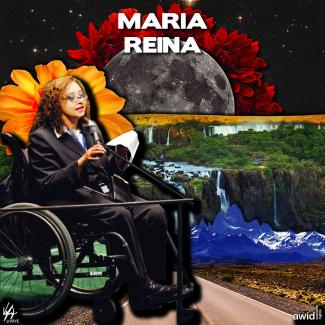
Representó al Consorcio Internacional sobre Discapacidad y Desarrollo (IDDC por su sigla en inglés) durante la negociación de la Convención sobre los Derechos de las Personas con Discapacidad (2001-2006). Su trabajo estaba dedicado a la implementación del objetivo de la Convención: el goce pleno de los derechos humanos universales por, para y con las personas con discapacidades, en pos de un mundo inclusivo, accesible y sostenible.
En sus propias palabras, su liderazgo consistía en «servir a la comunidad de personas con discapacidad, comenzando por aquellas pequeñas tareas que otrxs pueden no querer realizar».
Falleció el 27 de octubre de 2017 en su ciudad natal de Rosario, Argentina.
En esta nota puede leerse más sobre María Verónica Reina, en sus propias palabras.
Nous constatons une implication sans précédent des acteurs anti-droits dans les espaces internationaux consacrés aux droits humains. Pour être plus efficaces et plus audibles, les acteurs anti-droits œuvrent à la constitution d’alliances tactiques qui regroupent différents secteurs et confessions et franchissent les frontières régionales et nationales.
Cette « alliance impie » entre des acteurs traditionalistes issus de milieux catholiques, évangéliques, mormons, orthodoxes russes et musulmans s’est construite autour d’une cause commune qui se concrétise dans un certain nombre de thèmes de discussion et d’efforts communs de plaidoyer visant à réduire à néant les progrès obtenus par les féministes en matière de droits sexuels au niveau international.
Activités clés : en tant que gouvernement de l’Église catholique romaine, le « Saint-Siège » utilise son statut unique d’État observateur permanent auprès de l’ONU pour faire pression en faveur de visions conservatrices, patriarcales et hétéronormatives de la féminité, de l’identité de genre et de la « famille ». Il promeut des politiques anti-avortement et anti-contraception.
Basé à : la Cité du Vatican, Rome, Italie.
Affiliation religieuse : catholique.
Connexions avec d’autres acteurs anti-droits : groupes chrétiens américains ; alliances interreligieuses orthodoxes ; OSC catholiques.
Activités clés : l’OCI se définit comme la « voix collective du monde musulman » et agit comme un bloc d’États au sein des Nations Unies. Elle tente d’ouvrir des brèches dans le système de protection des droits humains en s’appuyant sur des références à la religion, à la culture ou à la souveraineté nationale. Elle promeut le concept de « famille traditionnelle » et contribue à la mise en place d’un régime parallèle de droits humains doté d’un caractère plus restrictif (voir par exemple la Déclaration du Caire de 1990 sur les droits humains dans l’Islam).
Basé à : Djeddah, Arabie Saoudite.
Affiliation religieuse : musulmane.
Connexions à d’autres acteurs anti-droits : missions des États ultraconservateurs auprès de l’ONU, par exemple la Russie.
Activités clés : conférences internationales et régionales ; production et diffusion de recherches et de connaissances ; lobbying auprès des Nations Unies pour « défendre la vie, la foi et la famille ».
Basé à : Rockford, Illinois, États-Unis.
Affiliation religieuse : prédominance catholique et chrétienne évangélique.
Connexions à d’autres acteurs anti-droits : le Sutherland Institute, un groupe de réflexion conservateur ; l’Église des Saints des Derniers Jours ; le département de la famille et de la vie de l’Église orthodoxe russe ; les prêtres catholiques anti-avortement et pro-vie ; la Fondation pour la culture et le patrimoine africains ; la Fédération polonaise des mouvements pro-vie ; la Fédération européenne des associations de familles catholiques ; le Comité des ONG de l’ONU sur la famille ; le Réseau politique pour les valeurs ; la Société démographique géorgienne ; des parlementaires polonais, moldaves, etc. ; FamilyPolicy ; l’Institut russe d’études stratégiques ; HatzeOir ; C-fam ; et d’autres encore.
Activités clés : lobbying auprès des Nations Unies, en particulier auprès la Commission de la condition de la femme, pour la « défense de la vie et de la famille » ; diffusion d’informations diverses (par ex. les bulletins faxés du vendredi) ; travail de construction du mouvement ; formations à l’intention des militants conservateurs.
Basé à : New York et Washington D.C., États-Unis.
Affiliation religieuse : catholique.
Connexions avec d’autres acteurs anti-droits : l’International Youth Coalition (Coalition internationale de la jeunesse) ; l’Alliance mondiale pour la jeunesse ; Human Life International ; le Saint-Siège ; coordination de la Civil Society for the Family ; le Family Research Council (États-Unis) et d’autres OSC anti-droits chrétiennes/catholiques ; délégation des États-Unis auprès de la CSW.
Activités clés : lobbying dans les espaces internationaux consacrés aux droits humains pour des politiques pro-famille, anti-LGBT*Q et anti-ESC (éducation sexuelle complète) ; formations à l’intention des acteurs de la société civile et des délégués d’États membres (par exemple « Le Guide des ressources sur la langue consensuelle des Nations Unies sur les questions familiales ») ; diffusion d’informations ; production de savoirs et d’analyses ; campagnes en ligne.
Basé à : Gilbert, Arizona, États-Unis.
Affiliation religieuse : Mormone.
Connexions avec d’autres acteurs anti-droits : en charge du Caucus sur les droits de la famille à l’ONU ; C-fam ; JONAH (Juifs offrant de nouvelles alternatives à l’homosexualité)[Béné1] ; NARTH, l’Association nationale pour la recherche et la thérapie de l’homosexualité (USA) ; le Congrès mondial des familles ; CitizenGo ; l’Institut Magdalen ; l’Associación La Familia Importa ; le Groupe des amis de la famille (bloc de 25 États).
Activités clés : plaidoyer pour « la famille » et contre les droits sexuels et reproductifs dans les espaces politiques internationaux, y compris les Nations Unies, l’Union européenne et l’Organisation des États américains ; formation des jeunes membres à l’art de la diplomatie et de la négociation, aux relations internationales, aux activités de terrain et au développement d’une communication efficace ; programme de stage pour encourager la participation des jeunes aux activités de l’alliance ; conférences régulière des leaders émergents ; production et diffusion de savoirs.
Basé à : New York (États-Unis) avec des bureaux régionaux à Nairobi (Kenya), Quezon (Philippines), Bruxelles (Belgique), Mexico (Mexique) et Beyrouth (Liban).
Affiliation religieuse : principalement catholique, mais vise l’affiliation interreligieuse.
Connexions avec d’autres acteurs anti-droits : C-Fam ; Human Life International ; le Saint-Siège ; la campagne Life Coalition.
Activités clés : l’Église orthodoxe russe, en capitalisant sur ses liens étroits avec l’État russe, fonctionne comme un « entrepreneur de normes » dans le cadre des débats sur les droits humains. La Russie et l’Église orthodoxe russe ont coopté le langage des droits humains pour souligner l’importance de la « moralité » et des « valeurs traditionnelles » définies comme des fondements prétendument essentiels des droits humains. La Russie a mené une série d’actions pour que le Conseil de l’Europe adopte des résolutions fondées sur les « valeurs traditionnelles » et a été en première ligne du travail visant à proposer des amendements hostiles aux résolutions progressistes dans des domaines tels que la mortalité maternelle, la protection du champ d’action de la société civile et le droit de manifester pacifiquement.
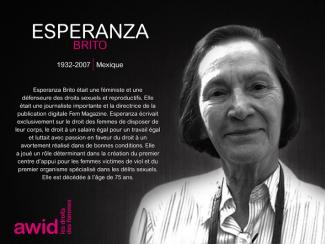
Asma était une militante pakistanaise des droits humains, une critique courageuse de l'ingérence de l'armée dans la politique et une défenseure acharnée de la primauté du droit.
Elle a été la présidente fondatrice de la Commission des droits de l'homme du Pakistan, un groupe indépendant ainsi qu’administratrice de l'International Crisis Group. Elle a remporté des prix internationaux et a été rapporteuse des Nations Unies sur les droits de l'homme et les exécutions extrajudiciaires.
Ses collègues et ami-e-s de l’AWID se souviennent d'elle avec affection
« Grâce à sa vie, Asma a réécrit l'histoire que beaucoup d'entre nous ont racontée en tant que femmes. Asma a changé le monde. Elle l'a changé au Pakistan et elle l'a changé dans notre imaginaire. »


ان جمعية حقوق المرأة في التنمية ممتنة للعديد من الأشخاص الذين/ اللواتي ساعدت أفكارهم/ن، تحليلاتهم/ن ومساهماتهم/ن على تصميم استطلاع "أين المال" على مدار السنوات.
نشكر جزيل الشكر أعضاء/ عضوات AWID والنشطاء/ الناشطات الذين/ اللواتي شاركوا/ن في استشارات استطلاع "أين المال؟" وقاموا/ن بتجربة الاستطلاع وأعطونا بسخاء من وقتهم/ن وتحليلاتهم/ن وقلوبهم/ن.
نقدر بشكل عميق الحركات النسوية، الحلفاء/ الحليفات والصناديق النسوية بمانقدر بشكل عميق الحركات النسوية، الحلفاء/ الحليفات والصناديق النسوية وهنا بعض منها وليس جميعها: Black Feminist Fund, Pacific Feminist Fund, ASTREA, FRIDA Young Feminist Fund, Purposeful, Kosovo Women's Network, Human Rights Funders Network, CEECCNA Feminist Fund e PROSPERA, على بحثكم/ن الرائع عن وضع التمويل، تحليلكم/ن الدقيق والمناصرة المستمرة لتمويل وقوة أكبر وأفضل للحركات النسوية وتنظيمات العدالة الجندرية في جميع السياقات.
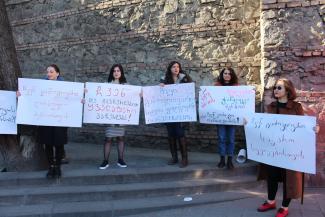
At the time of her death, following a short but aggressive battle with cancer, Deborah was the Chief Communication and Engagement Officer at the Women’s Funding Network (WFN).
Deborah also worked for the Global Fund for Women from 2008 to 2017. Deborah was extremely loved and respected by board, staff, and partners of Global Fund for Women.
Kavita Ramdas, former CEO of the Global Fund for Women aptly noted that Deborah was “a small package exploding with warmth, generosity, intelligence, style, and a passionate commitment to fusing beauty with justice. She understood the power of story. The power of women’s voice. The power of lived experience. The power of rising from the ashes and telling others it was possible. And, still we rise.”
Musimbi Kanyoro, the present CEO of the Global Fund for Women, added, “We have lost a sister and her life illuminates values that unite and inspire us all. As we all come together to mourn Deborah’s passing, let us remember and celebrate her remarkable, bold, and passionate life.”