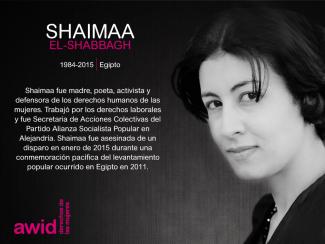
Shaimaa El-Shabbagh

En septembre 2016, 1800 féministes et défenseur-e-s des droits des femmes venu-e-s des quatre coins de nos mouvements se réunissaient sur les côtes de Bahia à l’occasion du 13ème Forum international de l’AWID.
Cette section met l’accent sur les victoires, les enseignements et les ressources qui ont couronné nos conversations. Nous vous invitons à l’explorer, la partager et laisser vos impressions.
L’un des principaux éléments à retenir de ce Forum a été la nécessité d’élargir et d’approfondir notre travail de collaboration entre mouvements pour faire face à une montée des fascismes et des fondamentalismes, une exacerbation de la cupidité des entreprises et un changement climatique en progression.
Nos Initiatives Jeunes-pousses ont aidé 20 idées émérgées au Forum à évoluer en actions concrètes
La vidéo « Protéger les personnes et la planète » et le guide « Arrimer la résistance à l'action » mettent en lumière le courage des défenseur-e-s des droits humains et présentent des stratégies concrètes pour résister au pouvoir des entreprises
Avec nos animations L'état de nos mouvements féministes et La justice climatique et environnementale, les mouvements ont maintenant des outils créatifs pour appuyer leur travail de plaidoyer.
La compilation des expressions artistiques des mouvements continue d’inspirer une organisation plus forte et plus créative dans le monde entier.
Les mouvements peuvent aussi bénéficier d’une nouvelle méthodologie pour envisager nos horizons féministes. (à venir bientôt !)
A travers son prochain plan stratégique et le processus de son Forum, l’AWID s’engage à poursuivre et approfondir les rapports, les apprentissages et les processus amorcés lors du Forum 2016, tout en s’inspirant de l’actualité.
Les Forums de l’AWID ont vu le jour en 1983, à Washington DC. Depuis, ils revêtent de nombreux aspects et incarnent, selon les personnes, tantôt un processus itératif visant à affiner nos analyses, notre vision et nos actions, un évènement clé galvanisant les féminismes des participant-e-s et leurs organisations ou un espace politique offrant refuge et solidarité aux défenseur-se-s des droits humains.
por Prinka Saraswati
El ciclo menstrual habitualmente abarca entre 27 y 30 días. En ese lapso, el período en sí dura de 5 a 7 días. La fatiga, los cambios de humor y los espasmos son el resultado de la inflamación durante la menstruación.
< arte: «Movimiento feminista», Karina Tungari
✉️ Requiere inscripción previa para grandes grupos. Entrada libre para grupos reducidos. Reserven aquí
📅Martes 11 de marzo de 2025
🕒 de 12:00 a 02:00 p.m. y de 04:00 a 06:00 p.m., EST
🏢 Chef's Kitchen Loft with Terrace, 216 East 45th St 13th Floor New York
Organiza: AWID
ترجمة لينا يحيى ومايا زبداوي
 |
هند وهند هم أوّل زوجين كويريين موثّقين في التاريخ العربي. وفي عالم اليوم، هم فنّان/ة كويري/ة من لبنان. |
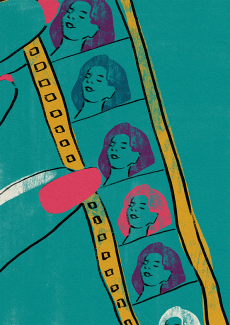
عندما كنت في السادسة من العمر، علِمت أنّ جدّي كان يملك داراً للسينما. أخبرَتني أمّي كيف أنه افتتحها في أوائل الستينيّات، وكانت هي حينها في مثل عمري، إذ كان عمرها قُرابة الستّ سنوات. تذكّرتُ أنهم في الليلة الأولى عرضوا فيلم «صوت الموسيقى».
كنت أمرّ بجانب دار السينما كلّ نهاية اسبوع وأرى جدّي يلعب طاولة النرد مع أصدقائه. لم أكن أعرف أنه كان يعيش داخل السينما في غرفة تقع تحت حجيرة بثّ الصور المتحرّكة على الشاشة. علمت فيما بعد أنه انتقل إلى هناك بعد إنفصاله عن جدّتي، وبعد أن أقفلت السينما في التسعينيات بُعيد انتهاء الحرب الأهلية اللبنانية.
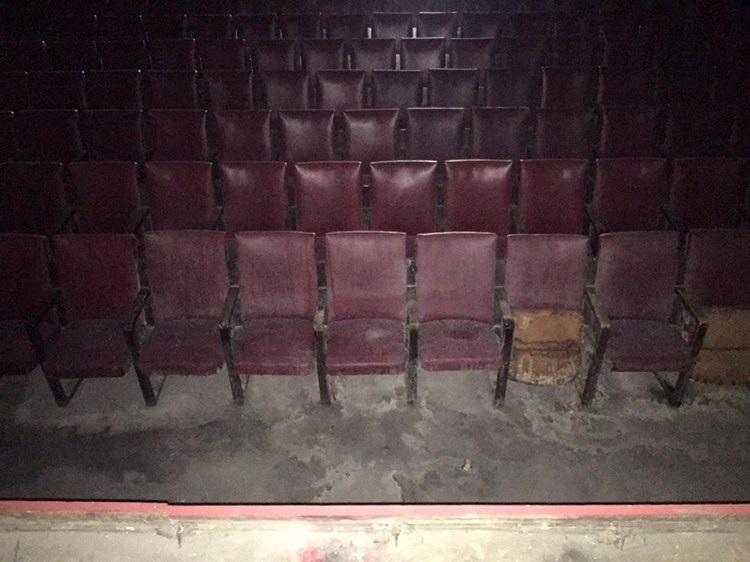
لسنوات وحتى وفاته، غالباً ما كنت أرى جدّي يلعب طاولة النرد مع اصدقائه في صالة الاستقبال المهجورة في السينما. كانت تلك المشاهد المتكرّرة كلّ ما أذكره عن جدّي. لم يتسنَّ لي أن أعرفه حق المعرفة، لم نتكلّم يوماً عن السينما، رغم أنه أمضى كلّ وقته في دار سينما متهالك. لم أسأله يومًا عن ماهية العيش في مكان كهذا. توفّي جدّي عندما كنت في الثانية عشرة من العمر، ليلة الميلاد، نتيجة سقوطه عن الدرج اللولبي الذي يؤدي إلى حجيرة عرض الصور على شاشة السينما. تكاد تكون طريقة موته رومانسية، إذ أنه توفي وهو يتحرك ضمن دارٍ اكتنفت صورًا عُلّقت حركتها بين حبال الزمن.

في ربيع عام 2020، اتصل بي إبن خالي ليخبرني أنه نظّف دار جدّي للسينما، وطلب منّي أن ألقاه هناك. لطالما حلم كلانا بإعادة ترميمها. سبقتُه في الوصول إلى المكان. في غرفة الاستقبال، كانت إطارات الصور ما زالت معلّقة، لكنها كانت خالية من الصور. عرفت أنه لابدّ من وجود أعقاب تذاكر في مكان ما، وجدتها مكدّسة في علبة حديدية صغيرة يعلوها الصدأ على رفٍّ في حجيرة التذاكر، أخذت بعضاً منها ووضعتها في جيبي.
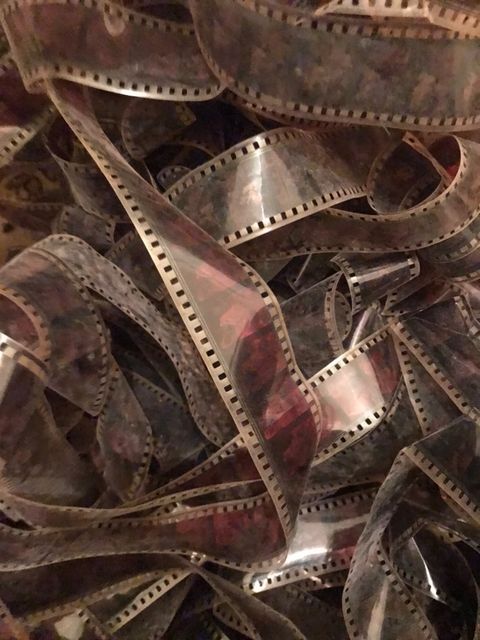
جُلت في المكان. على المسرح الرئيسي كانت شاشة العرض متّسخة جدًا، وممزقة قليلًا عند الطرف. مرّرتُ سبّابتي على الشاشة لأزيل بعضًا من الغبار، ولاحظت أن الشاشة حافظت على لونها الأبيض وراءه. وبدا القماش بحالة جيدة أيضًا. نظرت إلى أعلى، ستائر جدّتي ما زالت معلقة في مكانها. كانت الستائر مصنوعة من قماش الستان، يزيّنها شعار صغير مُطرّزٌ عند وُصلة الستارة، يمثّل شعار دار السينما. كانت هناك صالة رئيسية للجلوس، وقاعة عُليا (بلكون) للغرض عينه. بدت الكراسي مهترئة. رأيت جهاز تسليط الصورة على الشاشة (البروجيكتور)، يُطلّ برأسه من نافذة صغيرة عند طرف الشرفة. ارتقيت الدرج اللولبي المؤدّي لحجيرة العرض. كانت الغرفة مظلمة، غير أن القليل من النور تسلل من النوافذ الصدئة، وسقط على كدسة من بكرات الأفلام المُلقاة في الزاوية. أشرطة بلاستيكية هامدة متشابكة، عند طرف قاعدة جهاز تسليط الصورة على الشاشة. كانت كلّ البكرات التي يكسوها الغبار، عائدة لأفلام وسترن وبوليوود وعلوم خرافية ذات عناوين سيئة مثل «لشهب الذي دمّر الأرض»، أو ما شابه ذلك. لفت انتباهي مجموعة من أشرطة أفلام مكسوّة بالغبار – على الأغلب أنها قصاصات مقتطعة من بكرات الأفلام. واحدة تلو الأخرى، أظهرت القصاصات مشاهد تقبيل مختلفة، وما بدا كأنّه رقصة خليعة، ومشهد يصعب وصفه لجمع من الأشخاص، ومشهد قريب لامرأة مستلقية وفمها مفتوح، وافتتاحيات لفيلم من إنتاج بوليوود، وعبارة «يُعرض حالياً»، عبارة تكرّرت في عدة صور.
ذكّرتني افتتاحيات فيلم بوليوود بأمي. كانت تخبرني كيف كانوا يوزّعون المناديل الورقية على المشاهدين وهم يغادرون بعد انتهاء العروض. احتفظت بقصاصات الأشرطة التي أظهرت مشاهد التقبيل والرقص الخلاعي. وافترضت أنّه تمّ اقتطاعها لدواعي الرقابة. ذكّرني المشهد القريب للمرأة بقولٍ لناقد الأفلام بيلا بالاش، عن أفلام «الرجل المرئي أي ثقافة الأفلام» و»روح الأفلام» و»نظرية الأفلام». قال إن اللقطات القريبة في الأفلام تدلِّل على:
مناجاة صامته، حيث تستطيع معالم الوجه التعبير بأفصح ظلال المعاني، دون تكلّف ودون استنهاض للإحساس بالبعد الذي قد يخالج المشاهدين. في هذه المناجاةِ الفردية الصامتة، تجد الروحُ الوحدانيّة لسانَ حالها مترجَمًا أمامها بصراحة وحرية لا نظير لها في أي شكل آخر من أشكال المناجاة الكلامية، لأنها تعبيرٌ غريزي وعفوي في تكوينه.
على الأرجح أنّ بالاش كان يصف اللقطات القريبة لـ «جوان» في الفيلم الصامت «آلام جان دارك»، مُشيرًا في ذاك الصدد إلى أنّ «...الفيلم الصامت وما يحتوي عليه من تركيز على تعابير الوجه ضمن كادرات تستبعد المحيط العام، قادرٌ على الولوج في أبعاد جديدة وغرائبيّة من الروح».
تفحّصتُ قصاصة الفيلم بدقّة أكبر. بدت المرأة ميتة، وبدا وجهها وكأنه قناع. ذكّرتني بلوحة «أوفيليا» للرسام جون ايفرت ميليه. تقول سوزان سونتاغ في كتابها عن التصوير، إنّ الصورة هي «أثر، شيء منحوت من معالم الواقع مباشرة. إنها كما أثر القدم أو قناع الجبصين». أقنعة الجبصين، ما هي إلا شكلٌ من الحضور الذي يذكّر بالغياب.
أذكر أنّي اطلعت على معالجةٍ حول الموت والتصوير، في سياق فيلم قديم لروبرتو روسيليني «الآلة التي تقتل الاشرار». في هذا الفيلم، يجول المصوّر في المكان ويلتقط صورًا لأشخاص، أشخاص يُصار إلى تجميدهم لاحقًا، ومن ثم يُترَكون معلّقين في حبال الزمن. كان الناقد الفرنسي أندريه بازين يعتبر أنّ التصوير يسرق الأجساد من تيار الموت الهادر، ويحفظها من خلال تحنيطها. لقد وصف هذا التحنيط الفوتوغرافي على أنه «حِفظ الحياة عبر تمثيل الحياة».
شعرت بحاجة ماسّة لحماية حجيرة بثّ الصور هذه، بكل ما فيها من أغراض تبدَّلَت أماكنها عبر الزمن، وقصاصات أشرطة الأفلام المُلقاة على الأرض، شعرت بحاجة لحماية كلّ ما حمل بصمات جدّي.
وجدت، تحت قصاصات الأشرطة، بكرة يعلوها الغبار لفيلم لم ينته عرضه. بدا وكأنما أحدهم كان يشاهد الفيلم يدويًا. في تلك اللحظة، صعد ابن خالي الدرج اللولبي ورآني أتفحص الشريط. فرك ذقنه بأصابعه وقال بلهجة واثقة، «وجدتِ الشريط الإباحي».

نظرتُ إلى شريط الفيلم الذي أحمله بيدي، ولاحظت أنه لم يكن مشهدًا للموت. القصاصة اقتُطعت من بكرة شريط فيلم إباحي. المرأة كانت تئنّ من النشوة. يُراد من اللقطات القريبة إظهار المشاعر المحمومة، رعشة الجماع. لكن لم يسبق لي أن استعنت بنظريات بالاش لأصف مشاهد إباحية. يقول في إحدى كتاباته، «الذروة الدرامية بين شخصين، تظهر دائمًا على شكل حوار تقوده تعابير الوجه موضوعةٌ ضمن لقطات قريبة». وضعت قصاصة الفيلم في جيبي وسمّيت المرأة عشتار. ومنذ تلك اللحظة، لم تغادر القصاصة محفظتي. بدا غريبًا أن أُقارن لقطة التصوير القريبة لمخاوف جان وشجاعتها، بتعابير النشوة على وجه عشتار.
كان ابن خالي قد أخبرني، أن شقيق جدّي كان ينتظر حتى يغادر جدّي المسرح، وعوضاً عن إقفال المكان، كان يدعو أصدقاءه لمشاهدة الأفلام بعد العروض. لم أفكّر بالأمر كثيرًا، كان ذلك أمرًا شائعًا خاصةً خلال وبعد الحرب الأهلية اللبنانية.
بعد الحرب انتشرت أجهزة التلفاز، فباتت متوافرة تقريبًا في كل منزل لبناني. أذكر أنّه وفي أواخر التسعينيات كان لدي جهاز تلفاز حتى في غرفة نومي، وكنت حينها في السادسة من العمر تقريبًا. أخبروني أن شراء أفلام الفيديو الإباحية، كان شائعًا في تلك الفترة. محمد سويد، كاتب ومخرج لبناني، أخبرني ذات مرة أنّ دور السينما كانت تعرض الأفلام الفنية والإباحية في الفترة الممتدة من أواسط الثمانينيات حتى أواسط التسعينيات، لتتمكّن من الاستمرار. وسمعتُ أيضًا أن أولئك الذين كانوا يعرضون الأفلام على الشاشة، كانوا يقتطعون قصاصات من أشرطة الأفلام الإباحية، للقيام بمونتاج مختلف يُمكّنهم من بثّ عروض مختلفة كل ليلة. إلا أنه في النهاية، أخذ الناس يفضّلون البقاء في منازلهم ومشاهدة أفلام الفيديو على التلفزيون. وبدأت دور السينما تُفلس وتُغلق أبوابها نهائياً.

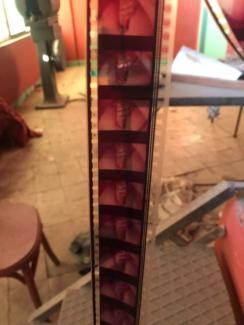
عاد ابن خالي إلى الطابق السفلي ليطّلع على أرشيف السجلّات المحفوظ في غرفة المكتب. بقيت في الحجيرة، بدأت أُقلّب قصاصة شريط الفيلم بين سبابتي والوسطى، وأحرّكها بإبهاميّ، وبتأنٍ أمرّر اللقطات بين يدي. رفعت القصاصة نحو النافذة المكسوّة بالغبار، ونظرت إليها بعينين شبه مغلقتين محاولة استيعاب هذه الصورة الباهتة اللون. رأيت، في هذه السلسلة من اللقطات، صورة قريبة جدًا لعضو ذكري دُفِع داخل مهبل. توالت هذه الصورة في عدة لقطات حتى وصلتُ إلى عقدة الفيلم، عندها تخيّلت البقيّة.
كان هانك يكشف عن عضوه أمام فيرونيكا، التي كانت مستلقية على السرير أمام مزينة هي تقليد لتلك التي كانت رائجة أيام لويس الرابع عشر. نهضَت ببطء، وأنزلَت بتأنٍّ حمّالة قميص نومها الشفاف من على كتفها الأيسر. اقترب هانك وحرّر روبها الذي كان يغطي جسدها، وأمسكها ولفّها بشكل نصف دائري، وصفعها على مؤخرتها، ودفعها إلى الأسفل نحو المزينة، ودفع عضوه داخل مهبلها بشكل متكرّر، فيما المزينة أخذت ترتطم بالحائط المزيّن بورق الجدران.
لطالما لفت الديكور الداخلي انتباهي منذ أن أخبرتني أستاذتي في «دراسات النساء في الإباحية»، أنّ أكبر الأرشيفات الإباحية في أميركا الشمالية كانت تُستخدم لتفحّص ودراسة الأثاث لدى الطبقة الوسطى في تلك الحقبة. لذا، وفيما كانت فيرونيكا منحنية وهانك يضاجعها من الخلف، كان يمكن لمساعد باحث جامعي، أن يتكهّن ماهية التصميم للشعار الذهبي على المزينة، أو دراسة نقش الركوك على كرسي خشبي في إحدى الزوايا.
للحظة، تتحوّل الحجيرة إلى فضاءٍ يشغله المخيال الجنسي الأُنثوي، الأمر الذي يُزعزع راحة مساحةٍ كانت قد كُرسّت من قبل لتغذية جنسانية الذكور. كنت واثقة من أن الرجال وحدهم كانوا القادرين على دخول دور السينما التي تعرض أفلاماً إباحية. في حجيرة لعرض الأفلام، كان شريط بكرة الفيلم متشابكًا جدًا ويصعب تسريحه، وتراكم الغبار فيها لأكثر من عقد من الزمن. لذا وضعتها في حقيبتي الصوفية وخرجت من المسرح.
لا أدري ما الذي أصابني، لكني شعرت بقوة تدفعني للاحتفاظ بها. أردت أن أشعر بنشوة حراسة شيء غامضٍ وإباحي. وفيما أنا أسير في الشارع، كنت واثقة بيني وبين نفسي أن الناس يعلمون أني أُخبِّئُ شيئًا ما. وغمرني شعور بالذنب ممزوج بالفرح في آنٍ معاً. بدا شعورًا غريبًا.
فتحت باب غرفتي أنا وعم فكّر ببكرة الفيلم الإباحي اللي بشنطتي والأفكار اللي خَطَرتلي بطريق الرجعة عالبيت. تذكّرت إنّو فيه حيط بيفصل أوضة نوم جارتي ليلى عن أوضتي. ممكن ما تكون بالبيت بهالوقت بس فيه إحتمال تسمعني. سكّرت الباب وطلّعت فيلم عشتروت.
تخيّلتها هيّي وعم ترقص قدّامي لتغريني وعم تهزّ بخصرها يمين وشمال. انرَسَمِتْ إبتسامة بعيونها كأن عم تناديلي. طلعت عالتخت وأشّطت البنطلون. فوّتت صابيعي بالكيلوت وبلّشت داعب كسّي ودلّلت فتحة صدري بصابيع إيدي الشمال. جسمي كلّه انتفض من الإثارة. كنت عم إلهت واتقلّب عالفرشة. حبَست أنفاسي وارتجفت أطرافي. لشلَش جسمي واللبن عم ينقط من كسّي. استلقيت وولّعت سيجارة…
عندما كنت طالبة في الجامعة، أخذت صفًّا سُمّي «مقدمة لدراسة الأفلام». البروفيسورة أريكا بالسوم، أستاذة المادة، حدّدت يومًا لعرض فيلم بيت غوردن «متنوّعة». كنت جدًا متحمّسة لمشاهدة أول فيلم لكريستين فاشون، قبل أن تتحوّل إلى إنتاج الأفلام التي تُعَدّ حاليًا جزءاً من حركة السينما الكويرية الجديدة. وُصِف فيلم «متنوّعة» بأنّه فيلم نسوي عن كريستين، امرأة بدأت عملها كموظفة لبيع التذاكر في دار سينما للأفلام الإباحية في مدينة نيويورك، تدعى «دار التنوّع». كانت كريستين تسمع ما يدور في الأفلام، لكنها لم تدخل صالة العرض يومًا. في نهاية الأمر، أثار اهتمامها أحد رواد السينما الدائمين، وأخذت تراقبه عن كثب. تبِعَته إلى متجرٍ للبالغين، وقفت جانبًا وأخذت تتصفّح مجلات للراشدين لأول مرّة في حياتها.
تلك النظرات التي استرقتها كريستين خلسة، جرى عرضها بطرقٍ مختلفة في الفيلم، وكان النصّ أيضًا يضجّ بكثير من المناجاة الفردية الشهوانية، والتي قد تُعتبَر فاسقة وفظّة.
في مشهد جرى تصويره في رواق للّعب، كانت تقرأ كتابات جنسية لصديقها، وكانت الكاميرا تتنقل بين مشهد قريب لمؤخرة صديقها مارك، وهو يلعب لعبة الكرة والدبابيس، ويؤرجح وركيه إلى الأمام والخلف، فيما هو مستند إلى آلة اللعب في الرواق، ومشهد قريب لوجه كريستين وهي تتلو مناجاتها.

«كان سكاي يحاول إيقاف سيارة لتقلّه، فتوقفت له شاحنة صغيرة تقودها امرأة. كان الوقت قد تأخّر جدًا، وكان بحاجة لمكان يبيت فيه. فعرضت عليه أن يبقى في منزلها.
أرشدته إلى غرفته وقدّمت له شرابًا. شربا وتحدّثا، ثم قرّرا أن يخلدا للنوم. لكنه لم يستطع النوم، فارتد سرواله وسار عبر الردهة إلى غرفة الجلوس. كان قد وصل إلى مكان حيث كان يرى دون أن يُرى. كانت المرأة مستلقية على المنضدة عارية، وساقاها مُتدلّيتان للأسفل. بدا جسدها ناصع البياض، وكأنّما لم يعرف الشمس يومًا. كانت حلمتا ثديَيها زهريّة اللون، متوهّجة كالنار ومتهلّلة كالقمر – شفتاها مفتوحتين وشعرها الأحمر السِّرياح مسدولاً وكأنّه يَلْعَق سطح الأرض. كانت ذراعاها ممدودتين وأصابعها تلاعب الهواء وجسدها اللامع أملسٌ لا تشوبه لا زوائد ولا حواف، أما بين ثدييها فتنسلّ أفعى كبيرة ملتفّة حول أحدهما ومتدلّية عند حدود الآخر. لسان الأفعى ممتدّ بارتعاشة نحو المهبل القرمزيّ – مفتوحًا على مصراعيه، تحت وهج الضوء. شعور بحيرة مضطرمة غزت جوارحه، فعاد الرجل إلى غرفته وبصعوبة فائقة أجبر نفسه على النوم. في صباح اليوم التالي، وفيما هما يتناولان الفراولة، تطلب منه المرأة أن يبقى ليلة أخرى. ومن جديد، لم يستطع النوم …».
عندما كنت في الثالثة والعشرين من العمر، فاجأتني لين، الفتاة التي كنت أواعدها من صفّ «مقدّمة لدراسة الأفلام» بأن اصطحبتني لمشاهدة أفلام إباحية قصيرة بمناسبة عيد الحبّ. كانت الأفلام تُعرض في مسرح مايفير، وهي دار سينما خاص. كان تصميم المسرح يشبه مسارح نيكلوديون في أميركا الشمالية لكن مع لمسة من معسكرات التخييم. كانت شرفاته مزيّنة بقطع كرتونية كبيرة من ملصقات لأفلام «شيء مستنقع» و»كائنات فضائية».
في تلك السنة، جرى تقييم المهرجان من قبل النجمة الإباحية كاسي ماي وكان البرنامج يشمل ساعة ونصف من الأفلام القصيرة؛ وقد تنوّع المحتوى بين أفلام إباحية خفيفة إلى الرغبة الجنسية بأكل البراز.
شاهدنا بضعة دقائق من فيلمٍ بدا أنه فيلم إباحي خفيف للجنس المغاير. أظهر الفيلم رجلاً وامرأة يمارسان الجنس في غرفة جلوس عصرية ثم انتقلا إلى غرفة النوم. كان الفيلم بمعظمه يصوّرهما وهما يتبادلان القُبل ويتحسّسان بعضهما الآخر بينما تستلقي المرأة على ظهرها في أثناء المضاجعة. تسلّلت امرأة ذات شَعرٍ بنّي قصير وانسلّت في الفراش وهي تلعق سطح يدها كالقطة بضربات خفيفة. أصدرت مواءً وزحفت فوق الزوجين اللذين لم يعيراها انتباهًا مستمرّين بممارسة الجنس. زحفت خارج السرير واتجهت إلى المطبخ، رفعت الزبدية الفارغة بأسنانها ووضعتها على الوسادة. واستمرّت بالسير فوقهما حتى نهاية الفيلم القصير. بدا ذلك غريبًا جدًا. بدأتُ أضحك لكن لين بدت ممتعضة قليلاً. نظرتُ إلى يساري، فرأيت المشاهدين الآخرين يشربون البيرة ويأكلون الفشار فيما يضحكون بشكل جنوني. ضحكهم المستمر وتعليقاتهم بصوت عالٍ حدّدت معالم المهرجان. وأصبحت مشاهدة الجمهور أكثر متعة من مشاهدة الأفلام. اعتاد مسرح مايفير عرض أفلام الكالت (cult films)، ومشاهدة هكذا نوع من الأفلام لا يمكن إلا أن يكون ممارسة جماعيّة.
لم أتخيّل أن يكون شقيق جدّي قد شاهد الأفلام الإباحية في مسرح جدّي على هذا النحو. كانت دور السينما تعرض الأفلام الإباحية بشكل علني في تلك الحقبة، لكني لم استطع تخيّل ذلك يحدث في منزل والدتي. تخيّلته يشاهد الفيلم من جهاز بث الصور في الحجيرة، ليتمكن من إيقاف العرض بسرعة في حال قرّر أي ضيف غير متوقّع التوقف للزيارة. كان أصدقاؤه يجلسون على الشرفة في الخلف، حيث لا يستطيع الدخول إلا مَن كان معه مفتاح، لذا فالمكان آمن. كان عليهم التفكير بكل شيء، فالحيّ حيث كانوا يعيشون هو عبارة عن منطقة مسيحية محافظة. وكانوا يتحاشون المتاعب. على الأرجح أن شعورًا بالإثارة والذنب كان يغمرهم. واختلطت أصوات مزاح الإيروتيك المثلي مع أنين وظأظأة متقطعة، لكنهم كانوا يذكّرون بعضهم البعض بين الفنية والأخرى بضرورة خَفت الأصوات. كانوا يتبادلون الأدوار، إذ يقوم كلّ منهم بدوره ليتحقق من خلال النوافذ، إن كانت الأصوات مرتفعةً لدرجةٍ تلفت انتباه أيٍّ من الجيران. أحياناً، كانوا يُطفئون مكبّر الصوت فيخيّم شيء من الصمت.
عام 2019 وبعد مظاهرة سياسية، مررتُ بكشك كتب في شارع رياض الصلح، بالقرب من ساحة الشهداء وسط مدينة بيروت. رأيت عند طرف الطاولة، خلف كُتب هوغو ودو بوفوار، كدسة من الروايات الإباحية ومجلات للراشدين. كانت جميعها ترجمات لمنشورات وسترن. إخترت واحدة دونما أي تفكير، فكلّ ما كان يعنيني هو رغبتي بامتلاك نسخة لمجرد الشعور بالإثارة الذي يخالجني لامتلاكها. فأخذت واحدةً بصورة غلاف مُلفتة.
فيما كان يعطيني بقية الحساب، سألني البائع: «هل سبق والتقينا؟» نظر إلى صدري وانحدر بنظره إلى الأسفل. لا بد أنه افترض أني أعمل في مضمار الجنس أو الأفلام الإباحية. نظرت في عينيه وأجبته: «لا». استدرت، وهممت بالابتعاد والمجلّة في يدي، عندما استوقفني ليقول لي إنه يملك أرشيفًا كبيرًا في الطابق السفلي، وإنه يبيع دائمًا مجموعات إباحية ومنشورات على «إي باي» (eBay) لأوروبا وأميركا. ورغم أن البحث في ذلك الأرشيف كان مثيرًا للإهتمام، إلا أن شعورًا بعدم الارتياح منعني من الموافقة على العرض. لم أشعر بالأمان، سألته أين وجد تلك الروايات. ودُهشت حين علمت أنها مطبوعةٌ في لبنان.
سرت نحو تمثال رياض الصلح. فتحت المجلة التي اشتريتها لأقرأها، فوجدت شكل النص مائل والخط ملطخ قليلاً، مما جعل قراءتها صعبة. والصور بداخلها كانت عبارة عن مجموعة قطع إباحية باهتة، بدَت الطباعة نزقة… أعجبني ذلك. القصة كانت بعنوان «يوميات مارسيل».
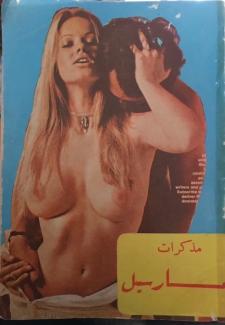
كان واضحًا أن الغلاف الفنّي هو عبارة عن صورة اقتُطعت من مجلّة وألصقت على ورقة زرقاء. بدت في الصورة امرأة لا ترتدي قميصًا، تُمسك برأس عشيقها وتدفع أصابعها في شعره، فيما هو يقبّل عنقها من الخلف. كان سحّاب تنورتها مفتوحاً ويد عشيقها على القسم الأسفل من وركها الأيمن، ويدها فوق يده. وقد فضنت شفتاها وكأنها تأنّ نشوةً، وشعرها الأشقر الأملس كما كان رائجًا في السبعينيات، ينسدل على صدرها ويغطي بعضًا من حلمتي ثدييها.
فتحت الصفحة الأولى. قرأت في التمهيد: «شهوات وشذوذ» والأخيرة ترجمة من النص الإنجليزي الذي قد يحمل معنيين: الشذوذ عن المألوف/المعياريّ أو الممارسات الجنسيّة الغرائبيّة.
قرأت الفصل الأول. إن الشخص الذي ترجم النص قام بتغيير إسم الشخصية الرئيسية للقصة فجعله فؤاد، إسم عربي. وخطر لي أن المترجم أراد بذلك أن يُشعر الرجال اللبنانيين الذين يقرؤون القصة بالتماثل مع تلك الشخصية. وأنا أتابع القراءة، لاحظت أن جميع عشيقاته كنّ يحملن اسماءً أجنبية مثل حنّة ومارلا ومارسيل ومارتا.
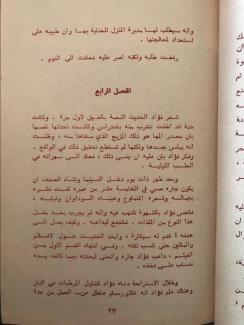
لاحظت في الصفحة 27، الفصل الرابع، أنّ مارسيل كان عشيق فؤاد.

جرت أحداث المشهد في دار سينما. كانت دور السينما في معظم الأحيان أمكنة للحرية الجنسية في أميركا الشمالية، خاصة في فترة السبعينيات وبعد الثورة الجنسية. وافترضت أيضًا أنهم أبقوا على جميع الأسماء الأجنبية الأخرى، لتبدو مثيرةً ومقبولة. فقد نُسب الأدب الإباحي والأفلام الجنسية لهوليوود الغرب بالرغم أنّ العالم العربي تاريخياً، أنتج نصوصًا شهوانية. أصبح الأدب الإباحي مُحرّماً، وكانت الطريقة الوحيدة الآمنة لإنتاجه هي تسويقه على أنه غريب وأجنبي.
إنه لَمن المثير للإهتمام كيف أنّ الهوية الأعجمية/»الأجنبية» هي ما يُشَرعن إجتماعيًا النصوص الشهوانية. إن الفارق بين الصفتين يعود إلى الأصول اليونانية للفظتي الإيروتيك (الشهوانية) والإكزوتيك (الأجنبيّة أو الأعجمية الغريبة العائدة الى ثقافة «الآخر» البعيد). فكلمة إيكزوتيك تشتقّ من تعبير إيكزو، «من الخارج»، بما معناه غريب أو أجنبي. وكلمة إيروتيك تشتق من عبارة إيروس، إله الجنس والحب. وعليه، فإن ما هو إيكزوتيكي هو أجنبي وغامض بالضرورة وما هو إيروتيك هو جنسي.
في لبنان، هناك خيط رفيع بين الأجنبيّ والجنسي في السينما. كما الخيط الرفيع الذي يميز الأفلام الفنية عن الأفلام الإباحية.
في عام 2015، وفي محادثة مع المخرجة جوسلين صعب في مطعم ڤييتنامي في باريس، عرفت منها أنها اضطُرّت أن تعيد تصوير فيلم «دنيا» لتغيير اللهجة من مصرية إلى لبنانية. أخبرتني أن الممثلين كانوا مصريين، وأنها لم تتشدد حيال النص. لم يسمحوا لها باستخدام اللهجة المصرية. كان يجب أن تكون اللهجة اللبنانية هي المُستخدمة لأن المنتجين كانوا قلقين حيال المشاهد الشبه شهوانية في الفيلم. لذا أصرّوا على جعل اللغة بأسرها أجنبية الطابع.
Mereani Naisua Senibici, también llamada "Sua", fue, durante mucho tiempo, integrante del movimiento de la Asociación Cristiana de Mujeres Jóvenes de Fiji (YWCA, por sus siglas en inglés).
Trabajó con diversos grupos de mujeres en entornos multirraciales, rurales y urbanos y se comprometió a apoyar y promover los derechos de las mujeres y las jóvenes.
En el YWCA de Lautoka, Sua trabajó con mujeres de ascendencia india, y se convirtió en una figura destacada en el desarrollo del deporte y de la participación de atletas mujeres y personas trans en Lautoka.
"Sua es muy querida por lxs integrantes del YWCA de Fiji, a causa de su dedicación y apoyo persistente a todo lo que la organización se ha esforzado por hacer". - Tupou Vere
Mereani formaba parte de House of Sarah [La Casa de Sarah] (HoS, por sus siglas en inglés ), una iniciativa de la Asociación de Mujeres Anglicanas (AAW), lanzada en 2009, que tenía por objetivos tanto sensibilizar sobre los problemas relacionados con la violencia de género, como brindar apoyo a las mujeres que sufren violencia. Mereani empezó como una voluntaria comprometida y ofreció apoyo a las mujeres de todo el Pacífico.
Mereani falleció en 2019.
"Una persona con don de gente y una trabajadora todoterreno en el empoderamiento de las mujeres y construcción de movimientos a nivel comunitario. Descansa en paz, Sua". - Tupou Vere
par Dr. Pragati Singh
En 2019, j’étais invitée par le réseau BBC pour intervenir lors de la conférence intitulée 100 women (100 femmes) à Delhi, en Inde, à propos de « L’avenir de l’amour, des relations et des familles ». (...)
illustration : « Les anges aussi sortent la nuit », par Chloé Luu >
By Nkhensani Manabe
The conversation title "Pansexual, Gynasexual or Abrosexual? A dive into queerness, pleasure and sex positivity" gives one much to think about. Tiffany Kagure Mugo, author, educator and curator of HOLAAfrica, begins the discussion with a reading from Touch, a recently published collection of fiction and non-fiction essays on sex, sexuality and pleasure. In this excerpt, the author puts forward the idea that pleasure is constant and ongoing, it is to be found in everyday activities and is not confined to sexual intercourse.
This idea, that pleasure is as much a part of daily life as anything else, runs through the discussion, which also covers topics of desire, attraction and sexual orientation.

Early on, there is this sense of hope and possibility. Tiffany presents options and explains alternatives, giving us new language to speak about who we are, what we like, and how we want it. This is about desire and sex, but mostly it is about self-knowledge and empowerment. Tiffany speaks passionately about making decisions from a place of power: learning your own identity so that you are able to make the best choices for yourself.
In a conversation that is open and free, representing the attitude that Tiffany would have us all adopt, we learn that knowledge about sex and sexuality is ever-changing, the boundaries are shifting. What we may have learned or, more importantly, been kept away from as children or adults is exactly where we should start unlearning and reprogramming. Tiffany notes that young people these days need tools to understand the experiences they are already having, a reminder to never underestimate what children and teenagers know about the kind of pleasure(s) they want to pursue in life.
The conversation opened my mind to something: knowing myself will help to build my confidence; I will be able to approach relationships with care not only for myself but for others, too. Learning the language of orientation, attraction, desire and pleasure will go towards deepening my future connections. I appreciated the space to think about this aspect of my life -- the private, intimate parts that I don’t access often. Tiffany’s enthusiasm about pleasure and identity pushed my own boundaries, allowing me to entertain new personal possibilities.
The idea of learning how to make holistic connections is still not common. Largely, we live in a culture of instant and fleeting connections. There is hardly any time to truly reflect on how and why we are seeking relationship or partnership -- at least, not until a moment of crisis.
Of course, there are selected spaces that welcome questions and discussions, such as the AWID Crear Résister Transform Festival and other free-thinking online platforms or publications -- but access to information from a helpful, non-judgemental source is something people are still trying to figure out. This may be in part because people are not confident in the language of sexuality and pleasure.

The notion of language and tools repeats itself throughout Tiffany’s presentation. Tiffany and her colleagues are doing the work of talking, teaching and nurturing. Seeing what people need, where they are, what they want for themselves, and walking alongside them as they build their ideal worlds. Giving them new words and definitions to help give shape to their identities at different stages of their lives.
These are the kinds of conversations that are necessary, even in a society that has myriad healthcare messages broadcast with varying degrees of details at any given moment. Sometimes people need to be brought back from the big picture moments and encouraged to learn about their individual opinions and desires. This is what Tiffany’s talk does: it gives people a space in the larger puzzle.
Sexual -- as in, the express desire to have intercourse with a person or people
Sensual -- the desire to touch a person or people, to be physically close without necessarily including intercourse
Romantic -- the desire to date or be in a relationship with a person or people
Platonic -- the desire to build close friendships
Aesthetic -- the desire to look at and be pleased by the appearance of a person or people
These five types or levels of attraction offer a shorthand for desire and pleasure, and help to contextualise the different kinds of pleasure people can experience.
Thinking of attraction beyond the physical or sexual offers a new perspective on connection. It is a chance to take the pressure off relationships, which opens up opportunities for different, more enlightened and fulfilling partnerships.
This freedom and knowledge that Tiffany presents is a roadmap to the future. The presentation offered a new perspective on what is possible.
As the opening excerpt states, pleasure is ongoing. In light of Tiffany’s discussion, it is also clear that it is dynamic and exciting. There is always more to know.
This may be daunting at first, but on the other side of hesitation is hope, potential and freedom.
« La vie... c’est vivre dans la joie, se lever avec un but, sentir son énergie créative, répondre à son appel. » – Sylvia Robinson
Cet espace de performances créatrices foisonnantes rassemblait des initiatives d’éducation, d’engagement citoyen, d’arts, de services sociaux et spirituels et de pratiques de développement durable. Sylvia considérait cet endroit comme une maison où « il existe un équilibre et une synergie avec les activités dont les gens ont besoin pour entretenir la vie ».
Elle comptait également parmi les membres fondateur·trice·s du Georgia Avenue Community Development Taskforce, dans le nord-ouest de la capitale, un groupe de quartier actif dans le domaine de la justice sociale et de l’organisation qui veillait à ce que la communauté ait son mot à dire dans le redéveloppement et l’embourgeoisement du secteur.
« Nous demandons des logements abordables. Nous demandons que les petits commerces qui sont ici depuis longtemps ne soient pas balayés par de nouvelles enseignes. Nous demandons des espaces verts et des lieux où les gens peuvent se rencontrer. Nous demandons à ce que le paysage urbain soit amélioré, avec des rues en meilleur état et des éclairages publics. » – Sylvia Robinson, à propos du travail de la Taskforce
Avant de devenir organisatrice, et après avoir obtenu son diplôme en informatique, Sylvia avait travaillé dans le domaine des systèmes de contrôle du trafic aérien pendant plus d’une décennie. Elle s’est ensuite orientée vers le conseil relatif à la consommation d’alcool et de drogue, s’impliquant davantage dans le travail communautaire.
« Cette implication dans la communauté, c’était ma vocation. » – Sylvia Robinson
Née à Washington D.C. le 14 août 1961, Sylvia est décédée le 18 septembre 2017 après avoir lutté contre le cancer.
« L’esprit et l’héritage de Sylvia continueront d’inspirer cette communauté pour de nombreuses années. » – ECAC
En rejoignant l’AWID, vous intégrez l’organisation féministe mondiale, un pouvoir collectif qui se fonde sur la solidarité et puise ses racines dans le travail entre les mouvements.
by Ana María Belique
The Naranjo Batey community is far from the city, but it’s full of hard-working people brimming with enthusiasm. A girl named Dieula lived there. (...)
< artwork: “Fury” by Diana Manilla Arroyo
Notre présence collective perturbe les mécanismes d’exclusion des institutions dans ces espaces tout en soutenant les mouvements qui s’organisent autour d’alternatives féministes aux systèmes d’oppression.
Participez aux conversations du 10 au 21 mars 2025 pour, collectivement, faire de la CSW69 un espace de résistance et de solidarité.
Querida y maravillosa persona:
Sé que estás muy cerca. Puedes sentirlo, ¿verdad?: cómo las cosas necesitan cambiar y cómo necesitas centrarte.

Esta es una carta para decirte que lo hagas. Elige tu sanación. Elige estar bien. Mejor que bien. Elige estar plenx, ser feliz. Llora a lágrima viva solo por tí y por nadie más. Elige cerrar la puerta ante el mundo y decirle «Vuelvo en 5 minutos». O en cinco días. O en cinco años.
O nunca.
Elige no hacerte cargo de todo. Elige no asumir nada. Porque nada de eso es tuyo. Nunca lo fue. Te dijeron desde que naciste que eran tuyos. Los problemas de tu familia. Los problemas de tus amantes. Los problemas de tus vecinxs. Los problemas del mundo. Ese susurro constante de que esos problemas te pertenecen. Que son tuyos. Tuyos para cargarlos, tuyos para llevarlos sobre los hombros. Tuyos para solucionarlos.
Eso fue una mentira.
Un engaño
Un engaño de larga duración.
Una estafa.
Los problemas del universo no son tuyos.
Los únicos problemas que son tuyos son los tuyos. Todxs lxs demás pueden irse de paseo.
Permítete dejarlo todo y adentrarte en la selva. Hazte amigx de una ninfa vestida de margaritas, crea una biblioteca pequeña en las raíces de un árbol. Baila desnudx y aúlla a la luz de la luna. Conversa con Oshun en el lecho del río.
O simplemente tómate una taza de té cuando necesites un momento para respirar.
Permítete desaparecer en la niebla y reaparecer tres países más allá como unx misteriosx chocolaterx con un pasado dudoso y afición por capas espectaculares y cigarros puros.
O deja de responder a las llamadas del trabajo durante los fines de semana.
Permítete nadar hasta una isla desierta con unx amante y vestirte solo con las cáscaras de los cocos que usaron para hacer el ron de coco que beben al atardecer.
O di que no cuando no tengas la capacidad de crear un espacio de contención para alguien.
Las opciones para sostenerte a ti mismx son infinitas.
Hagas lo que hagas, debes saber que el mundo siempre seguirá girando. Por eso es bello y por eso duele.. No importa a quién o qué elijas por encima de tí mismx y de tu alma, el mundo siempre seguirá girando.
Por lo tanto, elígete a tí mismx.
Por la mañana, con la primera luz, elígete a tí mismx. Cuando sea la hora del almuerzo, o te den ganas de llorar durante las horas de trabajo, elígete a tí mismx. Por la noche, cuando estés calentando las sobras porque no tuviste tiempo de volver a cocinar, elígete a vos mismx. Cuando la ansiedad te despierte y la existencia esté en silencio a las 3:45 am.
Elígete a tí mismx.
Porque el mundo siempre seguirá girando, inclinado, y tú mereces tener a alguien que siempre intente acomodarlo para tí.
Cariños,
tu ninfa de la selva con capa espectacular.
“I’m no adherent to the concept of the ‘Third World’. I make films so that people - no matter what race or color they are - can understand them. For me there are only exploiters and the exploited, that’s all. To make a film means to take a position.” - Sarah Maldoror
Her groundbreaking film and “revolutionary picture” Sambizanga (1972) follows Angolan militants’ anti-colonial liberation struggle, as well as captures a woman’s perspective in a historical moment she finds herself in.
“For many African filmmakers, cinema is a revolutionary tool, a political education to raise consciousness. It is inscribed in the evolution of a Third Cinema striving to decolonize thought and advocate radical changes in society.” - Sarah Maldoror
Throughout her career, Sarah - together with a number of African and Caribbean artists - co-founded (1956) the first Black theatre troupe in France. She made around 40 films, comprising important documentaries that amplify the lives and work of black artists, including her friend and poet Aimé Césaire who wrote to her:
“To Sarah Maldo
who, a camera in hand,
fights oppression, alienation
and flies in the face
of human bullshit.”
Sarah was also committed to giving African women more ownership of the filmmaking process. In an interview, she pointed out:
"African women must be everywhere. They must be in the images, behind the camera, in the editing room and involved in every stage of the making of a film. They must be the ones to talk about their problems."
Sarah left an incredibly powerful legacy to be carried forward.
Born 19 July 1929, Sarah passed away on 13 April 2020 from complications of the coronavirus.
Watch Sambizanga and read a film review in a 1973 New York Times article

The Forum is a live example of what the bigger WE can do. We go to the Forum, we are seeds, we then get sowed. This we have to celebrate.
- Sara Abu Ghazal, Lebanon
Ya está disponible nuestro programa final del Club de Cine Feminista: “Films from Nuestramérica” es una serie de películas sobre realidades feministas latinoamericanas / centroamericanas curada por Alejandra Laprea (Venezuela).