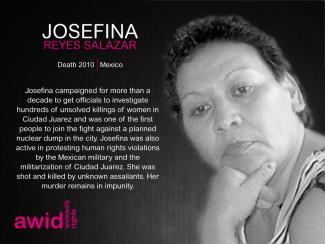
Josefina Reyes Salazar
Defensoras de derechos humanos de todo el planeta defienden sus tierras, medios de subsistencia y sus comunidades ante las industrias extractivas y el poder corporativo. Ellas hacen frente a fuertes intereses económicos y políticos que promueven el robo de tierras, el desplazamiento de comunidades, la pérdida de los medios de subsistencia y la degradación del medioambiente.
El extractivismo es un modelo económico y político de desarrollo que mercantiliza la naturaleza y prioriza la ganancia por sobre los derechos humanos y el medioambiente. Arraigado en la historia colonial, refuerza las desigualdades sociales y económicas tanto a nivel local como global. Muchas veces, las mujeres negras, rurales e indígenas son las más afectadas por el extractivismo, y además son notablemente excluidas de la toma de decisiones. Desafiando estas fuerzas patriarcales y neocoloniales, las mujeres se alzan en defensa de los derechos, las tierras, las personas y la naturaleza.
Las defensoras que enfrentan a las industrias extractivas, experimentan una diversidad de riesgos, amenazas y violaciones, incluidas la criminalización, la estigmatización, la violencia y laintimidación. Sus historias dan cuenta de marcados aspectos de violencia sexual y de género. Entre los perpetradores se incluyen autoridades estatales y locales, las corporaciones, la policía, el ejército, las fuerzas paramilitares y de seguridad privada, y en algunos casos, sus propias comunidades.
AWID y la Coalición Internacional de Mujeres Defensoras de Derechos Humanos (WHRDIC por su sigla en inglés) tienen el placer de anunciar «Defensoras de derechos humanos confrontado al extractivismo y al poder corporativo»; un proyecto interregional de investigación que documenta las experiencias vividas por las defensoras de Asia, África y América Latina.
Alentamos a activistas, integrantes de movimientos sociales, la sociedad civil organizada, donantes y responsables de políticas públicas, a leer y utilizar estas producciones para el trabajo de incidencia, con fines educativos y como fuente de inspiración:
«Defensoras de derechos humanos confrontando a las industrias extractivas: un panorama de los riesgos críticos y las obligaciones en materia de derechos humanos» es un informe sobre políticas desde la perspectiva de género (en inglés, pronto disponible en español). Analiza las formas de violaciones y los tipos de perpetradores, hace referencia a las obligaciones relevantes en derechos humanos e incluye recomendaciones de políticas para los estados, corporaciones, la sociedad civil y donantes.
«Tejiendo la Resistencia a través de la Acción: Las Estrategias de las Defensoras de Derechos Humanos contra a las Industrias Extractivas» es una guía práctica que expone formas creativas y deliberadas de acción, tácticas exitosas e inspiradoras historias de resistencias.
El video «Defendiendo a las Personas y al Planeta: Mujeres Confrontando a las Industrias Extractivas» está protagonizado por defensoras de derechos humanos de África, Asia y América Latina, que comparten sus luchas por la tierra y la vida, y hablan de los riesgos y desafíos que enfrentan en su activismo.
«Desafiar al poder corporativo: Las luchas por los derechos de las mujeres, la justicia económica y de género» es un informe de investigación que explica los impactos del poder corporativo y ofrece ideas sobre estrategias de resistencia.
AWID reconoce con gratitud las invaluables contribuciones de cada Defensora de Derechos Humanos que ha sido parte de este proyecto. Esta guía ha sido posible gracias su generosidad y apertura al compartir sobre sus experiencias y lecciones. Su coraje, creatividad y resiliencia son una inspiración para todxs nosotrxs. ¡Muchas gracias!
Our new research paper The Devil is in the Details addresses knowledge gaps around religious fundamentalisms within the development sector, and aims to improve understanding of how they constrain development and women’s rights in particular. It provides recommendations for ways development actors can avoid inadvertently strengthening and instead challenge fundamentalisms. [CTA download link: Read the full paper]
| Graphic1 | 1. Control of women’s bodies, sexuality, and choice are “warning signs” of rising fundamentalisms. |
| 2. Neoliberal economic policies have a particularly negative impact on women, and fuel the growth of religious fundamentalisms. | Graphic2 |
| Graphic3 | 3. Choosing religious organizations as default for partnerships builds their legitimacy and access to resources, and supports their ideology, including gender ideology. |
| 4.Everyone has multiple identities and should be defined by more than just their religion. Foregrounding religious identities tends to reinforce the power of religious fundamentalists. | Graphic4 |
| Graphic5 | 5. Religion, culture, and tradition are constantly changing, being reinterpreted and challenged. What is dominant is always a question of power. |
| 6. Racism, exclusion, and marginalization all add to the appeal of fundamentalists’ offer of a sense of belonging and a “cause”. | Graphic6 |
| Graphic7 | 7. There is strong evidence that the single most important factor in promoting women’s rights and gender equality is an autonomous women’s movement. |
The Devil is in the Details details the grave human rights violations, and violations of women’s rights in particular, caused by state-sponsored fundamentalism, as well as by fundamentalist non-state actors such as militias, religious community organizations, and individuals. Fundamentalist reinforcement of regressive, patriarchal social norms are leading to the rise of violence against women, girls, and women human rights defenders (WHRDs). The paper highlights these key insights for addressing the problem:
Development actors are in a position to take a strong role in this. The collective capacity of development actors to recognize and collaboratively address religious fundamentalisms is vital for advancing social, economic, and gender justice and the human rights of all people in sustainable development. It is vital to promote intersectional feminist understandings of power and privilege, and to apply these to questions of religion and culture. Women’s organizations already have knowledge and strategies to counter fundamentalisms development actors should build on this, and invest in cross-issue coalitions to help them reach new heights.
Sue fue artista, activista y maestra y nació en 1936 en Maryland, Estados Unidos.
Creó arte para mujeres y sobre mujeres. Como lesbiana feminista, y durante un tiempo también separatista, se dedicó a la creación de espacios sólo para mujeres. En 1976 compró tierras que todavía son conservadas por mujeres que van temporariamente a hacer arte. Sue mantuvo una apasionada posición en la protección de las mujeres y las niñas.
Con su innovador enfoque futurista, clásico y antropológico, llenaba cada habitación en la que entraba con su intelecto, su excentricidad auténtica, su ingenio implacable y su humor. Sus ideas acerca de la conciencia y la creatividad siguen inspirando a mucha gente.

Este modelo económico explota desenfrenadamente la naturaleza e intensifica las desigualdades norte, donde sus grandes corporaciones se benefician y sur, de donde extraen los recursos.
Lee nuestro reporte de INDUSTRIAS EXTRACTIVAS
Hay alternativas sostenibles para el medioambiente y los derechos humanos de la mujer. Empecemos por conseguir un tratado vinculante para que las corporaciones extractivas nos respeten.
Нет, мы просим только один заполненный опрос от каждой группы.
Ottilie était une militante féministe, éducatrice et politicienne namibienne.
Elle était l'une des fondatrices de l'Organisation populaire du Sud-Ouest africain (SWAPO), du Yu Chi Chan Club (groupe révolutionnaire armé) et du Front de libération nationale du Sud-Ouest africain (SWANLIF). Ottilie a également été une des fondatrices de la Namibian Women’s Association et du Girl Child Project. Tout au long de sa vie, Ottilie a plaidé en faveur du droit de discuter, de penser, de contester et de réclamer. Elle a mobilisé des femmes, organisé des assemblées d’étudiants et d’enseignants et critiqué d'autres camarades pour leur élitisme et leur corruption.
Ottilie a œuvré sans relâche pour démanteler le patriarcat et faire émerger une démocratie participative, féministe, libératrice et transformatrice.
Ottilie disait souvent : « Je me reposerai quand je serai morte. »

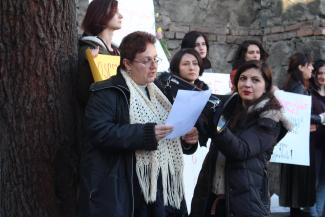

El marco de referencia de las Realidades Feministas en el Foro se despliega a través de seis ejes temáticos. Cada uno coloca en un lugar central las realidades, experiencias y visiones feministas, dentro del continuum que va de la resistencia a las propuestas, las luchas y las alternativas.
Queremos explorar juntxs de qué están hechas nuestras realidades feministas y qué es lo que les permite florecer en las diferentes esferas de nuestras vidas. Estas realidades pueden ser formas ya muy desarrolladas de vivir, sueños e ideas que están tomando forma o experiencias y momentos valiosos.
Los ejes temáticos no son compartimentos aislados sino más bien envases que guardan las actividades a desarrollarse en el Foro y que están abiertos, comunicados entre sí. Imaginamos que muchas actividades tendrán lugar allí donde estos ejes temáticos - así como diferentes luchas, comunidades y movimientos - se entrecruzan. Las descripciones que compartimos a continuación son preliminares y continuarán enriqueciéndose a medida que continúe nuestro recorrido por las Realidades Feministas.
Este eje temático coloca en primer plano las preguntas acerca de cómo nosotrxs - en tanto personas, comunidades y movimientos - satisfacemos nuestras necesidades básicas y garantizamos los recursos que necesitamos para vivir en plenitud, priorizando el cuidado de las personas y la naturaleza. Cuando hablamos de recursos nos referimos a los alimentos, el agua, el aire puro y también el dinero, el trabajo, la información, el conocimiento, el tiempo y otros.
Partiremos de las resistencias feministas al sistema económico dominante de explotación y extractivismo para subrayar propuestas, experiencias y prácticas feministas contundentes e inspiradoras para organizar nuestra vida económica y social. Algunas de las temáticas a explorar son la soberanía alimentaria y de las semillas, las miradas feministas acerca del trabajo y el empleo, o los sistemas justos y sostenibles de comercio. Con valentía abordaremos las contradicciones que resultan de nuestra necesidad de sobrevivir en sistemas económicos opresivos.
Este eje temático posiciona el financiamiento y los recursos para las organizaciones y los movimientos dentro de un análisis feminista más amplio de la justicia económica y la generación de la riqueza. Analizaremos cómo mover recursos para que lleguen adonde resultan necesarios a través de la justicia fiscal, propuestas como el ingreso universal, diferentes modelos de filantropía y la generación autónoma y creativa de recursos para los movimientos.
Queremos construir nuevas visiones y difundir las realidades y experiencias ya existentes de gobernanza, justicia y rendición de cuentas feministas. Frente a la crisis global y al auge de los fascismos y los fundamentalismos, este eje temático le da un lugar central a modelos, prácticas e ideas feministas, radicales y emancipatorias para organizar la sociedad y la vida política desde el nivel local al global.
En este eje temático exploraremos cómo es la gobernanza feminista, por ejemplo a través de experiencias de municipalismo, la construcción de identidades por fuera de las naciones-estados o nuestras miradas acerca del multilateralismo. Intercambiaremos experiencias de procesos de justicia y rendición de cuentas en nuestras comunidades, organizaciones y movimientos, que incluyen modelos de justicia restaurativa, comunitaria y transformadora que rechazan la violencia estatal y el complejo carcelario-industrial.
También le daremos protagonismo a las experiencias de desplazamiento, migración y búsqueda de refugio, así como a los procesos de organización feminista en procura de un mundo sin regímenes de fronteras letales: un mundo donde el movimiento sea libre y los recorridos posibles nos apasionen.
El rol de la tecnología en nuestras vidas es cada vez mayor y la línea entre las realidades virtuales y no virtuales se está borrando. Lxs feministas utilizamos ampliamente las tecnologías y los espacios virtuales para construir comunidades, aprender unxs de otrxs y movilizarnos para la acción. Con los espacios virtuales podemos expandir los límites de nuestro mundo físico. Pero esto tiene un costado problemático: las comunicaciones digitales son cada vez más propiedad de empresas cuya rendición de cuentas frente a lxs usuarixs es mínima. La minería de datos, la vigilancia y los quiebres en la seguridad de la información se han convertido en la norma, junto con la violencia y el acoso en línea.
En este eje exploraremos las oportunidades y desafíos feministas dentro de las realidades digitales. Estudiaremos las alternativas a las plataformas de propiedad privada que dominan el paisaje digital, así como estrategias para movernos en espacios digitales cuidando nuestro bienestar y cómo usar la tecnología para superar desafíos en términos de accesibilidad. También descubriremos el potencial de la tecnología en la esfera del placer, la confianza y los vínculos.
Albergamos realidades feministas también dentro nuestro: son nuestras experiencias corporizadas. Controlar nuestro trabajo, nuestros desplazamientos, nuestra reproducción y nuestra sexualidad continúa siendo un elemento central para las estructuras patriarcales, cisheteronormativas y capitalistas. Para hacer frente a esa opresión, personas de distintos géneros, sexualidades y capacidades creamos espacios y subculturas de encuentro, de alegría, de cuidado, de placer y de profunda valoración de nosotrxs mismxs y de cada unx de lxs otrxs.
En este eje temáticos exploraremos múltiples ideas, narrativas, imaginarios y expresiones culturales de consentimiento, agencia y deseo desde las miradas de las mujeres, las personas trans, no binaries, intersex y que de distintas maneras cuestionan los mandatos de género en diversas sociedades y culturas.
Intercambiaremos experiencias sobre nuestros triunfos en cuanto a derechos y justicia reproductiva, además de desarrollar cuáles son las prácticas sociales que habilitan y respetan la autonomía, la integridad y la libertad corporales. Este eje temático vincula entre sí diferentes luchas y movimientos para que cada uno pueda incorporar las percepciones y experiencias de bienestar y placer de los otros.
Imagínense un planeta feminista. ¿Cómo se escucha el agua? ¿Cómo huele el aire? ¿Cómo se siente la tierra al tocarla? ¿Cuál es la relación entre el planeta y sus seres vivos, incluyendo a la especie humana? Las realidades feministas son realidades de justicia ambiental y climática. Las luchas feministas, indígenas, decoloniales y ecológicas a menudo surgen de visiones y relaciones entre las personas y la naturaleza que son transformadoras.
Este eje está centrado en el bienestar de nuestro planeta y reflexiona acerca de cómo la especie humana ha interactuado con el planeta y lo ha modificado. Nos proponemos explorar aspectos de los conocimientos tradicionales y de la biodiversidad como aportes para sostener un planeta feminista y aprender acerca de prácticas e iniciativas feministas sobre decrecimiento, bienes comunes, modelos de economías alternativas/paralelas, agroecología, soberanía alimentaria y energética.
Si bien pensamos que todos los ejes temáticos están relacionados, este es verdaderamente transversal por eso lxs invitamos a incorporar la dimensión de lo organizativo a la actividad que propongan, sin importar con qué eje/s se relaciona.
¿Cómo nos estamos organizando lxs feministas en el mundo de hoy? Esta pregunta nos lleva a prestarle atención a actores, dinámicas de poder, recursos y liderazgo; a las economías en las que estamos inmersxs; a lo que consideramos justicia y rendición de cuentas; a la era digital; a nuestras experiencias de autonomía, bienestar y cuidado colectivo. En todos los ejes temáticos esperamos crear espacios para una reflexión sincera sobre la distribución de poder y recursos y las negociaciones en torno a ellos en nuestros movimientos.
El Foro es más que una reunión de cuatro días. Es una estación en un recorrido más largo para fortalecer nuestros movimientos en torno a la noción de Realidades Feministas que ya ha comenzado y que continuará más allá de las fechas del Foro.
Somente no caso de problemas de acessibilidade e/ou se realizar o inquérito noutro idioma; caso contrário, encorajamo-lo a utilizar o KOBO para a recolha e análise padronizadas de dados do WITM.
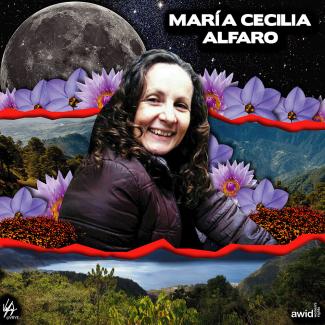
Most of María’s life was devoted to incorporating a feminist and gender perspective in institutional and organizational work, and capacity building in Latin America.
As a child, María had a strong interest in art, communication, nature, literature, and the achievement of justice, especially for women and marginalized groups.
María was committed to sexual and reproductive rights and was a member of the National Board for Integral Education in Sexuality. She is remembered by those who loved her as a “passionate and restless fighter” with a strong commitment to women’s and children’s rights.
Meet the Solidarity Network, a health and service union mostly led by women. Emerging as a response to increasing precarity, severe underpayment and hostile work environments faced by workers in Georgia, Solidarity Network fights for dignified compensation and work places.
Its goal? To create a national worker’s democratic movement. To do so, it has been branching out, organizing and teaming up with other local and regional unions and slowly creating a network of unions and empowering women workers to become union leaders.
Its political approach is a holistic one. For Solidarity Network, labor rights issues are directly connected to broader national political and economic agendas and reforms. That’s why they are pushing for tax justice, women and LGBTQIA+ rights, and fighting against the dismantling of the Georgian welfare state.
The Solidarity Network is also part of Transnational Social Strike (TSS), a political platform and infrastructure inspired by migrant, women and essential worker organizing that works to build connections between labor movements across borders and nurture global solidarity.
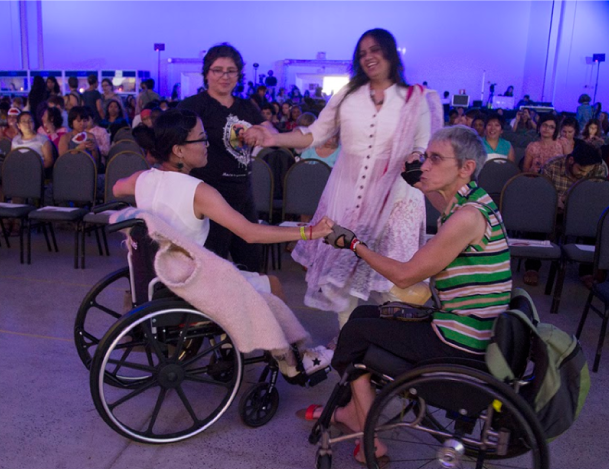
Pour chaque Forum de l’AWID, nous lançons un appel à contributions auprès d’une grande variété de mouvements féministes et de justice sociale. Ces derniers proposent des activités et créent ainsi le programme du Forum.
Pour le 14ème Forum international de l’AWID, nous voulons faire en sorte que le programme soit réellement représentatif de la diversité des mouvements. Voilà pourquoi nous mettons en place une nouvelle façon engageante de choisir les propositions qui feront émerger le programme final du Forum, à savoir : le Processus de sélection participative (PSP).
Le Processus de sélection participative constitue l’étape finale dans l’examen des propositions d’activités, et leur sélection, pour faire partie du programme officiel du Forum.
|
Étape
|
Étape 1 : Appel à activités pour le Forum : dépôt des candidatures |
Étape 2 :
|
Étape 3 :
|
Étape 4 :
|
| Calendrier |
Décembre 2019 - mi-février 2020
|
Janvier - février 2020
|
Été 2020
|
dates à ajuster
|
| Personnes impliquées | Toute personne intéressée pour co-créer le programme du Forum |
Équipe de l’AWID
|
Équipe de l’AWID, Comité contenu et méthodologie, Comité accessibilité |
Candidat·e·s présélectionné·e·s
|
| Nombre d’activités en jeu |
Environ 838 activités envoyées
|
306 propositions sélectionnées
|
126 activités sélectionnées
|
50-60 activités recueillant le plus de votes, retenues pour le programme final du Forum |
Nous pensons qu’un PSP est pertinent pour le Forum, car :
Il place les communautés qui vivent des réalités féministes, lesquelles seront illustrées et discutées lors du Forum, au cœur du processus de prise de décision.
Il est cohérent avec notre identité et notre rôle d’organisation de soutien/accompagnement des mouvements.
Il correspond à notre vision d’un Forum co-créé par différents mouvements féministes et de justice sociale. Ces derniers façonnent le Forum via leur participation dans les comités (contenu et méthodologie, accessibilité, activiste et pays d’accueil), créent et facilitent les activités en tant que partenaires de l’AWID et prennent également des décisions sur le Programme via le PSP.
Il permet de renforcer la diversité des textures qui tisseront le Forum (et des voix qui composeront le chant du Forum). Il assure d’aller au-delà de l’AWID en tant que telle et des mouvements partenaires que nous connaissons, et avec qui nous collaborons déjà. Il laisse la porte ouverte à l’inattendu.
L’idée est initialement venue de l’équipe et des co-directrices de l’AWID. Avant de s’y engager, nous avons consulté certains fonds communautaires qui mettent en place des processus de sélection participative depuis des années. On retrouve parmi eux : le jeune Fonds féministe FRIDA, le Fonds trans international, le Fonds d’Afrique de l’Est pour les minorités sexuelles et les travailleurs·ses du sexe UHAI, ainsi que le Central American Women’s Fund (Fonds d’Amérique centrale pour les femmes). Nous les avons consultés pour en savoir plus sur leurs vastes expériences et avoir leurs retours.
Autonomie Financière, le Briseur du Silence
ORGANISATION DES FEMMES AFRICAINES DE LA DIASPORA (OFAD) ASSOCIATION LES PETITES MERES PRODADPHE ASSOCIATION AMBE KUNKO (AAK)
Contribution des organisations féministes dans la lutte contre l'extrémisme violent au Niger
Femmes Actions et Développement (FAD)
Autofinancement: les femmes à l'épreuve des banques à domicile
Rassemblement des Femmes pour le développement endogène et solidaire RAFDES
Alimentation et souveraineté alimentaire des femmes rurales
Association Song-taaba des Femmes Unies pour le Développement (ASFUD)
Leaders féministes, engagées à investir la masculinité positive, dans la construction d’un nouvel ordre social équilibré, au niveau des localités de la Région du Cavally, Ouest de la Côte d’Ivoire : Comment opérer le changement des mentalités ?
Une societe cooperative, la chefferie traditionnelle des localites, les autorites administratives et les autres associations feminines ONG Centre Solidarite "Investir dans les Filles et les Femmes
Co-creation d'une méthodologie de marrainage
NEGES MAWON
Millénium d'opportunités pour la sauvegarde de la terre (MOST) par l'appui à la justice climatique des communautés locales et autochtones du bassin du Congo
Jeunesse Congolaise pour les Nations Unies (JCNU), Association Genre et Environnement pour le Développement (AGED)
Imaginer une politique féministe queer asiatique
ASEAN Feminist LBQ Womxn Network Sayoni
Soutenir l'autogestion: les doulas, les accompagnantes et les réseaux de soutien à l'avortement
inroads
Féminismes en ligne: Comment les femmes se réapproprient la technologie
Feminism In India
Un comité pour l'élimination des discriminations envers les travailleurs et travailleuses du sexe
Asia Pacific Network of Sex Workers (APNSW), The International Women's Rights Action Watch Asia Pacific (IWRAW AP)
Pour un leadership et des organisations féministes durables : partage d'expériences individuelles et collectives
HER Fund, Institute for Women's Empowerment (IWE) ,Kalyanamita, AAF
Réalités des Caraïbes : La radio Black Sauna
WE-Change Jamaica
Les lignes d'assistance téléphonique pour les femmes
Generation Initiative for Women and Youth Network (GIWYN),Youth Network for Community and Sustainable Development (YNCSD), Community Health Rights Network (CORENET)
La sensualité comme forme de résistance : un atelier corporel
UHAI EASHRI
Discothèque lesbienne d'Europe de l'Est
Sapfo Collective
FitcliqueAfrica: des séjours pour concrétiser des utopies féministes, guérir des traumas, apprendre l'auto-défense
FitcliqueAfrica (Fitclique256 Uganda Limited)
Communication Queer pour un Internet Libre
Astraea Lesbian Foundation for Justice
Votre manière de considérer la santé sexuelle et reproductive est-elle biaisée par du validisme? Des bonnes pratiques pour inclure les personnes handicapées dans ces politiques
Asia Pacific Network of Women with Disabilities and Allies
Décoloniser la Communication Non Violente
API Equality-LA, Sayoni, ASEAN Feminist LBQ Womxn Network
Des approches féministes pour engager des poursuites judiciaires contre le harcèlement au travail
Women's Legal Centre
Femmes en situation de conflit au Myanmar
Women's League of Burma, Rainfall
Espaces féministes des Carïbes, expressions créatives et pratiques spirituelles pour la transformation des communautés
CAISO: Sex and Gender Justice
POP-UPS : Le pouvoir juste. Des outils d'éducation populaire pour un futur féministe
JASS/Just Associates
NonAnonyme : Rendre les pratiques féministes de la diaspora africaine noire sur la sobriété plus "queer"
Sorcellerie digitale: La pensée magique pour des horizons cyberféministes
The Digital Witchcraft Institute
Élaborer des manifestes pour les femmes : les revendications des femmes de terrain pour le changement dans la région Asie-Pacifique
Asia Pacific Forum on Women Law and Development
Concevoir vos voyages astraux
EuroNPUD, narcofeminists as a loose group
Soins collectifs
RENFA Rede Nacional de Feministas Antiproibicionistas
Musique de nos mouvements
Radical imagination
Transformer des déchets en charbon de bois écologique
KEMIT ECOLOGY SARL
Soins collectifs et rébellion des mouvements féministes antiracistes dans des contextes autoritaires et violents
CFEMEA - Feminist Center of Studies and Advisory Services, CRIOLA - black women`s organization, Iniciativa Mesoamericana de Mujeres Defensoras
Briser les carcans religieux et patriarcaux du droit de la famille qui impactent nos vies #FreeOurFamilyLaws
Musawah
Approche féministe pour la revendication des droits fonciers
Badabon Sangho, APWLD
La grève mondiale des femmes : Notre résistance, notre futur
Asia Pacific Forum on Women, Law & Development, ESCR-Net, Women's March Global
Pour une « Terre Mère » inclusive
Disability Rights Fund, Open Society Foundation
De l'inclusion à l'infiltration : Stratégies pour créer de véritables organisations féministes intersectionnelles
Mobility International USA (MIUSA)
Les histoires cachées de femmes porteuses de handicaps invisibles : l'Art en action
The Red Door, Merchants of Madness, Improving Mental Wellbeing through Art
Partenariats publics-privés et droits humains des femmes : Leçons tirées d'études de cas de pays du Sud
Development Alternatives with Women for a New Era (DAWN)
Voyage interconnecté : nos corps, notre science-fiction !
The Interconnected Journey Project, Laboratorio de Interconectividades
Compiler et construire : vision féministe pour contester l'ordre économique mondial dominant
IWRAW Asia Pacific
L'auto-publication comme acte de résistance féministe
International Women* Space
Bonnes pratiques de protection juridique pour les minorités sexuelles et de genre au Pakistan
Activists Alliance Foundation, Khawja Sirah Society, Wajood Society, Wasaib Sanwaro
Approches féministes pour lutter contre le traffic d'être humains
IWRAW Asia Pacific, Business & Human Rights Resource Center
Critique de l'individualisme et des politiques étatiques : mobilisation internationale contre les violences ciblées
Masaha: Accessible Feminist Knowledge
Décoloniser l'intimité : comment les identités queer défient les structures familiales hétéronormatives
WOMANTRA
Yeki Hambe - Le théatre des travailleurs et travailleuses du sexe
Sex Worker Education and Advocacy Task Force
Créer une réalité féministe autochtone : Honorer le féminin sacré et ouvrir de nouvelles voies pour les femmes autochtones
Cultural Survival, International Funders in Indigenous Peoples
Femmes brésiliennes contre la prohibition
Mulheres Cannabicas, Tulipas do Cerrado
Commission pour la vérité féministe noire : tenir compte des injustice pour révolutionner le féminisme intersectionnel
Black Women in Development
Le soin communautaire c'est aussi prendre soin de soi : les vraies histoires se racontent dans des espaces de confiance
Eurasian Harm Reduction Association, Metzineres, Urban Survivor’s Union, Salvage women and children from drug abuse
Pas de mouvement interdit : danser les liens entre droits sexuels et ceux des personnes handicapées et trans pour contrer la violence
National Forum of Women with Disabilities, Autonomy foundation, Nazyk kyz
L'impact de l'accaparemment du pouvoir par les entreprises sur les réalités féministes: développer des outils pour l'action
ESCR-Net | Economic, Social, Cultural Rights Network
Réimaginer le SIDA : élaborer une stratégie féministe face au VIH
Frontline AIDS, Aidsfonds, IPPI (Indonesian Network of Women Living with HIV), UHAI-EASHRI (East African Sexual Health and Rights Initiative)
Faire progresser la justice économique pour concrétiser notre vision d'un monde féministe
International Network for Economic, Social and Cultural Rights, ESCR-Net
Café des travailleurs et travailleuses du sexe
Hydra e.V.
Approche écoféministe du changement climatique et de la sécurité alimentaire
Umphakatsi Peace Ecovillage, Human Rights Educational Centre
Relier les actions locales et internationales : l'expérience d'une mobilisation innovante par les travailleurs et travailleuses du sexe en Europe
International Committee on the Rights of Sex Workers in Europe, STRASS - French Sex Worker Union, APROSEX, Red Edition
Faire l'expérience d'une innovation technologique qui peut renforce notre sécurité lorsque nous circulons dans l'espace public
Soul City Institute for Social Justice, Safetipin, Womanity Foundation
Les hiérarchies dans nos organisations sont-elles NON-féministes?
Gay and Lesbian Coalition of Kenya National, Gay and Lesbian Human Rights Commission
Nous sommes tous et toutes différent.e.s mais nous partageons des valeurs communes
UNWUD (Ukrainian network of women who use drugs), JurFem Association, Women's Prospects
Un monde sans classes
Bunge La Wamama Mashinani (Grassroots Women's Parliament)
Les femmes renforcent le pouvoir des communautés
Institute for Women's Empowerment (IWE), Solidaritas Perempuan, ASEC Indonesia, Komunitas Swabina Pedesaan Salassae (KSPS)
Organisations féministes et leadership transformationnel : Les travailleuses en Amérique latine créent un mouvement ouvrier féministe
Solidarity Center
Féminisme et handicap : théatre participatif pour décoloniser les récits qui stigmatisent
Rising Flame, National Indigenous Disabled Women Association, Nepal, The Spectrum & Union of Abilities, The Red Door
Donner de la valeur et ancrer le repos, le plaisir et le jeu
ATHENA Network
Le projet de jugement féministe africain
The Initiative for strategic Ligation in Africa (ISLA)
Voix du front : renforcer le pouvoir collectif pour mettre fin à l'incarcération des femmes dans le monde
International Drug Policy Consortium, Equis Justicia para las Mujeres, National Council for Incarcerated and Formerly Incarcerated Women and Girls, Women and Harm Reduction International Network
Activisime des jeunes queer : pour une ère de droits humains et de développement durable
African Queer Youth Initiative, Success Capital Organisation
Nos luttes, nos histoires, nos ressources
Oriang Lumalaban, Pambansang Koalisyon ng Kababaihan sa Kanayunan
Asie du Sud-Est : Franchir les obstacles pour une action autochtone collective pour le climat
Cuso International, Asia Indigenous Peoples' Pact
Dépasser l'amour romantique pour renforcer la justice sociale et l'amour au sein de la communauté
Eurasian Women's Network on AIDS
Intersexualité et féminisme
Intersex Russia
Comprendre les expériences et les besoins en matière de santé reproductive des personnes de diverses identités de genre
Asia Pacific Transgender Network (APTN)
Conversations sur la mobilisation contre le VIH comme un espace de discrimination
Because We Care Collaborative
Le Manifeste des systèmes alimentaires du Mississippi
Center for Ideas, Equity & Transformative Change, National Council of Appropriate Technology - Gulf South, MS Food Justice Collaborative, Malcolm X Grassroots Movement
Coprésidence du mouvement des femmes kurdes comme exemple de féminisme radical abouti
The Free Women’s Movement (TJA)
Infortunes : Marcher sur des oeufs
Eldoret Women For Development (ELWOFOD), Mama Cash, Young women against Women Custodial Injustices Network
LIBERTÉ
La prison n'est pas féministe : explorer l'impact et les alternatives à la police et à l'incarcération
Migrant Sex Workers Project, Showing Up For Racial Justice
La société Bondo : pour des rites de passage sans mutilations en Sierra Leone
Purposeful
Terres et territoires libérés : Un dialogue panafricain
Thousand Currents (USA), Abahlali baseMjondolo (South Africa), Nous Sommes la Solution (west Africa/regional), Movilización de Mujeres Negras por el Cuidado de la Vida y los Territorios Ancestrales (Colombia), and Articulation of Black Rural Quilombola Communities (Brazil)
L'éducation populaire et la mobilisation pour une économie féministe
Jamaica Household Workers Union (JHWU), United for a Fair Economy, Centro de Trabajadores Unidos en la Lucha (CTUL)
Se mobiliser avec un portefeuille vide? C'est possible !
Breakthrough India
Partage d'expériences autour de la création d'un réseau pour les femmes défenseuses des droits humains en Afrique de l'Est : L'expérience ougandaise
Women Human Rights Defenders Network Uganda
Clinique technologique
Stichting Syrian Female Journalists Netowrk
Construire des mouvements inspirants : Dépasser le stade de la représentation symbolique
Rising Flame
Justice et guérison pour les survivant·e·s de violences basées sur le genre: un débat interactif sur la justice resaurative et sur l'anatomie du pardon
One Future Collective
Actions collectives pour mettre un terme à la transphobie : une perspective féministe
Asia Pacific Transgender Network, Iranti, Transgender Europe
Femmes lesbiennes, bisexuelles et queer et demande d'asile
Sehaq
Avortement et handicap : vers une approche intersectionnelle fondée sur les droits humains
Women Enabled International
Apprendre à soutenir l'auto-gestion de communautés de personnes sans papiers, migrantes, travailleuses du sexe et criminalisées
Buttrerfly (Asian and Migrant Sex Workers Support Network)
Le souci de soi : un outil fondamental pour la durabilité des mouvements féministes et LGBTQI
United and Strong Inc., S.H.E Barbados, Lez Connect
Donner la place aux voix, aux réalités et au pouvoir collectif des jeunes féministes en faveur de la justice climatique
Young Feminist organization Gasy Youth Up, Young African Feminist Dialogues
Femmes solidaires et en action : incarner nos réalités (Asie et Afrique)
Women Performing the World (Asia/Africa)
Défier le patriarcat : les travailleurs et travailleuses dans le secteur des loisirs et du divertissement
Women Forum for Women in Nepal (WOFOWON)
Non-citoyennes: la question de la citoyenneté des femmes dans le contexte des communautés migrantes et vulnérables en Asie du Sud
NEthing
Visualiser comment faire entendre nos voix dans le contexte de la crises climatique et migratoire
Women's Refugee Commission, The Feminist Humanitarian Network, ActionAid
Dans le même bateau : les fonds pour les femmes et les mouvements de femmes cocréent des réalités féministes
Mama Cash, Global Fund for Women, Urgent Action Fund - Africa
Co-création de magie avec des mouvements de jeunes féministes : pratiques participatives qui inspirent la joie
Feminist organizing, FRIDA The Young Feminist Fund (Community), Teia
Droit de protection de femmes vivant des réalités difficiles : le cas de 3 organisations de femmes de communautés marginales
NGO Asteria, Ermolaeva Irena and Bayazitova Renata. NGO Ganesha Musagalieva Tatiana. NGO Ravniy Ravnomu Kucheryavyh Tanya
Feminnale (biennale féministe) - Les traditions contre l'art et les formes d'expression
Bishkek Feminist Initiatives
Résistance grâce au savoir, aux arts et à l'activisme : création d'une bilbliothèque féministe en Arménie
FemHouse, Armenia
À la conquête du système onusien grâce à des stratégies féministes (il ne faut pas être avocat.e pour s'amuser)
Kazakhstan Feminist Initiative "Feminita", IWRAW Asia Pacific, ILGA World
Les données, à quoi ça sert ? Vers des données élaborées d'une perspective féministes pour répondre à nos besoins !
International Women's Development Agency, Women's Rights Action Movement, Fiji Women's Rights Movement
Criminalisation de la voix, du leadership et de l'influence des femmes sur les lois, les politiques et les pratiques au Kenya
Keeping Alive Societies Hope-KASH, Katindi Lawyers and Advocates, Vocal Kenya
De la Colombie vers le monde, la force de changement des femmes africaines
Proceso de Comunidades Negras en Colombia -PCN, Solidarité Féminine por la Paix el le Develppment Integral -SOFEPADI,
Salon d"écoute AfroQueer et stand d'enregistrement d'histoires
AQ Studios, None on Record, AfroQueer Podcast
Revendiquer l'intégrité corporelle
GBV Prevention Network : Coordinated by Raising Voices
Apprenons de la diversité
Circulo de Mujeres con Discapacidad -CIMUDIS, Alianza Discapacidad por nuestros Derechos -ADIDE, Fundación Dominicana de Ciegos -FUDCI, Filial Puerto Rico de Mujeres con Discapacidad
Le football comme outil féministe
Fundación GOLEES (Género, Orgullo, Libertad y Empoderamiento de Ellas en la Sociedad)
Constellations migrantes
LasVanders
Dialogues écoféministes pour la défense
CIEDUR (Centro Interdisciplinario de Estudios sobre el Desarrollo), Equit, Foro permanente de Manaos y Amazonia
Le mouvement «La Frida Bikes»
La Frida Bike
Sorcellerie, chamanisme et autres savoirs insurrectionnelles contre le patriarcat.
Colectiva Feminista MAPAS-Mujeres Andando Proceso por Autonomías Sororales
Expériences, apprentissages et défis relatifs à la gestion de la sécurité holistique des organisations horizontales féministes et de la dissidence liée à l'identité de genre en période de crise sociale et politique. L'expérience du soulèvement populaire du 18 octobre au Chili.
Fudación Comunidades en Interfaz
La nourriture que nous connaissons tou·te·s
Las Nietas de Nonó, Parceleras Afrocaribeñas por la Transformación barrial (PATBA)
Pratiques de résistance des femmes autochtones du Pérou et du Guatemala face au changement climatique
Thousand Currents, Red de Mujeres Productoras de la Agricultura Familiar, Asociación de Mujeres Ixpiyakok (ADEMI, Ixpiyakok Women's Association)
Construire des villes féministes
CISCSA, Articulacion Feminista Marcosur
Mets-toi à ma place
Alianza Discapacidad por nuestros Derechos - ADIDE, Circulo de Mujeres con Discapacidad -CIMUDIS
Déblayer la voie pour que les femmes puissent vivre pleinement, guérir les traumatismes collectifs et historiques
Grupo de Mujeres Mayas Kaqla
Des femmes autochtones zapotèques défiées par la nature
Foyers de soins et de réparation pour les défenseuses des droits humains dans le cadre de l'approche d'une protection intégrale féministe : une réalité féministe
Iniciativa Mesoamericana De Defensoras de Derechos Humanos, Consorcio Oaxaca para el Diálogo Parlamentario y la Equidad A.C, Red Nacional De Defensoras De Derechos Humanos en Honduras, Coletivo Feminista de Autocuidado
Guérir ta voix de licorne : tisser des technologies ancestrales et digitales pour aiguiser la langue
Pistes féministes vers un protocole de maternité assistée pour les femmes en situation de handicap
Circulo emancipador de mujeres y niñas con discapacidad de Chile, CIMUNIDIS, WEI
Ecole pour enfants trans féministes
Fundación Selena
REDTRASEX: Expérience d'organisation et de lutte pour les droits des travailleuses du sexe d'Amérique Latine et des Caraïbes
RedTraSex Red de mujeres trabajadoras sexuales LAC
Violence de genre dans le monde du commerce du sexe
Brigada Callejera de Apoyo a la Mujer, "Elisa Martínez", A.C., Red Mexicana de Organizaciones Contra la Criminalización del VIH. Red Mexicana de Trabajo Sexual
La migration nous oblige à tracer notre chemin au fur et à mesure que nous marchons
Asociación de Trabajadoras del Hogar a Domicilio y de Maquila. ATRAHDOM
Nouveaux récits pour les femmes noires : corps, guérison et plaisir.
Tisser des souvenirs et des réseaux - Les féministes noires renforcent les féminismes noirs en Amérique latine et aux Caraïbes
Red de Mujeres Afrolatinoamericanas, Afrocaribeñas y de la Diáspora, Articulação de Organizações de Mulheres Negras Brasileiras (AMNB), Voces Caribeñas