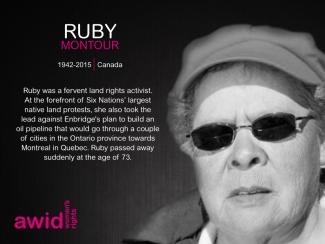
Ruby Montour
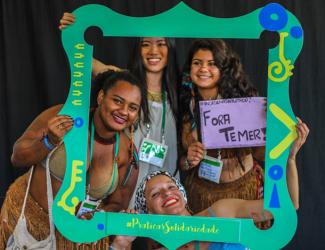
Young feminist activists play a critical role in women’s rights organizations and movements worldwide by bringing up new issues that feminists face today. Their strength, creativity and adaptability are vital to the sustainability of feminist organizing.
At the same time, they face specific impediments to their activism such as limited access to funding and support, lack of capacity-building opportunities, and a significant increase of attacks on young women human rights defenders. This creates a lack of visibility that makes more difficult their inclusion and effective participation within women’s rights movements.
AWID’s young feminist activism program was created to make sure the voices of young women are heard and reflected in feminist discourse. We want to ensure that young feminists have better access to funding, capacity-building opportunities and international processes. In addition to supporting young feminists directly, we are also working with women’s rights activists of all ages on practical models and strategies for effective multigenerational organizing.
We want young feminist activists to play a role in decision-making affecting their rights by:
Fostering community and sharing information through the Young Feminist Wire. Recognizing the importance of online media for the work of young feminists, our team launched the Young Feminist Wire in May 2010 to share information, build capacity through online webinars and e-discussions, and encourage community building.
Researching and building knowledge on young feminist activism, to increase the visibility and impact of young feminist activism within and across women’s rights movements and other key actors such as donors.
Promoting more effective multigenerational organizing, exploring better ways to work together.
Supporting young feminists to engage in global development processes such as those within the United Nations
Collaboration across all of AWID’s priority areas, including the Forum, to ensure young feminists’ key contributions, perspectives, needs and activism are reflected in debates, policies and programs affecting them.
La liga conspirativa de escritorxs | Wazina Zondon
 |
 |
 |
| Conocida también como la Red Teta Research, la liga conspirativa de escritorxs se fundó en 2021 en el contexto de los círculos de escritura semanales de Kohl. La Red consiste en un grupo transnacional de escritorxs queer y feministas que participan en procesos colectivos de escritura, reflexión y creación de universos. | Wazina Zondon es una afgana criada en Nueva York. Su trabajo de colección de historias y de narración se centra en las memorias y ritos colectivos de iniciación en la diáspora. Actualmente, trabaja en Faith: in Love/faith in love, donde (re)rastrea la historia de amor de su madre y su padre y la huella amorosa heredada de la familia. |
El amor es contrabando en el infierno,
porque el amor es ácido
que devora las rejas.
Pero tú, yo y el mañana
nos tomaremos de las manos y haremos votos
para que la lucha se multiplique
La sierra de arco tiene dos cuchillas.
La escopeta tiene dos cañones.
Estamos preñadxs de libertad.
Somos una conspiración.
Es nuestro deber luchar por la libertad.
Es nuestro deber ganar.
Debemos amarnos y apoyarnos mutuamente.
No tenemos nada que perder, salvo nuestras cadenas.
- «Amor» por Assata Shakur

Esta es la pregunta que se hace Wazina Zondon en sus memorias colectivas Loveprint (Improntas de amor). Loveprint es un deambular, una superposición, una desviación que (re)crea, en la intersección entre entrevistas y ensayos personales, las historias y reflexiones de nuestra familia sobre el amor, la pareja y el romance. Guiadxs por Wazina, la liga conspirativa de escritorxs se reunió e intentó reproducir literalmente este proyecto en forma de escritura colectiva, donde nuestras historias, nuestros géneros e identidades sexuales se complementan y contradicen entre sí. Con nuestras voces superponiéndose, fuimos completando las oraciones de lxs otrxs para crear una conversación, un memorial, pedazos de nosotrxs mismxs que hablan de unx «nosotrxs».
Soy lo que han llamado un «accidente feliz». Se ha dicho mucho sobre esto: una vida imprevista que al mismo tiempo es totalmente deseada. Siento que esto moldeó mi forma de amar; no solo me enamoro, también me arriesgo a los resbalones que llevan a las caídas. Quizá fue esto lo que me convirtió en un tipo de persona amor fati.
Me dijeron que era una niña no deseada. Así que crecí hasta convertirme en una adulta no deseada. Los orígenes de mi huella de amor se basan en ser no deseada permanentemente. No soy fruto del amor ni de ningún sentimiento feliz; soy, más bien, dolor y carga. No tengo una impronta amorosa, al menos no en este sentido.
Sé con certeza que mis padres estuvieron enamoradxs en algún momento, pero la salud mental es un demonio, y hasta que unx no se enfrenta a sus demonios,
no hay quien gane.
Nunca asociaré el «amor» con mis padres o con la familia normativa. El amor bajo el que crecí fue un amor lleno de violencia y de responsabilidades que no busqué o para las que ni siquiera estaba preparada. Durante mucho tiempo sentí que la vida y el amor consistían en cargar una roca gigante cuesta arriba. Si bien mis padres «se amaban», crecí en un ambiente tóxico de violencia, celos e inseguridad. Crecí anhelando estabilidad; y esto es lo que soy ahora. Soy una persona que se arriesga pero nunca en mi «espacio de amor».
No sé por qué mi madre eligió albergar a una niña (yo) dentro de ella
Ella no ama de esta forma.
Mi madre me dice que si tengo que pensar en «encontrar» el amor, que nunca tome su matrimonio como modelo. Mi huella de amor proviene en cambio de mi crianza de perros durante las últimas dos décadas (18 años para ser precisa). Al revés también es cierto: me criaron. En su compañía entiendo cada vez más sobre el amor y sus múltiples capas.
No he conocido el amor por una «huella». En nuestra casa no hablábamos de amor. Tuve que enseñarme a mí misma a amar. Fue un trabajo arduo. Aún así, fallo y sigo intentándolo, y fallo todos los días. Quizá el fracaso sea mi impronta de amor.
Mi impronta de amor es el cuidado, la calidez y la comprensión que
doy a quienes me rodean, sea unx extrañx, unx amigx,
unx familiar, unx amante.
Mi impronta de amor es política – no es calculada ni pensada.
Nací bajo un fuerte bombardeo.
Mi impronta de amor es
lo opuesto a eso.
Sé más de lo que no es el amor que de lo que es.
El amor no es ni ansiedad ni pánico.
El amor no es pedir permiso para vivir o respirar. Siempre se trata del amor, y no hay amor sin libertad.
Todo lo que haces tiene que ver con usar tu corazón, excepto el amor. El amor consiste en utilizar tu cabeza.
A veces temo que mi idioma de amor se pierda con la traducción.
--- Hay muchas maneras
de trazar los orígenes
de cómo
cómo no
amar
no amar
amar lo justo
amar demasiado
algo de amor
alguna pérdida
amar
amar lo perdido ---
No soporto la idea de la pareja. Tampoco soporto la idea de vivir sola mientras envejezco. Estoy cansada de hacer los quehaceres sola, de mudarme de casa sola, de pagar el alquiler y las cuentas sola... Me imagino que me da un ACV sola y me da miedo. No tengo planes de «ponerme en pareja». Quiero un mundo en el que pueda casarme con unx amigx, comprar una casa con unx amigx, no tener sexo.
Amar a muchxs personas no corrompe un amor
compartido entre dos; y que el amor sea romántico
o no, realmente no es tan importante.
Cuando reflexiono sobre el deplorable estado de mis relaciones, me doy cuenta de que estoy en la relación para la que me prepararon. Con toda mi «radicalidad» todavía no he desaprendido las normas de género de mierda.
Mi necesidad de estabilidad se siente «muy poco radical». Quiero salir de este etiquetado. Quiero algo que nunca tuve. Quiero que sea hermoso. Quiero sentirme hermosa y segura, y sólo la estabilidad me hace sentir eso. Segura, sana, sabiendo que el hogar no tiene que ver ni con la violencia ni con la discordia.
--- Impronta amorosa – amo oler los libros ver dónde
se imprimieron
Intento pensar en el origen de mi comprensión
y práctica del amor
¿Necesitamos el origen, no es lo mismo que la pureza?
No hay pureza ni origen del amor.
¿Por qué la comprensión y la práctica vienen
a la mente y no la «emoción»? ---
Cuando llamo a mis padres, no cuelgo el teléfono después de despedirnos,
de esa manera puedo escuchar los sonidos del hogar.
Durante mi entierro suní, quiero que todas las mujeres y los hombres acudan juntxs a mi entierro. ¿Qué es eso de no poder ir a despedirse de lxs muertxs de otro sexo? Será suní porque mi madre querría que lo fuera. Será ecológico: una lápida no será necesaria. Me encantan todos los rituales de entierro. El Corán está bien, pero además quiero música. Me gustan mucho Asmahan, Um Kulthum y The Stone Roses.
Tengo una lista de reproducción de lunes a viernes, y dos diferentes para los fines de semana: una para los sábados, y otra para los domingos. Me gustaría que aquellxs que me amaron reprodujeran la música que yo solía escuchar, respetando los días – con cierto margen de tolerancia siempre que se ciñan a las listas de reproducción.
Quiero estar rodeada de quien o quienes me han amado, aunque haya sido por un momento. Que la música me envuelva así como flores frescas recién cortadas. No quiero que me descubran muerta; quiero morir en medio de una risa junto a seres queridxs.
Quiero ser recordada como alguien que amó.
No necesito sentirme amada en la muerte. Necesito que las personas que me rodean sientan que las he amado, incluso después de mi partida. Ser amadx en la muerte tiene que ver con quienes están vivxs. Así que pienso más en cómo nos unimos como una comunidad vital y amorosa ante la muerte de aquellxs a quienes amamos y con quienes vivimos. De qué manera mantenemos sus recuerdos en nosotrxs. Cómo nos convertimos en archivos de sus vidas.
--- A veces, sólo se puede amar a las personas en el momento de su muerte ---
Tengo que recordar que el cuerpo está conectado a un espacio. Mi familia es muy pequeña y, aunque venimos de diferentes lugares, es como si cada generación se trasladara a un lugar nuevo. Quizá es por eso que la muerte no está conectada con un lugar en especial, un cementerio. En nuestra familia es habitual enterrar a lxs muertxs sin nombres ni lápidas, o distribuir las cenizas al viento. Me siento en paz con este tipo de conmemoración sin espacio. La idea de que mis cenizas nutran a una nueva vida me hace sentir amada y recordada a través de la recreación. Mi abuela murió a principios de este año debido a complicaciones después de vacunarse. Dos horas después de su muerte, mi familia se sentó a reírse hasta las lágrimas de sus bromas, de su manera divertidísima de contar historias. Nos reímos y amamos, y fue como si ella estuviera sentada de nuevo con nosotrxs. Esto es lo que me haría sentir en paz: fertilizar la tierra, abonar las conversaciones y el recuerdo colectivo.
---Había
dos calles que utilizaba
para caminar
para correr
para jugar
para quedarme
Había
cinco horas en las que el sol
estaba caliente
el cielo era azul
y la tierra era verde
Había
una flor que podía
oler
tocar
apretar
aplastar
Estaban
lxs amigxs que podía
acariciar
La comida
que podía
tragar
El lenguaje
que saldría de mis
labios
Es probable que aún existan
esos muchos lugares
y cosas
y personas
después de mí ---
Quizá sea suficiente con la promesa de que seré «conmemorada espacialmente» como una planta y cuidada, por turnos, hasta que me convierta en un árbol. Sin nombre, sin lápida – solo una planta o un árbol, y saber que me cuidarán. En cuanto a mi cuerpo, quiero ser cremada sin ningún tipo de ritual, y que las cenizas de mis huesos sean liberadas en el mar Arábigo.
Necesito que mi cuerpo sea tratado de forma tan subversiva como vivió.
No quiero que me entierren junto a mi familia, en ese pequeño nicho junto a todas esas personas que nunca me conocieron. Atrapada en la muerte como lo estuve en vida. Quiero ser cremada, y que mis cenizas sean finalmente liberadas.
Quiero que me permitan pasar para no quedar suspendida en un estado intermedio y poder ser una presencia, un proceso activo, una invasión.
Esto es lo que te pido:
Quiero ser recordada por el amor que le doy al mundo.
Quiero que mi cuerpo sea donado, y que mis órganos sirvan para alimentar el amor en otra(s) vida(s).
--- El aroma del jazmín ---
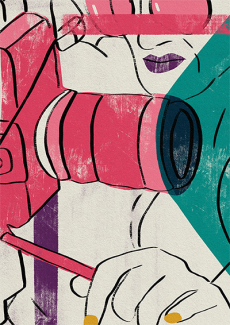
Esta edición en alianza con Kohl: una publicación para Body and Gender Research analizará soluciones, propuestas y realidades feministas para transformar nuestro mundo actual, nuestros cuerpos y nuestras sexualidades.

نصدر النسخة هذه من المجلة بالشراكة مع «كحل: مجلة لأبحاث الجسد والجندر»، وسنستكشف عبرها الحلول والاقتراحات وأنواع الواقع النسوية لتغيير عالمنا الحالي وكذلك أجسادنا وجنسانياتنا.
No hay nada como estar en un espacio compartido, intercambiar energías corporales, mirar a alguien a los ojos y establecer conexiones, ver el mundo y hacer algo juntxs. Eventos como el Foro se encuentran entre los más fuertes del movimiento feminista mundial...
- Jac s m Kee, Malasia
Mobilisant des coiffeurs·ses transgenres de la classe ouvrière et des reines de beauté, les leaders dynamiques du seul parti politique LGBT au monde mènent une quête historique pour élire une femme trans au Congrès philippin.
Our women ancestors form a circle
Sacred, alive, powerful
We are in the middle
Feeling their strength.
The drum beats a sound of earth
Our skin dresses in colours
We are green, red, orange, blue, violet, black
The drum beats a sound of earth
A voice vibrates, a scream emanates, a song rings out, lulling to sleep, awakening consciousness.
The drum beats a sound of earth
A gaze of complicity, friendship profound.
The drum beats a sound of earth
Ours is but one heart, beating a rhythm of the soul, inviting us to move, inspiring desire, and showing us a path.
One of communal togetherness, power of the people, self-government, a women’s revolution of subversive communal care.
The drum beats a sound of earth
And I invite you to join, to be voice, skin, gaze, seed, fire, song, communion.
The drum beats a sound of earth
And I invite you to discover it, to love it, to know it, and to defend it from the heart of the community
For 25 years they have lived along the same dusty streets, at the top of a hill named after a lion. They come from different places, many from traditional farming communities. Their skin is the colour of rebellion, the colour of a cardon cactus, because in them lives the spirit of the semi-arid Lara State, which is where their love for life comes from, their appreciation, care and protection of water and land. They are heiresses of the Gayon and Ayaman lineages, Indigenous communities that lived and live in the northern part of Lara State.
From the time they were very young they learned that maternity is a role from which it is not easy to escape. Caring for children, home and husband, washing, ironing, cooking, cleaning—everything had to be impeccable, people insisted.
And that was life—that and violence, insults, abuse, hitting, scheming, complaints were to be expected. It seemed almost natural, and that is how they spent their days. Everyday life on those dirt streets living in little houses of tin sheet metal without any electricity or running water. That was poverty, the precarity of when a man would arrive, yes, a man, a project. And then, an unusual revolution because it came about without war.
Then they were invited to go out, they were invited to take to the streets and occupy public space. In the process, the women tore down doors and windows, broke chains, let their hair down and they felt free, free like runaway slaves, Caribbean rebels, freedom fighters.
And those concepts of independence and sovereignty are something that those who had the chance to study had read about, but feeling it, feeling like the protagonists of a process of social transformation—that is an important victory that we have to mention and we cannot forget.
At the top of that hill one can feel the complicity, the shared fire, the years of struggle. They tell of how one of them would go around with her parasol in the afternoons from house to house having coffee and conversing with the people she would invite, convincing them
We are going to make a community council!
Let’s move forward together as a community!
Let’s make plans for education, sports, health, nutrition, a women and gender equality committee, the economy.
We can form our own People’s Government so our Neighbourhood can Be Beautiful!
And that is how the houses came, the doctor’s office, daycare, electricity, potable water. These are some of the community’s achievements, some of our common dreams come true.
And you might ask how a cuentera, a storyteller, made her way to a hill with the name of a lion
And I will tell you: it’s that I was born rowdy, always fighting, I was born a wanderer my grandmother would say, born ready Comandante Chavez would add, from so much walking, grumbling, fighting, and doubting that military man, that I would end up becoming convinced by the community project, by the idea of self-government, of the people managing their own resources, of all the power going to the communities, and so I was convinced.
But I knew something was missing because the women, the women of the community kept building up the people’s power and putting our hearts in the anti-imperialist and anti-capitalist fight, but there is something that hurts and continues to affect us. There are wounds from a patriarchy still present.
So one day, I found myself crying and the drum of the earth beat and our women ancestors spoke.
I found myself surrounded by a group of women who held me up, who contained me as I spilled over in front of them, as it both hurt and liberated me at the same time. That is how I discovered that love among women heals you, saves you, and that our friendship is profoundly political and that sisterhood is a way of being, of living life. From that moment on I never felt alone again, I never felt like an island again, because I know there is a group of women who carry me, bring me, love me, care for me and me for them. I know that this way of becoming a feminist with the mysticism of women loving life is an experience of feeling connected and loved by women, even if you never see them again. How not to want this that happened to me, to happen also to other women, this new beginning, this birth of a new heart is a gift from the goddesses that must be shared.
So I decided to join the women and I began walking from community to community to learn about others’ experiences. We began debating health, education, nutrition, we began preaching the anti-patriarchal word and calling for communities free of machismo. We insisted on recovering ancestral knowledge, intuition, we decided to defend life by talking about abortion and we found ourselves laughing, crying, debating, reflecting. I find myself with Macu, with the China, Yenni, Carolina, Maria, Ramona, Irma, and even with our sister Yenifer who left us not long ago.
This is my homage to them, the women of the hill, the lioness women, the ones who without a doubt have sown a seed in me with so much force it now beats with my heart.
Without a doubt they blaze a path, they are the ones who make caring for a family possible, collective care. They are also a force, a force in a territory that fights to overcome the embargo, the patriarchal violence, the political treason, to overcome the bureaucracy and the corruption.
Without a doubt they blaze a path
Without a doubt they are a compass
Without a doubt they are the heart of the community
Thank you.
Du 2 au 5 décembre 2024, à Bangkok, en Thaïlande ! Nous nous rassemblerons au Centre national de convention de la Reine Sirikit (QSNCC) et aussi virtuellement en ligne.
Notre présence collective perturbe les mécanismes d’exclusion des institutions dans ces espaces tout en soutenant les mouvements qui s’organisent autour d’alternatives féministes aux systèmes d’oppression.
Participez aux conversations du 10 au 21 mars 2025 pour, collectivement, faire de la CSW69 un espace de résistance et de solidarité.
some text some text some text some text some text some text some text some text some text some text some text some text
some text some text some text some text some text some text some text some text some text some text some text some text
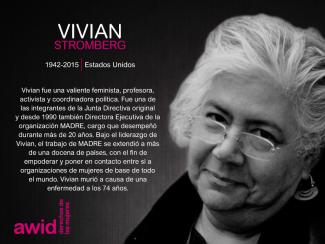
Por Marianne Mesfin Asfaw
Tengo muchos recuerdos queridos de mi recorridofeminista, pero hay uno en particular que se destaca. Fue durante mi época en la escuela de posgrado, una conferencia a la que asistí como parte de un curso de Teoría Feminista. La conferencia trataba sobre feminismo africano y, en ella, la profesora habló de la historia del panafricanismo, de su carácter patriarcal, centrado en los hombres, y de cómo los estudiosos panafricanistas perpetuaban el borramiento de las mujeres africanas. La conferencista señaló que las contribuciones de las mujeres africanas a las luchas anticoloniales y descoloniales en el continente rara vez, o nunca, se analizany no se les da el debido crédito. Leímos acerca de las académicas feministas africanas que desafían ese borramiento y dan a conocer activamente las historias de los movimientos y los esfuerzos de resistencia liderados por mujeres africanas. Parecetan sencillo, pero lo que más me llamó la atención fue que alguien juntara las palabras africana y feminista. Mejor aún: descubrir que había muchas más de nosotras ahí afuera, luchando contra las complicaciones de la historia, la política y las normas sociales en distintos rincones del continente, y que todas estábamos utilizando una perspectiva feminista para hacerlo. Salí de esa conferencia conmovida y completamente alucinada. res de mis amigas (todas feministas africanas) y yo nos quedamos un rato comentando fuera del aula. Todas estábamos impresionadas por la genialidad de la conferencia y su contenido pero, sobre todo, sentimos que estábamos siendo tenidas en cuenta. Ese sentimiento fue el que más me llamó la atención.
Enamorarse del feminismo fue electrizante. Fue como sentir que por fin puedes hablar con la persona que te gusta desde hace mucho tiempo y descubres que también le gustas. Lo llamo mi enamoramiento porque durante la escuela secundaria me consideraba feminista pero sentía que no sabía lo suficiente sobre el tema. ¿Había una forma correcta de ser feminista? ¿Y si no lo estaba haciendo bien? Cuando asistí a mi primera conferencia de Estudios de las Mujeres obtuve respuestas para algunas de estas preguntas. Fue emocionante conocer historias de resistencia feminista y de desmantelamiento del patriarcado. Me sentí muy afirmada y validada, pero también sentí que algo me faltaba.
Profundizar mi relación con el feminismo a través de la academia en una institución en la que el estudiantado y el personal docente eran en su mayoría blancx, significó que, durante esos primeros años, me diera cuenta de que rara vez hablábamos sobre cómo la raza y la antinegritud se ponen en juego en los movimientos feministas hegemónicos. En la mayoría de las asignaturas teníamos tal vez una semana, o peor aún, una clase, dedicada a la raza donde por lo general leíamos algo de bell hooks, el trabajo de Kimberly Crenshaw sobre interseccionalidad, y tal vez, a Patricia Hill Collins. A la semana siguiente volvíamos a dejar de lado el tema. Lidié con todo esto dándole un lugar central a la raza y al feminismo negro en casi todas mis tareas, escribiendo sobre el pelo negro y las políticas de respetabilidad, la hipersexualización de los cuerpos de las mujeres negras, y mucho más. Con el tiempo me di cuenta de que intentaba llenar un vacío, pero no sabía muy bien cuál era.
El momento en que el círculo se cerró de manera perfecta fue cuando descubrí que había un feminismo africano y lo estudié. Me di cuenta de que teníamucho más por aprender, principalmente que mi africanidad y mi práctica feminista no tenían por qué estar separadas. Al contrario: tenían mucho que aprender la una de la otra, y había feministas africanas que ya estaban haciendo este trabajo. Esa era la pieza que faltaba y que me fue tan esquiva durante mi exploración del feminismo a lo largo de mi carrera académica.
Para mí, el feminismo es la antítesis de la apatía social y política. También significa que una vez que adoptas una perspectiva feminista, nada puede ser igual. Con mis amigas solíamos decir que era como ponerse unos anteojos que nunca te puedes quitar porque ahora ves el mundo tal y como es, con todos sus desastres. Desastres que no puedes ignorar ni dejar de lado. Es por eso que mi compromiso con el movimiento feminista es no dejar nunca de aprender, seguir ampliando el alcance de mi empatía y no vivir nunca de forma pasiva. Dedicar más tiempo y espacio en mi vida a los movimientos feministas, y seguir amplificando, celebrando, documentando y citando el trabajo de las feministas africanas. También me comprometo a darle un lugar central al cuidado y a dar prioridad al placer en este recorrido feminista porque no podemos sostener nuestros movimientos sin esto.
Please calculate your costs of travel to Bangkok, accommodations and per diem, visa, any accessibility needs, and incidentals, on top of a registration fee that will be announced soon. Hotels in the Sukhumvit area in Bangkok range from USD$50 to $200 per night, double occupancy.
AWID members receive a discount at registration, so if you are not a member yet, we invite you to consider becoming a member and joining our global feminist community.

Explore 150+ regularly updated funding opportunities in this searchable database, created in response to cuts in development aid. Filter by issue, region, funder type, and eligibility.
Un réseau complexe et mouvant d’antidroits exerce une influence croissante dans les sphères internationales et les politiques locales. Souvent soutenu·e·s par des financements d’origine imprécise, ces acteur·rice·s renforcent leur impact en créant des alliances tactiques entre thématiques, régions et croyances.
« J’ai subi des violences sexuelles, des blessures physiques et d’autres formes de violence lorsque je manifestais sur les lignes de front. Mais je ne m’arrêterai jamais, tant et aussi longtemps que nous n’aurons pas de régime civil au Soudan. Nous devons arrêter la militarisation de l’État. Nos corps ne doivent plus être traités comme des champs de bataille »
déclarait Amal*, une manifestante de 23 ans**
Les femmes sont à la tête de la révolution au Soudan depuis quatre ans. Leur leadership ne s’est pas limité à la rue : elles étaient la force motrice de la résistance continue à tous les niveaux. Les femmes et les jeunes féministes sont devenues la conscience alerte du mouvement pour le changement et la démocratisation au Soudan. Dès la première manifestation contre l’ancien régime dans la ville d’Aldmazein, dans la région en conflit du Nil Bleu, le 13 décembre 2018, de jeunes écolières sont devenues les porte-voix réclamant la fin de 30 années de dictature militaire et de Frères musulmans.
Le mouvement féministe mené par de jeunes femmes âgées de 16 à 35 ans a créé une révolution au sein de la révolution incessante depuis quatre ans au Soudan. Les voix des jeunes femmes qui occupent l’espace dans les rues, sur les réseaux sociaux, au sein de la société civile et des organisations politiques sont suffisamment fortes pour avoir remodelé l’opinion publique et questionné les normes sociales. Les discussions sur les violences sexuelles et basées sur le genre et les tabous de la violence domestique et des processus décisionnels dominés par les hommes sont devenues des débats courants pour la première fois dans l’histoire du Soudan. Les équipes de football féminines, les femmes porte-parole de comités de la résistance et les syndicats professionnels dirigés par des femmes sont quelques-uns des faits saillants de la nouvelle vague du mouvement féministe au Soudan. Des jeunes femmes se définissant fièrement et publiquement comme féministes est le gain le plus important, dans un pays dirigé depuis trois décennies par un islam fondamentaliste. De jeunes hommes soutenant l’activisme féministe et s’identifiant eux-mêmes comme féministes est un autre progrès qu’il convient de souligner.
Ce progrès n’est pas sans coût, tout comme il n’est pas parfait. Les activistes féministes, les groupes et les activistes se retrouvent face aux difficultés typiques rencontrées dans les contextes conservateurs et affectés par des conflits. Mais l’impact du mouvement des jeunes féministes au Soudan mérite d’être encensé. Dépasser les obstacles internes des différences de culture, de religion et des conflits historiques est un défi en soi, que les jeunes féministes au Soudan semblent relever activement. La création d’écoles féministes au Darfour et dans le Kordofan révèle la trajectoire unique du travail des jeunes féministes au Soudan, dont nous pouvons tirer des enseignements.
Il n’est pas possible de nommer les jeunes femmes à la tête de ces efforts et les groupes de femmes actives sur le terrain, du fait des nombreuses préoccupations sécuritaires suite au coup d’État militaire toujours en cours. Mais leur résilience, leur force et leur courage devront figurer dans les livres d’histoire. Ces jeunes femmes audacieuses à la tête de la résistance dans les rues, derrière leurs écrans, dans différentes professions et sur différents terrains d’activisme façonnent l’avenir du Soudan. Les jeunes féministes au Soudan créent de nouveaux espaces pour que des récits et des discours féministes restructurent la distribution du pouvoir, dans ses aspects politiques, économiques et sociaux.
Malgré l’immensité de la violence, la résurgence d’un islam fondamentaliste, la militarisation et la réduction des espaces civiques, les activistes féministes au Soudan restent ancrées dans leurs sororités. Elles demeurent une incroyable source d’inspiration pour les mouvements féministes à travers le monde.
Nazik Awad
* Amal est un pseudonyme afin de protéger la jeune activiste citée.
** Le Soudan vit une révolution constante depuis 2018. Une nouvelle vague a démarré après le coup d’État militaire du 25 octobre 2021.
Somos plenamente conscientes de los obstáculos prácticos y la angustia emocional asociada con los viajes internacionales, especialmente desde el Sur Global. AWID está trabajando con la Oficina de Convenciones y Exhibiciones de Tailandia para brindar apoyo a lxs participantes del Foro en la obtención de visas. En el momento de la inscripción se facilitará más información sobre esta ayuda para la obtención de visados, incluidos los datos de contacto para saber dónde y cómo solicitarla.
Follow our feminist superhero as she reclaims the narrative from anti-rights actors across the globe and saves the day, in this comic by illustrator Sophia Andreazza.