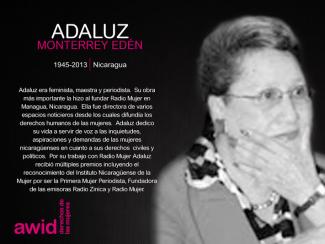
Adaluz Monterrey Eden
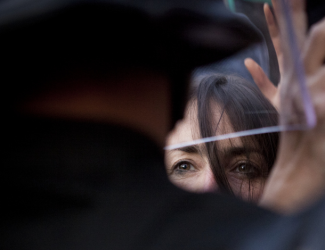
WHRDs are self-identified women and lesbian, bisexual, transgender, queer and intersex (LBTQI) people and others who defend rights and are subject to gender-specific risks and threats due to their human rights work and/or as a direct consequence of their gender identity or sexual orientation.
WHRDs are subject to systematic violence and discrimination due to their identities and unyielding struggles for rights, equality and justice.
The WHRD Program collaborates with international and regional partners as well as the AWID membership to raise awareness about these risks and threats, advocate for feminist and holistic measures of protection and safety, and actively promote a culture of self-care and collective well being in our movements.
WHRDs are exposed to the same types of risks that all other defenders who defend human rights, communities, and the environment face. However, they are also exposed to gender-based violence and gender-specific risks because they challenge existing gender norms within their communities and societies.
We work collaboratively with international and regional networks and our membership
We aim to contribute to a safer world for WHRDs, their families and communities. We believe that action for rights and justice should not put WHRDs at risk; it should be appreciated and celebrated.
Promoting collaboration and coordination among human rights and women’s rights organizations at the international level to strengthen responses concerning safety and wellbeing of WHRDs.
Supporting regional networks of WHRDs and their organizations, such as the Mesoamerican Initiative for WHRDs and the WHRD Middle East and North Africa Coalition, in promoting and strengthening collective action for protection - emphasizing the establishment of solidarity and protection networks, the promotion of self-care, and advocacy and mobilization for the safety of WHRDs;
Increasing the visibility and recognition of WHRDs and their struggles, as well as the risks that they encounter by documenting the attacks that they face, and researching, producing, and disseminating information on their struggles, strategies, and challenges:
Mobilizing urgent responses of international solidarity for WHRDs at risk through our international and regional networks, and our active membership.
Estas obras son un trabajo colaborativo de fotografías e ilustraciones realizadas por Siphumeze y Katia durante el confinamiento. Muestran narrativas negras queer de sexo y placer, bondage, sexo seguro, juguetes, salud mental y sexo, y mucho más. Fueron creadas para acompañar la antología Touch.
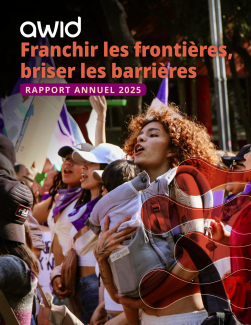
2025 a été l’année où nombre des tempêtes que nous redoutions depuis longtemps se sont abattues simultanément : avalanche de coupes budgétaires, intensification de la militarisation et de l’autoritarisme, montée de la violence aux frontières et aggravation des crises climatiques.
Nous nous sommes alors demandé de quoi les mouvements féministes auraient besoin, non seulement pour survivre, mais aussi pour renforcer notre pouvoir collectif et façonner notre avenir. Cette question a guidé notre travail autour de trois piliers : infrastructures, leadership et durabilité.
Ce travail consiste aussi à réinventer ce que signifie, pour nous à l’AWID, être une organisation mondiale, cultiver la solidarité et le sentiment d’appartenance au-delà des frontières, soutenir les mouvements et mobiliser l’action. Plus que jamais, l’heure est au courage, à l’expérimentation et à l’imagination collective.
ندعوك للتواصل معنا بشأن طرق المشاركة الهادفة في المنتدى.
Nicole Barakat est une artiste queer femme de la région d’Asie du Sud-Ouest et d’Afrique du Nord, née et vivant à Gadigal (dite Sydney, en Australie). Elle emploie des processus intuitifs et d’écoute profonde visant à transformer les conditions de la vie quotidienne. Son travail fait appel à des approches non conventionnelles de la création artistique, créant des œuvres complexes qui incarnent l'amour et la patience et caractérisent les pratiques textiles traditionnelles.
Inna est une activiste et sociologue féministe queer comptant de nombreuses années d'engagement profond dans les luttes féministes et LGBTQI+, l'éducation politique et l'organisation par et pour les femmes migrantes, ainsi que la libération de la Palestine et la solidarité avec cette dernière. Inna a rejoint l'AWID en 2016 et occupé différents postes, dont celui de directrice des programmes plus récemment. Basée à Berlin, en Allemagne, elle a grandi à Haïfa, en Palestine/Israël, et est née à Saint-Pétersbourg en Russie. Elle porte ces territoires politiques et cette résistance au passé et au présent colonial dans son féminisme et sa solidarité transnationale.
Inna est l'auteure de « Women's Economic Empowerment: Feminism, Neoliberalism, and the State » (« L'autonomisation Économique des Femmes : Féminisme, Néolibéralisme et l’État », Palgrave Macmillan, 2022), un ouvrage basé sur une thèse qui lui a valu un doctorat de l'Université Humboldt de Berlin. En tant qu'universitaire, elle a enseigné des cours sur la mondialisation, la production de connaissances, l'identité et l'appartenance. Inna est titulaire d'un master en études culturelles de l'Université hébraïque de Jérusalem. Elle a été membre du conseil d'administration de +972 Advancement of Citizen Journalism, et l’est actuellement pour Jewish Voice for a Just Peace in the Middle East (en Allemagne). Auparavant, Inna a travaillé avec la Coalition des Femmes pour la Paix et est une passionnée de la mobilisation des ressources pour l'activisme populaire.
سيقدم صندوق الوصول الخاص بنا عددًا محدودًا من المنح الدراسية لتمويل مشاركة النشطاء/ الناشطات الذين/ اللواتي لا يستطيعون القيام بذلك، وليس لديهم/ن علاقات مع الممولين/ات الذين/ اللواتي يمكنهم/ن تغطية مشاركتهم/ن. لذلك إذا كان لديك احتمالات أخرى، يرجى استكشافها. سنبذل قصارى جهدنا لتقديم أكبر عدد ممكن من المنح الدراسية، وسنشارك المزيد من المعلومات حول هذه العملية وكيفية التقديم لاحقًا في أوائل العام 2024.
Please take a look at the existing propositions for inspiration before submitting your own idea. Someone might already be thinking along the same lines! Send your proposition to contribute@awid.org.
We will review and include new propositions on this webpage as they come.
Sara AbuGhazal is a Palestinian feminist living in Beirut. She is a co-founder of Sawt al-Niswa, a collective that produces knowledge in Beirut. She is the co-director of The Knowledge Workshop, a feminist organization based in Beirut that works on feminist oral history and archiving. Sara is currently the Regional Coordinator of the Regional Coalition for Women Human Rights Defenders in the Middle East and North Africa.
Sara strives to help create spaces of feminist transformation and solidarity. Her work is mostly centered on building sustainable movements in the MENA region. She is invested in knowledge production, feminist transformation, and Palestine. She publishes regularly in sawtalniswa.org and her fiction also appears in Romman e-magazine.
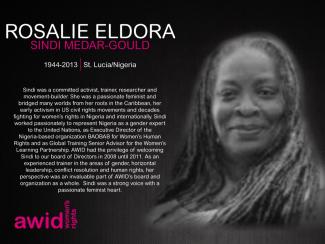
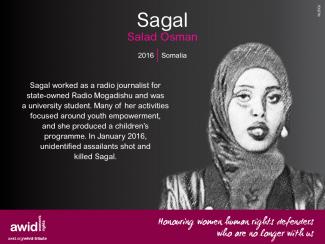
نعم من فضلك. لقد تغير العالم منذ عام 2021 ونحن ندعوك لتقديم مقترح يعكس واقعك وأولوياتك الحالية.
es una activista feminista de Tiflis, Georgia, dedicada a la justicia social y de género. Tiene una Maestría en estudios de género, y ha estado comprometida con movimientos feministas, queer y ecologistas desde hace nueve años, trabajando, entre otras problemáticas, sobre violencia de género, violencia doméstica, derechos y salud sexuales y reproductivos, derechos LGBTIQ, y seguridad y derechos holísticos y digitales, entre otros.
Desde 2014 trabaja activamente sobre asuntos de seguridad de activistas y defensoras de derechos humanos, ha organizado talleres sobre seguridad integrada y seguridad digital dirigidos específicamente a activistas de grupos desfavorecidos (personas queer, minorías étnicas y religiosas, mujeres y niñas rurales, etc.), y también para organizaciones feministas más grandes. Salome integra el «Independent Group of Feminists», una iniciativa informal, no jerárquica y no registrada que reúne feministas de distintos contextos de Georgia. Actualmente, trabaja con el Fondo de Mujeres de Georgia, que está comprometido con la construcción de movimientos feministas y de mujeres, brindando financiación feminista y alentando la filantropía feminista local.
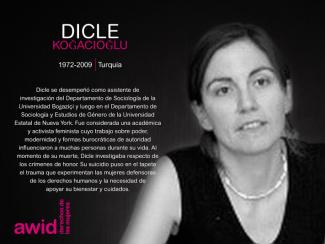
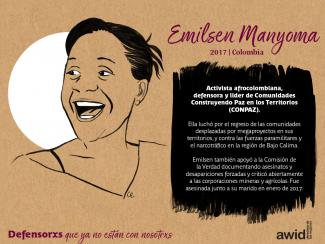
เราจับตาดูเรื่องนี้และความเสี่ยงอื่นๆอย่างระมัดระวัง และจะนำเสนอข้อมูลด้านสุขภาพและความปลอดภัยที่คลอบคลุมเมื่อมีการเปิดให้ลงทะเบียน เพื่อให้คุณสามารถตัดสินใจได้อย่างมีข้อมูล มากกว่านั้นการจัดประชุมแบบสองรูปแบบ(ออนไลน์และกายภาพ)ถูกออกแบบให้ให้เกิดการมีส่วนร่วมอย่างมีความหมายสำหรับผู้เข้าร่วมที่เลือกจะไม่เดินทาง หรือผู้เข้าร่วมที่ไม่สามารถเดินทางได้