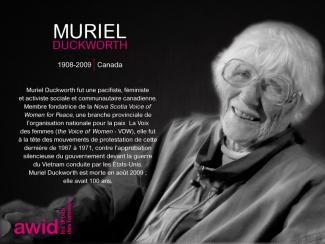
Muriel Duckworth
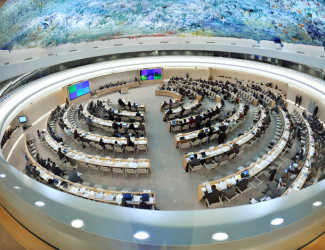
The Human Rights Council (HRC) is the key intergovernmental body within the United Nations system responsible for the promotion and protection of all human rights around the globe. It holds three regular sessions a year: in March, June and September. The Office of the UN High Commissioner for Human Rights (OHCHR) is the secretariat for the HRC.
Debating and passing resolutions on global human rights issues and human rights situations in particular countries
Examining complaints from victims of human rights violations or activist organizations on behalf of victims of human rights violations
Appointing independent experts (known as “Special Procedures”) to review human rights violations in specific countries and examine and further global human rights issues
Engaging in discussions with experts and governments on human rights issues
Assessing the human rights records of all UN Member States every four and a half years through the Universal Periodic Review
AWID works with feminist, progressive and human rights partners to share key knowledge, convene civil society dialogues and events, and influence negotiations and outcomes of the session.
Active dans l’organisation Peacebuild, en passant par l'Alliance canadienne féministe pour l'action internationale, Amnesty International et au Centre canadien de politiques alternatives (CCPA), Kate était une passionnée des droits des femmes et de l'égalité de genre qui a consacré sa carrière à lutter contre les inégalités et à faire du monde un lieu plus empathique.
Kate a été membre du comité de coordination de Social Watch et a contribué aux rapports nationaux canadiens de Social Watch. En tant que chercheuse principale du CCPA, Kate a été saluée dans son pays pour ses travaux de recherche, ses écrits et la production du rapport annuel intitulé « Les meilleures et les pires endroits du Canada où vivre en tant que femme ».
Entourée de sa famille, Kate est décédée paisiblement après trois ans de lutte contre le cancer du côlon. Ses proches la décrivent comme une « féministe drôle, sans peur et sans complexes ».

تلتزم جمعية حقوق المرأة في التنمية بالعدالة اللغوية ونأسف على عدم توفر الاستطلاع بلغات أخرى في الوقت الحالي. إن كنتم/ن بحاجة لدعم من مترجم/ة أو أردتم/ن تعبئة الاستطلاع بأي لغة أخرى، الرجاء الكتابة لنا عبر البريد الالكتروني: witm@awid.org
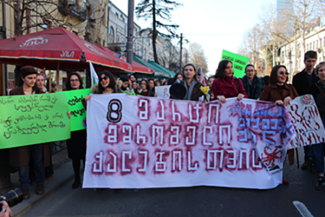
In a global picture of rising religious fundamentalisms, this ebook details the grave human rights violations, and violations of women’s rights in particular, caused by state-sponsored fundamentalism, as well as by fundamentalist non-state actors such as militias, religious community organizations, and individuals.
It is vital to promote intersectional feminist understandings of power and privilege, and to apply these to questions of religion and culture.

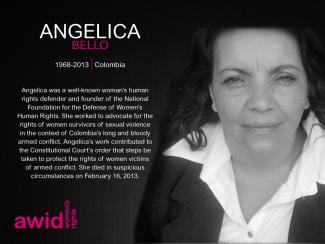
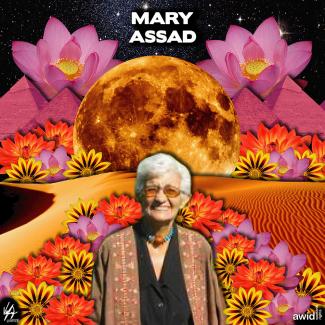
An expert on social development and anthropologist by training, Mary was best known as a pioneer in the battle against Female Genital Mutilation (FGM).
Born in Cairo Egypt in 1922, Mary’s work in development started early, as she joined the Youth Women’s Christians’ Association (YWCA). Mary was a member of the World Council of Churches and became increasingly concerned with issues regarding women’s health. Her long struggle against FGM proved fruitful in 2008, when Egypt finally criminalized the practice.
She is remembered as a mentor to many Egyptian feminists and activists.
Ориентировочное время для завершения опроса составляет 30 минут.

Les presentamos una inspiradora selección de historias e imágenes poderosas de transformación y resistencia creadas por activistas, escritorxs y artistas feministas de todo el mundo.
在第十四屆論壇上,我們將表揚與彰顯在我們身邊,處於各種發展階段的女性主義理念實現行動。
我們希望將本次論壇變成我們的女性主義理念實現行動:在這裡你可以進入在一個不同的世界,帶著你的勝利佳績、你所設計的解決方案前來,分享讓你更加強大、充滿希望、做好前行準備的事物。本次盛會有別於您之前參加過的其他會議。
請您務必共襄盛舉,攜手創造世界。絕對值得!
每個論壇都有一個主題,該主題反映了我們成員和運動的需求,並回應我們對當前背景脈絡的分析。
當前,全球各地的法西斯主義、基本教義主義、威權主義以及不受約束的企業權力方興未艾。我們看到,這些威脅與國家協力形塑了公共規範、敘事論述和政策,在公共論述中深植了恐懼和仇恨的文化,並煽動暴力。國家,曾經是我們權利倡議和主張權利的對象,但在許多情況下,國家不再覺得需要負責,甚至在某些情況下,國家自己也不再具有維護權利的權力了。
2016年的AWID論壇以女性主義的未來及付諸實現所需的條件為中心。無論是當時還是現在都很明顯不過,對於許多社會正義運動來說,若想跳出當前的體制之外去思考結構性的解決方案是一個艱鉅挑戰。長期的不平等和壓迫的經驗會限縮想像力。但是當時我們周遭的所見所聞顯示女性主義運動確實生機勃發,以各種大小規模都有的方式推動了權利和正義為導向理念實現與解決方案。
我們確實看到了對於動員的迫切需求,但動員的起點不是從最低的共同點開始,動員應源於希望。這分希望源自於肯定,世界各地的經驗與實踐體現了更加正義的生存方式,儘管不盡完美,從這些經驗出發,藉由分享、加強與壯大,我們可以幫助其擴大影響力。
這些並非不可能實現的夢想,而是以實現的生活。凡事皆有可能的感受啟發我們去重新審視和重新欣賞我們的工作具備的轉化面向。
在AWID,我們知道鮮活的女性主義理念實現典範是,代表一個有望實現的世界。這些多元的理念實現經驗蘊含再現了希望和力量。深植於多種生活思考與實踐的方式,向我們證明有不一樣的可能:從我們日常生活和彼此之間的關係的日常表達到治理和正義的替代制度。女性主義理念實現經驗抵制諸如父權制度、資本主義和白人至上的宰制權力制度。
以上皆為強而有力的主張,引導我們看到具備可能性的願景,並證明了女性主義組織是如何在世界各地的運動和社群中開疆拓土,開闢通往正義的道路。
在美國密西西比州傑克遜城一個被深度邊緣化的黑人社區透過傑克遜合作(Cooperation Jackson)平台,展開了社區團結和合作經濟的實驗,這項計劃雄心勃勃,有別於資本主義的生產方式,要建立社群共有精神。
在西非,女性農民對抗圈地並拒絕工業化的農業計畫,勇敢主張「我們就是解決方案(We Are The Solution)」,此運動旨在建立農業生態解決方案,以女性農民及其知識為中心,讓社群可以獲得溫飽並減緩氣候變遷
同樣,在印度有5000名婦女根據地方知識,共同建立了以社群為基礎的糧食主權制度,包括穀物和種子銀行
墨西哥的婦女開創了一個無錢交易的經濟計畫,該計畫由婦女主導,並為其他婦女以及她們所認識的每個人服務。在El Cambalache計畫中,一切交換物都具有相同的價值:人們用不再需要的東西去交換他們想要的東西,也包括想分享的知識、能力和互助。El Cambalache計畫建立在當地社會運動的反制度、反資本主義價值觀之上
在羅賈瓦,庫德人在沒有國家的情況下建立了民主制度。庫爾德婦女將女性學(Jineology)作為挑戰父權制度、資本主義和國家機器的框架,創建了將這一框架付諸實踐的制度和機構
在英國,Anarcho Agony Aunts是一個關於性和約會的諮詢節目,涵蓋了女性主義者、反法西斯主義者和無政府主義者的各種觀點。主持人羅文和馬里亞姆正在從另類右派中奪回空間,讓人們(主要是男人)在不受批判的空間內提出棘手問題
非洲女性主義判決計畫起草並廣傳了一系列關於重大非洲里程碑司法案件的另類判決。該計畫的核心精神提出了女性主義司法實踐和替代性的女性主義判決,對非洲法學、法律實務和司法決貢獻卓著。
印度的烏沙合作社(Usha Cooperative)是在主流銀行拒絕向Sonagachi地區的性工作者提供服務時成立的。性工作者自發組織起來,優先解決其經濟問題並建立自己的金融機構。烏沙合作社是一家合作銀行,服務2萬多名性工作者,並在一年內提供7231名性工作者470萬美元的貸款。該銀行完全由性工作者組成,為合作社的治理和管理帶來了真正的所有權和影響力,為個人和社群服務,開創了建立經濟實力的自主先驅模式
在波多黎各,一個社區土地信託基金協助了非正式居住區轉型為永續的社區,該社區處於受到污染的易氾濫河道。該基金為改善城市中的非正式定居區域點提供了一種新模式,如果沒有她們的幫助,當地的原始居民根本負擔不起
在幾個拉丁美洲國家,社運人士提供了醫療人工流產提同儕的諮詢和陪伴,奪回女性身體的自主權和獲得醫療知識的權利。(出於安全原因,此處未提供相關的鏈接)
基於這些理念實現的經驗,我們希望2020年的論壇能夠:
- 鞏固女性主義理念實現的力量:通過點名、表揚、壯大和貢獻等方式,從這些經驗及主張出發,累積動能,凸顯可能性並豐富我們的集體想像力。
- 補充希望和能量的泉源:為人權與正義社會運動及韌性提供必要的能量。
- 加強聯繫、互惠和團結:服務各種多元的女性主義運動以及其他權利和正義為本的社會運動。
該論壇不僅僅是一個四天的會議,是女性主義理念實現的運動茁壯旅程的一個中繼站,我們已經出發,論壇結束後也會繼續前行。

Mridula fue una firme promotora de la salud de las mujeres en una época en la que el tema de la salud sexual y reproductiva de las mujeres se consideraba tabú en Fiji.
Mridula orientó los primeros trabajos del movimiento por los derechos de las mujeres en Fiji sobre derechos sexuales y reproductivos y, en septiembre de 1999, el Fondo de Población de las Naciones Unidas le otorgó un premio regional sobre salud y derechos reproductivos. Fue una activista férrea, comprometida e incansable y apasionada por la salud y el empoderamiento de las mujeres.
Fue una valiosa integrante del movimiento de mujeres y del movimiento feminista de Fiji y sus aportes se recordarán por siempre. Falleció en 2017 por causas naturales.

Absolutamente, estas perguntas são opcionais, e valorizamos o seu direito de permanecer anónimo. Queira preencher o inquérito independentemente da sua decisão de partilhar o nome do seu grupo, organização e/ou movimento e as respetivas informações de contacto connosco.
Partagez vos histoires et écoutez celles des les autres. En reliant nos expériences, nos récits et nos propositions, nous aidons à co-créer et à amplifier les Réalités Féministes.
Building on initial desk research and consultations with allies that led us to rule out many other options in the region, we organized a thorough round of site visits to Nepal, Malaysia, Sri Lanka, Thailand, Indonesia and (later) Taiwan.
Each site visit included not just scoping the logistical infrastructure but meeting with local feminist groups and activists to better understand the context, and their sense of potential opportunities and risks of an AWID forum in their context.
They often expressed conflicted feelings about the opportunities and risk that the visibility of an event like the Forum could bring to them. In one, during the first 30 minutes of our meeting we heard unanimously from the activists gathered that an AWID Forum would be subject to huge backlash, that LGBTQ rights were a particular political hot-button and that fundamentalist groups would turn out in full force to interrupt the event. When our response was “ok, then you don’t feel it’s a good idea”, again the unanimous response was “of course it is, we want to change the narrative!”.
It was difficult to hear and see in some of these places how many feminist activists wanted to leverage the opportunity of a visible big event and were prepared to face the local risks; but our considerations as hosts of close to 2,000 people from around the world impose a different calculation of risk and feasibility.
We also grappled with questions of what it means to organize a feminist forum that is aligned to principles around inclusion, reciprocity and self-determination, when state policy and practice is usually directly counter to that (although officials in the ministries of Tourism work very hard to smooth that over).
In many of these places, monitoring the context felt like an exercise on a pendulum that could swing from open and safe for feminist debates in one moment to stark repression and xenophobia the next, sacrificing feminist priorities as political bargaining chips to pacify right wing, anti-rights forces.
Our challenges in Asia Pacific led us to consider: would it be easier if we moved the Forum to a different region? Yet today, we would not be able to organize an AWID Forum in Istanbul as we did in 2012; nor would we be able to do one in Brazil as we did in 2016.
With all of this complexity, AWID selected Taipei as the Forum location because:
In organizing the AWID Forum, we are trying to build and hold space as best we can for the diverse expressions of solidarity, outrage, hope and inspiration that are at the core of feminist movements.
At this moment, we see Taipei as the location in the Asia Pacific region that will best allow us to build that safe and rebelious space for our global feminist community.
The fact is, there is no ideal location in today’s world for a Forum that centers Feminist Realities. Wherever we go, we must build that space together!
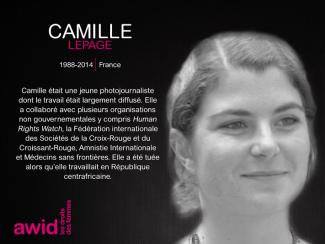
Amal était une femme politique et une parlementaire de premier plan en Libye.
Membre du corps professoral de l'Université de Benghazi de 1995 jusqu’à sa mort en 2017, elle militait par ailleurs au sein de la société civile et était membre de diverses initiatives sociales et politiques. Elle a aidé les familles des martyrs et des disparus et a été l'une des membres fondateurs-trices d'une initiative de jeunesse intitulée « Jeunesse de Benghazi en Libye ».
Lors des élections législatives de 2014, Amal avait été élue à la Chambre des représentants avec plus de 14 000 voix (le plus grand nombre de voix jamais obtenues aux élections de 2014). Amal restera dans les mémoires de beaucoup comme une femme politique qui a œuvré pour assurer un avenir meilleur dans l'un des contextes les plus difficiles et les plus conflictuels de la région.
