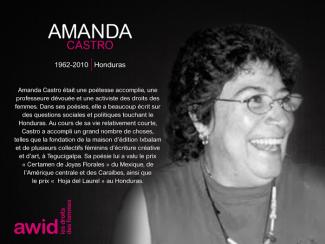
Amanda Castro
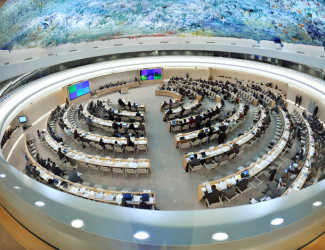
The Human Rights Council (HRC) is the key intergovernmental body within the United Nations system responsible for the promotion and protection of all human rights around the globe. It holds three regular sessions a year: in March, June and September. The Office of the UN High Commissioner for Human Rights (OHCHR) is the secretariat for the HRC.
Debating and passing resolutions on global human rights issues and human rights situations in particular countries
Examining complaints from victims of human rights violations or activist organizations on behalf of victims of human rights violations
Appointing independent experts (known as “Special Procedures”) to review human rights violations in specific countries and examine and further global human rights issues
Engaging in discussions with experts and governments on human rights issues
Assessing the human rights records of all UN Member States every four and a half years through the Universal Periodic Review
AWID works with feminist, progressive and human rights partners to share key knowledge, convene civil society dialogues and events, and influence negotiations and outcomes of the session.
Un lieu de travail n'a pas à fonctionner sur la base de la concurrence et du profit. Un lieu de travail ne devrait pas exploiter les gens au profit d’autrui. C’est pourquoi les communautés marginalisées en dehors des économies formelles construisent des modèles coopératifs alternatifs basés sur l'autonomie, la coopération, la coresponsabilité, l'autogestion et la solidarité.
Les lieux de travail et coopératives autogérés par les travailleur·euses ont toujours offert d'autres moyens de générer des opportunités d'emploi, des revenus, une sécurité sociale et des épargnes, tout en distribuant les revenus de manière plus communautaire, durable et sûre.
Mais le coopérativisme c'est bien plus qu'une opportunité d'emploi: c'est la réalisation des rêves et la construction d’économies féministes basées sur la solidarité et l'entraide. C'est la création d’un monde où nos vies, notre travail et nos communautés comptent.
Voici l'histoire de la Coopérative Textile Nadia Echazú, la première coopérative créée et dirigée par et pour les personnes travesti et trans en Argentine.
Representó al Consorcio Internacional sobre Discapacidad y Desarrollo (IDDC por su sigla en inglés) durante la negociación de la Convención sobre los Derechos de las Personas con Discapacidad (2001-2006). Su trabajo estaba dedicado a la implementación del objetivo de la Convención: el goce pleno de los derechos humanos universales por, para y con las personas con discapacidades, en pos de un mundo inclusivo, accesible y sostenible.
En sus propias palabras, su liderazgo consistía en «servir a la comunidad de personas con discapacidad, comenzando por aquellas pequeñas tareas que otrxs pueden no querer realizar».
Falleció el 27 de octubre de 2017 en su ciudad natal de Rosario, Argentina.
En esta nota puede leerse más sobre María Verónica Reina, en sus propias palabras.

Après avoir évalué la capacité et les objectifs de recherche de votre organisation, vous pourriez choisir entre autres méthodes de collecte de données, de mener une enquête pour vos recherches.
Dans cette section :
- Pourquoi réaliser un sondage ?
- Déterminez la population cible
1. Sondage en ligne
2. Sondage sur papier- Élaborez vos questions
1. Questions courtes et claires
2. Langage simple et universel
3. Questions « ouvertes » et « fermées »
4. Organisation logique
5. Moins de 20 minutes
6. Simple et intéressant- Testez et traduisez
1. Vos conseiller-ère-s
2. Rédaction et mise à l’essai
3. Traduction- Ciblez la population pertinente
1. Taille de l’échantillon
2. Niveau de participation
3. Bases de données et liste de contacts
Un sondage constitue un excellent moyen de rassembler des informations sur chacune des organisations afin de capter les tendances collectives.
Par exemple, la taille du budget d’une organisation ne vous renseigne pas beaucoup sur une tendance de financements destinés aux droits des femmes. En revanche, si vous connaissez les budgets de 100 ou 1 000 organisations, vous pouvez commencer à tracer le portrait de la situation collective du financement à l’appui des droits des femmes.
Alors que vous élaborez votre sondage, gardez à l’esprit le cadre de référence de votre recherche établi dans la section précédente.
N’oubliez pas : Votre cadre vous aide à déterminer quels renseignements vous tentez d’obtenir avec votre sondage. Les données recueillies devraient vous permettre de réaliser vos objectifs, de répondre à vos questions principales et de créer vos produits finaux.
C'est une étape importante : plus vous identifiez clairement la population que vous souhaitez sonder, plus vous pourrez affiner vos questions.
Selon vos objectifs de recherche, vous pourriez créer des sondages distincts auprès des organisations de droits des femmes, des baillerus de fonds et des donateurs. Vous pourriez également concentrer votre sondage sur les groupes de femmes et mener des interviews auprès des bailleurs de fonds et des donateurs, puisque la réalisation d’un sondage auprès de chaque population peut exiger des ressources considérables.
Il se peut que les questions posées aux groupes de femmes diffèrent de celles que vous posez aux bailleurs de fonds. Si vous prévoyez de sonder plus d’une population, nous vous invitons à adapter votre collecte de données en fonction de chacune d’entre elles.
Dans le même temps, certaines des questions principales posées à chaque population pourraient se chevaucher pour permettre une analyse comparative des réponses obtenues.
Si vous pouvez atteindre votre population cible en ligne, il est utile et efficace d’élaborer un sondage en ligne.
Nous recommandons deux outils en ligne, qui proposent des versions gratuites :
Survey Gizmo vous permet de convertir vos données en format accessible SPSS, un logiciel statistique utile dans le cadre d’une analyse avancée des données.
La-les personne-s chargée-s de l’analyse des données sera-seront la-les mieux placé-e-s pour déterminer quels sont les outils les plus appropriés à votre recherche en fonction des compétences du personnel et des plans d’analyse.
Pour faciliter l’accessibilité, considérez la possibilité de produire un formulaire en version PDF, que vous pourrez joindre à un courriel. Cela permettra aux organisations qui ont des connexions Internet sporadiques, ou à celles qui doivent payer son utilisation à la minute, de télécharger l’sondage et de la remplir hors ligne.
Vous pourriez décider que l’approche en ligne n’est pas assez accessible ou inclusive pour la population visée.
Dans ce cas, vous devrez élaborer un sondage sur papier et des méthodes pour atteindre les populations qui ne sont pas « branchées » (par le truchement d’activités communautaires ou par la poste avec des enveloppes-réponses préaffranchies).
Facilitez la tâche de ceux et celles qui répondront à votre sondage.
Si les questions sèment la confusion ou exigent des réponses complexes, vous risquez de constater que les gens ne terminent pas le sondage ou encore qu’ils fournissent des réponses inutilisables pour votre analyse.
Veillez à ce que les questions ne demandent qu’un élément d’information à la fois.
Par exemple :
Plusieurs mots ou acronymes qui vous sont familiers pourraient être totalement inconnus des personnes qui répondront à votre sondage, par exemple, « mobilisation des ressources », « ODD » ou « S&E ». Assurez-vous de choisir un langage plus universel pour formuler vos questions.
S’il vous faut employer le jargon, des phrases ou des mots que vos collègues connaissent bien, mais qui ne sont pas largement adoptés, fournissez une définition qui rendra votre sondage plus facile à comprendre.
Assurez-vous d’écrire en toutes lettres les acronymes que vous utilisez. Par exemple, si vous parlez de S&E, écrivez ou dites « Suivi et évaluation ».
Questions fermées :
Une seule réponse est possible (comme « oui » ou « non » ou encore un nombre). Les personnes qui remplissent le sondage ne peuvent répondre en utilisant leurs propres termes et devront généralement choisir parmi des catégories prédéterminées que vous aurez créées, ou encore saisir un nombre précis. Les réponses aux questions fermées sont plus faciles à mesurer collectivement et elles sont fréquemment quantitatives.
Exemple d’une question fermée : Quel est le budget de votre organisation ?
Questions ouvertes :
Il s’agit de questions qualitatives, souvent descriptives. Les personnes répondent à ces questions en utilisant leurs propres termes. Ce sont des questions qui se prêtent mieux aux interviews qu’aux sondages.
Ces questions sont plus difficiles à analyser sur le plan collectif que ne le sont les questions fermées, particulièrement si votre échantillon est vaste. Cependant, si les questions ouvertes sont très précises, les réponses seront plus faciles à analyser.
Concevez Autant que possible vos questions de sondage de telle sorte que les personnes qui y répondront pourront faire leur choix à partir d’une liste d’options, plutôt que de poser des questions ouvertes. Vous gagnerez du temps sur le plan du nettoyage et de l’analyse des données.
Exemple d’une question ouverte : Cette année, à quels défis particuliers avez-vous fait face en matière de levée de fonds ?
Familiarisez-vous avec les différents genres de questions
Il existe plusieurs manières de poser des questions ouvertes. En voici quelques exemples, que vous pouvez étudier pour déterminer le genre de questions qui correspond le mieux aux types de données que vous souhaitez recueillir :
En savoir plus sur les différents types de questions
Si vous prévoyez de mener cette recherche à intervalles réguliers (par exemple, tous les deux ans), nous vous recommandons d’élaborer un sondage de base que vous pourrez répéter afin de suivre les tendances au fil du temps.
Ensemble 1 : Questions de présélection
Cette présélection permet d’identifier les personnes pouvant répondre au sondage.
Les sondages en ligne que nous avons proposés vous permettent de mettre fin au sondage si la personne qui y répond ne satisfait pas à vos critères d’admissibilité. Au lieu de remplir le sondage, ces personnes seront dirigées vers une page où on les remercie de leur intérêt, tout en leur expliquant que ce sondage est destiné à un type différent de répondant-e-s.
Par exemple, il se peut que vous ne souhaitiez sonder que les groupes de droits des femmes d’un lieu particulier. Les questions de présélection peuvent déterminer le lieu où se trouve la personne et éviter que les gens qui sont autre part ne poursuivent le sondage.
Ensemble 2 : Questions standardisées de base sur la démographie
Ces questions recueillent des données propres à la personne qui répond, comme le nom et le lieu de l’organisation. Ces données peuvent chevaucher les réponses aux questions de présélection.
Si les ressources le permettent, vous pouvez stocker ces réponses dans une base de données et ne poser ces questions que la première année où une organisation participe à votre sondage.
Ainsi, lorsque vous répèterez le sondage ultérieurement, les organisations pourront remplir plus facilement et rapidement le formulaire, augmentant ainsi les chances qu’il soit complètement rempli.
Ensemble 3 : Questions standardisées et obligatoires sur le financement
Ces questions vous permettront de réaliser le suivi sur la durabilité des revenus et du financement. Si votre sondage est menée annuellement ou tous les deux ans, vous pourrez ainsi capter les tendances au fil du temps.
Ensemble 4 : Questions sur des enjeux particuliers
Ces questions tiennent compte du contexte actuel. Elles peuvent se référer aux changements survenus sur la scène politique ou économique. Elles peuvent être facultatives et liées au financement, portant notamment sur les attitudes à l’égard de la levée de fonds.
Par exemple, l'enquête mondiale WITM de l’AWID en 2011 posait des questions sur les nouvelles tendances en matière de financements que le secteur privé accordait aux « femmes et aux filles ».
Les sondages les plus courts sont les meilleurs : votre sondage ne devrait pas dépasser 20 minutes afin de respecter l’emploi du temps des répondants-tes et de leur permettre d’y répondre complètement.
Il peut être tentant de poser une multitude de questions en espérant recueillir un grand nombre d’informations. Cependant, les sondages trop longs sont fatigants et risquent de lasser les personnes répondantes ou encore de les éloigner de votre organisation.
De plus, plus vous aurez de questions plus votre sondage sera laborieux à analyser.
Conseils généraux
- Demandez des détails budgétaires précis plutôt que d’offrir une échelle (selon notre expérience, les montants spécifiques sont plus utiles lors de l’analyse).
- Précisez la devise ! Si nécessaire, dans les réponses sur les aspects financiers, demandez à tout le monde de convertir leurs réponses dans la même devise ou demandez aux personnes qui répondent au sondage de préciser la devise qu’elles utilisent.
- Assurez-vous de recueillir assez de renseignements démographiques sur chaque organisation, afin de contextualiser les résultats et de nuancer les tendances dégagées.
Par exemple : Si vous analysez où est l’argent dans un pays particulier, il sera utile de savoir d’où provient chacune des organisations et/ ou à quel niveau (rural, urbain, local, national) elles évoluent. Cela permet de capter les tendances les plus importantes, comme la plus grande disponibilité des fonds pour les groupes urbains.
Le fait de mobiliser vos partenaires dès le départ vous permettra d’établir des relations plus approfondies et assurera une recherche plus inclusive et de meilleure qualité.
Ces personnes vous fourniront des commentaires sur la version préliminaire de votre sondage, piloteront les mises à l’essai et examineront l’analyse préliminaire des résultats de le sondage et d’autres collectes de données.
Ces conseiller-ère-s annonceront également le sondage à leurs publics lorsqu’elle sera prête à être lancée. Si vous prévoyez un sondage en plusieurs langues, assurez-vous de compter sur des partenaires qui parlent ces langues.
Si vous choisissez de collecter vos données à l’aide d’un sondage et d’interviews, les partenaires qui vous auront guidé dans la conception de votre sondage peuvent aussi être interviewé-e-s.
Lorsque la version préliminaire de votre sondage est terminée, testez-la auprès de vos partenaires avant de la présenter à votre population cible. Vous serez ainsi en mesure de détecter et d’ajuster les problèmes techniques ou les questions prêtant à confusion.
De plus, vous pourrez mesurer concrètement le temps nécessaire pour remplir le formulaire.
Lorsque le sondage est achevé et qu’il a été testé dans votre langue maternelle, il peut être traduit.
Assurez-vous de tester les versions traduites de votre sondage. Dans un souci de clarté, certaines des personnes qui testeront le sondage devront la traduire dans leur langue maternelle.
La taille de l’échantillon représente le nombre de personnes ayant rempli votre sondage.
Votre échantillon devrait refléter les caractéristiques de la population plus vaste que vous souhaitez analyser.
Par exemple : Imaginons que vous souhaitez analyser les millions de groupes de droits des femmes à Valyria, mais vous n’avez ni le temps ni les ressources pour sonder chaque groupe.
Vous pouvez à la place ne sonder que 500 groupes. Ces groupes seront l’échantillon représentatif de tous les groupes de femmes de la région.
Tailles d’échantillons recommandées
Bien qu’il ne soit pas nécessaire de déterminer la taille exacte de votre échantillon avant de lancer votre sondage, le fait de l’avoir estimé vous permettra de déterminer le moment où vous aurez atteint un nombre suffisant de répondant-e-s ou si vous devez prévoir un prolongement des dates de le sondage possible, si vous estimez que vous n’avez pas contacté assez de personnes.
Un élément qui est encore plus important que la taille de l’échantillon est le nombre de personnes de la population ciblée qui seront en mesure de participer à un sondage.
Si de larges portions ou d’importantes tranches de la population sont systématiquement exclues (soit en raison de la langue, de l’accessibilité, du moment, de problèmes de base de données, d’accès à l’Internet ou d’autres facteurs), il est impossible de mesurer précisément la fiabilité statistique des données de sondage.
Dans notre exemple : vous devez vous assurer que tous les groupes de femmes de Valyria ont eu l’occasion de participer à le sondage.
Si un segment des groupes de femmes de Valyria n’utilise par l’Internet, et que vous recrutez des participant-e-s uniquement à partir de méthodes en ligne, vous ignorez alors dans votre échantillon final une tranche considérable de la population ciblée. Par conséquent, votre échantillon n’est pas représentatif de tous les groupes de femmes de Valyria.
Vous ne pouvez tirer de conclusions exactes de vos données si des tranches de population sont exclues de votre échantillon. L’utilisation d’un échantillon représentatif, vous permettra d’éviter cette erreur.
Pour connaître la composition des groupes de femmes dans votre région de recherche (région, population, etc.), il pourrait être utile d’examiner les bases de données.
C’est en connaissant la composition générale des groupes de femmes que vous avez l’intention de cibler que vous aurez une meilleure idée de l’allure que prendra votre échantillon : il devrait représenter une mini-version de la population d’ensemble.
Une fois que les personnes auront répondu au sondage, vous pourrez mesurer si la population que vous avez touchée (votre taille d’échantillon) correspond à la composition de l’ensemble de la population ciblée. Si ce n’est pas le cas, vous pourriez choisir de déployer des activités de sensibilisation auprès des tranches de population qui selon vous ont été exclues ou prolonger la période d’ouverture de votre sondage.
L’incertitude face à la représentativité de votre échantillon ne doit pas vous paralyser : faites tous les efforts pour étendre votre recherche le plus loin et le plus largement possible.

4. Recueillez et analysez vos données
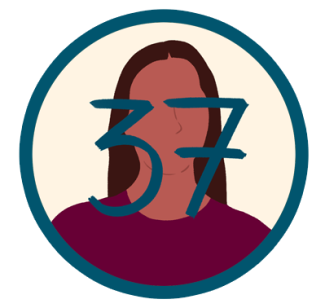
Life expectancy of a trans and travesti person in Argentina is 37 years old - the average age for the general population is 77.
Asma était une militante pakistanaise des droits humains, une critique courageuse de l'ingérence de l'armée dans la politique et une défenseure acharnée de la primauté du droit.
Elle a été la présidente fondatrice de la Commission des droits de l'homme du Pakistan, un groupe indépendant ainsi qu’administratrice de l'International Crisis Group. Elle a remporté des prix internationaux et a été rapporteuse des Nations Unies sur les droits de l'homme et les exécutions extrajudiciaires.
Ses collègues et ami-e-s de l’AWID se souviennent d'elle avec affection
« Grâce à sa vie, Asma a réécrit l'histoire que beaucoup d'entre nous ont racontée en tant que femmes. Asma a changé le monde. Elle l'a changé au Pakistan et elle l'a changé dans notre imaginaire. »


Para recolher testemunhos centrados na realidade feminista sobre como o dinheiro circula e os bolsos em que entra;
The results of your research will also shape your advocacy – for example, your results will have revealed which sectors fund the most and which sectors you feel need donor education.
In this section
- Build your advocacy strategy
- Reach out to your network
- Adapt your strategy to the sector
1. Women’s rights organizations
2. Bilaterals and multilaterals
3. Private foundations
4. Women’s funds
5. Private sector and new donors
In the “Frame your research” section of this toolkit we recommend that you plot out what goals you hope to accomplish with your research. These goals will allow you to build an advocacy strategy once your research is complete.
An advocacy strategy is a plan of distributing your research results in a way that allows you to accomplish your goals, falling under the broader goal of advocating with key sectors to make positive changes for resources for women’s rights organizing.
Using the goals defined in your research framing:
From this list – as exhaustive as possible, chose which ones are the most efficient for achieve your goals. (See below for specific examples of audiences and advocacy methods)
Once you have a strategy, you can start the dissemination.
To disseminate your results, reach out first to the contacts through whom you distributed your survey, as well as to all your survey and interview participants.
Do not forget to state clearly a contact person and ask for a confirmation once they have published it.
On top of making you able to track who disseminated your report, it will help build stronger relationships within your network.
As an example, we present below a list of sectors AWID engages in advocacy.
Your list of advisory organizations and individuals will also be useful here. They can help you disseminate the report in different spaces, as well as introduce you to new organizations or advocacy spaces.
Sample objectives: Update women’s rights organizations on funding trends; brainstorm collaborative efforts for resource mobilization using research findings; influence how they approach resource mobilization
Examples of possible advocacy methods:
Offer seminars, learning cafés or other events throughout your region, in relevant languages, in order to update women’s rights organizations with the findings of your research.
If you can’t physically reach everyone in your region, think about setting-up a webinar and online presentations.
Present your findings at larger convenings, such as the Commission on the Status of Women (CSW).
Beyond your own organizations’ newsletters and website, write articles on different platforms that are frequented by your target audience.
Some examples: World Pulse, OpenDemocracy, feministing.
Sample Objective: Raising awareness about how funding is not meeting established commitments and how this sector needs to improve funding mechanisms to finance women’s rights organizing.
Identify which bilateral & multilaterals have the most influence on funding – this could include local embassies.
Examples of possible advocacy methods:
Sample Objective: Expand the quality and quantity of support for women’s rights organizations.
Examples of possible advocacy methods:
Sample Objective: Encourage them to continue their work at higher scale.
Examples of possible advocacy methods:
Sample Objective: Increase their understanding of the field and encourage coherence between their philanthropic interests and business practice.
Examples of possible advocacy methods:
Make sure to adapt your presentations, propositions and applications to each targeted group.
We strongly recommend referring to our Ready to Go worksheet to assess your own advancement.

• 1-2 years, depending on advocacy goals
• 1 or more communications person(s)
• List of spaces to advertise research
• List of blogs and online magazines where you can publish articles about your research finding
• List of advisors
• Your WITM information products
• Sample of Advocacy Plan
Informal interactive hearings with the business sector and civil society took place on 8 and 9 April 2015 respectively at UN headquarters in New York.


At the time of her death, following a short but aggressive battle with cancer, Deborah was the Chief Communication and Engagement Officer at the Women’s Funding Network (WFN).
Deborah also worked for the Global Fund for Women from 2008 to 2017. Deborah was extremely loved and respected by board, staff, and partners of Global Fund for Women.
Kavita Ramdas, former CEO of the Global Fund for Women aptly noted that Deborah was “a small package exploding with warmth, generosity, intelligence, style, and a passionate commitment to fusing beauty with justice. She understood the power of story. The power of women’s voice. The power of lived experience. The power of rising from the ashes and telling others it was possible. And, still we rise.”
Musimbi Kanyoro, the present CEO of the Global Fund for Women, added, “We have lost a sister and her life illuminates values that unite and inspire us all. As we all come together to mourn Deborah’s passing, let us remember and celebrate her remarkable, bold, and passionate life.”

 توفير الموارد للحركات النسوية هو أمر أساسي لتوفير حاضر أكثر سلماً وعدالة ومستقبل أكثر تحرراً.
في العقد الأخير، خصّص الممولون/ات أموال أكبر للمساواة الجندرية، لكن فقط 1% من التمويل الخيري والتنموي تحرك بشكل مباشر لتمويل حركات التغيير الاجتماعي بقيادة نسوية.
كي نسعى إلى الوفرة، والخروج من هذه الندرة المزمنة، يدعو استطلاع "أين المال" المناصرات/ين النسويات/ين ومناصرات/ين العدالة الجندرية بمشاركتنا في مشوار جمع الإفادات وبناء القضايا لحشد أموال أكثر وأفضل كي نغيرّ موازين القوى في المناخ التمويلي القائم اليوم. يتضامن استطلاع "أين المال" مع الحركات التي يستمر إخفاءها وتهميشها والتي لا يتاح لها تمويلا أساسيا، مرن وطويل الأمد مبن على الثقة. ويسلّط استطلاع "أين المال؟" الضوء على وضع التمويل، يتحدّى الحلول الزائفة ويُظهر كيف تحتاج نماذج التمويل أن تتغير كي تزدهر الحركات وتتعامل مع تحديات الزمن المركبة.
La economía solidaria (que incluye la economía cooperativa y la llamada economía del don) es un marco alternativo que adquiere formas diferentes según el contexto y está siempre abierto a los cambios.
Este marco de referencia se asienta sobre los siguientes principios:
En una economía solidaria, quienes producen participan en procesos económicos que guardan íntima relación con sus realidades, con la preservación del medio ambiente y la cooperación mutua.
Según la geógrafa feminista Yvonne Underhill-Sem, la economía del don es un sistema económico en el que los bienes y servicios circulan entre las personas sin que haya acuerdos explícitos acerca de su valor o de una reciprocidad esperada en el futuro.
Lo que hay detrás del otorgamiento de dones es una relación humana, una generación de buena voluntad y el acto de prestar atención a nutrir a toda la sociedad y no solo a lo que concierne a unx mismx y su familia: se trata del colectivo.
En el Pacífico, por ejemplo, esto se manifiesta en la recolección, preparación y procesamiento de recursos terrestres y marinos para tejer alfombras, abanicos, guirnaldas y objetos ceremoniales, así como en la cría de ganado y el almacenamiento de las cosechas estacionales.
Las mujeres tienen diversos incentivos para involucrarse en actividades económicas y que van desde satisfacer sus aspiraciones profesionales y ganar dinero para gozar de una vida confortable en el largo plazo hasta llegar a fin de mes, pagar deudas y huir del desgaste de una vida rutinaria.
Para acomodarse a los diferentes ambientes en los que operan las mujeres, el concepto de economía solidaria está en permanente desarrollo, discusión y debate.
La financiación para el desarrollo encierra amenazas y oportunidades concretas para los derechos de las mujeres y los derechos humanos de todas las personas. Una financiación y políticas para el desarrollo que sean transformadoras pueden constituir un aporte importante para los cambios sistémicos que se necesitan a fin de garantizar el respeto, la protección y la realización de los derechos humanos de las mujeres.
El año 2015 es importante en el proceso de la FpD. La tercera Conferencia Internacional sobre la FpD tuvo lugar del 13 al 16 de julio de 2015 en Adís Abeba, Etiopía, y los gobiernos están finalizando la Agenda de Desarrollo Post-2015 que incluye acuerdos acerca de cómo se van a financiar los Objetivos de Desarrollo Sostenible.
En su actual etapa, el proceso de la FpD ofrece una oportunidad importante para fijar un marco de financiación que garantice un apoyo financiero efectivo para la implementación de la Agenda Post-2015 y de los Objetivos de Desarrollo Sostenible (ODS). También constituye una oportunidad para abordar las condiciones estructurales y los cambios sistémicos necesarios para la plena implementación de otras agendas y compromisos como los tratados internacionales de derechos humanos y la Plataforma de Acción de Beijing.
En estos últimos trece años, organizaciones por los derechos de las mujeres y feministas han participado activamente en el proceso de la FpD.
