Denis Ramirez Meza

In September 2016, the 13th AWID international Forum brought together in Brazil over 1800 feminists and women’s rights advocates in a spirit of resistance and resilience.
This section highlights the gains, learnings and resources that came out of our rich conversations. We invite you to explore, share and comment!
One of the key takeaways from the 2016 Forum was the need to broaden and deepen our cross-movement work to address rising fascisms, fundamentalisms, corporate greed and climate change.
With this in mind, we have been working with multiple allies to grow these seeds of resistance:
And through our next strategic plan and Forum process, we are committed to keep developing ideas and deepen the learnings ignited at the 2016 Forum.
AWID Forums started in 1983, in Washington DC. Since then, the event has grown to become many things to many peoples: an iterative process of sharpening our analyses, vision and actions; a watershed moment that reinvigorates participants’ feminisms and energizes their organizing; and a political home for women human rights defenders to find sanctuary and solidarity.
Опрос предназначен для групп, организаций и движений, работающих исключительно или главным образом по вопросам защиты прав женщин, ЛГБТКИ+, гендерной справедливости во всех контекстах, на всех уровнях и во всех регионах. Если одно из этих направлений является основным видом деятельности вашей группы, коллектива, сети или любого другого типа организации – независимо от того, зарегистрирована она или нет, недавно создана или существует уже давно, мы приглашаем вас принять участие в этом опросе.

* На данном этапе мы не ожидаем ответов от частных лиц или женских и феминистских фондов.
Узнайте больше об опросе:
загляните в часто задаваемые вопросы
Les acteurs anti-droits ont eu un impact substantiel sur le cadre relatif aux droits humains et sur l’interprétation progressiste des normes relatives à ces droits, en particulier dans le champ du genre et de la sexualité.
Pour mesurer l’impact de l’action des conservateurs dans les espaces politiques internationaux, il suffit de constater l’immobilisme et les régressions qui caractérisent la situation actuelle.
Nous sommes témoins de l’affaiblissement des accords et des engagements existants ; de négociations dans l’impasse ; du travail de sape continu mené à l’encontre des agences des Nations Unies, des organes de surveillance des traités et des Procédures spéciales ; et enfin de l’intégration d’un langage rétrograde dans les documents internationaux relatifs aux droits humains.
La CSW, qui se réunit chaque année en mars, est depuis longtemps l’un des espaces les plus contestés du système des Nations Unies. En mars 2015, les conservateurs ont donné le ton avant même que les événements ou les négociations ne commencent. Le document final élaboré par la Commission s’est avéré être une Déclaration très peu ambitieuse qui avait été négociée avant même que les activistes des droits des femmes n’aient pu intervenir.
Pendant la CSW 2016, le nouveau Caucus des jeunes a été infiltré par un grand nombre d’activistes anti-avortement et anti-droits sexuels et reproductifs qui ont réussi à réduire les organisations de jeunes progressistes au silence. Une fois de plus, les intenses négociations ont abouti à un texte terne dans lequel les éléments relatifs à « la famille » sont formulés dans un langage rétrograde.
Alors qu’il est devenu particulièrement important et urgent de faire progresser les droits humains des femmes, la CSW est devenue un espace affaibli et dépolitisé. Il est de plus en plus difficile d’envisager d’y faire progresser ces droits dans la mesure où les activistes progressistes utilisent toute leur énergie pour essayer de faire barrage au recul voulu par les conservateurs.
En tant qu’organe intergouvernemental responsable de la promotion et de la protection des droits humains dans le monde entier, le CDH est une porte d’entrée essentielle pour les conservateurs. Ces dernières années, cette institution a été le théâtre d’un certain nombre de démarches anti-droits.
En concertation avec d’autres acteurs anti-droits, certains États et blocs d’États conservateurs ont adopté une stratégie qui vise à faire retirer tout langage progressiste des résolutions et à introduire des amendements hostiles. Ils s’attaquent le plus souvent aux résolutions qui traitent de droits relatifs au genre et à la sexualité.
Par exemple, lors de la session du CDH qui s’est tenue en juin 2016, les États membres de l’Organisation de coopération islamique (OCI) et leurs alliés se sont opposés à l’adoption d’une résolution sur la discrimination à l’égard des femmes. Au cours de négociations tendues, de multiples dispositions ont été supprimées, y compris celles relative au droit des femmes et des filles de contrôler leur sexualité et leur santé ainsi qu’à leurs droits sexuels et reproductifs. Ont également été supprimées toutes les dispositions portant sur la nécessité d’abroger les lois qui perpétuent l’oppression patriarcale des femmes et des filles dans les familles et celles qui criminalisent l’adultère ou pardonnent le viol conjugal.
Le CDH a également été le théâtre d’initiatives pernicieuses des conservateurs visant à coopter les normes relatives aux droits humains et à introduire un langage conservateur en matière de « droits humains » – comme celui utilisé dans les résolutions en faveur des « valeurs traditionnelles » soutenues par la Russie et ses alliés et, plus récemment, dans le cadre de la campagne pour la « protection de la famille ».
En 2015, un certain nombre d’organisations religieuses conservatrices ont ouvert un nouveau front de lutte en commençant à s’attaquer à la Commission des droits de l’homme, organe de contrôle de l’application du Pacte international relatif aux droits civils et politiques (PIDCP) et instrument essentiel pour les droits humains.
Des groupes anti-droits se sont mobilisés dans l’espoir de faire inclure leur rhétorique anti-avortement dans le traité.
Lorsque la Commission a annoncé qu’elle rédigeait une nouvelle interprétation autorisée du droit à la vie, plus de 30 acteurs non étatiques conservateurs ont envoyé des observations écrites, avançant leurs arguments fallacieux sur le « droit à la vie » – à savoir que la vie commence dès la conception et que l’avortement est une violation de ce droit. Ils ont demandé à ce que ces idées soient incorporées dans l’interprétation de l’article 6 par la Commission.
L’action concertée de ces groupes conservateurs auprès de la Commission des droits de l’homme représente une évolution notable dans la mesure où elle concrétise la volonté des acteurs anti-droits de saper et d’invalider le travail essentiel qu’accomplissent les organes de surveillance de l’application des traités, dont celui de la Commission des droits de l’homme elle-même.

En 2015, les acteurs anti-droits ont mené des actions de plaidoyer dans le cadre de l’élaboration des nouveaux objectifs de développement durable (ODD), insistant une nouvelle fois sur les droits relatifs au genre et à la sexualité. Leurs efforts pour faire adopter un langage rétrograde dans le Programme de développement durable à l’horizon 2030 ont été moins fructueux.
Néanmoins, après avoir réussi à empêcher l’inclusion d’un langage progressiste dans le texte final, les conservateurs ont ensuite adopté une autre stratégie. Pour minimiser la responsabilité des États et saper l’universalité des droits, plusieurs États ont émis de multiples réserves sur les ODD.
Au nom du Groupe des États africains membres de l’ONU, le Sénégal a affirmé que les États africains ne « mettraient en œuvre que les ODD alignés sur les valeurs culturelles et religieuses de ses pays membres ».
Le Saint-Siège a également émis un certain nombre de réserves, affirmant qu’il était « certain que l’engagement selon lequel ‘personne ne serait laissé de côté’ serait compris comme une reconnaissance du droit à la vie de la personne, de la conception jusqu’à la mort naturelle ».
L’Arabie saoudite est allée plus loin encore, déclarant que le pays ne suivrait pas les règles internationales relatives aux ODD qui feraient référence à l’orientation sexuelle ou à l’identité de genre, les qualifiant de « contraires à la loi islamique ».
Les acteurs anti-droits ont un pouvoir d’influence de plus en plus marqué au sein de l’Assemblée générale des Nations Unies. En 2016, lors de la 71e session, l’AG a été le théâtre de la féroce opposition des acteurs anti-droits à un nouveau mandat créé en juin 2016 en vertu de la Résolution du Conseil des droits de l’homme sur l’orientation sexuelle et l’identité de genre : le mandat d’Expert indépendant pour la protection contre la violence et la discrimination basées sur l’orientation sexuelle et l’identité de genre[Béné1] (OSIG). Quatre actions ont été mises en œuvre dans les espaces de l’AG pour tenter de réduire la portée de ce mandat.
Le Groupe des États africains a notamment coordonné la présentation d’une résolution hostile auprès de la Troisième Commission[Béné2] , visant essentiellement à faire indéfiniment ajourner ce nouveau mandat. Bien que cette tentative n’ait pas abouti, il s’agit d’une tactique nouvelle et préoccupante visant à bloquer rétroactivement la création d’un mandat présenté par le Conseil des droits de l’homme.
Les acteurs anti-droits œuvrent maintenant à porter directement atteinte à l’autorité du CDH auprès de l’Assemblée générale. Les acteurs anti-droits ont également tenté de nuire à ce mandat en menant une actions auprès de la Cinquième Commission (chargée des questions administratives et budgétaires). Cette initiative inédite a conduit un certain nombre d’États à tenter (encore une fois sans succès) de bloquer le financement des experts des droits humains de l’ONU, dont celui de l’Expert indépendant pour la protection contre la violence et la discrimination basées sur l’orientation sexuelle et l’identité de genre.
Bien que ces multiples tentatives n’aient pas réussi à empêcher la création et le maintien de ce nouveau mandat, le soutien important que ces acteurs ont reçu, les stratégies innovantes qui ont été mise en œuvre et les puissantes alliances régionales qui se sont forgées tout au long des négociations nous donnent une idée des difficultés auxquelles nous allons devoir faire face.
Télécharger le chapitre complet (en anglais)
Escucha la historia aquí:
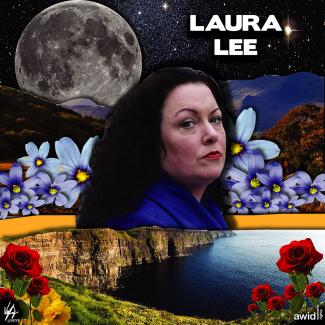
Laura was a leading activist and lawyer who campaigned fearlessly for the decriminalisation of sex work in Ireland.
She is remembered as “a freedom fighter for sex workers, a feminist, a mother to a daughter and a needed friend to many.”
Laura advocated for individuals in the sex industry to be recognised as workers deserving of rights. She advanced demands for decriminalisation, including initiating a judicial review at Belfast’s high court in respect of the provisions criminalising the purchase of sex. Laura stated that her intention was to bring the case to the European Court of Human Rights.

Para dar ênfase à complexidade do financiamento de várias formas de organização feminista;

This economical model exploits nature and as it intensifies, so does the inequality between global North with their large corporations, and the global South, where resources are extracted.
Find more on our report on EXTRACTIVE INDUSTRIES
There are sustainable alternatives for the environment and women's rights.
La pandémie de COVID-19 a montré au monde l'importance des travailleur·euses essentiel·les. Nous parlons des personnes qui font le ménage, les travailleur·euses domestiques, les infirmier·ères, les d'ambulancier·ères, les personnes travaillant dans les transports, les supermarchés et autres. Leur travail consiste à prendre soin et à garantir le bien-être des autres et à faire fonctionner nos économies.
Mais pendant qu'iels prennent soin de nous..
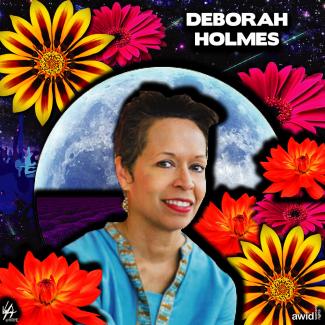
Al momento de su muerte, luego de una corta pero denodada batalla contra el cáncer, Deborah era la Jefa de Comunicaciones y Participación en la Women’s Funding Network (WFN, Red de financiamiento para mujeres).
Deborah también trabajó para el Fondo Global de Mujeres entre 2008 y 2017. Era sumamente querida y respetada por el consejo asesor, el personal y lxs colaboradorxs de la organización.
Kavita Ramdas, anterior directora ejecutiva del Fondo, acertadamente señaló que Deborah era un «pequeño paquete que explotaba de calidez, generosidad, inteligencia, estilo y un apasionado compromiso por unir la belleza con la justicia. Ella entendía el poder de las historias. El poder de la voz de las mujeres. El poder de la experiencia vivida. El poder de levantarse de las cenizas y decirle a otrxs que era posible. Y todavía nos levantamos».
Musimbi Kanyoro, actual directora ejecutiva del Fondo Global de Mujeres, añadió: «Hemos perdido a una hermana y su vida ilumina valores que nos unen y nos inspiran. Al reunirnos para llorar el fallecimiento de Deborah, recordemos y celebremos su notable, audaz y apasionada vida».
Cliquez sur l'image pour ouvrir le rapport complet en PDF
 |
|
Téléchargez le rapport PDF «Vers un écosystème de financement féminist» |
Où en sommes -nous aujourd'hui ? |
Où nous voulons être |
Financement actuel, par secteur |
 |
 |
 |
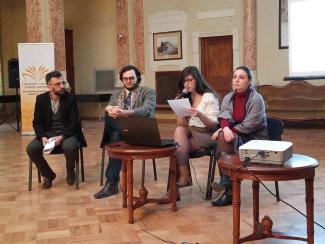

Carmen dirigeait le Construction Resource and Development Collective et a joué un rôle de premier plan en faveur de la participation des femmes dans l’industrie de la construction en Jamaïque.
Elle a également œuvré à la préparation aux catastrophes de femmes rurales et urbaines. Elle a travaillé en étroite collaboration avec les femmes (en particulier les mères célibataires) pour leur apprendre à utiliser les sangles anti-ouragan ainsi que d’autres technologies pour sécuriser leur foyer. Elle a travaillé dans le domaine de l’eau et de l’assainissement et a été une ardente défenseure d’une gestion durable de l’environnement et du développement.
Elle faisait partie de la Commission Huairou et plaidait en faveur des femmes de la base sur des questions telles que le logement, l'énergie et les moyens de subsistance durables.