Contenu lié
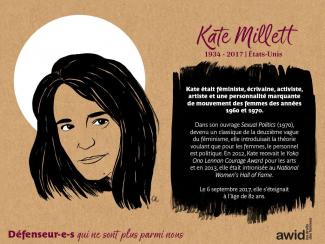
TV5Monde: Kate Millett, décès d'une féministe qui combattait avec caresses et plaisir
Esta sección de análisis especial ofrece un análisis feminista crítico y acceso a los recursos clave relacionados con la «protección de la familia» en los espacios internacionales de derechos humanos.
Durante los últimos años, venimos observando una nueva y preocupante tendencia en el ámbito internacional de derechos humanos, donde se están empleando discursos sobre la «protección de la familia» para defender violaciones cometidas contra miembros de la familia, de modo de reforzar y justificar la impunidad y para coartar la igualdad de derechos en el seno de la familia y la vida familiar.
La campaña para «proteger a la familia» es impulsada por proyectos conservadores que tienen como fin imponer interpretaciones «tradicionales» y patriarcales de familia; quitando los derechos de las manos de sus miembros para ponerlos en las de la institución «familia».
Desde 2014 un grupo de estados opera como bloque en espacios de derechos humanos, bajo el nombre «Group of Friends of the Family» [Grupo de amigos de la familia], y a partir de entonces se han aprobado resoluciones sobre la «Protección de la familia» todos los años.
Esta agenda se ha extendido más allá del Consejo de Derechos Humanos (HRC, por sus siglas en inglés). Hemos visto cómo el lenguaje regresivo sobre «la familia» se ha introducido en la Comisión de la Condición Jurídica y Social de las Mujeres (CSW, por sus siglas en inglés), y hemos asistido a intentos por incluir este lenguaje en las negociaciones sobre los Objetivos de Desarrollo Sostenible.
AWID trabaja con asociadxs y aliadxs para resistir conjuntamente las agendas regresivas de «Protección de la familia» y otras, y para defender la universalidad de los derechos humanos.
En respuesta a la creciente influencia de actores regresivos en los espacios de derechos humanos, AWID se ha unido con aliadxs para formar el Observatorio de la Universalidad de los Derechos (OURs, por sus siglas en inglés). OURs es un proyecto colaborativo que monitorea, analiza y comparte información sobre iniciativas anti-derechos tales como la «Protección de la familia».
Derechos en Riesgo, el primer informe de OURs, traza un mapa de los actores que conforman el cabildeo global anti-derechos e identifica sus discursos y estrategias principales, señalando los efectos que estos discursos y estrategias están teniendo sobre nuestros derechos humanos.
El informe expone a la «Protección de la familia» como una agenda que ha promovido la colaboración entre una amplia gama de actores regresivos en las Naciones Unidas. La describe como un marco estratégico que aloja «múltiples posiciones patriarcales y anti-derechos, cuyo marco, a su vez, apunta a justificar e institucionalizar estas posiciones».
Contenu lié
TV5Monde: Kate Millett, décès d'une féministe qui combattait avec caresses et plaisir
Estas mujeres trans* fueron asesinadas por su activismo y por su identidad de género. Son escasas las leyes que reconocen los derechos de las personas trans* e, incluso donde están vigentes, es muy poco lo que se ha hecho para salvaguardar sus derechos. Únete a AWID para honrar a estas defensoras de derechos humanos, su trabajo y su legado, compartiendo los memes aquí incluidos con tus colegas, amistades y redes; y tuiteando las etiquetas #WHRDTribute y #16Días.
Por favor, haz click en cada imagen de abajo para ver una versión más grande y para descargar como un archivo.


AWID está monitoreando de cerca la situación global del COVID-19 y, por ahora, prevé seguir adelante con el Foro según lo planificado.
Si en algún momento la situación exige que hagamos algo diferente, se los comunicaremos inmediatamente.
El 14° Foro Internacional de AWID está programado para realizarse del 20 al 23 de septiembre de 2021 en Taipéi.
“It’s the indigenous knowledge and the practices that have always supported food sovereignty and this knowhow is in the hands of the women … Ecofeminism for me is the respect for all that we have around us.”
Mariama Sonko
Interview to The Guardian
¡Sí, por favor! Te alentamos a compartir el enlace a la encuesta con tus redes. Cuanto más diversas sean las opiniones que recolectemos, más completa será nuestra comprensión del panorama financiero para las organizaciones feministas.
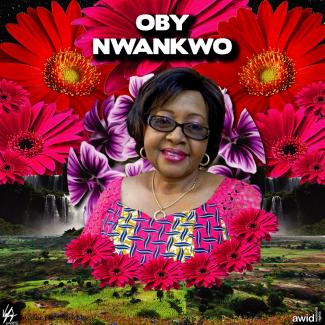
With a legal career spanning more than 30 years, Oby was known across Africa and around the world as a champion for gender justice and human rights.
She founded and served as Executive Director of the Civil Resource Development and Documentation Centre (CIRDDOC), a Nigerian NGO which sponsors trainings and network-building activities for members of civil society, parliamentarians and other key stakeholders to promote human rights, good governance and access to justice and rule of law.
Oby is remembered fondly by activists in Nigeria as an “extraordinary activist who displayed energy and passion towards the fight for gender equality and gender justice in Nigeria and across Africa.”
En esta sección se enumeran los principales recursos con los que AWID te recomienda contar para poder realizar la investigación WITM.
En esta sección
Herramientas en línea
Una vez que hayas reunido todos estos recursos, podrás calcular los costos de la investigación utilizando nuestra Planilla «¿Estoy listx?»
A fines de 2019, la situación en Indonesia (en particular, los signos de militarización intensificada y de reacción contra los derechos LGBTQ) nos llevó a cuestionar la capacidad de AWID para sostener un ambiente razonablemente seguro y acogedor para la diversidad de participantes que esperamos reunir en el Foro.
Después de un análisis cuidadoso, en noviembre de 2019 la Junta Directiva de AWID decidió cambiar la sede del 14° Foro Internacional de AWID, de Bali a Taipéi.
Taipéi ofrece un alto nivel de capacidad logística, y resulta accesible para muchxs viajerxs (con la facilitación de un trámite de visa electrónico para conferencias internacionales).
Para más detalles:
Un lugar de trabajo no tiene que operar sobre la base de la competencia y las ganancias. No tiene que explotar a la gente en beneficio de unx dueñx o pequeña élite.
Las comunidades vulnerabilizadas al margen de las economías formales han ido construyendo modelos cooperativos alternativos basados en la autonomía, la cooperación, la corresponsabilidad, la autogestión y la solidaridad.
Las cooperativas y lugares de trabajo autogestionados por lxs trabajadorxs siempre han ofrecido formas alternativas de generar oportunidades de empleo, ingresos, seguridad social y ahorros y, al mismo tiempo, distribuir los ingresos de formas más comunitarias, sostenibles y seguras.
Pero es más que una oportunidad de empleo: es hacer realidad los sueños y construir economías feministas basadas en la solidaridad y el cuidado mutuo. Es crear un mundo donde nuestras vidas, nuestro trabajo y nuestras comunidades importen.
Esta es la historia de la Cooperativa Textil Nadia Echazú, la primera cooperativa creada y dirigida por y para personas travesti y trans en Argentina.
Чтобы поделиться опытом финансирования в вашей организации
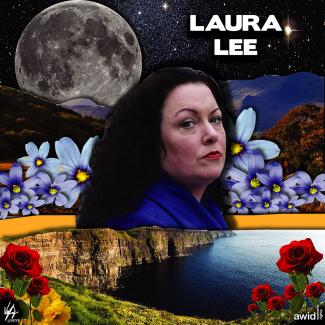
Laura fue una abogada y líder activista que luchó valientemente por la descriminalización del trabajo sexual en Irlanda.
Es recordada como «una combatiente por la libertad de lxs trabajadorxs sexuales, una feminista, una madre para su hija y una amiga necesaria para mucha gente».
Laura promovió el reconocimiento de las personas de la industria del sexo como trabajadorxs merecedorxs de derechos. Presentó demandas por la descriminalización, e inició una revisión judicial en la Corte Suprema de Belfast respecto de las provisiones que criminalizan la compra de servicios sexuales. Declaró que su intención era llevar el caso a la Corte Europea de Derechos Humanos.
Las entrevistas generan información en profundidad que no puedes obtener fácilmente de la encuesta. Mientras que la encuesta se centra sobre todo en información cuantificable y preguntas cerradas, las entrevistas son el espacio para las opiniones expertas de activistas y donantes, así como para las preguntas abiertas que pueden poner en contexto los resultados de la encuesta.
En esta sección
- Consejos generales
1. Antes de realizar las entrevistas
2. Durante las entrevistas- Entrevistas especializadas
1. Entrevistas con donantes
2. Entrevistas con organizaciones y activistas por los derechos de las mujeres- Resultados preliminares
Envía una nota conceptual a las personas que vas a entrevistar, explicando tus objetivos para la entrevista y para la investigación en general, así como una lista de preguntas.
Esto les permitirá prepararse para responder a las preguntas más complicadas y buscar información que tal vez no tengan a mano sin previo aviso.
No bases las preguntas en supuestos acerca de lo que saben las personas a las que entrevistas. Por el contrario, averigua primero qué saben, porque eso también te aportará información.
Las entrevistas con donantes te permitirán forjar vínculos más profundos con ellxs, lo que te será útil cuando hagas incidencia una vez concluida la investigación. También te ayudarán a conocer mejor los procesos de toma de decisiones de las financiadoras.
Preguntas sugeridas para las entrevistas con donantes:
Ver ejemplos de entrevistas con donantes
Las entrevistas con organizaciones y activistas por los derechos de las mujeres te ayudarán a conocer mejor las realidades sobre el terreno. También te permitirán profundizar tus vínculos con ellas y luego tal vez integrarlas al trabajo de incidencia, sobre todo para alentar la colaboración entre donantes y activistas.
Temas que sugerimos abordar durante las entrevistas con organizaciones y activistas por los derechos de las mujeres:
Ver ejemplos de entrevistas con organizaciones y activistas por los derechos de las mujeres
Te recomendamos analizar resultados preliminares durante toda la investigación WITM. Presentar los resultados preliminares te da la oportunidad de realizar más entrevistas y escuchar opiniones sobre el proceso de investigación y los resultados iniciales. Esas opiniones las puedes incorporar a la investigación en su formato final.
AWID organiza «reuniones de WITM» durante las que comparte los resultados preliminares de la encuesta y las entrevistas. En estas reuniones, activistas, organizaciones por los derechos de las mujeres y donantes pueden debatir y discutir los resultados, esclarecer el contexto, sentir la investigación como propia y hacer aportes para la versión final de la investigación.
Por ejemplo, en la Cumbre Mundial de la IFP sobre Filantropía Indígena (en inglés), se utilizó el Centro de Movilización de Recursos por los Derechos de las Mujeres Indígenas como espacio para presentar los resultados preliminares.
Ver la presentación de esa reunión (en inglés)
4. Recoge la información y analízala

• 1,5 - 3 meses
• 1 persona (o más) de investigación
• Lista de los donantes, organizaciones y activistas para las encuestas
• Preguntas preparadas
• Documento de Síntesis (que creó en la sección "Prepara el marco")
• Ejemplo de preguntas: Financiadores
• Ejemplo de preguntas: Activistas y organizaciones
4. Recoge la información y analízala
6. Realiza una investigación secundaria

1 personne trans et travesti sur 3 en Argentine vit dans un ménage à faible revenu.

O inquérito está disponível em árabe, inglês, francês, português, russo e espanhol!
Jusqu’à son décès, à la suite d’une lutte brève mais agressive contre le cancer, Deborah était la directrice de la communication et de la mobilisation au Women’s funding network (le réseau de financement des femmes), WFN.
Entre 2008 et 2017, elle avait également travaillé auprès du Fonds mondial pour les femmes. Deborah était extrêmement appréciée et respectée par le conseil d'administration, l’équipe et les partenaires du Fonds mondial pour les femmes.
Kavita Ramdas, ex-PDG a déclaré, à juste titre, que Deborah était « la combinaison unique d’un être mêlant chaleur, générosité, intelligence et style, avec un engagement passionné pour faire fusionner la beauté et la justice. Elle avait compris le pouvoir des histoires. Le pouvoir de la voix des femmes. Le pouvoir de l'expérience vécue. Le pouvoir de renaître de ses cendres et de dire aux autres que c'était possible. Et nous continuons à nous relever. »
Musimbi Kanyoro, l'actuelle PDG du Fonds mondial pour les femmes, a ajouté: « Nous avons perdu une sœur et sa vie illumine des valeurs qui nous unissent et nous inspirent tou-te-s. Alors que nous sommes tou-te-s réuni-e-s pour pleurer le décès de Deborah, souvenons-nous et célébrons sa vie remarquable, audacieuse et passionnée. »

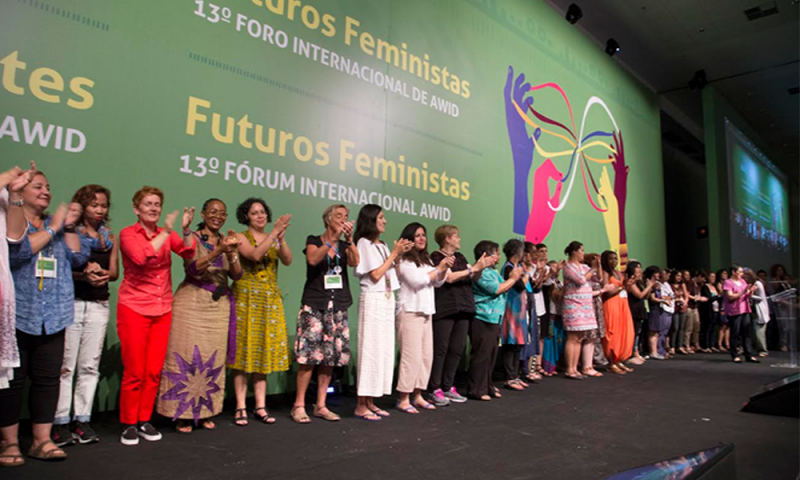
Toute l'équipe de l'AWID vous remercie de nous avoir rejoint pour ces quatre jours d'apprentissage et de célébrations, pour envisager, rêver et co-créer nos Horizons féministes.
Nous avons été incroyablement inspiré-e-s et enthousiasmé-e-s par tout ce travail collectif que nous avons accompli ensemble !
Bonne lecture !
