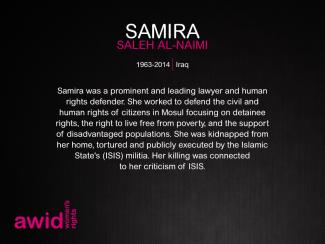
Samira Saleh Al-Naimi
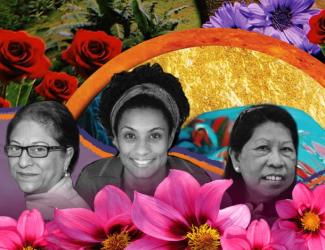
El Tributo de AWID es una exhibición de arte que honra a feministas, a activistas por los derechos de las mujeres y de la justicia social de todo el mundo que ya no están con nosotrxs.
El Tributo de este año cuenta y comparte las historias y narraciones de quienes crearon conjuntamente realidades feministas, ofrecieron visiones de alternativas a los sistemas y actores que nos oprimen, y propusieron nuevas formas de organizarnos, de movilizarnos, de luchar, de trabajar, de vivir y de aprender.
Se agregan a la galería 49 retratos nuevos de feministas y defensorxs de derechos humanos. Aunque muchxs feministas y defensorxs han fallecido debido a edad avanzada o enfermedad, muchísimxs han sido asesinadxs debido a su trabajo y por ser quienes eran.
Esta violencia creciente (de parte de Estados, empresas transnacionales, crimen organizado, sicarios no identificados, etc.) no se dirige solo a activistas individuales sino a nuestro trabajo común y a las realidades feministas.
Visita nuestra exhibición en línea
Lors retratos de 2020 fueron diseñados por la ilustradora y animadora galardonada, Louisa Bertman.
En AWID nos gustaría agradecer a las familias y organizaciones que nos compartieron sus historias personales, y así haber contribuido a este memorial. Nos unimos a ellxs para continuar el extraordinario trabajo de estxs activistas y defensorxs, y en el esfuerzo para asegurarnos de que se logre justicia en los casos que permanecen en la impunidad
"Ellos trataron de enterrarnos pero no sabían que éramos semillas."‐ Proverbio Mexicano
Primero tomó forma como una exposición física de retratos y biografías de feministas y activistas que habían fallecido, en el 12º Foro Internacional de AWID, en Turquía. Ahora vive como una galería en línea, que actualizamos cada año.
Desde 2012 hemos presentado más de 467 feministas y defensorxs.
« C’[elle] était une personne qui se caractérisait par son travail acharné en faveur de la défense des droits humains et la construction de la paix à Nariño, notamment dans la municipalité de Samaniego-Nariño » - Jorge Luis Congacha Yunda pour Página10
Elle s’est concentrée sur les droits civils et politiques, les enjeux d’impunité et de justice, et a contribué à dévoiler les abus de pouvoir, dont la corruption. Elle a également participé à des projets de construction de la paix dans sa ville natale, Samaniego, comme le Conseil municipal pour la paix et le Bureau municipal de femmes.
Paula a reçu des menaces de mort après avoir exposé une gestion irrégulière des ressources, de même que porté plainte contre des actes de corruption au sein de l’Hôpital Lorencita Villegas dans la municipalité de Nariñense. Elle a été assassinée le 20 mai 2019, lorsque deux hommes se sont approchés d’elle et l’ont abattue à bout portant.
"We believe that this is the time for us to continue to organize from a place of solidarity, hope and radical imaginations."
- Beijing+30 & CSW: Feminist meaning-making at a time of polycrisis

Kindle for your feminist fire! Browse AWID’s research on funding, WHRDs, movement building, fundamentalisms, economic justice, feminist monitoring & evaluation and more
Alors que les fondamentalismes, les fascismes et autres systèmes d’oppression se métamorphosent et trouvent de nouvelles tactiques et stratégies pour consolider leur pouvoir et influence, les mouvements féministes persévèrent et célèbrent leurs victoires nationales, régionales et internationales.
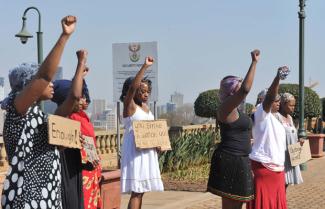
La [MB1] reconnaissance en 2019 par le Conseil des droits de l’Homme du droit à l’intégrité et à l’autonomie corporelles, par exemple, a marqué une étape cruciale. Des résolutions du Conseil sur la discrimination envers les femmes et les filles admettent cependant un recul lié à des groupes de pression rétrogrades, des conceptions idéologiques ou un détournement de la culture ou la religion pour s’opposer à l’égalité de leurs droits. Des avancées féministes sont aussi notées dans le travail des Procédures spéciales, qui soulignent notamment l’obligation des États de contrer les doctrines de l’idéologie du genre, rappellent à l’ordre les antidroits qui détournent des références à la « culture », et signalent que les convictions religieuses ne peuvent pas servir à justifier la violence ou la discrimination.
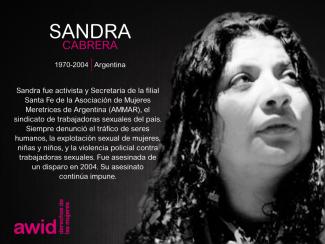
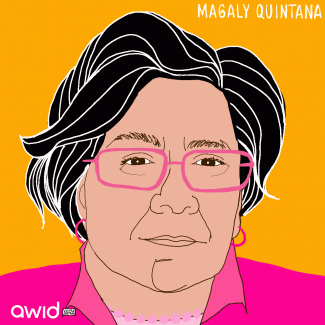
Magaly Quintana was known by many in Nicaragua as ‘La Maga’ (meaning wizard). She was a feminist historian, activist, and an unyielding defender of women’s rights demanding justice for the victims of femicide.
Magaly was committed to documenting and building statistics on women and girls who were killed as a result of sexual violence in the country.
“She rebuilt the life of each one, of their families, to show those lives that had been torn away.” - Dora María Téllez
Magaly also criticized the government for reforming Law 779 addressing violence against women. A product of the hard work of Nicaraguan women’s movements, this law included important provisions to criminalize femicide before its reform. She argued that legislative reforms weakened the law and limited the definition of femicides to homicides, as a result invisibilizing violent crimes against women.
Magaly’s feminist organizing began in the early 1980s. She was the director of Catholic Women for the Right to Choose, advocating for the right to therapeutic abortion after it was banned in 2006. In 2018, she supported the protests against Daniel Ortega’s government.
Magaly was born in May 1952 and passed away in May 2019.
“See you later, my dearest Magaly Quintana. Thanks so much, thanks for your legacy. We’ll see you again, as strong and powerful as ever.”- Erika Guevara Rosas (American Director of Amnesty International)
✉️ By invitation only
📅 Tuesday, March 11, 2025
🕒 2.00-4.00pm EST
🏢 Chef's Kitchen Loft with Terrace, 216 East 45th St 13th Floor New York
Organizer: Observatory on the Universality of Rights (OURs) Consortium
Escucha esta historia aquí:
por Maryum Saifee
Cuando se hace una búsqueda en Internet sobre «mutilación genital femenina» o «MGF», junto a la entrada de Wikipedia, aparece una imagen de cuatro dibujos lineales de la anatomía femenina, que ilustran cuatro tipos de violencia. (...)
arte: «Dreams» [Sueños], Neesa Sunar >
 |
Akosua Hanson est une activiste artistique, basée à Accra, au Ghana. Son travail se répartit entre la radio, la télévision, la presse écrite, le théâtre, le cinéma, les expositions de bandes dessinées, les installations artistiques et le roman graphique. L’activisme d’Akosua se concentre sur le panafricanisme et le féminisme et s’intéresse particulièrement au point d’intersection entre l’art, la culture pop et l’activisme. Elle a une maîtrise de philosophie en études africaines axée sur le genre et la pensée philosophique africaine. Akosua Hanson est la créatrice de Moongirls, une série de romans graphiques qui suit les aventures de quatre super-héroïnes luttant pour une Afrique libérée de la corruption, du néocolonialisme, des fondamentalismes religieux, de la culture du viol, de l’homophobie, entre bien d’autres choses. Elle travaille comme animatrice radio à Y 107.9 FM, au Ghana. |
Dans ces panneaux, la Moongirl (fille de la lune) Wadjet est en train de faire l’amour BDSM avec un démon de deux genres. Parmi les quatre Moongirls, Wadjet est la guérisseuse et la philosophe la conduit vers l’Oracle. Elle fait cela pour lancer un processus scientifique et spirituel – une expérience qu’elle appelle « Illumination par la lumière de la pleine lune » – à travers laquelle elle trace un arc temporel vibratoire entre ses souvenirs, ses sensations, ses émotions, ses visions et son imagination. C’est une forme de voyage sensationnel dans le temps pour découvrir ce qu’elle appelle « des révélations de vérité ».
Au cours de l’expérience, Wadjet a des visions troubles, entre autres sur : une apocalypse imminente provoquée par la destruction de l’environnement par les humains au service d’un capitalisme vorace; un souvenir d’enfance sur son hospitalisation après un diagnostic de santé mentale; et une vision de l’histoire d’origine des Moongirls par la figure biblique de Noé présentée comme une ancienne Moongirl noire avertissant des dangers de la pollution de l’environnement.
Plus qu’une entorse amusante pour explorer des sensations, le BDSM peut être un moyen d’aborder la douleur émotionnelle et les traumatismes. Cela a été pour moi un moyen de guérison sexuelle, offrant une forme radicale de libération. Une purge survient lorsque la douleur physique est infligée au corps. Infligée avec consentement, elle fait ressortir la douleur émotionnelle - presque comme un « appel ». Le fouet sur mon corps me permet de libérer des émotions refoulées : l’anxiété, la dépression, mon sentiment d’impuissance face aux stress qui me submergent parfois.
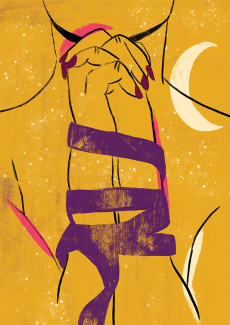
En s’engageant dans le BDSM comme moyen de guérison, les amoureux·ses doivent apprendre à faire preuve d’attention et de responsabilité envers l’autre. Car même si le consentement a été initialement donné, nous devons demeurer aux aguets face aux changements qui pourraient survenir durant le processus, notamment à mesure que les sentiments s’intensifient. J’aborde le BDSM avec la compréhension que pour abandonner la douleur, l’amour et l’empathie doivent être la base du processus, et ainsi, je crée un espace où je m’ouvre à l’amour.
L’implication avec suivi après l’infliction de la douleur vient compléter le processus. Cela peut se faire de manière très simple, en se faisant des caresses, en vérifiant si la personne a besoin d’eau, en regardant un film ensemble, en se prenant dans les bras ou simplement en partageant un joint. Cela peut se faire par n’importe quel langage amoureux que l’on a choisi. Cet espace de soutien, sachant que les plaies ont été ouvertes, est nécessaire pour achever le processus de guérison. C’est la plus importantes des leçons pour mettre en pratique l’empathie, ainsi qu’un apprentissage pour vraiment soutenir son·sa partenaire, notamment en raison de la finesse des lignes entre la douleur et le plaisir. De cette façon, le BDSM est une forme de travail de soins pour moi.
Après le sexe BDSM, je ressens une clarté et un calme qui me placent dans un vaste espace créatif et qui me renforcent sur le plan spirituel. C’est une expérience presque magique de voir la douleur se transformer en quelque chose d’autre instantanément. De même, cette expérience personnelle libératrice du BDSM permet à Wadjet d’accéder à la prescience, à la sagesse et à la clarté, l’aidant dans ses fonctions de Moongirl à lutter contre le patriarcat africain.
Moongirls est née durant mon mandat de directrice de Drama Queens, une jeune organisation militante artistique basée au Ghana. Depuis notre création en 2016, nous avons eu recours à différents modes artistiques dans le cadre de notre activisme féministe, panafricaniste et écologiste. Nous avons utilisé la poésie, les nouvelles, le théâtre, les films et la musique pour traiter de problèmes comme la corruption, le patriarcat, la dégradation de l’environnement et l’homophobie.
Notre production théâtrale inaugurale, « The Seamstress of St. Francis Street » (La couturière de la rue Saint-François) et « Until Someone Wakes Up » (Jusqu’à ce que quelqu’un·e se réveille), abordait le problème de la culture du viol dans nos communautés. De son côté, « Just Like us » (Tout comme nous), a sans doute été l’une des premières productions théâtrales ghanéennes à aborder directement le problème profondément ancré de l’homophobie dans le pays. Notre atelier de cinéma queer pour les cinéastes africains, Queer Universities Ghana (Universités queer Ghana), a formé des cinéastes du Ghana, du Nigéria, d’Afrique du Sud et d’Ouganda. Des films sont nés pendant cet atelier, comme « Baby Girl: An Intersex Story » (Bébé fille : une histoire intersexe) de Selassie Djamey, et ont continué à être projetés durant des festivals de cinéma. Ainsi, le passage aux bandes dessinées fut une évolution naturelle.
Il y a environ sept ans, j’ai commencé un roman, que je n’ai jamais terminé, sur la vie de quatre femmes. En 2018, l’Open Society Initiative for West Africa (OSIWA, Initiative de société ouverte pour l’Afrique de l’Ouest) a initié une opportunité de subvention, laquelle a lancé la production du projet et mon roman inachevé est devenu Moongirls.
Il y a eu deux saisons de Moongirls, comprenant chacune six chapitres. Les auteur·e·s et éditeurs·rices contribuant à la première saison étaient Suhaida Dramani, Tsiddi Can-Tamakloe, George Hanson et Wanlov the Kubolor. Les auteur·e·s de la deuxième saison comprenaient Yaba Armah, Nadia Ahidjo et moi-même. Les illustrations et conceptualisations des personnages ont été réalisées par l’artiste ghanéenne Kissiwa. Et AnimaxFYB Studio, un studio premium d’animation, de conception et d’effets visuels, a réalisé les illustrations.
|
|
L’écriture de Moongirls entre 2018 et 2022 a été pour moi un travail d’amour, voire un travail de libération. Je cherche à faire preuve de beaucoup d’exploration dans la forme et le style : j’ai essayé de convertir d’autres formes d’écriture, telles que des nouvelles et de la poésie, en format bande dessinée. En fusionnant illustration et texte, comme le font les bandes dessinées, Moongirls vise à s’attaquer aux grands problèmes et à honorer les activistes de la vie réelle. Ma décision de mettre au centre des super-héroïnes queer – ce qui est rare à voir dans ce canon – a pris une signification bien plus importante lorsqu’un contexte dangereux a commencé à se développer au Ghana en 2021.
L’année dernière a été le témoin d’une augmentation très claire des violences contre la communauté LGBT+ ghanéenne, déclenchée par la fermeture d’un centre communautaire LGBT+. S’en sont suivies des arrestations arbitraires et l’emprisonnement de personnes soupçonnées d’appartenir au spectre queer, ainsi que de personnes accusées de promouvoir un « agenda LGBT ». Pour couronner le tout, un projet de loi anti-LGBT intitulé « Droits sexuels humains appropriés et valeurs familiales ghanéennes » fut introduit au Parlement ghanéen. C’est sans doute le projet de loi anti-LGBT le plus draconien jamais rédigé dans la région, après des tentatives précédentes dans des pays comme le Nigeria, l’Ouganda et le Kenya.
Je me souviens très bien de la première fois où j’ai lu ce projet de loi.
C’était un vendredi soir, un soir où d’habitude je me repose ou je fais la fête après une longue semaine de travail. Par pure chance, le projet a été divulgué et partagé avec moi sur un groupe WhatsApp. En le lisant, un profond sentiment de peur et d’alerte venait plomber l’ambiance du vendredi soir ordinairement détendu. Ce projet de loi proposait de frapper tout plaidoyer LGBT+ de cinq à dix ans d’emprisonnement, de sanctionner et d’emprisonner les personnes qui s’identifient comme LGBT+, sauf si elles se « rétractaient » et qu’elles acceptaient une thérapie de conversion. Ce projet de loi criminalisait même les personnes asexuées. Il touchait à toutes les libertés fondamentales : la liberté de pensée, d’être, la liberté de détenir sa propre vérité et de choisir de vivre sa vie en fonction. Le projet touchait même aux réseaux sociaux et à l’art. S’il passait, Moongirls aurait été une littérature interdite. Ce que le projet de loi proposait de faire était si néfaste et si large que j’ai chuté dans une dépression à la profondeur de la haine à partir de laquelle il avait été conçu.
En parcourant mon fil Twitter de cette nuit-là, on voit bien la terreur que je ressentais en moi. Le fil était un flux d’émotions en direct alors que les gens réagissaient en temps réel à ce qu’ils lisaient : de la stupéfaction à la terreur en passant par une profonde déception et de la peine en réalisant à quel point le projet de loi voulait aller loin. Certain·e·s ont tweeté être prêt·e à se replier et à quitter le pays. Ensuite, à la manière ghanéenne, le chagrin et la peur se sont transformés en humour. De l’humour est né le zeste d’élever le combat.
Ainsi, le travail continue toujours. J’ai créé Moongirls pour fournir une forme alternative d’éducation, pour fournir des connaissances là où elles ont été supprimées par un patriarcat violent et pour créer de la visibilité là où la communauté LGBT+ a été effacée. Il est également important que le BDSM africain utilise ce support de représentation alors qu’une grande partie de la représentation BDSM est blanche. Le plaisir sexuel, par le biais du BDSM ou autre, ainsi que l’amour non hétérosexuel transcendent les races et les continents, car le plaisir sexuel et sa diversité d’expériences sont aussi vielles que le temps.

Janet Benshoof fue una abogada de derechos humanos de los Estados Unidos, y defensora de la igualdad de las mujeres y de los derechos sexuales y reproductivos.
Hizo campaña para ampliar el acceso a los anticonceptivos y al aborto en todo el mundo, y luchó contra las sentencias antiaborto y en el territorio estadounidense de Guam. Fue arrestada en 1990 por oponerse a la ley de aborto más restrictiva de su país. Sin embargo, obtuvo una medida cautelar en el tribunal local de Guam que bloqueó la ley y, finalmente, ganó en el Tribunal de Apelaciones del Noveno Circuito, que llevó a la anulación de la ley para siempre.
"Las mujeres de Guam están en una situación muy trágica. No tengo intención de callarme al respecto." - Janet Benshoof para la revista People.
Janet sentó precedentes jurídicos históricos, entre ellos, la aprobación de la anticoncepción de emergencia por parte de la Administración de Alimentos y Medicamentos de los Estados Unidos, así como la aplicación del derecho internacional para garantizar los derechos de las víctimas de violación en el Tribunal Superior de Iraq, durante el procesamiento de los crímenes de guerra de la época de Saddam.
Janet fue Presidenta y fundadora del Centro de Justicia Global, y fundadora también del Centro de Derechos Reproductivos, la primera organización internacional de derechos humanos del mundo centrada en la elección y la equidad reproductiva. Durante 15 años se desempeñó como directora del Proyecto de Derechos Reproductivos de la Unión Americana de Libertades Civiles, donde encabezó litigios que dieron forma a las leyes constitucionales de los Estados Unidos sobre igualdad de género, libertad de expresión y derechos reproductivos.
"Janet era conocida por su mente jurídica brillante, su agudo sentido del humor y su coraje ante la injusticia". - Anthony D. Romero
Nombrada una de las "100 Abogadas más influyentes de América" por el National Law Journal, Janet recibió numerosos premios y honores.
Nació en mayo de 1947 y falleció en diciembre de 2017.
Nous tenons à remercier le collectif Amar.ela de femmes féministes militantes et créatives qui ont rendu cette série possible, et tout particulièrement Natalia Mallo (le poulpe de l'équipe) pour son soutien et son accompagnement dans ce voyage.
Nous exprimons également notre profonde gratitude et notre admiration à tous les groupes et personnes qui ont participé à ce projet, et nous les remercions d'avoir partagé leur temps, leur sagesse, leurs rêves et leurs illusions avec nous. Nous les remercions de faire de ce monde un monde plus juste, féministe et durable.
Nous espérons que leurs histoires inspireront le reste du monde autant qu’elles nous ont inspirés.
par Émilie Herbert-Pontonnier
Vous vous souvenez d’Esmeralda? Cette héroïne « gitane » et exotique née sous la plume de Victor Hugo, géant de la littérature française, et rendue célèbre par les studios Disney et leur Bossu de Notre-Dame. (...)
< illustration : « Si les Marronas le permettent » Nayare Soledad Otorongx Montes Gavilan