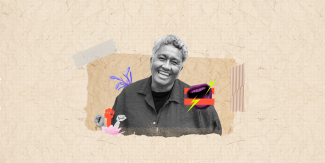
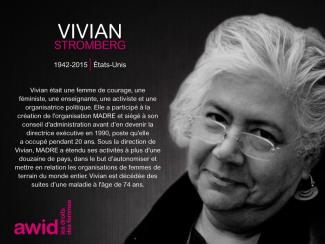
Vivian Stromberg
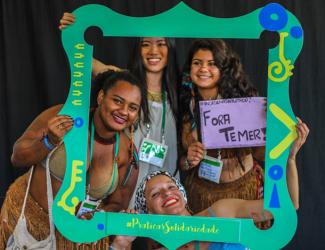
El activismo joven feminista juega un papel fundamental en las organizaciones y los movimientos por los derechos de las mujeres a nivel mundial, ya que aborda los nuevos problemas a los que las feministas se enfrentan en la actualidad. Esta fuerza, creatividad y adaptabilidad son esenciales para la sostenibilidad de la organización feminista.
A la vez, enfrentan obstáculos específicos para ejercer su activismo, como acceso limitado al financiamiento y al apoyo, falta de oportunidades de capacitación, un incremento considerable de los ataques contra las jóvenes defensoras de los derechos humanos. Esto crea una falta de visibilidad que hace más complicada su inclusión y participación efectiva en los movimientos por los derechos de las mujeres.
El programa de activismo joven feminista fue creado para garantizar que las voces de las jóvenes sean escuchadas y se vean reflejadas en el discurso feminista. Queremos garantizar que las jóvenes feministas tengan un mejor acceso al financiamiento, a las oportunidades de desarrollo de las capacidades y a los procesos internacionales.
Además de apoyar directamente a las jóvenes feministas, estamos trabajando con activistas por los derechos de las mujeres de todas las edades, con modelos y estrategias prácticas para procesos efectivos de organización intergeneracionales.
Queremos que las activistas jóvenes feministas jueguen un papel en el proceso de toma de decisiones que afectan sus derechos a través de:
Fomento de la comunidad e intercambio de información a través de la Conexión Joven Feminista. Dada la importancia de los medios virtuales para el trabajo de las jóvenes feministas, nuestro equipo lanzó la Conexión Joven Feminista en mayo de 2010 para compartir información, construir capacidades a través de seminarios web y discusiones electrónicas y para alentar la construcción de la comunidad.
Investigación y generación de conocimientos sobre el activismo joven feminista, que aumenten la visibilidad y el impacto del activismo joven feminista en los movimientos por los derechos de las mujeres y otros actores clave, como los donantes.
Promoción de procesos más efectivos de organización intergeneracional, explorando mejores formas de trabajar en conjunto.
Apoyo a la participación de las jóvenes feministas en los procesos globales de desarrollo, por ejemplo en los procesos de Naciones Unidas.
Colaboración con todas las áreas prioritarias de AWID, incluyendo el Foro, para garantizar así que las contribuciones clave de las jóvenes feministas, así como sus perspectivas, necesidades y activismo se reflejen en los debates, políticas y programas que las afectan.
Chers mouvements féministes,
Vous nous avez accueillies à bras ouverts lorsqu’il a été annoncé en 2016 au Forum de l’AWID à Bahia que nous serions toutes deux codirectrices exécutives de l’AWID. Nous pensions alors que tout était possible, nous allions construire une oasis féministe qui nourrirait nos combats collectifs à venir. Nous avons quitté Bahia avec un sens aigu de nos nouvelles responsabilités, nous engageant à vous servir de notre mieux et à diriger l’AWID de la manière la plus efficace et la plus soutenante pour vous.
Il est maintenant temps pour nous de laisser la place à un nouveau leadership !
Plus de cinq ans après le début de cette aventure, nous avons décidé de faire coïncider la fin du cycle stratégique actuel de l’AWID avec l’arrêt de notre codirection. Nous pensons que c’est le moment idéal de quitter nos fonctions et de soutenir la relève. Nous pensons en effet que le leadership féministe transformateur est cyclique.
Nous avons pleinement conscience de l’opportunité qui nous a été donnée de jouer un rôle dans les 40 ans d’histoire de l’AWID, de soutenir et mener l’organisation tout au long du difficile contexte de la pandémie mondiale et des nombreuses crises qui se sont succédé.
Mouvements féministes, nous savons que vous ferez partie de notre prochaine aventure, quelle qu’elle soit. Vous nous enseignez sans relâche la force et la résilience. Nous changeons de fonction, mais nous continuerons collectivement à progresser ensemble.
Nous avons des souvenirs très clairs de ceux d’entre vous en Indonésie, en Malaisie, au Népal, en Thaïlande, en Taiwan et ailleurs encore, avec qui nous avons co-créé le Forum de l’AWID, dans la générosité et la spontanéité. Sans aucun doute, notre plus grand regret de ces cinq dernières années est de n’avoir pas pu vous offrir un autre Forum en présentiel.
Dès que la difficile (quoique nécessaire) décision d’annuler le forum de l’AWID a été prise, nous nous sommes centrées sur les questions existentielles avec lesquelles de si nombreuses organisations se débattaient : comment transformer nos manières de travailler pour continuer à être pertinentes, comment prendre en compte la fatigue, la maladie et le deuil qui nous touchent toutes et tous de diverses manières ? Comment construire des relations porteuses de sens, lorsque l’on doit se cantonner aux interactions en ligne ? Il n’y a toujours pas de réponses évidentes à ces questions mais, mouvements féministes, vous avez ouvert la voie.
Nous étions si fières de voir la manière dont les féministes prenaient les rênes d’initiatives visant à atténuer les effets de la COVID-19 sur nos communautés. Les féministes sont les intervenant·es de première ligne dans les crises et nous continuerons à réclamer la reconnaissance et des ressources pour ce travail. Vous avez souvent répondu avec enthousiasme à nos mobilisations, participant de manières toujours plus géniales à notre campagne pour un Sauvetage féministe et ensuite au Festival Crear Résister Transform. Vous vous êtes spontanément jointes à nos actions de plaidoyer, lors d’interventions dans les espaces les droits humains, auprès de responsables des politiques ou de bailleurs de fonds.
Nous voulons témoigner à l’équipe actuelle, et précédente, de l’AWID (tant le personnel que les membres du CA), avec qui nous avons eu l’honneur de travailler au cours de ces années, tout notre amour et notre respect. Nous avons appris de chacun·e d’entre vous et sommes profondément reconnaissantes de toutes vos contributions à l’AWID au fil des ans.
Nous avons été les toutes premières codirectrices exécutives de l’AWID. Nous avons beaucoup appris des multiples traditions activistes et communautaires de leadership collectif et des organisations féministes qui l’avaient fait avant nous. Nous savons que nous n’aurions pas pu faire ce travail sans l’autre. Nous avons pu nous appuyer sur les forces l’une de l’autre et nous nous sommes soutenues mutuellement pour faire le meilleur travail possible.
Nous sommes arrivées à cette fonction ensemble, et repartons ensemble, même si nous décalons nos dates de départ. Nous voulons toutes les deux assurer une transition aussi douce que possible et une arrivée maîtrisée de la nouvelle direction.
Mouvements féministes, vous êtes entre de bonnes mains avec l’équipe de l’AWID. Elle sait ce qu’elle fait. Et nous sommes fières de quitter l’organisation alors qu’elle est si forte et si résiliente. Nous espérons voir bon nombre d’entre vous au Forum de l’AWID en 2024 – vous nous reconnaîtrez facilement, nous serons les deux personnes totalement relax dans l’assemblée !
Nous vous envoyons de l’amour et de la reconnaissance pour tout ce que vous avez fait avec et pour nous. L’impact que vous avez dans nos vies s’étend sur bien plus que les cinq dernières années et continuera, sans aucun doute, bien au-delà.
Cindy et Hakima
Le Forum est un exemple vivant de ce que le grand NOUS peut faire. Nous allons au Forum, nous sommes des graines, nous sommes ensuite semées. Nous devons célébrer cela.
- Sara Abu Ghazal, Liba
Jaitun, comúnmente conocida como «Amma», estaba comprometida con garantizar los derechos reproductivos de las mujeres y niñas de India. Se dedicó, particularmente, a abogar por quienes viven en la pobreza y son más marginadas, incluidas las mujeres y niñas dalit y musulmanas.
Jaitun fue la fuerza vital detrás del caso Jaitun versus Janpura Maternity Home & Ors. Su perseverancia por la justicia llevó a que la Corte Suprema de Delhi emitiera una sentencia innovadora, que obligó al gobierno indio a hacerse responsable del incumplimiento de cierto número de obligaciones legalmente vinculantes, tales como la atención a la salud reproductiva y el derecho a la alimentación.
A su hija Fatema, quien vivía por debajo de la línea de pobreza, se le negaron los servicios reproductivos, y tuvo que dar a luz en público, bajo un árbol. En ese momento, tanto Jaitun como Fatema estaban en situación de calle, ya que su casa había sido demolida por el gobierno como parte del programa de reurbanización y gentrificación de Nueva Delhi.
«Desde entonces, esta sentencia ha sido utilizada por innumerables abogadxs y activistas de todo el mundo, incluyendo al ex-Relator Especial de la ONU sobre el derecho a la salud, no solamente como fuente de inspiración, sino como una sólida plataforma para promover la justicia.» - Jameen Kaur
Jaitun ha sido una inspiración para que muchas otras mujeres que viven en la pobreza reclamen sus derechos. Falleció en 2017.
«Con la muerte de Jaitun, hemos perdido una incomparable guerrera de la justicia, pero su espíritu de desafío pervive.» -Jameen Kaur
«En mis dieciocho años como defensora de los derechos humanos, nunca he encontrado una mujer que me inspirara ni que conmoviera mi espíritu de la forma en que lo hacía Amma. Su sonora valentía, su inimitable humor (solíamos compararla con la actriz de Bollywood, Hema Melini) cuando se sentía molesta porque habíamos pasado tanto tiempo lejos de ella... con un brillo en los ojos, decía “Ustedes se han olvidado de Amma, Amma ahora no les habla”, y luego con gran dramatismo se ponía de espaldas para darse vuelta enseguida riendo y estirando los brazos para un abrazo. Su bondad y, en definitiva, su amor y su alegría por el amor y el derecho de todxs nosotrxs a vivir con dignidad. La extraño terriblemente.» - Jameen Kaur
Mobilizing working-class transgender hairdressers and beauty queens, the dynamic leaders of the world’s only LGBT political party wage a historic quest to elect a trans woman to the Philippine Congress.

Filter your search by funders from different sectors i.e., philanthropic foundations, multilateral funders, women’s and feminist funds
Every year, AWID seeks to renew and enrich the perspectives and experience reflected in our Board of Directors by bringing in new members.
Currently, we are looking for individuals to serve 3-year terms on AWID’s Board, starting in early 2023. This is an opportunity to contribute to our organisation’s governance and to be part of an amazing group of feminists from around the world.
Please help us to identify thoughtful and bold feminists to nominate for election by July 29, 2022.
Please also share this invitation to nominate with your networks!
First and foremost, we are looking for candidates who are committed to AWID’s mission, who can make connections between local and global struggles, and who can help us to be thoughtful about how to best leverage AWID's positioning and strengths in a constantly evolving context. Candidates must be willing to uphold the legal duties and responsibilities of the AWID Board in the best interests of the organization.
This is a voluntary role that requires commitment and engagement throughout the year. Board members are expected to commit a minimum of 10-15 days per year to attend in-person and virtual meetings, and contribute to other communications.
We aspire for our Board to reflect diversity in all its forms, particularly in terms of gender identity, sexual orientation, age, geography and background. Additionally, we seek Board members with experience relevant to AWID’s priority areas of work.
While we will consider all candidates, in light of the current composition of the board, priority consideration will be given to:
Candidates with experience working at the intersections of women’s rights/gender justice and :
Candidates from the following regions:
The Board of Directors is key to inform AWID’s strategic direction and support our organisation to fulfill its mission in coherence with the world we live in and the needs of our movements.
Board members contribute to the organization in many ways: bringing governance experience from other spaces, perspectives from diverse sectors of feminist movements, and substantive expertise in areas relevant to AWID’s strategy.
The candidates who are ultimately elected will be joining the AWID Board in 2023, accompanying us for the launch of our new strategic plan led by AWID’s new Co-Executive Directors, and the planning of our next international Forum.
(You can nominate yourself or someone you know - with their consent)
Please also share this invitation to nominate with your networks!
Thank you, in advance, for helping us find our next wonderful Board members to support AWID in its journey ahead!
2-5 December, 2024, Bangkok, Thailand! We will gather at the Queen Sirikit National Convention Center (QSNCC) as well as virtually online.
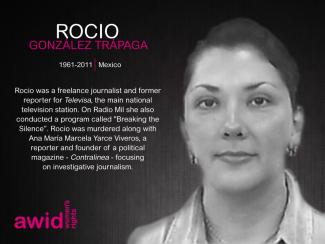
Isabel Cabanillas de la Torre était une jeune artiste et activiste féministe très appréciée de Ciudad Juárez, au Mexique. Elle était connue pour ses belles peintures textiles, très expressives. Les yeux faisaient partie des représentations emblématiques de son travail. Ses peintures murales ont métamorphosé les immeubles décrépis et laissés à l’abandon du centre-ville de Ciudad Juárez, ornant leurs façades de messages de vie et de commentaires politiques.
Isabel voulait, à travers son art et son activisme politique, attirer l’attention sur les violences basées sur le genre omniprésentes dans sa ville natale. Elle était bénévole dans le réseau Mesa de Mujeres pour l’Observatoire citoyen sur le genre, qui supervise le travail des juges, procureurs et avocats de la défense dans les affaires de féminicides et autres violations basées sur le genre. Elle était également membre de Hijas de su Maquilera Madre, un collectif féministe dont le nom fait référence aux filles de mères qui travaillent dans les maquiladoras, ou zones de traitement pour l’exportation. Certaines de ces mères ont figuré parmi les premières victimes de féminicide dans la ville.
Le dernier projet d’Isabel, toujours en cours, était une installation artistique pour protester contre une entreprise canadienne qui cherchait à extraire du cuivre dans le désert de Samalayuca.
Le 18 janvier 2020, Isabel a été tuée par balle alors qu’elle rentrait chez elle à vélo dans le centre de Juárez, dansce qui semble avoir été un acte ciblé, son corps ayant été retrouvé à côté de son vélo.
Le meurtre d’Isabel a déclenché une nouvelle vague d’indignation contre les féminicides dans la région, des centaines de personnes ont manifesté jusqu’au pont frontalier entre le Mexique et les États-Unis, le bloquant pendant des heures et scandant « Ni Una Menos » (pas une de plus) alors que des collectifs féministes continuaient de manifester contre les meurtres de femmes dans tout le pays. Au cours de la seule année 2019, 3 142 femmes et filles ont été tuées au Mexique. Un grand nombre ont été spécifiquement ciblées du fait de leur genre.
Elle adorait faire du vélo.
« Le vélo était son symbole de liberté. Il symbolisait le fait d’être libre dans les rues. » - Marisol (une amie d’Isabel)
Conoce el programa del Club de Cine Feminista de AWID «Holding up the Skies» [«Sosteniendo los cielos»], una serie de películas sobre realidades feministas de África y la Diáspora Africana, curada por Gabrielle Tesfaye.

Be it core funding, programmes & projects or rapid response/ emergency grants.
Las dos amigas se llaman a sí mismas las «Triple Cripples» [«Triples Inválidas»] porque, como mujeres discapacitadas negras, se ven sometidas a tres niveles de discriminación. Jay, actualmente de 31 años, contrajo polio cuando era bebé y utiliza una férula y unas muletas como sostén, mientras que Kym, de 25 años, tiene esclerosis múltiple y se moviliza en silla de ruedas. El nombre del dúo surge de un esfuerzo por redefinir la palabra «inválida» que, según ellas, «ha sido un término habitualmente usado contra las personas discapacitadas como injuria, como una forma infalible de recordarnos que estábamos “falladas” y que siempre íbamos a ser “menos que”.»
Como mujeres negras, Kym y Jay han sido víctimas del estereotipo racial globalizado que hipersexualiza la piel oscura. En su libro Heart of the Race: Black Women’s Lives in Britain [Corazón de la raza: las vidas de las mujeres negras en Gran Bretaña], Beverley Bryan, Stella Dadzie y Suzanne Scafe describen cómo las mujeres negras han sido históricamente definidas como un «riesgo de alta promiscuidad» por los doctores, debido a su libido y su fertilidad. Jay explica que «la gente piensa que estoy siempre dispuesta a hacer de todo y cualquier cosa todo el tiempo porque soy una mujer negra». Aunque ambas mujeres han sido sometidas a una intensa fetichización debido a su color de piel, sus discapacidades han confundido a muchas personas. Kym describe así su experiencia como mujer con curvas: «Tengo el tipo de cuerpo que la gente quiere manosear, y les parece que yo debería poder aceptarlo, pero, al mismo tiempo, existe esta idea de que yo no debería tener pretensiones, por mi discapacidad.»
En las plataformas de citas en línea, a Jay le han preguntado si puede realizar ciertas posiciones sexuales, dado que ciertas potenciales parejas «han decidido que quieren estar contigo de este modo y quieren saber si tu corporalidad puede facilitarlo.» Durante una consulta de control, Kym hizo disculparse a unx profesional médicx que, mientras completaba un formulario de admisión, le preguntó cuántas parejas sexuales ha tenido con un tono que implicaba «yo sé que estas preguntas no son aplicables en tu caso, pero tenemos que seguir el proceso estándar del cuestionario.»
El error de pensar que la falta de autonomía física equivale a una falta de deseo sexual es generalizado.
En la escuela, Jay era excluida de las clases de educación sexual, porque se presuponía que estaba incapacitada para tener sexo. Ella explica que incluso las organizaciones bien intencionadas que promueven el acceso a los servicios de salud sexual y reproductiva a menudo no tienen en cuenta las necesidades específicas de las mujeres discapacitadas. Por ejemplo, las píldoras son consideradas con frecuencia un método anticonceptivo efectivo, sin ninguna mención de que pueden agravar los riesgos de coágulos de las mujeres que usan sillas de ruedas.
Con sede en Londres, las Triple Cripples esperaban ansiosamente participar, junto con el equipo Decolonising Contraception [descolonizar la contracepción], en el SexFest2020, un festival de un día organizado para personas de color y dedicado a la salud y el bienestar sexuales. Desafortunadamente, el evento fue cancelado debido a la pandemia del COVID-19. A pesar de ello, sin desanimarse, Jay y Kim se volcaron a sus plataformas de activismo en línea, para oponerse a la forma en que la sexualidad es vista desde una perspectiva estrictamente heteronormativa y para desafiar la idea de que la femineidad está definida por la capacidad de procrear. El dúo inauguró un canal de YouTube y un podcast (también llamado «The Triple Cripples») para promover la representación de las personas discriminadas de múltiples formas como seres humanos holísticos. Sus planes a futuro incluyen un documental creativo y una muestra fotográfica dedicada a luchar contra la discriminación y a difundir las voces de personas de color discapacitadas.
La experiencia de discriminación basada en la raza, el género y la discapacidad es más que acumulativa.
Si bien las mujeres discapacitadas de color comparten experiencias de discriminación por motivos de discapacidad con otras personas discapacitadas, experiencias de sexismo con otras mujeres, y experiencias de racismo con otras personas de color, estas experiencias interactúan y no pueden ser separadas: las mujeres discapacitadas de color experimentan una discriminación singular como mujeres discapacitadas de color.
Si bien las Triple Cripples reconocen que las ideas anticuadas y superficiales sobre la diversidad no se transformarán, como por arte de magia, en espacios inclusivos de un día para otro, siguen confiando en que sus pequeños hachazos finalmente lograrán derribar los grandes robles que las prácticas discriminatorias representan para ellas.
La alegría de aceptarse y crecer al calor de esa luz.

La mujeridad obligatoria es un dispositivo colonial heterocispatriarcal de violencia hacia cuerpos asignados femeninos al nacer. Los cuerpos trans seguimos resistiendo a pesar de la invisibilización y apagamiento histórico. No soy mujer, me asignaron un género a partir de mis genitales.
![“Asignado Nderentendei Al Nacer” [Assigned Nderentendei at Birth] by Bastión Moral](https://web.archive.org/web/20210928161447/https://www.awid.org/sites/default/files/thumbnails/image/web_bastion-nderentendei.png "“Asignado Nderentendei Al Nacer” [Assigned Nderentendei at Birth] by Bastión Moral")
Las inscripciones comenzarán a principios de 2024. Pronto anunciaremos la fecha exacta de inscripción y el valor correspondiente. La inscripción incluirá la participación en el Foro, así como almuerzo y refrigerios (el desayuno se proporcionará en los hoteles) y una cena en el lugar.
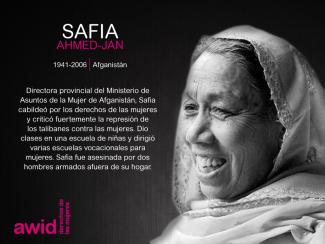
Mirna Teresa Suazo Martínez was part of the Garifuna (Afro-descendent and Indigenous) Masca community, living on the North Caribbean coast of Honduras. She was a community leader and a fervent defender of the Indigenous territory, a land that was violated when the National Agrarian Institute of Honduras gave territorial licenses to people outside of the community.
This deplorable deed resulted in repeated harassment, abuse and violence against the Masca, where economic interests of different groups met those of Honduran armed forces and authorities. According to the Black Fraternal Organization of Honduras (OFRANEH), the strategy of these groups is to evict and exterminate the Indigenous population.
“Masca, the Garifuna community located next to the Cuyamel Valley, is part of the area of influence of one of the supposed model cities, a situation that has triggered territorial pressures along the Garifuna coast.” - OFRANEH, 8 September 2019
Mirna Teresa, president of the Board of Trustees of the Masca Community in Omoa, was also firmly rejecting the construction of two hydroelectric plants on the river that carries the same name as her community, Masca.
“The Garífuna community attributes the worsening of the situation in their region to their opposition to tourist exploitation, the monoculture of African palm and drug trafficking, at the same time that it seeks to build an alternative life through the cultivation of coconut and other products for self-consumption.” - Voces Feministas, 10 September 2019
Mirna Teresa was murdered on 8 September 2019 in her Restaurant “Champa los Gemelos”.
She was one of six Garifuna women defenders murdered between September and October 2019 alone. According to OFRANEH, there was no investigation by the authorities into these crimes.
“In the case of the Garífuna communities, a large part of the homicides are related to land tenure and land management. However, squabbles between organized crime have resulted in murders, such as the recent ones in Santa Rosa de Aguán.” - OFRANEH, 8 September 2019
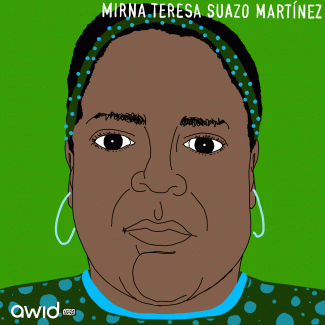
A complex and evolving network of anti-rights actors is exerting increasing influence in international spaces as well as domestic politics. Often backed by obscure funding, these actors build tactic alliances across issues, regions, and faiths to increase their impact.
¿Cuánto sabes sobre financiamiento feminista? 📊 Pon a prueba tu conocimiento sobre la movilización de recursos para el financiamiento de la organización feminista, respondiendo al cuestionario "¿Dónde está el dinero?":
Completa el quiz en línea Descarga la versión para imprimir
Queremos expresar nuestro más sincero agradecimiento a todos los diversos grupos, colectivos y organizaciones feministas de todo el mundo que respondieron a la encuesta WITM. Su participación y sus puntos de vista han sido inestimables y enriquecerán enormemente nuestra comprensión colectiva de los recursos feministas a nivel mundial.
Dear feminist movements,
Love is what keeps our feminist fire burning. Along with care for our communities, anger and rage in the face of injustice, and the courage to take action.
In September 2022, we stepped with great excitement into our leadership roles at AWID, as Co-Executive Directors. We felt the warmth and embrace of the feminist sisterhood as you welcomed us.
Reflecting on our most precious memories as feminists, we recall powerful moments of togetherness at street protests, sharp analysis, and brave voices shaking the status quo at gatherings. We held those intimate conversations into the night, laughed for hours, and danced at parties together.
Feminist fires need to be fed, especially in difficult times when there is no lack of external challenges, from the climate crisis and the rise of right-wing forces to exploitative economies and persisting patterns of oppression within our own social movements. It's these fires, burning ablaze everywhere, that light our ways and keep us warm, but we can’t disregard the exhausting effects of political violence and repression directed against many of our struggles, movements, and communities.
We understand the desire to change the world as an essential ingredient of feminist organizing. We can never forget that we are the ones we have been waiting for, in building alternatives and shaping our future. Yet, vibrant feminist energy cannot be taken for granted and must be safeguarded in many ways. In this, we will continue to be vigilant. Greater and equal access to care and wellbeing, to healing and pleasure, are not only instruments to prevent burnout and sustain our movements, though that is an important function; first and foremost, they are the way in which we hope to live our lives.
We are thrilled to roll up our sleeves and work with you. AWID’s new strategic plan “Fierce Feminisms: Together We Rise” reflects our conviction that now is the time for us to be fierce and unapologetic in our agendas while making an effort to connect across movements and truly get to know each other’s realities, so that we may rise together - because, for us, this is the only way.
Our plans include the long-awaited AWID Forum! We look forward to meeting you all in person and online in 2024. We are hearing from you the need to connect and recharge, to rest and heal, to be challenged and inspired, to share good food, and to laugh and dance together. Few things in this world are as powerful and transformative, as feminists from all parts of the world coming together, and we truly hold our breath for this moment, because we know the magic that we can create together.
Our membership engagement has taken on a life of its own through the AWID Community (our online platform for members), and our focus on building connection and solidarity resonates with many of you. Please join and connect with us and others in feminist movements around the world. We know the importance of connection in a time and space where the rules are not made for us, and we hold close our community, where each of us matters.
Together with our fantastic AWID colleagues, we promise to do our best to support feminist movements, as is the mission and purpose of AWID. Please hold us to account.
For the past 40 years, you - feminist movements - have shaped AWID’s history, and pushed us to be braver, creative, and radical. 40 is a fabulous age, and we look forward to another 40 years with you all. We are looking forward to the partnerships, calls to justice, collaboration, policy influencing, and badass feminist power that you all bring in navigating the ever-increasing backlash on gender, racial and environmental justice. We have so much to learn from you and from each other, as we collectively build the worlds we believe in.
Cindy Clark and Hakima Abbas, thank you for paving the way for us and preparing us to fill your enormous shoes. We always appreciate all those on whose shoulders we stood and continue to stand. We understand ourselves to be part of a broader movement landscape, feminist histories, presents, and daring futures.
AWID’s Board of Directors, we are grateful to you for the support and feminist love you show us, and for your commitment to Global South leadership and the co-leadership model. We send our love and respect to each and every AWID colleague, we feel honoured to be working with such an exceptional feminist team of dedicated professionals.
This is our first time writing a love letter together, how could we conclude it without expressing love, care, and respect for each other? It’s a pretty intense relationship we’ve stepped into! We both bring our different and diverse perspectives and skills to our work, and as individuals, we also bring our lived experiences and authentic selves.
Together with you all, we are a story in the making, a part of a beautiful woven - and often beautifully challenging - tapestry that continues into the future. We had fun starting this journey together with each other and with you, and we very much hope to keep the romance alive.
In solidarity, with love and care
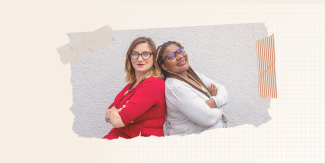
Inna and Faye
21 February 2023, Member Mixer 5 on Feminist Politics with Faye and Inna.
Not a member yet? Find out more about AWID Membership.