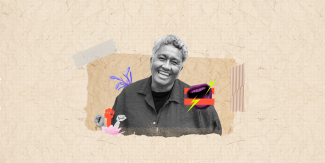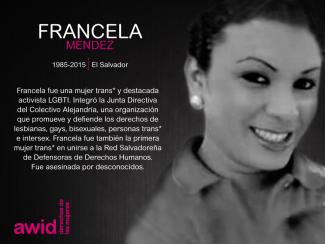
Francela Mendez
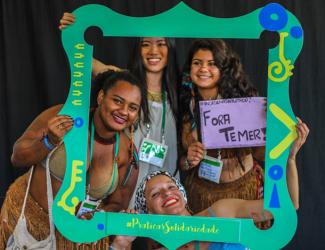
Young feminist activists play a critical role in women’s rights organizations and movements worldwide by bringing up new issues that feminists face today. Their strength, creativity and adaptability are vital to the sustainability of feminist organizing.
At the same time, they face specific impediments to their activism such as limited access to funding and support, lack of capacity-building opportunities, and a significant increase of attacks on young women human rights defenders. This creates a lack of visibility that makes more difficult their inclusion and effective participation within women’s rights movements.
AWID’s young feminist activism program was created to make sure the voices of young women are heard and reflected in feminist discourse. We want to ensure that young feminists have better access to funding, capacity-building opportunities and international processes. In addition to supporting young feminists directly, we are also working with women’s rights activists of all ages on practical models and strategies for effective multigenerational organizing.
We want young feminist activists to play a role in decision-making affecting their rights by:
Fostering community and sharing information through the Young Feminist Wire. Recognizing the importance of online media for the work of young feminists, our team launched the Young Feminist Wire in May 2010 to share information, build capacity through online webinars and e-discussions, and encourage community building.
Researching and building knowledge on young feminist activism, to increase the visibility and impact of young feminist activism within and across women’s rights movements and other key actors such as donors.
Promoting more effective multigenerational organizing, exploring better ways to work together.
Supporting young feminists to engage in global development processes such as those within the United Nations
Collaboration across all of AWID’s priority areas, including the Forum, to ensure young feminists’ key contributions, perspectives, needs and activism are reflected in debates, policies and programs affecting them.
✉️ Sur inscription pour les grands groupes. Espace ouvert pour les petits groupes. Inscrivez-vous ici
📅 Mercredi 12 mars 2025
🕒 14.00h-16.00h EST
🏢 Chef's Kitchen Loft with Terrace, 216 East 45th St 13th Floor, New York
Organisé par : AWID
por Ana María Belique
El Batey Naranjo es una comunidad un poco retirada de la ciudad, pero repleta de personas trabajadoras, llenas de entusiasmo. (...)
< arte: «Tejedoras de sueños», Diana Mar
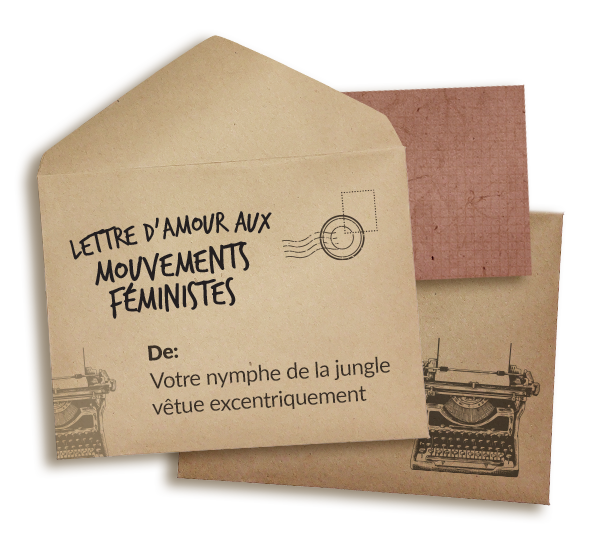
Chers êtres splendides,
Je sais que vous y êtes presque. Vous le sentez, non? La manière dont les choses doivent changer et que vous devez recentrer.
Ceci est une lettre pour vous dire de le faire. Choisissez votre guérison. Choisissez d’aller bien. Mieux que bien. Choisissez d’être entières, être heureuses. De pleurer pour vous-même et pour personne d’autre. Choisissez de laisser le monde dehors et de lui dire « Je reviens dans cinq minutes ». Ou dans cinq jours. Ou dans cinq ans.
Ou jamais.
Choisissez de ne pas tout prendre. Choisissez de ne rien en prendre. Parce que rien de tout cela n’est à vous. Et ça ne l’a jamais été. On vous dit depuis votre naissance que c’est à vous. Les problèmes de votre famille. Les problèmes de votre amoureuxse. Les problèmes du quartier. Les problèmes du monde. Cette petite voix constante qui vous dit que ces problèmes vous appartiennent. Ils sont à vous. C’est à vous de les tenir, à vous de les supporter. À vous de les régler.
C’était un mensonge.
Un bobard.
Une arnaque.
Une escroquerie.
Les problèmes de l’univers ne sont pas les vôtres.
Les seuls problèmes qui sont à vous sont les vôtres. Tout le reste peut aller se faire voir.
Permettez-vous de tout lâcher et de partir en courant dans la jungle. Faites connaissance avec une nymphe vêtue de marguerites, ouvrez une petite librairie dans les racines d’un arbre. Dansez toute nue et hurlez à la lune. Discutez avec Ochun sur les berges de la rivière.
Ou buvez simplement une tasse de thé quand vous avez besoin de prendre le temps de vous poser.
Donnez-vous la permission de disparaître dans la brume et réapparaissez trois pays plus loin en tant que mystérieuse chocolatière au passé un peu trouble avec un penchant pour les habits excentriques et les cigares.
Ou arrêtez de prendre les appels du travail cette fin de semaine.
Nagez jusqu’à une île déserte avec votre amoureuxse et habillez-vous de noix de coco avec lesquelles vous aurez fait un rhum que vous savourerez au coucher du soleil.
Ou dites non quand vous n’avez pas la capacité de faire de la place à quelqu’un.
Les options pour vous retenir sont innombrables.
Quoi que vous fassiez, sachez que le monde continuera de tourner. C’est là toute la beauté et la douleur de l’expérience. Qui ou quoi que vous choisissiez plutôt que vous-même et votre âme, le monde continuera toujours de tourner.
Donc, choisissez-vous.
Le matin, quand la première lueur apparaît, choisissez-vous. Quand arrive midi et qu’il est l’heure de pleurer pendant vos heures de travail, choisissez-vous. Le soir, quand vous réchauffez des restes parce que vous n’avez pas eu le temps de cuisiner, choisissez-vous. Quand l’anxiété vous réveille et que l’existence fait silence à 3 h 45 du matin.
Choisissez-vous.
Parce que le monde continuera toujours à tournoyer, de guingois, et que vous méritez d’avoir quelqu’un·e qui essaie toujours de le redresser pour vous.
Avec amour,
Votre nymphe de la jungle vêtue excentriquement
El Foro es un ejemplo vivo de lo que el más grande NOSOTRXS podemos hacer. Vamos al Foro, somos semillas, luego nos sembramos. Esto lo tenemos que celebrar.
- Sara Abu Ghazal, Líbano
In response to these challenges, we collaborated with Impactmapper to co-create a comprehensive resource that combines two powerful tools to strengthen the funding ecosystem for social justice movements.
Notre programme final du Feminist Film Club est maintenant disponible: « Films from Nuestramérica » est une série de films sur les réalités féministes d'Amérique latine et d'Amérique centrale organisée par Alejandra Laprea (Venezuela).
Me complace compartir con ustedes una de mis fechas destacadas como feminista con discapacidad. Fue el 30 de mayo de 2014, cuando nosotras, la Nationwide Organization of Visually-Impaired Empowered Ladies (NOVEL) [Organización Nacional de Mujeres con Discapacidad Visual Empoderadas]), participamos en la Semana de la Moda de Filipinas 2014, en el marco de nuestra campaña de promoción del bastón blanco. Dos mujeres ciegas recorrieron la pasarela para promover el bastón blanco como uno de los símbolos de la igualdad de género, el empoderamiento, la plena inclusión y la participación igualitaria en la sociedad de mujeres y niñas con discapacidad visual.
Su desfile frente a la multitud fue para mí una experiencia sumamente impactante, ya que fui quien propuso nuestro proyecto a Runway Productions (esperé pacientemente un año hasta que fue aprobado), sabiendo que ellas no eran modelos: una había sido coronada como Ms. Philippines Vision [Srta. Filipinas Visión], y la otra era la segunda finalista del concurso 2013 de Ms. Philippines on Wheels, Signs and Vision [Srta. Filipinas sobre Ruedas, Señas y Visión] de Tahanang Walang Hagdanan, Inc. (House with No Steps [Casa Sin Escalones]). Dependían de su orientación y ensayaron la noche antes del evento, pero no practicaron con modelos profesionales. Antes de que comenzara el desfile, hablé con ellas por teléfono móvil para estimular su confianza y para rezar juntas pidiendo la ayuda de Dios. Cuando bajaron de la pasarela respiré profundamente y se me caían las lágrimas. ¡Me sentía eufórica porque lo habíamos logrado, a pesar de los desafíos que habíamos tenido que superar! ¡Nuestro mensaje al mundo de que las mujeres y las jóvenes con discapacidad visual pueden caminar con dignidad, libertad e independencia, sobre una base de igualdad con otras, mediante el uso de nuestro dispositivo de asistencia (los bastones blancos) había sido transmitido exitosamente! Fuimos tendencia en las redes sociales, y nos presentaron en los canales de televisión.
Mi vida como feminista con discapacidad comenzó como una forma de sanar mi espíritu quebrantado y de ver un camino diferente para encontrar mi propósito en la vida después de que me convertí en víctima-sobreviviente a causa de un brutal ataque con ácido en 2007, cuando esperaba mi transporte para volver a casa desde la oficina. Mis ojos quedaron severamente dañados, al punto que quedé con la visión reducida.
No sabía cuán plena de alegría y propósito podía ser mi vida nuevamente, hasta que conocí a mujeres líderes del movimiento de género y discapacidad que me convencieron para que continuara. Sus palabras de aliento me atrajeron y fueron la música más dulce para mis oídos. Mi corazón roto salta como un colibrí en vuelo cada vez que pienso en ellas y en el feminismo que me estimuló para participar en hacer la diferencia para nuestras invisibles hermanas con discapacidades y para quienes continúan experimentando discriminación. Al día de hoy me siento consumida por el deseo de estar con el movimiento. No puedo ocultar mi entusiasmo cada vez que presento propuestas de proyectos a diferentes sectores involucrados, a favor del empoderamiento, el desarrollo y el fomento de nuestras hermanas con discapacidades y cuando me presento en coloquios locales, nacionales e internacionales para difundir nuestras voces, incluso a mi costo y cargo.
Inesperadamente, fui seleccionada como representante mujer de nuestro país ante la Asamblea General 2012 de la Unión Mundial de Ciegos (WBU en inglés) en Tailandia, a pesar de que era una recién llegada al movimiento de personas con discapacidad. Me sentí inspirada para conectarme, reunir y empoderar a nuestras hermanas con discapacidad visual respecto de sus derechos, y para conocer sus problemas interrelacionados. En 2013, lanzamos oficialmente la Nationwide Organization of Visually-Impaired Empowered Ladies (NOVEL) para apoyar el empoderamiento de nuestras hermanas con discapacidades, construir coaliciones con movimientos de mujeres y de discapacidades diversas y promover el desarrollo inclusivo del género y la discapacidad.
Mi participación como co-representante de las mujeres con discapacidades en la presentación del Informe Sombra CEDAW, convocado en 2016 por la Oficina Legal y de Derechos Humanos de las Mujeres (WLB, por sus siglas en inglés) con los grupos marginalizados de mujeres, me abrió muchas puertas, tales como el trabajo con diferentes organizaciones de mujeres y la asistencia a los Días Internacionales de la Inclusión 2017 en Berlín, Alemania, junto con tres líderes filipinas con discapacidades, para compartir nuestras buenas prácticas y, principalmente, nuestro compromiso con el movimiento de mujeres de nuestro país.
Mi recorrido como feminista con discapacidad ha sido para mí una montaña rusa emocional. La promoción de la plena inclusión de nuestras hermanas con discapacidades y su participación igualitaria y efectiva en la sociedad me ha dado felicidad y autoestima. También me he sentido frustrada y disgustada cada vez que di todo de mí y recibí a cambio comentarios negativos. No obstante, me siento así porque estoy enamorada del movimiento.
Me veo en el futuro trabajando en solidaridad con el movimiento para garantizar que nuestras hermanas con y sin discapacidades puedan disfrutar y participar en la sociedad de forma completa e igualitaria.
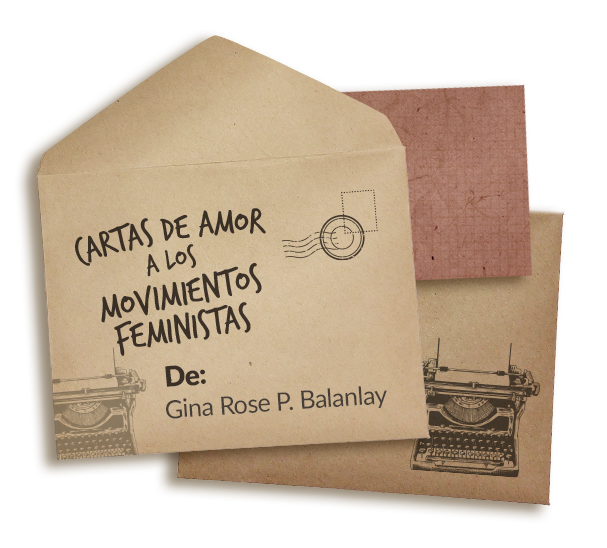
Mucho amor,
Gina Rose P. Balanlay
Feminista con discapacidad
Filipinas
Le Forum international de l’AWID est un événement phare que l’association organise tous les trois ou quatre ans. C'est la plus importante manifestation au monde entièrement consacrée aux mouvements féministes et de justice de genre dans toute leur diversité. Il s'agit d'un rassemblement mondial qui réunit activistes féministes, mouvements alliés, universitaires, bailleurs de fonds et décideur·e·s politiques. Les forums se tiennent successivement dans différentes régions et différents pays du sud mondial.
Search for funders based on their requirements for groups to be registered.
Check out the AWID Feminist Film Club program “Holding up the Skies” - a film series on Feminist Realities from Africa and the African Diaspora curated by Gabrielle Tesfaye

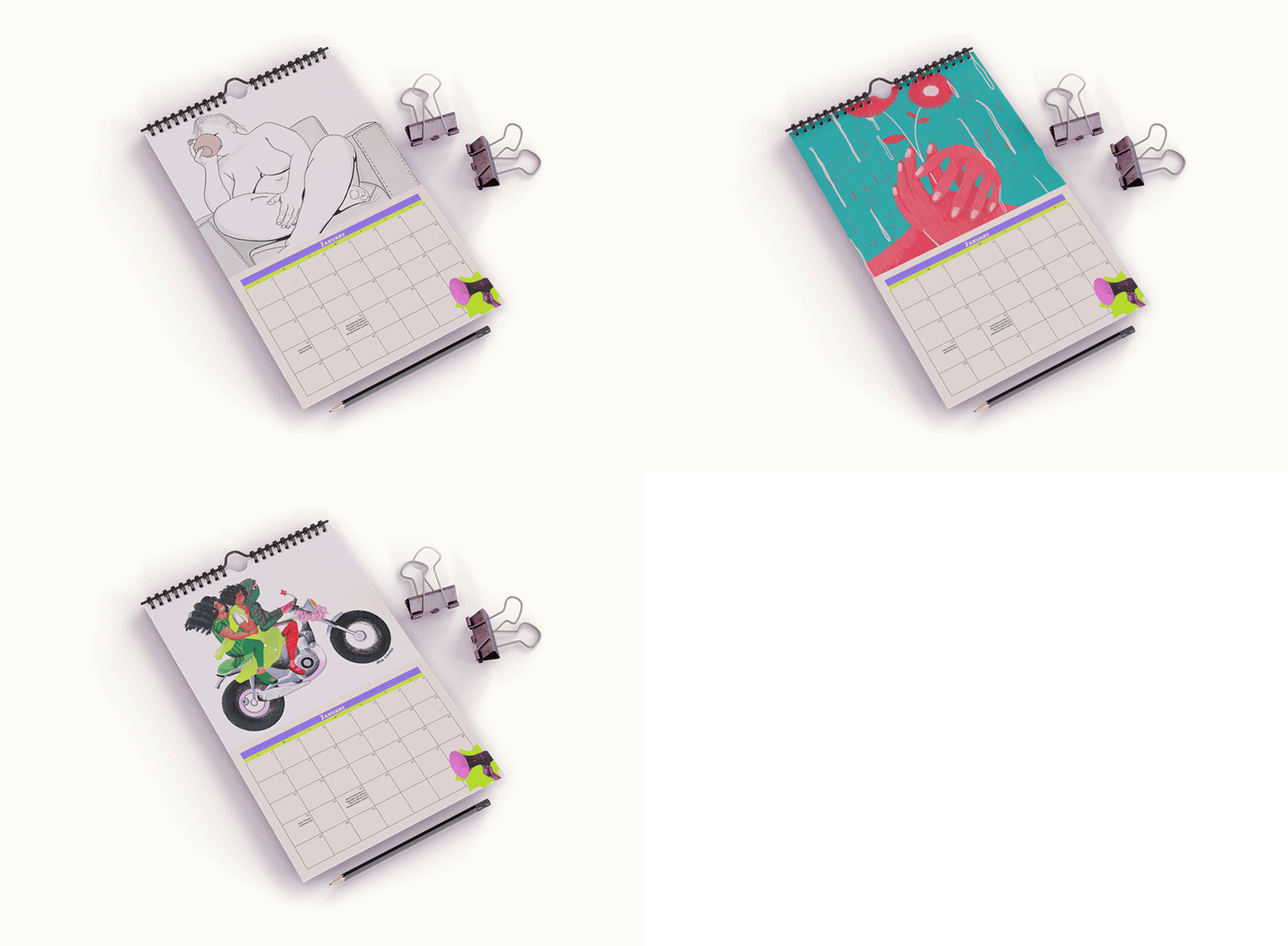
L'AWID fait partie d'un incroyable écosystème de mouvements féministes qui œuvrent pour la justice de genre et la justice sociale dans le monde entier. Avec notre 40e anniversaire, nous célébrons tout ce que nous avons construit au cours de ces 40 dernières années. En tant qu'organisation mondiale de soutien aux mouvements féministes, nous savons que la collaboration avec des féminismes féroces est notre moyen d'avancer, en reconnaissant à la fois la multiplicité des féminismes et la valeur d'une volonté de justice féroce et sans faille. L'état du monde et des mouvements féministes appelle à des conversations et des actions courageuses. Nous sommes impatient.e.s de travailler avec nos membres, nos partenaires et nos bailleurs de fonds pour créer les mondes auxquels nous croyons, célébrer les victoires et dire la vérité pour que le pouvoir soit au service des mouvements féministes dans le monde.
Le calendrier féministe 2023 est notre cadeau aux mouvements. Il présente les œuvres d'art de quelques-un.e.s des formidables membres de l'AWID.
Obtenez-le dans votre langue préférée! |
Sélectionnez la qualité d'image |
| English | Téléchargez pour imprimer | Version numérique |
| Français | Téléchargez pour imprimer | Version numérique |
| Español | Téléchargez pour imprimer | Version numérique |
| Português | Téléchargez pour imprimer | Version numérique |
| عربي | Téléchargez pour imprimer | Version numérique |
| Русский | Téléchargez pour imprimer | Version numérique |
Registration will start early 2024. We will announce the exact registration date and registration fee soon. Registration will include participation in the Forum, plus lunch and snacks (breakfast to be provided at the hotels), and one onsite dinner.
→Region
→Level of organizing
→Registration status
→Priorities and Agendas
Les discours antidroits continuent à évoluer. Outre le recours à des arguments religieux, culturels et traditionnels, les acteur·rice·s antidroits s’approprient le langage de la justice sociale et des droits humains pour travestir leurs véritables programmes et gagner ainsi en légitimité.