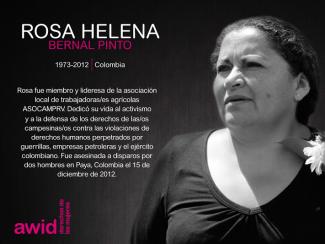
Rosa Helena Bernal Pinto
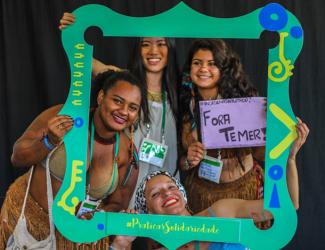
Young feminist activists play a critical role in women’s rights organizations and movements worldwide by bringing up new issues that feminists face today. Their strength, creativity and adaptability are vital to the sustainability of feminist organizing.
At the same time, they face specific impediments to their activism such as limited access to funding and support, lack of capacity-building opportunities, and a significant increase of attacks on young women human rights defenders. This creates a lack of visibility that makes more difficult their inclusion and effective participation within women’s rights movements.
AWID’s young feminist activism program was created to make sure the voices of young women are heard and reflected in feminist discourse. We want to ensure that young feminists have better access to funding, capacity-building opportunities and international processes. In addition to supporting young feminists directly, we are also working with women’s rights activists of all ages on practical models and strategies for effective multigenerational organizing.
We want young feminist activists to play a role in decision-making affecting their rights by:
Fostering community and sharing information through the Young Feminist Wire. Recognizing the importance of online media for the work of young feminists, our team launched the Young Feminist Wire in May 2010 to share information, build capacity through online webinars and e-discussions, and encourage community building.
Researching and building knowledge on young feminist activism, to increase the visibility and impact of young feminist activism within and across women’s rights movements and other key actors such as donors.
Promoting more effective multigenerational organizing, exploring better ways to work together.
Supporting young feminists to engage in global development processes such as those within the United Nations
Collaboration across all of AWID’s priority areas, including the Forum, to ensure young feminists’ key contributions, perspectives, needs and activism are reflected in debates, policies and programs affecting them.
คุณสามารถส่งกิจกรรมได้มากถึง 2 กิจกรรมในฐานะผู้จัดกิจกรรม และคุณยังสามารถเป็นผู้ร่วมจัดในการส่งกิจกรรมของผู้อื่นได้
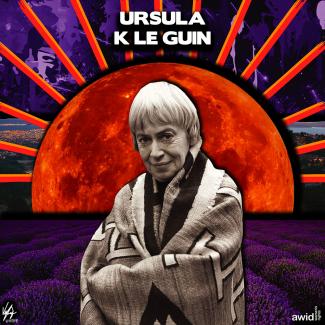
Ursula fue una novelista estadounidense que trabajó principalmente con los géneros de fantasía y ciencia ficción.
Encontró la fama con La mano izquierda de la oscuridad, novela en la cual imagina una sociedad futura donde la gente es ambisexual: no tienen un sexo fijo. Indaga en los efectos del género y el sexo en la sociedad, y fue uno de los primeros grandes libros feministas de ciencia ficción. Ursula fue una inspiración por su escritura subversiva y original y también por los temas sobre feminismo y libertad a los que les daba tanta importancia.
En un discurso que pronunció en 1983 en el Mills College, en California, les dijo a las graduadas: «¿Por qué una mujer libre con formación universitaria debería o luchar contra el macho o servirlo? ¿Por qué ella debería vivir su vida en los términos de él? Espero que ustedes vivan sin la necesidad de dominar y sin la necesidad de ser dominadas».
NOUS SOMMES LA SOLUTION
Somos la Solución
ได้หรือไม่ เพราะได้มีการเสนอกิจกรรมเป็นเวลาเกือบ 1 ปีก่อนกิจกรรมจริง
แน่นอน! ในตอนนี้แบบฟอร์มสำหรับเสนอกิจกรรมได้ให้ระบุชื่อวิทยากร แม้วิทยากรเหล่านั้นอาจยังไม่ได้ยืนยันเข้าร่วมเราเข้าใจว่าการเปลี่ยนแปลงอาจเกิดขึ้นได้ภายในระยะเวลา 1 ปี
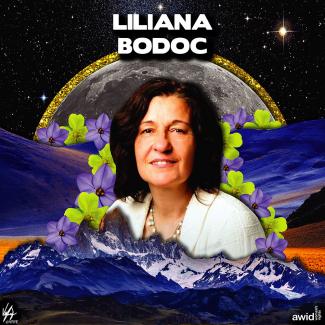
Liliana était enseignante argentine, tisseuse et également une écrivaine reconnue.
Sa trilogie « La saga des confins » a reçu plusieurs prix. Son œuvre est la seule dans le domaine littéraire fantastique à avoir eu recours et ré-imaginé la mythologie autochtone sud-américaine.
L’engagement de Liliana envers le féminisme s’est exprimé à travers les voix féminines diverses, riches et fortes de ses écrits, et en particulier dans le cadre de ceux à destination du jeune public. Elle a également pris position publiquement en faveur de l'avortement, de la justice économique et de l’égalité de genre.
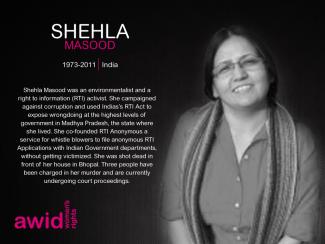
Tenemos el placer de presentarte a Mariama Sonko, inspiradora ecofeminista, campesina y defensora de los derechos humanos y de las mujeres, que vive actualmente en Niaguis, en el suroeste de Senegal.
Al crecer en una familia y comunidad campesina rural, fue testigo del papel esencial de la mujer en la producción de alimentos y el almacenamiento de semillas desde la infancia, mientras estaba inmersa en el trabajo y ritmos de la tierra.
Mariama ha defendido el conocimiento agrícola local y las prácticas campesinas desde los años 1990. Como madre de 5 hijos, los alimentos que ella misma cultiva son la principal fuente de sustento de su familia.
Actualmente es presidenta de Nous Sommes la Solution y está comprometida con la promoción de las prácticas agroecológicas y la agricultura familiar, con el fomento de la soberanía alimentaria, la biodiversidad y la preservación de las semillas campesinas, y con la exigencia del acceso equitativo a los recursos y a la tierra en África Occidenta para las mujeres.
Fuente: AWID’s Feminist Realities Festival Crear | Résister | Transform - 2º día
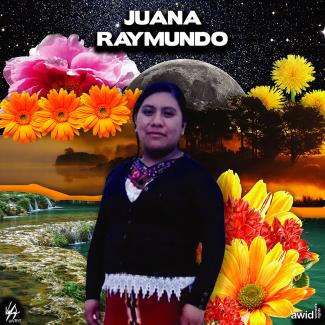
Juana was an Indigenous Mayan Ixil, professional nurse and coordinator of the Farmers’ Development Committee (Comité de Desarrollo Campesino – CODECA).
CODECA is a human rights organisation of Indigenous farmers dedicated to promoting land rights and rural development for Indigenous families) in the Nebaj Quiché micro-region. She first joined CODECA as a member of its youth branch (Juventud de CODECA). At the time of her death had been elected to be part of the Executive Committee of the Movement for the Liberation of Peoples (MLP).
Juana’s body was found by neighbours by a small river on the road near Nebaj and Acambalam Village, Guatemala. According to CODECA, her body showed signs of torture.
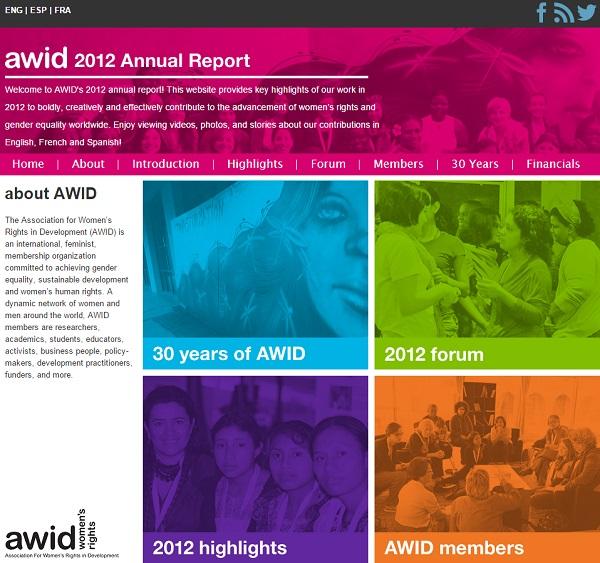
Our 2012 Annual Report provides key highlights of our work during the year to boldly, creatively and effectively contribute to the advancement of women’s rights and gender equality worldwide.
Enjoy viewing videos, photos, and stories about our contributions.
Visit our 2012 Annual Report site
El Foro Internacional de AWID es un evento de la comunidad global y, al mismo tiempo, un espacio para una transformación personal radical. Es un encuentro único: el Foro reúne a los movimientos feministas, por los derechos de las mujeres, por la justicia de género, LBTQI+ y aliados, en toda nuestra diversidad y humanidad, para conectarnos, sanar y florecer.
El tema del Foro –Rebelándonos Juntes– es una invitación a vincularnos con todo nuestro ser, a conectarnos entre nosotrxs de forma focalizada, afectuosa y valiente, para que podamos sentir el latido de los movimientos globales y rebelarnos juntxs para enfrentar los desafíos de esta época.
Por primera vez, el Foro de AWID ofrece tres modos de participación:
 |
 |
 |
|
Presencial En el Queen Sirikit National Convention Centre en Bangkok, Tailandia |
En línea a través del espacio virtual (capacidad: 3000 participantes) |
Nodos conectades en el espacio a través de las fronteras |
Con más de 4.000 participantes, el 15º Foro Internacional de AWID en 2024 fue una fuerza colectiva arrolladora de resistencia frente a la opresión, apostando a la sanación y la liberación compartida. Mantente atente a este espacio para más historias del foro y futuras actualizaciones.
El Consejo Directivo de AWID tomó la difícil decisión de cancelar el 14° Foro Internacional que estaba programado para realizarse del 20 al 23 de septiembre de 2021 en la ciudad de Taipei.
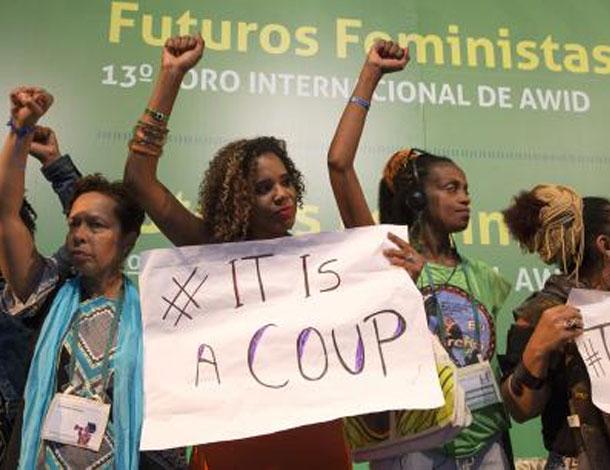
Dado el complejo mundo que enfrentamos hoy, el Foro de AWID 2016 no se centró en un ‘tema’ en particular, sino en la creación de formas más efectivas de trabajar juntxs.
Pese a las dificultades del contexto en el que se celebró este Foro (la epidemia del virus del Zika, una huelga de lxs trabajadorxs del servicio exterior brasileño, el juicio político a la presidenta Dilma Rousseff y la crisis que le siguió), se logró congregar a más de 1800 participantes de 120 países y territorios de todas las regiones del mundo.
Para el 96% de lxs participantes que respondieron a la encuesta de evaluación posterior al Foro, el evento fue una importante fuente de inspiración y energía.
El 98% de lxs participantes lo consideraron un importante espacio de convocatoria para los movimientos feministas, y manifestaron su esperanza de que AWID continúe organizado estos foros.
El 59% de quienes respondieron a la encuesta de evaluación del Foro declaró estar muy satisfechx con el Foro y el 34% algo satisfechx.
Se realizaron más de 150 sesiones en distintos formatos sobre diversos temas, desde la integridad y la libertad corporal, pasando por la violencia de género en el ámbito laboral, hasta estrategias de construcción de poder colectivo.
El primer Foro de Feminismos Negros, se celebró justo antes del Foro de AWID, y reunió a 250 feministas negrxs de todo el mundo, para crear colectivamente un espacio de poder desde donde construir y fortalecer las conexiones intergeneracionales y transnacionales.
Descargar el informe de evaluación del foro
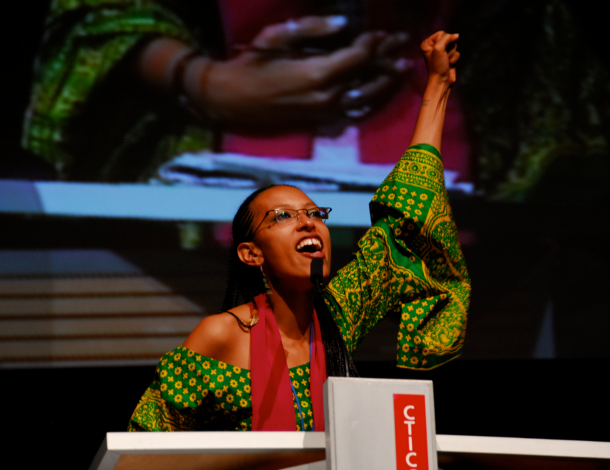
El 12° Foro de AWID se llevó a cabo en el año 2012 en Estambul, Turquía, bajo el título “Transformando el Poder Económico para Avanzar los Derechos de las Mujeres y la Justicia”. El Foro 2012 fue el más grande y diverso que hemos organizado hasta la fecha, con la participación de 2239 activistas por los derechos de las mujeres, de 141 países. El 65% provenía del sur global y casi el 15% eran mujeres jóvenes menores de 30 años, mientras que el 75% de las personas asistían a un Foro de AWID por primera vez.
El programa del Foro se enfocó en la transformación del poder económico para promover los derechos de las mujeres y la justicia. Se ofrecieron más de 170 sesiones de lo más diversas, incluyendo las sesiones de la caja de herramientas económicas feministas para forjar habilidades, sesiones interactivas que representaron los 10 temas del Foro, discusiones en profundidad y las mesas redondas de solidaridad.
Aprovechando el impulso del Foro, hemos transformado la página web en un centro de recursos y aprendizaje que se basa en el contenido generado por las participantes mediante recursos multimedia sobre todos los componentes del Foro.
Visita el archivo web del Foro 2012
Cette année, aux côtés de militant.e.s féministes du monde entier, nous serons à la CSW68 à New York. Nous serons là pour contester les discours capitalistes et néolibéraux et les fausses solutions autour de la pauvreté, du développement et de la finance. À travers des événements en présentiel, des lives sur nos réseaux sociaux, un stand d'exposition et bien plus encore, nous visons à nous rassembler, amplifier et soutenir les voix et la participation de nos membres et allié.e.s.
Apprenez-en davantage sur notre programme cette année ci-dessous.
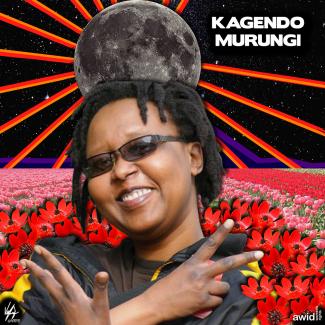
Kagendo es cariñosamente recordada por su familia y amigxs como una férrea activista feminista africana, artista y realizadora cinematográfica
Dedicó más de 20 años a defender los derechos y la dignidad de las personas LGBTIQ y de género no normativo de África. Lxs colegas de Kagendo la recuerdan como alguien con una personalidad jovial, convicciones férreas y amor a la vida. Kagendo murió por causas naturales en su hogar de Harlem, el 27 de diciembre de 2017.
Al producirse su fallecimiento, la escritora y activista keniata Shailja Patel destacó «el compromiso de toda la vida de Kagendo para establecer una relación entre todas las formas de opresión, mostrando de qué manera el colonialismo alentó la homofobia en el continente africano, para convertir así a Kenia en un país donde las personas queer y las mujeres libres puedan vivir y progresar».

En 2016 convocamos el 13º Foro Internacional de AWID en Bahía, Brasil, al que asistieron 1800 participantes de 120 países y territorios de todo el mundo. El Foro fue un espacio muy necesario para la construcción de estrategias y alianzas con feministas y otros movimientos de justicia.
Sabemos que los movimientos por lo derechos de las mujeres y feministas son actores clave en la creación de un cambio transformador sostenible. En nuestros movimientos, la organización, resistencia y respuesta al contexto desafiante se está agudizando, y en nuestro mundo cada vez más conectado, el potencial para la acción colectiva a través de diversos movimientos ha crecido dramáticamente. Este es el trabajo crucial que AWID busca amplificar y apoyar. Nos proponemos informar y equipar a organizaciones y movimientos por los derechos de las mujeres para responder a las oportunidades y contrarrestar las amenazas. Apoyamos una mayor visibilidad y comprensión de las iniciativas por los derechos de las mujeres y las amenazas que enfrentan, y también trabajamos para influenciar a lxs actores e instituciones que dan forma a los derechos humanos y a los resultados de desarrollo.
El innovador 13º Foro Internacional de AWID se realizó del 8 al 11 de septiembre de 2016 en Bahía, Brasil, con el tema: «Futuros Feministas: Construyendo poder colectivo por los derechos y la justicia». Si bien gran parte de la energía de AWID en 2016 se dedicó al proceso del Foro, también se valió del pensamiento y la energía de casi 500 aliadxs, presentadorxs, panelistas, moderadorxs, artivistas, escritorxs, facilitadorxs, innovadorxs de TI y artistas de performance, muchxs de ellxs líderes en su campo. También, en reconocimiento a la historia y la lucha de Bahía, albergamos al Foro de Feminismos Negros (BFF, por su sigla en inglés), de dos días, organizado por un grupo de trabajo conformado por feministas negrxs de todo el mundo.
SOBRE DESAFIAR AL PODER CORPORATIVO. Produjimos Desafiar al poder corporativo: las luchas por los derechos de las mujeres, la justicia económica y de género junto con el Solidarity Center, revelando la escala y el alcance del poder corporativo y describiendo cómo las corporaciones en connivencia con élites y otros actores poderosos están teniendo impacto en las vidas de las mujeres y los pueblos oprimidos. El informe ofrece ideas sobre estrategias de resistencia, destacando cinco luchas que utilizaron la colaboración entre movimientos para desafiar al poder corporativo.
SOBRE ECONOMÍAS FEMINISTAS. Produjimos Propuestas feministas para una economía justa juntamente al Centro para el Liderazgo Mundial de las Mujeres (CWGL, por su sigla en inglés) y la Red de Mujeres Africanas para el Desarrollo y la Comunicación FEMNET. Propuestas Feministas es una plataforma en internet que propone una agenda feminista para el desarrollo y la justicia
económica y de género.
SOBRE DESAFIAR A LOS FUNDAMENTALISMOS. El diablo se esconde en los detalles: En el nexo entre el desarrollo, los derechos de las mujeres y los fundamentalismos religiosos detalla cómo los fundamentalismos religiosos limitan el desarrollo y los derechos de las mujeres en particular y proporciona recomendaciones a lxs actores del desarrollo para fortalecer los derechos de las mujeres.
SOBRE ACTIVISMO JOVEN FEMINISTA. Junto a FRIDA lanzamos Valientes, creativxs, resilientes: La situación a nivel global de la organización de jóvenes feministas en el Espacio de Activismo Joven Feminista durante el Foro de AWID. Este proyecto de descripción del estado del activismo feminista joven se basa en los datos recopilados de 1360 solicitudes de subvenciones recibidas por FRIDA entre los años de 2012 y 2014 y una encuesta global, que contó con 694 respuestas de 118 países diferentes.
AWID, en asociación con otras organizaciones feministas y por los derechos de las mujeres, se involucró en la incidencia y el diálogo para explorar mejores soluciones para las agendas de derechos de las mujeres, como nuestro trabajo con el consorsio Count Me In!
Las experiencias de mujeres con discapacidad, mujeres negras y afrodescendientes, trabajadorxs sexuales, mujeres indígenas, personas trans y personas intersexuales, trabajadorxs domesticxs
y cómo sus vidas se ven afectadas por múltiples opresiones y violencias estuvieron en el centro del proceso del Foro.
Durante los 16 Días de activismo, y gracias a las contribuciones de nuestrxs increíbles afiliadxs, lanzamos el Tributo a lxs defensorxs de derechos humanos 2016 para celebrar la vida de lxs defensorxs que ya no están con nosotrxs.
Nuestra colaboración con The Guardian y Mama Cash: la sección de enfoque en derechos de las mujeres e igualdad de género del portal de desarrollo global de The Guardian ha resultado en una mayor atención a los grupos y temas
que no suelen recibir la cobertura adecuada de los medios de comunicación dominantes.
