Jean-Marc Ferré | Flickr (CC BY-NC-ND 2.0)
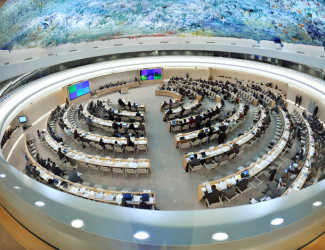
A general view of participants at the 16th session of the Human Rights Council in Geneva, Switzerland.

Human Rights Council (HRC)

The Human Rights Council (HRC) is the key intergovernmental body within the United Nations system responsible for the promotion and protection of all human rights around the globe. It holds three regular sessions a year: in March, June and September. The Office of the UN High Commissioner for Human Rights (OHCHR) is the secretariat for the HRC.

The HRC works by:

  • Debating and passing resolutions on global human rights issues and human rights situations in particular countries

  • Examining complaints from victims of human rights violations or activist organizations on behalf of victims of human rights violations

  • Appointing independent experts (known as “Special Procedures”) to review human rights violations in specific countries and examine and further global human rights issues

  • Engaging in discussions with experts and governments on human rights issues

  • Assessing the human rights records of all UN Member States every four and a half years through the Universal Periodic Review

Learn more about the HRC


AWID works with feminist, progressive and human rights partners to share key knowledge, convene civil society dialogues and events, and influence negotiations and outcomes of the session.

With our partners, our work will:

◾️ Monitor, track and analyze anti-rights actors, discourses and strategies and their impact on resolutions

◾️ Raise awareness of the findings of the 2017 and 2021 OURs Trends Reports.

◾️Support the work of feminist UN experts in the face of backlash and pressure

◾️Advocate for state accountability
 
◾️ Work with feminist movements and civil society organizations to advance rights related to gender and sexuality.
 

Related Content

2008: la Conferencia Internacional de Doha se lleva a cabo con resultados limitados

Conferencia Internacional de Seguimiento sobre la Financiación para el Desarrollo, Doha, Qatar

  • La Conferencia de Doha se propuso examinar la aplicación del Consenso de Monterrey. Retomó las seis áreas de la financiación para el desarrollo, pero los progresos sustantivos alcanzados fueron mínimos.
  • Si bien el Documento Final de Doha fue más allá que el de Monterrey en cuanto a la igualdad de género, tampoco avanzó lo suficiente. En su declaración, el WWG subrayó que los compromisos de la Declaración de Doha en materia de igualdad de género solo tendrán sentido si se abordan decididamente las cuestiones sistemáticas que subyacen a la pobreza y la distribución desigual de poder y recursos en la economía política global.
  • Además de la conferencia central, en Doha se desarrolló un foro paralelo de la sociedad civil organizado por el Doha NGO Group for Financing for Development [Grupo de ONG en Doha por la Financiación para el Desarrollo, DNG en inglés] que exigió cambios estructurales en la economía global, así como políticas que dieran prioridad a los derechos de los pueblos, respetaran y promovieran los derechos humanos.

Snippet Festival Artwork_fest (FR)

Art du Festival

Illustrations artistiques du festival par Upasana Agarwal, Ika Vantiani, & Naadira Patel

Cliquez sur les images pour les agrandir

Par Upasana Agarwal

WebsiteInstagram

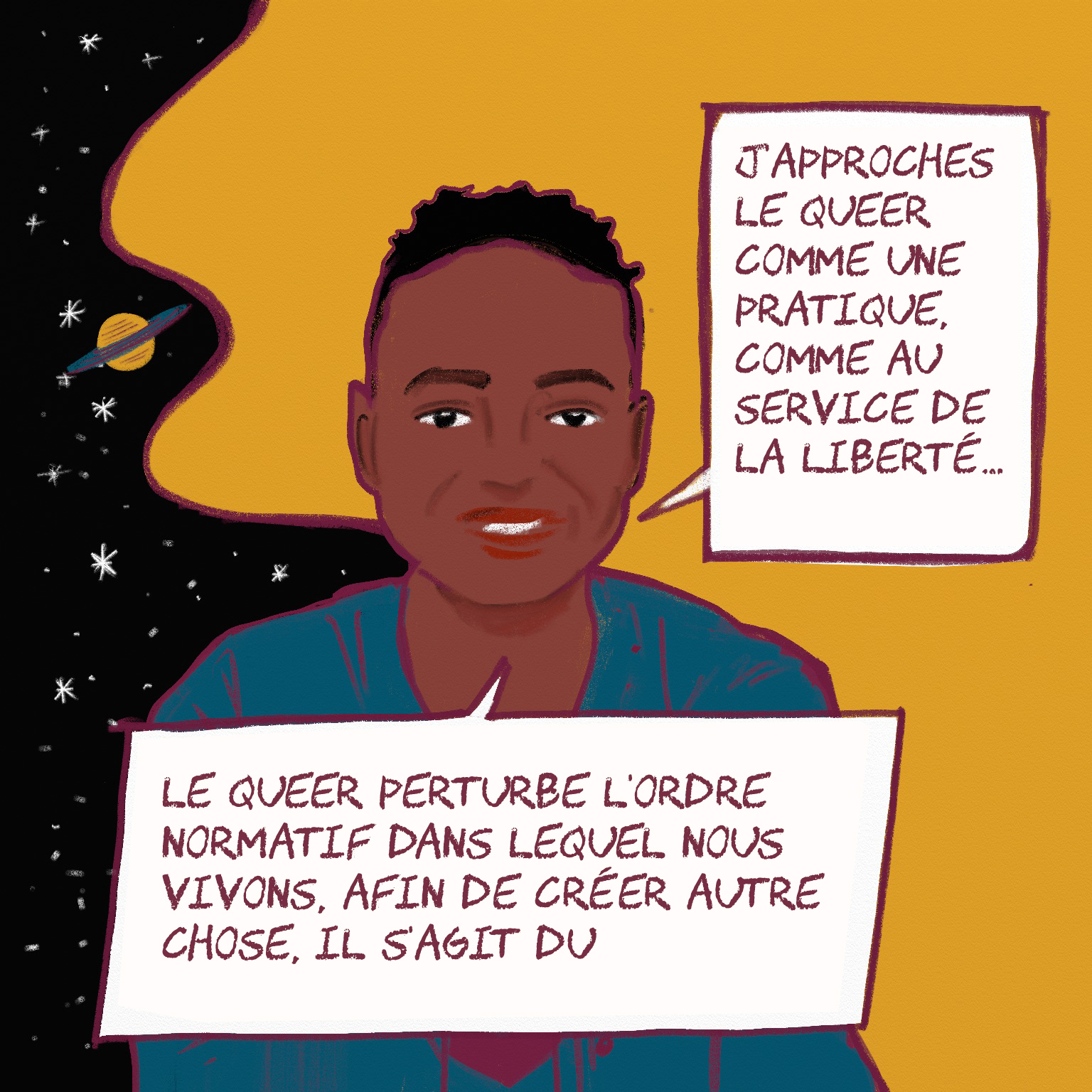
Anima Adjepong: J'approches le queer comme une pratique, comme au service de la liberté… Le queer perturbe l'ordre normatif dans lequel nous vivons, afin de créer autre chose, il s'agit du leadership au-delà de l'individu.
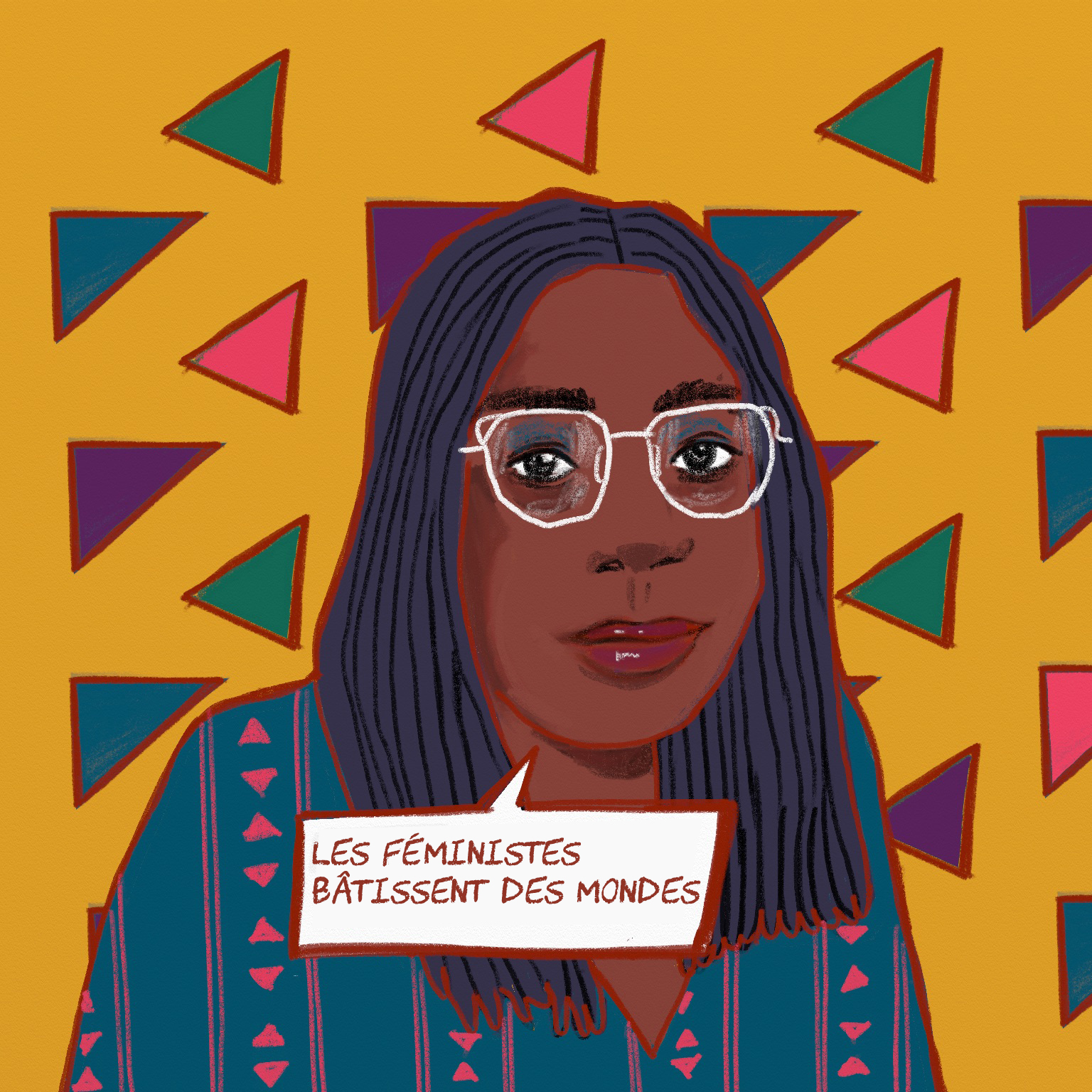
Anwulika Okonjo « Les féministes bâtissent des mondes »
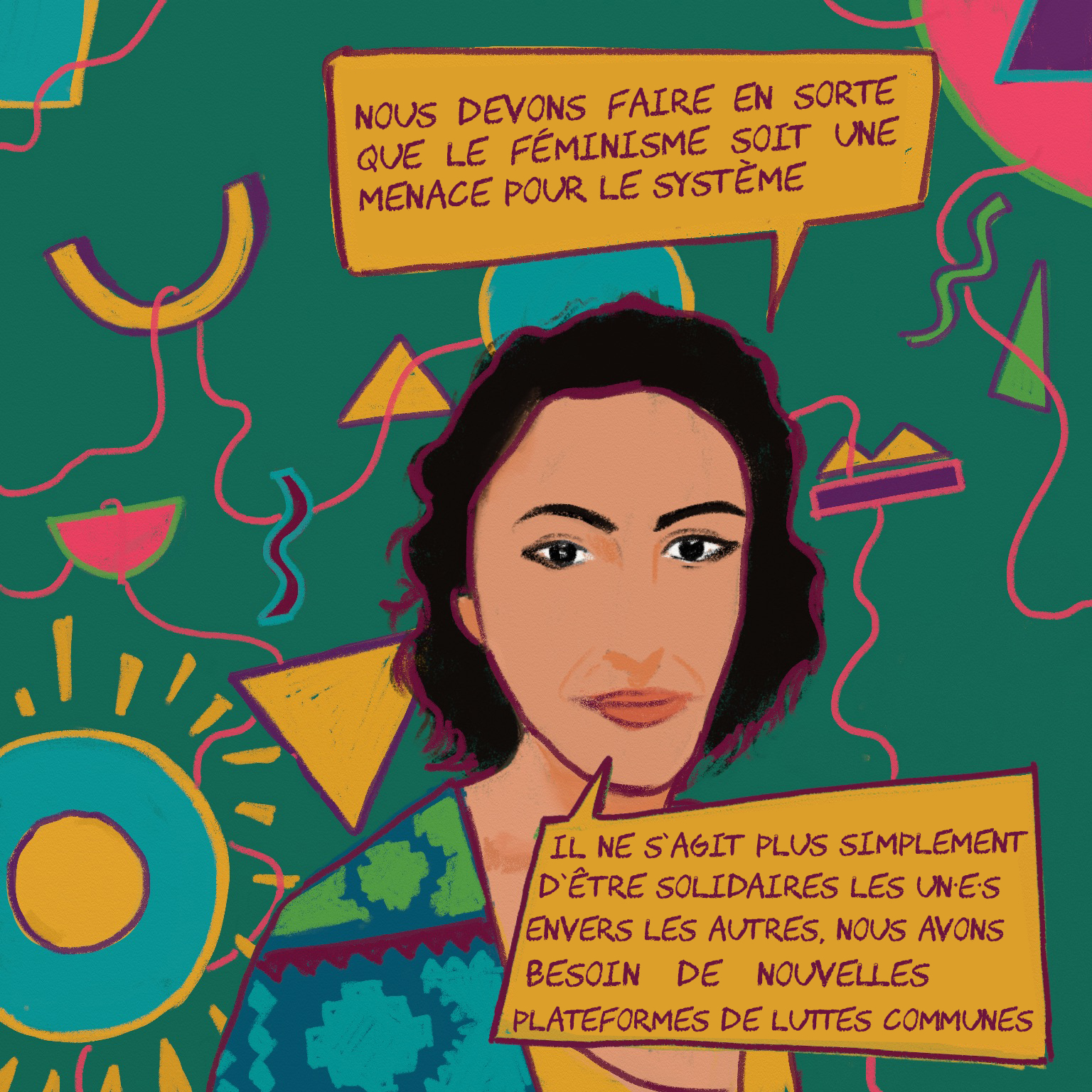
Dilar Dirik « Nous devons faire en sorte que le féminisme soit une menace pour le système »  « Il ne s’agit plus simplement d’être solidaires les un·e·s envers les autres, nous avons besoin de nouvelles plateformes de luttes communes »
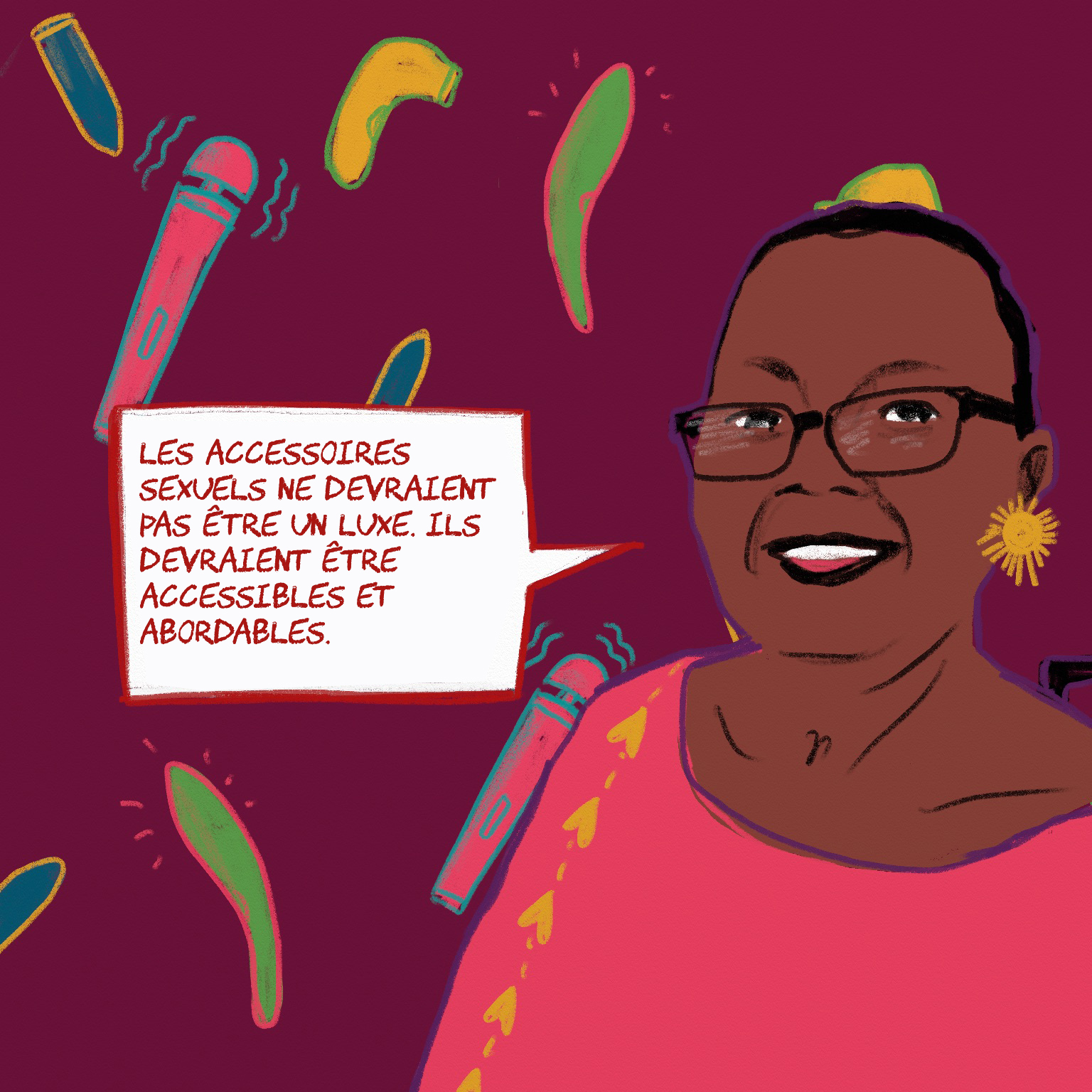
Makgosi Letimile « Les accessoires sexuels ne devraient pas être un luxe. Ils devraient être accessibles et abordables. »
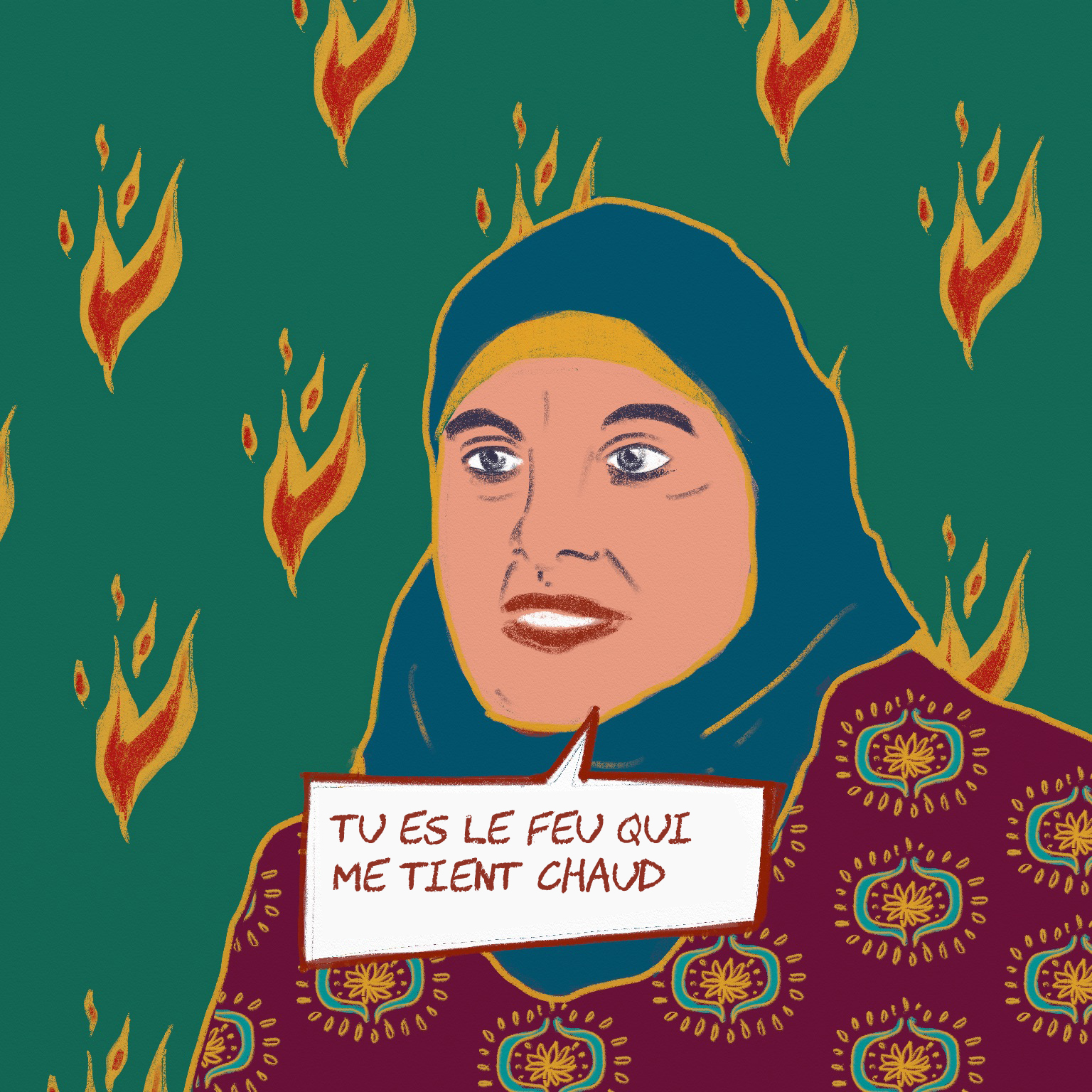
Manal Tamimi « Tu es le feu qui me tient chaud »
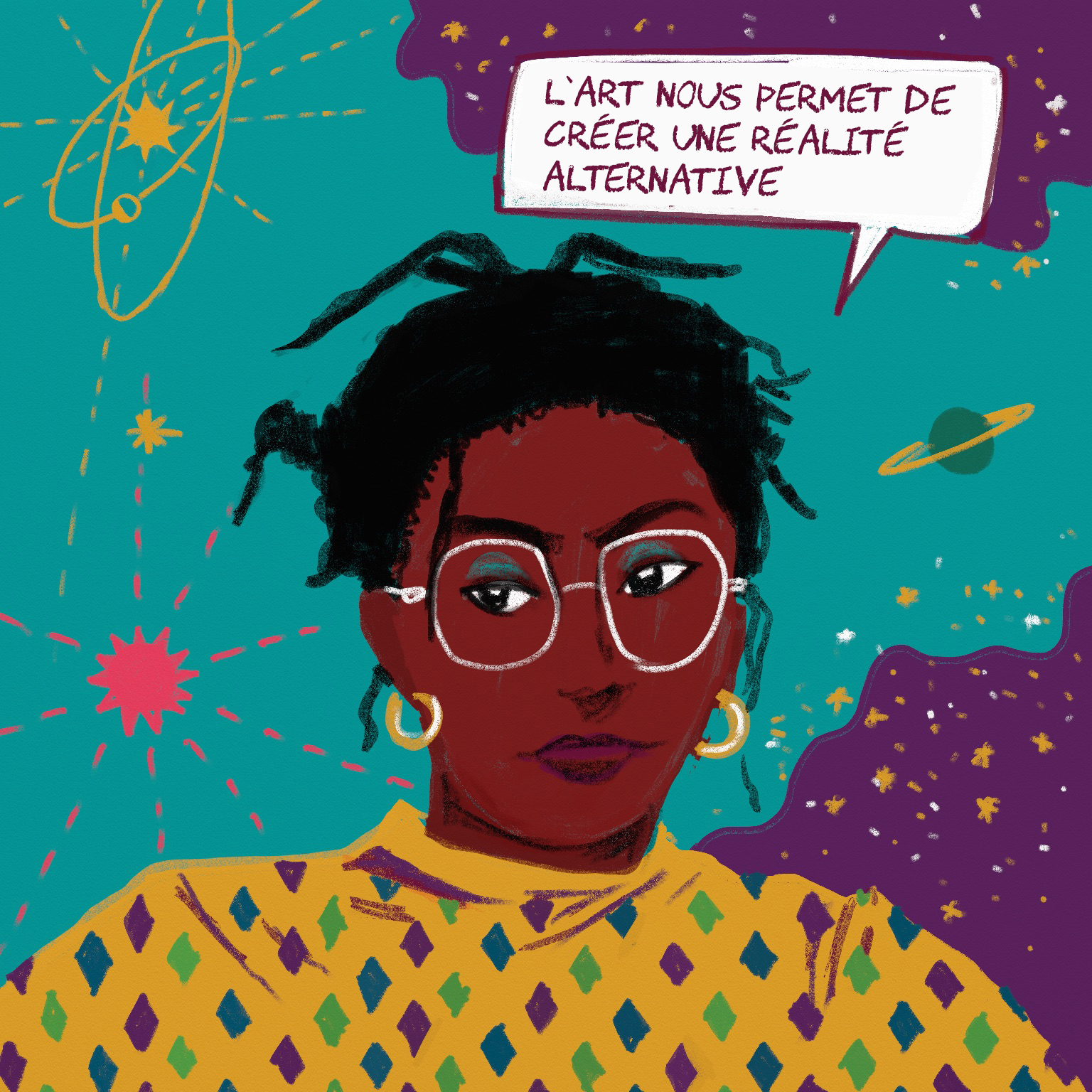
Nana Akosua Hanson « L’art nous permet de créer une réalité alternative »
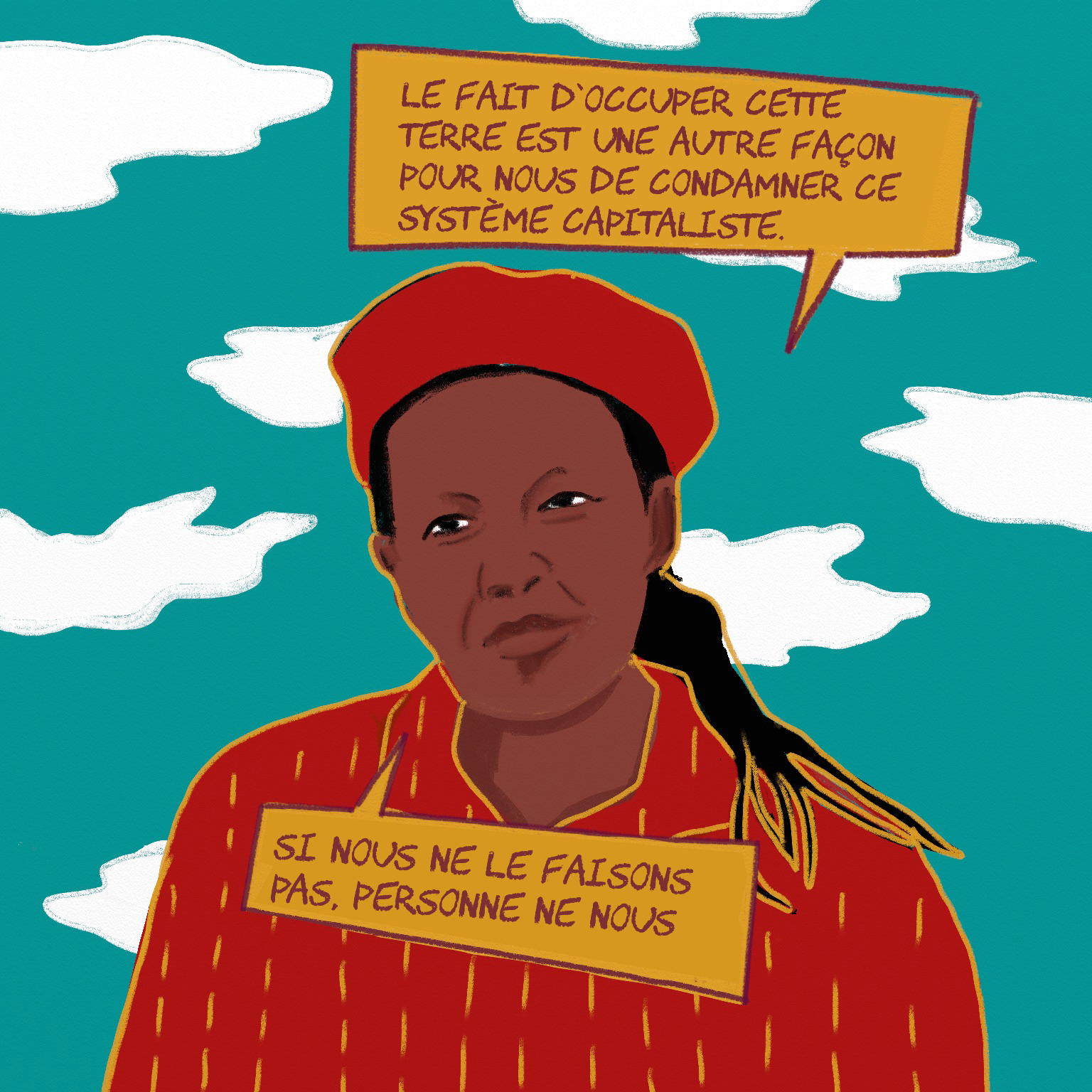
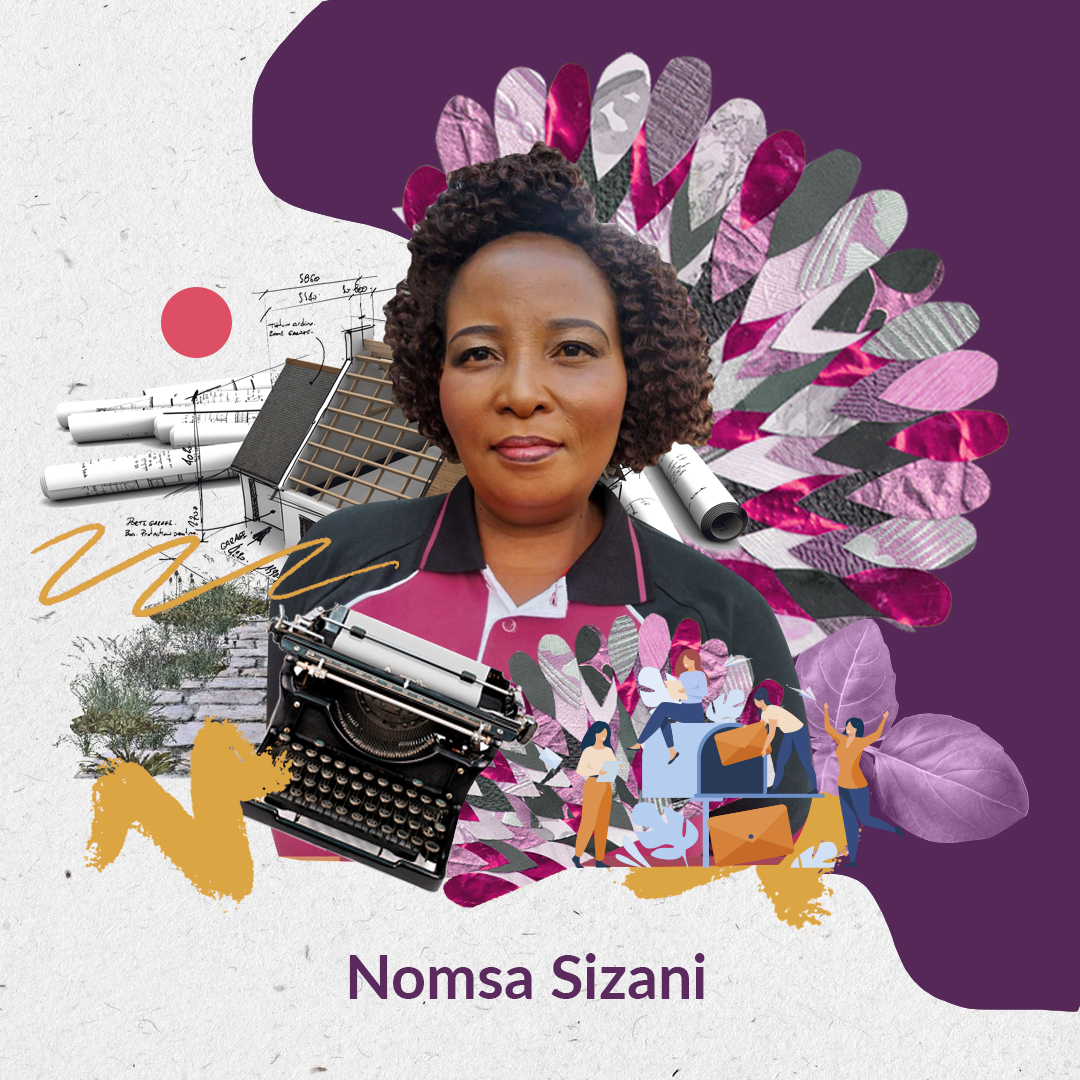
Nomsa Sizani « Le fait d’occuper cette Terre est une autre façon pour nous de condamner ce système capitaliste. »  « Si nous ne le faisons pas, personne ne nous libérera. »
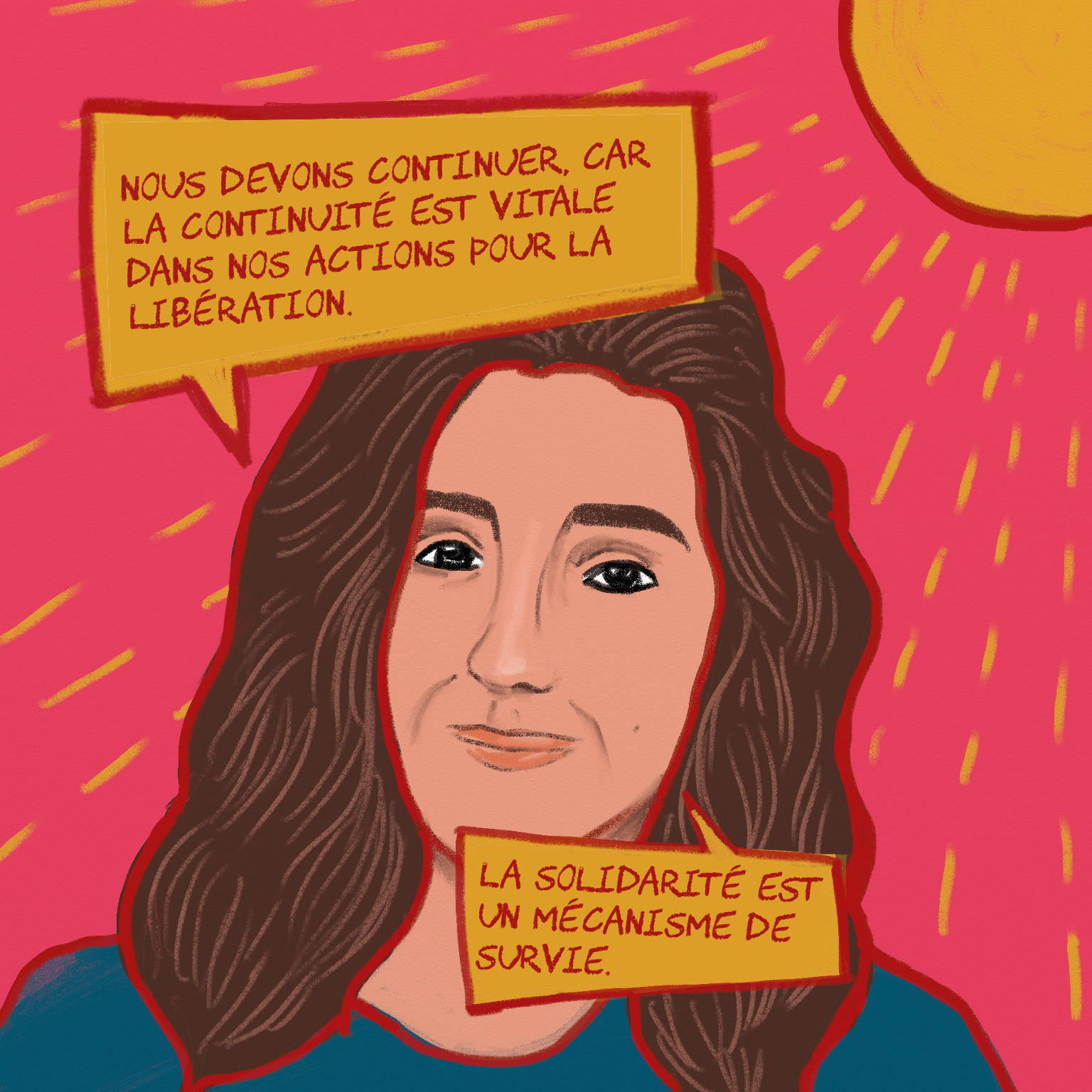
Sandie Hanna « La solidarité est un mécanisme de survie. »  « Nous devons continuer, car la continuité est vitale dans nos actions pour la libération. »
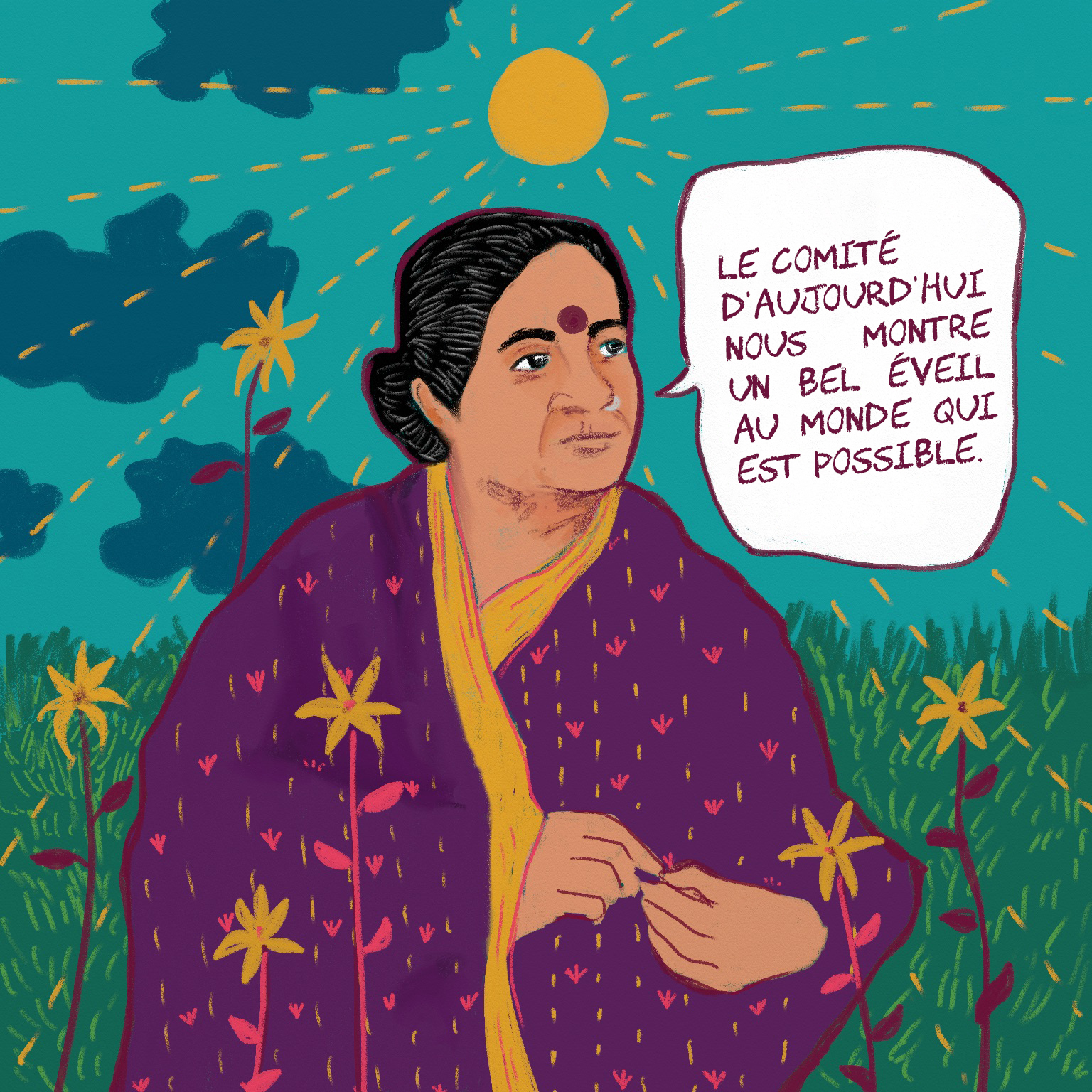
Vandana Shiva « Le comité d'aujourd'hui nous montre un bel éveil au monde qui est possible. »
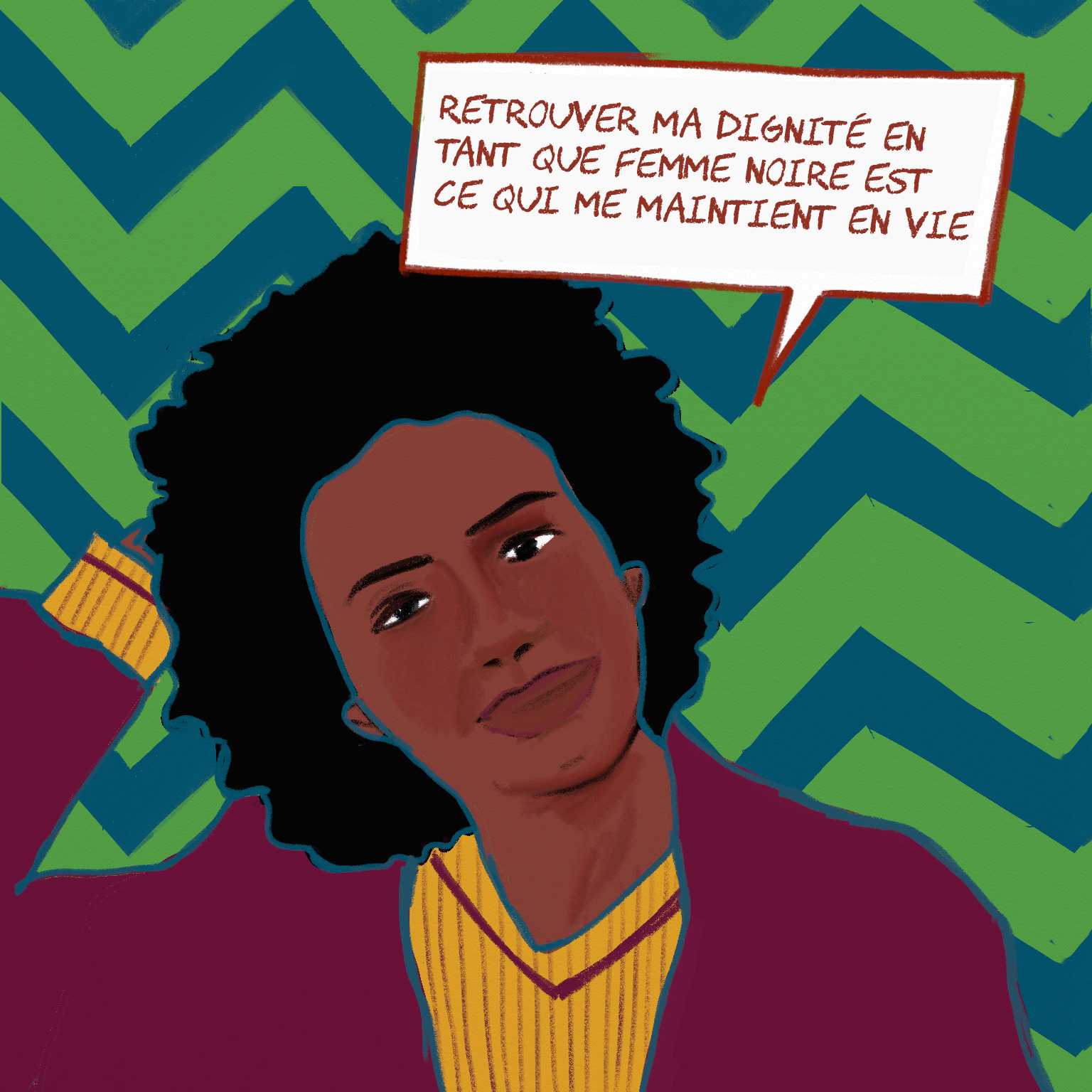
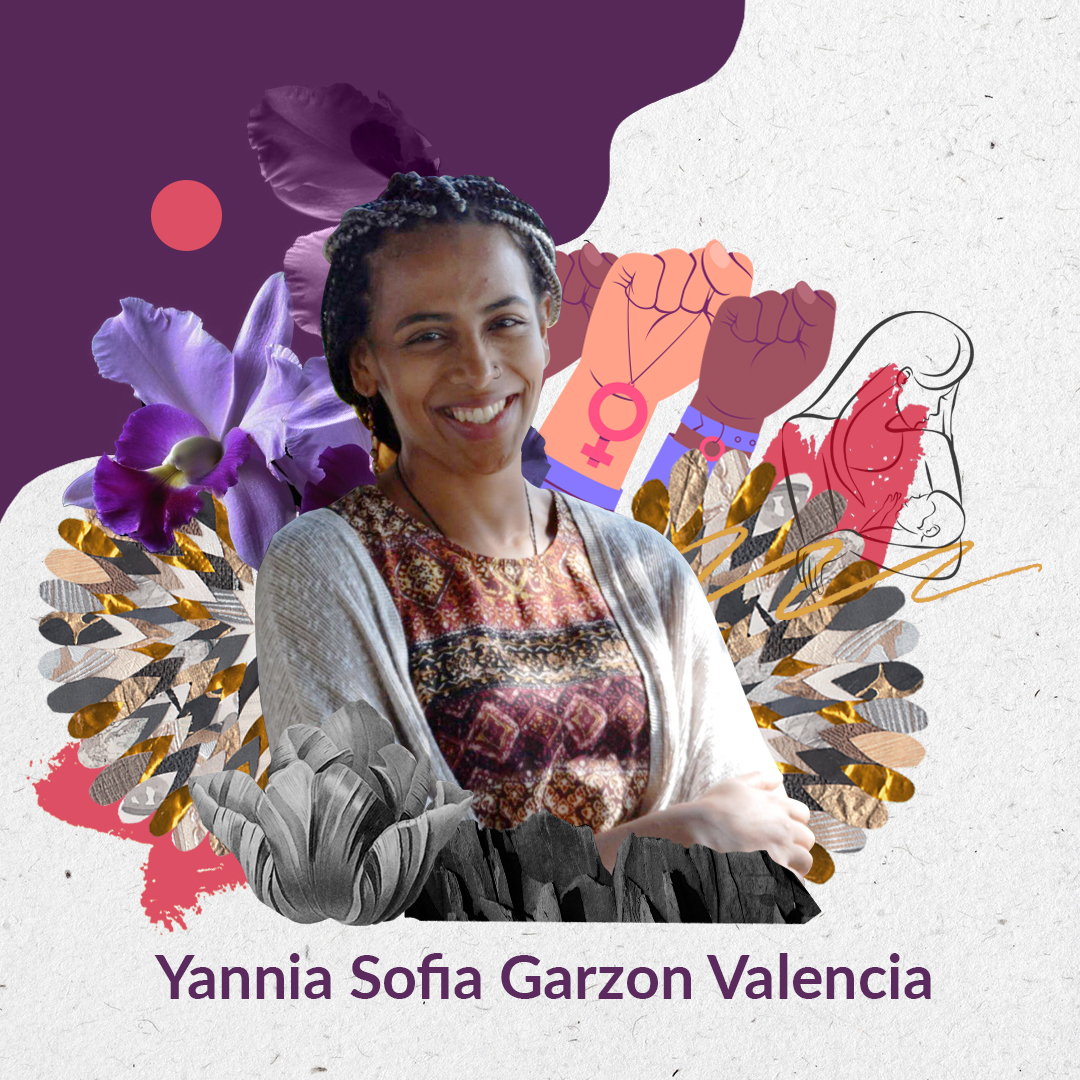
Yannia S. Garzón « Retrouver ma dignité en tant que femme noire est ce qui me maintient en vie »
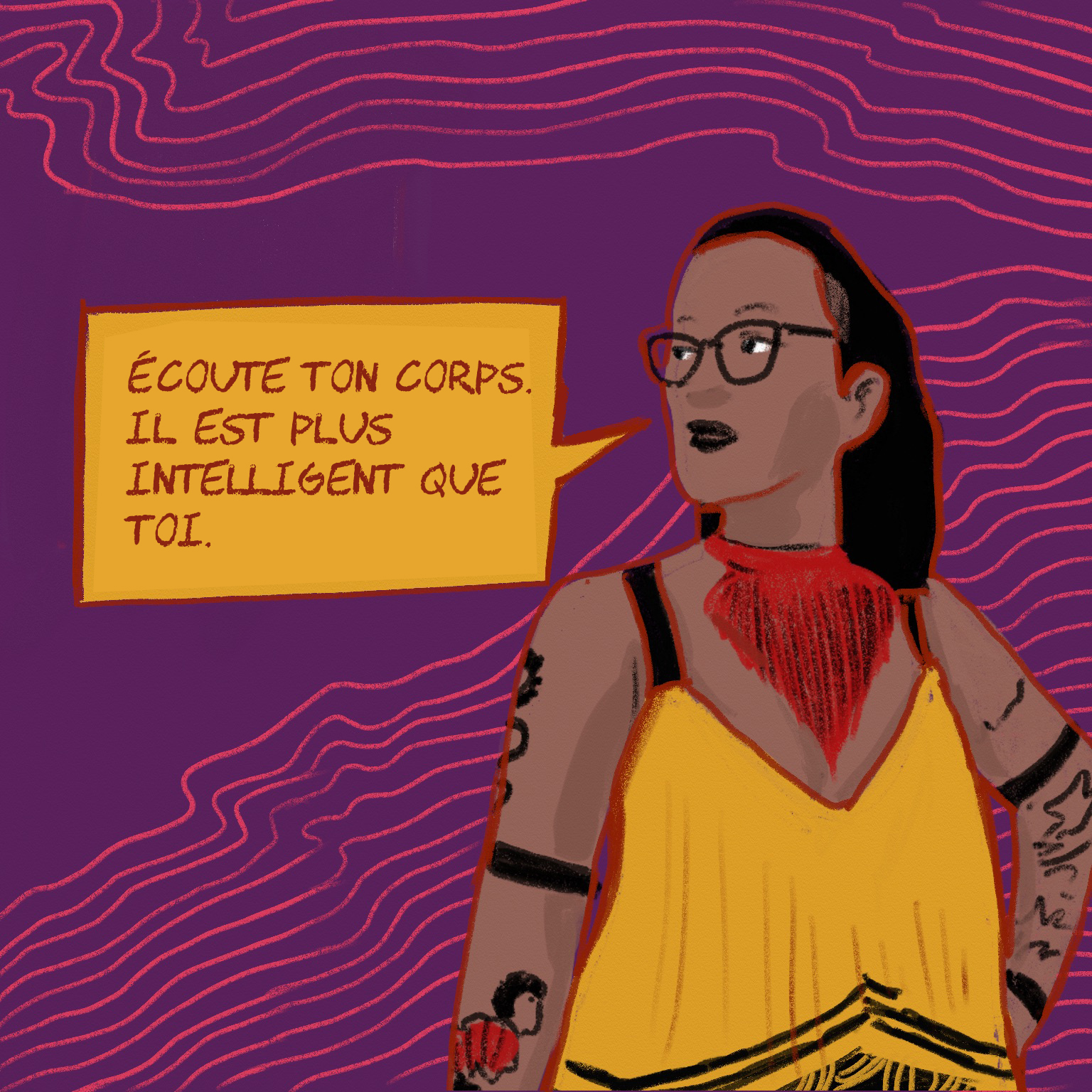
Dr Angélique V. Nixon "Écoute ton corps. Il est plus intelligent que toi."
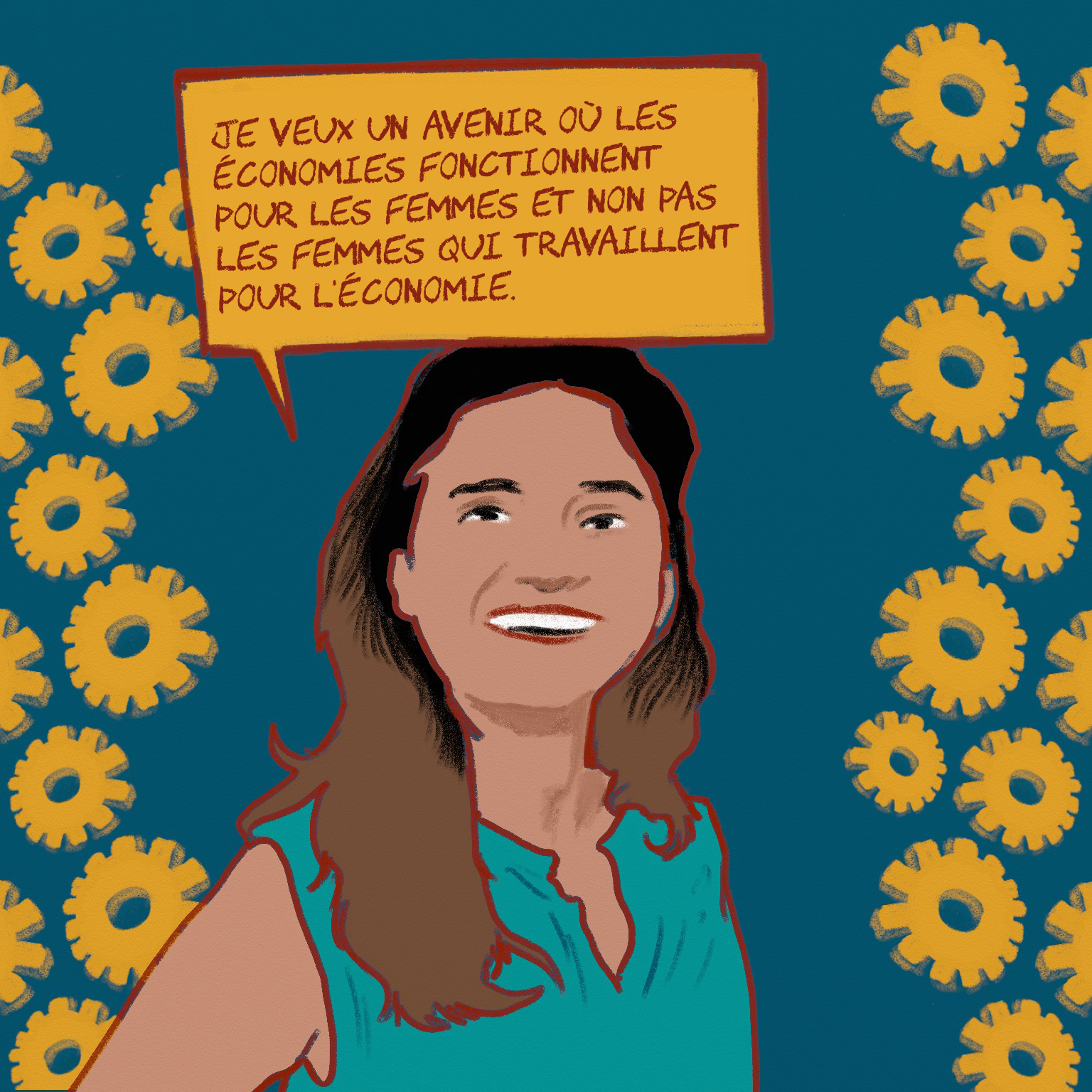
Patricia Watténa "Je veux un avenir où les économies fonctionnent pour les femmes et non pas les femmes qui travaillent pour l'économie."

Par Ika Vantiani

Facebook | TwitterInstagram

 
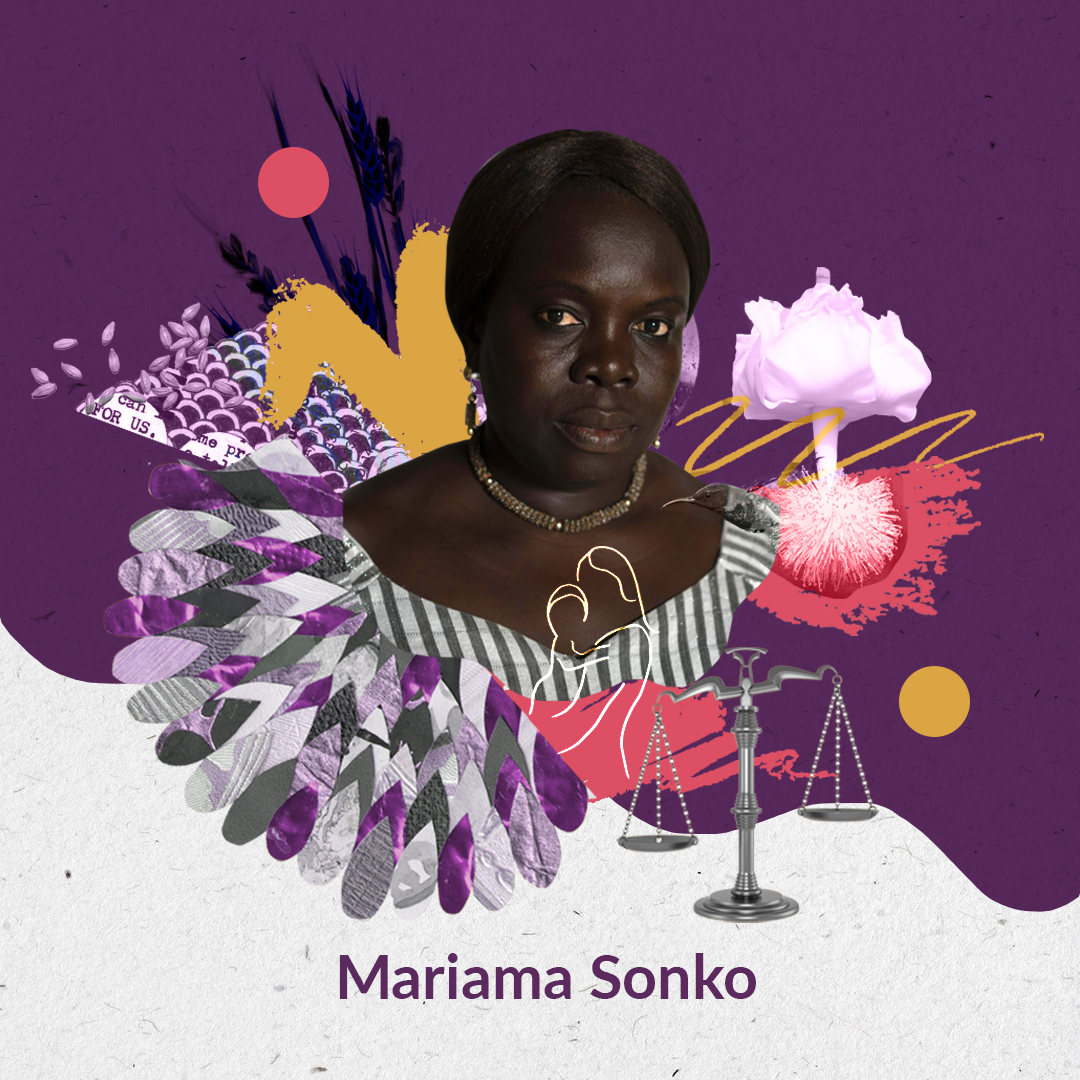
Collage of Mariama Sonko
Collage of Nomsa Sizani
Artistic collage featuring Yania Sofia

Par Naadira Patel 

Website | Facebook | Instagram

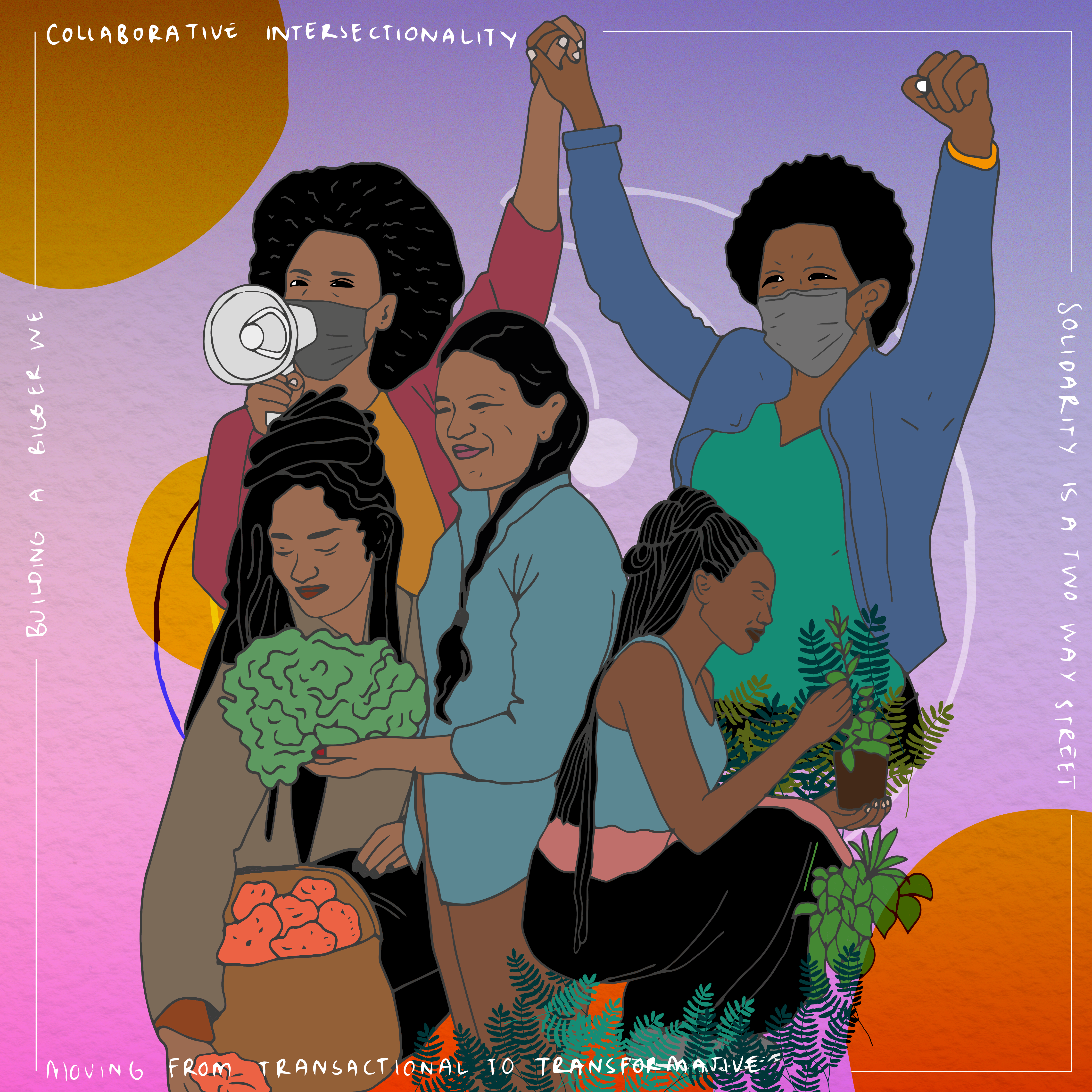
Illustration of several women of color with text that says: Moving from Transactional to Transformative
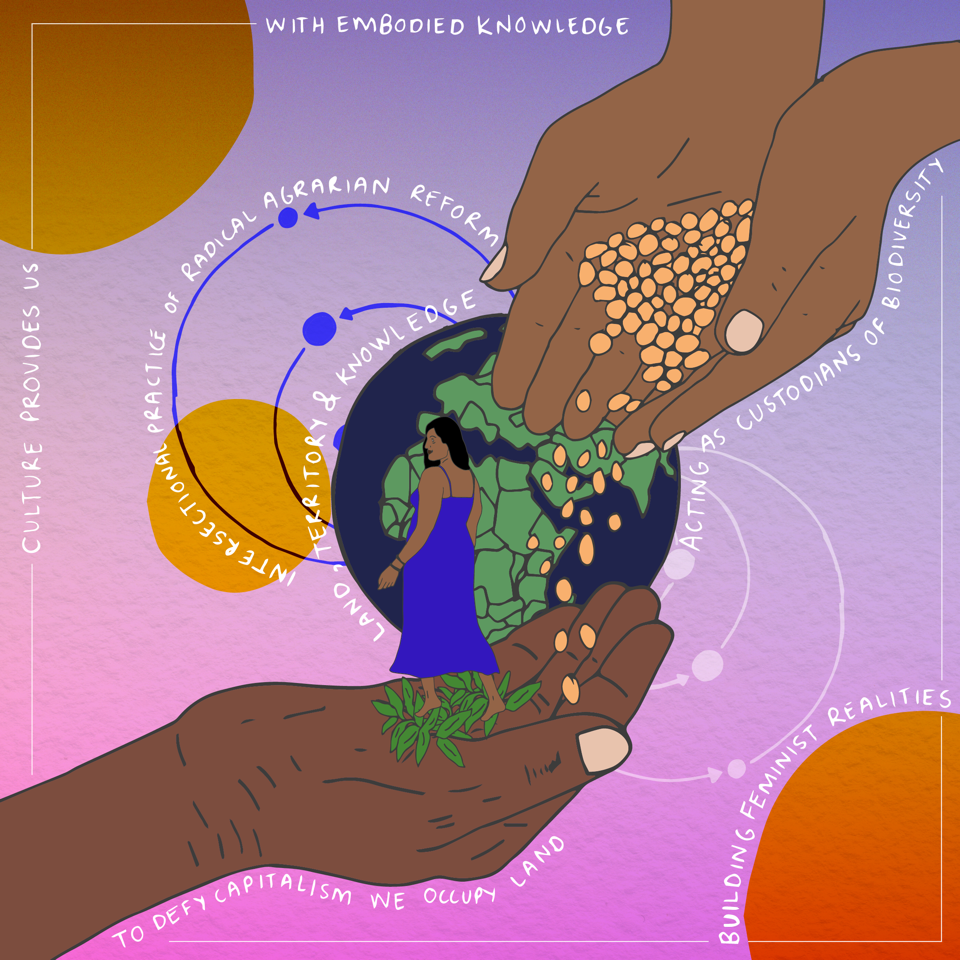
Illustration of three hand outstretched. Two are spilling seeds into the other. In the center there is planet Earth and a woman walking over plants. The text reads "To defy capitalism we occupy land acting as custodians of diversity"

سؤالي لم تتم الإجابة عليه هنا

لمزيد من الأسئلة، يرجى استخدام نموذج الاتصال. سنستمر في تحديث هذه الوثيقة بناءً على الاستفسارات التي نتلقاها منك!

2014: lacement du processus préparatoire de la 3ème Conférence sur le FdD

Lancement du processus préparatoire intergouvernemental de la troisième Conférence sur le financement du développement, octobre 2014

  • Un processus préparatoire, co-facilité par l’ambassadeur guyanais George Wilfred Talbot et l’ambassadeur norvégien Geir O. Pedersen, a été instauré pour mener des discussions préliminaires relatives à la troisième Conférence sur le FdD prévue en juillet 2015 à Addis Abeba, en Éthiopie.
  • Dans le cadre de ces préparations, deux séries de séances de fond informelles ont été organisées au siège  de l’ONU à New York  afin d’apporter des éléments d’information pouvant servir aux sessions de rédaction du futur document final.
  •  À cette occasion, le WWG sur le FdD a été réactivé dans le but d’intégrer les perspectives féministes et de défense des droits des femmes aux discussions et délibérations, avant et pendant la troisième Conférence sur le FdD. À l’heure actuelle, le groupe est co-animé par l’AWID, Development Alternatives with Women for a New Era (DAWN) et la Feminist Task Force (FTF).
  • Le WWG sur le FdD a prononcé deux déclarations  lors de la première série de sessions et présenté un document écrit lors de la seconde. Il a, dans les deux cas, souligné l’invisibilité des inégalités entre les genres dans ce processus préparatoire, tout comme celle de l’inclusion d’autres formes de discrimination et d’inégalité. Le travail du WWG met en lumière les rapports de pouvoir entre les genres et leurs points d’intersection avec d’autres catégories, telles que la race, le handicap, l’appartenance ethnique, l’âge, la richesse et l’identité sexuelle, ce qui accentue la répartition inégale des chances et des ressources dans toutes les sociétés de la planète.
  •  Les organisations de la société civile se sont dites inquiètes de l’étroitesse de l’espace qui leur a été accordé pour prendre part aux deux sessions de fond informelles. Elles ont notamment évoqué le risque que l’espace de participation de la société civile aux négociations portant sur le document final de janvier 2015 ne soit lui aussi limité.

Snippet Art Gift_Fest (FR)

Téléchargez notre fond d’écran zoom & carte postale imprimable!

illustré par Ellena Ekarahendy

Téléchargez ici

Snippet - CSW68 - Follow the Money - EN

Follow the Money:

Illicit Financial Flows & Anti-Rights Actors

📅Monday, March 11
🕒4:30 - 6pm EST

Organisers: AWID, IJSC and NAWI
🏢 Church Center of the United Nations, 777 United Nations Plaza, New York, 11th Floor
(French and Spanish interpretation available)

July 2015

Women's Forum on Financing for Gender Equality

  • The Forum took place on 10 July 2015 in Addis Ababa and convened feminists, grassroots women, gender advocates, academics and representatives of women’s rights organizations/networks with specific inputs by UN representatives and other policy makers.
  • The objectives of the Women's Forum were to: share information on the state of play in the latest FfD negotiations; jointly analyze the FfD panorama and follow-up; build a common women’s rights positioning; and strategize on how to meaningfully and substantively engage from a feminist perspective at the Addis FfD Conference.
  • The Women's Forum was organized by the Women's Working Group on FfD, in collaboration with FEMNET, African Women's Development Fund (AWDF) and the Post 2015 Women's Coalition with support from UN Women.
  • Read the Women's Working Group reaction to the Addis Ababa Action Agenda

CSO FfD Forum

  • The CSO FfD Forum took place in Addis Ababa on 11-12 July 2015 and aimed to: inform participating CSOs on the state of play of the official process and coordinate civil society participation in the 3rd FfD Conference; develop a collective CSO Forum Declaration as well as the CSO messages for the FfD Conference Roundtables, the CSO FfD Group-led side events and any other opportunities that might emerge; and plan and organize future areas of CSO engagement on Financing for Development, beyond the 3rd FfD Conference.
  • Read the Declaration from the Addis Ababa Civil Society Forum on Financing for Development
  • For more information, please visit the CSO FfD Group's website or contact the Addis Ababa CSO Coordinating Group (addiscoordinatinggroup@gmail.com).

The Third UN International Conference on Financing for Development

  • The third Conference on Financing For Development took place in Addis Ababa, Ethiopia, from 13-16 July 2015 and focused on: assessing the progress made in the implementation of the 2002 Monterrey Consensus and the 2008 Doha Declaration; addressing new and emerging issues, including in the context of the recent multilateral efforts to promote international development cooperation. Taking into account: the current evolving development cooperation landscape; the interrelationship of all sources of development finance; the synergies between financing objectives across the three dimensions of sustainable development (economic, social and environmental); and the need to support the United Nations development agenda beyond 2015; and reinvigorating and strengthening the financing for development follow-up process.
  • The Addis Ababa Action Agenda was adopted on 15 July 2015 by Heads of State, Governments and High Representatives at the UN.
  • The feeling however from developing countries, CSOs and more specifically women's organisations was that the Addis Ababa Action Agenda failed to meet the target. The Women's Working Group expressed its strong disappointment and demanded structural changes in the global economic governance and development architecture. Read their reaction to the outcome document. Hundreds of civil society organizations and networks from around the world also expressed deep concerns and reservations. Read their response to the outcome document.

Snippet Video C&H (EN)

Snippet - CSW68 - March 13 - EN

Day 3

13th March

¿Cuál es el tema del 14° Foro Internacional de AWID?

El tema del 14° Foro Internacional de AWID es «Realidades feministas: nuestro poder en acción».

Entendemos las realidades feministas como los diferentes modos de existir y ser que nos muestran lo que es posible, a pesar de los sistemas de poder dominantes, y en desafío y resistencia contra ellos. Entendemos estas realidades feministas como recuperaciones y corporizaciones de esperanza y poder, multidimensionales, dinámicas, y arraigadas en contextos y momentos históricos específicos.
Leer más sobre las realidades feministas

Snippet FEA FIGHT LIKE SOMEONE WHO CARES (EN)

São Paulo, Brasil

COZINHA OCUPAÇÃO 9 DE JULHO

Lucha como alguien

QUIEN CUIDA

Snippet - Intro WITM - EN

Where is the Money for Feminist Organizing? Survey Results

Thanks to our global feminist community! From May to August 2024, nearly 1,200 organizations working for Women's rights, gender justice, and LBTQI+ equality shared their experiences in the WITM survey. The results offer a unique picture of how feminist movements are resourced and where gaps remain.

Stay tuned for the upcoming report for more analysis!
 

Learn more about the insights

¿En qué será diferente este Foro?

Siempre hemos trabajado para garantizar que nuestros Foros sean desarrollados conjuntamente con nuestrxs afiliadxs, los movimientos, y nuestros colectivos prioritarios.

Para el Foro 2020 queremos profundizar y fortalecer este espíritu y esta práctica de creación conjunta y colaboración. También reconocemos la necesidad de mejorar el equilibrio entre la inclusión de muchas voces y experiencias y el espacio para que lxs participantes y el equipo respiren, se tomen una pausa, y disfruten de un poco de tiempo de inactividad.

Este Foro será diferente en cuanto a que:

  • Tendremos muchas menos actividades organizadas, porque queremos que la gente tenga tiempo para relacionarse y hablar entre sí, experimentar, procesar, etc. Es fundamental que sepas que puedes venir al Foro, participar y ser muy activx, y no facilitar ninguna actividad organizada (o «sesión»).
  • Tendremos Espacios Abiertos (al menos una tarde entera sin ninguna actividad organizada), y también espacios físicos disponibles durante todo el Foro para que la gente organice sus propias reuniones.
  • Tendremos un Comité de Contenido y Metodología compuesto por feministas de distintas regiones con experiencia en metodologías participativas, para apoyar al equipo de AWID y a quienes lideren actividades en el Foro en el uso de formatos creativos e interesantes para las actividades del Foro.

Snippet FEA Ocupação 9 de Julho is more than just a building (FR)

Mais Ocupação 9 de Julho est plus qu'un bâtiment.

C'est un centre communautaire, où l'on peut suivre des cours et se former à des activités créatives génératrices de revenus comme la coiffure, la cuisine et la création artistique. Les enfants peuvent également profiter d'activités culturelles et éducatives.

Le MSTC ne travaille pas seul. Iels collaborent avec des institutions et des collectifs artistiques pour produire des expériences culturelles, sportives et éducatives, ainsi qu'un accès critique à des services de santé. Depuis sa création, ce projet participatif a été porté essentiellement par des femmes, sous la direction de l'activiste afro-brésilienne Carmen Silva, autrefois sans abri.