Jean-Marc Ferré | Flickr (CC BY-NC-ND 2.0)
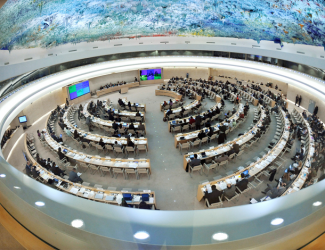
A general view of participants at the 16th session of the Human Rights Council in Geneva, Switzerland.

Human Rights Council (HRC)

The Human Rights Council (HRC) is the key intergovernmental body within the United Nations system responsible for the promotion and protection of all human rights around the globe. It holds three regular sessions a year: in March, June and September. The Office of the UN High Commissioner for Human Rights (OHCHR) is the secretariat for the HRC.

The HRC works by:

  • Debating and passing resolutions on global human rights issues and human rights situations in particular countries

  • Examining complaints from victims of human rights violations or activist organizations on behalf of victims of human rights violations

  • Appointing independent experts (known as “Special Procedures”) to review human rights violations in specific countries and examine and further global human rights issues

  • Engaging in discussions with experts and governments on human rights issues

  • Assessing the human rights records of all UN Member States every four and a half years through the Universal Periodic Review

Learn more about the HRC


AWID works with feminist, progressive and human rights partners to share key knowledge, convene civil society dialogues and events, and influence negotiations and outcomes of the session.

With our partners, our work will:

◾️ Monitor, track and analyze anti-rights actors, discourses and strategies and their impact on resolutions

◾️ Raise awareness of the findings of the 2017 and 2021 OURs Trends Reports.

◾️Support the work of feminist UN experts in the face of backlash and pressure

◾️Advocate for state accountability
 
◾️ Work with feminist movements and civil society organizations to advance rights related to gender and sexuality.
 

Related Content

Snippet FEA collaborator and allies Photo 4 (FR)

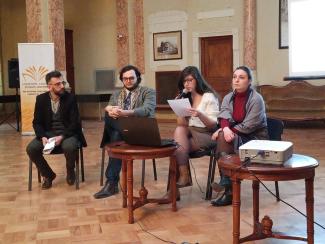
La photo représente Sopo prenant la parole lors d'un événement public à l'intérieur. Elle tient le micro tout en lisant ses notes et est assise sur une chaise entre trois autres personnes qui sont soit des orateur.trice.s, soit des modérateur.ice.s.

Liliana Bodoc

Liliana était enseignante argentine, tisseuse et également une écrivaine reconnue.

Sa trilogie « La saga des confins » a reçu plusieurs prix. Son œuvre est la seule dans le domaine littéraire fantastique à avoir eu recours et ré-imaginé la mythologie autochtone sud-américaine.

L’engagement de Liliana envers le féminisme s’est exprimé à travers les voix féminines diverses, riches et fortes de ses écrits, et en particulier dans le cadre de ceux à destination du jeune public. Elle a également pris position publiquement en faveur de l'avortement, de la justice économique et de l’égalité de genre.
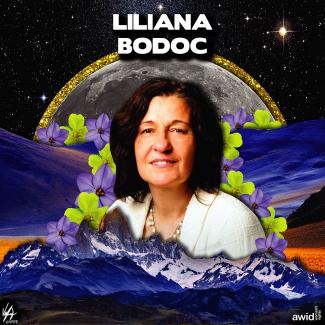


Liliana Bodoc, Argentina

What issues does AWID work on?

AWID works towards the realization of gender justice and women’s human rights worldwide. We work to strengthen the voices and impact of women’s rights advocates, organizations and movements. Our main Priority Areas relate to themes that are closely linked to dominant global trends.

These themes reflect growing challenges that negatively impact women’s rights worldwide.

  • Economic Justice
  • Resourcing Women’s Rights
  • Challenging Religious Fundamentalisms
  • Women Human Rights Defenders
  • Young Feminist Activism

Find out more about AWID's Priority Areas

Sala de prensa

AWID en los medios

Compilación de noticias sobre la organización y/o el trabajo de AWID


Notas de prensa

Notas de prensa, dosieres y kits


Kits de social media

Contacto para medios

Email de contacto

+1 416 594 3773

Какую цель преследует опрос «Где деньги?»

Ключевая цель исследования – осветить финансовое положение различных феминистских движений, инициатив за права женщин, гендерную справедливость, ЛГБТКИ+ и смежных движений по всему миру и, основываясь на этом, еще больше усилить аргументы в пользу увеличения объема денежных средств и передачи власти феминистским движениям.

Snippet FEA lines of work Against (EN)

Illustration of a pink book that says “labor rights” and has a red X on it,

LABOR RIGHT VIOLATIONS

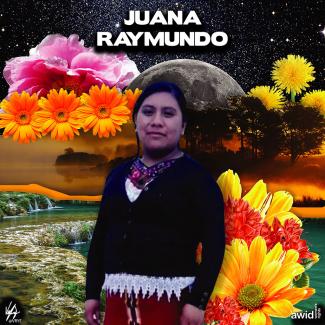
Juana Raymundo

Juana was an Indigenous Mayan Ixil, professional nurse and coordinator of the Farmers’ Development Committee (Comité de Desarrollo Campesino – CODECA).

CODECA is a human rights organisation of Indigenous farmers dedicated to promoting land rights and rural development for Indigenous families) in the Nebaj Quiché micro-region. She first joined CODECA as a member of its youth branch (Juventud de CODECA). At the time of her death had been elected to be part of the Executive Committee of the Movement for the Liberation of Peoples (MLP).

Juana’s body was found by neighbours by a small river on the road near Nebaj and Acambalam Village, Guatemala. According to CODECA, her body showed signs of torture.


Juana Raymundo, Guatemala

¿Publican un informe anual?

Sí. AWID publica informes anuales.

Todos nuestros informes anuales estan disponibles en línea.

Ver todos los informes anuales de AWID

Here are your report and infographics: Toward a feminist funding ecosystem

هل يمكن أن تعبئ مجموعة واحدة الاستطلاع أكثر من مرة واحدة؟

كلا. نطلب فقط تعبئة استطلاع واحد لكل مجموعة.

Snippet FEA Wage Parity (ES)

Ilustración de dos un par de personas de piel blanca con anteojos, a la izquierda en el fondo hay un mando y a la derecha al frente hay una mujer. El fondo es turquesa.

PARIDAD SALARIAL

Kagendo Murungi

Kagendo es cariñosamente recordada por su familia y amigxs como una férrea activista feminista africana, artista y realizadora cinematográfica

Dedicó más de 20 años a defender los derechos y la dignidad de las personas LGBTIQ y de género no normativo de África. Lxs colegas de Kagendo la recuerdan como alguien con una personalidad jovial, convicciones férreas y amor a la vida. Kagendo murió por causas naturales en su hogar de Harlem, el 27 de diciembre de 2017.

Al producirse su fallecimiento, la escritora y activista keniata Shailja Patel destacó «el compromiso de toda la vida de Kagendo para establecer una relación entre todas las formas de opresión, mostrando de qué manera el colonialismo alentó la homofobia en el continente africano, para convertir así a Kenia en un país donde las personas queer y las mujeres libres puedan vivir y progresar».


Kagendo Murungi, Kenya

J’ai rédigé un article en rapport avec les droits des femmes et le développement. Comment puis-je le partager avec les membres de l’AWID ?

Reason to join 2

Encuentra y crea conexiones. AWID cuenta con más de 9000 afiliadxs, todxs dedicadxs a abordar cuestiones complementarias e interconectadas. En esta diversidad se apoya la sostenibilidad de los movimientos y actorxs feministas.

Cláusula de exención de responsabilidad: Comunicaciones con el equipo de AWID

Si has recibido correos electrónicos de integrantes del equipo de AWID, nos gustaría que tengas presente lo siguiente:

  • La información contenida en esta comunicación es confidencial y está destinada exclusivamente la persona que lo recibe.

  • Esta comunicación podría contener información que es propiedad de la Asociación para los Derechos de las Mujeres y el Desarrollo (AWID, por sus siglas en inglés). Esta información no puede reproducirse ni diseminarse  ni parcialmente ni  en su totalidad sin el consentimiento escrito de AWID.

  • AWID no garantiza que la información aquí contenida sea completa o correcta. Esta comunicación no es una oferta para elaborar ningún tipo de acuerdo y no es una confirmación de ningún acuerdo descrito en este documento, a menos que el contexto indique claramente lo contrario.

  • AWID no está actuando en calidad de asesora de ningún acuerdo que pueda surgir de este documento, y esta comunicación no constituye una recomendación, guía o propuesta para elaborar un acuerdo.

  • AWID no garantiza o asegura los resultados esperados de cualquier acuerdo. Esta comunicación puede contener puntos de vista y opiniones que pueden no corresponderse con aquellos de AWID.

  • No tendrá derecho a utilizar la información contenida en esta comunicación con fines de llegar a cualquier tipo de propuesta de acuerdo u otro. 

Могу ли я пройти опрос со своего телефона?

Да, доступ к опросу можно получить с помощью смартфона.