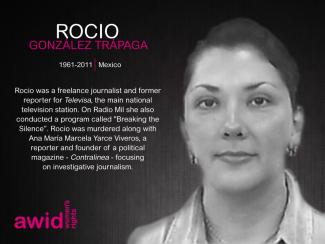
Rocio Gonzalez Trapaga
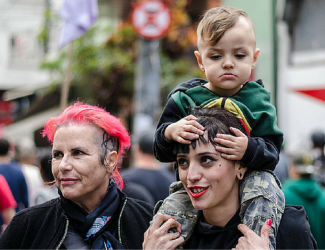
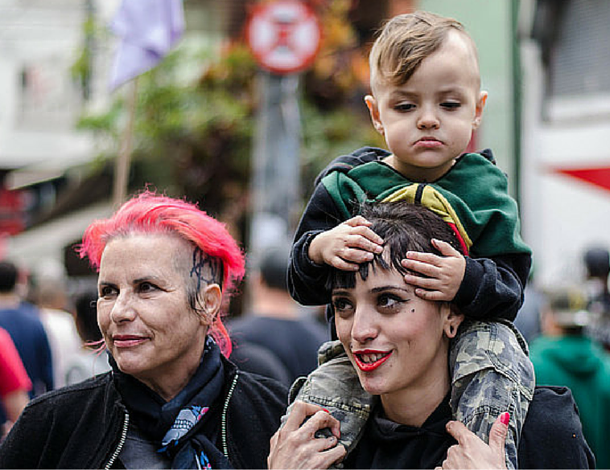
Over the past few years, a troubling new trend at the international human rights level is being observed, where discourses on ‘protecting the family’ are being employed to defend violations committed against family members, to bolster and justify impunity, and to restrict equal rights within and to family life.
The campaign to "Protect the Family" is driven by ultra-conservative efforts to impose "traditional" and patriarchal interpretations of the family, and to move rights out of the hands of family members and into the institution of ‘the family’.
Since 2014, a group of states have been operating as a bloc in human rights spaces under the name “Group of Friends of the Family”, and resolutions on “Protection of the Family” have been successfully passed every year since 2014.
This agenda has spread beyond the Human Rights Council. We have seen regressive language on “the family” being introduced at the Commission on the Status of Women, and attempts made to introduce it in negotiations on the Sustainable Development Goals.
AWID works with partners and allies to jointly resist “Protection of the Family” and other regressive agendas, and to uphold the universality of human rights.
In response to the increased influence of regressive actors in human rights spaces, AWID joined allies to form the Observatory on the Universality of Rights (OURs). OURs is a collaborative project that monitors, analyzes, and shares information on anti-rights initiatives like “Protection of the Family”.
Rights at Risk, the first OURs report, charts a map of the actors making up the global anti-rights lobby, identifies their key discourses and strategies, and the effect they are having on our human rights.
The report outlines “Protection of the Family” as an agenda that has fostered collaboration across a broad range of regressive actors at the UN. It describes it as: “a strategic framework that houses “multiple patriarchal and anti-rights positions, where the framework, in turn, aims to justify and institutionalize these positions.”
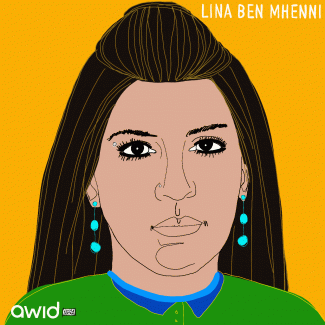
“I want to tell all Tunisians: We have to unite to say no to censorship and opinion trials.” - Lina Ben Mhenni (2013 interview)
“It’s true that information and the internet are important but being on the ground is crucial for a revolution. Some people here in Tunisia think that change can occur just by clicking like on the internet. I believe you have to be active on the ground. And of course, join actions on the field with the action on the web.” - Lina Ben Mhenni (Interview in POCIT)
In 2010, she co-organized a protest that challenged the government suppression of media and internet censorship. Lina was widely known for her blog “A Tunisian Girl” and recognized for her work during the Tunisian revolution in 2011. In her blog, she reported on the news from the uprising, shared images documenting protests and was among the few voices who spoke about the killings and crackdown on protesters in Sidi Bouzid. Lina blogged using her real name instead of a pseudonym to protect her identity, one of only a few bloggers to do so.
“Our freedom of expression is in real danger. I am afraid that we are losing the unique fruits of the revolution: the disappearance of fear and our freedom of speech. We have to keep on fighting to protect and preserve this right.” — Lina Ben Mhenni (2013 interview)
Lina was only 36 years old when she passed away on 27 January 2020, as a result of complications from an autoimmune disease.
"Freedom, better education and health - that's all we wanted. When we failed, she pushed us." Lina’s school teacher Hala.
En nombre del Consejo Directivo escribo para expresar nuestra más profunda gratitud, valoración y respeto por Hakima Abbas y Cindy Clark, nuestras extraordinarias codirectoras ejecutivas durante los últimos cinco años, que están dejando sus cargos para que se renueve el liderazgo de AWID en el momento en que entramos en un nuevo plan estratégico y una nueva fase de nuestra vida organizacional. En forma consistente ellas pusieron en práctica los mejores principios del liderazgo organizacional feminista y de la ética del cuidado al mismo tiempo que nos guiaban durante uno de los momentos más impredecibles y turbulentos de la historia mundial reciente: la sindemia de COVID-19 y la espiral político global descendente que le siguió. Ellas sostuvieron a AWID, a nuestro personal y a nuestro Consejo Directivo con firmeza, con suavidad y con amor mientras todxs atravesamos de diversas formas los impactos de esa situación. Nunca perdieron de vista la visión y la misión de AWID al responder con respeto y de manera estratégica a distintos cambios que surgieron, uno de ellos nada menos que la cancelación del Foro AWID.
El Consejo Directivo decidió darle prioridad en primera instancia a un proceso de búsqueda interno, reconociendo el gran potencial que existe en el equipo actual de AWID. Esperamos completar la transición para fines de 2022. Hakima y Cindy dejarán sus cargos en distintos momentos y facilitarán una transición fluida para los nuevos liderazgos.
Es difícil para el Consejo y para otrxs que han trabajado de cerca con ellas y que las aman ver a Cindy y a Hakima alejarse de AWID. De todos modos, tengan la certeza de que el Consejo de AWID está liderando el proceso de transición reconociendo plenamente las marcas hermosas, inspiradoras e indelebles que dejarán Hakima y Cindy como parte de nuestra historia de 40 años; recibiendo con los brazos abiertos el próximo paso en la incorporación de los nuevos liderazgos y apoyándolos; e inspirándonos a todxs a obrar aún mejor en este momento de la vida de AWID.
Las transiciones organizacionales importantes nunca son simples ni fáciles. A veces son forzadas, están más allá del control de todxs, son tensas e incluso destructivas. Como yo, ustedes habrán visto ejemplos de esa clase de transiciones. Otras veces las necesidades y aspiraciones del personal están en sintonía con las de la organización. Aunque nosotrxs no elegimos ni deseamos que Cindy y Hakima dejen AWID, su decisión y la entrada de AWID en su próximo plan estratégico y en una nueva década de su existencia están en una misma sintonía. Lo mejor de todo es que estamos en las manos maravillosas, súper competentes, creativas y feministas del personal y del Consejo Directivo de AWID.
Les agradecemos, queridos Movimientos Feministas, su confianza en AWID. También les pedimos que nos apoyen en nuestra transición de liderazgos en los próximos meses. Sigamos construyendo, profundizando y fortaleciendo las conexiones entre nosotrxs tal como lo hemos hecho en estos últimos 40 años.
Por favor manténganse en contacto para que les contemos más acontecimientos concretos y actualizaciones. En las próximas semanas volverán a saber de nosotrxs.
Con solidaridad y amor feministas,
Margo Okazawa-Rey
Presidenta del Consejo Directivo de AWID

Be it core funding, programmes & projects or rapid response/ emergency grants.
All our change processes rely on the relationships we build at spaces like the AWID Forums where you dance together, your humour comes through, your real self, you tell stories. That is what makes the difference.
- Nicky Mcintyre, USA
Una investigación personal sobre la misteriosa vida de Sally (la tía de la directora), una aristócrata etíope que se convirtió en rebelde comunista y desapareció luego de la revolución que llevó al derrocamiento del Emperador Haile Selassie.
23 de junio a las 12:30 pm EST en IG Live
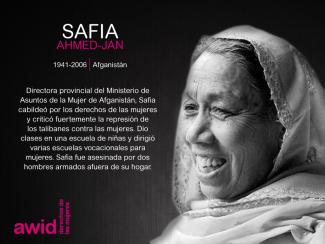
Gloria Chicaiza, una activista social y ambiental ecuatoriana, fue una ferviente defensora de la tierra y el agua. Desafió el statu quo, al luchar contra un modelo de desarrollo basado en la extracción, y trabajó incansablemente por la justicia ecológica y los derechos de las comunidades afectadas por la minería.
Gloria participó en las acciones de resistencia para la protección del ecosistema en distintas áreas de Ecuador. Con pasión y dedicación, Gloria apoyó al movimiento indígena y ambiental, a sus comunidades y a las organizaciones que se oponen a los proyectos de minería y protegen sus territorios y sus proyectos de vida colectivos. En foros locales e internacionales, se pronunció contra la criminalización del disenso y la resistencia, contra la presión y la violencia ejercidas contra lxs activistas comunitarixs (y, en particular, contra las defensoras de derechos humanos), y a favor de los esfuerzos comunitarios por la soberanía alimentaria y la sustentabilidad.
Fue Coordinadora del Área de Justicia Minera de Acción Ecológica, participó en la Red Latinoamericana de Mujeres Defensoras de Derechos Sociales y Ambientales, e integró la Junta Directiva del Observatorio de Conflictos Mineros de América Latina (OCMAL).
En octubre de 2010, la compañía minera Curimining/Salazar Resources S.A. (con sede en Vancouver, Canadá) acusó a Gloria de auspiciar un acto de terrorismo, sabotaje y asociación ilícita para delinquir. Acción Ecológica consideró que esto fue «en represalia por su trabajo de denuncia de los impactos de las actividades mineras en el país».
En 2014 Gloria apoyó la coordinación de una delegación a la Conferencia Internacional sobre Cambio Climático (COP 20) de la ONU. El grupo estuvo integrado por veinticinco mujeres indígenas de América Latina.
Gloria falleció el 28 de diciembre de 2019 por complicaciones de un trasplante de pulmón. Es recordada por su resistencia y su incansable trabajo.
«El camino más rápido para llegar a la sustentabilidad sigue siendo la resistencia.» - Gloria Chicaiza (entrevista de 2010)
«Para GLORIA. GLORIA Agua. GLORIA Tierra. GLORIA Madre. GLORIA Revolución. GLORIA Hermana. GLORIA Cielo. GLORIAmiga. GLORIAstral. Gracias por entretejernos.» - Liliana Gutiérrez
«Gracias Glorita, por sostener la esperanza, por mantener el tejido fuerte, por conectar la comunidad, por las manos unidas, por la solidaridad, gracias Glorita por acompañarnos en los momentos más difíciles. Gracias por enseñarnos que, a lo largo de la vida, nadie se cansa.» - Chakana News
«Fue más intrépida, más audaz y más generosa que su cuerpo; ese cuerpo que enfrentó toletes y bombas lacrimógenas, que paseó bajo la cadencia de los tambores y las batucadas, que incubó otra vida, hermosa y digna, como la suya. Haz dejado de toser, querida amiga, pero hoy, más que nunca, tu voz me quema adentro.» - Pablo Ospina Peralta
«Gloria Chicaiza valoraba ser una de muchxs, y así prosperaba. Y, humilde como era, tenía una extraordinaria capacidad para llevar y mantener un ritmo sostenido y estruendoso, un pulso de afirmación de la vida que guiaba, movilizaba e inspiraba a las comunidades y a las redes para la protección de la Madre Tierra. Se oponía a toda forma de violencia contra los cuerpos-territorios. Apoyaba el buen vivir.» - Gabriela Jiménez, Coordinadora de Asociaciones para América Latina, KAIROS
«Gracias Gloria Chicaiza, desde el infinito estamos seguros de que seguirás apoyando nuestra lucha.. Tú, que continuaste acompañándonos en la lucha a pesar de que tu salud fallara. Vivirás en los bosques y en el agua que defendiste con tanta valentía, vivirás en nuestros corazones.» - Comunidad de Intag, Ecuador
Chaque année à l’AWID, nous visons à renouveler et enrichir les points de vue et expériences que reflète notre Conseil d’administration (CA) en accueillant de nouvelles et nouveaux membres.
Nous sommes actuellement à la recherche de personnes pour servir des mandats d’une durée de trois ans au Conseil de l’AWID à compter du début de l’année 2023. Il s’agit d’une occasion de contribuer à la gouvernance de notre organisation et d’intégrer un groupe extraordinaire de féministes du monde entier.
Merci de nous aider à identifier des candidatures de féministes à la fois réfléchi·e·s et audacieux·ses pour l’élection d’ici le 29 juillet 2022.
Merci de partager également cette invitation à candidatures au sein de vos réseaux !
Nous recherchons avant tout des candidat·e·s engagé·e·s en faveur de la mission de l’AWID capables de faire le lien entre les luttes locales et mondiales. Ces personnes seront également en mesure de nous aider à tirer, avec attention, le meilleur parti du positionnement et des atouts de l’AWID dans un contexte en constante évolution. Les candidat·e·s doivent être disposé·e·s à assumer les fonctions et endosser les responsabilités juridiques du CA de l’AWID, dans l’intérêt supérieur de l’organisation.
Il s’agit d’une fonction bénévole qui nécessite une implication et un engagement tout au long de l’année. Les membres du CA doivent s'engager à consacrer au moins 10 à 15 jours par an à des rencontres en personne et virtuelles, et à contribuer à d'autres communications.
Nous souhaitons que notre CA reflète la diversité sous toutes ses formes, et particulièrement en ce qui concerne l’identité de genre, l’orientation sexuelle, l’âge, le lieu géographique et le milieu socio-économique. Nous recherchons, enfin, des membres de CA ayant une expérience dans l’un des principaux domaines de travail de l’AWID.
Candidat·e·s bénéficiant d'une expérience de travail aux intersections des droits des femmes/de la justice de genre et :
Candidat·e·s originaires des régions suivantes :
Le Conseil d’administration joue un rôle clé dans la définition de l’orientation stratégique de l’AWID et le soutien de notre organisation dans l’accomplissement de sa mission, en cohérence avec le monde dans lequel nous vivons et les besoins de nos mouvements.
Les membres du CA contribuent au fonctionnement de l’organisation de diverses manières : ils et elles apportent une expérience d’autres espaces, des perspectives de divers secteurs des mouvements féministes et un savoir-faire conséquent dans des domaines pertinents alignés sur la stratégie de l’AWID.
Les candidat·e·s qui seront finalement élu·e·s intégreront le CA de l'AWID en 2023 et nous accompagneront dans le lancement de notre nouveau plan stratégique dirigé par les nouvelles co-directrices exécutives de l'AWID, ainsi que dans la planification de notre prochain Forum international.
(Vous pouvez déposer votre candidature ou celle d’une autre personne, avec son consentement.)
Merci de partager également cette invitation à candidatures au sein de vos réseaux !
Merci d’avance de nous aider à trouver nos prochain·e·s merveilleux·ses membres du Conseil d’administration, qui soutiendront l’AWID lors des étapes à venir !
¿Cuánto sabes sobre financiamiento feminista? 📊 Pon a prueba tu conocimiento sobre la movilización de recursos para el financiamiento de la organización feminista, respondiendo al cuestionario "¿Dónde está el dinero?":
Completa el quiz en línea Descarga la versión para imprimir
Queremos expresar nuestro más sincero agradecimiento a todos los diversos grupos, colectivos y organizaciones feministas de todo el mundo que respondieron a la encuesta WITM. Su participación y sus puntos de vista han sido inestimables y enriquecerán enormemente nuestra comprensión colectiva de los recursos feministas a nivel mundial.
Cada Foro se lleva a cabo en una región diferente, ¡y es hora de que el Foro de AWID regrese a Asia! Visitamos muchos países de la región, consultamos a los movimientos feministas y realizamos evaluaciones detalladas de logística, accesibilidad, seguridad, visas y más. Finalmente, la Junta Directiva de AWID aprobó con entusiasmo Bangkok, Tailandia, como la mejor opción. Nos sentimos muy emocionadxs de volver a Bangkok, donde celebramos el Foro de AWID en 2005.
Today, a complex and evolving network of anti-rights actors is exerting more influence in international and regional spaces as well as domestic politics. Anti-rights actors are entering multilateral spaces (spaces where multiple countries come together for international collaboration) to transform and undermine them from the inside out. They employ a range of persuasive discourses to gain legitimacy, often co-opting the language of rights and justice to hide their true agendas.
This report is the second in a series on human rights trends reports produced by the Observatory on the Universality of Rights (OURs). As well as analysis of key anti-rights actors, discourses, strategies, and impacts, the report features inspiring short stories of feminist action, and knowledge-building exercises to help strengthen our collective resistance.
The effect on our rights has already been grave, but this is not a done deal. We can all play a part in resisting anti-rights agendas and reclaiming our rights.
Join the collective call-to-action today!
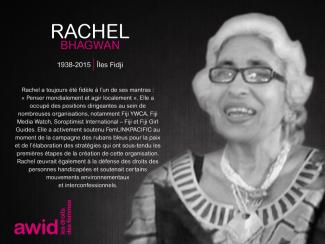
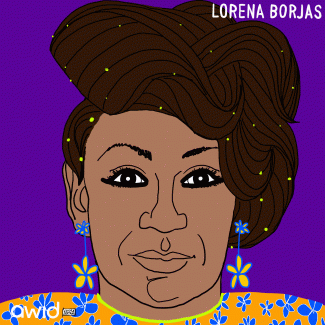
Lorena Borjas, femme trans et activiste latino-américaine, travaillait et vivait dans le quartier de Jackson Heights dans le Queens, à New York. Dans ces rues, pendant des années, elle s’est occupée de sa communauté à plaider en faveur des droits des personnes trans et immigrées, soutenir les individus ayant survécu à la traite des êtres humains et à la maltraitance et défendre les droits des travailleures du sexe et des personnes vivant avec le VIH et le sida.
Lorena se battait avec force, sans relâche, afin d’aider, de défendre et de soutenir les personnes les plus marginalisées et discriminées par la transphobie, la misogynie et le racisme.
« Elle nous a poussé·e·s à briller avec authenticité, à devenir le cri subversif qui affirme “ je suis là et je mérite moi aussi d’être heureux·se ” » - Cecilia Gentili, activiste trans et ami·e de Lorena
Ayant elle-même fait face à de nombreux traumatismes et difficultés en tant qu'immigrée transgenre et victime de la traite des êtres humains, Lorena a puisé dans le puits de ses expériences des connaissances et d’une mémoire émotionnelle afin d'aider à construire et à renforcer la communauté dont elle faisait partie, et qui faisait partie d'elle. Pour ce faire, elle a notamment organisé et mobilisé des aides allant de la fourniture de préservatifs à la mise en relation de femmes trans avec différents services, en passant par la création d'une clinique de dépistage du VIH à son propre domicile.
« C’était une si belle âme qui aidait les autres alors que son parcours d’immigrée, et d’immigrée trans, était difficile et douloureux. Elle était convaincue que la communauté trans avait besoin d’amour, d’acceptation et de compassion, et elle a tout donné. » - Luchia Dragosh, superviseuse de production chez QPTV dans le cadre d’un documentaire sur Lorena
En plus de 25 ans d'activisme, elle a également fondé le Fonds communautaire Lorena Borjas avec Chase Strangio (avocat et activiste des droits des trans), qui aide les nombreux·ses membres de sa communauté (et en particulier les personnes trans) confronté·e·s aux problèmes d'immigration à éviter le cycle arrestation-prison-expulsion.
Lorena est décédée en mars 2020 des suites de complications liées à la COVID-19.
Son oeuvre, gigantesque et merveilleuse, sera poursuivie dans les rues du Queens par le réseau et la communauté qu’elle a cocréés.
« Nous reprendrons son travail là où elle l’a laissé, travail essentiel au bien-être de ses “ pajaras ” (oiselles), comme elle aimait appeler les filles trans du Queens qu’elle avait prises sous son aile. » - Cecilia Gentili
« Lorena nous a apporté de la lumière alors que nous vivions une période très sombre ici à New York. Elle nous a apporté sa lumière alors que nous faisions face à l’ ”épidémie de crack ”, à la crise du sida, aux changements dans les politiques d’immigration. » - Cristina Herrera, fondatrice et directrice générale de Translatina Network et amie de Lorena
« Lorena a fait plus que quiconque pour faire la lumière sur l’épidémie de traite dans les communautés transgenres et permettre à d’autres femmes trans d’échapper à l’exploitation. » - Lynly Egyes (a représenté Borjas pour le compte du Transgender Law Center)
Regardez un documentaire sur Lorena Borjas (seulement en anglais)
Lisez l'article sur Lorena Borjas dans la rubrique Postscript du New Yorker (seulement en anglais)
Lisez un article d'opinion de Cecilia Gentilin dans le New York Times (seulement en anglais)
"I have been subjected to sexual violence, physical injuries and other forms of violence while protesting at the frontlines. But I will never stop until we achieve complete civilian rule in Sudan. We must stop militarization of the state. Our bodies should not be treated as battlegrounds any longer."
Said Amal*, a 23 years old woman protester.**
During the last 4 years women led the revolution in Sudan. Their leadership wasn't just on streets, but they were the power driving the consistent resistance at all levels. Women and young feminists became the alerted consciousness of the Sudanese change and democratization movement. Since the first protest against the former regime in Aldmazein town in the conflict area of Blue Nile on December 13th, 2018, young school girls were the voices demanding the end of the rule of the 30 years dictatorship of military and Muslim Brotherhood.
The feminist movement led by young women aging 16 to 35, has established a revolution within the revolution in Sudan in the last 4 years of non stop revolution. The strong voices of young women occupying spaces on streets, social media, civil society and political organizations were high enough to reshape the public opinion and challenge social norms. Discussions of sexual and gender based violence and taboos of domestic violence and male dominant decisions making process became mainstream debates for the first time in Sudan history. Women Football teams appointed spokeswomen for resistance committees, and women led professional unions are part of the manifestation of the new wave of feminist movement in Sudan. Young women identifying as feminist proudly and publicly is the most important achievement in a country ruled by fundamentalist Islam for 3 decades. Young men supporting feminist activism, and identifying as feminist is another progress worth noting.
This progress is not cost free, it is also not perfect. Feminist activists, groups and activists face the same challenges we expect in a conservative, and conflict affected contexts. But the impact of the young feminists movement in Sudan is worth of looking up to. Overcoming internal boundaries of diverse cultures, religions, and conflicts history is a challenge, but young feminists in Sudan seems to work hard to bridge the gaps. Creation of feminist schools in Darfur and Kordofan is something that makes the work of young feminists in Sudan a unique journey worth to learn from.
The young women leading these efforts and the women groups working on the ground cannot be mentioned here due to several security concerns under the current military coup. But their resilience, strength and courage is one for the history books. The audacious young women leading resistance on streets, behind screens, and working in different professions and activism fields are shaping the future of Sudan. The young feminists in Sudan are creating new spaces for a feminist narratives and discourses to restructure the distribution of power at political, economical and social aspects.
Despite the immense violence, reemergence of fundamentalist Islam, militarization and shrinking civic spaces, feminist activists in Sudan remain rooted in their sisterhood. They remain a great inspiration for the feminist movements globally.
Nazik Awad
* Amal is a pseudonym used to protect the young activist quoted.
** Sudan is living under constant revolution since 2018. A new wave started after the military coup on October 25th 2021.
Notre force collective, notre sagesse et notre engagement sont illimités... mais pas nos comptes en banque.
Cette synthèse s’appuie sur les réponses de 1 174 organisations féministes, de défense des droits des femmes, LBTQI+ et alliées (désignées ci-après comme « organisations féministes et de défense des droits des femmes ») issues de 128 pays, ayant participé à l’enquête Où est l’argent pour l’organisation des mouvements féministes ?
Merci de calculer le coût de votre voyage à Bangkok, vos frais d'hébergement et vos indemnités journalières, le montant de votre visa, vos besoins en matière d'accessibilité et les frais accessoires, en plus des frais d'inscription qui seront annoncés sous peu. Les hôtels du quartier de Sukhumvit à Bangkok coûtent entre 50 et 200 dollars américains par nuit pour une chambre double. Les membres de l'AWID bénéficient d'une réduction lors de l'inscription. Si ce n’est pas encore fait, nous vous invitons à envisager de devenir membre et à rejoindre notre communauté féministe mondiale.
Los actores anti-derechos adoptan una estrategia doble. Además de atacar abiertamente al sistema multilateral, los actores anti-derechos también socavan los derechos humanos desde adentro. Se involucran con el fin de cooptar procesos, consolidar normativas regresivas, y erosionar responsabilidades.