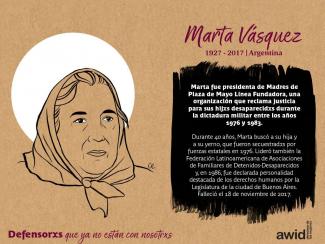
Marta Vásquez
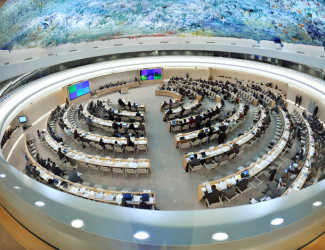
Le Conseil des droits de l'homme (CDH) est un organe intergouvernemental clé du système des Nations Unies, responsable de la promotion et la protection des droits humains autour du globe. Il se réunit trois fois par an en session ordinaire, en Mars, Juin et Septembre. Le Bureau du Haut-Commissariat des Nations Unies aux Droits de l’Homme (HCDH) constitue le secrétariat pour le CDH.
Débat et adopte des résolutions sur les questions globales des droits humains ainsi que sur la situation des droits humains dans des pays particuliers
Examine les plaintes des victimes de violations des droits humains et des organisations activistes, au nom des victimes de violations des droits humains
Nomme des experts indépendants (que l'on connaît sous le nom de « Procédures Spéciales ») pour réviser les cas de violation des droits humains dans des pays spécifiques, ainsi que pour examiner et suivre des questions globales relatives aux droits humains
Prend part à des discussions avec les experts et les gouvernements sur les questions de droits humains
Évalue les bilans des États membres de l'ONU en matière de droits humains tous les quatre ans et demi, dans le cadre de l'examen périodique universel.
La prochaine session du CDH a lieu à Genève, en Suisse, du 30 juin au 17 juillet 2020.
AWID travaille avec des partenaires féministes, progressistes et du domaine des droits humains pour partager nos connaissances clé, convoquer dialogues et évènements avec la société civile, et influencer les négociations et les résultats de la session.
Now that you have analyzed all your data – from your survey, interviews, desk research and potentially other sources – you can create your final product.
In this section:
- Create your final product
1. Write clearly
2. Make it pretty- Gather review and inputs
1. Polish your results
2. Facilitate the feedback
Your final product will be the document that will summarize, analyze and criticize your data. That will be the piece that you will share with your community to present and explain your research to your audience.
At AWID, we often write a comprehensive written report that analyzes each set of data and synthesizes all of our findings, then later create smaller products, such as infographics and summaries (explained in the subsequent section “Finalize and format”).
Importance of the editor
An editor will proofread, ensure concise writing, conduct fact-checking, point out inconsistencies that need to be resolved, arrange the flow of the document and possibly suggest titles.
Your editor should preferably be someone who understands and knows your WITM work but who was not directly involved in the research. This will bring in a fresh perspective.
Use the data collected to create graphs and tables. These type of visuals are a compelling way to highlight the main findings of your research and validate your analysis.
Source relevant images that can illustrate your report.
Highlight key-numbers and/or powerful testimonials.
Remember: The more accessible your product is, the more people will want to read (and share!) it.
At this point, you have collected all your data, analyzed it and transformed it into your final product, likely in a long report.
Before moving on to the next steps – you should share your final research product with your advisor organizations, activists, and donors.
This is a great moment to check the following points:
Once you have inputted all feedback from your advisors, be sure to run it by your editor once more.
This will now be the final, completed version of your report. If you intend to publish the final report in other languages, now is the time to send it for translation.
This is a significant contribution from your advisors. Consider offering them some form of recognition.

• 2 - 5 months
• 1 or more research person(s)
• 1 Editor (or web-editor if you create an online product)
• Translator(s), if done in more than one language
• List of advisor organizations, activists, and donors.
• Concept note (from “Frame your research” section)
• Survey topline results
• Prepared interview questions
• Interview results
• Desk research data
• All other data used in report

Life expectancy of a trans and travesti person in Argentina is 37 years old - the average age for the general population is 77.
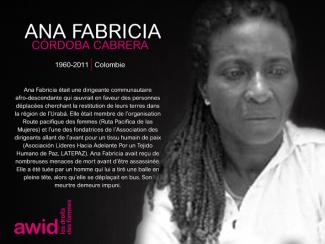
Elle organisait également les communautés urbaines pauvres dans la province de Cebu et travaillait avec Desaparecidos, une organisation de familles de disparu-e-s.
Le 28 novembre 2017, lors d'une mission d'enquête sur des violations des droits fonciers dans la région, Elisa et deux de ses collègues ont été abattu-e-s par deux hommes non identifiés à Barangay San Ramon, ville de Bayawan, dans la province de Negros Oriental.
Elle laisse quatre enfants derrière elle.

En el contexto actual, hemos identificado cinco grandes amenazas para la lucha por economías feministas y justas.
«La financialización alude a la importancia creciente de los mercados financieros, los motivos financieros, las instituciones financieras y las elites financieras en el manejo de la economía y las instituciones que la rigen tanto a nivel nacional como internacional» - Gerald Epstein
Epstein Gerald A. 2006: Financialization and the World Economy. Edward Elgar Publishing.
Las instituciones financieras ejercen una fuerte influencia sobre la gobernabilidad económica y la dirección que toman las políticas para el desarrollo. La influencia cada vez más acentuada que tienen el sector corporativo y las instituciones financieras internacionales en la definición de políticas públicas locales y globales ha resultado en Estados cada vez más presos de los intereses del capital. El sistema financiero actual, con sus políticas controversiales de crédito y deuda, juega un rol fundamental para la reproducción y la expansión de los procesos de acumulación de capital.
Esto plantea preguntas importantes acerca de cómo regular y repensar el sistema financiero global, no solo para evitar las graves consecuencias negativas de las crisis causadas por las deudas sino también para permitir medios de vida sostenibles y la realización de los derechos económicos y sociales sin retrocesos.
(Para más detalles, ver el artículo de Balakrishnan y Heintz “Debt, Power, and Crisis: Social Stratification and the Inequitable Governance of Financial Markets”, en inglés [Deuda, poder y crisis: Estratificación social y la gobernabilidad inequitativa de los mercados financieros]
En estos últimos 20 años, los acuerdos comerciales (tanto bilaterales como multilaterales) han expandido su rol mostrando un interés cada vez mayor en el otorgamiento de derechos de propiedad intelectual a las corporaciones.
Estos derechos han beneficiado claramente a las corporaciones transnacionales afectando gravemente la posibilidad de que las naciones y pueblos más empobrecidos puedan realizar sus derechos humanos, en particular
Además, la liberalización de las importaciones agrícolas que resulta en una afluencia de bienes baratos pone en peligro a las mujeres campesinas que trabajan en forma autónoma en países empobrecidos y a la seguridad alimentaria de todxs. Las cláusulas de protección a las inversiones que forman parte de los acuerdos comerciales limitan el espacio político para que los gobiernos nacionales promulguen e implementen regulaciones en asuntos tan críticos como la protección ambiental, los derechos laborales y la duración de las patentes.
Los movimientos feministas han estado, y continúan estando, en la primera línea de resistencia a estos acuerdos, denunciando las trampas que encierran.
(Ver por ejemplo, las reacciones de movimientos sociales y redes feministas de todo el mundo frente a las negociaciones del Tratado Trastlántico de Comercio e Inversiones y del Acuerdo de Asociación Transpacífico)
La mercantilización de los recursos de la Tierra y sus consecuencias — la degradación ambiental y el cambio climático producidos por décadas de industrialización agresiva, despojo y extractivismo de los recursos mundiales — han dañado la biodiversidad y la resiliencia ecológica. Estos daños ya están amenazando la mera existencia de la sociedad humana.
La comunidad internacional no ha logrado enfrentar los patrones de producción y consumo que conforman la raíz misma de este problema. Lo que hicieron los gobiernos — con el apoyo de las grandes empresas a quienes les interesa obtener ganancias — fue optar por el enfoque de la «economía verde» que promueve las «tecnologías energéticamente eficientes» (como la energía nuclear, los biocombustibles, los organismos genéticamente modificados y la geoingeniería) y los esquemas de comercio de emisiones de dióxido de carbono como soluciones mágicas.
Si bien los procesos de apropiación de tierras y recursos no son algo nuevo -de hecho, han sido luchas centrales en la historia colonial- lo que sí es nuevo son los medios de avanzada por los cuales la tierra y los recursos naturales se están volviendo mercancías en nuevos mercados.
Las instituciones financieras internacionales desempeñan un rol central en promover la mercantilización de la tierra en los países en desarrollo. Estas instituciones financian reformas agrarias que les permiten a actores poderosos utilizar la tierra para ganancias especulativas a cambio de magras promesas de empleos y crecimiento. La apropiación de tierras tiene impactos negativos de gran alcance sobre el acceso de los pueblos a bienes y servicios esenciales, además de causar desplazamiento de poblaciones y degradación ambiental.
Quienes se están resistiendo a la apropiación de tierras, incluyendo a las defensoras de derechos humanos, se enfrentan todos los días a distintas formas de violencia que van desde las agresiones físicas a los abusos sexuales.
Esta base patriarcal tiene una hegemonía particular en los modelos neoliberales actuales.
Resulta evidente que la economía política y el desarrollo se vinculan de varias formas con la sexualidad y el género: pensemos en cómo define el capitalismo lo que se puede entender como 'trabajo' y cómo el valor de los seres humanos se define a partir de su productividad en el trabajo rentado.
En la mayoría de los casos, el lugar que ocupan las mujeres en la economía mundial continúa siendo el de trabajadoras explotadas por su género ya que su trabajo está devaluado en los empleos precarios, la subsistencia doméstica, la reproducción y la producción no remunerada en el hogar. Naturalizada como trabajo no remunerado de las mujeres, la labor que permtie la reproducción de la fuerza de trabajo le provee un enorme subsidio al capitalismo a la vez que funciona como fuente de opresión y sometimiento de género.
Esta situación se ve agravada por el hecho de que cuando los mecanismos de protección social comienzan a debilitarse, se incrementa la carga laboral de las mujeres.
El fenómeno de la migración global que encarnan miles de refugiadxs económicxs que escapan de la pobreza que lxs oprime no es ajeno a las relaciones de poder entre los géneros que impone el capitalismo. Las remesas se convierten en una de las principales fuentes del financiación para el desarrollo de familias y comunidades, pero tienen un costo enorme para las mujeres migrantes que se esfuerzan por alcanzar un salario que les permita vivir en su nuevo país.
También estamos viendo cómo los sistemas patriarcales capitalistas están utilizando la violencia y la opresión para mantener su estatus quo. El alza del gasto mundial para sostener el militarismo y la violencia, perpretados ambos por actores estatales y no estatales, se vuelca cada vez más a controlar el disenso, los cuerpos y voces de las mujeres, así como a zanjar disputas económicas, políticas y sociales.
En todo el mundo, la violencia, el encarcelamiento y la discriminación afectan de manera desproporcionada a:
Para confrontar la violencia estructural y sus vínculos con el sistema global capitalista, se necesita un análisis interseccional que relacione entre sí el género, la raza, la etnia, la edad, la capacidad, la nacionalidad, la orientación sexual y la identidad de género entre otras categorías.
La profunda crisis de gobernabilidad mundial que vivimos también se expresa en los débiles acuerdos intergubernamentales a los que se logra llegar y que a menudo carecen de los mecanismos más básicos para la rendición de cuentas. El sistema multilateral que antes le fue útil a la gobernabilidad mundial no está logrando responder a las múltiples crisis actuales. El sistema mismo continúa siendo muy poco democrático, con las corporaciones adquiriendo cada vez más presencia y más poder ya que ocupan los espacios donde antes estaban los Estados.
Estas amenazas nos desafían a lxs feministas a repensar nuestro marco de referencias y nuestras estrategias. Y también a renovar y reactivar nuestro compromiso con la construcción de movimientos junto con otrxs por una economía justa.
Nos desafían a pensar agendas más amplias por las transformaciones socioeconómicas desde una perspectiva feminista, atendiendo a las realidades que viven la mayoría de lxs empobrecidxs. Ahora es el momento de lograr cambios por una economía justa y de hacerle frente a los desafíos sistémicos persistentes.

Para fortalecer a nossa voz e poder coletivos para obter mais recursos de melhor qualidade para a organização feminista, de direitos das mulheres, de LBTQI+ e de aliados globalmente.
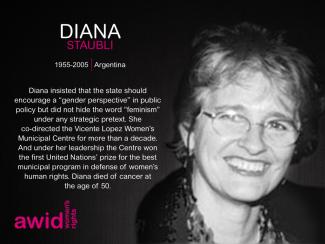
Mona was an economist and an independent consultant on gender and development issues.
She was a former Professor of Economics and Director of the Institute for Women's Studies in the Arab World at the Lebanese American University.
She passed away suddenly on January 6, 2018.
Friends and former colleagues say of Mona: “When we celebrate her life, the best thing we can do is commit to continuing what she started: gender equality no matter what.”

Comme le remarque l’activiste et chercheuse Soma Kishore Parthasarathy, il existe des conceptualisations diverses de la notion de biens communs.
De manière conventionnelle, ils sont définis comme des ressources naturelles se trouvant en dehors du domaine privé et dont l'usage est affecté à ceux et celles qui en dépendent. Aujourd’hui, ce concept a été élargi pour comprendre, outre les ressources naturelles, les ressources liées aux savoirs, au patrimoine, à la culture, aux espaces virtuels, et même au climat. Le concept de biens communs est antérieur au régime de la propriété privée et il représentait le fondement de l'organisation de la société. Les définitions données actuellement par les entités gouvernementales limitent ce cadre aux ressources foncières et matérielles.
Le concept de biens communs repose sur la pratique culturelle du partage d'espaces de vie et des ressources envisagés comme des cadeaux de la nature, destinés au bien commun et à la viabilité de ces biens communs.
Les biens communs de l’humanité sont de plus en plus menacés par les nations et les forces du marché qui les colonisent, les exploitent et les occupent.
Dans certains contextes favorables, les «biens communs» ont le potentiel d’habiliter les femmes, en particulier les femmes opprimées économiquement, à jouir d’autonomie par rapport à la manière de négocier leurs multiples besoins et aspirations.
Le patriarcat est renforcé lorsque les femmes et d'autres genres opprimés se voient refuser l'accès aux biens communs et au contrôle de ces derniers.
Par conséquent, une économie féministe cherche à rétablir les droits légitimes des communautés vis-à-vis de ces ressources communes. Cette autonomie leur permet de subvenir à leurs besoins, tout en faisant progresser des systèmes de gouvernance plus égalitaires par rapport à l'utilisation de ces ressources. Une économie féministe reconnaît le rôle des femmes et offre l’égalité des chances par rapport à la prise de décision : les femmes ont un accès égalitaire à ces ressources.
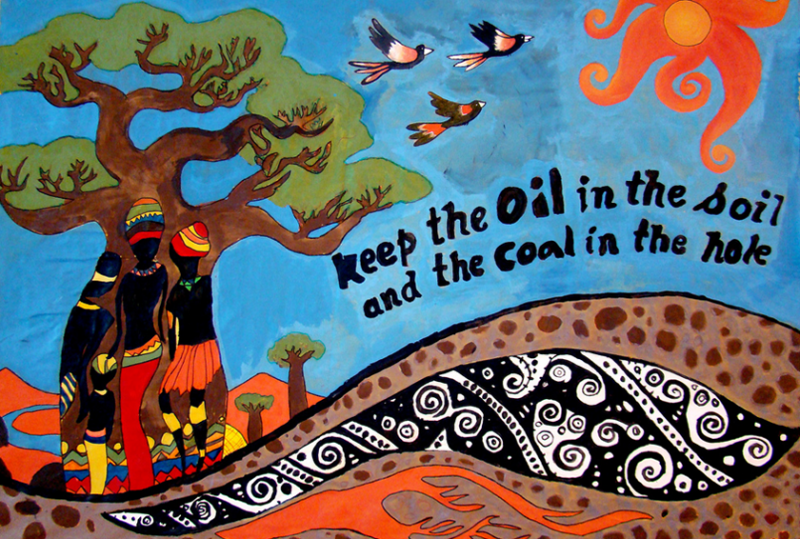
 Na última década, os financiadores investiram significativamente mais dinheiro na igualdade de género; no entanto, apenas 1% do financiamento filantrópico e de desenvolvimento foi efetivamente direcionado para apoiar diretamente mudanças sociais lideradas por feministas
Na busca da abundância, e para acabar com esta escassez crónica, o inquérito WITM é um convite para os defensores do feminismo e da justiça de género se envolverem no percurso da recolha coletiva de testemunhos e de casos para mobilizar mais recursos financeiros de melhor qualidade e recuperar o poder no ecossistema de financiamento neste momento. Em solidariedade com os movimentos que continuam invisibilizados, marginalizados e sem acesso a financiamento central, de longo prazo, flexível e baseado em fundos fiduciários, o inquérito WITM destaca o estado efetivo dos recursos, desafia soluções falsas e aponta.
Ursula fue una novelista estadounidense que trabajó principalmente con los géneros de fantasía y ciencia ficción.
Encontró la fama con La mano izquierda de la oscuridad, novela en la cual imagina una sociedad futura donde la gente es ambisexual: no tienen un sexo fijo. Indaga en los efectos del género y el sexo en la sociedad, y fue uno de los primeros grandes libros feministas de ciencia ficción. Ursula fue una inspiración por su escritura subversiva y original y también por los temas sobre feminismo y libertad a los que les daba tanta importancia.
En un discurso que pronunció en 1983 en el Mills College, en California, les dijo a las graduadas: «¿Por qué una mujer libre con formación universitaria debería o luchar contra el macho o servirlo? ¿Por qué ella debería vivir su vida en los términos de él? Espero que ustedes vivan sin la necesidad de dominar y sin la necesidad de ser dominadas».

En dépit de la rigidité de leur doctrine et de leur vision du monde, les acteurs anti-droits ont fait preuve d’ouverture dans la construction de nouveaux types d’alliances stratégiques ainsi que dans l’utilisation de nouvelles techniques d’organisation et modes d’argumentation. En conséquence, ils sont de plus en plus influents dans les espaces internationaux.
Les ultraconservateurs qui agissent à ce niveau ont fait considérablement évoluer leurs stratégies. Ils ne limitent pas leurs ambitions à la modification de certains aspects marginaux des accords et à la lutte contre l’utilisation de certaines formulations. Ils œuvrent également à la transformation conceptuelle du cadre lui-même et à l’élaboration de norme et de référentiels alternatifs. Ils cherchent enfin à ouvrir les brèches qui renforceront leur influence.
Les ultraconservateurs travaillent à la création et à la pérennité de leurs relations avec des délégués d’États membres de l’ONU en leur proposant régulièrement des formations – notamment pendant le Global Family Policy Forum (Forum mondial sur la politique familiale) qui se tient tous les ans – ainsi que du matériel de formation ciblé.
Ces formations régulières et ces ressources donnent systématiquement aux délégués des informations relatives à des sujets de débat et à des techniques de négociation dans le but d’approfondir leur contribution aux objectifs anti-droits au sein du système relatif à ceux-ci. Les délégués reçoivent également des compilations ciblées de « formulations consensuelles » et de références à des informations pseudo-scientifiques ou à des statistiques dans le but de renforcer leur argumentaire.
La transmission organisée de ces messages explique en partie pourquoi les délégués de certains États membres adoptent des positions ultraconservatrices dans les débats internationaux sur les droits humains en totale contradiction avec leurs propres lois et politiques nationales.
Les abondantes réunions régionales et internationales entre acteurs anti-droits contribuent à créer des liens plus étroits entre les organisations de la société civile (OSC) ultraconservatrices, les États et blocs d’États et certains organismes intergouvernementaux puissants. Le Congrès mondial international des familles est une bonne illustration de rassemblements de ce type.

Ces rencontres renforcent les liens personnels et les alliances stratégiques, des éléments clés de la construction et de la pérennité des mouvements. Elles facilitent l’existence de relations transnationales et interreligieuses dynamiques qui se créent autour de questions et d’intérêts communs. Celles-ci permettent aux acteurs anti-droits de mettre en œuvre une approche plus entreprenante et de formuler un ensemble plus complet de revendications en matière de politique internationale.
Des États et blocs d’États tentent depuis toujours de saper les consensus internationaux ou le principe de responsabilité des États définis en vertu des normes internationales relatives aux droits humains. À cette fin, ils émettent des réserves quant aux accords sur les droits humains, menaçant ainsi le caractère universel de leur applicabilité.
La Convention sur l'élimination de toutes les formes de discrimination à l'égard des femmes (CEDAW) est le texte qui a provoqué l’émission du plus grand nombre de réserves. La plupart d’entre elles sont fondées sur des conflits présumés avec le droit religieux. Le droit international relatif aux droits humains est très clair concernant les références à la tradition, à la culture ou à la religion : celles-ci ne peuvent en aucun cas justifier de violations des droits humains. Nombre des réserves émises à propos de la CEDAW ne sont pas valables car elles sont « incompatibles avec l’objet et le but » de la CEDAW. Néanmoins, les États se servent constamment de ces réserves pour ne pas assumer leurs responsabilités en matière de droits humains.
Ces acteurs émettent des « réserves » de plus en plus nombreuses sur les documents et accords de l’ONU qui ne sont pas des traités officiels, notamment sur les résolutions du Conseil des droits de l’homme et de l’Assemblée générale.
Il est alarmant de constater que certains acteurs rétrogrades actifs au sein du système onusien ont commencé à coopter les références existantes en matière de droits et à élaborer et promouvoir un langage consensuel qui revêt un caractère profondément anti-droits. L’objectif est de créer puis de propager ce langage qui légitime des normes patriarcales, hiérarchiques, discriminatoires et culturellement relativistes dans les espaces internationaux consacrés aux droits humains.
Dans ce but, un certains nombre de déclarations ont été rédigées, parmi lesquelles la Déclaration mondiale de la famille et les Articles de San José, qui se veulent les représentantes d’une version moins contraignante du droit des droits humains. Des signatures sont recueillies auprès de multiples acteurs de la société civile, d’États et d’institutions et sont ensuite utilisées comme des outils de plaidoyer et de lobbying.
Dans le cadre d’un virage stratégique vers le recours à des arguments non religieux, les acteurs anti-droits ont considérablement investi dans leurs propres groupes de réflexion axés sur les « sciences sociales ». Relayées par des médias conservateurs en plein essor, les idées de ces think tanks sont largement diffusées par des groupes conservateurs issus de la société civile. Les mêmes supports servent ensuite de matériel de base pour le travail de plaidoyer auprès du système international relatif aux droits humains.
Bien que les objectifs et la motivation des conservateurs découlent de leurs interprétations extrémistes de la religion, de la culture et de la tradition, leurs arguments rétrogrades sont souvent appuyés par des études qui s’arrogent une forme d’autorité intellectuelle. Ils élaborent ainsi un contre-discours, savant mélange de doctrine traditionaliste et de sciences sociales.
Il s’agit de l’une des stratégies les plus efficaces de la droite religieuse, et elle représente un investissement majeur pour l’avenir du processus organisationnel des acteurs anti-droits. Le recrutement des jeunes et le développement de leurs compétences en leadership – des processus qui s’opèrent en premier lieu au niveau local par le biais des églises et des campus – sont une priorité pour de nombreux conservateurs qui tentent d’influencer les politiques internationales.
Cette stratégie leur a permis de s’infiltrer dans les espaces du système onusien notamment consacrés à la jeunesse, parmi lesquels la Commission de la condition de la femme, et de créer une opposition conséquente aux réseaux et organisations progressistes de jeunes.

Que ce soit auprès des mécanismes d’experts faisant autorité – parmi lesquels les Procédures spéciales et les organes chargés de la surveillance de l’application des traités de l’ONU – ou auprès des organes opérationnels comme les agences de l’ONU, les groupes anti-droits ont conscience que leur influence potentielle est beaucoup plus faible qu’au sein des mécanismes politiques.
En conséquence, les groupes anti-droits répandent un certain nombre d’idées, parmi lesquelles le fait que les agences des Nations Unies « outrepassent leur mandat », que le Comité de la CEDAW et d’autres organes créés en vertu d'instruments relatifs aux droits humains n’ont pas le pouvoir d’interpréter les traités ou encore que les Procédures spéciales sont activées par des experts partisans qui ne respectent pas l’étendue de leur mandat. Les groupes anti-droits exercent également des pressions pour compromettre le financement d’agences comme le Fonds des Nations Unies pour la population (FNUAP).
Cette délégitimation des mécanismes de l’ONU encourage l’impunité des États. Les gouvernements soumis à un examen international sont alors en mesure de justifier leurs actes en arguant du fait que le mécanisme de révision lui-même est défaillant ou trop exigeant.
Les forces conservatrices non étatiques investissent de plus en plus dans les médias sociaux et dans d’autres plateformes en ligne pour promouvoir leurs activités, leurs campagnes et diffuser le plus largement possible leurs informations sur les espaces internationaux relatifs aux droits humains. L’organisation espagnole CitizenGo, par exemple, se veut la version conservatrice de change.org et publie des pétitions et des campagnes épistolaires. Une pétition récente contre la création par l’ONU d’une journée internationale de l’avortement sans risque a rassemblé plus de 172 000 signatures.
S’inspirer des stratégies d’organisation des groupes féministes et d’autres acteurs progressistes.
Adapter à la sphère internationale les stratégies qui ont porté leurs fruits au niveau national.
Passer de la « protestation symbolique » contre le cadre des droits humains à une stratégie d’infiltration subversive du système.
En comprenant les stratégies déployées par les acteurs anti-droits, nous pouvons les contrer plus efficacement.
Télécharger le chapitre complet (en anglais)