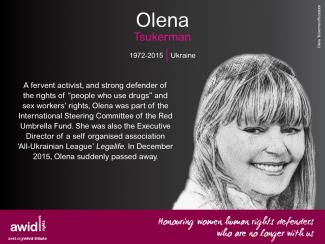
Olena Tsukerman
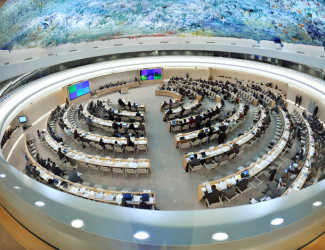
Le Conseil des droits de l'homme (CDH) est un organe intergouvernemental clé du système des Nations Unies, responsable de la promotion et la protection des droits humains autour du globe. Il se réunit trois fois par an en session ordinaire, en Mars, Juin et Septembre. Le Bureau du Haut-Commissariat des Nations Unies aux Droits de l’Homme (HCDH) constitue le secrétariat pour le CDH.
Débat et adopte des résolutions sur les questions globales des droits humains ainsi que sur la situation des droits humains dans des pays particuliers
Examine les plaintes des victimes de violations des droits humains et des organisations activistes, au nom des victimes de violations des droits humains
Nomme des experts indépendants (que l'on connaît sous le nom de « Procédures Spéciales ») pour réviser les cas de violation des droits humains dans des pays spécifiques, ainsi que pour examiner et suivre des questions globales relatives aux droits humains
Prend part à des discussions avec les experts et les gouvernements sur les questions de droits humains
Évalue les bilans des États membres de l'ONU en matière de droits humains tous les quatre ans et demi, dans le cadre de l'examen périodique universel.
La prochaine session du CDH a lieu à Genève, en Suisse, du 30 juin au 17 juillet 2020.
AWID travaille avec des partenaires féministes, progressistes et du domaine des droits humains pour partager nos connaissances clé, convoquer dialogues et évènements avec la société civile, et influencer les négociations et les résultats de la session.
We welcome applications across the full range of thematic areas and intersections important to feminist and gender justice movements.

 |
تشيخوفاتسو سيني هي نسوية كويرية سوداء، تعاني من أمراض مزمنة، وهي تعمل أكثر من غيرها. الكثير من عملهم متجذّر في المتعة، والمجتمع، والحلم، بينما يتمّ إعلامهم من خلال الإلغاء الجسدي والإعاقة، والشفاء، والعدالة التحويلية. الكتابة والبحث والتحدّث حول القضايا المتعلقة بالنسوية والمجتمع والعدالة الجنسية والإنجابية والموافقة وثقافة الاغتصاب والعدالة، لدى تشيغوفاتسو خبرة 8 سنوات في التنظير حول الطرق التي تتقاطع بها هذه الموضوعات مع المتعة. يديرون أعمالهم الخاصة بعنوان Thembekile Stationery، ومنصّة Hedone تجمع الناس معًا لاستكشاف وفهم قوة الوعي بالصدمات والمتعة في حياتهم اليومية. |
الجسد، وليس العقل المفكّر، هو المكان حيث نشعر بالألم، واللذة، والفرح، وحيث يجري أغلب ما يحصل لنا. وهو أيضاً المكان الذي نعالج فيه أنفسنا، من ضمنها تحقيق الشفاء النفسي والعاطفي. وهو المكان الذي نشعر فيه بالمرونة والإحساس بالتدفّق.
هذه الكلمات التي كتبها ريسما ميناكيم في كتابه: «يدَي جدّتي»، بقيت معي.
الجسد؛ يحمل خبراتنا. ذكرياتنا. مرونتنا. وكما كتب ميناكيم، الجسد يحمل كذلك صدماتنا. يستجيب من خلال آليات وقائية عفوية لوقف أو منع المزيد من الضرر. قوة الجسد. الصدمة ليست الحدث؛ إنها أجسادنا التي تستجيب للأحداث التي تشعرنا بخطرها علينا. وفي أغلب الأحوال تبقى عالقة في أجسادنا، إلى أن نتعامل معها. لا يوجد حديث عن أجسادنا خارج هذه الاستجابة – لأنها كذلك.
من خلال استخدامي لتطبيق ديجيتال سوبرباور– Digital Superpower من شركة لينغ تان Ling Tan، تتبّعت كيف كان جسدي يشعر كلّما مشيت في أرجاء مختلفة من مدينتي، جوهانسبورغ، في جنوب أفريقيا. التطبيق هو كناية عن منصّة عبر الإنترنت تعتمد على الإيماءات التي تتيح لك ملاحقة تصوّراتك خلال تحرّكاتك في المواقع من خلال الدخول وتسجيل بياناتك. استعملت التطبيق لتتبّع العوارض البدنيّة-النفسيّة، أي ردود الفعل الجسدية المرتبطة بأسباب عقلية. سواء كان ذلك عبارة عن ذكريات، نوبات هلع، الآلام في الصدر، تسارع في ضربات القلب، آلام الرأس، آلام العضل، أرق، صعوبة بالتنفس. تتبّعت هذه العوارض كلّما كنت أمشي أو أتنقّل في مناطق مختلفة من جوهانسبورغ. وسألت نفسي:
أين يمكن أن نكون آمنات؟ هل يمكن أن نكون آمنات؟
يمكن أن تحصل ردود الفعل البدنيّة-النفسيّة بسبب مجموعة من الأمور، وبعضها ليس شديد الوقع كالبعض الآخر. بعد اختبار أي نوع من الصدمات يمكن أن تشعرك بضيق كبير في أحداث أو مواقف مشابهة. تتبّعت أحساسي، وقيّمت على مقياس يتراوح ما بين 1 إلى 5، رقم 1 يرمز إلى الحالات التي بالكاد شعرت فيها بأيٍّ من هذه العوارض – شعرت بالراحة عوضاً عن الحذر والقلق، وكان تنفّسي وضربات قلبي مستقرة، ولم أنظر إلى الخلف – أما رقم 5 فيرمز إلى العكس – العوارض التي جعلتني أشعر باقتراب الإصابة بنوبة هلع.
كشخص أسود البشرة، كشخص كويري، كشخص كويري جندرياً، يُصار إلى النظر إليه كإمرأة، تبعاً للتمظهر الجندري المُختار في يومٍ مُعيّن.
سألت نفسي.
أين يمكننا أن نكون آمنات؟
حتى في الأحياء التي يمكن اعتبارها «آمنة»، شعرت بالذعر المستمرّ. أنظر حولي للتأكّد من عدم وجود مَن يلاحقني، أعدِّل ملابسي حتى لا يظهر ثدياي كثيراً، وأتلفّت حولي للتأكّد من وجود عدّة مخارج للهروب من المكان في حال شعرت بالخطر. الطرقات الفارغة تسبِّب لي القلق. كذلك الطرقات المكتظّة. وعندما أستقلّ سيارة «أوبر». وعندما أمشي في الطرقات العامّة. وأن أكون في شقتي كذلك الأمر. إضافة إلى استلام أغراضي من خدمة التوصيل من أمام المبنى.
هل يمكن أن نكون آمنات؟
تكتب بوملا دينيو جكولا عن مصنع الخوف النسائي. قد يبدو هذا مألوفاً أو لا، لكن، إذا كنتِ امرأة اجتماعياً، ستعلمين هذا الشعور بشكل جيد. الشعور الذي يدفعك إلى التخطيط لكلّ خطوة تخطينها، سواء في طريقك إلى العمل، أو المدرسة أو مجرد القيام بمهمّة ما. الشعور الذي يتملّكك عند ملاحظة كيف هي ملابسك وتصرّفاتك وحديثك في الأماكن العامّة والخاصة. الشعور بالألم في رأس معدتك إذا كان عليك التنقّل ليلاً، للحصول على أغراضك من خدمة التوصيل، أو التعامل مع شخص يستمرّ بالتواصل مع الناس اجتماعياً كرجل مُطابقٍ جنسياً. التحرّش في الشوارع، والتهديد المتواصل بالعنف. نحن الموجودات في أي مكان يأتينا الخوف فطرياً.
الخوف هو ظاهرة فردية واجتماعية-سياسية في الوقت عينه. على المستوى الفردي، يمكن أن يكون الخوف موجوداً كنظامٍ داخليّ صحيّ للتحذير الذاتي […] عندما نفكّر عن الخوف، من المهمّ الاحتفاظ بمفهومَي التجربة العاطفية والطرق السياسية التي يُستخدم فيها الخوف في مختلف العصور للسيطرة.
- بوملا دينيو جقولا، في كتابها «الاغتصاب: كابوس جنوب إفريقي»
تعرف النساء الجنوب إفريقيات والكويريات، كيف أنّ كلّ خطوة تخطينها خارج المنزل – خطوات للقيام بأمور عادية: التوجّه إلى المتجر، استقلال التاكسي للذهاب إلى العمل، أو «الأوبر» للذهاب إلى حفلة – كلّ هذه الأفعال هي تفاوض مع العنف. الخوف، هو جزء من الصدمة. للتغلّب على الصدمة التي نحملها داخل أجسادنا، نطوّر استجابات لتحسسّ الخطر – مراقبة الاستجابات العاطفية في محيطنا، استطلاع «الودّ»، نحن دوماً متأهّبات.
يوم بعد يوم، وسنة بعد أُخرى، حياة بعد حياة، و جيل بعد آخر.
حول التحدّي الإضافي لنظام الدفاع المكتسب، كتب بيسيل فان دي كولك، في كتاب «الجسد يستمر بالأرشفة»
إنه يعطل هذه القدرة على قراءة الآخرين بشكل دقيق، الأمر الذي يجعل الناجي/ة من الصدمة، إما أقلّ قدرة على اكتشاف الخطر، أو يكون/تكون أكثر عرضة لسوء تقدير الخطر في حال انعدامه. يتطلّب الأمر طاقة كبيرة جداً للاستمرار في الوقت عينه حاملين/ات ذكرى الرعب وعار الضعف والهشاشة.
كما كتب ريسما ميناكيم، الصدمة موجودة في كلّ شيء؛ تدخل مع الهواء الذي نتنشّقه، والماء الذي نشربه، والطعام الذي نأكله. إنها في الأنظمة التي تحكمنا، والمؤسسات التي تعلّم ولكن أيضاً تسبّب لنا الصدمة، وكذلك ضمن العقود الاجتماعية التي نتشارك بها مع الآخرين. والأهمّ من كل ذلك، أننا نأخذها معنا أينما ذهبنا، داخل أجسادنا، الأمر الذي يرهقنا ويضعف صحتنا وسعادتنا. نحن نحمل هذه الحقيقة في أجسادنا. أجيال منّا تفعل ذلك.
لذلك، وفي وقت كنت أتجوّل في مدينتي، سواء كانت المنطقة «آمنة» أم لا، أحمل معي صدمات الأجيال التي كانت ردود أفعالها مدغمة بجسدي. يخفق قلبي، ويصبح صعباً عليّ التنفس، ويضيق صدري – لأن جسدي يحسّ كما لو أن الصدمة تحصل في ذلك الوقت بالتحديد. أعيش مترقّبة بشدة. إلى درجة تصبح فيه الإنسانة إما متيقّظة للغاية للاستمتاع بحياتها، أو مخدَّرة للغاية حتى تستوعب التجارب الجديدة.
حتى نبدأ بالشفاء، علينا الاعتراف بهذه الحقائق.
هذه الحقائق التي تعيش بأجسادنا.
هذه الصدمة هي التي تمنع الكثيرين منّا من عيش الحياة التي نريدها. اسألوا/ن أي أنثى أو كويرية ماذا تعني السلامة لها، وستشارك معكم/ن على الأغلب الأمثلة التي تمثّل مهاماً بسيطة – القدرة على عيش حياة هانئة بكل بساطة، من دون تهديد مستمرّ بالعنف.
الشعور بالأمان، بالراحة والسهولة هو شعور مكانيّ. عندما تتجسد فينا صدماتنا، فإننا نؤثر على الطرق التي ندرك فيها معنى سلامتنا، كما تؤثر على طرق تفاعلنا مع العالم، وتغيّر الطرق التي يمكننا من خلالها اختبار أو استيعاب أي شيء ممتع أو مفرح.
علينا رفض هذه المسؤولية المرهِقة، والنضال من أجل عالمٍ لنا كلّنا. نحن المقاتلات، بجروحنا نسير قُدمًا. يمكن للنظام الأبوي أن يرهبنا ويعاملنا بوحشية، ولكننا لن نتراجع عن النضال. في حين نخرج إلى الشارع بشكل مستمرّ، متحدّيات الخوف بطرق مذهلة ومتواضعة، فإننا ندافع عن أنفسنا ونُعبّر عن ذواتنا.
- بوملا دينيو جقولا، في كتابها «الاغتصاب: كابوس جنوب إفريقي»
أين يمكننا أن نكون بأمان؟ كيف نبدأ بالدفاع عن أنفسنا، ليس بطريقة جسدية وحسب، إنّما بطريقة عاطفية ونفسية وروحية؟
قالت أدريان ماري براون خلال مقابلة أجراها معها جوستين سكوت كامبل: «الصدمة تُحوّلنا جميعاً إلى مُقاتلات ومقاتلين». قدّم لنا عملها، نشاطية اللذة، عدّة منهجيات لعلاج مثل تلك الصدمة، وترسيخ أنفسنا في إدراك كون الشفاء والعدالة والتحرّر يمكن أن تحمل في طياتها شيئاً من اللذة والمُتعة. خاصة أولئك من بيننا الأكثر عرضة للتهميش، واللواتي ربما تربّين على أن يخلقن ترادفاً ما بين المُعاناة و»العمل». العمل الذي انخرطت فيه الكثير من الناشطات، بنّاءات المجتمعات وعاملاتها، اللواتي يساعدن الفئات الأكثر تهميشاً، العمل الذي نصارع بهدف القيام به، ونستنزف أنفسنا، ونادراً ما نهتم بأجسادنا و أذهاننا. البديل هو أن نصبح على علم بصدمتنا، وأن نكون قادرات على تحديد ما نحتاج، وأن نُصار في أن نتعمّق في أعماق ذواتنا. من شأن التعمّق في ذواتنا السماح لنا بإدراك تجاربنا مباشرةً عبر حواس وأحاسيس أجسادنا، بهدف الإقرار الصريح لما تُخبرنا به أجسادنا عوضاً عن قمعها وتجاهل ما تُحاول إيصاله لنا من معلومات.
إنّ التواصل المستمرّ مع أجسادنا الحيّة، وممارسة ذلك التواصل عن سبق إصرارٍ، من شأنه أن يزيد من متانة تعمُّقنا في ذواتنا، ما يسمح لنا بإخراج المشاعر التي تنتابنا أثناء تفاعلنا مع العالم إلى فضاء المرئي، وبلورة علاقة صادقة بيننا وبين أجسادنا، لفهم كلّ ما تُحاول تلك الأجساد تعليمنا إيّاه. إن فهم الصدمة ومسألة التعمّق في الذات في آن معاً، يمكّننا من البدء بسيروة الشفاء والوصول إلى اللذة بشكل أكثر شمولية وصحّية في حياتنا اليومية، من دون الإحساس بالعار أو الذنب. يمكننا الوصول إلى اللذة كوسيلة للتغيير الفردي والاجتماعي، والاستفادة من القوة الكامنة في ملذات الجسد كما وصفتها أودري لورد، قوة تسمح لنا بمشاركة الفرح الذي بلغناه واختبرناه، وتوسيع قدرتنا على الفرح وفهم أننا نستحقه، حتى مع صدماتنا.
إن المتعة والتعمّق في القوة الكامنة داخل ملذّات الجسد، تُعزّز الإرادة الكامنة في فعل أن نكون على قيد الحياة، إنها تؤمّن لنا إحساساً بالثبات والاستقرار والقدرة على فهم أجهزتنا العصبية. إنها تساعدنا على فهم العبء المتوارث بين الأجيال والتحرّر منه. هكذا نكون قد زوّدنا ذواتنا بمعرفةٍ قادرةٍ على تذكيرنا بحقّنا في الوصول إلى المتعة والاحتفاء بحيواتنا رغماً عن الصدمة التي عشناها أو قد نعيشها، وكلّ ذلك بصيغة قوة يمكن لنا مشاركتها مع شعوبنا. إن الجانب المجتمعي هو المفقود من السبل التي نهتمّ بها بأنفسنا، العناية بالذات لا يمكن أن تكون من دون اهتمام بالمجتمعات. نحن قادرات على الشعور بثقة داخلية أكبر، وبالأمان وقوة أنفسنا، وخاصة في مواجهة الصدمات المقبلة التي ستنكأنا، ومعرفة كيفية تهدئة أنفسنا وإعادة الاستقرار إليها. كل هذا الفهم سيقودنا إلى قوة داخلية عميقة، مدعّمة بالموارد اللازمة لمواجهة أي تحدّيات ستعترض طرقنا.
بصفتنا أولئك اللواتي عانين من صدمات جيلية عميقة، وصلنا نتيجتها إلى انعدام ثقةٍ في قُدرتنا على الوصول إلى القوة الكامنة فينا. تُعلّمنا لورد في كتابها «استعمالات الإيروتيكية: الإيروتيكية كقوة»، أن الإيروتيكية توفر مصدراً للتجديد، وطريقة للمطالبة بالأفضل لأنفسنا وحياتنا.
إن المتعة التي تُخالج الجسد (الإيروتيكا) لا يُمكن اختزالها بفعلٍ بعينه، لأنها مسألةٌ مُتعلقة باستحكامنا واندماجنا الكامل بالشعور الذي يُخالجنا في مخاض القيام بفعلٍ ما. ما إن نعرف إلى أي مدى نحن قادرات على الشعور بالرضا والكمال، يمكننا عندها ملاحظة أيّ من مساعينا الحياتية المتعددة، تلك التي تجعلنا أقرب إلى هذا الإشباع.
أنا لا أقول ذلك باستخفاف – أعلم أن قوله أهين من الفعل. أعلم أن الكثيرات منّا ممنوعات من فهم هذه الحقائق أو استيعابها أو حتى معالجتها. يولّد فعل المقاومة إحساساً من انعدام الأمان، ولكن هذه الأحاسيس لا تجعل من قرار المقاومة مستحيلاً. إن مقاومة بُنى القوة التي لاتوفّر الأمان سوى لمن هُم في موقع القوة، ستعرّض كلّ من وُضع عند أعتاب هذا العالم للخطر. إدراك الصدمات التي تواجهينها هو إعلان استملاكك لتجاربك الماضية ولكل تلك التي ستلحق. إن المقاومة هي التعبير الحقيقي عن المعرفة القائلة بأننا نستحق أكثر من فتات الخبز التي أجبرتنا هذه الأنظمة على التطلّع إلى لا شيء غيرها. إنها مقاومة تدرك أن صدماتنا هي مورد يربطنا ببعضنا البعض، ويسمح بالحفاظ على أمان بعضنا الآخر. إنها مقاومة تدرك أن المتعة والفرح لا تعني قيام اليوتوبيا، لأننا سنظل نتأذّى ونتعرّض للأذى، ولكننا سنكون جاهزات بشكل أفضل للبقاء والاستمرار في مجتمعات تتميّز بالرعاية واللطف المتنوّعَين. مقاومة تفسح المجال للشفاء والتواصل مع ذواتنا البشرية الكاملة.
لن يكون الشفاء أبداً رحلة سهلة وردية، إنما يبدأ الأمر بالاعتراف بإمكانية التغيير. يجعلنا الاضطهاد ندرك أن اللذة والمتعة ليسا شيئاً يتسنّى لأيٍّ كان الوصول إليهما بشكل متساوٍ. لكن إحدى الطرق التي نستعيد بها ذواتنا كاملة – ذواتنا الكاملة، والمحرّرة – هي عبر استعادة قدرتنا على التماس المتعة واللذة.
كتبت ليا لاكشمي بيبزنا-ساماراسينها في مقالها المعنون نشاطية اللذة (الذي ساهمت فيه):
أعلم أنه بالنسبة لمعظم الناس، لا يمكن لكلمات مثل «رعاية» و»لذّة» أن تكونا في نفس الجملة. جميعنا نعاني من التمييز ضدّ الأجساد بحسب المعايير النمطية للقدرة البدنية، وهي نهج تمييزيّ كاره للأجساد ذات الاحتياجات الخاصة، ونكون أمام خيار مخزي: ألّا تكون أجسادنا بحاجة لاحتياجات خاصة فتباعًا نحصل على الاستقلالية، والكرامة، والسيطرة على حياتنا من جهة، أو أن تكون أجسادنا في حالة تتطلّب احتياجات خاصة، الأمر الذي يُخسرنا كل ما سبق من كرامة واستقلال ولذة إذا ما جاهرنا به.
ما هي القوة الكامنة بذلك؟ نحن نفهم صدماتنا، ولذلك نفهم صدمات الآخرين؛ وتتجسّد بنا أحاسيس نختبرها ونقصدها بدلاً من تجنّبها وتفاديها. نحن نصل إلى اللذة بطرق تجعلنا نريد تبادل ذلك الفرح ضمن مجتمعاتنا، عندما نعلم بالصدمة، فإننا نمنح أنفسنا مساحة لاختبار كلّ ذلك وإعطاء أنفسنا والآخرين الإذن بالشفاء. تخيّلي، مجتمعاً لدى الجميع فيه إمكانية الوصول إلى الموارد والوقت لعيش حياة ممتعة، بالطريقة التي يريدونها ويستحقّونها. حيث تنحسِر تجلّيات الصدمات مكانيًا لأن الأشخاص يحملون إدراكًا لماهيّة الصدمات يغذّي فيهم احساساً مرهفاً بالتآزر. أليس هذا هو الشفاء؟ أليس مواجهة للصدمات العابرة للأجيال؟ ألا يبني ذلك مستقبلاً أكثر صحة واستدامةً لنا جميعاً.
لقد حان الوقت لإعادة التواصل مع معرفة أسلافنا التي نستحقها حتى نعيش حياة كاملة. نحتاج إلى إعادة الاتصال مع الحقّ الطبيعي بالفرح والوجود من أجل أنفسنا. حتى نتمكن من الشعور باللذة لمجرّد الرغبة بها. وألا نعيش حياة مرعبة. يبدو الأمر راديكالياً؛ إنه شعور راديكالي. في عالم نشعر به بالصدمة والخدر، والخوف، والشعور والبقاء يكون للأقوى، والجشع والعيش مع القضايا البنيوية التي تفضي بنا إلى الأمراض العقلية، يا لها من هدية وأمر مفرح أن نبدأ بالشعور، أن نكون في مجتمعات مع أولئك اللواتي يشعرن، أن يكنّ متكاتفات بشكل صحّي، حتى ليحببن بعضهن البعض بكل شجاعة. الشعور راديكالي. اللذة راديكالية. الشفاء راديكالي.
لديك الإذن للشعور باللذة. لديك الإذن بالرقص، والخلق وحبّ نفسك والآخرين، للاحتفال وتنمية الفرح. أنت مدعوّة لفعل ذلك. لديك الإذن بالشفاء. لا تراكميها داخلك، ولا تحاولي تجاوز المحنة بمفردك. لديك الإذن بالحزن، ولديك الإذن بالحياة.
- أدريان ماري براون، «لديك الإذن»
يسمح التجسّد بإدراك صدماتنا والعمل من خلالها وإقامة روابط ذات معنى مع أنفسنا والمجموعة. القيام بذلك مع الوقت يحافظ على شفائنا؛ تماماً كالصدمة، الشفاء ليس حدثاً يحصل لمرة واحدة فقط. هذا الشفاء يساعد على دفعنا باتجاه التحرّر الذاتي والجماعي.
أشار أندي جونسون في كتابه «السياسات الكويرية للّذة» إلى الطرق التي من خلالها توفّر لنا كويرية (queering) اللذة مصادر الشفاء، والقبول، والإطلاق، والمرح، والكمال، والتحدّي، والانشقاق، والحرية. يا له من اتساع! عندما تتجسد المتعة من خلال طرق بكلّ هذه الشمولية، والكويرية، فنكون قادرات على الاعتراف بالحدود.
دائما ما تسألنا كويرة اللذة أسئلة تتقاطع مع أحلامنا وواقعنا المُعاش.
من هو الحرّ كفاية أو يستحقّ ما يكفي حتى يشعر باللذة؟ متى يُسمح للمرء بأن يلتذّذ أو يُشعِر غيره باللذة؟ مع مَن يمكن للمرء الشعور باللذة؟ ما هو نوع اللذة المتاحة؟ ما هي حدود الوصول إلى كل الإمكانيات الإيروتيكية والممتعة؟
- أندي جونسون، «السياسات الكويرية للّذة»
عندما ترتكز الممارسات التلذذية المدركة للتروما على الرعاية المجتمعية، نبدأ عندها بالإجابة على بعض هذه الأسئلة. نبدأ بفهم إمكانيات التحرّر. كناشطات من أجل اللذة، هذا هو الواقع الذي نرتكز عليه. يقول الواقع، إن اللذة يمكن أن تكون قليلة، لكن لديها إمكانية الشفاء ليس فقط تحقيق شفائي وشفاء مجتمعي، إنما كلّ الأجيال الآتية.
أنا نظام متكامل؛ كلّنا نظام متكامل. نحن لسنا عبارة عن آلام فقط، ولسنا مجرّد مخاوف، ولسنا مجرّد أفكار. نحن نظام متكامل من أجل اللذة، ويمكننا تعلّم كيف نقول نعم من الداخل إلى الخارج.
- برينتيس هيمفيل – مقابلة مع شار جوسيل
هناك عالم من اللذة يسمح لنا بأن نبدأ بفهم أنفسنا بشكل كامل، بطرق تعطينا مجالاً لبناء واقع يؤكد لنا أننا قادرات على تحقيق اللذة اليومية المستحقّة. التربيط والتأديب والهيمنة والخضوع إحدى أعمق ملذاتي، تسمح لي بإلقاء نظرة على تلك الوقائع حيث يمكنني الشعور والشفاء من صدماتي، كما الشعور بفرصٍ لا حدود لها من أجل قول نعم من الداخل إلى الخارج. في حين تُبقيني الصدمة عالقة في دوامة من النضال أو الهروب، فإن التربيط والركوع والأثر ولعبة التنفس تشجعني على البقاء متصلة بالأرض، وأعيد الاتصال لإعادة الترميم. تتيح لي اللذة المرِحة بالشفاء، وبتحديد مكان وجود الطاقة المؤلمة في جسدي والتركيز على طاقتي هناك. وتسمح لي بالتعبير عن الأحاسيس التي يشعر بها جسدي بواسطة صراخ الألم والابتهاج، والتعبير عن الـ»لا» من دون خوف والاستمتاع بالـ «نعم» إلى أبعد الحدود. بواسطة خطة السلامة، والعناية اللاحقة، والفهم العميق للصدمة، تمنح الغرابات الجنسية (kink) مكاناً للتلذذ والشفاء اللذين لا يمكن تقديرهما بأي ثمن.
لذلك إذا كانت لذّتك تشبه طهي طعامك في وقت الفراغ، أو ممارسة الجنس، أو إمضاء يومك بالسرير مع أصدقائك، أو المشاركة في المجموعات المهتمّة بالمعوقين، أو بصق أحدهم بفمك، أو الخروج بنزهات يمكن الوصول إليها، أو الخروج إلى مواعيد لتبادل المداعبات، أو المشاركة في حفلات راقصة عبر الانترنت، أو تمضية وقت في الحديقة، أو الاختناق في غرفة ضيقة.
دراك قوة الإيروتيكية في حياتنا يمكن أن تعطينا الطاقة لمتابعة تغيير حقيقي داخل عالمنا.
- أودري لورد «توظيف الإيروتيك: الإيروتيكية كأداة للقوة»


This journal edition in partnership with Kohl: a Journal for Body and Gender Research, will explore feminist solutions, proposals and realities for transforming our current world, our bodies and our sexualities.

نصدر النسخة هذه من المجلة بالشراكة مع «كحل: مجلة لأبحاث الجسد والجندر»، وسنستكشف عبرها الحلول والاقتراحات وأنواع الواقع النسوية لتغيير عالمنا الحالي وكذلك أجسادنا وجنسانياتنا.
¿Cuánto sabes sobre financiamiento feminista? 📊 Pon a prueba tu conocimiento sobre la movilización de recursos para el financiamiento de la organización feminista, respondiendo al cuestionario "¿Dónde está el dinero?":
Completa el quiz en línea Descarga la versión para imprimir
Queremos expresar nuestro más sincero agradecimiento a todos los diversos grupos, colectivos y organizaciones feministas de todo el mundo que respondieron a la encuesta WITM. Su participación y sus puntos de vista han sido inestimables y enriquecerán enormemente nuestra comprensión colectiva de los recursos feministas a nivel mundial.
กำหนดเส้นตายในการปิดรับรายละเอียดกิจกรรมใหม่ : 1 กุมภาพันธ์ 2567
ด้วยเจตนารมณ์ของประเด็นสาระหลักของเวทีนี้ เราจึงขอเชิญท่านร่วมเสนอหัวข้อและรูปแบบของกิจกรรม อันหลากหลายซึ่งจะ
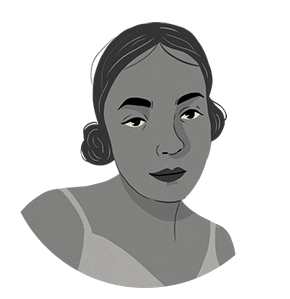
Zuhour Mahmoud est la stratège en communication de Kohl. Écrivaine, rédactrice et DJ à ses heures, elle est basée à Berlin. Son travail se concentre sur les approches critiques de la musique, de la technologie et de la politique et sur leurs cycles de vie au sein de la sphère numérique.
Dear feminist movements,
You welcomed us with open arms when it was announced during the 2016 AWID Forum in Bahia that we would be AWID’s new Co-EDs. It was a moment that felt full of possibility, we were building a feminist oasis that would help sustain our collective struggles forward. We left Bahia with a sharp sense of responsibility, to do our best in your service and to lead AWID in ways that would be most supportive and impactful for you.
It is now time for us to step aside for new leadership!
Over five years into our journey, we are stepping down as AWID’s Co-EDs. Our decision comes as we wrap up the current strategic cycle. We see this as an ideal moment to step aside and support a leadership refresh. We believe that transformative feminist leadership is cyclical.
We so appreciate the opportunity we had to play a role in AWID’s 40 year history, holding and shepherding the organization through the difficult context of global pandemic, and so many spiraling crises.
Feminist movements, we know you will be part of our next journey, whatever that may be. You have consistently taught us about strength and resilience. We may move to different roles, but we will collectively continue to move together.
We have vivid memories of those of you in Indonesia, Malaysia, Nepal, Thailand, Taiwan and beyond who met us to co-create the AWID Forum with so much generosity and spark. Without a doubt, our greatest regret from the last five years is that we could not give you an in-person Forum.
Once we came to the difficult (albeit necessary) decision to cancel the AWID Forum, we focused on grappling with the existential questions so many of our organizations were facing: how do we shift our ways of working to be relevant, account for the exhaustion, sickness, and grief affecting all of us in different ways? How do we build meaningful relationships when we are limited to being online? There are still no straightforward answers to these questions, but feminist movements, you have shown the way.
We were so proud to see the ways feminists were leading responses to mitigate the impacts of COVID-19 on our communities. Feminists are frontline responders in crisis and we will continue to demand recognition and resources for this work. You often responded enthusiastically to our outreach, showing up in amazing ways in our Feminist Bailout campaign and later in the Crear Resister Transform festival. You jumped into collaborative advocacy with us – whether influencing human rights spaces, policy makers or funders.
We give a special shout-out of love and respect to the current and former AWID team (both our staff and Board members) whom we’ve had the honor to work with over these years. We’ve learned from each one of you and felt deep gratitude for everything you have contributed to AWID over the years.
We came into this role as AWID’s first pair of Co-Executive Directors. We learned from the many activist and community traditions of collective leadership and the feminist organizations who had done this before us. We know that we couldn’t have done this job without each other. We were able to leverage each other’s strengths and have each other’s backs to do the best job we could.
We came into role together and are leaving together, even as we will be staggering our departure dates. We are both committed to supporting a smooth transition and deliberate onboarding of the new leadership this year.
Feminist movements, you are in great hands with the AWID team. They’ve got this. And we are proud to be leaving the organization in such a strong and resilient place. Hopefully, we’ll see many of you at the AWID Forum in 2024 – you’ll recognize us as the kicked back, relaxed folks in the audience!
Love and appreciation for all that you’ve done with and for us. Your impact on our lives stretches well beyond the last 5 years, and no doubt will continue to stretch far into the future.
Cindy & Hakima
Lisez nos recherches sur le financement, sur les défenseuses des droits humains, sur la création de mouvements, sur les fondamentalismes, la justice économique et beaucoup plus
When I was 6, I learned that my grandfather owned a movie theater. My mother recounted to me how it had opened in the early 1960s, when she was also about 6 years old. She remembered that they screened The Sound of Music on the first night...

Estimados movimientos feministas:
En nombre de la Junta Directiva de AWID, me enorgullece presentarles a las próximas Co-directoras Ejecutivas: Faye Macheke e Inna Michaeli
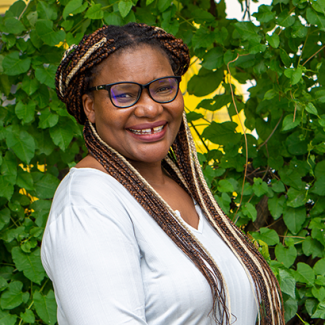 |
Faye Macheke es una apasionada feminista panafricana, que participa en movimientos por los derechos de las mujeres, la justicia racial, los derechos laborales y de las personas migrantes, y la justicia ambiental. Su activismo se ha alimentado del legado de la lucha contra el apartheid en Sudáfrica y del período posterior a la época del apartheid en Zimbabue. En 2019 Faye se incorporó a AWID como Directora de Finanzas, Operaciones y Desarrollo. Aporta una amplia experiencia en liderazgo feminista, estrategia y todos los aspectos del desarrollo organizativo. Faye es una comprometida integrante de la Junta Directiva de UAF-África y de otras organizaciones por los derechos de las mujeres. Vive en Ciudad del Cabo, Sudáfrica. |
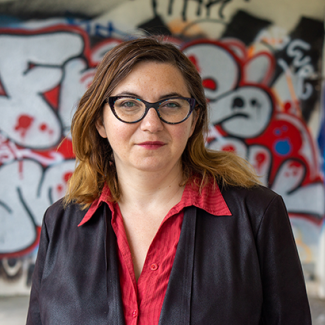 |
Inna Michaeli es una activista y socióloga feminista lesbiana queer, con muchos años de profundo compromiso con las luchas feministas y LGBTQI+, con educación política y activismo por y para mujeres migrantes y con la liberación de Palestina y la solidaridad con su pueblo. Inna se unió a AWID en 2016 y se desempeñó en diferentes funciones, más recientemente, como Directora de Programas. Contribuye con su extensa experiencia en investigación y construcción de conocimiento, promoción de políticas, y desarrollo organizativo. Inna integra la Junta Directiva de Jewish Voice for Peace (Alemania). Reside en Berlín, Alemania. |
Esta decisión es el resultado de un riguroso proceso que contó con la total participación de la Junta Directiva y el personal de AWID. La Junta reconoció y homenajeó las aptitudes y los talentos del personal de AWID, abriendo una búsqueda interna para la contratación. En consecuencia, se presentaron juntas, como equipo, dos candidatas brillantes que personifican la integridad, la ética del cuidado y los valores feministas interseccionales que impulsan el trabajo de AWID. Faye e Inna propusieron una valiente e interesante visión para enfrentar los desafíos de este momento: construir una comunidad feminista global, resistir y desestabilizar los sistemas de opresión y apoyar a los movimientos feministas para que prosperen.
Este año, en que AWID celebra sus 40 años, nos emociona que Inna y Faye co-lideren a AWID en sus estrategias y en una nueva fase de evolución y superación de las fronteras, apoyando a los movimientos feministas de todo el mundo.
Designar y apoyar a las Co-directoras Ejecutivas de AWID para que lideren la organización es una responsabilidad fiduciaria que, como Junta Directiva, tomamos muy seriamente. La forma en que desarrollamos esos procesos es también un reflejo de la brillante y diversa membresía de AWID, que elige a la Junta de AWID.
Al despedirnos de Cindy y Hakima, nosotrxs, la Junta Directiva, damos la bienvenida en forma unánime y entusiasta a Faye e Inna como nuestras próximas Co-directoras Ejecutivas a partir del 5 de septiembre de 2022. Manténganse atentxs a las actualizaciones sobre nuestra transición de liderazgo en los próximos meses.
Sobre todo, ¡gracias por su continuo apoyo!
Con solidaridad feminista y amor,
Margo Okazawa-Rey
Presidenta de la Junta Directiva de AWID
From 27 - 30 April, 2026, AWID will be at the Women Deliver 2026 Conference, co-creating a political home with feminist and gender justice movements that is rooted in transnational care and solidarity.
In a time when fascism and militarization continue to rise globally, feminist connection and solidarity across borders is what we truly need. We are organizing multiple spaces at Women Deliver and online to connect movements with each other in conversations to build feminist agendas of solidarity and action.
هل اختبرتم من قبل لحظات من الصفاء الذهني العميق أثناء أو بعد ممارسة الجنس؟
Je t’appartiens depuis aussi longtemps que je peux me souvenir. Jeune fille, j’ignorais qu’il y avait un mot – féministe – pour nous toustes qui aspirons à vaincre et à démanteler le patriarcat, qui cherchons refuge dans les bras de l’inclusion et de l’intersectionnalité, qui traitons les gens comme des égaux, peu importent leur genre, leur race, leur sexualité, leur religion et leur ethnicité, qui apprenons constamment pour mieux faire, pour mieux être et pour nous servir de nos privilèges pour élever les autres.
Quand j’avais 14 ans, mon professeur de français au Collège, un trentenaire de 1,80 m, a agressé une élève de ma classe devant tout le monde. L’élève, une de mes amies d’enfance, et plusieurs autres filles de la classe sont allées voir la direction pour le dénoncer, les parents s’en sont mêlés et la classe entière, forte de ses trente élèves, a soutenu la fille. Mais toutes nos tentatives pour lui faire porter la responsabilité de son acte ont échoué, l’administration a gardé le silence sur l’histoire de la fille et il n’a jamais été renvoyé ni poursuivi. Les filles de ma classe et moi-même étions outrées, donc nous avons fait ce que toute jeune féministe en rage ferait : nous avons jeté des œufs sur sa voiture! Et bien que les œufs se lavent facilement et que la peinture utilisée pour écrire « Sale porc » et « Khamaj » (ordure) sur sa carrosserie pouvait être grattée, je n’oublierai jamais comment nous nous sentions après cela. [MB1] Libérées, enragées, heureuses, solidaires et puissantes. Ce même sentiment m’envahit à chaque nouvel événement féministe auquel je prends part depuis. L’adolescente féministe en moi a grandi et rejoint Women Deliver, l’AWID, Unootha, animé des ateliers féministes à l’université et même été poursuivie pour son affiliation féministe à 19 ans, mais ça, je le garde pour une autre lettre.
Les mouvements et les espaces féministes m’offrent la sécurité et l’autonomisation. Ce sont les mères que nous aurions aimé avoir et le lien dont nous avions besoin pour nous connecter et nous organiser, malgré nos différences contre un ennemi commun qui mine tout le monde, le patriarcat. C’est grâce à toi que j’ai appris à être résiliente et à mettre toutes mes forces et mes compétences au service des autres en les soutenant, en mettant la lumière sur les marginalisées et en tendant le micro à celles qu’on n’entend jamais.
Ce que j’aime le plus chez vous, les mouvements féministes, c’est que parfois vous merdez, vous négligez et marginalisez aussi, vous avez des biais - comme tout autre mouvement - mais ce qui vous rend différents, c’est que vous vous efforcez toujours de mieux faire. La redevabilité ne vous effraie pas, et vous êtes un collectif en constante évolution qui reflète la manière dont l’altruisme et la philanthropie dans l’effort vers l’équité de genre changent à mesure que le temps passe.
Puissiez-vous continuer à croître, puissiez-vous faire mieux, puissiez-vous être toujours enragés, puissiez-vous continuer à rugir, puissiez-vous toujours aimer, puissiez-vous toujours parler des langues différentes et puissiez-vous toujours avoir le pouvoir.
Avec amour, lumière et rage,
Lina
📅 Tuesday, April 28
🕒 6.30pm–9.30pm
🏢 Venue: River’s Edge, 18-31 Siddeley St
(a 5 minute walk across the river from the Melbourne Convention and Exhibition Centre)
Thank you for your enthusiasm. We're currently at capacity, but have opened a waiting list.
RSVP Required. Sign up for the waiting list!
17 h, ce soir.
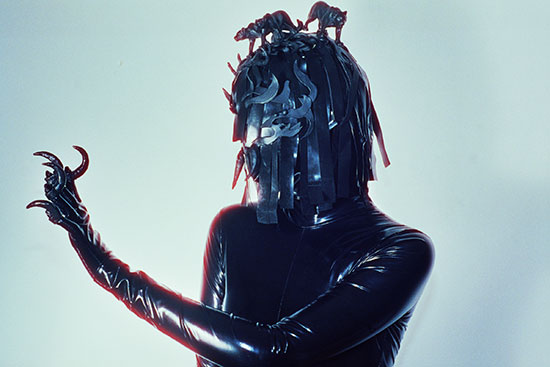

L’écriture sur l’invitation—
frêle et brusque—
je l’ai vue cinq fois en cinq ans.
Mon corps se réveille,
fébrile.
Je dois d’abord me baiser moi-même.
La marée est haute ce soir et
je
jouis.
Je veux tout ralentir,
goûter le temps et l’espace, les graver
en mémoire.
*
Je ne suis jamais allée dans cette partie de la ville auparavant.
Les endroits inconnus m’excitent,
la façon dont les membres et les veines et les os
résistent à la pourriture,
leur sort incertain.
Arrivée à la porte, je réfléchis à deux fois.
Le couloir est tout noir
et ça me fait faire une pause.
De l’autre côté,
un portail d’odeurs et de couleurs
s’ouvre comme une malédiction,
dans un après-midi ensoleillé.

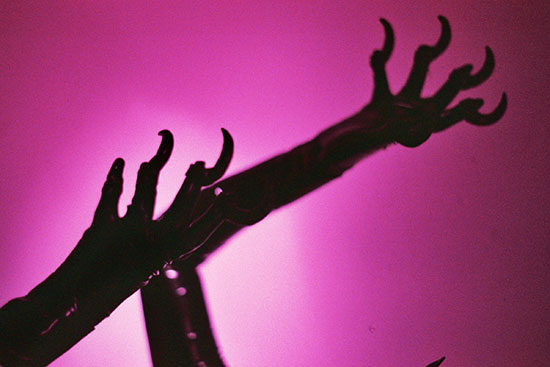
La brise
fait danser mes cheveux,
pique leur curiosité,
les obligent à se déplacer.
J’entends le fauteuil roulant vrombir,
façonnant les ombres.
Puis je les vois :
un visage de lynx
et un corps comme le mien
et je me retrouve à désirer les deux
de nouveau.
La créature me fait signe d’approcher.
Ses gestes écrivent une phrase;
tandis que je m’avance,
je note ses détails :
flétrir, chair, bonheur
À sa commande, la vigne recouvre le couloir
étreignant des pierres chaudes,
serpentant le long du mur.
Cela devient un verbe,
« escalader »,
et je suis réorientée quand leurs griffes pointent
vers le lit de vigne au centre.
J’entends les roues derrière moi,
puis ce son.
Il résonne
comme aucun autre.
Ses longues ailes noires
montent vers le plafond
puis iel se précipite vers l’avant.
La vision féline scrute chaque détail,
chaque changement,
chaque désir.
Le désir peut-il liquéfier vos muscles?
Peut-il agir plus doux que le
plus puissant des tranquillisants?

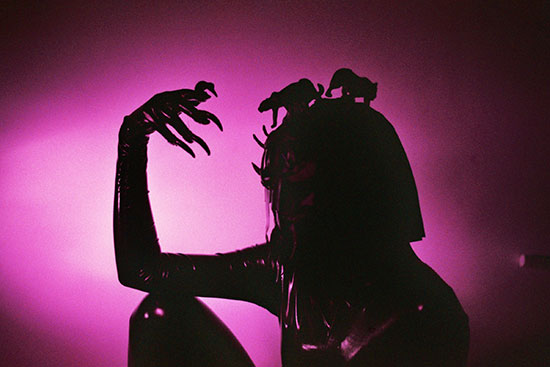
Un lynx coud le monde
à travers nos différences,
tissant de la dentelle autour de mes genoux.
Le désir peut-il écraser la distance du monde, comprimant les secondes?
Iel se rapproche encore,
oeil de lynx rencontrant oeil humain,
reniflant l’air,
transformant le corps en
urgence.
Iel a battu des ailes.
Remuées,
les vignes s’emmêlent autour de ma taille/de mes pertes.
Sa langue amincit le temps,
terrains mouvants,
apaise, avec sa magie,
ce qui remue dessous.
Je vois le monde en toi,
et le monde est épuisé.
Puis iel plaide :
Laisse-moi me régaler de toi.
Hola de nuevo, y de nuevo, y de nuevo. Los he conocido y amado durante toda mi vida adulta, desde que los encontré, significativamente, después de graduarme de la universidad. Los había visto una vez antes. Fue cuando ustedes aparecieron como Betty Friedan en un programa de entrevistas de televisión en el Medio Oeste de los Estados Unidos, a finales de la década de 1960. En ese momento, la Sra. Wells (mi otra madre) y yo comentamos las ideas exageradas y disparatadas de las que esta mujer estaba tratando de convencernos. Desde entonces, década tras década, me he enamorado cada vez más profundamente de ustedes, mis amados movimientos, y he entendido y presenciado su genialidad política y teórica, su autoridad ética y moral, su creatividad, su alegría, y su amor, sobre todo. Casi sesenta años después, sé que somos compañerxs para siempre.
Los primeros años de nuestra relación fueron buenos. Yo estaba bastante autoinvolucrada (tratando de entender la identidad racial, de género y sexual; aclarando mis políticas, valores y ética fundamentales; completando mi educación formal), y ustedes me brindaron numerosos escenarios, centros sociales intelectuales y ambientes de contención acogedores donde y a través de los cuales pude elaborar los componentes fundamentales de la feminista y el ser humano en que me convertiría.
Los movimientos de mujeres predominantemente blancas de Cambridge y Boston, incluyendo Daughters of Bilitis [Hijas de Bilitis], fueron mi punto de partida. Eso me vino bien en ese momento, pero pronto me di cuenta de que deseaba algo más. ¡Poof! Mágicamente (descubrimiento casual), me conecté con un pequeño grupo de mujeres radicales, antiimperialistas, negras, socialistas y lesbianas y, pronto, nos convertimos en el Combahee River Collective [Colectivo del Río Combahee].
Esa temprana experiencia de Combahee -combinada con aprendizajes vitales críticos y, en particular, con las políticas raciales inmigrantes afroamericanas y coreanas de principios de la década de 1990 en los Estados Unidos- me prepararon para el viaje que me ha llevado a identificarme y a trabajar como feminista transnacional para enfrentar el militarismo y a dedicarme a imaginar otros mundos donde todos los seres vivos prosperen.
Los dos momentos críticos siguientes del movimiento de mujeres ocurrieron décadas después de los años de Combahee, pero estuvieron profundamente vinculados. Primero, fue conocer y ser invitada al movimiento feminista coreano que se estaba organizando contra las bases militares estadounidenses y apoyaba a las «mujeres kijichon» [«mujeres de confort»], las mujeres coreanas cuyas vidas (que para algunas incluía a sus hijxs mestizxs) giraban alrededor del variado servicio al personal militar estadounidense en las aldeas y los pueblos adyacentes a las bases. Las amadas feministas coreanas, especialmente Kim Yon-Ja y Ahn Il Soon (las primeras hermanas que conocí y con quienes viajé), me hicieron ver y comprender la importancia crítica de la nación como principio analítico y organizativo. El «toque final» fue vivir y trabajar en la Palestina ocupada. La difunta Maha Abu-Dayyeh me introdujo al movimiento de mujeres palestinas, con un comentario profundo: «puedes dejar Palestina, pero Palestina nunca te dejará». Cuánta verdad. Y todo mi trabajo y mis experiencias a través de muchas fronteras me llevaron a AWID, mi segundo hogar.
Como saben, amados movimientos, estar con ustedes no ha sido fácil ni simple. De hecho, son demandantes, están sistemáticamente plagados de contradicciones y, a veces, hasta resultan hirientes. No obstante, continúan creciendo y desarrollándose, a medida que sostienen mi propio crecimiento y desarrollo político, emocional y espiritual. Supongo que nos cultivamos mutuamente: un proceso muy profundo al cual dedicaré el resto de mi tiempo bajo mi forma actual.
El eje de ser/estar con ustedes todas estas décadas es esto:
Feministas que comprometen colectivamente sus cabezas, corazones, manos y espíritus para transformar nuestros mundos
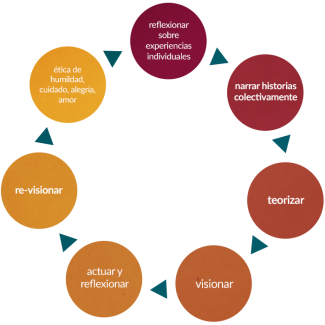
¡Mucho amor, movimientos feministas!
Su Margo
alias DJ MOR Love and Joy
Wellfleet, Massachusetts, Estados Unidos