.
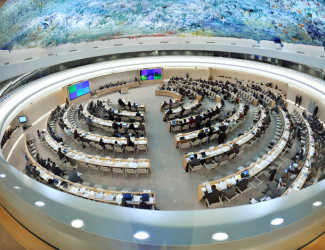
Conseil des Droits de l'Homme (CDH)
Le Conseil des droits de l'homme (CDH) est un organe intergouvernemental clé du système des Nations Unies, responsable de la promotion et la protection des droits humains autour du globe. Il se réunit trois fois par an en session ordinaire, en Mars, Juin et Septembre. Le Bureau du Haut-Commissariat des Nations Unies aux Droits de l’Homme (HCDH) constitue le secrétariat pour le CDH.
Le CDH :
-
Débat et adopte des résolutions sur les questions globales des droits humains ainsi que sur la situation des droits humains dans des pays particuliers
-
Examine les plaintes des victimes de violations des droits humains et des organisations activistes, au nom des victimes de violations des droits humains
-
Nomme des experts indépendants (que l'on connaît sous le nom de « Procédures Spéciales ») pour réviser les cas de violation des droits humains dans des pays spécifiques, ainsi que pour examiner et suivre des questions globales relatives aux droits humains
-
Prend part à des discussions avec les experts et les gouvernements sur les questions de droits humains
-
Évalue les bilans des États membres de l'ONU en matière de droits humains tous les quatre ans et demi, dans le cadre de l'examen périodique universel.
Session actuelle: CDH 44
La prochaine session du CDH a lieu à Genève, en Suisse, du 30 juin au 17 juillet 2020.
AWID travaille avec des partenaires féministes, progressistes et du domaine des droits humains pour partager nos connaissances clé, convoquer dialogues et évènements avec la société civile, et influencer les négociations et les résultats de la session.
Avec nos partenaires, notre travail consiste à :
◾️ Suivre, surveiller et analyser les acteurs, discours et stratégies anti-droits et leur impact sur les résolutions du CDH.
◾️ Co-développer un plaidoyer collectif pour contrer les acteurs anti-droits et discuter plus en détails les résultats du Rapport de tendances 2017 du OURs
◾️ Soutenir, coordoner et développer de manière collaborative le Caucus féministe qui émerge au CDH.
Contenu lié
Junio 2015
Sesiones adicionales para redactar el Documento Final de Adís Abeba
- Del 1 al 5 de junio de 2015 se realizaron sesiones adicionales para continuar avanzando en la redacción del Documento Final.
- Del 15 al 19 de junio, en la sede de la ONU tuvo lugar la ya planificada Tercera Sesión Redactora del Documento Final de la Conferencia.
Para saber más sobre este proceso, puedes consultar la CSO Hitchhiker’s Guide (en inglés).
Petite Jasmine
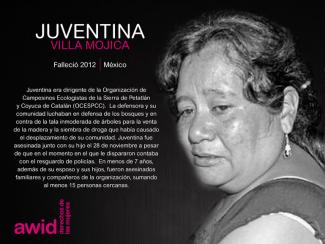
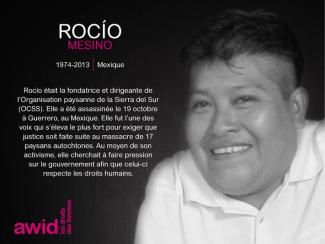
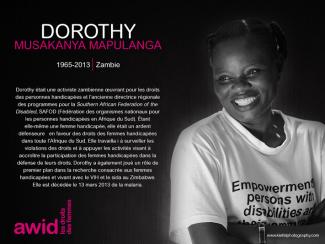
Mujeres indígenas por la defensa de los derechos
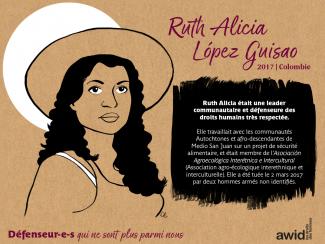
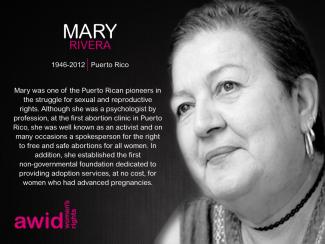
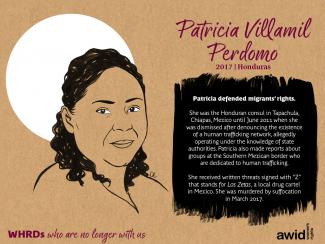
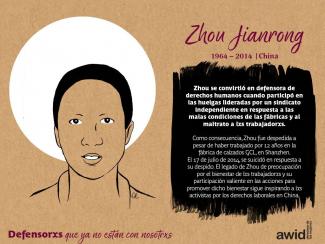
Estas defensoras lucharon por los derechos sobre la tierra, de las mujeres y de los pueblos indígenas; haciendo frente a las industrias extractivas, escribiendo poesía y promoviendo el amor. Una de ellas desapareció hace ya 19 años. Únete a nosotras para recordar y honrar a estas defensoras de derechos humanos, su trabajo y su legado, compartiendo los memes aquí incluidos; y tuiteando las etiquetas #WHRDTribute y #16Días.
Por favor, haz click en cada imagen de abajo para ver una versión más grande y para descargar como un archivo.


¿Habrá apoyo para materiales u otros costos preparatorios para los talleres?
Contarás con todos los materiales estándar para talleres y presentaciones: rotafolios, marcadores, notas autoadhesivas, así como proyectores y equipos audiovisuales. Cualquier material adicional será responsabilidad de lxs organizadorxs de la actividad. El equipo de logística de AWID estará disponible para responder preguntas y aconsejar.
Disintegration | Title Snippet AR
تَفَسُ
مُقتَبَس من قصّة لإيستر لوبيز
تصوير: مريم مكيوي
تصميم وعرض الملابس: النمرة
Quels sont quelques-uns des débats et des sujets controversés ?
- Towards The Third International Conference On Financing For Development: Old Tensions And New Challenges, by Nicole Bidegain Ponte/DAWN (March 2015)
-
‘A geopolitical Analysis of Financing for Development’ by Regions Refocus 2015 and Third World Network (TWN) with DAWN.
-
The Zero Draft Language Map, by Regions Refocus
-
‘Addis Ababa financing conference: Will the means undermine the goals?‘ by RightingFinance
Zhou Jianrong
Sushmita Banerjee
Trans* rights require stronger protection
These transgender women were murdered because of their activism and their gender identity. There are insufficient laws recognizing trans* rights, and even where these laws exist, very little is being done to safeguard the rights of trans* people. Please join AWID in honoring these defenders, their activism and legacy by sharing the memes below with your colleagues, networks and friends and by using the hashtags #WHRDTribute and #16Days.
Please click on each image below to see a larger version and download as a file


Hospital | Content Snippet AR
مستشفى
ترجمة مارينا سمير
«الآن قد يكون وقتًا مناسبًا لإعادة التفكير في الشكل الذي يمكن للثورة أن تتّخذه. ربما لن تبدو كمسيرةٍ من الأجساد الغاضبة والقادرة في الشوارع. ربما ستبدو وكأنّ العالم واقفٌ في ثباتٍ لأن جميع الأجساد الموجودة فيه منهَكة – حيثُ أنّه يجب إعطاء الأولوية للرعاية قبل فوات الأوان».
- جوانا هيدفا
المستشفيات مؤسسات، ومواقع حيّة للرأسمالية، وما يحدث عندما يكون من المفترض أن يستريح شخصٌ ما ليس إلّا نموذجاً مصغّراً من النظام الأكبر. تَعمَد المؤسسات إلى فصلنا عن أنظمة رعايتنا – نَجِد أنفسنا معزولين في بُنى تراتبية راسخة، وغالبًا ما نشعر وكأنّ الرعاية هي شيء يُفعَل بنا بدلاً من أن تكون شيئًا يُعطى ويؤخَذ كجزء من محادثة. الرعاية المؤسسية معزولة بسبب اندماجها في الطلب الرأسمالي: شخص واحد يعالج رِجلك ورِجلك فقط، شخص آخر يعالج ضغط الدم وهكذا.
اضطرّت المصوّرة مريم مكيوي لإجراء عملية جراحية الشهر الماضي، ووثّقت هذا المسار. صورها للبيئات المعقّمة بألوانها الباهتة – أضواء نيون بيضاء وصفوف تلو صفوف من التكوينات المتكرّرة – تعكس مكانًا استُنزفت منه الحياة والحركة. كانت هذه إحدى الطرق التي حافظت بها مريم على بقاء روحها. لقد كان أحد أشكال الاحتجاج من داخل حدود مؤسسةٍ كان عليها التعامل معها.
تُشكّل الصور وصفًا لشيءٍ واهنٍ بشدّة، فمشاهدة شخصٍ ما وهو يعايش انهيار جسده هو دائمًا تذكير جليل بهشاشتنا. إنه أيضًا تذكير بهشاشة أنظمة الرعاية هذه، والتي قد تُمنَع عنّا لأسباب متعدّدة – بدايةً من عدم امتلاك الأموال وصولًا إلى عدم التواجد في جسدٍ يُعتبَر ذا قيمة كافية، فربما يكون أنثويًا أكثر مما ينبغي أو كويريًا أكثر مما ينبغي أو ملوَّنًا أكثر مما ينبغي.
الرعاية الانفرادية والمجرّدة من جوهرها والتي قد تُسلَب منّا في أي لحظة لا تساعدنا على الازدهار. وهي مختلفة تمامًا عن الطريقة التي يسلكها البشر عند رعاية بعضهم البعض. كم سيبدو عالمنا مختلفًا إذا التزمنا بتفكيك الهياكل الرأسمالية الحالية حول صحّتنا؟ كيف سيبدو إذا أعَدنا تخيُّلَه بشكل جذريّ؟
我無法提交書面提案,是否接受其他格式呢?
作為對AWID論壇各方面可訪問性承諾的一部分,我們接受那些無法提交書面申請的個人/組織/團體提交自己的音頻或視頻等。
如果您選擇以音頻/視頻格式提交提案,請按照相同的順序回答活動申請表格中詳細的問題。
若您要提交音頻/視頻文件,請與我們聯繫,選擇“論壇活動徵集”作為電子郵件的主題。
Maricela Tombé
Adaluz Monterrey Eden
1. Gather your resources
This section highlights key resources recommended by AWID so you can conduct your own WITM research.
In this section
People needed
- 1 or more person(s) to lead overall implementation of research methodology and ensure all key pieces are on track (Sections 2-11)
- 1 or more person(s) to conceptualize the key research objectives and guiding questions
- 1 or more person(s) to refine and conduct the research methodology, including collecting data
- 1 or more person(s) to conduct relevant qualitative and quantitative analysis of collected data
- 1 or more person(s) to document and package research findings for desired audience(s)
- 1 or more person(s) to serve as an editor to your final products
- 1 or more person(s) to conduct outreach to spread the word about your survey and advocacy using your research results
Potential expenses
- Staff and/or consultant salaries
- Data analysis software if conducting analysis of large dataset in-house. Options:
- SPSS
- Stata
- R (this is free) - Cost of producing publications and research products
- If desired, incentive prize that survey participants can win if they complete the survey
- If desired, incentives to offer your advisors
Estimated time
- For research process: 6 to 18 months, depending on size of dataset(s) and staff capacity
- For advocacy: 1-2 years, as determined by your organizational goals
Resources needed
- List of advisor organizations, donors and activists
- List of online spaces and events/networks to distribute your survey and present your survey results
- List of donors, activists, and women’s rights organizations to interview
- Prepared interview questions
- List of publication sources to use for desk research
Resources available
- Sample 1 of Research Framing
- Sample 2 of Research Framing
- Example: 2011 WITM Global Survey
- Sample WITM Global Survey
- Sample letter to grantmakers requesting access to databases
- AWID Sample Interview Questions: Donors
- AWID Sample Interview Questions: Activists & Women’s Rights Organizations
- Sample Advocacy Plan
Online tools
- Survey Monkey: Free
- Survey Gizmo: Converts to SPSS for analysis very easily
- Tutorial: Gentle Introduction to Cleaning Data
- Visualization Tools
- “Ready to Go?” Worksheet
Once you gather these resources, you can estimate the costs for your research using our “Ready to Go? Worksheet”
Previous step
Next step

Previous step
Next step
The Ready to Go? Worksheet helps you estimate resources, staff and budget needed for your research
CREDITS | Content Snippet AR
شكر وتقدير
|
ترجمة عربية النسخة الإسبانية تدقيق لغوي النسخة الفرنسية تدقيق لغوي من البرتغالية إلى الإنجليزية تدقيق لغوي |
فريق التحرير
تصميم ورسم
مسؤولة استراتيجيات التواصل
محرّرة النسخة العربية
مديرة الترجمة
فريق AWID |
註冊費包括什麼?
所有參與者的AWID論壇註冊費包括:
- 可自由參加所有四天的論壇
- 論壇期間的午餐和咖啡/茶歇
- 材料資源
- 全體會議期間和部分選定的分組討論/活動(英語、法語、西班牙語和當地語言)的同聲傳譯
- 參加慶祝晚宴/派對
- 具有最終程序和聊天功能的移動應用
- 論壇場所提供免費Wi-Fi服務
- 機場接送和酒店與會場之間的交通
Margarita Murillo
5. Conduct interviews
Interviews produce in-depth information that you cannot easily obtain from surveys. While surveys focuses mainly on quantifiable data and closed questions, interviews allow for expert opinions from activists and donors, and open-ended questions which can provide context to survey data results.
In this section
- General tips
1. Before conducting your interviews
2. During the interviews- Specialized interviews
1. Donor interviews
2. Women’s rights organizations and activists interviews- Preliminary findings
General tips
1. Before conducting your interviews
Send the interviewees a concept note with your objectives for the interview and for your overall research, as well as a list of questions.
This allows them to prepare answers for more complicated questions and look up information that they may not have immediately on hand.
2. During the interviews
- You can conduct interviews while your survey is running, in order to save time.
- Try to keep your interviews as consistent as possible in order to facilitate systematic analysis of results. This means asking the same questions. Coding identical responses to each question will allow you to uncover hidden trends.
- The interviews can also be used to flesh out some of the survey findings
Do not base your questions on assumptions about your interviewees’ knowledge.
Instead, first clarify what they know – this will reveal information as well.
- DON’T: “Given the current funding trends in Switzerland, do you know of any opportunities for collaboration? This question assumes that the interviewee knows current funding trends and that their understanding of funding trends matches yours.
- DO: First ask “What is your understanding of current funding trends in Switzerland?”, followed by “Do you know of any opportunities for collaboration?” This will reveal what their understanding is, giving you even more information than the first question.
Specialized interviews
1. Donor interviews
Interviews with donors will allow you to build deeper relationships with them, which will be useful when you conduct post-research advocacy. They will also provide you with deeper insight into funders’ decision-making processes.
Suggested topics of focus for donor interviews:
- What are their funding priorities? Why and how did they select those priorities? For example, why do they choose project-funding over core support or vice versa?
- What are annual amounts allocated to the advancement of women’s human rights? This will strengthen overall reliability of data collected.
- Have they noticed any funding trends, and what do they believe are the origins and politics behind these trends?
- What is their theory of social change and how does that impact their relationships with women’s rights organizations?
View samples of donor interviews
2. Women’s rights organizations and activists interviews
Interviews with women’s rights organizations and activists will provide you with insight into their on-the-ground realities. Again, these interviews will allow you to build deeper relationships that can be incorporated into your advocacy, particularly to encourage collaboration between donors and activists.
Suggested topics of focus for women’s rights organizations and activist interviews:
- Long-term funding priority trends noted by women’s organizations and their impact.
- Successful examples of feminist and collaborative resource mobilization strategies that build strong and complementary movements.
- “Making the case” for why it is important to support women’s organizations and organizing.
- How different actors understand the social change process and their role in advancing/achieving gender equality and women’s rights.
View samples of women’s organizations and activists interviews
Preliminary findings
Through the course of your WITM research, we recommend analyzing your preliminary findings. Presenting your preliminary findings opens up opportunities to conduct more interviews and get feedback on your research process and initial results. This feedback can be incorporated into your final research.
AWID conducts “WITM convenings” to share preliminary results of survey data and interviews. These gatherings allow participants (activists, women’s rights organizations, and donors) to debate and discuss the results, clarifying the context, creating more ownership amongst members of the movement, and providing more input for final research.
For example, the Resource Mobilization Hub for Indigenous Women’s Rights at the World Summit on Indigenous Philanthropy was used as a space to debut preliminary results.
Previous step
4. Collect and analyze your data
Next step

Estimated time:
• 1.5 - 3 months
People needed:
• 1 or more research person(s)
Resources needed:
• List of donors and women’s rights organizations and activists to interview
• Prepared interview questions
• Concept Note (You can use the research framing you created in the “Frame your research” section)
Resources available:
• AWID Sample Interview Questions: Donors
• AWID Sample Interview Questions: Activists & Women’s Rights Organizations
Previous step
4. Collect and analyze your data