
Activisme des jeunes féministes
S'organiser de manière créative face à des menaces croissantes
Les jeunes activistes féministes jouent un rôle crucial au sein des organisations et des mouvements pour les droits des femmes à travers le monde. Ce sont elles qui soulèvent les nouveaux problèmes auxquels les féministes sont confrontées aujourd'hui. Leur force, leur créativité et leur adaptabilité sont vitales pour assurer la viabilité des organisations féministes.
Pourtant, elles sont confrontées à toute une série d’obstacles particuliers, notamment l'accès limité au financement et au soutien, le manque de possibilités de renforcement des capacités et une augmentation considérable des agressions sur les jeunes défenseuses des droits humains. Ces obstacles entraînent un manque de visibilité qui rend leur intégration et leur participation effective au sein des mouvements pour les droits des femmes encore plus difficiles.
Une approche multigénérationnelle
Le Programme d’activisme des jeunes féministes de l'AWID a été mis en place pour veiller à ce que les voix des jeunes femmes soient entendues et représentées dans le discours féministe. Nous voulons faire en sorte que les jeunes féministes aient un meilleur accès à du financement, à des opportunités de renforcer leurs capacités et aux processus internationaux.
En plus de soutenir directement les jeunes féministes, nous travaillons également avec des activistes des droits des femmes de tout âge pour élaborer des modèles et des stratégies d’organisation multigénérationnelles plus efficaces.
Nos actions
Nous souhaitons que les jeunes féministes puissent jouer un rôle actif dans les prises de décisions qui concernent leurs droits. Nos actions incluent :
-
Favoriser la mise en commun et le partage d'informations par la Plateforme de jeunes féministes. Étant donné l'importance des médias en ligne pour le travail des jeunes féministes, notre équipe a lancé la Plateforme de jeunes féministes en mai 2010. Elle a pour objectifs d’échanger des renseignements, de renforcer les capacités des membres par le truchement de webinaires et de discussions en ligne, et d'encourager la consolidation d’une communauté de jeunes féministes.
-
Soutenir la recherche et le renforcement des connaissances sur l'activisme des jeunes féministes, pour accroître la visibilité et l'influence de leur activisme au sein et entre les mouvements pour les droits des femmes et auprès d'autres acteurs-trices clés, tels les donateurs.
-
Faire la promotion de la collaboration multigénérationnelle, en explorant de meilleures façons de travailler ensemble.
-
Inciter les jeunes féministes à s’engager dans les processus internationaux relatifs au programme de développement, notamment ceux des Nations Unies.
-
S’assurer leur collaboration dans tous les domaines prioritaires de l'AWID, y compris le Forum, pour faire en sorte que leurs contributions, leurs perspectives, leurs besoins et leur activisme se traduisent dans les débats, les politiques et les programmes qui les concernent.
Contenu lié
Snippet - Home page promo WITM - EN
"Where is the money for feminist organizing?"
Building on our 20-year history of mobilizing more and better funding for feminist-led social change, AWID invites you to complete the new iteration of our flagship survey, WITM.
Bessy Ferrera
Bessy Ferrera was a lifelong defender of the human rights of trans people, sex workers and HIV positive people in Honduras.
Bessy was also a member of Arcoíris, an organisation which supports the LGBTI+ community. She was also a focal point person for the Right Here, Right Now (Derechos aquí y Ahora) Platform of Honduras, and advocated strongly for full citizenship of trans people, and the passing of a gender identity law that would allow trans people to change their gender identity legally.
"Since the beginning of the year [2019] the trans community has been suffering a series of attacks, for defending, for demanding rights." - Rihanna Ferrera (Bessy’s sister)
Bessy was a sex worker, and in early July 2019, was shot to death by two men while working in the streets of Comayagüela. Her assailants were subsequently arrested.
Bessy is one of many LGBTI+ rights defenders in Honduras, who were murdered because of their identities and work. Other companeras include: Cynthia Nicole, Angy Ferreira, Estefania "Nia" Zuniga, Gloria Carolina Hernandez Vasquez, Paola Barraza, Violeta Rivas, and Sherly Montoya.
Bessy’s case is emblematic of injustice and a much larger problem of the systematic violence the LGBTI+ community faces in Honduras as the state fails to guarantee rights offer and fails to offer protection. This has created a culture of impunity.
Despite the risks LGBTI+ defenders in Honduras face, they continue their work to challenge and resist violence, and fight stigma and discrimination on a daily basis.
“If I die, let it be for something good not for something futile. I don’t want to die running away, being a coward. If I die, I want people to say that I died fighting for what is mine.” - member of Arcoíris
Corporizaciones feministas de esperanza y poder
Una serie de películas sobre realidades feministas de la región del Sudoeste Asiático y África del Norte
por Esra Ozban
En un mundo obsesionado con los productos, el proceso de priorización es un método feminista fundamental. Los procesos importan, y la curaduría no es una excepción. Mientras trataba de determinar cuáles de las películas de la región del Sudoeste Asiático y África del Norte (SWANA, por su sigla en inglés) serían más relevantes para el tema de las realidades feministas, la pandemia global, que todavía estamos enfrentando, modificó tremendamente nuestras vidas cotidianas. Incluso pensar, escribir o expresarme se ha convertido en una lucha diaria. Se me pasaban constantemente las fechas límites, y mandaba correos de disculpas a Kamee Abrahamian, con quien estaba trabajando como curadora independiente para el proyecto de la Club de Cine Feminista de AWID. El invalorable apoyo de Kamee, su comprensión y sus sugerencias, me recordaron que, incluso en dos lugares diferentes del mundo, como colegas que nunca se han encontrado personalmente, podemos crear conjuntamente micro versiones de las realidades feministas que anhelamos y para las cuales vivimos.
Para mí, las realidades feministas tienen mucho que ver con las sororidades. Sororidades que ayudan a lxs mujerxs que se ocupan de la remoción de minas en Artsaj/Alto Karabaj. Sororidades horneadas en Vegan Inclusive Trans Cake [Torta Trans Vegana Inclusiva] de feministas trans jóvenes de Ankara, que les recuerdan que no están siendo bienvenidas por la generación Z a las hermanas cis. Sororidades que están creciendo entre la menta de la azotea de Dragiča Alafandi, en el campamento de refugiadxs de Dheisheh de la Palestina ocupada, en Sowing seeds of resistance [Sembrando semillas de resistencia]. Sororidades que asumen proximidades íntimas, sexuales y revolucionarias en el Parque Gezi en #resistayol. Sororidades que sacan a la luz un encuentro imaginado entre dos generaciones de mujerxs exiliadxs en las calles de Haifa, en Your father was born 100 years old and so was the Nakba [Tu padre nació teniendo 100 años, igual que la Nakba]. Sororidades interespecies que se desarrollan en un espacio ficticio (y valiente) creado por Mounia Akl en Submarine [Submarino] para su personaje rebelde Hala, quien se rehúsa a ser evacuada de una ciudad llena de basura y es abandonada con su amigx perrx.
Esta selección reúne trozos y fragmentos de muchas realidades feministas que se han producido en la región del Sudoeste Asiático y África del Norte durante los últimos años. Continuaremos imaginando, aprendiendo y compartiendo corporizaciones feministas de esperanza y poder. Mientras tanto, sumerjámonos en las potentes alternativas a las que lxs cineastas y lxs protagonistas de estas películas han dado vida. Podemos crear conjuntamente cada paso, cada acto y cada intento, mientras seguimos cohabitando este mundo con otrxs que están viviendo realidades feministas y que persisten en sus sueños para dar vida a más de estas realidades.
MOTHERLAND [MADRE PATRIA]
por Emily Mkrtichian y Jesse Soursourian
«Con una belleza visual y atractivas escenas de la realidad, Motherland es un espectáculo de camaradería y fortaleza femeninas... La película es un testimonio de mujeres de todo el mundo que están dispuestas a trabajar más aún, para superar cualquier obstáculo que encuentren.»
- Nosarieme Garrick, cineasta galardonada
«Motherland es una inspiradora visualización de solidaridad, valentía, y agallas...»
- Hers is Ours Collective, organizadorxs del Outsider Moving Art & Film Festival
Motherland from jesse soursourian on Vimeo.
Emily Mkrtichian sobre las realidades feministas y Artsaj/Alto Karabaj
Filmamos el cortometraje Motherland en la República de Artsaj en 2018. Cada una de estas mujeres me atrajo por su fortaleza, su resiliencia y su humor, a pesar del contexto en el que vivían. En 2018, ese contexto era el del período posterior a una guerra brutal que había tenido lugar en la década de 1990, después de la cual su país se convirtió en un territorio no reconocido (o disputado, para la comunidad internacional) que no recibía la autonomía y la independencia de las que gozan tantos otros países. Artsaj estaba también profundamente afectada por las consecuencias que vemos en casi todos los lugares que atraviesan conflictos violentos, -consecuencias que tan a menudo recaen sobre las mujeres-: trastornos de estrés postraumático, altas tasas de alcoholismo, altas tasas de violencia doméstica, menos igualdades y libertades otorgadas a las mujeres, poca o ninguna representación de las mujeres en la política y la administración pública. Frente a estos desafíos, esta película trata de captar el fuego y el poder de las mujeres de Artsaj, algo que podría no ajustarse al paradigma feminista occidental tradicional, pero que ha sido creado por y para ellas mismas a través de los profundos lazos comunitarios, el cuidado de sus familias, el trabajo duro, y la capacidad de reírse juntas a lo largo de todo este proceso. Hoy, la República de Artsaj ha sido devastada nuevamente por otra guerra, que la dejó sin el 70% de las tierras que estas mujeres consideraron como propias durante toda sus vidas. Sin embargo, puedo prometerles que estas mujeres, y miles de otras, continúan sosteniendo a sus familias, sus comunidades y su cultura a través de las mismas redes de cuidado, del mismo compromiso con el trabajo duro y de las mismas carcajadas revoltosas, de cara a un futuro incierto.
SOWING SEEDS OF RESISTANCE [SEMBRANDO SEMILLAS DE RESISTENCIA]
por Baladi-Rooted Resistance
«Una película oportuna para mirar después de ser testigxs del último bombardeo de Gaza por parte de las Fuerzas de Defensa de Israel. Una mirada sobre el modo en que las mujeres de las comunidades palestinas sobreviven a la opresión estructural, a través de la historia de un banco de semillas tradicionales... y de las mujeres que lo sostienen como forma de alimentar la rebelión.»
- Jessica Horn, activista feminista panafricana, escritora y co-creadora del sitio web the temple of her skin
«Ver mujeres que se reúnen y trabajan colectivamente por la autonomía alimentaria es, para mí, terapéutico y empoderante.»
- Hers is Ours Collective, organizadorxs del Outsider Moving Art & Film Festival
Equipo Baladi-Rooted Resistance sobre las realidades feministas«¿Cómo hablar sobre realidades feministas cuando vives en Deheisheh, un campamento de refugiadxs palestino, construido hace setenta años para contener a tres mil refugiadxs, pero que es ahora el hogar de quince mil personas, en la Cisjordania ocupada? ¿O cuando la tierra que cultivas está amenazada constantemente por los colonizadores ilegales?
Si eres mujer en Palestina ocupada, tienes que luchar no solo contra el patriarcado, sino también contra el colonialismo y contra una ocupación militar brutal.
Dragiča y Vivien están peleando contra estos múltiples sistemas de dominación, a su propio modo.
Vivien utiliza semillas nativas para ayudar a lxs palestinxs a mantener su identidad. Cultivar alimentos tradicionales de forma tradicional es sumamente significativo: «Si ya no eres unx productorx, eres unx consumidorx, y qué mejor manera de esclavizar a alguien que convertirlx en tu consumidxr . Esto está sucediendo en todo el mundo, pero aquí se duplica con la ocupación militar.»
El 31,5% de los hogares de Cisjordania no tiene seguridad alimentaria. Mediante un huerto de azotea, Dragiča logró incrementar la autonomía alimentaria de su familia. En el hacinado campamento, al que el ejército israelí realiza incursiones nocturnas de forma regular para arrestar y acosar a lxs residentes, el huerto de azotea de Dragiča no solamente nutre a su familia, sino que, en especial, nutre su alma.»
#RESISTAYOL
por Ruzgar Buski
Ruzgar Buski sobre las realidades feministas
«No sé qué decir sobre las realidades feministas, pero, como artista trans, como activista de Turquía, sé que nuestras realidades son duras. Vivimos con violencias: ¡físicas, emocionales, económicas, sexuales!. Por eso es que tenemos que construir nuestras propias redes, y crear conjuntamente microrrealidades recíprocas es, para mí, una realidad feminista. #resistayol es mi primera película, y al comienzo planeaba hacer una película por/para/con personas trans que no tratara de convencer a nadie del hecho de que las personas trans son humanas, ni que se centrara en crear consciencia sobre los temas trans. Sin embargo, sucedieron las protestas del Parque Gezi, que se convirtieron en una de las sublevaciones más grandes de la historia de Turquía, y la película resultó ser algo diferente.
Creo que el proceso de producción afecta realmente lo que la película termina siendo. Nos esforzamos mucho para que trabajaran mujeres y personas trans y no binarias en cada etapa de la filmación. Esta película está hecha por gente que se reunió con camaradería y amistad. Kanka Productions está basada en el compañerismo transfeminista. Quiero que la película aporte esperanza, que sane, porque acarreamos muchos traumas en nuestros cuerpos: esto es lo que nos constituye y lo que nos conecta. La sanación es un proceso que nunca termina, y tenemos que crear espacios para respirar. #resistayol es una hora de respiración colectiva.»
Boysan Yakar en #resistayol
«Bueno, lxs lubunyas (queers) estábamos sentadxs en el parque, y de pronto llegaron topadoras y todxs nos enojamos. En realidad, en resumen, eso fue suficiente . Es el parque de lxs lubunyas, y teníamos treinta días para explicar eso a esta ciudad enorme. Todxs reconocen que a la noche los ibnes (putos) cogen en ese parque... El bloque LGBTI llevó a nuestra comunidad ahí. Ya no confiábamos en el Estado s y la policía, y no teníamos seguridad; hemos establecido nuestras propias formas de hacer las cosas, nuestras propias leyes y costumbres para sobrevivir... Rápidamente, llevamos nuestra ley a Gezi. En un esfuerzo por establecer un lenguaje y un entendimiento comunes entre todos estos grupos, el lenguaje LGBT de unión y solidaridad se propagó por todo el parque. Todos los días había una Marcha del Orgullo, todxs decían continuamente “ayol”. Embellecimos el lenguaje apestoso y polvoriento de la izquierda. Supongo que tuvimos este nivel de impacto porque hemos sido repudiadxs todos estos años. Desde lxs más radicales hasta lxs más conservadorxs y nacionalistas, todxs nos necesitaban, porque todxs nos habituamos a ser confrontadxs por todo. Ellxs no estaban acostumbradxs a tanta energía, a nuestra energía. Por eso esta fue una gran arena política para nosotrxs. Todos los días hacíamos realidad aquí nuestra mayor y principal lucha, o sea, una lucha por la visibilidad y el reconocimiento. Por eso dejamos Gezi con una gran victoria.»
VEGAN INCLUSIVE TRANS CAKE [TORTA TRANS VEGANA INCLUSIVA]
por Pembe Hayat
«... un manifiesto multifacético que muestra la alegría que existe en las amistades dentro de la comunidad queer de Turquía, como despliegues de rebelión y resistencia.»
- Nosarieme Garrick, cineasta galardonada
«... diversión, luz, y azar. En un mundo constantemente marcado por las cicatrices de la violencia contra la comunidad trans, nada, ninguna acción, está (desafortunadamente) privada de significado. De modo que ¡por más alegría, más amor, y más azar significativo!»
- Hers is Ours Collective, organizadorxs del Outsider Moving Art & Film Festival
Cayan Azadi en Vegan Inclusive Trans Cake
«Hola Barbies, Kens, muñecas de porcelana, Olivia Olivo, muñecas Pimpollo. Novias de Chucky, hermanas de Chucky, cuñados de Chucky y, por último pero no menos importante, estimados amantes de los cuñados.
Entonces, por qué hicimos esta torta.
Ahora recibimos la noticia de que una trabajadora sexual trans ha intentado suicidarse debido a la violencia de los vigilantes y la policía en las calles. En este momento, está siendo retenida en un puesto de policía y es exactamente por eso que hicimos esta torta. Esta torta travesti es horneada para mostrar que existimos en todas las partes de la vida, que existimos persistentemente, y esta torta muestra que no seremos erradicadas o ignoradas en esta sociedad.
Sí, hay violencia en nuestras vidas y sí, también hay mucha falta de respeto [shade], pero a pesar de todo eso igual podemos divertirnos, disfrutando de la vida todo lo que podemos. ¡Buen provecho, hermana!»
YOUR FATHER WAS BORN 100 YEARS OLD AND SO WAS THE NAKBA [TU PADRE NACIÓ TENIENDO 100 AÑOS, IGUAL QUE LA NAKBA] ابوكي خلق عمره ١٠٠ سنة، زي النكبة
por Razan AlSalah
SUBMARINE [SUBMARINO]
por Mounia Akl
«Este film está dirigido como se escribe un poema: es simple, un poco abstracto, y conmovedor.»
- Hers is Ours Collective, organizadorxs del Outsider Moving Art & Film Festival
Esra Ozban:
Esra Ozban es unx programadorx y cineasta turcx. Su trabajo artístico, curatorial y académico se cruza con las prácticas críticas de archivo, el trabajo sexual, la pornografía y las culturas cinematográficas feministas/queer, entre otras.
Síguenos en las redes sociales para recibir noticias sobre futuros eventos y proyecciones:
- Facebook: @AWIDWomensRights
- Instagram: @awidwomensrights
- Twitter ENG: @awid
- Twitter FR: @awid_fr
- Twitter ES: @awid_es
- LinkedIn: Association for Women's Rights in Development (AWID)
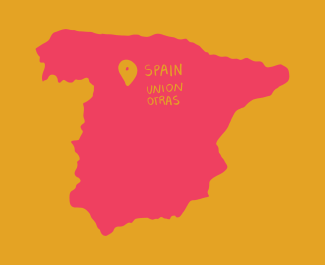
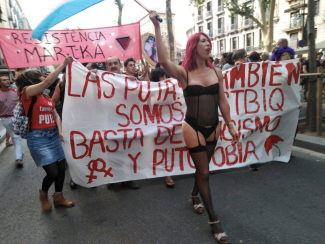
Snippet FEA Otras Union meetings and demonstrations (ES)
Reuniones y protestas del Sindicato OTRAS
AWID Community Jobs board - FR
Bourse d'emploi communautaire
Êtes-vous à la recherche d'un emploi? L'un des avantages de rejoindre la Communauté de l'AWID est d'avoir accès à notre tableau d'offres d'emploi organisé par la communauté. Vous aurez l'occasion d'explorer de nouvelles opportunités et vous aurez également la possibilité de partager des postes vacants et des appels à propositions avec tous les membres.
Paula Andrea Rosero Ordóñez
"[Ella] era una persona que se caracterizaba por su arduo trabajo a favor de la defensa de los derechos humanos y la construcción de la paz en Nariño, especialmente en el municipio de Samaniego-Nariño". - Jorge Luis Congacha Yunda para Página10.
Paula Andrea Rosero Ordóñez fue abogada de primera instancia en la oficina del Ministerio Público en Samaniego, Nariño, la principal agencia de defensa de los derechos de la ciudadanía en Colombia.
Paula se especializó en los derechos civiles y políticos, las problemáticas de la impunidad y la justicia, y contribuyó a descubrir abusos de poder, incluida la corrupción. Paula participó también en proyectos para la consolidación de la paz en su ciudad natal, Samaniego, a través del Consejo Municipal de Paz y la Junta Municipal de Mujeres.
Paula recibió amenazas de muerte tras exponer el manejo irregular de los recursos y de denunciar actos de corrupción en el Hospital Lorencita Villegas del municipio nariñense. Fue asesinada el 20 de mayo de 2019, cuando dos hombres se acercaron y le dispararon a corta distancia.
Les acteurs et actrices antidroits
Chapitre 4
Un réseau complexe et mouvant d’antidroits exerce une influence croissante dans les sphères internationales et les politiques locales. Souvent soutenu·e·s par des financements d’origine imprécise, ces acteur·rice·s renforcent leur impact en créant des alliances tactiques entre thématiques, régions et croyances.

23.02.2018 I Congrès international sur le génie, le sexe et l'éducation (#GenderAndSex Conference)
Alors que les discours des fascistes et fondamentalistes sont tout à fait nationalistes, leurs assises idéologiques, alliances politiques et réseaux de financement ne connaissent pas de frontières. Parfois soutenus par des flux de financement d’origine obscure, en lien avec de grosses entreprises ou des partis d’extrême droite, ces groupes concluent des alliances stratégiques, voire avec des sous-groupes de mouvements féministes et pour les droits des femmes, dans certains cas, tout en s’éloignant d’éléments ouvertement extrêmes pour acquérir davantage de légitimité. Ces acteur·rice·s diffusent et reproduisent également partout dans le monde leur modèle d’organisation antidroits : leurs manières de faire campagne, de faire pression ou de mener des actions stratégiques en justice.
Sommaire
- CitizenGo
- Alliance Defending Freedom (ADF)
- Le financement des antidroits
- Les liens entre féministes antitrans et fondamentalistes chrétien·ne·s
- Exercice : Cartographions le paysage
- Histoire du mouvement de la résistance. Catolicadas, un outil de communication efficace pour promouvoir l’égalité des genres et les droits sexuels et reproductifs
Snippet FEA Union Otras Photo 4 (FR)

Membership why page - Angelina Mootoo quote
En rejoignant l’AWID, j’espère pouvoir contribuer à la mobilisation du mouvement féministe. Pas seulement pour les femmes privilégiées, mais pour TOUTES les femmes et activistes féministes..- Angelina Mootoo, féministe intersectionnelle et caribéenne, Guyane/USA
Ruby Montour
Snippet - CSW69 Image - EN

Carol Thomas
Carol Thomas était une pionnière de la défense des droits sexuels et reproductifs des femmes en Afrique du Sud. Gynécologue aguerrie et fondatrice du WomenSpace, elle pratiquait et promouvait des modes de prestation de soins aux femmes non traditionnels, en proposant des soins à la fois de haute qualité, empathiques et accessibles.
« Elle inscrivait cela non seulement dans la joie de la grossesse et des nouveaux bébés, mais également dans les angoisses de la stérilité, des accouchements prématurés et des cancers féminins et dans le déchirement des fausses couches et des mortinaissances. » -Helen Moffett
Carol fonctionnait selon de nouveaux paradigmes, mettant au centre de sa pratique les besoins des femmes ayant le moins d’accès aux services et aux droits dans la société :
« L’environnement socioéconomique dans lequel nous nous trouvons majoritairement implique que les femmes supportent un fardeau disproportionné de maladies et du chômage... En tant que femme noire précédemment désavantagée, je comprends très bien ce qui se passe dans nos communautés. » - Carol Thomas
Son entreprise sociale innovante «iMobiMaMa», s’étant mérité de nombreux prix, prend appui sur les kiosques de téléphonie mobile et la technologie interactive pour connecter directement les femmes avec les services, l’information et le soutien en soins prénataux et de santé sexuelle dans les communautés de toute l’Afrique du Sud.
Carol soutenait les femmes à la fois lors des grossesses désirées et non désirées, et a encadré de nombreux·ses infirmier·ère·s et médecins au cours de sa vie.
On la décrivait également comme la gynécologue chez qui se rendre « pour les trans qui souhaitaient des soins trans affirmatifs. Elle savait y faire lorsque tant d’autres butaient sur les pronoms ou les mots à employer. Ses couvertures chaudes, son écoute attentive et ses mots qui tombaient toujours justes étaient vraiment réconfortants. » - Marion Lynn Stevens
On disait de Carol Thomas qu’elle était au point culminant de sa carrière lorsqu’elle est décédée, le 12 avril 2019, des complications d’une double transplantation pulmonaire.
Les très nombreux hommages qui lui ont été rendus suite à son décès inattendu faisaient mention qu’elle était, entre autres :
« un modèle à suivre, une guerrière, une innovatrice, une leader dynamique, une rebelle, une boule d’énergie, une brillante scientifique, une doctoresse bienveillante ».
Nul doute que Carol Thomas restera dans nos mémoires et que nous lui rendrons hommage pour avoir été tout cela, et bien plus.
كلمة العدد | التجسيدات العابرة للحدود
فقدان الكلامترجمة رولا علاء الدين |
![]() |
![]() |
| تشينيلو أونوالو | غوى صايغ |
«لمّا نكون مُستَقتِلين للتغيير، لِكوننا في حالة مرضٍ وتمرّدٍ في آنٍ واحد، تخلو لغتنا من التعقيد وتنصقل لتعكس أبسط ركائزها. (...) لكن، ومع استمرار المرض والثورة، تصبح اللغة المُصاغة في هذه الحالة وعنها أكثرَ عمقاً وأكثرَ تعبيراً عن الفوارق الدقيقة، وتكون منغمسة انغماساً شديداً في التجربة الإنسانية التي يواجه فيها المرءُ حدودَه عند نهاية العالم».
بدأنا التخطيط لعدد المجلّة هذا مع نانا داركوا قُبيل مهرجان «ابدعي، قاومي، غيٍّري: مهرجان للحراكات النسوية» لجمعية «حقوق المرأة في التنمية» AWID، وانطلقنا وقتها من سؤالٍ هو بالأحرى ملاحظة حول حالة العالم، ورغبة في تغيير الاعتقادات السائدة: لماذا لا تزال جنسانيّاتنا وملذّاتنا تخضع للترويض والتجريم مع أنّه يتمّ تذكيرنا مراراً وتكراراً بأنّها لا تأتي بأيّ قيمة أو تطوّر؟ واستنتجنا أنّ جنسانيّاتنا، لمّا تتجسّد، فيها ما يتعارض مع النظام العالمي الذي ما زال يتجلّى من خلال ضوابط الحدود، والتمييز العنصري في توزيع اللقاح، والاستعمار الاستيطاني، والتطهير العرقي، والرأسمالية المُستشرية. هل يمكننا إذاً القول إنّ لجنسانيّاتنا قدرةٌ تعطيليّة؟ وهل يصحّ هذا القول عندما ننظر إلى واقع حركاتنا التي يتمّ الاستيلاء عليها ومأسستها في سعيها للتزوّد بالموارد؟

عندما يصبح عملنا المتجسّد مادةً ربحية في أيدي الأنظمة التي نسعى إلى إزالتها فلا عجب أنّ جنسانيّاتنا وملذّاتنا توضَع جانباً من جديد، لا سيّما أنّها ليست مُربِحة بما فيه الكفاية. لقد تساءلنا، في مواقف عدّة خلال إنتاج هذا العدد، ما الذي سيحدث إذا رفضنا مراعاة خدمات الرأسمالية الأساسية؟ لكن هل نجرؤ على هذا التساؤل وقد أنهكنا العالم؟ ربما يتمّ تجاهل جنسانيّاتنا بهذه السهولة لأنها لا تُعتَبَر أشكالاً من أشكال الرعاية. ربما ما نحتاجه هو أن نعيد تصوّر الملذّة كشكلٍ من أشكال الرعاية الجذرية، تكون أيضاً مناهضة للرأسمالية وللمؤسساتية.
بدأنا العام الثاني على التوالي لحالة الجائحة العالمية وكان لا بدّ أن تركّز مقاربتنا للتجسيدات العابرة للحدود القومية على ملاحظة سياسيّة واحدة: أنّ الرعاية هي شكل من أشكال التجسيد. وبما أنّ جزءاً كبيراً من عملنا يتمّ حالياً من دون أيّ اعتبار للحدود بيننا وفينا فنحن جميعاً متجسّدون بشكلٍ عابرٍ للحدود القومية، ونحن جميعاً نفشل. نحن نفشل في رعاية ذاتنا، والأهمّ أننا نفشل في رعاية الآخرين.
هذا الفشل ليس من صنع أيدينا.
إنّ الكثير من أهالينا اعتبروا العملَ مقايضةً، أي أنّه شيءٌ يُعطى مقابل أجرٍ وضمانة بالحصول على الرعاية. صحيحٌ أنّه تمّ الإخلال بهذه المقايضة أحياناً، لكنّ أهالينا ما كانوا يأملون أنّ عملهم سيوفّر لهم الرِضا الذاتي، وكانوا يعتمدون لهذا الغرض على نشاطهم الترفيهي وهواياتهم ومجتمعاتهم. أمّا اليوم، فنحن، أولادهم الذين تمّت تهيأتنا لنعتبر العمل متشابكاً مع الشغف، توقّعاتنا مختلفة تماماً. نحن لا نفرّق بين العمل والترفيه ونعتبرهما عنصراً واحداً، وبالنسبة للكثيرين بيننا، العمل بات يجسّد الذات بكاملها.
إنّ الرأسمالية القائمة على الأبويّة والمغايَرة الجنسية لا ترى لنا أيّ قيمة، ناهيك عن عملنا وجنسانيّاتنا. إنّه نظامٌ سيستمر في طلب المزيد والمزيد منك إلى يوم مماتك، وبعدها سيستبدلك بشخصٍ آخر. يُنتَظَر منّا أن نكون على اتصال بالإنترنت في كلّ الأوقات، ما يعني أنّه لا يمكننا الانصراف عن العمل حتى لو شئنا ذلك. إنّ هذا التَتْجير للعمل وفصله تماماً عن الشخص قد تسلّل إلى كلّ ناحية من نواحي حياتنا، ويتمّ ترسيخ هذا التَتْجير حتى في الأوساط الأكثر نسويّة والأكثر تمرّداً وتشدّداً.
لطالما حمَلَت تطلّعات الرأسمالية ضرراً كبيراً بالأجساد التي لا تتوافق مع النموذج المثالي، وأولئك الذين يسعون إلى ترسيخ سلطتهم استغّلوا الجائحة كفرصة لاستهداف النساء والأقلّيات الجنسية وكلّ مَن يعتبرونه دون المستوى.
تمّ إعداد هذا العدد الخاص بفعل هذا الواقع، وطبعاً، رغماً عن هذا الواقع.
لقد قدّم المساهمون/ المساهمات والعاملون/ العاملات كلّهم تقريباً مجهوداً يفوق طاقاتهم، وكلٌّ من الأعمال الواردة هنا هو نتاجُ سعيٍ شغوف ولكن أيضاً نتاج حالة إنهاكٍ شديد. يشكّل هذا العدد، بطريقة غايةً في الواقعية، تجسيداً للعمل العابر للحدود القومية، علماً أنّ أيّ عمل في عصرنا الرقمي أصبحَ عابراً لتلك الحدود. وفيما فُرِضَ علينا تقبّل حدود جديدة، وهي حدود لا تخالف النظام القائم سابقاً بل تعزّزه، اختبرنا مباشرةً، إلى جانب مساهمينا، كيف تستنزف الرأسمالية طاقاتنا القصوى – كيف يصبح من الصعب بناء الحجج المتماسكة لا سيّما حينما تكون خاضعة لموعد التسليم. إننا نعاني بشكلٍ جَماعي من فقدان الكلام لأننا أساساً نعاني من فقدان العوالم.
الشعور بالضياع والوحدة في عالم الرأسمالية القائمة على الأبوية والمغايَرة الجنسية هو بالتحديد ما يجعل من الضروري أن نعيد تقييم أنظمة الرعاية التي نتّبعها وأن نُعيد النظر فيها. لقد حوّلنا هذا العدد بوسائل عدّة إلى مهمّة لإيجاد الملذّة في الرعاية. فبما أنّه بات من الصعب بناء الحجج المتماسكة، برزت الوسائط البصرية والمبتكرة وقد لجأ كثرٌ ممن اعتادوا الكتابة إلى هذه الوسائط كطرقٍ لإنتاج المعرفة واختراق الضباب الفكريّ الذي أحاط بنا. لقد ضمّينا في هذا العدد أصواتاً أخرى، بالإضافة إلى أصواتٍ عدّة استمعتم إليها في المهرجان، كوسيلة لإطلاق حوارات جديدة وتوسيع آفاقنا.
بما أنّ كلماتنا قد سُرِقَت منّا، يقضي واجبنا السياسي بأن نستمر في إيجاد الوسائل للحفاظ على أنفسنا والآخرين والاهتمام بأنفسنا وبالآخرين. بالتالي، يصبح تجسّدنا نوعاً من المقاومة إذ هو بداية إيجادنا لسبيل الخروج من الذات ودخولها.

Snippet FEA Principles of Work S4 (EN)

HORIZONTALITY
“Where is the Money for Women’s Rights?" AWID’s WITM Toolkit (landing page intro)
A new edition of the Where is the Money? research is underway.
Learn more.A Do-it-Yourself Research Methodology
AWID offers the WITM Toolkit to support individuals and organizations who want to conduct their own research on funding trends for a particular region, issue or population by adapting AWID’s research methodology.
AWID’s WITM Toolkit builds on 10 years research experience. AWID’s WITM research and WITM Toolkit is a political and practical demonstration of the resources and steps it takes to conduct solid action-research.
Learn more about the context around the WITM research methodology
The Resourcing Feminist Movements team also offers technical and political support before and during the research process. Review the toolkit and contact us at fundher@awid.org if you need more information.
Vivian Stromberg
Snippet - Rights and Resources - EN
Rights and Resources:
Getting Ready for the Next 30 Years
✉️ In-person registration is now closed. Sign up for the livestream here
📅 Wednesday, March 12, 2025
🕒 12.00-1.30pm EST
🏢 UNDP, 304 E 45th St. Doha Room, 11th Floor (FF Building)
Organizers: UNDP, Femena, SRI and AWID
Janet Benshoof
Janet Benshoof was a human rights lawyer from the United States and an advocate for women’s equality, sexual and reproductive rights.
She campaigned to broaden access to contraceptives and abortions across the world, and battled anti-abortion rulings and in the American territory of Guam. She was arrested in 1990 for opposing her country’s most restrictive abortion law, but won an injunction at the local court in Guam that blocked the law and eventually won at the Ninth Circuit Court of Appeals, striking down the law for good.
“The women in Guam are in a very tragic situation. I never intend to be quiet about that.” - Janet Benshoof for People Magazine
Janet established landmark legal precedents including the US Food and Drug Administrations’ approval of emergency contraception, as well as the application of international law to ensure the rights of rape victims in the Iraqi High Tribunal’s prosecution of Saddam-era war crimes.
Janet was President and founder of the Global Justice Center, as well as founder of the Center for Reproductive Rights, the world’s first international human rights organization focused on reproductive choice and equality. She served 15 years as Director of the American Civil Liberties Union’s Reproductive Rights Project, where she spearheaded litigation shaping US constitutional law on gender equality, free speech, and reproductive rights.
“Janet was known for her brilliant legal mind, her sharp sense of humor, and for her courage in the face of injustice.” - Anthony D. Romero
Named one of the “100 Most Influential Lawyers in America” by the National Law Journal, Janet was the recipient of numerous awards and honors.
She was born in May 1947 and passed away in December 2017.
Embodying Trauma-Informed Pleasure

![]() |
Tshegofatso Senne is a Black, chronically-ill, genderqueer feminist who does the most. Much of their work is rooted in pleasure, community, and dreaming, while being informed by somatic abolitionism and disability, healing, and transformative justices. Writing, researching, and speaking on issues concerning feminism, community, sexual and reproductive justice, consent, rape culture, and justice, Tshegofatso has 8 years of experience theorising on the ways in which these topics intersect with pleasure. They run their own business, Thembekile Stationery, and their community platform Hedone brings people together to explore and understand the power of trauma-awareness and pleasure in their daily lives. Tshegofatso believes deeply in the individual and collective potential of regenerative and sustainable change, pleasure, and care work. |

The body. The most permanent home we have.
The body, not the thinking brain, is where we experience most of our pain, pleasure, and joy, and where we process most of what happens to us. It is also where we do most of our healing, including our emotional and psychological healing. And it is where we experience resilience and a sense of flow.
These words, said by Resmaa Menakem in his book My Grandmother’s Hands, have stayed with me.
The body; it holds our experiences. Our memories. Our resilience. And as Menakem has written, the body also holds our traumas. It responds with spontaneous protective mechanisms to stop or prevent more damage. That is the power of the body. Trauma is not the event; it is how our bodies respond to events that feel dangerous to us. It is often left stuck in the body, until we address it. There’s no talking our body out of this response – it just is.
Using Ling Tan’s Digital Superpower app, I tracked how my body felt as I travelled around different parts of my city, Johannesburg, South Africa. The app is a gesture-driven online platform that allows you to trace your perceptions as you move through locations by logging and recording the data. I used it to track my psychosomatic symptoms – physical reactions connected to a mental cause. Whether that be flashbacks. Panic attacks. Tightness in the chest. A fast heartbeat. Tension headaches. Muscle pain. Insomnia. Struggling to breathe. I tracked these symptoms as I walked and travelled to different areas in Johannesburg. And I asked myself.
Where can we be safe? Can we be safe?
Psychosomatic responses can be caused by a number of things, and some are not as severe as others. After experiencing any kind of trauma you may feel intense distress in similar events or situations. I tracked my sensations, ranked on a scale of 1-5, where 1 were the instances I barely felt any of these symptoms – I felt at ease rather than on-guard and jumpy, my breath and heart rate were stable, I was not looking over my shoulder – and number 5 being the opposite – symptoms that had me close to a panic attack.
As a Black person. As a queer person. As a genderqueer person who could be perceived as a woman, depending on what my gender expression is that day.
I asked myself.
Where can we be safe?
Even in neighbourhoods one might consider “safe,” I felt constantly panicked. Looking around me to make sure I wasn’t being followed, adjusting the way my T-shirt sat so my breasts wouldn’t show up as much, looking around to make sure I knew multiple routes to get out of the place I was should I sense danger. An empty road brings anxiety. A packed one does too. Being in an Uber does. Walking on a public road does. Being in my apartment does. So does picking up a delivery from the front of the building.
Can we be safe?
Pumla Dineo Gqola speaks of the Female Fear Factory. It may or may not be familiar, but if you’re someone socialised as a woman, you’ll know this feeling well. The feeling that has you planning every step you take, whether you’re going to work, school, or just running an errand. The feeling that you have to watch how you dress, act, speak in public and private spaces. The feeling in the pit of your stomach if you have to travel at night, get a delivery, or deal with any person who continues to socialise as a cis man. Harassed on the street, always with the threat of violence. Us existing in any space comes with an innate fear.
Fear is both an individual and a socio-political phenomenon. At an individual level, fear can be present as part of a healthy well developing warning system […] When we think about fear, it is important to hold both notions of individual emotional experience and the political ways in which fear has been used in different epochs for control.
- Pumla Dineo Gqola, in her book Rape: A South African Nightmare
South African women, femmes, and queers know that every step we take outside – steps to do ordinary things: a walk to the shops, a taxi to work, an Uber from a party – all of these acts are a negotiation with violence. This fear, is part of the trauma. To cope with the trauma we carry in our bodies, we develop responses to detect danger – watching the emotional responses of those around us, reading for “friendliness.” We’re constantly on guard.
Day after day. Year after year. Life after life. Generation after generation.
On the additional challenge of this learned defence system, author of The Body Keeps Score, Bessel Van Der Kolk, has said
It disrupts this ability to accurately read others, rendering the trauma survivor either less able to detect danger or more likely to misperceive danger where there is none. It takes tremendous energy to keep functioning while carrying the memory of terror, and the shame of utter weakness and vulnerability.
As Resmaa Menakem has said, trauma is in everything; it infiltrates the air we breathe, the water we drink, the foods we eat. It is in the systems that govern us, the institutions that teach and also traumatise us, and within the social contracts we enter into with each other. Most importantly, we take it with us everywhere we go, in our bodies, exhausting us and eroding our health and happiness. We carry that truth in our bodies. Generations of us have.
So, as I walk around my city, whether an area is considered “safe” or not, I carry the traumas of generations whose responses are embedded in my body. My heart palpitates, it becomes difficult to breathe, my chest tightens – because my body feels as though the trauma is happening in that very moment. I live hyper vigilant. To the point where one is either too on-guard to mindfully enjoy their life, or too numb to absorb new experiences.
For us to begin to heal, we need to acknowledge these truths.
These truths that live in our bodies.
This trauma is what keeps many of us from living the lives we want. Ask any femme or queer person what safety looks like to them and they’ll mostly share examples that are simple tasks – being able to simply live joyful lives, without the constant threat of violence.
Feelings of safety, of comfort and ease, are spatial. When we embody our trauma, it affects the ways we perceive our own safety, affects the ways we interact with the world, and alters the ways we are able to experience and embody anything pleasurable and joyful.
We have to refuse this burdensome responsibility and fight for a safe world for all of us. Walking wounded as many of us are, we are fighters. Patriarchy may terrorise and brutalise us, but we will not give up the fight. As we repeatedly take to the streets, defying the fear in spectacular and seemingly insignificant ways, we defend ourselves and speak in our own name.
- Pumla Dineo Gqola, in her book Rape: A South African Nightmare
Where can we be safe? How do we begin to defend ourselves, not just in the physical sense, but in the emotional, psychological, and spiritual senses?
“Trauma makes weapons out of us all,” adrienne maree brown has said in an interview conducted by Justin Scott Campbell. And her work, Pleasure Activism, offers us multiple methodologies to heal that trauma and ground ourselves in the understanding that healing, justice, and liberation can also be pleasurable experiences. Especially those of us who are the most marginalised, who may have been raised to equate suffering with “The Work.” The Work that so many of us have gone into as activists, community builders and workers, those serving the most marginalised, The Work that we struggle in order to do, burning ourselves out and rarely caring for our minds and bodies. The alternative is becoming more informed about our trauma, able to identify our own needs, and becoming deeply embodied. That embodiment means we are simply more able to experience the world through the senses and sensations in our bodies, acknowledging what they tell us rather than suppressing and ignoring the information it is communicating with us.
Being constantly in conversation with our living body and intentionally practising those conversations connects us to embodiment more deeply; it allows us to make tangible the emotions we feel as we interact with the world, befriend our bodies, and understand all that they try to teach us. When understanding trauma and embodiment paired, we can begin to start the healing and access pleasure more holistically, healthily, and in our daily lives without shame and guilt. We can begin to access pleasure as a tool for individual and social change, tapping into the power of the erotic as Audre Lorde described it. A power that allows us to share the joy we access and experience, expanding our capacity for happiness and understanding that we are deserving of it, even with our trauma.
Tapping into pleasure and embodying the erotic gives us the expansion of being deliberately alive, feeling grounded and stable and understanding our nervous systems. It allows us to understand and shed the generational baggage we’ve been carrying without realising; we can be empowered with the knowledge that even as traumatised as we are, as traumatised as we potentially could be in the future, we are still deserving of pleasurable and joyful lives, that we can share that power with our people. It is the community aspect that is missing from the ways we care for ourselves; self-care cannot exist without community care. We are able to feel a deeper internal trust, safety, and power of ourselves, especially in the face of future traumas that will trigger us, knowing how to soothe and stabilise ourselves. All this understanding leads us to a deep internal power that is resourced to meet any challenges that come your way.
As those living with deep generational traumas, we have come to distrust and perhaps think we are incapable of containing and accessing the power we have. In “Uses of the Erotic: The Erotic as Power,” Lorde teaches us that the erotic offers a source of replenishment, a way to demand better for ourselves and our lives.
For the erotic is not a question only of what we do; it is a question of how acutely and fully we can feel in the doing. Once we know the extent to which we are capable of feeling that sense of satisfaction and completion, we can then observe which of our various life endeavours brings us closest to that fullness.

I don’t say any of this lightly – I know that this is easier said than done. I know that many of us are prevented from understanding these truths, from internalising or even healing them. Resistance comes with acts of feeling unsafe, but is not impossible. Resisting power structures that keep the most powerful safe will always endanger those of us shoved to the margins. Acknowledging the traumas you’ve faced is a reclamation of your lived experiences, those that have passed and those that will follow; it is resistance that embodies that knowledge that we are deserving of more than the breadcrumbs these systems have forced us to lap up. It is a resistance that understands that pleasure is complicated by trauma, but it can be accessed in arbitrary and powerful ways. It is a resistance that acknowledges that our trauma is a resource that connects us to each other, and can allow us to keep each other safe. It is a resistance that understands that even with pleasure and joy, this is not a utopia; we will still harm and be harmed, but we will be better equipped for survival and thrive in a community of diverse care and kindness. A resistance that makes way for healing and connecting to our full human selves.
Healing will never be an easy and rosy journey, but it begins with the acknowledgment of the possibility. When oppression makes us believe that pleasure is not something that we all have equal access to, one of the ways that we start doing the work of reclaiming our full selves — our whole liberated, free selves — is by reclaiming our access to pleasure.
Leah Lakshmi Piepzna-Samarasinha has said in her article in Pleasure Activism (to which she contributed),
I know that for most people, the words “care” and “pleasure” can’t even be in the same sentence. We’re all soaking in ableism’s hatred of bodies that have needs, and we’re given a really shitty choice: either have no needs and get to have autonomy, dignity, and control over your life or admit you need care and lose all of the above.
The power that this has? We understand our traumas, so we understand those of others; we embody the sensations we experience and tend to them rather than distract and avoid. We access pleasure in ways that make us want to share that joy with those in our communities. When we are trauma-informed, we give ourselves more room to experience all this and give ourselves, and others, permission to heal. Imagine, a community in which everyone has access, resources, and time to live pleasurable lives, in whichever way they want and deserve. In which spatial traumas are lessened because the people that occupy them are trauma-aware, are filled with a tender care. Isn’t that healing? Is that not working through generational traumas? Does that not build and sustain healthier futures for us all?
It is time we reconnected with the ancestral knowledge that we deserve to live full lives. We need to get back in touch with our natural right to joy and existing for ourselves. To feel pleasure simply for the sake of it. To not live lives of terror. It sounds radical; it feels radical. In a world where we have been socialised and traumatised to numb, to fear, to feel and remain powerless, to be greedy and live with structural issues that lead to mental illness, what a gift and wonder it is to begin to feel, to be in community with those who feel, to be healthily interdependent in, to love each other boldly. Feeling is radical. Pleasure is radical. Healing is radical.
You have permission to feel pleasure. You have permission to dance, create, make love to yourself and others, celebrate and cultivate joy. You are encouraged to do so. You have permission to heal. Don’t bottle it up inside, don’t try to move through this time alone. You have permission to grieve. And you have permission to live.
- adrienne maree brown, “You Have Permission”
Somatic embodiment allows us to explore our trauma, work through it and make meaningful connections to ourselves and the collective. Doing this over time sustains our healing; just like trauma, healing is not a one-time only event. This healing helps move us toward individual and collective liberation.
In “A Queer Politics of Pleasure,” Andy Johnson speaks about the ways in which the queering of pleasure offers us sources of healing, acceptance, release, playfulness, wholeness, defiance, subversion, and freedom. How expansive! When we embody pleasure in ways that are this holistic, this queer, we are able to acknowledge the limitation.
Queering pleasure also asks us the questions that intersect our dreaming with our lived realities.
Who is free or deemed worthy enough to feel pleasure? When is one allowed to feel pleasure or pleased? With whom can one experience pleasure? What kind of pleasure is accessible? What limits one from accessing their full erotic and pleased potential?
- Andy Johnson, “A Queer Politics
of Pleasure”
When our trauma-informed pleasure practices are grounded in community care, we begin to answer some of these questions. We begin to understand the liberating potential. As pleasure activists, this is the reality we ground ourselves within. The reality that says, my pleasure may be fractal, but it has the potential to heal not only me and my community, but future bloodlines.
I am a whole system; we are whole systems. We are not just our pains, not just our fears, and not just our thoughts. We are entire systems wired for pleasure, and we can learn how to say yes from the inside out.
- Prentis Hemphill, interviewed by Shar Jossell
There’s a world of pleasure that allows us to begin to understand ourselves holistically, in ways that give us room to rebuild the realities that affirm that we are capable and deserving of daily pleasure. BDSM, one of my deepest pleasures, allows me a glimpse into these realities where I can both feel and heal my trauma, as well as feel immeasurable opportunities to say yes from the inside out. While trauma keeps me stuck in a cycle of fight or flight, bondage, kneeling, impact, and breath play encourage me to stay grounded and connected, reconnecting to restoration. Pleasure that is playful allows me to heal, to identify where traumatic energy is stored in my body and focus my energy there. It allows me to express the sensations my body feels through screams of pain and delight, to express my no with no fear and revel in the fuck yes. With a safety plan, aftercare, and a deeper understanding of trauma, kink offers a place of pleasure and healing that is invaluable.
So whether your pleasure looks like cooking a meal at your leisure, engaging in sex, having bed days with your people, participating in disability care collectives, having someone spit in your mouth, going on accessible outings, having cuddle dates, attending an online dance party, spending time in your garden, being choked out in a dungeon,
I hope you take pleasure with you wherever you go. I hope it heals you and your people.
Recognising the power of the erotic within our lives can give us the energy to pursue genuine change within our world.
- Audre Lorde, “Uses of the Erotic: The Erotic as Power”


Explore Transnational Embodiments
This journal edition in partnership with Kohl: a Journal for Body and Gender Research, will explore feminist solutions, proposals and realities for transforming our current world, our bodies and our sexualities.

التجسيدات العابرة للحدود
نصدر النسخة هذه من المجلة بالشراكة مع «كحل: مجلة لأبحاث الجسد والجندر»، وسنستكشف عبرها الحلول والاقتراحات وأنواع الواقع النسوية لتغيير عالمنا الحالي وكذلك أجسادنا وجنسانياتنا.