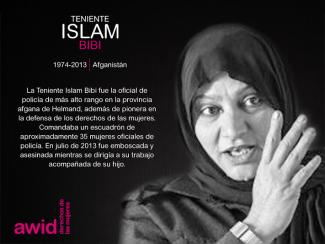
Islam Bibi
Esta sección de análisis especial ofrece un análisis feminista crítico y acceso a los recursos clave relacionados con la «protección de la familia» en los espacios internacionales de derechos humanos.
Durante los últimos años, venimos observando una nueva y preocupante tendencia en el ámbito internacional de derechos humanos, donde se están empleando discursos sobre la «protección de la familia» para defender violaciones cometidas contra miembros de la familia, de modo de reforzar y justificar la impunidad y para coartar la igualdad de derechos en el seno de la familia y la vida familiar.
La campaña para «proteger a la familia» es impulsada por proyectos conservadores que tienen como fin imponer interpretaciones «tradicionales» y patriarcales de familia; quitando los derechos de las manos de sus miembros para ponerlos en las de la institución «familia».
Desde 2014 un grupo de estados opera como bloque en espacios de derechos humanos, bajo el nombre «Group of Friends of the Family» [Grupo de amigos de la familia], y a partir de entonces se han aprobado resoluciones sobre la «Protección de la familia» todos los años.
Esta agenda se ha extendido más allá del Consejo de Derechos Humanos (HRC, por sus siglas en inglés). Hemos visto cómo el lenguaje regresivo sobre «la familia» se ha introducido en la Comisión de la Condición Jurídica y Social de las Mujeres (CSW, por sus siglas en inglés), y hemos asistido a intentos por incluir este lenguaje en las negociaciones sobre los Objetivos de Desarrollo Sostenible.
AWID trabaja con asociadxs y aliadxs para resistir conjuntamente las agendas regresivas de «Protección de la familia» y otras, y para defender la universalidad de los derechos humanos.
En respuesta a la creciente influencia de actores regresivos en los espacios de derechos humanos, AWID se ha unido con aliadxs para formar el Observatorio de la Universalidad de los Derechos (OURs, por sus siglas en inglés). OURs es un proyecto colaborativo que monitorea, analiza y comparte información sobre iniciativas anti-derechos tales como la «Protección de la familia».
Derechos en Riesgo, el primer informe de OURs, traza un mapa de los actores que conforman el cabildeo global anti-derechos e identifica sus discursos y estrategias principales, señalando los efectos que estos discursos y estrategias están teniendo sobre nuestros derechos humanos.
El informe expone a la «Protección de la familia» como una agenda que ha promovido la colaboración entre una amplia gama de actores regresivos en las Naciones Unidas. La describe como un marco estratégico que aloja «múltiples posiciones patriarcales y anti-derechos, cuyo marco, a su vez, apunta a justificar e institucionalizar estas posiciones».
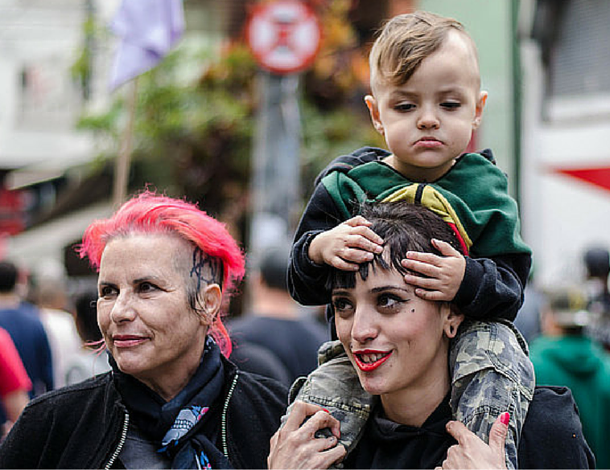
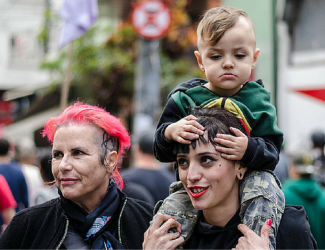
Te presentamos a Sabrina Sanchez, increíble mujer trans, migrante, trabajadora sexual, organizadora, transfeminista y una de las fundadoras del sindicato OTRAS.
Originaria de la Ciudad de México, emigró a España hace 17 años después de graduarse en comunicaciones y comenzó a trabajar como trabajadora sexual.
No pasó mucho tiempo antes de que se involucrara con el activismo trans y el activismo de trabajadoras sexuales en Barcelona. Después de unirse al colectivo Asociación de Profesionales del Sexo (Aprosex), comenzó a trabajar en su secretaría y fundó el sindicato español de trabajadoras sexuales OTRAS.
Actualmente vive en Ámsterdam, donde trabaja como coordinadora de la Alianza Europea de Trabajadoras Sexuales.
Dato divertido: ¡también es mecánica de automóviles y corredora!
En este Foro, vamos a celebrar y multiplicar las propuestas poderosas que nos rodean, en sus distintos estadios de evolución.
Мы стремимся в общей сложности получить 2000 ответов, что почти вдвое больше, чем в последнем опросе, проведенном в 2011 году.
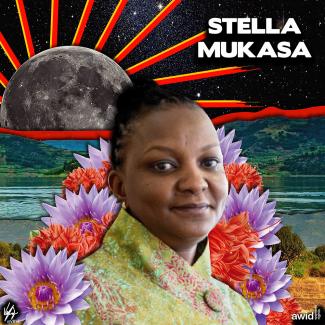
Stella a commencé sa carrière au ministère du Genre et du Développement communautaire en Ouganda. Elle œuvrait auprès des décideurs-euses politiques, pour encourager des réformes législatives, dont celle de la Constitution ougandaise en 1995 qui a entériné certaines des réformes les plus progressives pour les femmes dans la région.
Elle était adorée dans la région tout entière pour ses incessants efforts pour la création et l’application de lois et politiques sensibles au genre. Elle a joué un rôle clé dans l’ébauche de la loi sur les violences domestiques en Ouganda. Elle a aussi contribué à une mobilisation importante en faveur de Constitutions sensibles au genre à la fois en Ouganda et au Rwanda.
Par son travail au Centre international de recherches sur les femmes (International Center for Research on Women, ICRW), elle a abordé les thématiques de la violence à l’égard des enfants. Stella s’est attachée à renforcer les organisations locales qui luttent contre les violences basées sur le genre. Conférencière en Droits genrés et loi à l’université Makerere, elle a également siégé aux conseils d’administration d’Akina Mama wa Afrika, ActionAid International Uganda et l’Open Society Initiative for Eastern Africa.
作為對AWID論壇各方面可訪問性承諾的一部分,我們接受那些無法提交書面申請的個人/組織/團體提交自己的音頻或視頻等。
如果您選擇以音頻/視頻格式提交提案,請按照相同的順序回答活動申請表格中詳細的問題。
若您要提交音頻/視頻文件,請與我們聯繫,選擇“論壇活動徵集”作為電子郵件的主題。

Nous tenons à remercier les personnes qui ont contribué à ce projet et qui ont fourni de précieux conseils :
Se tiver alguma dúvida ou questão, entre em contacto connosco através deste formulário, indicando "Inquérito WITM" (WITM Survey) no título da sua mensagem.
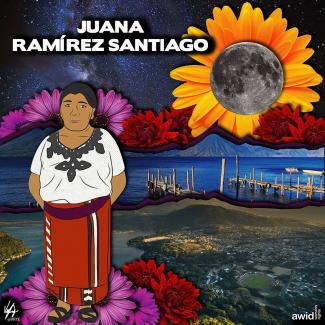
Juana was one of the founders and current Board Member of Red de Mujeres Ixiles de Nebaj, an Indigenous women’s rights organization that is a member of the Mesoamerican Initiative of WHRDs (IM-Defensoras).
She was also a midwife and a mother of 7 children. Juana had received death threats that were reported to the Prosecutor’s office. Juana is the third Indigenous WHRD murdered in the area during 2018. The Guatemala Ombudsman reports that a total of 20 HRDs were killed in the country this year.
Juana Ramírez Santiago was shot dead by unidentified attackers while crossing a bridge in Nebak, Quiché, Guatemala. Investigations to identify the perpetrators are ongoing.
A magical experience of feminist story telling led by pan-African feminist Coumba Toure, performing in the age old tradition of West African griots.
And we gathered again
We gathered our stories our strength
our songs
our tears
our rage
our dreams
our success
our failures
And we pull them all together
In one big bowl to share
for a moon of thoughts
And we stay in touch
We shake each others minds
we caress each other souls
While our hands still are tied
And our kisses and hugs are banned
Yet we grow stronger by the hour
Weaving together our voices
Crossing the sound barriers
as we speak in tongues
We are getting louder and louder
We know about differences from others
and from each other so we are stitching our beauties into patchwork or thoughts
From our deepest learnings from our powers
Sometimes we are surrounded by terror
by confusions by dishonesty
But we wash out in the Ocean of love
We are weavers of dreams
To clothes or new world
Thread after thread
As small as we are
Like little ants building our movement
Llike little drops building our rivers
We take steps forward and steps backward
Dancing our way back to sanity
Sustain to the rhythm of our hearts keep
Beating please don't not stop
And we are here transmitter of forgotten generosity
drop after drop growing like the ocean
growing like the river flowing from our souls .
showing our strength to be the water
that will clean this world
and we are gathering again can you feel us
I would lie if I say I said I am
Ok not to see you I do miss my people
I miss your touch and
You unfiltered and unrecorded voices
I miss our whispers and our screams
Our cries of the aborted revolution
We only want to give birth to new worlds
So fight to erase the borders between us
And we gathered again
We gathered our stories our strength
our songs
our tears
our rage
our dreams
our success
our failures
And we pull them all together In one big bowl to share
For a moon of thoughts
And we stay in touch
We shake each others minds
we caress each other souls
While our hands still are tied
And our kisses and hugs are banned
Yet we grow stronger by the hour
Weaving together our voices
Crossing the sound barriers
as we speak in tongues
We are getting louder and louder
We know about differences from others
and from each other so we are stitching our beauties into patchwork or thoughts
From our deepest learnings from our powers Sometimes we are surrounded by terror by Confusions by dishonesty
But we watch out in the Ocean of love
We are weavers of dreams
To clothes or new world
Thread after thread
As small as we are like little ants building our movements
like little drops building our rivers We take steps forward and steps backward
dancing our way back to sanity
Sustain to the rhythm of our hearts
keep beating please don't not stop
And we are here transmitter of forgotten generosity
Drop after drop growing like the ocean
growing like the river flowing from our souls
showing our strength to be the water
that will clean this world
and we are gathering again can you feel us
I would lie if I I said I am Ok
not to see you
I do miss my people
I miss your touch and
You unfiltered and unrecorded voices
I miss our whispers and our screams
Our cries over the aborted revolutions
We only want to give birth to new worlds
So fight to erase the borders between us
Please don’’t stop
所有參與者的AWID論壇註冊費包括:
Listen to this story here:
by Maryum Saifee
When you do a search for “Female Genital Mutilation” or “FGM” online, an image of four line-drawings of the female anatomy pop up next to its Wikipedia entry. (...)
artwork: “Dreams” by Neesa Sunar >
La communauté AWID est une plateforme en ligne de réseautage social conçue tout spécialement pour l’AWID. Espace féministe ayant vocation à connecter, résister et célébrer, c’est un endroit où les conversations féministes critiques, le pouvoir et la puissance du collectif et la solidarité sont à l’œuvre. Cet espace est également ouvert pour dialoguer après les différents événements, pour penser, assimiler, digérer les apprentissages politiques difficiles, et pour prendre soin de la communauté.
Devenez membre de l’AWID pour pouvoir faire partie de la Communauté AWID dès aujourd’hui.
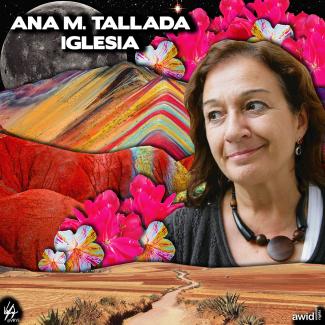
Ana fue una firme defensora de los derechos de las mujeres y trabajó con una amplia diversidad de mujeres, desde aquellas que están redes de base hasta las que son parte del sector privado.
Creía que había que tender puentes entre sectores. Ana fue integrante de la Red Nacional de Promoción de la Mujer (RNPM), y tuvo participación activa en el desarrollo de muchos programas sociales que abordan temas como la salud y los derechos sexuales y reproductivos.
ترجمة مارينا سمير
 |
أكوسوا هانسون، فنانة وناشطة مقيمة في أكرا في غانا. تشمل أعمالها على ميادين الإذاعة والتلفزيون ووسائل الإعلام المطبوعة والمسرح والأفلام ومعارض القصص المصورة والأعمال الفنية ثُلاثية الأبعاد والروايات المصورة. تتمحور نشاطية أكوسوا حول قضايا الوحدة الأفريقية والنسوية، مع اهتمام خاص بتقاطع الفن مع الثقافة الشعبية والنشاطية. حائزة على ماجستير في الفلسفة في الدراسات الأفريقية، مع التركيز على الدراسات الجندرية والفكر الفلسفي الأفريقي. أكوسوا مبتكرة مود جيرلز، وهي سلسلة روايات مصورة، تتابع مغامرات أربعة أبطال خارقين يقاتلون من أجل إفريقيا خالية من الفساد والاستعمار الجديد والأصولية الدينية، وثقافة الاغتصاب ورهاب المثلية الجنسية وغير ذلك. تعمل كمذيعة في Y 107.9 FM، غانا. |
في هذه الرسومات، تنخرط فتاة القمر وادجيت في ممارسة حميمية مع شيطان ثنائي الجندر. من بين فتيات القمر الأربعة، وادجيت هي المُعالِجة والفيلسوفة ووسيطة العرّافة. هي تقوم بذلك من أجل إطلاق عملية علمية وروحية، تُطلِق عليها تسمية «الاستنارة بضوء البدر». خلال هذه العملية، تشكّل تسلسلاً زمنياً حيّاً بين ذكرياتها وحواسها ومشاعرها ورؤاها وخيالاتها. إنّها أحد أشكال السفر عبر الزمن من خلال الذبذبات، من أجل اكتشاف ما تُسميه «تجلّيات الحقيقة». أثناء التجربة، تتضمّن إحدى رؤى وادجيت الضبابية اقتراب نهاية العالم نتيجة تدمير الناس للبيئة في خدمة الرأسمالية الشرهة؛ وذكرى طفولة حول دخول المستشفى بعد التشخيص بمرض نفسي؛ ورؤية لأصل قصّة فتيات القمر يظهر فيها الرمز التوراتي نوح، كفتاة قمر سوداء من عصر قديم تحذّر من أخطار التلوث البيئي.
تمتدّ ممارسات الـ»بي دي إس إم» إلى أبعد من كونها كينك مرح يقود لاستكشافات حسّية، فبإمكانها أن تكون طريقة للتعامل مع الألم العاطفي والصدمات. لقد كانت وسيلةً للتعافي الجنسي بالنسبة لي، بتقديمها نمط للتحرّر الجذري. تطهيرٌ ما، يحدث، عند وقوع ألمٍ مادّي على الجسد. يقع هذا الألم في وجود تراضٍ، فيستخرج ألمًا عاطفيًا، كما لو كان «يستدعيه». نزول السوط على جسدي يسمح لي بتحرير مشاعر مكبوتة: توتّر، اكتئاب، شعوري بغياب دفاعاتي في وجه ضغوطاتٍ تُغرقني أحيانًا. عند الانخراط في الـ»بي دي إس إم» كسبيل للتعافي، على العشّاق أن يتعلّموا كيف يكونون شديدي الوعي ببعضهم البعض، ومسؤولين عن بعضهم البعض. فحتى لو كانت الموافقة قد أُعطيت في البداية، علينا أن نكون منتبهين لأيّ تغيّرات قد تطرأ أثناء الممارسة، خاصةً مع احتدام المشاعر. أتعامل مع الـ»بي دي إس إم» بفهمٍ لأنه ينبغي أن يكون الحبّ والتعاطف أساسًا لعملية الاستسلام للألم، وبذلك أخلق مساحة أو أنفتح للحبّ.
إن الاهتمام برعاية ما بعد وقوع الألم يُعَدّ استكمالًا للعملية. يمكن لذلك أن يحدث بطُرُقٍ بسيطة جدًا مثل الاحتضان، التأكّد ممّا إذا كان الآخر يرغب في شرب الماء، مشاهدة فيلمٍ معًا، مشاركة عناق أو حتى مشاركة سيجارة حشيش. يمكن لهذه الرعاية أن تمتثل لأيّ ما كانت عليه لغة حبّك المُختارة. مع إدراك أنّ جروحًا قد فُتِحَت، تُعَدّ هذه المساحة من الاحتواء ضرورية من أجل استكمال عملية التعافي. إنّه أكبر درسٍ في ممارسة التعاطف وتعلّم كيف تحتوي شريكك/ شريكتك حقًا، نظرًا لحساسية تمييع الحدود الفاصلة بين الألم والمتعة. بهذه الطريقة، يصبح الـ»بي دي إس إم» أحد أشكال أعمال الرعاية بالنسبة لي.
بعد ممارسة جنسية فيها ممارسات «بي دي إس إم»، أشعر بصفاء ذهني وهدوء يَضَعاني في مساحة إبداعية عظيمة ويمكّناني روحيًا. مشاهدة الألم يتحوّل آنيّاً لشيء آخر هي أشبه بتجربة سحرية. وبالمثل، تجربة الـ»بي دي إس إم» المحرِّرة على المستوى الشخصي تسمح لوادجيت بالوصول إلى المعرفة المُسبَقة والحكمة والصفاء الذهني مما يساعدها في واجباتها كفتاة قمر في مواجهة الأبوية الأفريقية.
وُلِدَت «فتيات القمر» أثناء عملي كمديرة لـ»دراما كوينز»، وهي منظمة فنّية شبابية ناشطة في غانا. منذ تأسيسنا في 2016، استخدمنا وسائط فنّية مختلفة كجزءٍ من عملنا الناشطي النسوي والبيئي والعموم- أفريقي. استخدمنا الشِعر والقصص القصيرة والمسرح والأفلام والموسيقى لمناقشة قضايا مثل الفساد والأبوية والتدهور البيئي ورهاب المثلية الجنسية. ناقَشَت أعمالنا المسرحية الافتتاحية مثل «خَيّاطة شارع سان فرانسيس» و»حتى يفيق أحدهم» مشكلة ثقافة الاغتصاب في مجتمعاتنا. كما يُزعم أن «مثلنا تمامًا» كانت من أوائل الانتاجات المسرحية في غانا التي تناقش بشكل مباشر قضية رهاب المثلية الجنسية المتغلغلة في البلد. كما ساهمت «جامعات غانا الكويرية»، وهي ورشة لصناعة الأفلام الكويرية لتدريب صنّاع الأفلام الأفارقة، في تدريب صنّاع أفلام من غانا ونيجيريا وجنوب أفريقيا وأوغاندا. وعُرِضَت الأفلام المصنوعة في الورشة في مهرجانات، مثل فيلم «فتاة رضيعة: قصة شخص بيني الجنس». ولذلك، فإنّ الانتقال إلى وسيط الروايات المصوّرة هو تطوّر طبيعي.
منذ حوالي سبع سنوات، بدأتُ بكتابة رواية لم أكملها أبدًا عن حياة أربع نساء. في عام 2018، فتحت «مبادرة المجتمع المفتوح لغرب إفريقيا» (OSIWA) فرصة مِنحة أطلقت إنتاج المشروع وتحوّلت روايتي غير المكتملة إلى فتيات القمر. هناك جزءان من فتيات القمر، يتكوّن كلّ منهما من ستّة فصول. الكُتّاب والمحرّرون المساهمون في الموسم الأول هم سوهايدا دراماني، وتسيدي كان تاماكلوي، وجورج هانسون، ووانلوف كوبولور. كتّاب الموسم الثاني هم يابا أرما ونادية أهيدجو وأنا. قام الفنان الغاني كيسوا وستوديو «أنيماكس إف واي بي»، وهو ستوديو رسوم متحرّكة وتصميمات وتأثيرات بصرية، بالرسوم التوضيحية للشخصيات وصياغتها مفاهيميًا.
لقد كانت كتابة فتيات القمر، بين 2018 و2022، عملَ حبٍّ بالنسبة لي، بل بالأحرى، عمل من أجل التحرّر. أهدف أن أكون مجدِّدة في الشكل والأسلوب: لقد اهتممت بتحويل أنماطٍ أخرى من الكتابة، مثل القصص القصيرة والشِعر، لتلائم بنية القصص المصوّرة. تستهدف فتيات القمر مناقشة القضايا الكبرى وتكريم النشطاء الموجودين في الحياة الحقيقية، من خلال إدماج الرسومات والنصوص، كما يحدث في القصص المصوّرة عادةً. قراري بمركزة النساء الكوير كبطلات خارقات، وهو أمر نادر الحدوث في هذا النوع من الفن، أصبح له معنى أكبر بكثير عندما بدأ يتطوّر أمر خطير في غانا في عام 2021.
شهد العام الماضي تصاعد في وتيرة العنف ضد مجتمع الميم عين في غانا، والتي بدأت بإغلاق أحد مراكز مجتمع الميم عين. أعقب ذلك اعتقالات تعسفية وسجن أشخاص مشكوك في انتمائهم للطيف الكويري، كذلك أشخاص متّهمين بالدفع بـ»أجندة مثلية». تُوِّج ذلك بتقديم مشروع قانون ضد الميم عين في البرلمان الغاني تحت إسم «حقوق الإنسان الجنسية اللائقة وقِيَم الأسرة الغانية». يُزعم أن هذا المشروع هو أكثر مشاريع القوانين توحشًا ضد الميم عين كان قد صيغ في المنطقة، وقد أتى لاحقًا على محاولات سابقة في بلاد مثل نيجيريا وأوغندا وكينيا.
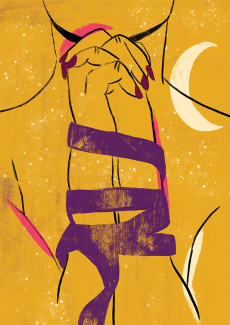
أتذكّر بمنتهى الوضوح أول مرّة قرأت فيها مسودة مشروع القانون. لقد كانت ليلة جمعة، والتي عادةً ما أستريح أو أحتفل فيها بعد أسبوع عمل طويل. لحسن الحظ، سُرِّبت المسودّة وتمّت مشاركتها معي على مجموعة واتساب. أثناء القراءة، تسلّل إليّ شعور عميق بالخوف والتوجّس مما أفسد ليلة استراحتي.
اقترح المشروع معاقبة أيّة مناصرة للميم عين بالسجن من خمس لعشرة سنوات، وبتغريم وحبس أي شخص يُعرّف نفسه باعتباره مثلي أو مثلية أو عابر أو عابرة جنسيًا أو ينتمي لأية فئات جنسية أو/وجندرية غير نمطية، إلا إذا «تراجع» وقَبِل الخضوع لعلاج تصحيحي. في مسودة مشروع القانون، حتى اللاجنسيين جُرِّموا. انقضّ مشروع القانون على جميع الحرّيات الأساسية: حرّية الفكر وحرّية الوجود وحرّية أن يتمسّك الشخص بحقيقته ويعيش بها. انقضّ مشروع القانون أيضًا على منصّات التواصل الاجتماعي والفنّ. لو مُرِّر هذا المشروع، ستصبح فتيات القمر عملاً أدبياً محظوراً. ما تقدّم به مشروع القانون كان شرًا خالصًا وبعيد المدى، لقد صُدِمت لدرجة الاكتئاب من عمق الكراهية التي صُنِع منها هذا المشروع. أثناء تصفّحي موقع «تويتر» تلك الليلة، وجدتُ انعكاسًا للرعب الذي شعرت به بداخلي. لقد كان هناك بثًا مباشرًا للمشاعر، حيثُ كان يتفاعل الناس فوريًا مع ما يقرأونه: من عدم تصديق إلى رعب إلى خيبة أمل شديدة وشعور بالأسف عندما أدركنا المدى الواسع الذي رغب المشروع في الانقضاض عليه. البعض غرّدوا عن استعدادهم لجمع ما لديهم والرحيل عن البلاد. بعدها، وكعادة الغانيين، تحوّل الأسف والخوف لدعابة. ومن الدعابة أتى الحماس لتصعيد المقاومة.
لذلك، فالعمل مستمرّ. لقد صنعتُ فتيات القمر لتوفير شكلٍ بديلٍ من التعليم، ولتوفير المعرفة حيثُ قمَعَتها أبوية عنيفة، ولخلق مساحة ظهور لمجتمع الميم عين حيثُ تمّ محوه. من الضروري أيضًا أن يحصل الـ»بي دي إس إم» الأفريقي على منصّة لإظهاره حيثُ أنّ الكثير من الـ»بي دي إس إم» المُمثَّل أبيض. إن المتعة الجنسية، سواء من خلال الـ»بي دي إس إم» أو غيره، مثلها مثل أنماط الحبّ اللامغاير جنسيًا، تتخطى العرق والقارّة، فالمتعة الجنسية وتنوّع خبراتها قديمة بقِدَم الزمن.

This journal edition in partnership with Kohl: a Journal for Body and Gender Research, will explore feminist solutions, proposals and realities for transforming our current world, our bodies and our sexualities.

نصدر النسخة هذه من المجلة بالشراكة مع «كحل: مجلة لأبحاث الجسد والجندر»، وسنستكشف عبرها الحلول والاقتراحات وأنواع الواقع النسوية لتغيير عالمنا الحالي وكذلك أجسادنا وجنسانياتنا.
AWID論壇不僅是一個活動,更是我們女權主義現實實踐之旅的一部分。有許多空間可以供參會者在線和離線地聚集在一起,用於共享、討論、制定戰略和共同創建女權主義現實實踐。
在論壇之前瞭解有關女權主義現實實踐之旅的更多信息。(In English) 加入我們的郵件列表,可隨時關注論壇結束後的公告!
我們正在探索以虛擬的方式參與論壇,而且會即時地分享信息一旦我們確定可以提供任何信息。