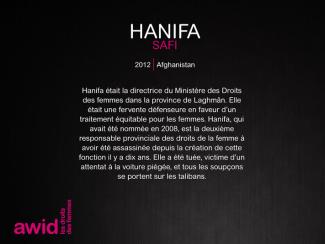
Hanifa Safi

En septiembre de 2016, 1800 feministas y activistas por los derechos de las mujeres de todos los rincones de nuestros movimientos se congregaron en las costas de Bahia, en el 13º Foro Internacional de AWID.
En esta sección se destacan los logros, los aprendizajes y los recursos que surgieron de las ricas conversaciones mantenidas. Te invitamos a analizar, compartir y comentar.
Uno de los aportes más importantes del Foro fue la necesidad de ampliar y profundizar nuestro trabajo entre movimientos, frente a la confluencia de los fascismos en auge, fundamentalismos, codicia corporativa y cambio climático.
Nuestras Iniciativas Semilla han ayudado a 20 ideas que surgieron en el Foro para crecer en forma de acciones concretas
El vídeo «Defendiendo a las Personas y al Planeta» y la guía «Tejiendo la resistencia a través de la acción» estan protagonizados por defensoras de derechos humanos y presentan estrategias concretas para confrontar al poder corporativo
Con nuestras animaciones El estado de nuestros movimientos feministas y Justicia climática y ambiental, los movimientos ahora tienen herramientas creativas para apoyar su trabajo.
La compilación de las expresiones artísticas «Los Movimientos Importan», sigue inspirando una organización más fuerte y creativa en todo el mundo.
Los movimientos también pueden beneficiarse de nuevas metodologías para imaginar nuestros futuros feministas (¡pronto!)
AWID se ha comprometido, mediante su próximo plan estratégico y su proceso del Foro, a continuar y profundizar las relaciones, las lecciones y los procesos iniciados en el Foro 2016 y basándonos en el momento actual.
Los Foros de AWID comenzaron en 1983 en Washington DC. Desde entonces, el evento ha crecido hasta convertirse en muchas cosas para muchas personas: un proceso iterativo para darle forma a nuestros análisis, objetivos y acciones; un hito crucial que fortalece los feminismos de lxs participantes e infunde energías a sus procesos de organización; un hogar político donde lxs defensoras de derechos humanos encuentran un santuario y solidaridad.
O nosso objetivo é alcançar um total de 2000 respostas, quase o dobro do último questionário WITM em 2011.
Related Content
Al Jazeera: Shifa Gardi: Tributes paid to reporter killed in Mosul
BBC News: Mosul Battle: Kurdish reporter Shifa Gardi killed in Iraq

 |
Jurema Araújo es una profesora y poeta de Río de Janeiro. Colaboró con la revista Urbana, editada por los poetas Brasil Barreto y Samaral (que en paz descanse) y con el libro Amor e outras revoluções con una variedad de escritorxs. En colaboración con Angélica Ferrarez y Fabiana Pereira, coeditó O livro negro dos sentidos, una antología creativa sobre la sexualidad de las mujeres negras de Brasil. Jurema tiene 54 años, tiene una hija, tres perras, una gata y un montón de amistades. |
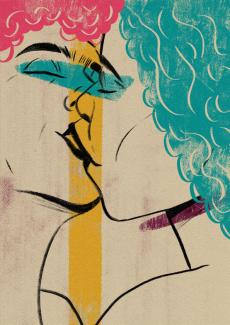
¿Lo chupas conmigo?El mango es mi fruta favorita. |
Chupa Comigo?A fruta que eu mais gosto é manga! |
Lo voy a admitir: cuando Angélica y Fabi me invitaron a ser curadora de una colección de textos eróticos de mujeres negras, no sabía qué era la curaduría. Entendía bien lo erótico, pero la curaduría… Sonreí, sintiéndome cohibida y halagada. Creo que les agradecí –al menos espero haberlo hecho– y pensé: ¡¿qué mierda es eso?! Esta palabra elegante de la que tendría que aprender el significado mientras lo hacía, ¿qué es?
A estas alturas, ya sé qué significa ser curadora: es hacer el amor con los textos de otra persona, con el arte de otra persona, con la intención de armar un libro. Y eso es exactamente lo que hice. Desnudé cada texto de cada autora de este libro con lascivia literaria. Y me involucré en las palabras y los sentidos de otras. Fui penetrada por poemas que no escribí; historias que ni siquiera me atrevía a imaginar me dieron vuelta, metiéndose con mis sentimientos, con mi libido. Y fue un maravilloso y extraordinario orgasmo: etéreo, corporal, sublime, al mismo tiempo intelectual y sensible.
Estos textos palpitaban como un clítoris endurecido por el deseo, empapados, chorreando placer en cada lectura. Palabras que me tragaron con su significado pícaro, haciéndome sumergirme más profundamente en este universo húmedo.
Estas mujeres negras fueron hasta el fondo de su excitación y convirtieron en arte sus fantasías eróticas más profundas. Estos trabajos están impregnados con la forma propia de cada escritora de vivir la sexualidad: libremente, negra, para nosotras, a nuestra manera, empoderadas.
Elegí desplegar los textos a lo largo de diferentes partes del libro, cada una organizada de acuerdo al contenido más delicado, explosivo, evidente o implícito que presentaban.
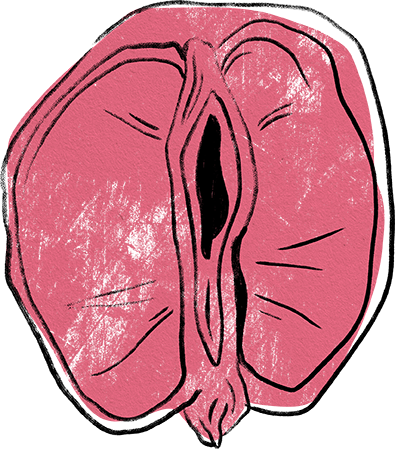
Para abrir la puerta a esta «esencia negra invulvolucrada» tenemos nuestra sección Preliminares, con textos que introducen a lxs lectorxs a este mundo de deleites. Es una caricia delicada general para presentar los temas abordados por los textos en el resto del libro.
Luego viene el calor de Tacto, abordando lo que puede sentir la piel. Esa energía que quema o congela nuestros cuerpos, hace que nuestras hormonas exploten y comienza a despertar a los otros sentidos. Y aunque muchxs somos voyeurs, el contacto de la piel con una boca húmeda y cálida es excitante, como recorrer la suavidad de quien sea que esté contigo. Nos seduce un contacto firme o suave que nos produce piel de gallina y esa hermosa incomodidad que corre desde el cuello bajando por la espalda y sólo se detiene al día siguiente. Y el calor de los labios, la boca, la lengua húmeda en la piel –oh, la lengua en la oreja, hmmm– o piel sobre piel, las ropas moviéndose sobre el cuerpo, casi como una extensión de la mano de lx otrx. Si no hay urgencia, esa excitación más salvaje de la presión de un agarre fuerte, un poco de dolor, o mucho, quién sabe.
La sección Sonido –¿o melodía?– nos muestra que la atracción también sucede a través de oir: la voz, los susurros, la música que permite la conexión entre los cuerpos y puede convertirse en tema de deseo. Para algunxs, alguien con una voz hermosa sólo necesitaría sus cuerdas vocales, porque ese sonido áspero, o pesado o melodioso sería sexo auditivo. Sus insultos en voz alta o sus palabras dulces susurradas al oído serían suficiente para darnos escalofríos desde el cuello al coxis.

En Sabor, sabemos que la lengua hace un buen trabajo saboreando los lugares más escondidos y recorriendo el cuerpo para deleitarse. A veces este órgano es utilizado, descaradamente, para saborear el néctar de lx otrx. La idea de alguien compartiendo su frutilla o un delicioso mango jugoso a mordiscos y lamidas –o lamidas y mordiscos– nos derrite. Pero nada es más delicioso que saborear las cuevas y colinas de la persona con la que estás. Hundir la lengua hasta el fondo para saborear un trozo de fruta… o pasar horas saboreando la cabeza de una verga en tu boca, o chupar un pecho delicioso para saborear los pezones. Se trata de memorizar a alguien por su Sabor.
Hay textos en los cuales es la nariz lo que dispara el deseo. El Aroma, mis queridxs lectorxs, puede despertarnos a los deleites del deseo. A veces conocemos a una persona que huele tan bien que queremos tragarla directamente por la nariz. Cuando recorres el cuerpo de la otra persona con tu nariz, comenzando por el cuello, ¡guau, qué escalofrío deliciosamente incómodo que corre por la espalda y desnuda el alma! La desvergonzada nariz entonces va hacia la parte de atrás del cuello y captura la esencia de lx otrx de tal manera que en ausencia de esa persona, oler su misma esencia evoca, o al contrario, nos invade con memorias olfativas que traen de nuevo el excitante aroma de esa persona.
Después llegamos a Mirada –para mí, el traidor de los sentidos–, en el cual percibimos el deseo desde un punto de «vista». Es a través de la vista que los textos presentan el deseo y la excitación, a través de los cuales se provocan los otros sentidos. A veces una sonrisa es todo lo que hace falta para enloquecernos. ¿El intercambio de miradas? Esa mirada que dice «Te quiero». Esa mirada de posesión que llega a su fin cuando dejas de coger, o no. Esa es muy especial; atrae a lx otrx que no será capaz de apartar la mirada por mucho tiempo. ¿O la mirada de reojo, cuando unx mira para otro lado cuando lx otrx gira su cabeza, como un juego del gato y el ratón? Una vez que nos atrapan con las manos en la masa, no hay nada más que hacer salvo desplegar una amplia sonrisa.
Finalmente, la explosión. Recorriendo Todos los sentidos, los textos mezclan sentimientos que parecen como una alerta, así que ahí está el mayor placer, ese orgasmo.
Por supuesto, no hay nada que separe explícitamente estos poemas y relatos. Algunos son sutiles. La excitación involucra a todos nuestros sentidos y, lo más importante, a nuestras cabezas. Ahí es donde sucede, y conecta todo nuestro cuerpo. Organicé los poemas según cómo me llegaron en cada lectura. Sientan la libertad de no estar de acuerdo. Pero para mí, hay un sentido a través del cual va el deseo y luego explota. Es exquisito darse cuenta de cuál es.
Ser capaz de convertir la excitación en arte significa liberarnos de todo el prejuicio, prisiones, y estigma en los que nos ha atrapado esta sociedad centrada en la blanquitud.
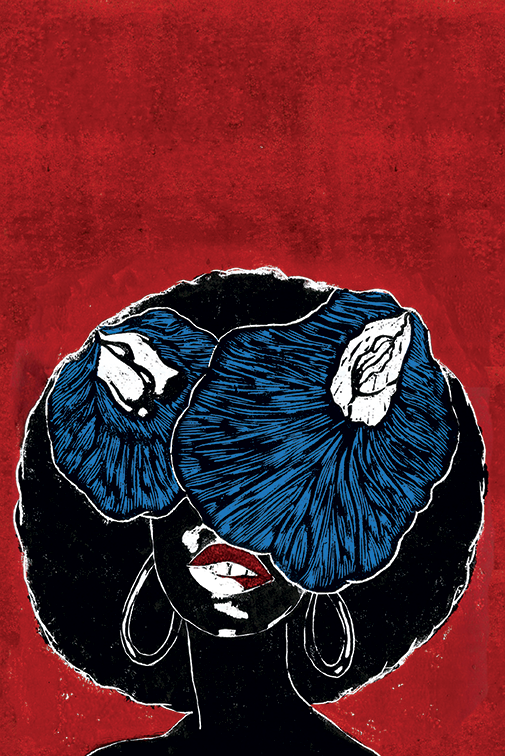
Cada vez que una escritora negra transforma lo erótico en arte, rompe estas dañinas cadenas racistas que paralizan su cuerpo, reprimen su sexualidad y nos convierten en el objeto de la codicia de otrxs. Escribir poesía erótica es recuperar el poder sobre su propio cuerpo y pasear sin miedo por los placeres del deseo por sí misma, por otrxs, por la vida.
Lo erótico literario es quiénes somos convertido en arte. Aquí mostramos lo mejor de nosotrxs, nuestras visiones del amor empapado por el placer, sazonado por lo erógeno, extendido por nuestros cuerpos y traducido por nuestra conciencia artística. Somos múltiples y compartimos esta multiplicidad de sensaciones en palabras que chorrean excitación. Sí, incluso nuestras palabras chorrean nuestro deseo sexual, empapando nuestros versos, convirtiendo nuestras urgencias sexuales en párrafos. Acabar/correrse, para nosotras, es un descubrimiento.
Es necesario hacer que nuestras mentes, nuestros cuerpos y nuestra sexualidad sean negras, restaurar nuestro placer, y recuperar nuestros orgasmos. Solo entonces seremos libres. Todo este proceso es un descubrimiento y tiene lugar dolorosamente. Pero hay felicidad en descubrir que somos muy diferentes del lugar donde nos habían puesto.
Siento que soy de ustedes, que soy nuestra. Saboreen, deleitense, tengan un festín con estas hermosas palabras junto a nosotras.
Este texto es una adaptación de la introducción a “O Livro Negro Dos Sentidos” [El libro negro de los sentidos], una colección de poemas eróticos de 23 escritoras negras.

Esta edición en alianza con Kohl: una publicación para Body and Gender Research analizará soluciones, propuestas y realidades feministas para transformar nuestro mundo actual, nuestros cuerpos y nuestras sexualidades.

نصدر النسخة هذه من المجلة بالشراكة مع «كحل: مجلة لأبحاث الجسد والجندر»، وسنستكشف عبرها الحلول والاقتراحات وأنواع الواقع النسوية لتغيير عالمنا الحالي وكذلك أجسادنا وجنسانياتنا.
Ya está disponible nuestro primer programa del Club de Cine Feminista: «Tenderness is the Sharpest Resistance» [«La ternura es la resistencia más intensa»], que es una serie de películas sobre realidades feministas de Asia-Pacífico curada por Jess X. Snow.
Contenido relacionado
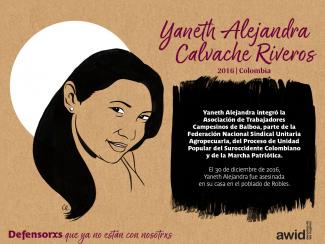
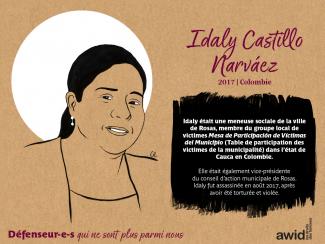
C.R.I.C Consejo Regional Indígena del Cauca: Cauca: Denuncian Nuevo Homicidio de una Defensora de Derechos Humanos
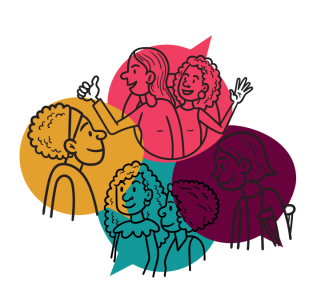
Los movimientos feministas han cambiado y se han adaptado enormemente desde la última vez que nos reunimos de esta manera - así que para recordar por qué son importantes los Foros de AWID, pedimos a activistas de todo el mundo que reflexionaran y compartieran sus historias, impresiones y recuerdos. Esto es lo que aprendimos.
La liga conspirativa de escritorxs | Wazina Zondon
 |
 |
 |
| Conocida también como la Red Teta Research, la liga conspirativa de escritorxs se fundó en 2021 en el contexto de los círculos de escritura semanales de Kohl. La Red consiste en un grupo transnacional de escritorxs queer y feministas que participan en procesos colectivos de escritura, reflexión y creación de universos. | Wazina Zondon es una afgana criada en Nueva York. Su trabajo de colección de historias y de narración se centra en las memorias y ritos colectivos de iniciación en la diáspora. Actualmente, trabaja en Faith: in Love/faith in love, donde (re)rastrea la historia de amor de su madre y su padre y la huella amorosa heredada de la familia. |
El amor es contrabando en el infierno,
porque el amor es ácido
que devora las rejas.
Pero tú, yo y el mañana
nos tomaremos de las manos y haremos votos
para que la lucha se multiplique
La sierra de arco tiene dos cuchillas.
La escopeta tiene dos cañones.
Estamos preñadxs de libertad.
Somos una conspiración.
Es nuestro deber luchar por la libertad.
Es nuestro deber ganar.
Debemos amarnos y apoyarnos mutuamente.
No tenemos nada que perder, salvo nuestras cadenas.
- «Amor» por Assata Shakur

Esta es la pregunta que se hace Wazina Zondon en sus memorias colectivas Loveprint (Improntas de amor). Loveprint es un deambular, una superposición, una desviación que (re)crea, en la intersección entre entrevistas y ensayos personales, las historias y reflexiones de nuestra familia sobre el amor, la pareja y el romance. Guiadxs por Wazina, la liga conspirativa de escritorxs se reunió e intentó reproducir literalmente este proyecto en forma de escritura colectiva, donde nuestras historias, nuestros géneros e identidades sexuales se complementan y contradicen entre sí. Con nuestras voces superponiéndose, fuimos completando las oraciones de lxs otrxs para crear una conversación, un memorial, pedazos de nosotrxs mismxs que hablan de unx «nosotrxs».
Soy lo que han llamado un «accidente feliz». Se ha dicho mucho sobre esto: una vida imprevista que al mismo tiempo es totalmente deseada. Siento que esto moldeó mi forma de amar; no solo me enamoro, también me arriesgo a los resbalones que llevan a las caídas. Quizá fue esto lo que me convirtió en un tipo de persona amor fati.
Me dijeron que era una niña no deseada. Así que crecí hasta convertirme en una adulta no deseada. Los orígenes de mi huella de amor se basan en ser no deseada permanentemente. No soy fruto del amor ni de ningún sentimiento feliz; soy, más bien, dolor y carga. No tengo una impronta amorosa, al menos no en este sentido.
Sé con certeza que mis padres estuvieron enamoradxs en algún momento, pero la salud mental es un demonio, y hasta que unx no se enfrenta a sus demonios,
no hay quien gane.
Nunca asociaré el «amor» con mis padres o con la familia normativa. El amor bajo el que crecí fue un amor lleno de violencia y de responsabilidades que no busqué o para las que ni siquiera estaba preparada. Durante mucho tiempo sentí que la vida y el amor consistían en cargar una roca gigante cuesta arriba. Si bien mis padres «se amaban», crecí en un ambiente tóxico de violencia, celos e inseguridad. Crecí anhelando estabilidad; y esto es lo que soy ahora. Soy una persona que se arriesga pero nunca en mi «espacio de amor».
No sé por qué mi madre eligió albergar a una niña (yo) dentro de ella
Ella no ama de esta forma.
Mi madre me dice que si tengo que pensar en «encontrar» el amor, que nunca tome su matrimonio como modelo. Mi huella de amor proviene en cambio de mi crianza de perros durante las últimas dos décadas (18 años para ser precisa). Al revés también es cierto: me criaron. En su compañía entiendo cada vez más sobre el amor y sus múltiples capas.
No he conocido el amor por una «huella». En nuestra casa no hablábamos de amor. Tuve que enseñarme a mí misma a amar. Fue un trabajo arduo. Aún así, fallo y sigo intentándolo, y fallo todos los días. Quizá el fracaso sea mi impronta de amor.
Mi impronta de amor es el cuidado, la calidez y la comprensión que
doy a quienes me rodean, sea unx extrañx, unx amigx,
unx familiar, unx amante.
Mi impronta de amor es política – no es calculada ni pensada.
Nací bajo un fuerte bombardeo.
Mi impronta de amor es
lo opuesto a eso.
Sé más de lo que no es el amor que de lo que es.
El amor no es ni ansiedad ni pánico.
El amor no es pedir permiso para vivir o respirar. Siempre se trata del amor, y no hay amor sin libertad.
Todo lo que haces tiene que ver con usar tu corazón, excepto el amor. El amor consiste en utilizar tu cabeza.
A veces temo que mi idioma de amor se pierda con la traducción.
--- Hay muchas maneras
de trazar los orígenes
de cómo
cómo no
amar
no amar
amar lo justo
amar demasiado
algo de amor
alguna pérdida
amar
amar lo perdido ---
No soporto la idea de la pareja. Tampoco soporto la idea de vivir sola mientras envejezco. Estoy cansada de hacer los quehaceres sola, de mudarme de casa sola, de pagar el alquiler y las cuentas sola... Me imagino que me da un ACV sola y me da miedo. No tengo planes de «ponerme en pareja». Quiero un mundo en el que pueda casarme con unx amigx, comprar una casa con unx amigx, no tener sexo.
Amar a muchxs personas no corrompe un amor
compartido entre dos; y que el amor sea romántico
o no, realmente no es tan importante.
Cuando reflexiono sobre el deplorable estado de mis relaciones, me doy cuenta de que estoy en la relación para la que me prepararon. Con toda mi «radicalidad» todavía no he desaprendido las normas de género de mierda.
Mi necesidad de estabilidad se siente «muy poco radical». Quiero salir de este etiquetado. Quiero algo que nunca tuve. Quiero que sea hermoso. Quiero sentirme hermosa y segura, y sólo la estabilidad me hace sentir eso. Segura, sana, sabiendo que el hogar no tiene que ver ni con la violencia ni con la discordia.
--- Impronta amorosa – amo oler los libros ver dónde
se imprimieron
Intento pensar en el origen de mi comprensión
y práctica del amor
¿Necesitamos el origen, no es lo mismo que la pureza?
No hay pureza ni origen del amor.
¿Por qué la comprensión y la práctica vienen
a la mente y no la «emoción»? ---
Cuando llamo a mis padres, no cuelgo el teléfono después de despedirnos,
de esa manera puedo escuchar los sonidos del hogar.
Durante mi entierro suní, quiero que todas las mujeres y los hombres acudan juntxs a mi entierro. ¿Qué es eso de no poder ir a despedirse de lxs muertxs de otro sexo? Será suní porque mi madre querría que lo fuera. Será ecológico: una lápida no será necesaria. Me encantan todos los rituales de entierro. El Corán está bien, pero además quiero música. Me gustan mucho Asmahan, Um Kulthum y The Stone Roses.
Tengo una lista de reproducción de lunes a viernes, y dos diferentes para los fines de semana: una para los sábados, y otra para los domingos. Me gustaría que aquellxs que me amaron reprodujeran la música que yo solía escuchar, respetando los días – con cierto margen de tolerancia siempre que se ciñan a las listas de reproducción.
Quiero estar rodeada de quien o quienes me han amado, aunque haya sido por un momento. Que la música me envuelva así como flores frescas recién cortadas. No quiero que me descubran muerta; quiero morir en medio de una risa junto a seres queridxs.
Quiero ser recordada como alguien que amó.
No necesito sentirme amada en la muerte. Necesito que las personas que me rodean sientan que las he amado, incluso después de mi partida. Ser amadx en la muerte tiene que ver con quienes están vivxs. Así que pienso más en cómo nos unimos como una comunidad vital y amorosa ante la muerte de aquellxs a quienes amamos y con quienes vivimos. De qué manera mantenemos sus recuerdos en nosotrxs. Cómo nos convertimos en archivos de sus vidas.
--- A veces, sólo se puede amar a las personas en el momento de su muerte ---
Tengo que recordar que el cuerpo está conectado a un espacio. Mi familia es muy pequeña y, aunque venimos de diferentes lugares, es como si cada generación se trasladara a un lugar nuevo. Quizá es por eso que la muerte no está conectada con un lugar en especial, un cementerio. En nuestra familia es habitual enterrar a lxs muertxs sin nombres ni lápidas, o distribuir las cenizas al viento. Me siento en paz con este tipo de conmemoración sin espacio. La idea de que mis cenizas nutran a una nueva vida me hace sentir amada y recordada a través de la recreación. Mi abuela murió a principios de este año debido a complicaciones después de vacunarse. Dos horas después de su muerte, mi familia se sentó a reírse hasta las lágrimas de sus bromas, de su manera divertidísima de contar historias. Nos reímos y amamos, y fue como si ella estuviera sentada de nuevo con nosotrxs. Esto es lo que me haría sentir en paz: fertilizar la tierra, abonar las conversaciones y el recuerdo colectivo.
---Había
dos calles que utilizaba
para caminar
para correr
para jugar
para quedarme
Había
cinco horas en las que el sol
estaba caliente
el cielo era azul
y la tierra era verde
Había
una flor que podía
oler
tocar
apretar
aplastar
Estaban
lxs amigxs que podía
acariciar
La comida
que podía
tragar
El lenguaje
que saldría de mis
labios
Es probable que aún existan
esos muchos lugares
y cosas
y personas
después de mí ---
Quizá sea suficiente con la promesa de que seré «conmemorada espacialmente» como una planta y cuidada, por turnos, hasta que me convierta en un árbol. Sin nombre, sin lápida – solo una planta o un árbol, y saber que me cuidarán. En cuanto a mi cuerpo, quiero ser cremada sin ningún tipo de ritual, y que las cenizas de mis huesos sean liberadas en el mar Arábigo.
Necesito que mi cuerpo sea tratado de forma tan subversiva como vivió.
No quiero que me entierren junto a mi familia, en ese pequeño nicho junto a todas esas personas que nunca me conocieron. Atrapada en la muerte como lo estuve en vida. Quiero ser cremada, y que mis cenizas sean finalmente liberadas.
Quiero que me permitan pasar para no quedar suspendida en un estado intermedio y poder ser una presencia, un proceso activo, una invasión.
Esto es lo que te pido:
Quiero ser recordada por el amor que le doy al mundo.
Quiero que mi cuerpo sea donado, y que mis órganos sirvan para alimentar el amor en otra(s) vida(s).
--- El aroma del jazmín ---
Esta edición en alianza con Kohl: una publicación para Body and Gender Research analizará soluciones, propuestas y realidades feministas para transformar nuestro mundo actual, nuestros cuerpos y nuestras sexualidades.
نصدر النسخة هذه من المجلة بالشراكة مع «كحل: مجلة لأبحاث الجسد والجندر»، وسنستكشف عبرها الحلول والاقتراحات وأنواع الواقع النسوية لتغيير عالمنا الحالي وكذلك أجسادنا وجنسانياتنا.
LA CARAPACE DE MON PÈRE raconte l'histoire d'un homme mystérieux dont la vie a été modelée par la fuite, l’expulsion, la vie en exil et un retour raté en Palestine. Le film comporte la quête d’une fille cherchant à obtenir des réponses de la part de son père.
Nous surveillons attentivement ce risque parmi d'autres, et nous publierons des informations détaillées concernant la santé et la sécurité dès l'ouverture des inscriptions afin que vous puissiez prendre une décision en toute connaissance de cause. En outre, le format hybride est conçu de façon à offrir une expérience de participation significative aux personnes qui préféreront ne pas voyager ou qui ne sont pas en mesure de le faire.
Our women ancestors form a circle
Sacred, alive, powerful
We are in the middle
Feeling their strength.
The drum beats a sound of earth
Our skin dresses in colours
We are green, red, orange, blue, violet, black
The drum beats a sound of earth
A voice vibrates, a scream emanates, a song rings out, lulling to sleep, awakening consciousness.
The drum beats a sound of earth
A gaze of complicity, friendship profound.
The drum beats a sound of earth
Ours is but one heart, beating a rhythm of the soul, inviting us to move, inspiring desire, and showing us a path.
One of communal togetherness, power of the people, self-government, a women’s revolution of subversive communal care.
The drum beats a sound of earth
And I invite you to join, to be voice, skin, gaze, seed, fire, song, communion.
The drum beats a sound of earth
And I invite you to discover it, to love it, to know it, and to defend it from the heart of the community
For 25 years they have lived along the same dusty streets, at the top of a hill named after a lion. They come from different places, many from traditional farming communities. Their skin is the colour of rebellion, the colour of a cardon cactus, because in them lives the spirit of the semi-arid Lara State, which is where their love for life comes from, their appreciation, care and protection of water and land. They are heiresses of the Gayon and Ayaman lineages, Indigenous communities that lived and live in the northern part of Lara State.
From the time they were very young they learned that maternity is a role from which it is not easy to escape. Caring for children, home and husband, washing, ironing, cooking, cleaning—everything had to be impeccable, people insisted.
And that was life—that and violence, insults, abuse, hitting, scheming, complaints were to be expected. It seemed almost natural, and that is how they spent their days. Everyday life on those dirt streets living in little houses of tin sheet metal without any electricity or running water. That was poverty, the precarity of when a man would arrive, yes, a man, a project. And then, an unusual revolution because it came about without war.
Then they were invited to go out, they were invited to take to the streets and occupy public space. In the process, the women tore down doors and windows, broke chains, let their hair down and they felt free, free like runaway slaves, Caribbean rebels, freedom fighters.
And those concepts of independence and sovereignty are something that those who had the chance to study had read about, but feeling it, feeling like the protagonists of a process of social transformation—that is an important victory that we have to mention and we cannot forget.
At the top of that hill one can feel the complicity, the shared fire, the years of struggle. They tell of how one of them would go around with her parasol in the afternoons from house to house having coffee and conversing with the people she would invite, convincing them
We are going to make a community council!
Let’s move forward together as a community!
Let’s make plans for education, sports, health, nutrition, a women and gender equality committee, the economy.
We can form our own People’s Government so our Neighbourhood can Be Beautiful!
And that is how the houses came, the doctor’s office, daycare, electricity, potable water. These are some of the community’s achievements, some of our common dreams come true.
And you might ask how a cuentera, a storyteller, made her way to a hill with the name of a lion
And I will tell you: it’s that I was born rowdy, always fighting, I was born a wanderer my grandmother would say, born ready Comandante Chavez would add, from so much walking, grumbling, fighting, and doubting that military man, that I would end up becoming convinced by the community project, by the idea of self-government, of the people managing their own resources, of all the power going to the communities, and so I was convinced.
But I knew something was missing because the women, the women of the community kept building up the people’s power and putting our hearts in the anti-imperialist and anti-capitalist fight, but there is something that hurts and continues to affect us. There are wounds from a patriarchy still present.
So one day, I found myself crying and the drum of the earth beat and our women ancestors spoke.
I found myself surrounded by a group of women who held me up, who contained me as I spilled over in front of them, as it both hurt and liberated me at the same time. That is how I discovered that love among women heals you, saves you, and that our friendship is profoundly political and that sisterhood is a way of being, of living life. From that moment on I never felt alone again, I never felt like an island again, because I know there is a group of women who carry me, bring me, love me, care for me and me for them. I know that this way of becoming a feminist with the mysticism of women loving life is an experience of feeling connected and loved by women, even if you never see them again. How not to want this that happened to me, to happen also to other women, this new beginning, this birth of a new heart is a gift from the goddesses that must be shared.
So I decided to join the women and I began walking from community to community to learn about others’ experiences. We began debating health, education, nutrition, we began preaching the anti-patriarchal word and calling for communities free of machismo. We insisted on recovering ancestral knowledge, intuition, we decided to defend life by talking about abortion and we found ourselves laughing, crying, debating, reflecting. I find myself with Macu, with the China, Yenni, Carolina, Maria, Ramona, Irma, and even with our sister Yenifer who left us not long ago.
This is my homage to them, the women of the hill, the lioness women, the ones who without a doubt have sown a seed in me with so much force it now beats with my heart.
Without a doubt they blaze a path, they are the ones who make caring for a family possible, collective care. They are also a force, a force in a territory that fights to overcome the embargo, the patriarchal violence, the political treason, to overcome the bureaucracy and the corruption.
Without a doubt they blaze a path
Without a doubt they are a compass
Without a doubt they are the heart of the community
Thank you.