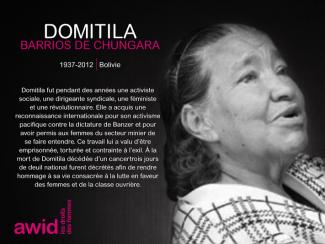
Domitila Barrios de Chungara
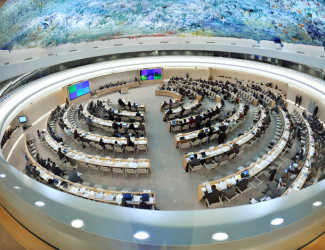
El Consejo de Derechos Humanos (CDH) es el cuerpo intergubernamental del sistema de las Naciones Unidas responsable de la promoción y protección de todos los derechos humanos en todo el mundo. El HRC se reúne en sesión ordinaria tres veces al año, en marzo, junio y septiembre. La La Oficina del Alto Comisionado para los Derechos Humanos (ACNUDH) es la secretaría del Consejo de Derechos Humanos.
Debate y aprueba resoluciones sobre cuestiones mundiales de derechos humanos y el estado de los derechos humanos en determinados países
Examina las denuncias de víctimas de violaciones a los derechos humanos o las de organizaciones activistas, quienes interponen estas denuncias representando a lxs víctimas.
Nombra a expertos independientes que ejecutarán los «Procedimientos Especiales» revisando y presentado informes sobre las violaciones a los derechos humanos desde una perspectiva temática o en relación a un país específico
Participa en discusiones con expertos y gobiernos respecto a cuestiones de derechos humanos.
A través del Examen Periódico Universal, cada cuatro años y medio, se evalúan los expedientes de derechos humanos de todos los Estados Miembro de las Naciones Unidas
Se está llevarando a cabo en Ginebra, Suiza del 30 de junio al 17 de julio de 2020.
AWID trabaja con socios feministas, progresistas y de derechos humanos para compartir conocimientos clave, convocar diálogos y eventos de la sociedad civil, e influir en las negociaciones y los resultados de la sesión.

Para recolher testemunhos centrados na realidade feminista sobre como o dinheiro circula e os bolsos em que entra;
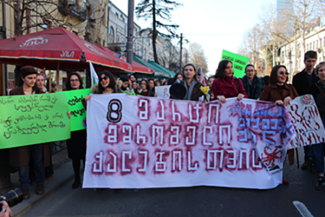
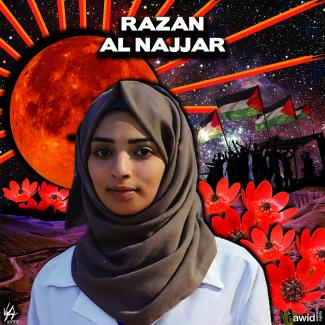
Razan was a 21-year-old volunteer medic in Palestine.
She was shot as she ran toward a fortified border fence, in an effort to reach a casualty in the east of the south Gaza city of Khan Younis.
In her very last Facebook post, Razan said: “I am returning and not retreating,” adding: “Hit me with your bullets. I am not afraid.”
Our new research paper The Devil is in the Details addresses knowledge gaps around religious fundamentalisms within the development sector, and aims to improve understanding of how they constrain development and women’s rights in particular. It provides recommendations for ways development actors can avoid inadvertently strengthening and instead challenge fundamentalisms. [CTA download link: Read the full paper]
| Graphic1 | 1. Control of women’s bodies, sexuality, and choice are “warning signs” of rising fundamentalisms. |
| 2. Neoliberal economic policies have a particularly negative impact on women, and fuel the growth of religious fundamentalisms. | Graphic2 |
| Graphic3 | 3. Choosing religious organizations as default for partnerships builds their legitimacy and access to resources, and supports their ideology, including gender ideology. |
| 4.Everyone has multiple identities and should be defined by more than just their religion. Foregrounding religious identities tends to reinforce the power of religious fundamentalists. | Graphic4 |
| Graphic5 | 5. Religion, culture, and tradition are constantly changing, being reinterpreted and challenged. What is dominant is always a question of power. |
| 6. Racism, exclusion, and marginalization all add to the appeal of fundamentalists’ offer of a sense of belonging and a “cause”. | Graphic6 |
| Graphic7 | 7. There is strong evidence that the single most important factor in promoting women’s rights and gender equality is an autonomous women’s movement. |
The Devil is in the Details details the grave human rights violations, and violations of women’s rights in particular, caused by state-sponsored fundamentalism, as well as by fundamentalist non-state actors such as militias, religious community organizations, and individuals. Fundamentalist reinforcement of regressive, patriarchal social norms are leading to the rise of violence against women, girls, and women human rights defenders (WHRDs). The paper highlights these key insights for addressing the problem:
Development actors are in a position to take a strong role in this. The collective capacity of development actors to recognize and collaboratively address religious fundamentalisms is vital for advancing social, economic, and gender justice and the human rights of all people in sustainable development. It is vital to promote intersectional feminist understandings of power and privilege, and to apply these to questions of religion and culture. Women’s organizations already have knowledge and strategies to counter fundamentalisms development actors should build on this, and invest in cross-issue coalitions to help them reach new heights.
 توفير الموارد للحركات النسوية هو أمر أساسي لتوفير حاضر أكثر سلماً وعدالة ومستقبل أكثر تحرراً.
في العقد الأخير، خصّص الممولون/ات أموال أكبر للمساواة الجندرية، لكن فقط 1% من التمويل الخيري والتنموي تحرك بشكل مباشر لتمويل حركات التغيير الاجتماعي بقيادة نسوية.
كي نسعى إلى الوفرة، والخروج من هذه الندرة المزمنة، يدعو استطلاع "أين المال" المناصرات/ين النسويات/ين ومناصرات/ين العدالة الجندرية بمشاركتنا في مشوار جمع الإفادات وبناء القضايا لحشد أموال أكثر وأفضل كي نغيرّ موازين القوى في المناخ التمويلي القائم اليوم. يتضامن استطلاع "أين المال" مع الحركات التي يستمر إخفاءها وتهميشها والتي لا يتاح لها تمويلا أساسيا، مرن وطويل الأمد مبن على الثقة. ويسلّط استطلاع "أين المال؟" الضوء على وضع التمويل، يتحدّى الحلول الزائفة ويُظهر كيف تحتاج نماذج التمويل أن تتغير كي تزدهر الحركات وتتعامل مع تحديات الزمن المركبة.
All our annual reports are accessible online.

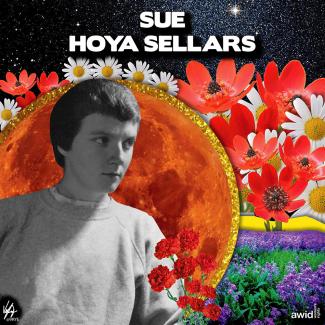
Sue fue artista, activista y maestra y nació en 1936 en Maryland, Estados Unidos.
Creó arte para mujeres y sobre mujeres. Como lesbiana feminista, y durante un tiempo también separatista, se dedicó a la creación de espacios sólo para mujeres. En 1976 compró tierras que todavía son conservadas por mujeres que van temporariamente a hacer arte. Sue mantuvo una apasionada posición en la protección de las mujeres y las niñas.
Con su innovador enfoque futurista, clásico y antropológico, llenaba cada habitación en la que entraba con su intelecto, su excentricidad auténtica, su ingenio implacable y su humor. Sus ideas acerca de la conciencia y la creatividad siguen inspirando a mucha gente.
Este modelo económico explota desenfrenadamente la naturaleza e intensifica las desigualdades norte, donde sus grandes corporaciones se benefician y sur, de donde extraen los recursos.
Lee nuestro reporte de INDUSTRIAS EXTRACTIVAS
Hay alternativas sostenibles para el medioambiente y los derechos humanos de la mujer. Empecemos por conseguir un tratado vinculante para que las corporaciones extractivas nos respeten.
Les presentamos una inspiradora selección de historias e imágenes poderosas de transformación y resistencia creadas por activistas, escritorxs y artistas feministas de todo el mundo.
(Disponível em inglês)

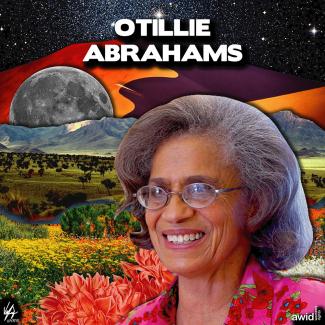
Ottilie était une militante féministe, éducatrice et politicienne namibienne.
Elle était l'une des fondatrices de l'Organisation populaire du Sud-Ouest africain (SWAPO), du Yu Chi Chan Club (groupe révolutionnaire armé) et du Front de libération nationale du Sud-Ouest africain (SWANLIF). Ottilie a également été une des fondatrices de la Namibian Women’s Association et du Girl Child Project. Tout au long de sa vie, Ottilie a plaidé en faveur du droit de discuter, de penser, de contester et de réclamer. Elle a mobilisé des femmes, organisé des assemblées d’étudiants et d’enseignants et critiqué d'autres camarades pour leur élitisme et leur corruption.
Ottilie a œuvré sans relâche pour démanteler le patriarcat et faire émerger une démocratie participative, féministe, libératrice et transformatrice.
Ottilie disait souvent : « Je me reposerai quand je serai morte. »
El marco de referencia de las Realidades Feministas en el Foro se despliega a través de seis ejes temáticos. Cada uno coloca en un lugar central las realidades, experiencias y visiones feministas, dentro del continuum que va de la resistencia a las propuestas, las luchas y las alternativas.
Queremos explorar juntxs de qué están hechas nuestras realidades feministas y qué es lo que les permite florecer en las diferentes esferas de nuestras vidas. Estas realidades pueden ser formas ya muy desarrolladas de vivir, sueños e ideas que están tomando forma o experiencias y momentos valiosos.
Los ejes temáticos no son compartimentos aislados sino más bien envases que guardan las actividades a desarrollarse en el Foro y que están abiertos, comunicados entre sí. Imaginamos que muchas actividades tendrán lugar allí donde estos ejes temáticos - así como diferentes luchas, comunidades y movimientos - se entrecruzan. Las descripciones que compartimos a continuación son preliminares y continuarán enriqueciéndose a medida que continúe nuestro recorrido por las Realidades Feministas.
Este eje temático coloca en primer plano las preguntas acerca de cómo nosotrxs - en tanto personas, comunidades y movimientos - satisfacemos nuestras necesidades básicas y garantizamos los recursos que necesitamos para vivir en plenitud, priorizando el cuidado de las personas y la naturaleza. Cuando hablamos de recursos nos referimos a los alimentos, el agua, el aire puro y también el dinero, el trabajo, la información, el conocimiento, el tiempo y otros.
Partiremos de las resistencias feministas al sistema económico dominante de explotación y extractivismo para subrayar propuestas, experiencias y prácticas feministas contundentes e inspiradoras para organizar nuestra vida económica y social. Algunas de las temáticas a explorar son la soberanía alimentaria y de las semillas, las miradas feministas acerca del trabajo y el empleo, o los sistemas justos y sostenibles de comercio. Con valentía abordaremos las contradicciones que resultan de nuestra necesidad de sobrevivir en sistemas económicos opresivos.
Este eje temático posiciona el financiamiento y los recursos para las organizaciones y los movimientos dentro de un análisis feminista más amplio de la justicia económica y la generación de la riqueza. Analizaremos cómo mover recursos para que lleguen adonde resultan necesarios a través de la justicia fiscal, propuestas como el ingreso universal, diferentes modelos de filantropía y la generación autónoma y creativa de recursos para los movimientos.
Queremos construir nuevas visiones y difundir las realidades y experiencias ya existentes de gobernanza, justicia y rendición de cuentas feministas. Frente a la crisis global y al auge de los fascismos y los fundamentalismos, este eje temático le da un lugar central a modelos, prácticas e ideas feministas, radicales y emancipatorias para organizar la sociedad y la vida política desde el nivel local al global.
En este eje temático exploraremos cómo es la gobernanza feminista, por ejemplo a través de experiencias de municipalismo, la construcción de identidades por fuera de las naciones-estados o nuestras miradas acerca del multilateralismo. Intercambiaremos experiencias de procesos de justicia y rendición de cuentas en nuestras comunidades, organizaciones y movimientos, que incluyen modelos de justicia restaurativa, comunitaria y transformadora que rechazan la violencia estatal y el complejo carcelario-industrial.
También le daremos protagonismo a las experiencias de desplazamiento, migración y búsqueda de refugio, así como a los procesos de organización feminista en procura de un mundo sin regímenes de fronteras letales: un mundo donde el movimiento sea libre y los recorridos posibles nos apasionen.
El rol de la tecnología en nuestras vidas es cada vez mayor y la línea entre las realidades virtuales y no virtuales se está borrando. Lxs feministas utilizamos ampliamente las tecnologías y los espacios virtuales para construir comunidades, aprender unxs de otrxs y movilizarnos para la acción. Con los espacios virtuales podemos expandir los límites de nuestro mundo físico. Pero esto tiene un costado problemático: las comunicaciones digitales son cada vez más propiedad de empresas cuya rendición de cuentas frente a lxs usuarixs es mínima. La minería de datos, la vigilancia y los quiebres en la seguridad de la información se han convertido en la norma, junto con la violencia y el acoso en línea.
En este eje exploraremos las oportunidades y desafíos feministas dentro de las realidades digitales. Estudiaremos las alternativas a las plataformas de propiedad privada que dominan el paisaje digital, así como estrategias para movernos en espacios digitales cuidando nuestro bienestar y cómo usar la tecnología para superar desafíos en términos de accesibilidad. También descubriremos el potencial de la tecnología en la esfera del placer, la confianza y los vínculos.
Albergamos realidades feministas también dentro nuestro: son nuestras experiencias corporizadas. Controlar nuestro trabajo, nuestros desplazamientos, nuestra reproducción y nuestra sexualidad continúa siendo un elemento central para las estructuras patriarcales, cisheteronormativas y capitalistas. Para hacer frente a esa opresión, personas de distintos géneros, sexualidades y capacidades creamos espacios y subculturas de encuentro, de alegría, de cuidado, de placer y de profunda valoración de nosotrxs mismxs y de cada unx de lxs otrxs.
En este eje temáticos exploraremos múltiples ideas, narrativas, imaginarios y expresiones culturales de consentimiento, agencia y deseo desde las miradas de las mujeres, las personas trans, no binaries, intersex y que de distintas maneras cuestionan los mandatos de género en diversas sociedades y culturas.
Intercambiaremos experiencias sobre nuestros triunfos en cuanto a derechos y justicia reproductiva, además de desarrollar cuáles son las prácticas sociales que habilitan y respetan la autonomía, la integridad y la libertad corporales. Este eje temático vincula entre sí diferentes luchas y movimientos para que cada uno pueda incorporar las percepciones y experiencias de bienestar y placer de los otros.
Imagínense un planeta feminista. ¿Cómo se escucha el agua? ¿Cómo huele el aire? ¿Cómo se siente la tierra al tocarla? ¿Cuál es la relación entre el planeta y sus seres vivos, incluyendo a la especie humana? Las realidades feministas son realidades de justicia ambiental y climática. Las luchas feministas, indígenas, decoloniales y ecológicas a menudo surgen de visiones y relaciones entre las personas y la naturaleza que son transformadoras.
Este eje está centrado en el bienestar de nuestro planeta y reflexiona acerca de cómo la especie humana ha interactuado con el planeta y lo ha modificado. Nos proponemos explorar aspectos de los conocimientos tradicionales y de la biodiversidad como aportes para sostener un planeta feminista y aprender acerca de prácticas e iniciativas feministas sobre decrecimiento, bienes comunes, modelos de economías alternativas/paralelas, agroecología, soberanía alimentaria y energética.
Si bien pensamos que todos los ejes temáticos están relacionados, este es verdaderamente transversal por eso lxs invitamos a incorporar la dimensión de lo organizativo a la actividad que propongan, sin importar con qué eje/s se relaciona.
¿Cómo nos estamos organizando lxs feministas en el mundo de hoy? Esta pregunta nos lleva a prestarle atención a actores, dinámicas de poder, recursos y liderazgo; a las economías en las que estamos inmersxs; a lo que consideramos justicia y rendición de cuentas; a la era digital; a nuestras experiencias de autonomía, bienestar y cuidado colectivo. En todos los ejes temáticos esperamos crear espacios para una reflexión sincera sobre la distribución de poder y recursos y las negociaciones en torno a ellos en nuestros movimientos.
El Foro es más que una reunión de cuatro días. Es una estación en un recorrido más largo para fortalecer nuestros movimientos en torno a la noción de Realidades Feministas que ya ha comenzado y que continuará más allá de las fechas del Foro.
Partagez vos histoires et écoutez celles des les autres. En reliant nos expériences, nos récits et nos propositions, nous aidons à co-créer et à amplifier les Réalités Féministes.