None On Record

Análisis Especiales

AWID es un organización feminista internacional de membresía, que brinda apoyo a los movimientos que trabajan para lograr la justicia de género y los derechos de las mujeres en todo el mundo.

Activismo Joven Feminista

Una organización creativa, frente a una creciente amenaza

El activismo joven feminista juega un papel fundamental en las organizaciones y los movimientos por los derechos de las mujeres a nivel mundial, ya que aborda los nuevos problemas a los que las feministas se enfrentan en la actualidad. Esta fuerza, creatividad y adaptabilidad son esenciales para la sostenibilidad de la organización feminista.

A la vez, enfrentan obstáculos específicos para ejercer su activismo, como acceso limitado al financiamiento y al apoyo, falta de oportunidades de capacitación, un incremento considerable de los ataques contra las jóvenes defensoras de los derechos humanos. Esto crea una falta de visibilidad que hace más complicada su inclusión y participación efectiva en los movimientos por los derechos de las mujeres.

Un enfoque multigeneracional

El programa de activismo joven feminista fue creado para garantizar que las voces de las jóvenes sean escuchadas y se vean reflejadas en el discurso feminista. Queremos garantizar que las jóvenes feministas tengan un mejor acceso al financiamiento, a las oportunidades de desarrollo de las capacidades y a los procesos internacionales.

Además de apoyar directamente a las jóvenes feministas, estamos trabajando con activistas por los derechos de las mujeres de todas las edades, con modelos y estrategias prácticas para procesos efectivos de organización intergeneracionales.

Nuestras acciones

Queremos que las activistas jóvenes feministas jueguen un papel en el proceso de toma de decisiones que afectan sus derechos a través de:

  • Fomento de la comunidad e intercambio de información a través de la Conexión Joven Feminista. Dada la importancia de los medios virtuales para el trabajo de las jóvenes feministas, nuestro equipo lanzó la Conexión Joven Feminista en mayo de 2010 para compartir información, construir capacidades a través de seminarios web y discusiones electrónicas y para alentar la construcción de la comunidad.

  • Investigación y generación de conocimientos sobre el activismo joven feminista, que aumenten la visibilidad y el impacto del activismo joven feminista en los movimientos por los derechos de las mujeres y otros actores clave, como los donantes.

  • Promoción de procesos más efectivos de organización intergeneracional, explorando mejores formas de trabajar en conjunto.

  • Apoyo a la participación de las jóvenes feministas en los procesos globales de desarrollo, por ejemplo en los procesos de Naciones Unidas.

  • Colaboración con todas las áreas prioritarias de AWID, incluyendo el Foro, para garantizar así que las contribuciones clave de las jóvenes feministas, así como sus perspectivas, necesidades y activismo se reflejen en los debates, políticas y programas que las afectan.

Contenido relacionado

Fadila M.

Fadila M. was a Soulaliyate tribal activist from Azrou, the Ifrane region of Morocco. She fought against a specific form of land discrimination directed against tribal women.

As part of the Soulaliyate Women’s Land-Use Rights Movement, she worked towards overhauling the framework legislation relating to the management of community property through the 2019 adoption of three projects of laws guaranteeing the equality of women and men.

According to the customary laws in force, women had no right to benefit from the land, especially those who were single, widowed or divorced. The rights to collective land in Morocco were transmitted traditionally between male members of a family of over 16 years of age. Since 2007, Fadila M. had been part of the women’s movement, the first grassroots nationwide mobilization for land rights. Some of the achievements included that in 2012 for the first time Soulaliyate women were able to register on the lists of beneficiaries and to benefit from compensation relating to land cession. The movement also managed to get the 1919 dahir (Moroccan King's decree) amended to guarantee women the right to equality.

Fadila M. died on 27 September 2018. The circumstances of her death are unclear. She was part of a protest march connected to the issue of collective land and while authorities reported her death as being accidental, and her having a cardiac arrest on the way to the hospital, the local section of the Moroccan Association of Human Rights (AMDH) pointed out that Fadila was suffocated by a member of the police force using a Moroccan flag. Her family requested investigation but the results of the autopsy were not known.

Find out more about the Soulaliyate Women’s Land-Use Rights Movement


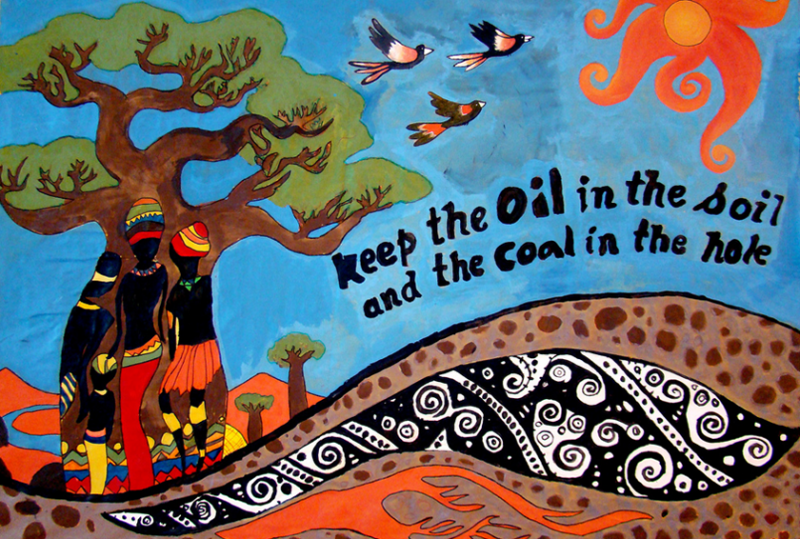
Please note: As there was no photograph/image of Fadila M. available to us, the artwork (instead of a portrait) aims to represent what she fought and worked for; land and rights to live and have access to that land and what grows on it.

FRMag - Our neighbourhood, our network

Our neighbourhood, our network, our strength

by Marta Plaza Fernández

The feminist reality that I want to share is about weaving networks in which we uphold one another. (...)

Read

artwork: “Entretejidas” [Interwoven women] by Surmercé >

Love letter to feminist movements: A goodbye from Hakima and Cindy

Image of scrapbook paper with the text Love letter to feminist movements: a goodbye from Hakima and Cindy

Dear feminist movements, 

You welcomed us with open arms when it was announced during the 2016 AWID Forum in Bahia that we would be AWID’s new Co-EDs. It was a moment that felt full of possibility, we were building a feminist oasis that would help sustain our collective struggles forward. We left Bahia with a sharp sense of responsibility, to do our best in your service and to lead AWID in ways that would be most supportive and impactful for you.

It is now time for us to step aside for new leadership! 

Over five years into our journey, we are stepping down as AWID’s Co-EDs. Our decision comes as we wrap up the current strategic cycle. We see this as an ideal moment to step aside and support a leadership refresh. We believe that transformative feminist leadership is cyclical. 
We so appreciate the opportunity we had to play a role in AWID’s 40 year history, holding and shepherding the organization through the difficult context of global pandemic, and so many spiraling crises. 

Feminist movements, we know you will be part of our next journey, whatever that may be. You have consistently taught us about strength and resilience. We may move to different roles, but we will collectively continue to move together. 

How We Moved

We have vivid memories of those of you in Indonesia, Malaysia, Nepal, Thailand, Taiwan and beyond who met us to co-create the AWID Forum with so much generosity and spark. Without a doubt, our greatest regret from the last five years is that we could not give you an in-person Forum. 

Once we came to the difficult (albeit necessary) decision to cancel the AWID Forum, we focused on grappling with the existential questions so many of our organizations were facing: how do we shift our ways of working to be relevant, account for the exhaustion, sickness, and grief affecting all of us in different ways? How do we build meaningful relationships when we are limited to being online? There are still no straightforward answers to these questions, but feminist movements, you have shown the way. 

We were so proud to see the ways feminists were leading responses to mitigate the impacts of COVID-19 on our communities. Feminists are frontline responders in crisis and we will continue to demand recognition and resources for this work. You often responded enthusiastically to our outreach, showing up in amazing ways in our Feminist Bailout campaign and later in the Crear Resister Transform festival. You jumped into collaborative advocacy with us – whether influencing human rights spaces, policy makers or funders. 

Our work with you inspired us at AWID to make an important pivot in expanding opportunities for engagement among our members that is not centralized through AWID. We call this a solidarity-based approach to membership and we are excited to be launching this year the AWID Community platform. 

You taught us that, since we can’t count on the system, what is especially important is that we show up for each other. We hope that what we did well over these years was to make space for new and deeper relationships and possibilities of mutual support and collaboration. 

We give a special shout-out of love and respect to the current and former AWID team (both our staff and Board members) whom we’ve had the honor to work with over these years. We’ve learned from each one of you and felt deep gratitude for everything you have contributed to AWID over the years. 

We came into this role as AWID’s first pair of Co-Executive Directors. We learned from the many activist and community traditions of collective leadership and the feminist organizations who had done this before us. We know that we couldn’t have done this job without each other. We were able to leverage each other’s strengths and have each other’s backs to do the best job we could.    

What’s Next

We came into role together and are leaving together, even as we will be staggering our departure dates. We are both committed to supporting a smooth transition and deliberate onboarding of the new leadership this year.  

Feminist movements, you are in great hands with the AWID team. They’ve got this. And we are proud to be leaving the organization in such a strong and resilient place. Hopefully, we’ll see many of you at the AWID Forum in 2024 – you’ll recognize us as the kicked back, relaxed folks in the audience!
Love and appreciation for all that you’ve done with and for us. Your impact on our lives stretches well beyond the last 5 years, and no doubt will continue to stretch far into the future.

Cindy & Hakima

Snippet - Feminist Community Evening - EN

A Feminist Community Evening

✉️ By registration only. Register here

📅 Wednesday, March 12, 2025
🕒 5.00-7.00pm EST

🏢 Chef's Kitchen Loft with Terrace, 216 East 45th St 13th Floor New York

Organizers: Women Enabled International and AWID

Snippet - GII Download (FR)

Rosa Candida Mayorga Muñoz

Rosa Cándida Mayorga Muñoz fue una trabajadora social guatemalteca, líder sindical y defensora de los derechos laborales. La llamaban cariñosamente «Rosita».

En la década de 1980, Rosa se convirtió en la primera mujer integrante del Comité Ejecutivo del Sindicato de Trabajadores del Instituto Nacional de Electrificación (STINDE), un sindicato al que se había incorporado originalmente para defender los derechos laborales de las mujeres. Para ella, esto significaba luchar por la igualdad de oportunidades en una empresa en la que muchas mujeres enfrentaban un sistema discriminatorio y violento creado por las autoridades de la compañía. Rosa también había sufrido acoso sexual en su lugar de trabajo, tanto por parte de sus compañeros de trabajo, como de los funcionarios. Sin embargo, no era alguien a quien se pudiera acallar.

Rosa continuó con su pelea y fue parte del esfuerzo por configurar la lucha en una forma más específica, la del «Pacto colectivo de condiciones de trabajo INDE -STINDE». Este pacto fue pionero: el primero en tipificar el concepto de acoso (sexual) en Guatemala. Sirve como referencia para la legislación guatemalteca en temas laborales, y es un estímulo para otros sindicatos.

«No tenía herramientas de lucha más que sus propios ideales... Muchas veces fue intimidada, hostigada para dejar por un lado la lucha, pero su valentía a enfrentar generaba la imagen de la esperanza para los sindicalistas de bases. Rosita se trazó una imagen de respeto, no solo dentro de su sindicato, sino ante las autoridades de la institución, ante el movimiento de mujeres; fue reconocida, como pionera, del movimiento de mujeres sindicalistas, en un espacio que había sido más desarrollado por hombres.» - Maritza Velasquez, ATRAHDOM

Rosa falleció el 4 de abril de 2018, a la edad de 77 años.

FRMag - Looking at me Looking at Safe Spaces

Mirándome observar los espacios seguros

por Judyannet Muchiri

En octubre del año pasado, me fui a Kenia para empezar lo que he llegado a considerar el trabajo más importante que he hecho hasta ahora. (...)

Leer

arte: «Healing Together» [Sanar juntxs], Upasana Agarwal >

Presentamos a las próximas Co-directoras Ejecutivas de AWID

Estimados movimientos feministas:

En nombre de la Junta Directiva de AWID, me enorgullece presentarles a las próximas Co-directoras Ejecutivas: Faye Macheke e Inna Michaeli

Portrait of CoED Faye Macheke smiling and standing in front of greenery
Faye Macheke es una apasionada feminista panafricana, que participa en movimientos por los derechos de las mujeres, la justicia racial, los derechos laborales y de las personas migrantes, y la justicia ambiental. Su activismo se ha alimentado del  legado de la lucha contra el apartheid en Sudáfrica y del período posterior a la época del apartheid en Zimbabue. En 2019 Faye se incorporó a AWID como Directora de Finanzas, Operaciones y Desarrollo. Aporta una amplia experiencia en liderazgo feminista, estrategia y todos los aspectos del desarrollo organizativo. Faye es una comprometida integrante de la Junta Directiva de UAF-África y de otras organizaciones por los derechos de las mujeres. Vive en Ciudad del Cabo, Sudáfrica.
Portrait of CoED Inna Michaeli smiling. Behind them is a wall with grafiti.
Inna Michaeli es una activista y socióloga feminista lesbiana queer, con muchos años de profundo compromiso con las luchas feministas y LGBTQI+, con educación política y activismo por y para mujeres migrantes y con la liberación de Palestina y la solidaridad con su pueblo. Inna se unió a AWID en 2016 y se desempeñó en diferentes funciones, más recientemente, como  Directora de Programas. Contribuye con su extensa experiencia en investigación y construcción de conocimiento, promoción de políticas, y desarrollo organizativo. Inna integra la Junta Directiva de Jewish Voice for Peace (Alemania). Reside en Berlín, Alemania.

Esta decisión es el resultado de un riguroso proceso que contó con la total participación de la Junta Directiva y el personal de AWID. La Junta reconoció y homenajeó las aptitudes y los talentos del personal de AWID, abriendo una búsqueda interna para la contratación. En consecuencia, se presentaron juntas, como equipo, dos candidatas brillantes que personifican la integridad, la ética del cuidado y los valores feministas interseccionales que impulsan el trabajo de AWID. Faye e Inna propusieron una valiente e interesante visión para enfrentar los desafíos de este momento: construir una comunidad feminista global, resistir y desestabilizar los sistemas de opresión y apoyar a los movimientos feministas para que prosperen.

Este año, en que AWID celebra sus 40 años, nos emociona que Inna y Faye co-lideren a AWID en sus estrategias y en una nueva fase de evolución y superación de las fronteras, apoyando a los movimientos feministas de todo el mundo.

Designar y apoyar a las Co-directoras Ejecutivas de AWID para que lideren la organización es una responsabilidad fiduciaria que, como Junta Directiva, tomamos muy seriamente. La forma en que desarrollamos esos procesos es también un reflejo de la brillante y diversa membresía de AWID, que elige a la Junta de AWID.

Al despedirnos de Cindy y Hakima, nosotrxs, la Junta Directiva, damos la bienvenida en forma unánime y entusiasta a Faye e Inna como nuestras próximas Co-directoras Ejecutivas a partir del 5 de septiembre de 2022. Manténganse atentxs a las actualizaciones sobre nuestra transición de liderazgo en los próximos meses.

Sobre todo, ¡gracias por su continuo apoyo!

Con solidaridad feminista y amor,
Margo Okazawa-Rey
Presidenta de la Junta Directiva de AWID

Snippet - CSW69 - Feminist Solidarity Space 12 - ES

Espacio de solidaridad feminista

✉️ Requiere inscripción previa para grandes grupos. Entrada libre para grupos reducidos. Reserven aquí

📅 Miércoles 12 de marzo de 2025
🕒 de 02:00 a 04:00 p.m., EST
🏢
Chef's Kitchen Loft with Terrace, 216 East 45th St 13th Floor, New York 

Organiza: AWID

Snippet Watch Stories (ES)

Conoce más sobre el impacto del foro a través de estas historias.

Mirna Teresa Suazo Martínez

Mirna Teresa Suazo Martínez faisait partie de la communauté garifuna (afro-descendante et autochtone) Masca et vivait sur la côte nord des Caraïbes du Honduras. Elle était leader de sa communauté et fervente défenseure du territoire autochtone, une terre qui a été violée le jour où l'Institut national agraire du Honduras a accordé des licences territoriales à des personnes extérieures à la communauté. 

Ce fait déplorable a été à l'origine de harcèlements, d'abus et de violences répétés contre Masca, où les intérêts économiques de différents groupes se sont heurtés à ceux des forces armées et des autorités honduriennes. Selon l'Organisation fraternelle noire du Honduras (OFRANEH), la stratégie de ces groupes consiste à expulser et exterminer la population autochtone. 

« Masca, la communauté garifuna située près de la vallée du Cuyamel, se trouve dans la zone d’influence de l’une des villes présumées modèles, une situation qui a déclenché des pressions territoriales le long de la côte garifuna. » - OFRANEH, 8 septembre 2019

Mirna Teresa, présidente du conseil d'administration de la communauté de Masca à Omoa, avait elle aussi fermement rejeté la construction de deux centrales hydroélectriques sur la rivière Masca, qui porte le même nom que sa communauté.

« La communauté garífuna attribue l'aggravation de la situation dans leur région à son opposition à l'exploitation touristique, à la monoculture de palmiers africains et au trafic de drogue, tandis qu'elle cherche parallèlement à construire une vie alternative au travers de la culture de la noix de coco et d'autres produits d'autoconsommation ». - Voces Feministas, 10 septembre 2019 

Mirna Teresa a été assassinée le 8 septembre 2019 dans son restaurant « Champa los Gemelos ». 

Elle est l'une des six femmes défenseures garifunas à avoir été assassinées rien qu'entre septembre et octobre 2019. Selon l'OFRANEH, les autorités n'ont pas mené d'enquête sur ces crimes.

« En ce qui concerne les communautés garífuna, une grande partie des homicides sont liés au régime foncier et à la gestion des terres. Cependant, les querelles entre les organisations criminelles ont abouti à des meurtres, à l’instar de ceux ayant eu lieu récemment à Santa Rosa de Aguán ». - OFRANEH, 8 septembre 2019

FRMag - Resistance Series

Série sur les résistances féministes

Explorer la série de photos

Lettre d’amour aux mouvements féministes #2

À mon collectif féministe bien-aimé,

Lettre d’amour aux mouvements féministes. De: Lina

Je t’appartiens depuis aussi longtemps que je peux me souvenir. Jeune fille, j’ignorais qu’il y avait un mot – féministe – pour nous toustes qui aspirons à vaincre et à démanteler le patriarcat, qui cherchons refuge dans les bras de l’inclusion et de l’intersectionnalité, qui traitons les gens comme des égaux, peu importent leur genre, leur race, leur sexualité, leur religion et leur ethnicité, qui apprenons constamment pour mieux faire, pour mieux être et pour nous servir de nos privilèges pour élever les autres.

Quand j’avais 14 ans, mon professeur de français au Collège, un trentenaire de 1,80 m, a agressé une élève de ma classe devant tout le monde. L’élève, une de mes amies d’enfance, et plusieurs autres filles de la classe sont allées voir la direction pour le dénoncer, les parents s’en sont mêlés et la classe entière, forte de ses trente élèves, a soutenu la fille. Mais toutes nos tentatives pour lui faire porter la responsabilité de son acte ont échoué, l’administration a gardé le silence sur l’histoire de la fille et il n’a jamais été renvoyé ni poursuivi. Les filles de ma classe et moi-même étions outrées, donc nous avons fait ce que toute jeune féministe en rage ferait : nous avons jeté des œufs sur sa voiture! Et bien que les œufs se lavent facilement et que la peinture utilisée pour écrire « Sale porc » et « Khamaj » (ordure) sur sa carrosserie pouvait être grattée, je n’oublierai jamais comment nous nous sentions après cela. [MB1] Libérées, enragées, heureuses, solidaires et puissantes. Ce même sentiment m’envahit à chaque nouvel événement féministe auquel je prends part depuis. L’adolescente féministe en moi a grandi et rejoint Women Deliver, l’AWID, Unootha, animé des ateliers féministes à l’université et même été poursuivie pour son affiliation féministe à 19 ans, mais ça, je le garde pour une autre lettre.

Les mouvements et les espaces féministes m’offrent la sécurité et l’autonomisation. Ce sont les mères que nous aurions aimé avoir et le lien dont nous avions besoin pour nous connecter et nous organiser, malgré nos différences contre un ennemi commun qui mine tout le monde, le patriarcat. C’est grâce à toi que j’ai appris à être résiliente et à mettre toutes mes forces et mes compétences au service des autres en les soutenant, en mettant la lumière sur les marginalisées et en tendant le micro à celles qu’on n’entend jamais.

Ce que j’aime le plus chez vous, les mouvements féministes, c’est que parfois vous merdez, vous négligez et marginalisez aussi, vous avez des biais - comme tout autre mouvement - mais ce qui vous rend différents, c’est que vous vous efforcez toujours de mieux faire. La redevabilité ne vous effraie pas, et vous êtes un collectif en constante évolution qui reflète la manière dont l’altruisme et la philanthropie dans l’effort vers l’équité de genre changent à mesure que le temps passe.

Puissiez-vous continuer à croître, puissiez-vous faire mieux, puissiez-vous être toujours enragés, puissiez-vous continuer à rugir, puissiez-vous toujours aimer, puissiez-vous toujours parler des langues différentes et puissiez-vous toujours avoir le pouvoir.

Avec amour, lumière et rage,
Lina

Snippet - Title WCFM Landing - EN

Who Can Fund Me?

Reclaim Power to #FreezeFascisms: Resources for Feminists to Survive & Thrive 

Feminist and gender justice movements continue to be chronically underfunded in the face of global funding cuts and freezes. Particularly in Global South regions with shrinking civic spaces, resource scarcity has impacted the most vulnerable communities. 

In the face of these setbacks, AWID has updated the Who Can Fund Me? Database - an easy-to-use, practical tool for movements looking for funders from philanthropic foundations, multilateral funders to women’s and feminist funds to support vital lifesaving efforts. 

Explore now Get the user guide

Snippet Forum Quoate Nicky Mcintyre (FR)

Tous nos processus de changement reposent sur les relations que nous établissons dans des espaces comme les forums de l'AWID, où l'on danse ensemble, où l'on fait ressortir son humour, sa vraie personnalité, où l'on raconte des histoires. C'est ce qui fait la différence.
- Nicky Mcintyre, États-Unis

Stacey Park Milbern

“I do not know a lot about spirituality or what happens when we die, but my crip queer Korean life makes me believe that our earthly bodyminds is but a fraction, and not considering our ancestors is electing only to see a glimpse of who we are.” - Stacey Park Milbern

Stacey Park Milbern was a self-identifying queer disabled woman of colour and a trailblazer. A long-standing and respected organizer and leader in the disability rights and justice movement, she also advocated for the rights of many different communities, not just her own. Stacey’s activism had mighty roots in her experience at the intersections of gender, disability, sexuality and race.

Stacey, along with some friends, co-created the Disability Justice Culture Club, a group working to support various and especially vulnerable communities, including helping homeless people gain access to resources during the COVID-19 pandemic. 

She was also a co-producer of an impact campaign for Netflix’s documentary “Crip Camp”, a board member of the WITH Foundation, and led organizations at local, state and national levels. Stacey wrote beautifully and powerfully:

“My ancestors are people torn apart from loves by war and displacement. It’s because of them I know the power of building home with whatever you have, wherever you are, whoever you are with. My ancestors are queers who lived in the American South. It’s because of them I understand the importance of relationships, place and living life big, even if it is dangerous. All of my ancestors know longing. Longing is often our connecting place...” - Stacey Park Milbern

She was born in Seoul, Korea and grew up in North Carolina, later  continuing her journey in the San Francisco Bay Area. Stacey passed away of complications from surgery on her 33rd birthday on 19 May 2020. 


Read an essay by Stacey Park Milbern
Listen to an interview with Stacey Park Milbern
#StaceyTaughtUs: Record your story for the Disability Visibility Project

Tributes:

“She was, a lot of people would say, a leader. She kind of encompassed all of it. You know, sometimes there's like a lead from the front, lead from the middle, lead from the back. And she was just somehow able to do all of that.” - Andraéa LaVant, disability rights activist

“What a blow to lose Stacey when our communities need her leadership more than ever, and at a time when her strength, insight, and grit were receiving increased recognition outside of disability circles, giving her a greater platform to advance her life’s work...We will not have the gift of learning where her charismatic leadership would have taken us. But let there be no doubt: What Stacey gave us, in a relatively short time, will continue benefiting others for years to come.” - Disability Rights Education and Defense Fund (DREDF)

Film club - The Turtle's rage

The Turtle’s Rage (2012) German | Arabic with English subtitles

THE TURTLE'S RAGE tells the story of a mysterious man, whose life has been molded by flight, expulsion, life in exile and the failed return to Palestine. The film is composed of a daughter's search for answers from her father.


Live Conversation with Pary El-Qalqili, filmmaker of “The Turtle’s Rage”