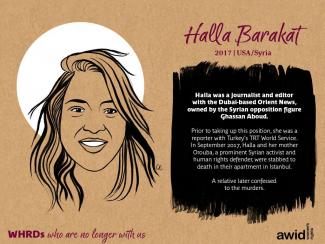
Halla Barakat
Au cours des dernières années, nous avons observé une nouvelle tendance inquiétante dans les espaces internationaux consacrés aux droits humains. Les discours axés sur « la protection de la famille » sont en effet utilisés pour défendre des violations des droits de membres de la famille, pour renforcer et justifier l’impunité des auteurs de ces violations et pour restreindre l’égalité des droits au niveau de la vie familiale.
La campagne en faveur de la « Protection de la famille » est motivée par une volonté conservatrice d’imposer des conceptions « traditionnelles » et patriarcales de la famille et de priver les membres de la famille de leurs droits pour les transférer à « l’institution familiale ».
Depuis 2014, un groupe d’Etats travaille de front dans les espaces dédiés aux droits humains sous le nom de « Group of Friends of the Family » (Groupe des ami-e-s de la famille) ; des résolutions sur la « Protection de la famille » ont été adoptées chaque année depuis 2014.
Ce programme s’est propagé au-delà du Conseil des droits humains. Nous avons observé l’introduction d’un discours régressif autour de la « famille » à la Commission sur la condition de la femme, ainsi que des tentatives d’introduction dans les négociations sur les Objectifs de développement durable.
L’AWID travaille avec des partenaires et des allié-e-s pour s’opposer ensemble à la « Protection de la famille » et à d’autres programmes régressifs et défendre l’universalité des droits humains.
En réponse à l’influence croissante d’acteurs régressifs au sein des espaces dédiés aux droits humains, l’AWID a rejoint des allié-e-s afin de créer l’Observatoire sur l'Universalité des droits (OURs) (site en anglais). L’OURs est un projet de collaboration qui surveille, analyse et diffuse les informations concernant les initiatives anti-droits telles que la « Protection de la famille ».
Le premier rapport de l’OURs, Nos droits en danger, trace une cartographie des acteurs et actrices qui constituent le lobby mondial anti-droits et identifie leur réthorique et stratégies clés ainsi que leur impact sur les droits humains.
Le rapport précise que le programme de « Protection de la famille » a développé une collaboration entre un large éventail d’acteurs régressifs aux Nations Unies, qu’il décrit comme « un cadre stratégique abritant des positions anti-droits et patriarcales multiples, où le cadre vise entre autres à légitimer et institutionnaliser ces positions. »
Unless there are accessibility issues and/or you are filling the survey in other languages, we strongly encourage you to use KOBO for WITM standardized data collection and analysis.
Ассоциация «Права женщин в развитии» и Фонд «Красный зонт» приглашают Вас принять участие в диспуте-семинаре на тему феминизма и секс-работы.

10 ноября 2020г. в 14:00 по UTC (сверьтесь с вашим местным временем)
В рамках данной сессии, сотрудницы (-ки) Ассоциации «Права женщин в развитии» будут делиться своими знаниями и опытом работы в условиях виртуального общения. Мы поговорим об основных сложностях и интерсекциональности в работе секс-работниц (-ков) и феминисток (-ов).
Подумайте над своими вопросами!
Для участниц (-ков) будет предоставлен перевод на испанский, французский и русский языки.
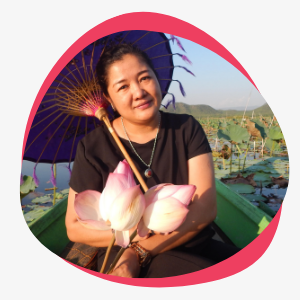
Кей Тхи является секс-работницей и с 2007 года лоббирует вопросы здоровья и прав секс-работниц (-ков). За последние девять лет она участвовала в программе по предупреждению ВИЧ среди женщин, работающих в секс-индустрии, и мужчин, имеющих половые связи с мужчинами, в Мьянме. В настоящее время Кей Тхи является региональной координаторкой Азиатско-Тихоокеанской сети секс-работниц (-ков) (АТССР) и работает с партнерами по всему Азиатско-Тихоокеанскому региону.
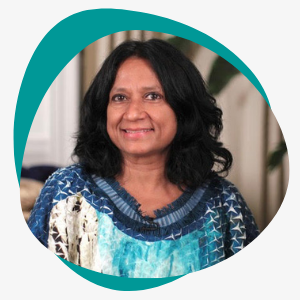
Гитанджали является соосновательницей и исполнительной директоркой организации CREA (Нью-Дели). Она феминистка и любительница кино, работала по вопросам сексуальности, репродуктивного здоровья, гендера, прав человека и насилия в отношении женщин на различных уровнях - в качестве активистки, грантодательницы и на директивном уровне.
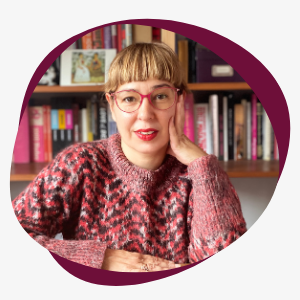
Вера присоединилась к фонду «Красный зонт» в августе 2017 года в качестве сотрудницы по программам. Вера родилась в Испании, где окончила факультет журналистики Университета Сан Пабло в Валенсии. Последние 7 лет она является активной участницей организации «X-talk», очень вовлечена в работу Коллектива Стриптизерш (-ров) Восточного Лондона, а также является участницей съемочной группы «Опера секс-работниц (-ков)».
Заинтересованы в том, чтобы вскоре стать частью этого диспут-семинарa и других обучения?!


La encuesta contiene 47 preguntas en total, de las cuales 27 son de respuesta obligatoria* y las 20 restantes son opcionales. La mayoría de las preguntas de la encuesta son de opción múltiple. Invitamos a responder la totalidad de las preguntas.
Par Alejandra Laprea
Qu’il est difficile de condenser la puissance et la diversité des voix qui s'élèvent en Amérique latine afin de vous présenter les autres réalités qui émergent dans ce vaste territoire, ces réalités féministes que nous construisons à partir du mouvement et des organisations populaires….
Pendant longtemps, j’ai tenté de paramétrer ma recherche et la sélection des films qui vous permettraient d’avoir un aperçu de tous ces rêves et projets qui se matérialisent peu à peu sur les territoires ‘notre-américains’, comme nous aimons à les appeler. La tâche a été ardue : il a fallu tenter d'établir des paramètres tels que la présence géographique, la justice linguistique et la représentation de la diversité des populations : indiennes, afro-descendantes, migrantes, et la multiplicité des drapeaux et des luttes qui découlent de toutes ces voix. Je suis arrivée à la conclusion que la création de cette compilation était un travail qui prendrait plusieurs années, un de ces projets en perpétuelle construction.
Pour ce salon, je suis partie à la recherche d'œuvres liées à la mobilisation et à la militance, ainsi que de documents qui donneront peut-être lieu à de grands débats que nous n'avons pas encore eus.
Dans cette sélection de films, vous découvrirez les voix de réalisatrices qui ne se contentent pas de restituer les réalités féministes palpitant dans chaque recoin de ce territoire vaste et divers, mais explorerez aussi des oeuvres qui, dans leur conception même, s'interrogent sur le pourquoi, le qui et le comment du cinéma ou de l'audiovisuel. Ces femmes comprennent le cinéma comme un outil de lutte, comme quelque chose de plus que de simples images à apprécier sur un écran. Pour ces réalisatrices ou collectifs de cinéastes, le cinéma et l'audiovisuel constituent un outil capable de promouvoir la discussion, d'ouvrir un débat, bref, une ressource pour la pédagogie populaire et féministe.
Ainsi, cette petite présentation est un voyage à travers les réalités féministes à deux niveaux : d’un côté, il y a ces histoires que vous découvrirez, et de l’autre, le travail de ces cinéastes qui cherchent à expérimenter, à créer d’autres réalités féministes dans leur façon de faire de l’audiovisuel et de raconter des histoires.
Bon voyage au gré de ces films de résistance, créatifs et transformateurs !
Direction: Giovana García Soto
Docu-fiction
Spanish with English subtitles
In Lima is Burning our work plays with documentary and fiction to take us into the life of Gía, a non-binary person, who uses performance art as a tool to denounce and transgress, as a vital manifesto against transfobia in every space, including gays spaces. With Gía we also take a look at transfeminism as a safe community in which Gía feels embraced, where she shares feelings and affections.
Giovana Garcia Sojo is a young peruvian audiovisual producer, specialized in low-budget production, creation for children and adolescents in cinema and cinematographic script by the International School of Cinema and Television - EICTV in San Antonio de Baños - Cuba. Giovana has developed her path as a director towards women and feminized identities, Lima is Burning is one of her first works.
Réalisé par Patricia Ortega
Fiction
Sous-titres en anglais
Patricia Ortega, directrice de “Yo Imposible” explore à travers Ariel, une jeune dont l’intersexualité a été violentée chirurgicalement dans son enfance, les multiples façons dont on tente de normaliser la diversité sexuelle et de genre.
Le film nous raconte comment Ariel a découvert qu’elle était née intersexe et qu’elle avait subi plusieurs chirurgies visant à normaliser ses organes génitaux. Cette découverte confronte le personnage à la redécouverte de son corps, à la reconstruction de son identité et nous confronte, nous qui regardons le film, à la remise en question d’une société dominée par l’hétéronormativité qui invisibilise les autres et les condamne au malheur.
Patricia Ortega, cinéaste vénézuélienne vivant en Argentine, a étudié à l’Ecole internationale de Cinéma et Télévision de Cuba et s’est spécialisée dans la réalisation de films. À travers la fiction, elle traite les situations extrêmes que les femmes ou les corps féminisés traversent et leurs façons de les surmonter.
“Yo Imposible” est une prise de position face à la conception d’un monde qui n’est conçu qu’en termes de masculin/féminin et qui invisibilise les autres. «Ces personnes ne sont pas malades, simplement génétiquement différentes. On intervient sur leurs organes génitaux et leur corps au moyen d'hormones sans leur autorisation, ce qui constitue une violation de leurs droits humains et de leur identité, et on cherche à les faire entrer dans les canons établis.» - Patricia Ortega
Réalisé par Maria Torrellas Liebana
Documentaire
Sous-titres en anglais
María Torrellas nous raconte la révolution cubaine à travers les femmes qui l’ont fait vivre, dont Vilma Espín, Celia Sánchez et Haydee Santamaría, entre autres.
Mais on ne peut pas se limiter à raconter l'histoire de la révolution cubaine par les femmes au passé, et c'est une lutte quotidienne que Torrellas dévoile en donnant la voix aux paysannes cubaines, professionnelles, étudiantes et ouvrières d’aujourd’hui. Dans «Cubanas, mujeres en revolución», nous découvrons les défis actuels des femmes cubaines face aux préjugés persistants, aux nouvelles formes de violence et au défi constant de créer de nouvelles réalités féministes pour celles et celleux qui viendront après elles dans un territoire assiégé depuis plus de soixante-dix ans par l'impérialisme américain.
María Torrellas est une communicante et documentariste. Elle a une longue carrière cinématographique et a obtenu, entre autres, le prix Santiago Alvarez in Memoriam pour son documentaire : Memoria de una Hija de Oshun (Mémoire d’une fille d’Oshún).
«Dans ce documentaire, j’ai souhaité mêler les luttes des héroïnes d’hier à celles des femmes d’aujourd’hui. Il s’agit d’histoires racontées par les femmes elles-mêmes où elles évoquent également les combattantes qu’elles admirent le plus. J’ai été impressionnée d’entendre “la révolution nous a tout donné” ou “que serait devenue ma famille sans la révolution?” de la bouche de camarades aux origines humbles, paysannes ou noires.» - María Torrellas
Réalisé par Gabriela Arnal et Marzel Ávila pour Fondo de Acción Urgente - LAC
Équateur 2019
Sous-titres en anglais
CUIDANDERAS, qui fusionne les mots ‘cuidar’ (prendre soin) et ‘curanderas’ (guérisseuses), est la synthèse d’une série portant sur les femmes en Amérique latine sur leurs territoires, des femmes qui mettent leur corps et toute leur énergie à protéger leurs communes, à protéger ce que nous offre la pachamama en nous engageant à en faire usage avec autant de sagesse que le reste des êtres vivants. Cette mini-série de documentaires nous présente les histoires de trois collectifs de femmes latinoaméricaines qui se dédient à prendre soin de leurs territoires, guérir leurs corps et affronter les modèles extractivistes et racistes en Équateur, en Colombie et en Bolivie.
Province d’Orellana, Équateur. Depuis plusieurs siècles, les femmes Waorani se battent pour leur territoire amazonien et la préservation de leur culture autochtone. Aujourd’hui, elles sont confrontées aux menaces de l’industrie pétrolière et son modèle de production mortifère. Depuis la jungle, des leaders appartenant à l’Association des femmes Waorani de l’Amazonie équatorienne (AMWAE, d’après son sigle en espagnol) exposent les raisons de leur résistance et nous montrent cette joie inépuisable qui symbolise leur plus grande force.
Buenaventura, Colombie. Dans le port le plus grand et le plus violent de Colombie, ravagé par des décennies de conflit armé, de racisme et de machisme, un groupe de femmes refuse de sombrer dans la peur et résiste dans l’adversité. La Red Mariposas de Alas Nuevas (Réseau papillons aux ailes nouvelles) réunit des femmes noires de la côte pacifique colombienne qui travaillent de concert pour protéger leur territoire, récupérer leurs traditions ancestrales et guérir les blessures de cette violence systématique et structurelle.
Protéger et prendre soin du corps-terre-territoire est la vocation des femmes autochtones, paysannes et irrigantes (chargées des irrigations) en Bolivie face à un modèle extractiviste qui menace leurs vies, leur santé, leur intégrité physique et sexuelle et la survie de leurs communautés et de leurs territoires. Le Réseau de défenseuses de la Terre Mère a réuni des femmes de plus de 12 communautés autochtones afin de défendre leur droit à l’eau et dénoncer les violations des droits humains et des droits de la nature perpétrées par les industries extractives, tout en récupérant leurs savoirs et pratiques ancestrales de soin collectif.
«CUIDANDERAS, un mot qui combine ‘cuidadoras’ (celles qui prennent soin) et ‘curanderas’ (guérisseuses), présente les histoires de femmes défenseuses latinoaméricaines qui se consacrent à prendre soin de leurs territoires comme de leurs corps. La force collective de ces femmes a changé l’histoire de leurs communautés en Équateur, en Colombie et en Bolivie face à l’extractivisme et au racisme.»
Réalisé par Carlina Reynso
Argentine 2013
Espagnol
Si quelque chose a marqué les luttes féministes en Amérique latine, c'est assurément le cri lancé à l'échelle continentale en faveur d’un avortement libre, sûr et gratuit. Du nord au sud, les mouvements féministes se lèvent et descendent dans la rue pour lutter en faveur de la libération de notre premier territoire : notre corps. Ce documentaire sur l'avortement au sein de ce salon s’avère ainsi indispensable à l’heure de comprendre le pouvoir de nos femmes latino-américaines.
“Yo aborto, Tu Abortas Todxs Callamos” raconte l’histoire de sept femmes, dont la réalisatrice du documentaire, issues de classes socioculturelles différentes, qui se penchent sur une problématique dont chacune a, un jour ou l’autre, fait l’expérience dans son propre corps : l’avortement clandestin.
À travers leurs témoignages, la réalisatrice tente de démonter les mythes liés à l’interruption volontaire de grossesse, de déstigmatiser la question et de renouveler notre regard sur l’une des formes de violence les plus courantes dans les Amériques.
Réalisatrice, chercheuse et productrice de cinéma féministe, c’est aussi une activiste féministe qui anime des ateliers de création de scénarios d’un point de vue du genre afin de multiplier les films illustrant des réalités différentes et des histoires contre-hégémoniques. Carolina Reynoso conjugue de manière équilibrée activisme et création dans chacune de ses œuvres.
«Nous sommes un groupe de réalisateurs·rices audiovisuel·le·s qui avons réalisé ce documentaire pour continuer à lutter en faveur d’un avortement libre, sûr et gratuit en Argentine. Le film présente les témoignages de sept femmes, dont la réalisatrice du documentaire, issues de différentes classes socioculturelles qui se penchent sur une problématique dont chacune a, un jour ou l’autre, fait l’expérience dans son propre corps: l’avortement clandestin.» -L’équipe de tournage
Nosotras Audiovisuales, collectif de réalisatrices chiliennes
Chili 2020
Lien vers le micro documentaire:
Espagnol
"Historias Urgentes" est une série créée par des femmes afin de visibiliser les besoins et les expériences revêtant une importance pour la population des territoires qui composent le Chili d'aujourd'hui. Cette série audiovisuelle est née pour entretenir la flamme ayant attisé la révolte sociale en octobre 2019 dans un Chili diversifié qui s'était réveillé et avait alors déclaré : «ça suffit».
"Resistencia en ollas comunes", la première de ces "Historias urgentes", nous montre, par la voix de quatre femmes d'Iquique, de Valparaíso, de Chillán et de Santiago, comment les soins se trouvent en première ligne de la résistance, créant d'autres réalités féministes pour elles-mêmes et pour les communautés où vivent les femmes d'Amérique latine.
Nosotras audiovisuales
Cette organisation, qui réunit des femmes ayant un lien avec l’audiovisuel chilien, est née en 2017 du besoin de connecter les femmes qui travaillent dans l’audiovisuel. Elle encourage ainsi le réseautagel, la collaboration et l’information entre femmes du secteur audiovisuel, ainsi que leurs travaux et leurs points de vue sur le monde du travail.
Nosotras Audiovisuales participe à la révolte chilienne en enregistrant et créant des contenus de création collective.
Micol Metzner
Argentine 2019
Castillan
À partir de son expérience personnelle, la réalisatrice Micol Metzner présente une œuvre qui mêle documentaire et fiction, sa voix de cinéaste engagée à celle de milliers de femmes victimes de la traite sur le continent et démontre enfin que la solidarité entre femmes constitue la meilleure protection.
Réalisatrice audiovisuelle et formée à l’Institut d’arts cinématographiques d’Avellaneda, cette directrice artistique et monteuse fait partie du Cluster audiovisual de la Ciudad de Buenos Aires (Cluster audiovisuel de la ville de Buenos Aires), un espace communautaire et coopératif multisectoriel qui réalise des projets indépendants.
Elle anime des ateliers de cinéma dans certains quartiers et dans des contextes carcéraux (institutions pour mineur·e·s et prisons pour femmes). Elle fait partie de la société de production audiovisuelle MVM.
«La société de production MVM est née de la nécessité de pouvoir exprimer beaucoup de choses que nous exprimons habituellement dans la rue et de pouvoir le faire de manière créative à travers le dessin, l'audiovisuel et la photographie.
La société de production MVM est un lieu de recherche sur le langage, le graphisme et l'audiovisuel d’un point de vue féministe. C'est aussi un lieu qui permet de se libérer de tout ce que nous vivons et de générer des productions artistiques, parfois pour guérir, parfois pour créer des espaces de débat, comme c’est le cas de ce court métrage... Je n'imaginais pas que ce serait le cas, mais à chaque fois que le court métrage est diffusé, beaucoup de choses sortent, il engendre des discussions qui sont beaucoup plus enrichissantes que le court métrage en soi. Et le fait que ce soit notre travail qui déclenche ça, c’est formidable...».
Facebook: @AWIDWomensRights
Instagram: @awidwomensrights
Twitter ENG: @awid
Twitter ES: @awid_es
Twitter FR: @awid_fr
LinkedIn: Association for Women's Rights in Development (AWID)
“Nous Sommes la Solution tiene una visión de una África donde, en solidaridad, las mujeres rurales involucradas en la toma de decisiones puedan cultivar, procesar, vender y consumir productos de la agricultura familiar preservando el medio ambiente, para un desarrollo sostenible, armonioso y duradero”.

Au besoin, vous avez la possibilité de sauvegarder vos réponses en cours d’enquête, pour y revenir plus tard. KOBO enregistrera vos brouillons de réponses dans le coin supérieur gauche de la page de l'enquête et rechargera votre dossier lorsque vous reviendrez à l'enquête. Assurez-vous simplement de continuer à partir du même ordinateur et du même navigateur.

No, it's not. This survey builds on AWID’s 20-year history of mobilizing more and better funding for feminist-led social change and is the third iteration of our Where is the money for feminist organizing? research. Our aim is to repeat the WITM survey every 3 years.
El creciente poder de los actores anti-derechos no se está desarrollando en un vacío. Entender el auge del ultranacionalismo, del poder corporativo irrestricto, del incremento de la represión y de la disminución del espacio cívico resulta clave para contextualizar las amenazas anti-derechos que enfrentamos actualmente.
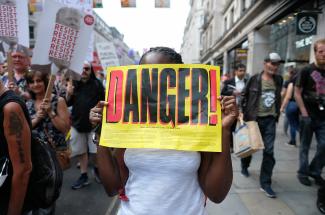
Hoy en día, una cantidad considerablemente mayor a la mitad de la población mundial está gobernada por líderes de extrema derecha. En este escenario, lxs defensorxs de derechos humanos y lxs feministas están trabajando arduamente para «mantenerse firmes» y proteger el multilateralismo y el sistema internacional de derechos humanos. También enfrentan el riesgo de que su compromiso acarree represalias violentas. Al mismo tiempo, estas instituciones están cada vez más sujetas a los intereses del sector privado. Las grandes empresas (en particular, las corporaciones transnacionales) están ocupando asientos en la mesa de negociación y posiciones de liderazgo en una gran cantidad de instituciones multilaterales, incluida la ONU. Este nexo de ultranacionalismo, espacio cívico restringido y captura corporativa está teniendo un tremendo impacto sobre la posibilidad de que, alguna vez, logremos obtener derechos humanos para todxs.