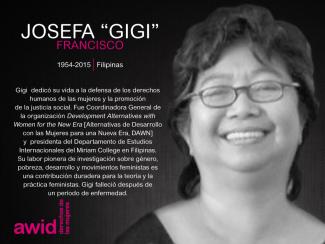
Josefa "Gigi" Francisco
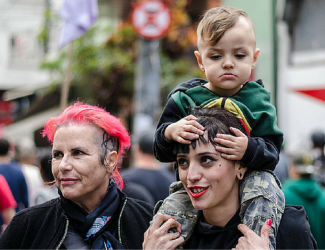
Au cours des dernières années, nous avons observé une nouvelle tendance inquiétante dans les espaces internationaux consacrés aux droits humains. Les discours axés sur « la protection de la famille » sont en effet utilisés pour défendre des violations des droits de membres de la famille, pour renforcer et justifier l’impunité des auteurs de ces violations et pour restreindre l’égalité des droits au niveau de la vie familiale.
La campagne en faveur de la « Protection de la famille » est motivée par une volonté conservatrice d’imposer des conceptions « traditionnelles » et patriarcales de la famille et de priver les membres de la famille de leurs droits pour les transférer à « l’institution familiale ».
Depuis 2014, un groupe d’Etats travaille de front dans les espaces dédiés aux droits humains sous le nom de « Group of Friends of the Family » (Groupe des ami-e-s de la famille) ; des résolutions sur la « Protection de la famille » ont été adoptées chaque année depuis 2014.
Ce programme s’est propagé au-delà du Conseil des droits humains. Nous avons observé l’introduction d’un discours régressif autour de la « famille » à la Commission sur la condition de la femme, ainsi que des tentatives d’introduction dans les négociations sur les Objectifs de développement durable.
L’AWID travaille avec des partenaires et des allié-e-s pour s’opposer ensemble à la « Protection de la famille » et à d’autres programmes régressifs et défendre l’universalité des droits humains.
En réponse à l’influence croissante d’acteurs régressifs au sein des espaces dédiés aux droits humains, l’AWID a rejoint des allié-e-s afin de créer l’Observatoire sur l'Universalité des droits (OURs) (site en anglais). L’OURs est un projet de collaboration qui surveille, analyse et diffuse les informations concernant les initiatives anti-droits telles que la « Protection de la famille ».
Le premier rapport de l’OURs, Nos droits en danger, trace une cartographie des acteurs et actrices qui constituent le lobby mondial anti-droits et identifie leur réthorique et stratégies clés ainsi que leur impact sur les droits humains.
Le rapport précise que le programme de « Protection de la famille » a développé une collaboration entre un large éventail d’acteurs régressifs aux Nations Unies, qu’il décrit comme « un cadre stratégique abritant des positions anti-droits et patriarcales multiples, où le cadre vise entre autres à légitimer et institutionnaliser ces positions. »
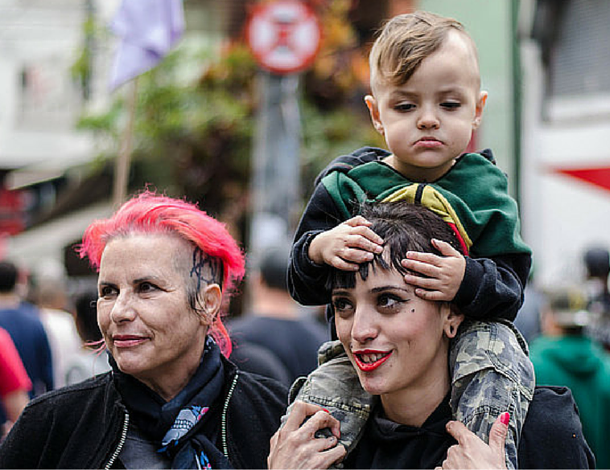
A conversation on international advocacy and global governance
✉️ By registration only. Register here
📅 Friday, March 14, 2025
🕒 2.30pm EST
🏢 Blue Gallery, The Blue Building, 222 East 46th Street
🎙️Facilitated by: Anissa Daboussi, Manager, Advancing Universal Rights and Justice team
Organizer: SRI, AWID
Hevrin Khalaf was a prominent Syrian Kurdish political leader in the autonomous region of Rojava where Kurdish women are risking their lives to resist the Turkish offensive and build a feminist system.
She was Secretary-General of the Future Syria Party (FSP), a group that aimed to build bridges, reconcile different ethnic groups and work towards a “democratic, pluralistic, and decentralized Syria.”
Hevrin was a symbol of this reconciliation effort. She also worked to promote equality between women and men and was a representative for visiting journalists, aid workers, and diplomats.
Hevrin was also a civil engineer from Derik, and was one of the founders of the Foundation for Science and Free Thought in 2012.
On 12 October 2019 she was tortured and murdered by the Turkish-backed militia, Ahrar al-Sharqiya during a military operation against Syrian Democratic Forces in Rojava.
“The killing of Khalaf is a turning point in Syria’s modern history. It once again demonstrated the old Kurdish proverb “no friends but the mountains.” I will always be a friend of Khalaf and her vision of a better world.” - Ahed Al Hendi

Dear feminist movements,
You welcomed us with open arms when it was announced during the 2016 AWID Forum in Bahia that we would be AWID’s new Co-EDs. It was a moment that felt full of possibility, we were building a feminist oasis that would help sustain our collective struggles forward. We left Bahia with a sharp sense of responsibility, to do our best in your service and to lead AWID in ways that would be most supportive and impactful for you.
It is now time for us to step aside for new leadership!
Over five years into our journey, we are stepping down as AWID’s Co-EDs. Our decision comes as we wrap up the current strategic cycle. We see this as an ideal moment to step aside and support a leadership refresh. We believe that transformative feminist leadership is cyclical.
We so appreciate the opportunity we had to play a role in AWID’s 40 year history, holding and shepherding the organization through the difficult context of global pandemic, and so many spiraling crises.
Feminist movements, we know you will be part of our next journey, whatever that may be. You have consistently taught us about strength and resilience. We may move to different roles, but we will collectively continue to move together.
We have vivid memories of those of you in Indonesia, Malaysia, Nepal, Thailand, Taiwan and beyond who met us to co-create the AWID Forum with so much generosity and spark. Without a doubt, our greatest regret from the last five years is that we could not give you an in-person Forum.
Once we came to the difficult (albeit necessary) decision to cancel the AWID Forum, we focused on grappling with the existential questions so many of our organizations were facing: how do we shift our ways of working to be relevant, account for the exhaustion, sickness, and grief affecting all of us in different ways? How do we build meaningful relationships when we are limited to being online? There are still no straightforward answers to these questions, but feminist movements, you have shown the way.
We were so proud to see the ways feminists were leading responses to mitigate the impacts of COVID-19 on our communities. Feminists are frontline responders in crisis and we will continue to demand recognition and resources for this work. You often responded enthusiastically to our outreach, showing up in amazing ways in our Feminist Bailout campaign and later in the Crear Resister Transform festival. You jumped into collaborative advocacy with us – whether influencing human rights spaces, policy makers or funders.
We give a special shout-out of love and respect to the current and former AWID team (both our staff and Board members) whom we’ve had the honor to work with over these years. We’ve learned from each one of you and felt deep gratitude for everything you have contributed to AWID over the years.
We came into this role as AWID’s first pair of Co-Executive Directors. We learned from the many activist and community traditions of collective leadership and the feminist organizations who had done this before us. We know that we couldn’t have done this job without each other. We were able to leverage each other’s strengths and have each other’s backs to do the best job we could.
We came into role together and are leaving together, even as we will be staggering our departure dates. We are both committed to supporting a smooth transition and deliberate onboarding of the new leadership this year.
Feminist movements, you are in great hands with the AWID team. They’ve got this. And we are proud to be leaving the organization in such a strong and resilient place. Hopefully, we’ll see many of you at the AWID Forum in 2024 – you’ll recognize us as the kicked back, relaxed folks in the audience!
Love and appreciation for all that you’ve done with and for us. Your impact on our lives stretches well beyond the last 5 years, and no doubt will continue to stretch far into the future.
Cindy & Hakima
Crear | Résister | Transform est fait pour vous et pour tou·te·s les superbes activistes féministes et de la justice sociale que nous connaissons. Rassemblons-nous pour partager nos stratégies de résistance, co-créer un peu de magie féministe, et transformer ce monde ensemble.
Boil them down to communications language preferences
Diana Isabel Hernández Juárez fue una maestra guatemalteca, defensora de los derechos humanos y activista comunitaria y del medioambiente. Fue la coordinadora del programa ambiental de la parroquia de Nuestra Señora de Guadalupe, en la costa sur del país.
Diana dedicó su vida a co-crear conciencia ambiental, y trabajó de modo particularmente estrecho con comunidades locales para abordar problemas ambientales y proteger los recursos naturales. Inició proyectos tales como viveros forestales, granjas municipales, huertas familiares y campañas de limpieza. Participó activamente en programas de reforestación, tratando de recuperar especies nativas y paliar la falta de agua, en más de 32 comunidades rurales.
El 7 de septiembre de 2019, Diana recibió disparos y fue asesinada por dos hombres armados desconocidos mientras se encontraba participando de una procesión en su comunidad. Diana tenía solamente 35 años en el momento de su muerte.
Estimados movimientos feministas:
En nombre de la Junta Directiva de AWID, me enorgullece presentarles a las próximas Co-directoras Ejecutivas: Faye Macheke e Inna Michaeli
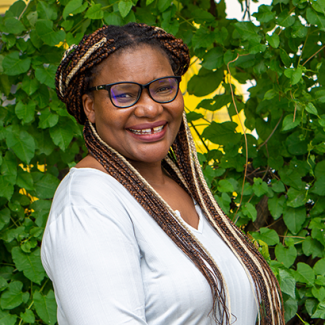 |
Faye Macheke es una apasionada feminista panafricana, que participa en movimientos por los derechos de las mujeres, la justicia racial, los derechos laborales y de las personas migrantes, y la justicia ambiental. Su activismo se ha alimentado del legado de la lucha contra el apartheid en Sudáfrica y del período posterior a la época del apartheid en Zimbabue. En 2019 Faye se incorporó a AWID como Directora de Finanzas, Operaciones y Desarrollo. Aporta una amplia experiencia en liderazgo feminista, estrategia y todos los aspectos del desarrollo organizativo. Faye es una comprometida integrante de la Junta Directiva de UAF-África y de otras organizaciones por los derechos de las mujeres. Vive en Ciudad del Cabo, Sudáfrica. |
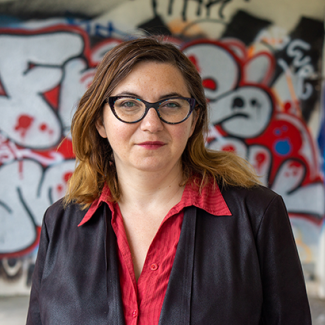 |
Inna Michaeli es una activista y socióloga feminista lesbiana queer, con muchos años de profundo compromiso con las luchas feministas y LGBTQI+, con educación política y activismo por y para mujeres migrantes y con la liberación de Palestina y la solidaridad con su pueblo. Inna se unió a AWID en 2016 y se desempeñó en diferentes funciones, más recientemente, como Directora de Programas. Contribuye con su extensa experiencia en investigación y construcción de conocimiento, promoción de políticas, y desarrollo organizativo. Inna integra la Junta Directiva de Jewish Voice for Peace (Alemania). Reside en Berlín, Alemania. |
Esta decisión es el resultado de un riguroso proceso que contó con la total participación de la Junta Directiva y el personal de AWID. La Junta reconoció y homenajeó las aptitudes y los talentos del personal de AWID, abriendo una búsqueda interna para la contratación. En consecuencia, se presentaron juntas, como equipo, dos candidatas brillantes que personifican la integridad, la ética del cuidado y los valores feministas interseccionales que impulsan el trabajo de AWID. Faye e Inna propusieron una valiente e interesante visión para enfrentar los desafíos de este momento: construir una comunidad feminista global, resistir y desestabilizar los sistemas de opresión y apoyar a los movimientos feministas para que prosperen.
Este año, en que AWID celebra sus 40 años, nos emociona que Inna y Faye co-lideren a AWID en sus estrategias y en una nueva fase de evolución y superación de las fronteras, apoyando a los movimientos feministas de todo el mundo.
Designar y apoyar a las Co-directoras Ejecutivas de AWID para que lideren la organización es una responsabilidad fiduciaria que, como Junta Directiva, tomamos muy seriamente. La forma en que desarrollamos esos procesos es también un reflejo de la brillante y diversa membresía de AWID, que elige a la Junta de AWID.
Al despedirnos de Cindy y Hakima, nosotrxs, la Junta Directiva, damos la bienvenida en forma unánime y entusiasta a Faye e Inna como nuestras próximas Co-directoras Ejecutivas a partir del 5 de septiembre de 2022. Manténganse atentxs a las actualizaciones sobre nuestra transición de liderazgo en los próximos meses.
Sobre todo, ¡gracias por su continuo apoyo!
Con solidaridad feminista y amor,
Margo Okazawa-Rey
Presidenta de la Junta Directiva de AWID
Avec jusqu'à 2 500 participant·e·s sur place et 3 000 participant·e·s virtuel·e·s/hybrides, il s'agira du plus grand Forum de l'AWID jamais organisé. Nous envisageons de mettre en place de multiples espaces qui vous permettront d'établir des liens significatifs, d'apprendre, d'échanger, d'avoir des échanges stratégiques, de guérir et de fêter. C'est la première fois que nous nous réunissons dans cet espace depuis la pandémie, et nous brûlons d’impatience.
Los discursos anti-derechos continúan evolucionando. Además de utilizar argumentos relacionados con la religión, la cultura y la tradición, los actores antiderechos cooptan el lenguaje de la justicia social y los derechos humanos para ocultar sus verdaderas agendas y ganar legitimidad.
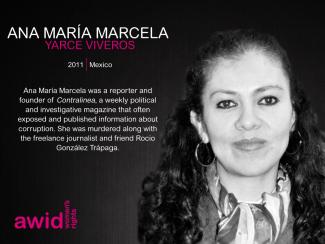
Jaitun, souvent appelée « Amma », œuvrait à la protection des droits reproductifs des femmes et des filles en Inde. Son travail s’est particulièrement centré sur la défense des personnes pauvres et marginalisées, dont les filles et femmes dalits et musulmanes.
Jaitun était la force vitale derrière l’affaire Jaitun contre Janpura Maternity Home & Ors. Sa persévérance à obtenir justice a permis d’aboutir à un jugement sans précédent rendu par la Cour Suprême de Delhi. Le gouvernement indien a ainsi été tenu responsable de n’avoir pas rempli plusieurs de ses obligations juridiques, telles que les soins de santé reproductive et le droit à l’alimentation.
Sa fille Fatema, qui vivait sous le seuil de pauvreté, s’était vu refuser l’accès à des services de santé reproductive et avait dû accoucher en public, sous un arbre. Jaitun et Fatema étaient à cette époque sans domicile, car le gouvernement avait démoli leur maison dans le cadre d’un projet de réaménagement et de gentrification à New Delhi.
« Depuis, le jugement a fait jurisprudence pour de nombreux·euses avocat·e·s et activistes du monde entier, et notamment l’ancien Rapporteur spécial des Nations Unies sur le droit à la santé, non seulement comme source d’inspiration, mais comme solide tremplin pour obtenir la justice. » - Jameen Kaur
Jaitun a inspiré de très nombreuses autres femmes vivant dans la pauvreté à réclamer leurs droits. Elle s’est éteinte en 2017.
« Avec le décès de Jaitun, nous venons de perdre une inimitable guerrière pour la justice, mais son esprit de résistance perdure. » - Jameen Kaur
« Je n’ai, au cours de mes 18 années de plaidoyer pour les droits humains, jamais rencontré de femme qui m’ait tant inspirée et émue qu’Amma. Son courage féroce, son humour inimitable - nous la comparions à l’actrice de Bollywood Hema Malini -, ses colères lorsque l’on passait trop de temps sans venir la voir : elle nous disait, une étincelle dans le regard, « Tu as oublié Amma, Amma ne te parle plus », puis faisait volte-face de manière mélodramatique, pour se retourner en riant et tendre les bras pour une embrassade. Sa gentillesse, et en fin de compte son amour, sa joie d’aimer et sa volonté que chacun·e ait le droit de vivre dignement en faisaient un être à part . Elle me manque terriblement. » - Jameen Kaur

Je t’appartiens depuis aussi longtemps que je peux me souvenir. Jeune fille, j’ignorais qu’il y avait un mot – féministe – pour nous toustes qui aspirons à vaincre et à démanteler le patriarcat, qui cherchons refuge dans les bras de l’inclusion et de l’intersectionnalité, qui traitons les gens comme des égaux, peu importent leur genre, leur race, leur sexualité, leur religion et leur ethnicité, qui apprenons constamment pour mieux faire, pour mieux être et pour nous servir de nos privilèges pour élever les autres.
Quand j’avais 14 ans, mon professeur de français au Collège, un trentenaire de 1,80 m, a agressé une élève de ma classe devant tout le monde. L’élève, une de mes amies d’enfance, et plusieurs autres filles de la classe sont allées voir la direction pour le dénoncer, les parents s’en sont mêlés et la classe entière, forte de ses trente élèves, a soutenu la fille. Mais toutes nos tentatives pour lui faire porter la responsabilité de son acte ont échoué, l’administration a gardé le silence sur l’histoire de la fille et il n’a jamais été renvoyé ni poursuivi. Les filles de ma classe et moi-même étions outrées, donc nous avons fait ce que toute jeune féministe en rage ferait : nous avons jeté des œufs sur sa voiture! Et bien que les œufs se lavent facilement et que la peinture utilisée pour écrire « Sale porc » et « Khamaj » (ordure) sur sa carrosserie pouvait être grattée, je n’oublierai jamais comment nous nous sentions après cela. [MB1] Libérées, enragées, heureuses, solidaires et puissantes. Ce même sentiment m’envahit à chaque nouvel événement féministe auquel je prends part depuis. L’adolescente féministe en moi a grandi et rejoint Women Deliver, l’AWID, Unootha, animé des ateliers féministes à l’université et même été poursuivie pour son affiliation féministe à 19 ans, mais ça, je le garde pour une autre lettre.
Les mouvements et les espaces féministes m’offrent la sécurité et l’autonomisation. Ce sont les mères que nous aurions aimé avoir et le lien dont nous avions besoin pour nous connecter et nous organiser, malgré nos différences contre un ennemi commun qui mine tout le monde, le patriarcat. C’est grâce à toi que j’ai appris à être résiliente et à mettre toutes mes forces et mes compétences au service des autres en les soutenant, en mettant la lumière sur les marginalisées et en tendant le micro à celles qu’on n’entend jamais.
Ce que j’aime le plus chez vous, les mouvements féministes, c’est que parfois vous merdez, vous négligez et marginalisez aussi, vous avez des biais - comme tout autre mouvement - mais ce qui vous rend différents, c’est que vous vous efforcez toujours de mieux faire. La redevabilité ne vous effraie pas, et vous êtes un collectif en constante évolution qui reflète la manière dont l’altruisme et la philanthropie dans l’effort vers l’équité de genre changent à mesure que le temps passe.
Puissiez-vous continuer à croître, puissiez-vous faire mieux, puissiez-vous être toujours enragés, puissiez-vous continuer à rugir, puissiez-vous toujours aimer, puissiez-vous toujours parler des langues différentes et puissiez-vous toujours avoir le pouvoir.
Avec amour, lumière et rage,
Lina
Our Access Fund will offer a limited number of scholarships to fund the participation of activists who cannot otherwise make it, and don’t have relationships with funders who could cover their participation. So if you have other possibilities, please explore them. We will do our best to offer as many scholarships as we can, and will share more information about this process and how to apply in early 2024.
Décideur·se politique à l’ONU, vous souhaitez apprendre à repérer les principaux groupes et discours antidroits au sein de l’institution ? Vous êtes un·e féministe, à la recherche de contre-arguments éclairs ? Ce résumé vous propose les informations essentielles en 8 pages seulement.
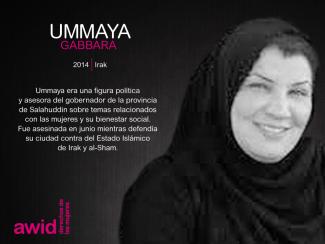
In 2023, feminist and women's rights organizations had a median annual budget of USD 22,000. Behind that median lies disparity and inequality: while a few groups access large-scale resources, the vast majority survive on shoestring budgets.
A closer look at actual budgets reveals major income diversity and inequality.