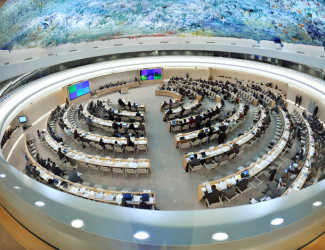
A general view of participants at the 16th session of the Human Rights Council in Geneva, Switzerland.
Analyses Spéciales
L´AWID est une organisation féministe mondiale qui consacre ses efforts à la justice de genre, au développement durable et aux droits humains des femmes
Le Conseil des droits de l'homme (CDH) est un organe intergouvernemental clé du système des Nations Unies, responsable de la promotion et la protection des droits humains autour du globe. Il se réunit trois fois par an en session ordinaire, en Mars, Juin et Septembre. Le Bureau du Haut-Commissariat des Nations Unies aux Droits de l’Homme (HCDH) constitue le secrétariat pour le CDH.
Le CDH :
Débat et adopte des résolutions sur les questions globales des droits humains ainsi que sur la situation des droits humains dans des pays particuliers
Examine les plaintes des victimes de violations des droits humains et des organisations activistes, au nom des victimes de violations des droits humains
Nomme des experts indépendants (que l'on connaît sous le nom de « Procédures Spéciales ») pour réviser les cas de violation des droits humains dans des pays spécifiques, ainsi que pour examiner et suivre des questions globales relatives aux droits humains
Prend part à des discussions avec les experts et les gouvernements sur les questions de droits humains
Évalue les bilans des États membres de l'ONU en matière de droits humains tous les quatre ans et demi, dans le cadre de l'examen périodique universel.
La prochaine session du CDH a lieu à Genève, en Suisse, du 30 juin au 17 juillet 2020.
AWID travaille avec des partenaires féministes, progressistes et du domaine des droits humains pour partager nos connaissances clé, convoquer dialogues et évènements avec la société civile, et influencer les négociations et les résultats de la session.
Avec nos partenaires, notre travail consiste à :
◾️ Suivre, surveiller et analyser les acteurs, discours et stratégies anti-droits et leur impact sur les résolutions du CDH.
◾️ Co-développer un plaidoyer collectif pour contrer les acteurs anti-droits et discuter plus en détails les résultats du Rapport de tendances 2017 du OURs
◾️ Soutenir, coordoner et développer de manière collaborative le Caucus féministe qui émerge au CDH.
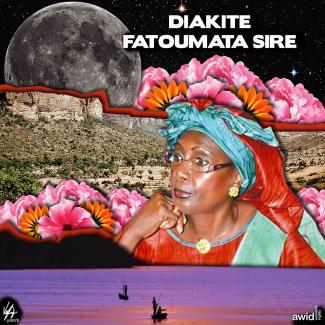
Diakite estuvo activamente comprometida con la defensa de las mujeres en la vida política y pública de Mali.
Trabajó para apoyar la capacitación de candidatas electorales y habló en contra de la práctica de la mutilación genital femenina (MGF). Fue una firme defensora de la salud y los derechos reproductivos.
Snippet FEA Union Otras Photo 5 (ES)
14th AWID international Forum is cancelled (forum page)
El 14°Foro Internacional de AWID ha sido cancelado
Dada la situación global, nuestra Junta Directiva tomó la difícil decisión de cancelar el Foro que estaba programado en 2021, enTaipei.
Tengo la convicción de que las mujeres empoderadas dotan de empoderamiento a otras mujeres, y es por ello que la he pasado tan bien como afiliada de AWID. Todo lo que sé y lo que entiendo de feminismo e interseccionalidad se ha ampliado gracias a los contactos que tuve como parte del Equipo de la Calle de la Comunidad AWID. Espero que más mujeres se sumen y compartan temas e ideas que ayuden a otras mujeres. - Loyiso Lindani, Sudáfrica.
Mangue
Jurema Araújo est une enseignante-poète originaire de Rio de Janeiro. Elle a contribué au magazine Urbana, édité par les poètes Brasil Barreto et Samaral (paix à son âme) et au livre Amor e outras revoluções (L’amour et autres révolutions) avec plusieurs autres écrivain·e·s. En collaboration avec Angélica Ferrarez et Fabiana Pereira, elle a coédité O livro negro dos sentidos (Le livre noir des sens), une anthologie créative sur la sexualité des femmes noires au Brésil. Jurema a 54 ans ; elle a une fille, trois chiens, un chat et beaucoup d’ami·e·s.
Tu la suces avec moi?
La mangue est mon fruit préféré.
J’ouvre ma bouche
et l’avale toute entière,
sa chair est prise entre mes dents
qui se font tendres pour ne pas la blesser
et entre ma langue et mon palais, je la serre
puis je la retire pour en lécher tous les côtés
alors que son jus coule dans ma bouche
et que je m’arrose de ce nectar délicieux
avant de l’introduire de nouveau dans ma bouche
car la mangue est semence et miel;
elle est fibre et saveur.
Et je suis ivre lorsque je termine,
toute miellée et sucrée,
mes lèvres trempées.
Mmmmm, quel est l’intérêt de la mangue, si ce n’est pour l’étaler?
Nous vous présentons le Black Book of Senses (Le livre noir des sens)
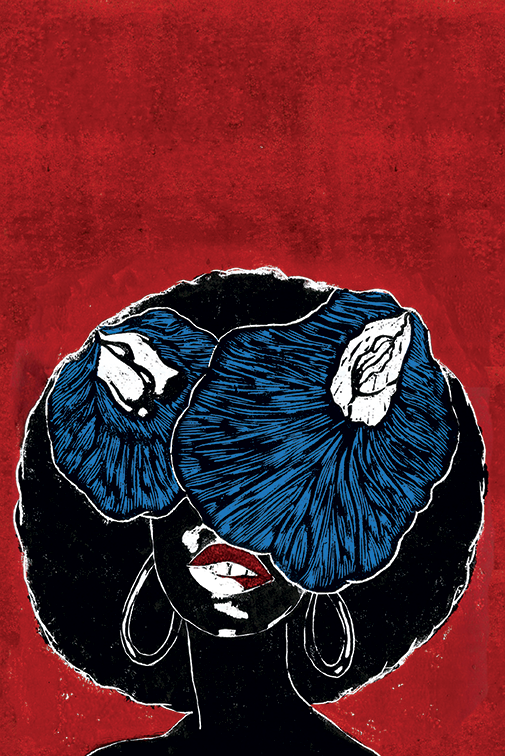
Je vais être honnête : lorsque Angélica et Fabi m’ont proposé de créer une collection de textes érotiques écrits par des femmes noires, j’ignorais ce que c’était que de produire un recueil. Je maîtrisais le thème de l’érotisme, mais créer un recueil… J’ai souri, timide et flattée. Je crois que je les ai remerciées – du moins je l’espère! – et je me suis dit : mais qu’est-ce que c’est que ce truc, putain?! C’est quoi ce mot pompeux que je vais devoir intégrer tout en le mettant en pratique?
Aujourd’hui, je sais ce que c’est que de créer un recueil : c’est faire l’amour avec les écrits de quelqu’un d’autre, avec l’art de quelqu’un d’autre dans le but d’en faire un livre. Et c’est exactement ce que j’ai fait. J’ai dévêtu le texte de chaque autrice avec une lascivité littéraire. J’ai eu un rapport avec les mots et les sens d’autres personnes. J’ai été pénétrée par des poèmes que je n’avais pas écrits; des contes que je n’aurais jamais osé imaginer m’ont retournée, ont chamboulé mes sentiments, ma libido. Et c’était un orgasme inhabituel et merveilleux : éthéré, corporel, sublime, à la fois intellectuel et sensitif.
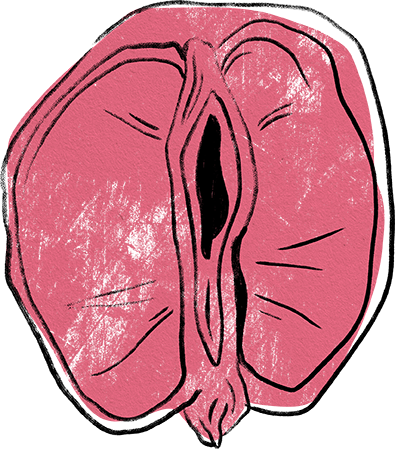
Ces textes pulsaient comme un clito durci par le désir, trempé, dégoulinant de joie à chaque lecture. Des mots dont la grivoiserie m’aspirait, me faisant plonger plus profondément dans cet univers humide.
Ces femmes noires sont allées au fond de leur excitation et ont transformé leurs fantasmes érotiques les plus profonds en art. Ces œuvres sont imprégnées de la manière dont chaque autrice vit la sexualité : libre, noire, individuelle, la sienne, son pouvoir retrouvé.
J’ai choisi de classer les textes en différentes parties dans le livre, chacune étant organisée en fonction du contenu le plus délicat, explosif, évident ou implicite qu’elle renfermait.
Pour ouvrir la porte à cette « envulvée noiressence », nous proposons la section Préliminaires, avec des textes qui introduisent le lecteur dans ce monde de délices. Il s’agit d’une caresse plus générale et délicate afin d’accueillir les sujets que les textes aborderont dans le reste du livre.
Puis vient la chaleur du Toucher, qui évoque les ressentis de la peau. Cette énergie qui brûle ou transite nos corps, fait bouillir nos hormones et éveille à leur tour nos autres sens. Et même si nous sommes nombreux·ses à être voyeurs·euses, le contact de la peau sur une bouche humide et chaude est excitant, comme si vous naviguiez dans la douceur de la personne qui se trouve avec vous. On est séduit par le contact ferme ou doux qui nous fait frissonner et ce picotement délicieux qui nous traverse du cou au bas du dos et qui ne disparaît que le lendemain. Et la chaleur des lèvres, la bouche, la langue humide sur la peau – ah! la langue dans l’oreille, mmmm – ou peau contre peau, les vêtements glissant sur les corps, comme s’ils se voulaient une extension de la main de l’autre. S’il n’y a pas d’urgence, l’excitation absolument sauvage d’une étreinte ferme, un peu de douleur – ou pourquoi pas, beaucoup?
La section Son – ou mélodie? – nous montre que l’attirance pour une personne passe également par l’ouïe : c’est la voix, les chuchotements, cette musique qui permet la connexion des corps et peut constituer la trame même du désir. Pour certain·e·s d’entre nous, la seule voix d’une personne ayant un joli timbre, qu’il soit rauque, traînant ou mélodieux, suffirait à nous donner un orgasme auditif. Elle n’aurait qu’à jurer grossièrement ou nous murmurer des mots doux à l’oreille pour nous faire frissonner du cou au coccyx.
Dans Saveur, nous confirmons que la langue est imbattable lorsqu’il s’agit d’aller goûter les endroits les plus enfouis et parcourir les corps pour se faire plaisir. Parfois, on l’utilise audacieusement pour goûter le nectar de l’autre. L’idée d’offrir sa fraise ou sa mangue délicieuse et juteuse à des morsures ou des coups de langue – ou des coups de langue et des morsures – nous désarme. Mais rien n’est plus délicieux que de goûter aux grottes et collines de la personne avec laquelle on est. Enfoncez votre langue bien profond pour goûter à ce bout de fruit… ou passez des heures à goûter le gland d’une queue dans votre bouche, passez votre langue sur des seins gourmands pour en goûter leurs tétons. Il s’agit de se souvenir d’une personne par la Saveur qu’elle nous a laissée.
Il y a aussi les textes où c’est le nez qui déclenche le désir. L’Odeur, mes chers·ères lecteurs·trices, est capable de nous éveiller aux délices du désir. Parfois, nous rencontrons des gens qui sentent si bon que nous voudrions les aspirer par le nez. Lorsque vous sillonnez le corps de l’autre avec le nez en commençant par le cou, sentez ce frisson délicieusement inconfortable qui parcourt votre colonne vertébrale et déshabille votre âme! Ce nez impudent se déplace ensuite vers la nuque où il capture le parfum de l’autre de telle sorte qu’en l’absence de cette personne, ce même parfum évoque, voire se répand en nous dans des souvenirs olfactifs qui ressuscitent l’odeur affolante de cette dernière.
Nous en venons au Regard – le plus traître des sens selon moi – où nous percevons le désir à partir d’un point de « vue ». Les textes présentent le désir et l’excitation par le biais de la vue, qui à son tour provoque les autres sens. Il suffit parfois d’un sourire pour nous rendre dingues. L’échange de regards? Celui qui dit : « J’ai envie de toi, là, maintenant ». Ce regard possédé qui s’éteint quand vous avez fini de baiser, ou pas. Celui-là est très particulier; il attire à lui l’autre qui ne pourra en détourner ses yeux très longtemps. Ou les regards du coin de l’œil – quand on détourne le regard au moment où l’autre va tourner la tête, comme un jeu du chat et de la souris? Pris·e·s en flagrant délit, il ne nous reste plus qu’à lui décocher un large sourire.
Pour finir, l’explosion. En se promenant à travers Tous les sens, les textes mêlent des sentiments qui prennent des allures d’alarme et nous entraînent vers le plaisir suprême : l’orgasme.
Bien sûr, ces différents contes et poèmes ne diffèrent d’aucune façon explicite. Certains sont subtils. L’excitation fait appel à tous nos sens et, plus fondamentalement, à notre tête. C’est là que ça se passe, c’est là que se fait la connexion à tout notre corps. J’ai organisé les poèmes selon la façon dont je les sentais à chaque lecture. Libre à vous de ne pas être d’accord! Mais pour moi, il existe un sens particulier par lequel le désir passe et puis explose. Et il y a quelque chose de délicieux à découvrir duquel il s’agit.
Pour pouvoir transformer l’excitation en art, nous devons nous libérer de tous nos préjugés, de nos prisons et des stigmates dans lesquels cette société centrée sur les Blancs nous a enfermé·e·s.
Chaque fois qu’une autrice noire transforme l’érotique en art, elle brise ces chaînes racistes et néfastes qui paralysent son corps, répriment sa sexualité et nous transforment en objet de convoitise d’un autre. Écrire de la poésie érotique, c’est reprendre le pouvoir sur son propre corps et parcourir sans crainte les délices du désir pour soi-même, pour les autres, pour la vie.
L’érotisme littéraire reflète ce que nous sommes lorsque nous en faisons de l’art. Nous montrons ici le meilleur de nous-mêmes, nos visions de l’amour trempées de plaisir, assaisonnées d’érogénéité, répandues dans nos corps et traduites par notre conscience artistique. Nous sommes multiples et nous partageons cette multiplicité de sensations dans des mots dégoulinants d’excitation. Oui, même nos mots dégoulinent de notre désir sexuel, mouillant nos vers, transformant nos pulsions sexuelles en paragraphes. Pour nous, jouir est révolutionnaire.
Nous devons noircir nos esprits, nos corps et notre sexualité, renouer avec notre plaisir et nous réapproprier nos orgasmes. Ce n’est qu’alors que nous serons libres. Tout ce processus est une révolution et il se fait dans la douleur. Mais il y a du bonheur à se découvrir très différent·e·s de ce que l’on attendait de nous.
Je sens que je suis à vous, je suis à nous. Goûtez, prenez plaisir, régalez-vous de ces mots merveilleux avec nous.
Ce texte est une adaptation des introductions de “O Livro Negro Dos Sentidos” [Le livre noir des sens], un recueil érotique de poèmes composés par 23 autrices noires.
Continuez à explorer Incarnations transnationales
Cette édition du journal, en partenariat avec Kohl : a Journal for Body and Gender Research (Kohl : une revue pour la recherche sur le corps et le genre) explorera les solutions, propositions et réalités féministes afin de transformer notre monde actuel, nos corps et nos sexualités.
نصدر النسخة هذه من المجلة بالشراكة مع «كحل: مجلة لأبحاث الجسد والجندر»، وسنستكشف عبرها الحلول والاقتراحات وأنواع الواقع النسوية لتغيير عالمنا الحالي وكذلك أجسادنا وجنسانياتنا.
Andaiye' en swahili significa 'una hija vuelve a casa'. Nació como Sandra Williams el 11 de septiembre de 1942 en Georgetown, Guyana, y cambió su nombre por el de 'Andaiye' en 1970, cuando los movimientos del Black Power [Poder Negro] arrasaron en su país y en la región del Caribe.
Andaiye fue considerada una figura transformadora al frente de las luchas por la liberación y la libertad. Fue una de lxs primerxs integrantes y líder activa de la Working People’s Alliance [Alianza de la Gente Trabajadora] (WPA, por sus siglas en inglés), un partido socialista de la Guyana que luchó contra el régimen autoritario existente y continuó, a lo largo de su vida, centrando su activismo en la justicia para la clase trabajadora y los derechos de las mujeres rurales, y en la superación de las barreras étnicas entre las mujeres Indo y Afro-Guyanesas.
Andaiye fue cofundadora de la Red Thread Women [Hilo Rojo Mujeres], una organización que aboga para que el trabajo de cuidados de las mujeres fuese remunerado justamente, también trabajó en la Universidad de West Indies y con el CARICOM. Andaiye señaló, sin ningún temor a desafiar a los gobiernos, los desequilibrios de género en las juntas estatales, la discriminación de lxs trabajadorxs sexuales en las leyes existentes, reclamó el derecho al aborto en Jamaica, y se pronunció abiertamente contra los acuerdos comerciales como el Caribbean Single Market and Economy [Mercado y Economía Únicos del Caribe] (CSME, por sus siglas en inglés) que permitía la libre circulación de las trabajadoras domésticas migrantes, pero no otorgaba esos mismos derechos a sus hijxs.
Andaiye publicó varios ensayos académicos, escribió columnas de prensa y también editó los últimos libros de Walter Rodney, un activista político guyanés y líder de la AMP, que fue asesinado en 1980. Andaiye sobrevivió a un cáncer y fue una de lxs fundadorxs de la Guyana Cancer Society [Sociedad de Guyana Contra el Cáncer] y del Cancer Survivors’ Action Group [Grupo de Acción de Sobrevivientes del Cáncer]. También fue integrante de la Junta Directiva de la Caribbean Association for Feminist Research and Action [Asociación Caribeña para la Investigación y la Acción Feminista] (CAFRA, por sus siglas en inglés), y Directora del Help and Shelter [Ayuda y Refugio] e integrante de la Junta Directiva de la Guyana National Commission on Women [Comisión Nacional de Guyana sobre las Mujeres]. Andaiye recibió varios premios a lo largo de su vida, entre ellos, la Flecha de Oro de los Logros de Guyana (el cuarto premio nacional más importante del país).
Andaiye falleció el 31 de mayo de 2019 a la edad de 77 años. Los homenajes que posteriormente le rindieron activistas, amigxs y personas inspiradas por su vida dan cuenta, elocuentemente, de su asombroso legado y su hermosa humanidad.
Algunos ejemplos:
"Andaiye tuvo un profundo efecto en mí... fue tantas cosas: una educadora, una luchadora; me enseñó a ser autocrítica, a pensar con más claridad, me enseñó sobre la supervivencia, sobre lo increíble que puede ser el coraje, sobre la compasión, a ir más allá de las apariencias externas y a tratar a la gente como personas y no dejarse distraer por su estatus, clase, raza... o cualquier otra cosa". Peggy Antrobus, activista feminista, autora, académica, Barbados.
"El tipo de idealismo convencido que Andaiye expresó, su voluntad de confrontar el mundo y su creencia obstinada en que realmente lo puedes cambiar... Esa política de la esperanza... ¿De qué otra forma podemos rendir homenaje a su vida, legado y memoria si no es haciendo nuestro trabajo de forma ética y con una autocrítica continua? Y situando el trabajo de cuidados de las mujeres en el centro de todo esto." - Tonya Haynes, Barbados.
"Puedo escuchar sus ocurrencias en nuestro entusiasmo colectivo. Así, a través de las lágrimas, puedo reír. Mis más profundas reverencias a ti, querida Andaiye, gracias por todo. Te deseo amor y luz para el viaje de tu espíritu. Saluda a Walter y a todxs lxs ancestrxs". - Carol Narcisse, Jamaica.
L’AWID propose la Boîte à outils « Où est l’argent pour les droits des femmes? » (« Where Is The Money for Women's Rights? », WITM) pour soutenir les individus et les organisations qui souhaitent mener leur propre recherche sur les tendances de financement en adaptant la méthodologie de recherche de l’AWID à une région, une question ou une population spécifique.
La Boîte à outils WITM de l’AWID est le produit de dix ans de recherches. La rméthologie WITM de l’AWID proposent une démonstration politique et pratique des ressources et des étapes qu’exige une solide recherche-action.
L’équipe 'Ressources des mouvements féministes' offre également un soutien technique et politique, avant et pendant le processus de recherche. Parcourez la boîte à outils et contactez fundher@awid.org si vous souhaitez plus de renseignements.
La conspiration du cercle des écrivain·e·s | Wazina Zondon
Également connue sous le nom de Réseau de recherche Teta, la conspiration des écrivain·e·s a été fondée en 2021 dans le cadre des cercles d’écriture hebdomadaires de Kohl. Le Réseau est un groupe transnational d’écrivain·e·s queer et féministes qui se consacrent à l’écriture, à la réflexion et à la création de monde collectifs.
Wazina Zondon est une Afghane élevée à New York. Elle centre son travail de recueil d’histoires et de narration sur les souvenirs collectifs et les rites de passage dans la diaspora. Elle travaille actuellement sur Faith : in Love/faith in love (Foi : en amour / Foi en l’amour), travail qui (re)retrace l’histoire d’amour de ses parents et l’empreinte d’amour héritée de sa famille.
L’amour est sur le marché noir en enfer
car l’amour est un acide
qui ronge nos barres de fer.
Mais toi, moi et demain,
on jure en se tenant la main
que les luttes se multiplieront.
La scie à métaux a deux lames.
Le fusil a deux canons.
Nous portons la liberté en notre sein.
Nous sommes un complot.
Il est de notre devoir de lutter pour la liberté.
Il est de notre devoir de vaincre.
Nous devons nous aimer et nous soutenir mutuellement.
Nous n’avons rien d’autre à perdre que nos chaînes.
« Love » d’Assata Shakur
« Si on peut hériter de traumatismes, peut-on aussi hériter d’une impression en lien avec l’amour? »
Voilà la question que pose Wazina Zondon dans son récit de souvenir collectif Loveprint. Loveprint est une déambulation, un chevauchement, un détour qui (re)crée, là où se rejoignent les entrevues et les essais personnels, nos histoires de famille et nos connaissances sur l’amour, les relations de couple et les aventures amoureuses. Sur les conseils de Wazina, la conspiration du cercle des écrivain·e·s s’est retrouvée autour d’une tentative de reproduction de cette épreuve littérale, sous la forme d’une écriture collective dans laquelle nos différentes histoires, nos genres et nos identités sexuelles se complètent et se contredisent. Nos voix empiètent les unes sur les autres, les unes complètent les phrases des autres et nous créons une conversation, un mémorial, des morceaux de nous qui parlent à un « nous ».
Quelles sont les origines de ton impression d’amour?
Je suis ce que l’on appelle un « joyeux accident ». Il y aurait beaucoup à dire à ce propos – une vie accidentelle, mais dans le même temps totalement voulue. Je sens que cela a façonné ma manière d’aimer. Je ne tombe pas simplement amoureuse, je prends le risque de la glissade qui me fera tomber. Ça a peut-être fait de moi une amor fati.
On m’a dit que je n’étais pas une enfant voulue. Donc, j’ai grandi et je suis devenue une adulte non voulue. Les origines de mon impression d’amour viennent d’avoir été éternellement non bienvenue. Je ne suis pas le fruit d’un amour ou d’une quelconque émotion joyeuse, mais bien plutôt de douleur et de fardeau. Je n’ai pas d’impression d’amour – du moins pas dans ce sens-là.
Je sais avec certitude que mes parents se sont aimés à un moment, mais la santé mentale est un tel démon – si personne ne lui tient tête, il n’y a pas de gagnant.
Je n’associerai jamais « l’amour » à mes parents ou à la famille normative. En grandissant, l’amour était accompagné de tant de violence et de responsabilités que je n’avais pas demandées, et pour lesquelles je n’étais pas prête. Alors que mes parents « s’aimaient », c’était un éthos toxique de violence, de jalousie et d’insécurité dans lequel grandir. J’ai grandi avec une immense faim de stabilité, et c’est ce que je suis aujourd’hui. Je prends des risques, mais jamais dans mon « espace d’amour ».
Je ne sais pas pourquoi ma mère a choisi d’accueillir une enfant
(moi) en son sein. Elle ne m’aime pas sous cette forme.
Ma mère me dit que si je dois penser à « trouver » l’amour, je ne devrais jamais prendre son mariage en exemple. Mon impression d’amour vient au contraire des chiens que j’élève depuis deux décennies (18 ans précisément). Le contraire est également vrai – ils m’ont élevée. Je comprends de mieux en mieux cet amour et ses différents niveaux, en leur compagnie.
Je n’ai pas découvert l’amour avec une « impression ». Dans notre maison, nous ne parlons pas d’amour. J’ai dû m’enseigner à aimer. J’ai dû y travailler dur. Malgré cela, j’échoue et malgré cela, je continue d’essayer et d’échouer tous les jours. L’échec est peut-être mon impression d’amour.
Mon impression d’amour est l’attention, la chaleur et la compréhension
que je donne aux personnes qui m’entourent, qu’il s’agisse d’un inconnu,
d’une amie, d’une proche ou d’une amante. Mon impression d’amour est politique – sans calcul et sans réflexion.
Je suis né·e sous une pluie de bombes.
Mon impression d’amour est le négatif
de ce moment-là.
Leçon tirée de l’amour
J’en sais plus sur ce que l’amour n’est pas que je n’en sais sur ce qu’est l’amour.
L’amour, ce n’est ni l’anxiété ni la panique.
L’amour, ce n’est pas de demander la permission de vivre ou de respirer. C’est toujours à propos de l’amour et il n’y a pas d’amour sans liberté.
Tout ce que l’on fait, on le fait avec le cœur, sauf l’amour. L’amour, c’est se servir de son esprit.
Je crains parfois que le langage de mon amour ne se perde dans la traduction.
--- Il y a de nombreuses manières
de cartographier les origines
de
la manière de ne pas
aimer
aimer juste assez
aimer beaucoup trop
aimer un peu
perdre un peu
à l’amour
à l’amour perdu ---
Je ne supporte pas l’idée du couple. Je ne supporte pas l’idée de vivre seule en vieillissant non plus. Je suis fatiguée de tout faire toute seule, de déménager seule, de payer le loyer et les factures toute seule… Je m’imagine avoir un arrêt cardiaque toute seule, et ça m’effraie. Je n’ai absolument pas envie de « me mettre en couple ». Je veux un monde où je peux épouser une amie, acheter une maison avec une amie, ne pas avoir de rapports sexuels.
Aimer plusieurs personnes ne corrompt
absolument pas l’amour partagé à deux, et que l’amour
soit romantique ou non n’est vraiment pas si
important que cela.
Lorsque je réfléchis à l’état déplorable de mes relations, je me rends compte que je suis dans le type de relation auquel on m’a formée. Malgré toute ma « radicalité », je n’ai toujours pas désappris les foutues normes de genre.
Mon besoin de stabilité ne me semble pas « assez radical ». Je veux sortir de cette catégorisation. Je veux quelque chose que je n’ai jamais eu. Je veux le rendre beau. Je veux me sentir belle et en sécurité – et seule la stabilité me procure ces sensations. Sûre, hors de danger, savoir que le foyer n’a rien à voir avec la violence ni les tensions.
--- Impression d’amour – j’aime sentir les livres pour voir où ils
ont été imprimés
Je tente de réfléchir à l’origine de ma compréhension et de ma
pratique de l’amour
A-t-on besoin d’origine, n’est-ce pas pareil à la pureté? Pas de
pureté ni d’origine de l’amour.
Pourquoi est-ce la compréhension et la pratique, et non
« l’émotion » qui vient à l’esprit? ---
Lorsque j’appelle mes parents, je ne raccroche pas après que l’on se soit dit au revoir, pour pouvoir entendre les bruits de la maison.
De quoi avons-nous besoin pour être/nous sentir aimées dans la mort?
Lors de mon enterrement sunni, je veux que toutes les femmes et tous les hommes se rassemblent pour mon enterrement. Qu’est-ce que c’est que cette histoire de ne pas pouvoir dire au revoir à des morts d’un autre sexe? Il sera sunni parce que ma mère voudrait qu’il le soit. Il sera écologique – pas besoin de pierre tombale. J’adore tous les rituels funéraires. Le Coran c’est bien, mais je veux aussi de la musique. J’aime vraiment Asmahan, Oum Koulthoum et The Stones Roses.
J’ai une liste de musiques pour la semaine, du lundi au vendredi. Et deux autres pour la fin de semaine : une pour les samedis et une pour les dimanches. Je voudrais que celles et ceux qui m’ont aimée mettent la musique que j’écoutais, en respectant les jours – avec une légère tolérance tant que l’on respecte les listes de musiques.
Je veux être entourée par la ou les personnes qui m’auront aimée, même pour un bref instant. En musique et entourée de bouquets de fleurs coupées. Je ne veux pas qu’on me trouve morte; je veux mourir en riant avec des êtres aimés.
Je veux que l’on se rappelle de moi comme de quelqu’un qui aimait.
I don’t need to feel loved in death. I need the people around me to feel I loved them, even after I die. Being loved in death is about those who are alive. So I think more about how we come together as a living and loving community in the death of those we love and live with. How we take their memories with us. How we become archives of their lives.
--- Parfois, on ne peut aimer les gens que dans leur mort ---
Je dois revenir en arrière à l’idée du corps connecté à un espace. Ma famille est très réduite et, bien que ne venions pas de différents endroits, c’est comme si chaque génération était partie dans un nouveau lieu. C’est peut-être la raison pour laquelle la mort n’est pas reliée à un endroit spécial, à un cimetière. Il est courant dans notre famille d’enterrer les morts sans nom ou pierre tombale, ou de disperser les cendres dans le vent. Je me sens apaisée par ce genre de commémoration sans lieu fixe. L’idée que mes cendres puissent fertiliser une nouvelle vie me donne le sentiment d’être aimée, d’être remémorée par la re-création. Ma grand-mère est décédée en début d’année du fait de complications suite à la vaccination. Deux heures après son décès, ma famille riait aux larmes en repensant aux blagues qu’elle faisait, à sa manière hilarante de raconter des histoires. Nous avons ri et l’avons aimée, et c’était comme si elle était à nouveau assise avec nous. Voilà ce qui me ferait me sentir bien – pouvoir fertiliser les sols, fertiliser les conversations et une commémoration collective.
--- Il y avait
Deux rues dans lesquelles
Je marchais
Je courais
Je jouais
Je demeurais
Il y avait
Cinq heures pendant lesquelles
Le soleil était chaud
Le ciel était bleu
La terre était verte
Il y avait
Une fleur que je pouvais
Sentir
Toucher
Pincer
Écraser
Il y avait
Les amies que je pouvais
Caresser
La nourriture
Que je pouvais
inhaler
La langue
Qui me glissait des
lèvres
Il pourrait toujours y avoir
Tous ces nombreux lieux
Et des choses
Et des gens
Après moi ---
Peut-être qu’une promesse que je serai « spatialement commémorée » en tant que plante et soignée à tour de rôle, jusqu’à ce qu’elle devienne un arbre, serait suffisante. Pas de nom, pas de plaque – juste la plante/l’arbre, et savoir qu’on en prendra soin. Quant à mon corps, je veux qu’il soit incinéré sans aucune forme de rituel et que les cendres de mes os soient libérées dans la mer d’Arabie.
J’ai besoin que l’on traite mon corps aussi subversivement qu’il a vécu.
Je ne veux pas être enterrée à côté de ma famille. Dans ce petit tiroir à côté de toutes les personnes qui ne m’ont jamais connue. Coincée dans la mort comme je l’ai été dans la vie. Je veux être incinérée, et que mes cendres soient finalement libres.
Je veux être autorisé·e à passer, pas pendre dans l’entre-deux, pour être une présence, un processus actif, un trépas.
Je vous demanderai de :
me libérer et de me laisser passer
ne pas laisser la nostalgie entacher ce moment parce que je ne demanderai que la normalité de vos expressions
j’ai déjà récupéré les petits aperçus et rangé de côté les petites et grandes manières que vous aviez déjà de m’aimer pour pouvoir tenir. Je me suis maintenue en vie avec
définir une durée limitée pour faire votre deuil
vous rappeler qu’il n’y a pas de séparation dans la beauté d’aimer; elle est infinie et elle se régénère sans le corps
Je veux que l’on se souvienne de moi pour l’amour que j’ai mis dans ce monde. Je veux que
mon corps soit donné, et que mes organes continuent d’alimenter
l’amour d’une ou d’autres vies.
--- L’odeur du jasmin ---
Continuez à explorer Incarnations transnationales
Cette édition du journal, en partenariat avec Kohl : a Journal for Body and Gender Research (Kohl : une revue pour la recherche sur le corps et le genre) explorera les solutions, propositions et réalités féministes afin de transformer notre monde actuel, nos corps et nos sexualités.
نصدر النسخة هذه من المجلة بالشراكة مع «كحل: مجلة لأبحاث الجسد والجندر»، وسنستكشف عبرها الحلول والاقتراحات وأنواع الواقع النسوية لتغيير عالمنا الحالي وكذلك أجسادنا وجنسانياتنا.
« C’[elle] était une personne qui se caractérisait par son travail acharné en faveur de la défense des droits humains et la construction de la paix à Nariño, notamment dans la municipalité de Samaniego-Nariño » - Jorge Luis Congacha Yunda pour Página10
Paula Andrea Rosero Ordóñez était avocate au sein du bureau du Ministère public à Samaniego, Nariño, l’agence principale qui défend les droits des citoyen·ne·s en Colombie.
Elle s’est concentrée sur les droits civils et politiques, les enjeux d’impunité et de justice, et a contribué à dévoiler les abus de pouvoir, dont la corruption. Elle a également participé à des projets de construction de la paix dans sa ville natale, Samaniego, comme le Conseil municipal pour la paix et le Bureau municipal de femmes.
Paula a reçu des menaces de mort après avoir exposé une gestion irrégulière des ressources, de même que porté plainte contre des actes de corruption au sein de l’Hôpital Lorencita Villegas dans la municipalité de Nariñense. Elle a été assassinée le 20 mai 2019, lorsque deux hommes se sont approchés d’elle et l’ont abattue à bout portant.
📅 Tuesday, March 11, 2025
🕒 2.00-4.00pm EST
🏢 Chef's Kitchen Loft with Terrace, 216 East 45th St 13th Floor New York
Organizer: Observatory on the Universality of Rights (OURs) Consortium
Desde el corazón de la comuna
Por María Bonita - Venezuela
Las ancestras hacen un círculo
Sagrado, vivo, poderoso
Estamos en el medio
Sintiendo su fuerza.
Suena el tambor de la tierra
Nuestra piel se viste de colores
Somos verdes, rojas, naranja, azules, violetas, negras
Suena el tambor de la tierra
La voz vibra, el grito ocupa, el canto se presenta, arrulla el sueño, despierta conciencia.
Suena el tambor de la tierra
Y la mirada se hace cómplice, amiga, profunda.
Suena el tambor de la tierra
El corazón es uno solo, percuta el alma, nos invita a movernos, nos vuelve deseo, nos indica un camino.
El de la juntanza comunera, el del poder popular, el del autogobierno, el de la revolución de las mujeres, el del cuidado subversivo.
Suena el tambor de la tierra
Y yo les invito a entrar, a ser voz, piel, mirada, semilla, fuego, canción, comunión.
Suena el tambor de la tierra
Y yo les invito a descubrirla, a amarla, a conocerla, a defenderla, desde el corazón de la comuna
Hace 25 años que habitan las mismas calles polvorientas, en lo más alto de una loma con nombre de león, vienen de diferentes lugares, muchas con tradición campesina, tienen la piel color rebeldía, color cardón, porque en ellas habita el semiárido larense, de allí su amor por la vida, su aprecio, el cuidado y resguardo por el agua y el territorio, es que son herederas de la estirpe Gayón, Ayaman, comunidades indígenas que habitaron y habitan el norte del estado Lara.
Desde muy jóvenes aprendieron que la maternidad es un signo del que no se escapa con facilidad, cuidar a los hijos, la casa, el marido, lavar, planchar, cocinar, fregar, todo tenía que estar impecable, insisten.
Y la vida era eso, eso y la violencia, el insulto, el maltrato, el golpe, el reclamo, la queja era algo de esperar, algo que parecía natural, así se vivían los días, la cotidianidad, en aquellas calles de tierra viviendo en pequeñas casitas de chapa, de zinc, sin servicios básicos, esa era pobreza, la precariedad cuando llego un hombre, si, un hombre, un proyecto, una revolución inusual porque se hizo sin la guerra.
Entonces las invitaron a salir, las invitaron a tomar la calle, el espacio público y ellas en ese proceso derribaron puertas y ventanas, rompieron cadenas, se soltaron el cabello, se sintieron libres, libres cimarronas, rebeldes caribes, guerreras libertadoras.
Y es que eso de independencia y soberanía es algo que las que pudieron estudiar lo habían leído, pero sentirse, sentirse protagonistas de un proceso de cambio de transformación social, eso es una importante conquista que tenemos que mencionar, que no podemos olvidar.
En lo alto de esa loma se siente la complicidad, el fuego compartido, los años de lucha, cuentan que una de ellas se iba con su paragua por las tardes y de casa en casa tomando un cafecito, conversando con la gente iba convocando, convenciendo
¡Vamos a hacer el consejo comunal!
¡Avancemos hacia la comuna!
Hagamos planes de trabajo para la educación, el deporte, la salud, la alimentación, el comité de mujer e igualdad de género, la economía.
¡Vamos a ser Gobierno Popular para que el Barrio se Ponga Bonito!
Y así llegaron las casas, el consultorio popular, el simoncito, el proyecto de electrificación, el de agua potable son algunos de los logros comunales, de los sueños comunales hechos realidad.
Y ustedes se preguntaran como llego una cuentera, una cuenta cuentos a esa loma con nombre de león
Y yo les digo: es que nací bochinchera, dando pelea, nací callejera diría mi abuela, disposicioner agregaría el Comandante Chávez, de tanto andar, renegar, pelear y dudar de aquel militar, me termino convenciendo con el proyecto comunal, con eso de ser autogobierno, de que el pueblo administre sus recursos, con eso de todo el poder para las comunas, con eso me convenció.
Pero yo sabía que algo faltaba porque las mujeres, las mujeres comuneras seguimos construyendo poder popular y nuestro corazón se viste de lucha antiimperialista y anticapitalista pero hay algo que nos duele, que nos sigue afectando, hay heridas del patriarcado que están presente.
Entonces un día, me descubro llorando y sonó el tambor de la tierra y las ancestras hablaron.
Me vi rodeada de un grupo de mujeres que me sostuvo, me contuvo mientras me derramaba frente a ellas, mientras dolía y me liberaba al mismo tiempo, así que descubrí que el amor entre mujeres te sana, te salva, que nuestra amistad en profundamente política y que la sororidad es una manera de andar, de vivir la vida, a partir de ese momento no me volví a sentir sola, no me sentí más nunca una isla, porque sé que hay un grupo de mujeres que me llevan, me traen, me aman, me cuidan y viceversa, sé que esta forma de hacerme feminista con la mística de mujeres por la vida es una experiencia de sentirse conectada, amada por mujeres aunque no las vuelvas a ver, entonces como no querer que esto que me ocurrió, le pase a otras, este amanecer, este parirme un nuevo corazón es un regalo de las diosas que tiene que ser compartido.
Por eso decidí unirme a ellas y echar a andar por las comunas, comencé a caminar, a conocer otras experiencias, comenzamos a debatir sobre salud, educación, alimentación, nos fuimos predicando el verbo antipatriacal y las comunas libres de machismo, insistimos en recuperar la sabiduría ancestral, la intuición, decidimos defender la vida hablando de aborto y nos vemos riendo, llorando, debatiendo, reflexionando, me encuentro con macu, con la china, yenni, carolina, maria, ramona, irma y hasta con nuestra hermana yenifer que se nos fue hace poco.
Este es mi homenaje a ellas, a las mujeres loma a las mujeres leonas, ellas sin duda se sembraron en mí con tanta fuerza que son parte de mis latidos.
Ellas sin duda marca un camino, ellas son las que hacen posible el cuidado familiar, el cuidado colectivo, ellas son también una fuerza, una fuerza en el territorio para superar el bloqueo, la violencia patriarcal, la traición política, para superar la burocracia la corrupción.
Ellas sin duda marcan un camino
Ellas sin duda son una brújula
Ellas sin duda son el corazón de la comuna
Muchísimas gracias, soy Maria Bonita, Mharyha Morales desde Venezuela y espero puedan seguir disfrutando de este hermoso festival que nos junta como mujeres, como diversidad, que nos junta desde el corazón de la comuna para crear, resistir y transformar.
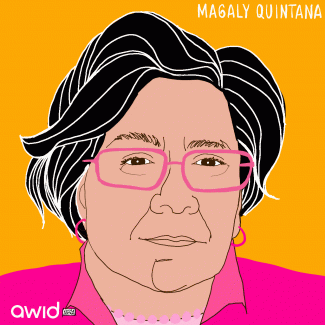
Magaly Quintana was known by many in Nicaragua as ‘La Maga’ (meaning wizard). She was a feminist historian, activist, and an unyielding defender of women’s rights demanding justice for the victims of femicide.
Magaly was committed to documenting and building statistics on women and girls who were killed as a result of sexual violence in the country.
“She rebuilt the life of each one, of their families, to show those lives that had been torn away.” - Dora María Téllez
Magaly also criticized the government for reforming Law 779 addressing violence against women. A product of the hard work of Nicaraguan women’s movements, this law included important provisions to criminalize femicide before its reform. She argued that legislative reforms weakened the law and limited the definition of femicides to homicides, as a result invisibilizing violent crimes against women.
Magaly’s feminist organizing began in the early 1980s. She was the director of Catholic Women for the Right to Choose, advocating for the right to therapeutic abortion after it was banned in 2006. In 2018, she supported the protests against Daniel Ortega’s government.
Magaly was born in May 1952 and passed away in May 2019.
“See you later, my dearest Magaly Quintana. Thanks so much, thanks for your legacy. We’ll see you again, as strong and powerful as ever.”- Erika Guevara Rosas (American Director of Amnesty International)
Snippet FEA We are living in a world right (ES)
Incluso en tiempos de crisis climática, los gobiernos continúan alentando el crecimiento de las industrias agrícolas a gran escala. Estas actividades envenenan la tierra, amenazan la biodiversidad y destruyen la producción de alimentos y los medios de vida locales. Mientras tanto, aunque las mujeres producen la mayoría de nuestros alimentos en el mundo, casi no poseen tierra.
¿Qué pasaría si percibiéramos la tierra y la Naturaleza no como una propiedad privada para ser explotada, sino como una totalidad con la cual aprender y coexistir en armonía? ¿Y si repararíamos nuestras relaciones con la tierra y adoptaríamos alternativas más sostenibles que nutran tanto al planeta como a sus comunidades?
Nous Sommes la Solution (Somos la Solución, NSS) es uno de los muchos movimientos liderados por mujeres que se esfuerzan por lograr este objetivo.