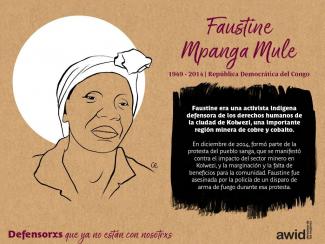
Faustine Mpanga Mule
Esta sección de análisis especial ofrece un análisis feminista crítico y acceso a los recursos clave relacionados con la «protección de la familia» en los espacios internacionales de derechos humanos.
Durante los últimos años, venimos observando una nueva y preocupante tendencia en el ámbito internacional de derechos humanos, donde se están empleando discursos sobre la «protección de la familia» para defender violaciones cometidas contra miembros de la familia, de modo de reforzar y justificar la impunidad y para coartar la igualdad de derechos en el seno de la familia y la vida familiar.
La campaña para «proteger a la familia» es impulsada por proyectos conservadores que tienen como fin imponer interpretaciones «tradicionales» y patriarcales de familia; quitando los derechos de las manos de sus miembros para ponerlos en las de la institución «familia».
Desde 2014 un grupo de estados opera como bloque en espacios de derechos humanos, bajo el nombre «Group of Friends of the Family» [Grupo de amigos de la familia], y a partir de entonces se han aprobado resoluciones sobre la «Protección de la familia» todos los años.
Esta agenda se ha extendido más allá del Consejo de Derechos Humanos (HRC, por sus siglas en inglés). Hemos visto cómo el lenguaje regresivo sobre «la familia» se ha introducido en la Comisión de la Condición Jurídica y Social de las Mujeres (CSW, por sus siglas en inglés), y hemos asistido a intentos por incluir este lenguaje en las negociaciones sobre los Objetivos de Desarrollo Sostenible.
AWID trabaja con asociadxs y aliadxs para resistir conjuntamente las agendas regresivas de «Protección de la familia» y otras, y para defender la universalidad de los derechos humanos.
En respuesta a la creciente influencia de actores regresivos en los espacios de derechos humanos, AWID se ha unido con aliadxs para formar el Observatorio de la Universalidad de los Derechos (OURs, por sus siglas en inglés). OURs es un proyecto colaborativo que monitorea, analiza y comparte información sobre iniciativas anti-derechos tales como la «Protección de la familia».
Derechos en Riesgo, el primer informe de OURs, traza un mapa de los actores que conforman el cabildeo global anti-derechos e identifica sus discursos y estrategias principales, señalando los efectos que estos discursos y estrategias están teniendo sobre nuestros derechos humanos.
El informe expone a la «Protección de la familia» como una agenda que ha promovido la colaboración entre una amplia gama de actores regresivos en las Naciones Unidas. La describe como un marco estratégico que aloja «múltiples posiciones patriarcales y anti-derechos, cuyo marco, a su vez, apunta a justificar e institucionalizar estas posiciones».
Ritu est une technologue féministe qui apporte son expérience au secteur non lucratif, animée par une passion pour l'utilisation d'approches innovantes pour trouver des solutions technologiques féministes. Titulaire d'un master en technologie des applications informatiques de l'Institut indien de technologie, son rôle au sein de l'AWID couvre un large spectre de responsabilités. De la supervision de la sécurité numérique et gestion des serveurs à l'administration des bases de données, en passant par le renforcement des capacités, l'évaluation technologique, la mise en œuvre de logiciels et de solutions cloud, Ritu veille à ce que l'infrastructure informatique de l'AWID soit résiliente et efficace. Avant de rejoindre l'AWID, elle a joué un rôle central dans l'avancement des initiatives technologiques des secteurs de la promotion de la santé et de l'environnement, alimentée par son engagement à tirer parti de la technologie pour le bien social.

Manal Tamimi est une activiste palestinienne et une défenseuse des droits humains. Mère de quatre enfants, elle est titulaire d’une maîtrise en droit international humanitaire. Son activisme lui a valu d’être arrêtée trois fois et d’être blessée à plusieurs reprises, notamment avec des balles explosives réelles qui sont interdites sur le plan international. Sa famille est elle aussi prise pour cible : ses enfants ont été arrêtés et blessés à balles réelles plus d’une fois. Le dernier incident dont elle a été victime était une tentative d’assassinat contre son fils Muhammad, qui a reçu une balle dans la poitrine, près du cœur, quelques semaines après sa libération des prisons d’occupation où il avait passé deux ans. Sa philosophie de vie : « si on va me faire payer parce que je suis palestinienne et non parce que j’ai commis un crime, je refuse de mourir en silence ».
เราจะติดต่อกับองค์กรพาร์เนอร์ในอดีตเพื่อให้มั่นใจว่าความพยายามที่เคยเตรียมไว้ในอดีตมีความหมาย หากองค์กรของคุณมีการเปลี่ยนแปลงข้อมูลติดต่อจากฟอรัมครั้งก่อนหน้ากรุณาแจ้งให้พวกเราทราบเพื่อให้เราสามารถติดต่อถึงคุณได้
Marianne Mesfin Asfaw is a Pan-African feminist who is dedicated to social justice and building community. She has a BA in Gender Studies and International Relations from the University of British Columbia (UBC), and an MA in Gender Studies and Law from SOAS University of London. She has previously worked in academic administration and international student support, and has worked as a researcher and facilitator in feminist and non-profit spaces. She has also worked and volunteered at non-governmental organizations including Plan International in administrative roles. Prior to taking up her current role she worked in logistics and administrative support at AWID. She is from Ethiopia, was raised in Rwanda and is currently based in Tkaronto/Toronto, Canada. She enjoys reading, traveling and spending time with her family and friends. In the warmer months she can be found strolling around familiar neighborhoods in search of obscure cafés and bookstores to wander into.
Esta edición en alianza con Kohl: una publicación para Body and Gender Research analizará soluciones, propuestas y realidades feministas para transformar nuestro mundo actual, nuestros cuerpos y nuestras sexualidades.
ถ้ากลุ่มหรือองค์กรของคุณได้รับการสนับสนุนเงินทุน คุณสามารถพูดคุยกับแหล่งทุนของคุณได้ตั้งแต่ตอนนี้หากพวกเค้าสามารถสนับสนุนการเดินทางและการเข้าร่วมของคุณได้ หลายองค์กรวางแผนงบประมาณปีหน้าในปี 2566 จึงเป็นการดีกว่าหากสามารถพูดคุยกับพวกเค้าก่อนภายในปีนี้
Elina est une jeune avocate des droits humains afro-dominicaine et féministe intersectionnelle, engagée à utiliser sa voix et ses compétences pour construire un monde plus juste, empathique et inclusif. Elle a commencé la faculté de droit à 16 ans, convaincue que cela lui donnerait les outils nécessaires pour comprendre et promouvoir la justice sociale. Après un JD (doctorat en droit) en République dominicaine, elle a poursuivi un LL.M. (maîtrise en droit) en droit international public et droits humains au Royaume-Uni en tant que boursière Chevening. Seule femme latino-caribéenne de sa classe, elle a obtenu son diplôme avec distinction.
Elina a travaillé à l'intersection des droits humains, du genre, de la migration et de la politique et ceci à plusieurs niveaux : des instances étatiques aux collectifs de base aux organisations internationales. Elle a aidé à plaider des cas de violence sexiste devant la Cour interaméricaine des droits de l'homme. En tant que membre du Groupe consultatif des jeunes du FNUAP, elle a contribué au renforcement des droits sexuels et reproductifs en République dominicaine. Elle a codirigé la première campagne d'Amnesty International sur les droits des travailleur.euse.s du sexe dans les Amériques, développant des partenariats solides avec des organisations dirigées par des travailleur.euse.s du sexe et utilisant la position d'Amnesty pour amplifier la voix des femmes défenseurs des droits humains et des travailleur.euse.s du sexe. Elina fait partie de Foro Feminista Magaly Pineda et de la Global Shapers Community. Elle parle espagnol, français et anglais.
Grâce à la richesse de son expérience, Elina apporte à l’AWID de solides compétences de gouvernance et de planification stratégique et un savoir-faire éprouvé en matière de mécanismes des Nations Unies et des droits humains régionaux. Elle affirme également très clairement sa détermination à continuer de faire de l’AWID une organisation inclusive pour toutes les femmes, et particulièrement les jeunes féministes et celles des Caraïbes. C’est avec la diversité de ces apports qu’Elina rejoint une sororité de féministes internationales qui ont du mordant. Elle pourra continuer à y développer son leadership féministe, pour ne plus jamais se sentir seule dans cette voie.
تصوير: مريم مكيوي
تصميم وعرض الملابس: النمرة
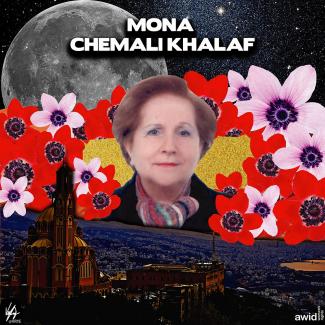
Mona fue una economista y consultora independiente sobre temas de género y desarrollo.
Fue profesora de economía y Directora del Institute for Women's Studies in the Arab World de la Lebanese American University. Falleció repentinamente el 6 de enero de 2018.
Sus amigxs y ex-colegas dicen sobre Mona: «Cuando celebramos su vida, lo mejor que podemos hacer es comprometernos a continuar con lo que ella empezó: la igualdad de género, indefectiblemente.
Veena Singh is a Fiji Islander, feminist, and woman of colour. Born and raised in a small rural town in Fiji, she draws strength from her rich mixed heritage (her mother is an Indigenous Fijian woman and her father is Fijian of Indian descent). Veena’s identity and lived experiences deeply inform her commitment to justice, equity, and inclusion. With over two decades of experience in human rights, gender equality, community development, and social inclusion, Veena is a passionate advocate for shifting power to create transformative change and for building an “economy of kindness”. Her work spans diverse areas including community development; women, peace and security; social policy; human rights; and policy advocacy.
Veena is deeply committed to advancing inclusion, peace and justice, sexual and reproductive health and rights (SRHR), climate justice, transitional justice, and human rights. She brings a wealth of experience working across grassroots networks, international organizations, and government institutions, always centering community and locally led approaches and feminist principles.
Outside of her ‘office life’, Veena is an environmental advocate, mental health champion, and writer. She is a mum to 11 cats, a saree wearer, and a lover of snail-mails and postcards. A thoughtful observer of feminist movements in Fiji and the Pacific, Veena is on a personal journey to “decolonise the mind and the self through radical self-reflection.” Above all, she is driven by a desire and dream to produce relatable, resonant writing that connects with the Pacific diaspora and amplifies voices from the margins.
ترجمة مارينا سمير
«الآن قد يكون وقتًا مناسبًا لإعادة التفكير في الشكل الذي يمكن للثورة أن تتّخذه. ربما لن تبدو كمسيرةٍ من الأجساد الغاضبة والقادرة في الشوارع. ربما ستبدو وكأنّ العالم واقفٌ في ثباتٍ لأن جميع الأجساد الموجودة فيه منهَكة – حيثُ أنّه يجب إعطاء الأولوية للرعاية قبل فوات الأوان».
- جوانا هيدفا
المستشفيات مؤسسات، ومواقع حيّة للرأسمالية، وما يحدث عندما يكون من المفترض أن يستريح شخصٌ ما ليس إلّا نموذجاً مصغّراً من النظام الأكبر. تَعمَد المؤسسات إلى فصلنا عن أنظمة رعايتنا – نَجِد أنفسنا معزولين في بُنى تراتبية راسخة، وغالبًا ما نشعر وكأنّ الرعاية هي شيء يُفعَل بنا بدلاً من أن تكون شيئًا يُعطى ويؤخَذ كجزء من محادثة. الرعاية المؤسسية معزولة بسبب اندماجها في الطلب الرأسمالي: شخص واحد يعالج رِجلك ورِجلك فقط، شخص آخر يعالج ضغط الدم وهكذا.
المستشفيات مؤسسات، ومواقع حيّة للرأسمالية، وما يحدث عندما يكون من المفترض أن يستريح شخصٌ ما ليس إلّا نموذجاً مصغّراً من النظام الأكبر. تَعمَد المؤسسات إلى فصلنا عن أنظمة رعايتنا – نَجِد أنفسنا معزولين في بُنى تراتبية راسخة، وغالبًا ما نشعر وكأنّ الرعاية هي شيء يُفعَل بنا بدلاً من أن تكون شيئًا يُعطى ويؤخَذ كجزء من محادثة. الرعاية المؤسسية معزولة بسبب اندماجها في الطلب الرأسمالي: شخص واحد يعالج رِجلك ورِجلك فقط، شخص آخر يعالج ضغط الدم وهكذا.
اضطرّت المصوّرة مريم مكيوي لإجراء عملية جراحية الشهر الماضي، ووثّقت هذا المسار. صورها للبيئات المعقّمة بألوانها الباهتة – أضواء نيون بيضاء وصفوف تلو صفوف من التكوينات المتكرّرة – تعكس مكانًا استُنزفت منه الحياة والحركة. كانت هذه إحدى الطرق التي حافظت بها مريم على بقاء روحها. لقد كان أحد أشكال الاحتجاج من داخل حدود مؤسسةٍ كان عليها التعامل معها.
تُشكّل الصور وصفًا لشيءٍ واهنٍ بشدّة، فمشاهدة شخصٍ ما وهو يعايش انهيار جسده هو دائمًا تذكير جليل بهشاشتنا. إنه أيضًا تذكير بهشاشة أنظمة الرعاية هذه، والتي قد تُمنَع عنّا لأسباب متعدّدة – بدايةً من عدم امتلاك الأموال وصولًا إلى عدم التواجد في جسدٍ يُعتبَر ذا قيمة كافية، فربما يكون أنثويًا أكثر مما ينبغي أو كويريًا أكثر مما ينبغي أو ملوَّنًا أكثر مما ينبغي.
الرعاية الانفرادية والمجرّدة من جوهرها والتي قد تُسلَب منّا في أي لحظة لا تساعدنا على الازدهار. وهي مختلفة تمامًا عن الطريقة التي يسلكها البشر عند رعاية بعضهم البعض. كم سيبدو عالمنا مختلفًا إذا التزمنا بتفكيك الهياكل الرأسمالية الحالية حول صحّتنا؟ كيف سيبدو إذا أعَدنا تخيُّلَه بشكل جذريّ؟
لمزيد من الأسئلة، يرجى استخدام نموذج الاتصال. سنستمر في تحديث هذه الوثيقة بناءً على الاستفسارات التي نتلقاها منك!
Ursula était une romancière américaine dont les genres littéraires de prédilection étaient la science-fiction et le genre fantastique.
Elle a connu le succès grâce à son roman « La main gauche de la nuit », où elle imagine une société du futur où les personnes sont ambisexuelles - leur sexe n’est pas déterminé. Parmi les premiers grands livres de science-fiction féministes, ce roman explore les influences du genre et du sexe dans la société. Ursula était une source d'inspiration pour ses écrits subversifs et originaux, ainsi que pour les thèmes du féminisme et de la liberté qui lui tenaient tellement à cœur.
En 1983, lors d'un discours au Mills College en Californie, elle a déclaré aux diplômé-e-s : « Pourquoi une femme libre ayant suivi une formation universitaire devrait-elle combattre Macho-Man ou le servir ? Pourquoi devrait-elle vivre sa vie selon son bon vouloir ? J'espère que vous vivrez sans avoir besoin de dominer et sans avoir besoin d'être dominé-e ».