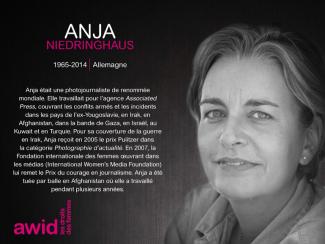
Anja Nedringhous
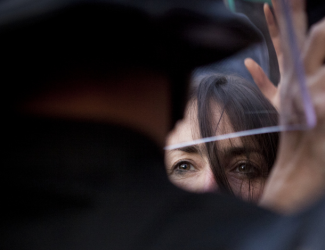
WHRDs are self-identified women and lesbian, bisexual, transgender, queer and intersex (LBTQI) people and others who defend rights and are subject to gender-specific risks and threats due to their human rights work and/or as a direct consequence of their gender identity or sexual orientation.
WHRDs are subject to systematic violence and discrimination due to their identities and unyielding struggles for rights, equality and justice.
The WHRD Program collaborates with international and regional partners as well as the AWID membership to raise awareness about these risks and threats, advocate for feminist and holistic measures of protection and safety, and actively promote a culture of self-care and collective well being in our movements.
WHRDs are exposed to the same types of risks that all other defenders who defend human rights, communities, and the environment face. However, they are also exposed to gender-based violence and gender-specific risks because they challenge existing gender norms within their communities and societies.
We work collaboratively with international and regional networks and our membership
We aim to contribute to a safer world for WHRDs, their families and communities. We believe that action for rights and justice should not put WHRDs at risk; it should be appreciated and celebrated.
Promoting collaboration and coordination among human rights and women’s rights organizations at the international level to strengthen responses concerning safety and wellbeing of WHRDs.
Supporting regional networks of WHRDs and their organizations, such as the Mesoamerican Initiative for WHRDs and the WHRD Middle East and North Africa Coalition, in promoting and strengthening collective action for protection - emphasizing the establishment of solidarity and protection networks, the promotion of self-care, and advocacy and mobilization for the safety of WHRDs;
Increasing the visibility and recognition of WHRDs and their struggles, as well as the risks that they encounter by documenting the attacks that they face, and researching, producing, and disseminating information on their struggles, strategies, and challenges:
Mobilizing urgent responses of international solidarity for WHRDs at risk through our international and regional networks, and our active membership.

O questionário está disponível até o final de julho de 2024. Queira preencher o mesmo dentro deste prazo para garantir que as suas respostas são incluídas na análise.
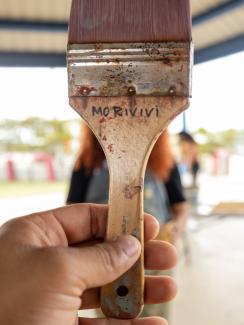
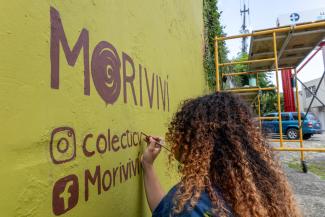
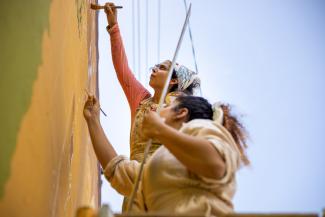
El Colectivo Moriviví es una colectiva de solo mujeres. Nuestra producción artística consiste en muralismo, muralismo comunitario y acciones/performances de protesta. Nuestro trabajo tiene como objetivo democratizar el arte y llevar a la esfera pública las narrativas de las comunidades de Puerto Rico, para generar espacios en donde sean validadas. Creemos que, a través del artivismo, podemos promover conciencia sobre temas sociales y fortalecer nuestra memoria colectiva.
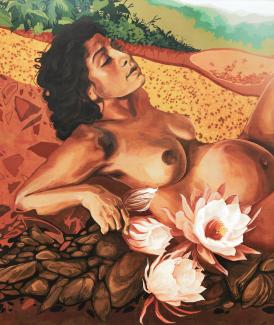
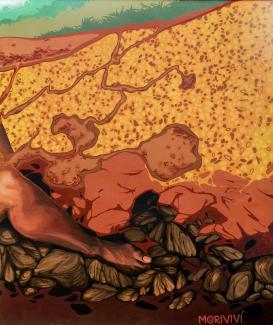
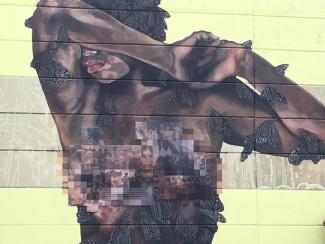
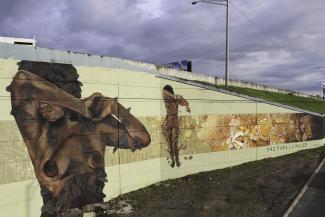
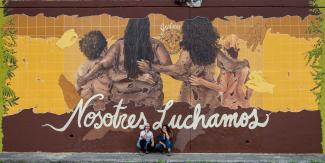
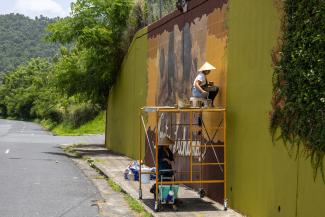
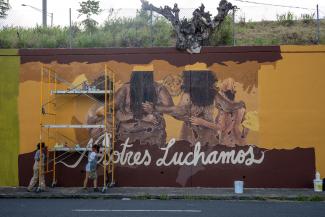
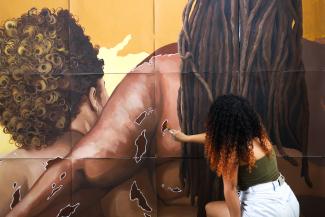
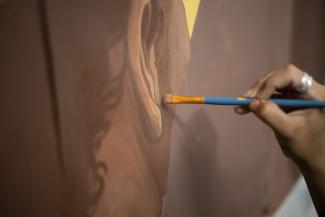
En el marco de su participación en el Grupo de Trabajo Artístico de AWID, el Colectivo Moriviví convocó a un grupo diverso de afiliadxs, asociadxs y personal de AWID y facilitó un proceso colaborativo de imaginación, configuración y decisión sobre el contenido para la creación de un mural comunitario, a través de un proceso de creación conjunta en múltiples etapas. El proyecto comenzó con una conceptualización remota con feministas de diferentes zonas del planeta reunidxs por AWID, y luego evolucionó hacia su recontextualización y realización en Puerto Rico. Nos honra haber contado con la contribución de las artistas locales Las Nietas de Nonó (@lasnietasdenono), la participación de mujeres locales en la Sesión de Pintura Comunitaria, el apoyo logístico de la Municipalidad de Caguas, y el apoyo adicional al colectivo, brindado por FRIDA Young Feminist Fund.
El mural explora la trascendencia de las fronteras, al presentar cuerpos como un mapa en un abrazo que realza la intersección de las distintas manifestaciones, prácticas y realidades feministas.
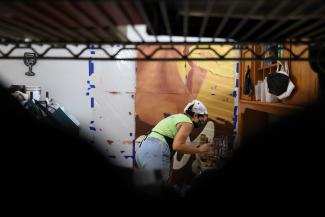
Agradecemos también a Kelvin Rodríguez, quien documentó y captó las diferentes etapas de este proyecto en Puerto Rico:


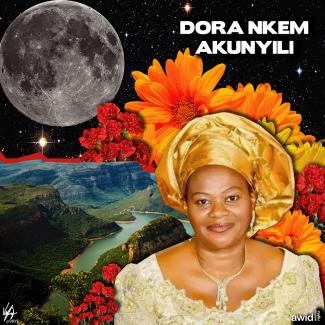
Née dans l'État de Benue, au Nigeria, Dora était une pharmacienne experte et érudite ainsi qu’une dirigeante communautaire de renommée mondiale.
Lorsqu'elle est devenue directrice générale de l'Agence nationale pour la gestion et le contrôle des aliments et drogues (NAFDAC) entre 2001 et 2008, son travail d’envergure révolutionnaire a initié un changement de paradigme au sein de la fonction publique nigériane. Au cours de son mandat, elle a mené des réformes dans l'application des politiques et des réglementations qui ont permis de réduire de manière radicale le nombre de faux médicaments qui ont affecté le secteur pharmaceutique nigérian.
Après avoir incarné la réalité d’une femme courageuse et compétente qui a défié les maux d’une société à dominante patriarcale et qui a conduit au changement, elle est devenue une icône de l’émancipation des femmes. Entre 2008 et 2010 elle a été nommée ministre de l'Information et de la Communication.
Elle est décédée des suites d'un cancer et laisse dans le deuil son mari, ses six enfants et ses trois petits-enfants.
par Karina Ocampo
C’est dans un recoin caché du Chiapas, au Mexique, que nous sommes arrivées, femmes et dissidentes sexuelles, pour organiser nos actions. (...)
< illustration : « La muerte sale por el Oriente » [la mort se lève à l’Est], par Sonia Madrigal
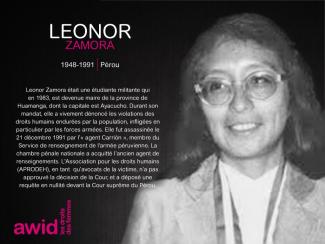
Sobre la base de nuestros 20 años de historia movilizando más y mejor financiamiento para el cambio social encabezado por los feminismos, AWID te invita a responder la nueva edición de nuestra encuesta insignia, WITM
Les antidroits ont adopté une double stratégie : outre leurs attaques ouvertes sur le système multilatéral, ils et elles sapent les droits humains depuis l’intérieur. Leur implication vise à prendre le contrôle des processus, instaurer des normes régressives et fragiliser la redevabilité.
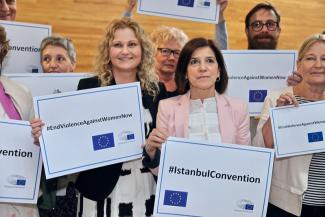
Leur implication dans les sphères des droits humains a un but essentiel : saper le système et sa capacité à respecter, protéger et assurer les droits humains de tout un chacun, et à tenir les États membres pour responsables de leurs enfreintes. Certaines tactiques antidroits en dehors de l’ONU visent à la délégitimer, exercer des pressions politiques pour limiter son financement ou se retirer d’accords internationaux sur les droits humains. Les acteur·rice·s antidroits gagnent cependant en influence au sein même de l’ONU. Leurs tactiques de l’intérieur incluent la formation de délégué·e·s, la dénaturation de cadres relatifs aux droits humains, la dilution de la substance d’accords sur les droits humains, l’infiltration de comités d’ONG, la demande du statut ECOSOC sous un nom neutre, l’infiltration des espaces des jeunes et la pression pour que des acteur·rice·s antidroits occupent des postes clés.
Nadine was a role model to many for her work supporting women and the most vulnerable in her community. She was committed to helping the poor and homeless in particular.
Though her death was reported as an accident, the Ramaroson family, led by her father, André Ramaroson led an investigation that pointed to evidence that she had been murdered. She is reported to have died in a fatal accident occurred between Soanierano - Ivongo and Ste Marie - a story that has been refuted by her family.
She received numerous death threats for her bold political positions. Her case remains in court in Antananarivo (the capital of Madagascar).

We would like to thank the Amar.ela collective of women feminists activists and creatives who made this series possible, and especially Natalia Mallo (the team’s octopus) for her support and accompaniment throughout this journey.
We also extend our deepest gratitude and admiration to all the collectives and people who participated in this project, and we thank them for sharing their time, wisdom, dreams and hopes with us. We thank you for making this world a more just, feminist and sustainable one.
We hope the rest of the world will be as inspired by their stories as we are.
by Émilie Herbert-Pontonnier
Remember Esmeralda? The exotic "Gypsy" heroine born under the pen of the French literary giant Victor Hugo and popularized by Disney studios with their Hunchback of Notre Dame. (...)
< artwork: “Si las marronas lo permiten” by Nayare Soledad Otorongx Montes Gavilan
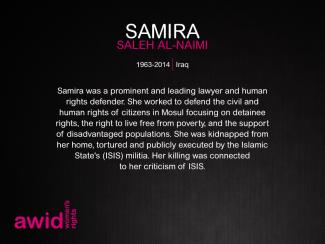
When people come together on a global scale, as individuals and movements, we generate a sweeping force. Join us in Bangkok, Thailand and online in December 2024.
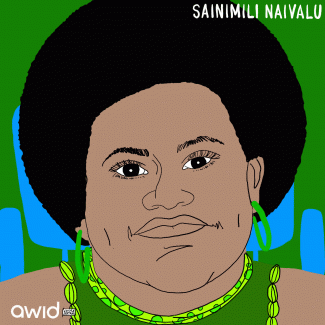
“I’ve witnessed discrimination on the streets, being teased on the streets and verbally abused on the streets. I have also made numerous friends and have met a lot of people. There may be dangers out there but I am a survivor and this is where I will be for now.”
- Sainimili Naivalu
She demanded policy makers and stakeholders provide disability friendly policies and services such as the construction of ramps in towns and cities to increase accessibility. Physical barriers were not the only ones she strived to change. From her own experience, she knew that more difficult changes need to take place in social and economic spheres. Many of the challenges disabled people face are rooted in attitudes that carry discrimination and stigma.
A survivor and a fighter, Sainimili contributed to co-creating feminist realities that foster inclusion and shift attitudes towards disabled people. As a member of the Spinal Injury Association of Fiji (SIA) and through Pacific Disability Forum’s Pacific Enable project she attended the International Labour Organisation “Start Your Business” training in Suva, enabling her to transform her ideas into her own business. She was an entrepreneur at the Suva Market Stall 7, offering manicure services, as well as running SIA’s women’s market stall selling handicrafts, sulus and artifacts. Sainimili’s plan was to expand her business and become a major employer of disabled people.
In addition to her activism, she was also a table tennis medalist and youth champion.
A vivacious personality, Sainimili was one of a kind. You would always know that Sainimili is in a room because her laughter and her stories would be the first thing that you would notice.
- Michelle Reddy
Sainmili passed away in 2019.
L'investissement à impact de genre est désormais considéré comme une solution contre les inégalités de genre. Et pourtant, comme le montre notre rapport, il fait partie du problème. Les institutions publiques et privées en font la promotion en tant que moyen pour parvenir à l'égalité de genre et pour accroître les ressources des femmes et des filles.
Au contraire, l’investissement à impact de genre constitue plutôt une nouvelle version de vies et de sociétés soumises à une même logique financière, qui continue de façonner les profondes inégalités de notre monde.
Avec ce rapport, l'AWID offre aux lecteurs·rices - féministes, défenseur·euse·s de la justice de genre et autres parties prenantes de l'investissement à impact de genre - une analyse critique et des preuves étayées pour comprendre l’investissement à impact de genre, ses récits et les implications économiques et politiques qu’il a pour les mouvements féministes.