L´AWID est une organisation féministe mondiale qui consacre ses efforts à la justice de genre, au développement durable et aux droits humains des femmes
S'organiser de manière créative face à des menaces croissantes
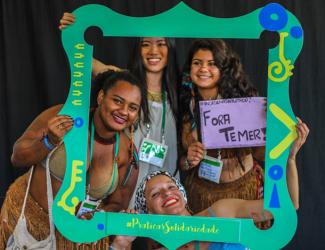
Les jeunes activistes féministes jouent un rôle crucial au sein des organisations et des mouvements pour les droits des femmes à travers le monde. Ce sont elles qui soulèvent les nouveaux problèmes auxquels les féministes sont confrontées aujourd'hui. Leur force, leur créativité et leur adaptabilité sont vitales pour assurer la viabilité des organisations féministes.
Pourtant, elles sont confrontées à toute une série d’obstacles particuliers, notamment l'accès limité au financement et au soutien, le manque de possibilités de renforcement des capacités et une augmentation considérable des agressions sur les jeunes défenseuses des droits humains. Ces obstacles entraînent un manque de visibilité qui rend leur intégration et leur participation effective au sein des mouvements pour les droits des femmes encore plus difficiles.
Une approche multigénérationnelle
Le Programme d’activisme des jeunes féministes de l'AWID a été mis en place pour veiller à ce que les voix des jeunes femmes soient entendues et représentées dans le discours féministe. Nous voulons faire en sorte que les jeunes féministes aient un meilleur accès à du financement, à des opportunités de renforcer leurs capacités et aux processus internationaux.
En plus de soutenir directement les jeunes féministes, nous travaillons également avec des activistes des droits des femmes de tout âge pour élaborer des modèles et des stratégies d’organisation multigénérationnelles plus efficaces.
Nos actions
Nous souhaitons que les jeunes féministes puissent jouer un rôle actif dans les prises de décisions qui concernent leurs droits. Nos actions incluent :
Favoriser la mise en commun et le partage d'informations par la Plateforme de jeunes féministes. Étant donné l'importance des médias en ligne pour le travail des jeunes féministes, notre équipe a lancé la Plateforme de jeunes féministes en mai 2010. Elle a pour objectifs d’échanger des renseignements, de renforcer les capacités des membres par le truchement de webinaires et de discussions en ligne, et d'encourager la consolidation d’une communauté de jeunes féministes.
Soutenir la recherche et le renforcement des connaissances sur l'activisme des jeunes féministes, pour accroître la visibilité et l'influence de leur activisme au sein et entre les mouvements pour les droits des femmes et auprès d'autres acteurs-trices clés, tels les donateurs.
Faire la promotion de la collaboration multigénérationnelle, en explorant de meilleures façons de travailler ensemble.
Inciter les jeunes féministes à s’engager dans les processus internationaux relatifs au programme de développement, notamment ceux des Nations Unies.
S’assurer leur collaboration dans tous les domaines prioritaires de l'AWID, y compris le Forum, pour faire en sorte que leurs contributions, leurs perspectives, leurs besoins et leur activisme se traduisent dans les débats, les politiques et les programmes qui les concernent.
Contenu lié
Snippet FEA Workers demonstrations in Georgia 2 (FR)
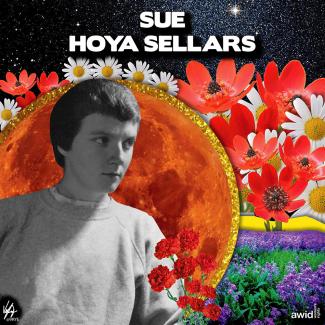
Sue was an artist, activist and teacher born in 1936 in Maryland, USA.
Sue created art for women, about women. As a lesbian feminist, and for a time, a separatist, she was committed to creating women-only spaces. In 1976 she purchased land that is still held by women who visit to make art. Sue took a fierce stand on the protection of women and girls.
With her groundbreaking futuristic, classical and anthropological approach, she filled any room she entered with intellect, authentic eccentricity, unforgiving wit, and humor. Her ideas about consciousness and creativity continue to inspire many people.
Ideas sobre financiamiento
En esta página les ofrecemos ideas e inspiración para financiar su participación en el 14° Foro de AWID.
Cuando planifiquen la actividad que les gustaría presentar en el Foro, por favor también tengan en cuenta cómo podrían financiar su participación. Los costos a tener en cuenta son: alojamiento, viaje, visa, inscripción al Foro, y otros.
Es importante señalar que este Foro tendrá muchos ‘espacios abiertos’ y momentos para que los distintos movimientos puedan intercambiar entre sí y aprender, pero menos sesiones formales. (Consulten la sección sobre “Cómo describir el Foro para movilizar recursos” debajo).
Trabajar con sus donantes actuales:
Antes que nada, hablen con sus donantes actuales.
Asegúrense de hacerlo con anticipación. (Les recomendamos contactarlxs como máximo durante los primeros meses de 2020). Muchxs donantes que apoyan a organizaciones feministas han asignado recursos para que sus copartes puedan viajar al Foro. Otrxs podrían asignarles esos recursos cuando les renueven su apoyo o como parte de un fondo para viajes.
Si su organización/grupo tiene donantes, podrían contarles que quieren asistir al Foro AWID para aprender, vivenciar, compartir y contactarse con otrxs, aun si su actividad no resulta seleccionada para el programa final. Para poder apoyar su participación, lxs donantes tendrán que saber que ustedes quieren asistir al Foro cuanto antes (ya deben estar decidiendo cómo van a repartir sus fondos en 2020).
Buscar nuevos donantes:
Si no tienen donantes que les apoyen o lxs que tienen no pueden asignarles fondos para viajar al Foro, tal vez podrían buscar nuevos donantes.
En las redes de financiadoras como Candid o el European Foundation Centres podrán encontrar listas de donantes y de oportunidades en su región
Los plazos y requisitos varían de un donante a otro, y los procesos para aprobar una donación pueden llevar meses. Si piensan solicitar fondos a un donante nuevo, por favor háganlo cuanto antes.
Inspiración creativa:
Desde siempre los movimientos feministas hemos desplegado nuestra creatividad para financiar nuestro activismo. A continuación encontrarán algunas ideas que podrían inspirarlxs para pensar formas alternativas de movilizar recursos:
Movilicen a su comunidad para que apoye su participación en el Foro: sumen pequeños aportes de su membresía y de otras personas organizando cenas, bailes, espectáculos, eventos o viajes guiados
Organicen círculos de donantes y utilicen el financiamiento comunitario a través de herramientas en línea como gofundme, indiegogo, plumfund ou kickstarter (enlaces en inglés).
Otras fuentes de financiamiento local pueden ser donantes individuales o cuotas que paguen las personas de su asociación
También pueden aliarse estratégicamente con otros grupos comunitarios o que luchan por la justicia social y movilizar recursos juntxs.
AWID intenta hacer del Foro un evento verdaderamente global con participación de una variedad de movimientos, regiones y generaciones. Con este fin, movilizamos recursos para un Fondo Acceso (FA) limitado que asistirá a lxs participantes a cubrir los costos que implica asistir al Foro.
El Fondo Acceso de AWID podrá apoyar a un número limitado de participantes del Foro y personas que faciliten sesiones/actividades. Este apoyo no está garantizado y lxs alentamos a buscar formas alternativas de financiar su participación en el Foro, incluyendo sus gastos de viaje.
En su formulario de aplicación pueden indicar que les gustaría ser tenidxs en cuenta para el Fondo Acceso de AWID. Por favor tengan presente que estos recursos son muy limitados y que no vamos a poder apoyar a todxs. Aun si indican que les gustaría ser tenidxs en cuenta para el Fondo Acceso, les alentamos a continuar explorando otras opciones para financiar su participación en el Foro. A fines de junio de 2020 confirmaremos las decisiones acerca del Fondo Acceso.
Cómo describir el Foro para movilizar recursos:
A continuación encontrarán algunos mensajes simples que pueden utilizar cuando hablen con sus donantes o con personas de su comunidad. Por favor no duden en adaptarlos como les pueda resultar más útil.
El Foro AWID es un espacio que los movimientos feministas crean juntos y que permite a lxs participantes renovar energía para su activismo, fortaleciendo sus vínculos con muchos movimientos por los derechos y la justicia. Lxs participantes pueden encontrar allí esperanza, energía e imaginación radical, al mismo tiempo que profundizan análisis compartidos, aprenden y desarrollan la solidaridad entre movimientos que permite agendas más integradas y estrategias conjuntas.
Nuestra organización está buscando fondos para asistir al Foro y poder vincularnos con otrxs activistas y movimientos de todo el mundo, fortalecer nuestras estrategias y compartir el trabajo que hacemos. Nos inspira la experiencia de otrxs que han participado en el Foro y que describieron la fuerza de esta convocatoria feminista global:
“Durante cuatro días … las voces se entretejieron para articular una perspectiva global sobre el estado de la igualdad de género. Y cuando digo ‘global’ quiero decir por ejemplo que había traducción simultánea en siete idiomas…”
“Nos recordó que no estamos solas. El Foro nos permitió traducir lo colectivo a nuestros movimientos. Con diferencias en cuanto a ideologías, identidades o fronteras, nuestra fortaleza yace en nuestra visión y en cómo nos apoyamos unas a otras”.
Es importante señalar que este Foro tendrá muchos ‘espacios abiertos’ y momentos para que los movimientos puedan aprender e intercambiar entre sí, pero menos sesiones formales. Si bien muchxs participantes no podrán facilitar sesiones formales, para ellxs también será un espacio valioso en el que aprender, pensar estrategias y vivenciar el poder colectivo de los movimientos feministas en acción.
Qué tener en cuenta para el presupuesto:
Para calcular los costos y saber cuánto dinero necesitarán recaudar, es importante que tengan en cuenta que su participación podrá requerir todos o algunos de los siguientes gastos:
Pasajes aéreos
Inscripción (por favor tengan en cuenta que aun si AWID lxs incluye en el Fondo Acceso ustedes tendrán que cubrir el pago de la inscripción)
Visas
Seguro de salud para viajerxs
Traslados hasta y desde el aeropuerto (en taxi u otro medio de transporte)
Si tienen que hacer una escala prolongada, tal vez necesiten calcular el costo de alojamiento y comidas
Alojamiento. Si viajan desde lejos hasta la sede del Foro, consideren la posibilidad de llegar un día antes para descansar y recuperarse.
Tecnología, incluyendo acceso a wifi o tarifas para comunicaciones internacionales durante el viaje (AWID proveerá acceso a wifi durante el Foro)
El costo de producir (y transportar) lo que quieran llevar, compartir o intercambiar en el Foro (informes, materiales artísticos o visuales)
Gastos imprevistos y/o viáticos para cubrir sus comidas (durante los días del Foro, AWID cubrirá los almuerzos, refrigerios y una de las cenas)
Accesibilidad: cualquier apoyo adicional que puedan necesitar y que sea importante para que puedan viajar más cómodxs y segurxs
¡Esperamos verlxs en el Foro!
El Foro es un proceso colaborativo
El 14o Foro de AWID tendrá lugar del 11 al 14 de enero de 2021 en Taipéi, Taiwán.
El Foro es más que una reunión de cuatro días. Es una estación en un recorrido más largo para fortalecer nuestros movimientos en torno a la noción de Realidades Feministas que ya ha comenzado y que continuará más allá de las fechas del Foro.
Non, vous n’avez pas besoin d’être membre de l’AWID pour participer, mais les membres de l’AWID bénéficient d’une réduction sur les frais d’inscription ainsi qu’un certain nombre d’autres avantages.
By joining AWID, you are becoming part of worldwide feminist organizing, a collective power that is rooted in working across movements and is based on solidarity.
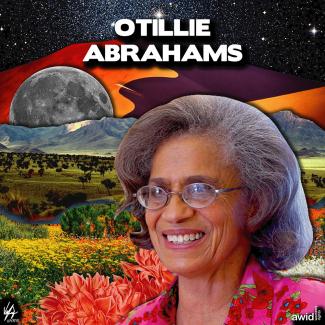
Ottilie fue una activista feminista, educadora y política de Namibia.
Fue una de las fundadoras de la Organización Popular del Sudoeste Africano (SWAPO), del Club Yu Chi Chan (un grupo armado revolucionario) y del Frente Nacional de Liberación del Sudoeste Africano (SWANLIF). También fue una de las fundadoras de la Asociación de Mujeres de Namibia y del Proyecto Niñas. A lo largo de su vida, Ottilie defendió el derecho a discutir, a pensar, a disputar y a exigir. Movilizó a las mujeres, organizó a estudiantes y docentes y criticó a otrxs camaradas por su elitismo y su corrupción.
Ottilie trabajó intensamente para desmantelar el patriarcado y para crear una democracia participativa concreta, feminista, transformadora y liberadora.
A menudo decía: «Descansaré cuando muera».
Pourquoi l’AWID a-t-elle choisi de tenir le Forum à Taipei ?
Les recherches à distance et les consultations menées auprès de nos allié·e·s nous ont permis d’éliminer plusieurs options de la région.
Nous avons ensuite organisé une série complète de visites au Népal, en Malaisie, au Sri Lanka, en Thaïlande, en Indonésie et (plus tard) à Taïwan. Sur place, chaque visite comprenait non seulement un examen de l’infrastructure logistique, mais aussi des réunions avec des activistes et des groupes féministes locales·aux afin de mieux comprendre la situation et leur analyse des risques et opportunités potentielles quant à un Forum de l’AWID dans leur contexte.
Durant nos visites sur place, nous avons rencontré de formidables mouvements féministes locaux, divers et dynamiques.
Ils ont souvent exprimé des sentiments partagés entre risques et opportunités liées à la visibilité apportée par un événement comme le Forum. Durant l’une des réunions, les activistes présent·e·s soulignèrent à l'unanimité, au cours des 30 premières minutes, que le Forum de l’AWID pouvait entraîner de nombreux contrecoups, que les droits LGBTQ étaient un sujet politique particulièrement sensible et que les groupes fondamentalistes chercheraient de toutes leurs forces à interrompre l’événement. Lorsque nous répliquâmes « ok, donc vous ne pensez pas que ce soit une bonne idée », leur réponse également unanime fut « bien sûr que si, nous voulons changer les récits !».
Il était difficile d’entendre et de voir dans certains endroits le nombre d’activistes féministes qui voulaient utiliser l’opportunité de visibilité d’un tel événement comme levier, prêt·e·s à faire face aux risques locaux ; mais l’accueil de près de 2000 personnes venues du monde entier nécessitait de prendre en compte d’autres calculs de risque et de faisabilité.
Nous avons également débattu de questions sur ce qu’implique l’organisation d’un forum féministe en cohérence avec les principes d’inclusion, de réciprocité et d’autodétermination, là où les politiques et les pratiques étatiques vont généralement à leur encontre (même si les représentant·e·s des Ministères du Tourisme ont tenté ardemment de concilier ce point).
Nous avons pris en considération l’infrastructure au regard des opportunités éventuelles permettant d’insuffler un élan pour certaines priorités féministes nationales, ainsi que le contexte politique du pays.
Dans beaucoup d’endroits, suivre le contexte donnait des impressions de balancier pouvant pencher vers l’ouverture et la sécurité des débats féministes à un moment donné, et vers la répression totale et la xénophobie l’instant d’après, sacrifiant les priorités féministes dans les négociations politiques cherchant à apaiser l’extrême droite ou les forces anti-droits.
Ce processus a donné lieu à des réflexions sur le contexte extrêmement difficile pour l’activisme des droits des femmes et de la justice de genre au niveau mondial.
Les défis de la région Asie-Pacifique nous ont amené à nous demander : ne serait-ce pas plus simple de tenir le Forum dans une autre région ?
Pour autant, nous ne pourrions aujourd’hui organiser un Forum de l’AWID à Istanbul comme nous l’avions fait en 2012, ou au Brésil comme en 2016.
Malgré toute cette complexité, l’AWID a finalement choisi Taipei comme lieu de Forum car :
La ville offre un certain degré de stabilité et de sécurité aux divers·e·s participant·e·s du Forum que nous voulons rassembler.
Elle dispose aussi de capacités logistiques importantes, en plus d’être accessible pour beaucoup de voyageurs·ses (avec une facilitation de procédure de visa électronique pour les conférences internationales).
Le mouvement féministe sur place est accueillant vis-à-vis du Forum et désire s’engager avec des féministes du monde entier.
L’organisation du Forum de l’AWID implique pour nous la création et la disposition d’un espace qui s’ajuste au mieux à une diversité de formes d’expression de solidarité, d’indignation, d’espoir et d’inspiration. Celles-ci sont au cœur de nos mouvements féministes.
Actuellement, Taipei nous semble donc être l’emplacement de la région Asie-Pacifique qui nous permet au mieux de bâtir un espace sécurisé et désobéissant pour notre communauté féministe mondiale.
Le fait est qu’il n’existe pas d’emplacement idéal dans le monde actuel pour tenir un Forum qui se concentre sur les Réalités féministes. Peu importe où nous irons, nous devrons construire cet espace ensemble !
Pour toute question sur le Forum, merci de nous contacter via notre formulaire de contact en choisissant « 14e Forum de l'AWID » comme sujet de votre message.
Tenemos el placer de presentarte a Sopo Japaridze, feminista feroz, líder sindical y presidenta del sindicato independiente de servicios Red de Solidaridad.
Dejó el país cuando era muy joven para ir a los Estados Unidos, donde se volvió políticamente muy activa como organizadora laboral. Siempre mantuvo a Georgia en su mente todo ese tiempo, hasta que un día, dos décadas después, decidió regresar.
La confederación sindical georgiana existente en este momento era menos que ideal. Entonces, equipada con sus habilidades, conocimientos y experiencia en organización laboral, Sopo regresó a Georgia y formó su propio sindicato.
También es una apasionada investigadora y escritora. Estudia relaciones laborales y sociales, escribe para varias publicaciones y es una de lxs editorxs de Left East, una plataforma analítica de Europa del Este. También cofundó la iniciativa y el podcast de historia política, Reimaginando la Georgia soviética, donde explora las complejidades y los matices de las experiencias del país bajo la Unión Soviética, para entender mejor su pasado y construir un futuro mejor.
Reason to join 4
Piensa en grande. Gracias a nuestro alcance internacional, podemos combinar el trabajo analítico con herramientas políticas y prácticas para la incidencia y la transformación, con el objeto de promover la causa de los movimientos feministas en todos los ámbitos.
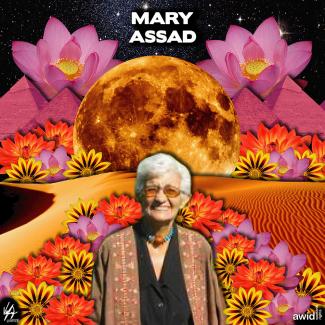
Experte en développement social et anthropologue de formation, Mary était surtout connue pour être une pionnière de la lutte contre les mutilations génitales féminines (MGF).
Née au Caire en 1922, les travaux de Mary en matière de développement ont commencé tôt, dès son adhésion à la YWCA (Association chrétienne des jeunes femmes). Mary était membre du Conseil œcuménique des Églises et s'est progressivement intéressée aux questions relatives à la santé des femmes. Sa longue lutte contre les MGF a porté ses fruits en 2008, lorsque l'Egypte a finalement criminalisé cette pratique.
On se souvient d'elle comme d'une mentor pour de nombreuses féministes et militant-e-s égyptien-ne-s
Freeing the Church, Decolonizing the Bible for West Papuan Women
By Rode Wanimbo (@rodwan986), Jayapura, Papua Province of Indonesia
“Lord, we are unworthy. We are the ones who committed sin for Eve ate the fruit in Eden. We are just women who grow sweet potatoes, look after pigs and give birth to children. We believe you died on the cross to set us free. Thank you, In Jesus’s name Amen.”
This is a typical prayer of women I have heard during my visits to ministries in several villages. Even I said the same prayer for many years.
I was born and grew up in Agamua, the Central Highlands of West Papua. My father belongs to the Lani tribe and my mother comes from Walak.
In Lani and Walak languages - languages spoken in the Central Highlands - tiru means a pillar. There are four tiru (pillars) standing firmly in the middle of the Lani roundhouse (honai), around wun’awe or a furnace. Tiru is always made of the strongest type of wood called a’pe (ironwood tree). The longer the wood gets heated and smoked from the fire in the honai, the stronger it becomes. Without tiru, the honai cannot stand firm. West Papuan women are these tiru.
West Papua is located in the western part of the New Guinea island, containing some of the world’s highest mountains, densest jungle, and richest mineral resources. It is home to over 250 groups and has an incredible biodiversity. Due to its natural wealth, West Papua has, over the centuries, been targeted by foreign occupiers. Until 1963, we were colonized by the Dutch. However in 1969, after a manipulative political act, we were transferred from the Dutch to Indonesia.
The first German missionaries arrived in Mansinam Island, Manokwari, in 1855. Then, in the 1950s, Christianity was brought to the Central Highlands of West Papua by Protestant missionaries of European descent from America, Canada, Australia and New Zealand.
According to Scripture in Genesis 1: 26-27, Man and Woman are created in the image of God. It means all humanity is made with the call and capacity to exercise dominion. Radah, the Hebrew word for dominion, means stewardship. Radah is not a call to exercise imperial power as declared by Pope Nicolas V, granting Catholic nations the right to “discover” and claim dominion over non-Christian lands. To diminish the capacity of humans to exercise dominion, is to diminish the image of God on earth (Lisa Sharon Harper, The Very Good Gospel).
The Evangelical Church of Indonesia (GIDI) was established as an institution in 1963. In the Sunday Service liturgy of GIDI, Women are considered unworthy to take any responsibility except collecting offerings. In 2003, after 40 years, the Department of Women was introduced within the structure of the Synod leadership.
In November 2013, I was entrusted to be a chairperson of the Women’s Department of the GIDI Synod.
Together with several other women leaders, we started a cell group that is committed to “decolonizing the Bible.” We learn together how to reconstruct the interpretation of biblical texts to champion women.
A feminist theologian named Elisabeth S Florenza calls it a feminist hermeneutic theory (Josina Wospakrik, Biblical Interpretation and Marginalization of Woman in the Churches of West Papua).
Besides the cell group, we interview our elderly women to collect our ancestors’ wisdom and values. As Bernard Narakobi in his book The Melanesian Way said: “Our history did not begin with contact with the Western explorers. Our civilization did not start with the coming of the Christian missionaries. Because we have an ancient civilization. It is important for us to give proper dignity and place to our history”.
Yum is a knotted net or woven bag handmade from wood fiber or leaves. Yum is highly valued for it symbolizes life and hope. When women of Lani and Walak get married, our maternal aunts put yum on our heads. It means we bear the responsibility for giving life and for providing food. Yum is used to carry garden produce as well as being used as a container to put a baby to sleep in as it gives warmth and a sense of security.
“West Papuan Women are Yum and Tiru” became the prime references as we contextualized women in the eyes of Jesus Christ in seminar and focus group discussions. From 2013 to 2018, we focused on reconstructing the view of women in GIDI and in gaining a healthy self-image. We are still in the process of understanding who we are to Jesus, rather than who we have been told we are by theologians and the fathers of the early Churches. Josina Wospakrik, a West Papuan Theologian said “The Gospel is incredibly rich but it was impoverished due to human ambitions and agendas.”
Since 2018, the GIDI Women Leadership team and I have formulated four priority programs: Decolonizing the Bible, Storytelling in a circle, Training of trainers for Literacy and Gender. The fourth, supported simple bookkeeping and savings groups workshops facilitated by Yapelin and Yasumat, which are faith based organizations established by GIDI leaders to reach the economic, social and health needs of women in the communities.
Storytelling in a Circle
In this programme we create a safe space for women to talk - each woman has a story. We all sit together and learn how to be good listeners.
“I became Christian and was taught that the government is God’s representative. Why did the government do nothing when the army burnt down my village and killed my relatives?” asked one woman in the storytelling circle. “My aunt was raped.” She stopped for a while. Could not talk. She cried. We all did.
The process of storytelling has driven us into deep conversation. We began to contextualize Biblical texts within our daily realities.
We started asking questions amongst ourselves: Where is God in our toughest times? Does the state government truly represent God on earth? Why does the Creator allow privileged people to destroy His own image in the name of Christianity and Development? During the process, I realized that I have been reading the Bible using somebody else’s glasses.
The church has to be a safe place to share stories and be a place of comfort to be still and rest. As we reflect on the testimonies, those who tell their stories begin the process of recovering from wounds and trauma.
Financial Literacy for Women
Culturally, West Papuans invest in relationships. The concept of saving is understood as an investment in relations, not in a bank account. And while the Indonesian central government has granted special autonomy to respond to West Papuans’ demand for self-determination, many government policies harm the quality of family life and they do not account for women’s lives. High illiteracy rates amongst women mean most women do not have access to a bank account. With no money saved, access to medical services becomes a struggle.
Through the priority programmes, Yapelin, with the active involvement and support of women, created saving groups in Bokondini and Jayapura. The saving groups are chaired by women who have access to a bank.
In coordination with Yayasan Bethany Indonesia (YBI) and Yayasan Suluh, a faith-based organization (FBO) based in Jayapura, we facilitated four literacy workshops. The literacy team facilitated the training of trainers in three different dioceses: Merauke, Sentani, and Benawa. We now have 30 facilitators in different congregations who run literacy programs.
Lack of financial support for our programs will not stop us. Being stigmatized as rebels will not stop us from standing up and speaking in church evaluation meetings and conferences. It is stressful but I am committed together with several women leaders to calling on the power-holders within to free the church.
The Gospel known as Good News should become news that liberates women from a very patriarchal circle of power, liberates women from social stigma and returns women to the original purpose of The Creator.
The Gospel must be a mirror to reflect who we are collectively. As Lisa Sharon Harper, in her book The Very Good Gospel said “The Gospel is not only about an individual’s reconciliation with God, self and communities. But also speaks on systemic justice, peace between people groups and freedom for the oppressed”.
Rode Wanimbo is the chairperson of the Women’s Department of Evangelical Church of Indonesia (GIDI).
“Offerings for Black Life”
By Sokari Ekine (@blacklooks), New Orleans
Coming from a place of healing and self-care is a political act that guides us to be focused and to move as one. In New Orleans, we created and will be creating altars in honour of those murdered by police and white supremacists vigilantes!
Posso realizar o inquérito fora do KOBO e partilhar as minhas respostas convosco por e-mail?
Somente no caso de problemas de acessibilidade e/ou se realizar o inquérito noutro idioma; caso contrário, encorajamo-lo a utilizar o KOBO para a recolha e análise padronizadas de dados do WITM.
Pourquoi l’AWID a-t-elle choisi de tenir le Forum à Taipei ?
Taipei nous semble être l’emplacement de la région Asie-Pacifique qui nous permet au mieux de bâtir un espace sécurisé et désobéissant pour notre communauté féministe mondiale.
Taipei offre un certain niveau de stabilité et de sécurité aux divers·es participant·e·s du Forum que nous voulons rassembler. La ville dispose aussi de capacités logistiques importantes, en plus d’être accessible pour beaucoup de voyageurs·ses (avec une facilitation de procédure de visa électronique pour les conférences internationales).
Le mouvement féministe sur place est accueillant vis-à-vis du Forum et désire s’engager avec des féministes du monde entier.