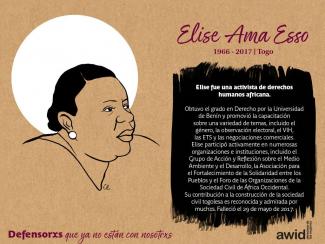
Elise Ama Esso
Au cours des dernières années, nous avons observé une nouvelle tendance inquiétante dans les espaces internationaux consacrés aux droits humains. Les discours axés sur « la protection de la famille » sont en effet utilisés pour défendre des violations des droits de membres de la famille, pour renforcer et justifier l’impunité des auteurs de ces violations et pour restreindre l’égalité des droits au niveau de la vie familiale.
La campagne en faveur de la « Protection de la famille » est motivée par une volonté conservatrice d’imposer des conceptions « traditionnelles » et patriarcales de la famille et de priver les membres de la famille de leurs droits pour les transférer à « l’institution familiale ».
Depuis 2014, un groupe d’Etats travaille de front dans les espaces dédiés aux droits humains sous le nom de « Group of Friends of the Family » (Groupe des ami-e-s de la famille) ; des résolutions sur la « Protection de la famille » ont été adoptées chaque année depuis 2014.
Ce programme s’est propagé au-delà du Conseil des droits humains. Nous avons observé l’introduction d’un discours régressif autour de la « famille » à la Commission sur la condition de la femme, ainsi que des tentatives d’introduction dans les négociations sur les Objectifs de développement durable.
L’AWID travaille avec des partenaires et des allié-e-s pour s’opposer ensemble à la « Protection de la famille » et à d’autres programmes régressifs et défendre l’universalité des droits humains.
En réponse à l’influence croissante d’acteurs régressifs au sein des espaces dédiés aux droits humains, l’AWID a rejoint des allié-e-s afin de créer l’Observatoire sur l'Universalité des droits (OURs) (site en anglais). L’OURs est un projet de collaboration qui surveille, analyse et diffuse les informations concernant les initiatives anti-droits telles que la « Protection de la famille ».
Le premier rapport de l’OURs, Nos droits en danger, trace une cartographie des acteurs et actrices qui constituent le lobby mondial anti-droits et identifie leur réthorique et stratégies clés ainsi que leur impact sur les droits humains.
Le rapport précise que le programme de « Protection de la famille » a développé une collaboration entre un large éventail d’acteurs régressifs aux Nations Unies, qu’il décrit comme « un cadre stratégique abritant des positions anti-droits et patriarcales multiples, où le cadre vise entre autres à légitimer et institutionnaliser ces positions. »
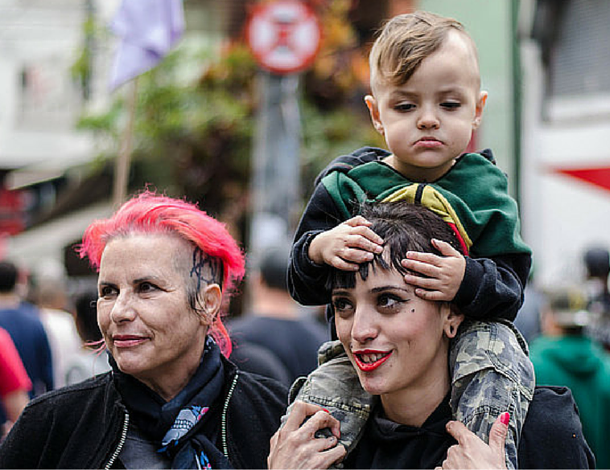
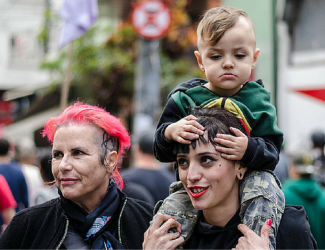
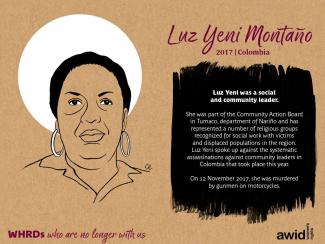
En el transcurso de sus vidas, 6 defensoras de derechos humanos de Europa occidental, Oriental, Central y del Sudeste investigaron, hicieron campañas y participaron en los movimientos de la paz y los derechos de las mujeres a través del activismo político y social o mediante la danza. Agradecemos su legado. Únete a AWID para honrar a estas defensoras de derechos humanos, su trabajo y su legado, compartiendo los memes aquí incluidos con tus colegas, amistades y redes; y tuiteando las etiquetas #WHRDTribute y #16Días.
Por favor, haz click en cada imagen de abajo para ver una versión más grande y para descargar como un archivo.


AGROECOLOGY AND FOOD SOVEREIGNTY AS RESISTANCE |
Today, large-scale industrial food production uses single-crop plantations, genetically modified organisms and other pesticides that destroy the land and knowledge of local communities. |
Agroecology is a resistance to corporate-driven agriculture. It prioritizes smaller scale agriculture, multiple crops and diversified food production, and the centering of local knowledge and practices. Agroecology goes hand-in-hand with demands for food sovereignty, or the “right of peoples to healthy and culturally appropriate food produced through ecologically sound and sustainable methods, and their right to define their own food and agriculture systems”(Via Campesina, Declaration of Nyéléni).
The role of women, indigenous and rural communities and people of color from the Global South is absolutely essential when it comes to food systems. Feminist agroecologists are working to dismantle oppressive gender roles and systems of patriarchy embedded within food production. As shown by the heroines of NSS, they are generating a liberatory agroecology by strengthening community resilience, empowering women peasants and farmers, and preserving local traditions, territories, and knowledge of food-producing communities.

La encuesta contiene 47 preguntas en total, de las cuales 27 son de respuesta obligatoria* y las 20 restantes son opcionales. La mayoría de las preguntas de la encuesta son de opción múltiple. Invitamos a responder la totalidad de las preguntas.
El marco para la investigación te servirá de guía durante todo el proceso y el documento que elabores para especificar ese marco también puede servirte como nota conceptual para compartir con las personas a las que consultes, con las organizaciones con las que te asocies o como propuesta de financiamiento para presentar a posibles donantes.
En esta sección
Antes de realizar una investigación:
- Fija las metas para la investigación
- Enumera las principales preguntas que quieres que te responda la investigación
- Explicita qué tipo de información necesitarás obtener y analizar para responder a las principales preguntas
- Define cuáles serán los productos finales de la investigación
Es posible que el marco de la investigación vaya cambiando con el tiempo, a medida que vayas puliendo las preguntas y obteniendo nueva información. Pese a eso, contar con un marco de referencia inicial para la investigación te ayudará a trabajar sobre bases más sólidas.
Para dotar a la investigación WITM de una base sólida, es importante que tengas claro lo que esperas lograr.
Por ejemplo: una meta de la investigación global WITM de AWID fue aportar información precisa para demostrar lo que ya sabíamos a partir de anécdotas, es decir, que las organizaciones por los derechos de las mujeres tienen mucho menos financiamiento del que necesitan. Pensamos que contar con esa información nos permitiría estar mejor posicionadas para influir sobre las decisiones que toman las financiadoras.
Algunas metas que podrías proponerte:
Enmarca el proceso de investigación con un conjunto de preguntas principales a las que solo tu investigación pueda dar respuesta y limítalas a un período determinado (p.ej. los últimos cinco años, el año pasado, etc.)
Para tener en cuenta:
Elegir un marco temporal específico para la investigación te puede aportar resultados más precisos que si trabajas con un marco temporal abierto. Decidir si vas a repetir o no esta investigación a intervalos regulares te permitirá fijar parámetros para la recolección de datos que permitan replicarlos y compararlos fácilmente entre un período y otro.
Las principales preguntas que guiaron el proceso de investigación WITM de AWID fueron:
- ¿Cuál es la situación actual en cuanto a sostenibilidad financiera de las organizaciones de mujeres en todo el mundo?
- ¿Qué tendencias externas e internas influyen en las decisiones de lxs donantes en cuanto al apoyo para organizaciones y movimientos de mujeres?
Ahora que ya decidiste cuáles serán las preguntas principales, puedes determinar qué tipo de información te servirá para responderlas. Esto a su vez te ayudará a planificar el resto del cronograma de la investigación WITM.
Por ejemplo, ¿vas a realizar una encuesta que abarque a una amplia porción de la población que hayas fijado como prioritaria? ¿Vas a analizar las solicitudes que están recibiendo las financiadoras y que provienen de una determinada región? ¿Vas a realizar también entrevistas (te recomendamos que lo hagas)? Cuando ya sabes qué tipo/s de información necesitas, puedes buscar fuentes externas que puedan aportártela desde el comienzo mismo del proceso y planificar el cronograma de acuerdo a eso. Algunas fuentes de información sugeridas son las siguientes:
Contar con una variedad de información es una buena manera de generar análisis sólidos y profundos.
Por ejemplo, la información recogida en la Encuesta Global 2011 de AWID (en inglés) constituyó el eje central de nuestro análisis más reciente. Pero también obtuvimos información de entrevistas e interacciones con distintxs actores de este campo, desde donantes hasta activistas y organizaciones por los derechos de las mujeres.
Además de permitirte fijar un cronograma, formular un plan inicial acerca de los productos que vas a elaborar también te ayudará a decidir qué recursos vas a necesitar.
Por ejemplo, ¿solo vas a producir un informe extenso o también infografías, folletos y presentaciones? Según los productos que decidas elaborar, tal vez necesites contratar a una empresa de diseño, planificar eventos, etc.
Estos productos también serán las herramientas que utilizarás para alcanzar las metas, por eso es importante tenerlas presentes. Por ejemplo, tu investigación WITM, ¿está pensada solo como una herramienta de incidencia para influir sobre donantes? En ese caso, necesitarás productos que te permitan una mayor interacción con ellxs.
Algunos ejemplos de posibles productos:
Elaborar un marco para la investigación que incluya las metas, preguntas principales, tipos de información y productos finales te ayudará a producir un cronograma bien planificado, preparar por anticipado los recursos que necesitas y estimar un presupuesto realista.
Todo esto te facilitará los vínculos con lxs sociaxs externas y podrás ser flexible cuando ocurran contratiempos.

• 1 mes
• 1 persona (o más) de investigación
• Ejemplo 1: Marco para la investigación
• Ejemplo 2: Marco para la investigación

Au besoin, vous avez la possibilité de sauvegarder vos réponses en cours d’enquête, pour y revenir plus tard. KOBO enregistrera vos brouillons de réponses dans le coin supérieur gauche de la page de l'enquête et rechargera votre dossier lorsque vous reviendrez à l'enquête. Assurez-vous simplement de continuer à partir du même ordinateur et du même navigateur.
La investigación secundaria la puedes realizar en todos los estadios del proceso investigativo. Te puede ayudar a formular el marco, a elegir las preguntas de la encuesta y a comprender mejor los resultados.
En esta sección
- Describe el contexto
- Utiliza el conocimiento ya construido
- Posibles fuentes para la investigación secundaria
1. Sitios de donantes en Internet y sus informes anuales
2. Fuentes de información en línea
Realizar investigación secundaria durante todo el proceso investigativo te ayudará a formular el marco de referencia, elegir las preguntas de la encuesta, interpretar la información según el contexto o percibir aspectos interesantes de los resultados de la investigación. Por ejemplo, podrás comparar similitudes y diferencias entre los resultados de tu investigación y la información recogida de la sociedad civil y del sector donante.
Tal vez percibas tendencias en la información que te aporta la encuesta y quieras entenderlas mejor.
Por ejemplo, imagina que la encuesta te indica que los presupuestos de las organizaciones se están reduciendo, pero no te puede decir por qué está sucediendo esto. Consultar publicaciones te puede ayudar a entender el contexto y las posibles razones que explican esa tendencia.
La utilización de fuentes secundarias garantiza que la investigación incorpore el conocimiento ya construido, confirmando así la validez y relevancia de tus resultados.
Estos resultados pueden complementar o contradecir el conocimiento construido, pero deben guardar relación con él.
Para asegurarte de investigar todo el panorama del financiamiento para la temática que estés relevando, necesitarás estudiar un conjunto diverso de sectores donantes.
Puedes tener en cuenta:
- Fondos de mujeres
- Fundaciones privadas y públicas
- Organizaciones no gubernamentales internacionales (ONGI)
- Entidades bilaterales y multilaterales
- Actores del sector privado
- Filantropía individual
- Micromecenazgos (crowdfunding)
Incluye a todo otro actor que resulte relevante para la investigación.
Por ejemplo, puedes decidir que también será importante relevar a las organizaciones no gubernamentales (ONG)
Estas son fuentes directas de información que revelan lo que están haciendo las financiadoras y por lo general también informan acerca de sus políticas y presupuestos. Incluir estos materiales en la investigación antes de entrevistar a donantes te podrá ayudar a formular preguntas más puntuales y a recoger más información durante la entrevista.

• 1-2 meses
• 1 persona (o más) de investigación
7. Sintetiza los resultados de la investigación

No, it's not. This survey builds on AWID’s 20-year history of mobilizing more and better funding for feminist-led social change and is the third iteration of our Where is the money for feminist organizing? research. Our aim is to repeat the WITM survey every 3 years.
Nous croyons que l'économie, le marché, le système financier et les prémisses sur lesquelles ils reposent sont des domaines critiques pour la lutte féministe.
Ainsi, notre vision pour une économie juste dépasse la promotion des droits et de l'autonomisation des femmes sur le marché. Elle propose d'évaluer le rôle des oppressions liées au genre lors de l'élaboration de mesures économiques, afin de les modifier pour favoriser l'égalité de genre et la justice économique.
Nous ne partons pas de zéro et nous ne sommes pas seules à tenter de mettre en avant des propositions féministes pour une économie juste. Beaucoup des propositions formulées dans ce document existaient déjà en théorie et aussi dans la pratique, au sein de diverses communautés qui défient et résistent face aux systèmes économiques fondés sur la croissance et le marché.
Il est également très important de noter qu'il y a une prise de conscience croissante du fait que les micros solutions n’apportent pas toujours de réponses aux problèmes macros, même si elles représentent des espaces importants pour la construction de la résistance et des mouvements. Certaines alternatives spécifiques peuvent ne pas être en mesure de remédier aux injustices du système capitaliste actuel à l'échelle mondiale.
Cela dit, les alternatives féministes pour une économie juste sont essentielles pour ouvrir des brèches dans le système et pouvoir en tirer des leçons, en faveur d’un changement systémique transformateur. Nous n’avons pas la prétention de proposer un compte-rendu complet et exhaustif sur la manière de créer un modèle économique qui soit juste d’un point de vue féministe, ou même des modèles.
À partir d’un dialogue inter-mouvements avec des syndicats, des mouvements ruraux et paysans et des mouvements environnementaux, nous pouvons néanmoins formuler une série de propositions pour cheminer vers cette vision.
Le modèle néolibéral qui domine l'économie mondiale a démontré à maintes reprises son incapacité à traiter les causes profondes de la pauvreté, des inégalités et de l'exclusion. En réalité, le néolibéralisme a même contribué à provoquer et à exacerber ces injustices.
Caractérisées par la mondialisation, la libéralisation, la privatisation, la financiarisation et l'aide conditionnelle, les politiques générales de développement de ces trois dernières décennies ont fait des ravages dans la vie et les moyens de subsistance de tous et toutes. Ces politiques ont également contribué sans faillir à creuser le fossé des inégalités, aux injustices de genre et à une destruction de l'environnement que le monde ne peut plus se permettre de supporter.
Il y a encore des personnes qui affirment qu’en donnant carte blanche aux sociétés et aux entreprises pour favoriser la croissance économique, le vent finira par atteindre les voiles de tous les navires.
Cependant, la notion du développement dominante au cours des dernières décennies, qui repose en grande partie sur le principe d’une croissance économique illimitée, traverse actuellement une crise idéologique.
Le mythe de la croissance économique en tant que panacée capable de résoudre tous nos problèmes prend l’eau.
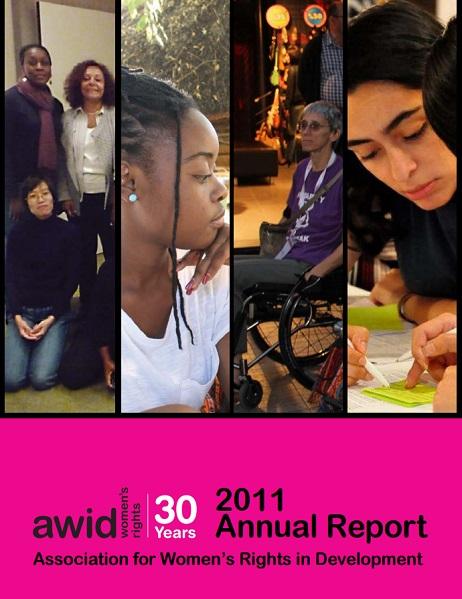
In order to achieve our mission, AWID works through multi-year interconnected programs which encompass a variety of strategies including knowledge production and dissemination, action-research, advocacy, alliance building, and convening strategic dialogues.
Our 2011 Annual Report provides key highlights of our work during the year to contribute to the advancement of women’s rights and gender equality worldwide.
Antes de retirarse, ocupó muchas posiciones de alto perfil, como por ejemplo miembrx de la Corte de Apelaciones de Uganda y Presidenta Adjunta de la Corte Suprema de Uganda. Fue la primera mujer ugandesa en ocupar el cargo de Primera Magistrada entre 1973 y 1986, y la primera mujer en ser nombrada jueza de la Corte Suprema en 1986.
Fue una de las primeras mujeres investidas como “Caballero Papal” de la historia de la Iglesia Católica en África. Murió de un paro cardíaco.

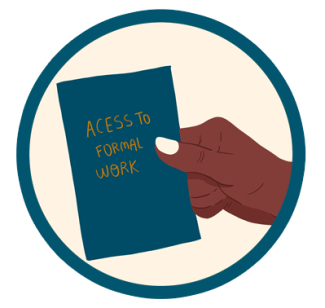
Only 18% of trans and travesti people in Argentina have access to formal work.
