
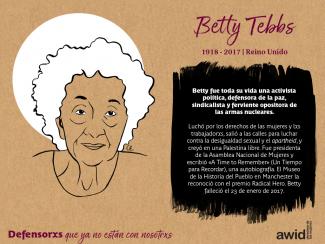
Betty Tebbs
Au cours des dernières années, nous avons observé une nouvelle tendance inquiétante dans les espaces internationaux consacrés aux droits humains. Les discours axés sur « la protection de la famille » sont en effet utilisés pour défendre des violations des droits de membres de la famille, pour renforcer et justifier l’impunité des auteurs de ces violations et pour restreindre l’égalité des droits au niveau de la vie familiale.
La campagne en faveur de la « Protection de la famille » est motivée par une volonté conservatrice d’imposer des conceptions « traditionnelles » et patriarcales de la famille et de priver les membres de la famille de leurs droits pour les transférer à « l’institution familiale ».
Depuis 2014, un groupe d’Etats travaille de front dans les espaces dédiés aux droits humains sous le nom de « Group of Friends of the Family » (Groupe des ami-e-s de la famille) ; des résolutions sur la « Protection de la famille » ont été adoptées chaque année depuis 2014.
Ce programme s’est propagé au-delà du Conseil des droits humains. Nous avons observé l’introduction d’un discours régressif autour de la « famille » à la Commission sur la condition de la femme, ainsi que des tentatives d’introduction dans les négociations sur les Objectifs de développement durable.
L’AWID travaille avec des partenaires et des allié-e-s pour s’opposer ensemble à la « Protection de la famille » et à d’autres programmes régressifs et défendre l’universalité des droits humains.
En réponse à l’influence croissante d’acteurs régressifs au sein des espaces dédiés aux droits humains, l’AWID a rejoint des allié-e-s afin de créer l’Observatoire sur l'Universalité des droits (OURs) (site en anglais). L’OURs est un projet de collaboration qui surveille, analyse et diffuse les informations concernant les initiatives anti-droits telles que la « Protection de la famille ».
Le premier rapport de l’OURs, Nos droits en danger, trace une cartographie des acteurs et actrices qui constituent le lobby mondial anti-droits et identifie leur réthorique et stratégies clés ainsi que leur impact sur les droits humains.
Le rapport précise que le programme de « Protection de la famille » a développé une collaboration entre un large éventail d’acteurs régressifs aux Nations Unies, qu’il décrit comme « un cadre stratégique abritant des positions anti-droits et patriarcales multiples, où le cadre vise entre autres à légitimer et institutionnaliser ces positions. »
Feminist and gender justice movements continue to be chronically underfunded in the face of global funding cuts and freezes. Particularly in Global South regions with shrinking civic spaces, resource scarcity has impacted the most vulnerable communities.
In the face of these setbacks, AWID has updated the Who Can Fund Me? Database - an easy-to-use, practical tool for movements looking for funders from philanthropic foundations, multilateral funders to women’s and feminist funds to support vital lifesaving efforts.

Nous sommes ensemble depuis plus de 20 ans, et je chéris toujours autant votre amour et votre soutien. Il est intéressant de remarquer que vous parvenez à la même étape que l’AWID en tentant toutes, de manière synchrone, de définir comment mobiliser et soutenir la communauté. Aux mères du mouvement : votre leadership et votre orientation sont sans égal. Je pense particulièrement à Prudence Mabele, Kate Thompson, Darien Taylor, Patricia Perez, Martha Tholanah, Deloris Dockery, Iris De La Cruise, Doris Peltier, Cecilia Chung, et bien d’autres encore. Bien que vous ne soyez pas parfaites (comme aucune de nous ne l’est), vous faites toujours passer la communauté en premier et défendez l’inclusion de TOUTES les femmes vivant avec le VIH dans les sphères féministes.
J’aime la manière dont vous m’avez tenue lorsque personne d’autre ne pouvait le faire, et plus important encore, la manière dont nous nous tenons mutuellement. Vous comprenez la stigmatisation, la discrimination, la violence et la douleur, mais également la joie, l’amour et le pardon. En tant que féministes vivant avec le VIH, nous sommes glorieuses et puissantes dans notre intersectionnalité. Nous comprenons que le féminisme inclut et est mené par les communautés - nos sœurs noires, racisées et autochtones, les communautés de personnes trans et de genres divers, queer et lesbiennes, de travailleureuses du sexe, de celles qui ont été incarcérées et celles qui consomment des drogues - comme défini dans le principe GIPA (une participation accrue des personnes vivant avec le VIH). Votre féminisme englobe tout. Nous parlons des questions difficiles et des communautés criminalisées, parce qu’en tant que personnes vivant avec le VIH, nous sommes nous-mêmes criminalisées.
Je manquerais à mes devoirs si je n’envoyais pas plein d’amour aux jeunes femmes vivant avec le VIH, le pouls de notre mouvement. Je parle de vous, Kia Lebejia, Keren Dunaway, Liz Onyango, Faith Ona, Sara Thapa Maga, Doreen Moraa, Yana Panfilova et les millions d’autres activistes incroyables vivant avec le VIH. Vous êtes ce pouvoir qui continuera à nous propulser vers l’avant et permettra que les mouvements féministes traditionnels reconnaissent toute notre importance. Merci de faire progresser notre mouvement, de TOUJOURS inclure les personnes trans et de genres divers, de parler des liens entre changements climatiques et santé des droits sexuels reproductifs.
Je vous aime, vous aime, vous aime, vous aime tellement. Pour le meilleur et pour le pire, continuons à avancer ensemble, parce que c’est notre communauté - c’est ma communauté.
Avec tout mon amour,
Jessica Whitbread
Join as an AWID member now and participate in our next member event:
“Forum Dreaming” on June 20th.
Como parte del Viaje por las Realidades Feministas de AWID, te invitamos a explorar nuestro nuevo Club de Cine Feminista: una colección de cortometrajes y largometrajes seleccionados por nuestrxs curadorxs y narradorxs feministas de todo el mundo, que incluyen a Jess X. Snow (Asia-Pacífico), Gabrielle Tesfaye (África/Diáspora Africana) y Esra Ozban (Sudoeste Asiático y África del Norte). Alejandra Laprea es la curadora del programa de América Latina y Centroamérica, que inauguraremos en septiembre, durante el evento de AWID Crear, Résister, Transform: un festival para movimientos feministas. Mientras tanto, ¡mantente atentx a los anuncios sobre proyecciones especiales y conversaciones con cineastas!
From building prospect funders lists with *templates*, to understand how to write a solid grant proposal, with ‘Getting the Money we Need’ Guide really we don't have to figure this out alone anymore
Read and download the guide hereText-only version

هكذا تبدأ الحركات
أشباحا تطردنا من البيت والعائلة والوطن
فنصل متعبات إلى مساحة (أيضا مكان) وغالبا حالة
وصلت إليها قبلنا نجمة سقطت
ربما نصل أكثر من متعبات
مذعورات
ربما أكثر من مذعورات نصل
غاضبات
من أمور لا تنفك تعيد نفسها
طعنة في القلب (أيضا كسور)
رصاصة في الظهر (أيضا خيانة)
اختفاء قسري
جسد محكوم عليه بزواج أو تشويه أو تعب مزمن
لكننا حين نصل نتجمع ونهمس ونبوح وننوح
هكذا تبدأ حركاتنا، حين نصل إلى الأخريات
فنصبح بذورا
هكذا تبدأ الحركات، حين نزرع بعضا زهورا وأيضا أشواكا وأيضا ثمارا
نحن واحات
لنا كلنا نصنع منها ما نشاء
أغنيات للمعارك
وصفات للشفاء
مخازن لوجوه عشيقاتنا وشكل ابتسامتهن وضحكة انتصاراتهن اليومية
السر لتحويل الصمت الى لغة
تعاليم كل الساحرات
هكذا تكون حركاتنا: لنا كلنا
حين نصل بذورا فنزهر.
سرى أبو غزال
www.badiya.blog
¡Sí! Por favor lee la Convocatoria de Actividades y presenta tu propuesta aquí. La fecha límite es el 1ero de febrero de 2024.
While fundamentalisms, fascisms and other systems of oppression shapeshift and find new tactics and strategies to consolidate power and influence, feminist movements continue to persevere and celebrate gains nationally and in regional and international spaces.
A closer look at actual budgets reveals major income diversity and inequality.
Nous commençons une nouvelle année - 2023. Le COVID-19 continue d'infecter et de réinfecter de très nombreuses personnes dans le monde. Nous assistons à la résurgence de gouvernements droites et fascistes, même dans des endroits auxquels nous ne nous attendions peut-être pas comme la Suède. La guerre, les conflits armés et l'augmentation spectaculaire de la militarisation, du militarisme et des dépenses militaires permettent l'accumulation effrénée du capital par quelques-uns, avec la participation d'alliances apparemment « étranges » qui verrouillent les armes, à la fois visiblement et invisiblement, où les élites économiques et politiques du monde Le Nord et le Sud global en profitent au-delà de notre imagination la plus folle. Entre-temps, notre peuple et l'environnement naturel paient des coûts énormes et subissent toutes les conséquences attendues et inattendues.
Comme vous le savez tous et nous tous à l'AWID, les féministes de multiples mouvements à travers le monde résistent et s'organisent contre les multiples visages de la tyrannie, créant des structures alternatives, mettant en œuvre des stratégies de base et construisant des alliances transnationales. Nous générons de la joie, nous inspirons les unes les autres, chantons et dansons dans et contre la culture dominante du meurtre et du cynisme qui semble avoir englouti une si grande partie du monde.
Nous - le personnel et le conseil d'administration - de l'AWID sommes préparés et inspirés plus que jamais pour relever les défis en renforçant nos relations avec nos membres et nos partenaires organisationnels, en rencontrant et en apprenant à connaître ceux que nous n'avons pas encore rencontrés et en faisant ce que nous faisons le mieux : soutenir les mouvements féministes mondiaux. Bien que nous soyons tristes face au départ de notre ancienne Co-Direction générale Cindy et Hakima, notre merveilleuse nouvelle Co-Direction générale Faye et Inna ainsi que notre personnel engagé et créatif ont embrassé le moment qui englobe à la fois les opportunités et les menaces.
Bien sûr, nous tous à l'AWID et tous les membres de notre mouvement le savons : comme l'écrivait la poétesse et militante américaine des Caraïbes June Jordan aux militantes sud-africaines au plus fort du régime d'apartheid : « Nous sommes celles et ceux que nous attendions » !
Non, il n'est pas nécessaire d'être membre de l'AWID pour y participer, mais les membres de l'AWID bénéficient d'une réduction sur les frais d'inscription ainsi que d'un certain nombre d'autres avantages.
Una colección viva de recursos para apoyar a los movimientos feministas, a personas que diseñan políticas y a aliadxs que resisten a las tendencias fascistas, fundamentalistas y anti-derechos.
Les organisations féministes et de défense des droits des femmes ne dépendent pas uniquement des financements institutionnels, elles s’autofinancent. Nos mouvements sont animés par la passion, la solidarité, l’engagement politique et le soin collectif.
Ces ressources autonomes et autogénérées sont souvent invisibles dans les budgets, mais elles sont le pilier de notre action collective.
Notre liste de liste de donateurs est actuellement en cours de révision. Nous savons que les féministes ont encore besoin et méritent des ressources plus nombreuses et de meilleure qualité !
Rejoignez notre liste de diffusion pour rester informé de cette mise à jour.
Vous pouvez également devenir membre et trouver et créer des liens avec des féministes du monde entier.